
Reviewed · KAMAKURA DAY TRIPS
Kamakura: Half day Walking tour & Japanese sweets
Kamakura can feel like a time machine. In just 4 hours with local, National-licensed guide Kelly, you hit the big sights, plus Nerikiri and matcha in a cafe break that feels genuinely local. I love the small group (max 6) pace, and I also love how the tour explains the samurai and Zen context as you walk. One drawback: there’s real walking and some stairs, so this is not a good match if your mobility is limited.
You’ll start in Kamakura with clear direction right at Kamakura Station (East exit) and quickly settle into a route that mixes temples, shrines, and the narrow side streets locals use. The day centers on three anchors: the Great Buddha at Kotoku-in, the garden-and-view stop at Hase-dera, and Tsurugaoka Hachiman-gũ as Kamakura’s historical core.
The only likely extra cost is the local train between stations, and that can be easy to miss if you assume everything is bundled. Plan for the short rail hop (¥200 one way) and you’ll be set.
In This Review
- Key Things I’d Plan Around
- A 4-Hour Kamakura Plan That Feels Human
- Meeting at Kamakura Station East Exit: Easy Start, Clear Direction
- Kotoku-in and the Great Buddha: More Than a Photo Stop
- Hase-dera: Gardens, Beach Views, and a Donjon Cave
- Tsurugaoka Hachiman-gũ: Where Kamakura’s Samurai Story Starts
- Komachi-dori Side Streets, Tea, and Shopping With a Local Lens
- Is It Worth $64? Where the Value Comes From
- Pace, Comfort Rules, and Who Should Skip This Tour
- How to Make the Most of It: Small Tips That Actually Help
- Should You Book This Kamakura Tour With Kelly?
- FAQ
- What time does the tour start, and how long is it?
- Where is the meeting point?
- Who leads the tour?
- What are the main stops during the walk?
- Are entrance fees included?
- Is the cafe stop included, and can I eat vegetarian?
- Is transportation included?
- Is the tour suitable for wheelchair users?
Key Things I’d Plan Around
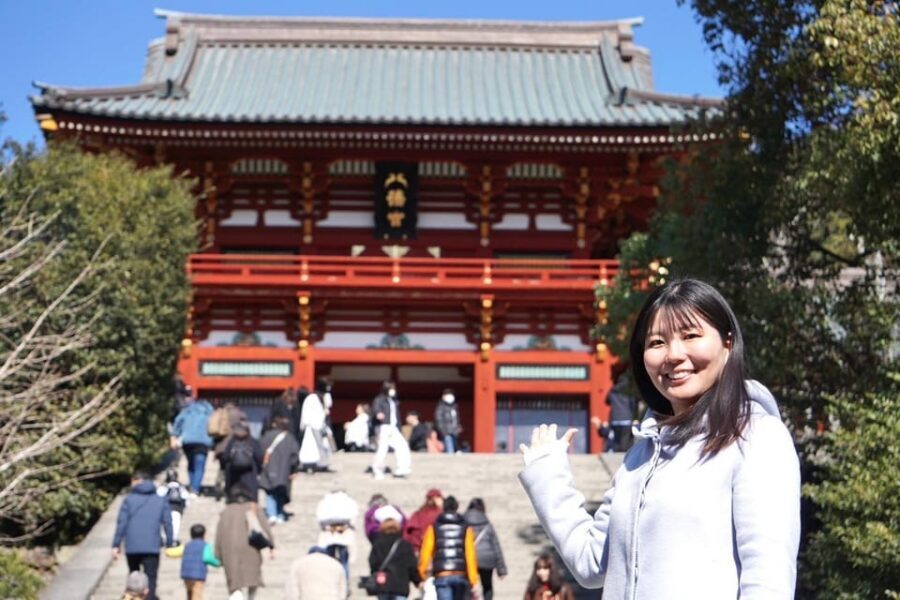
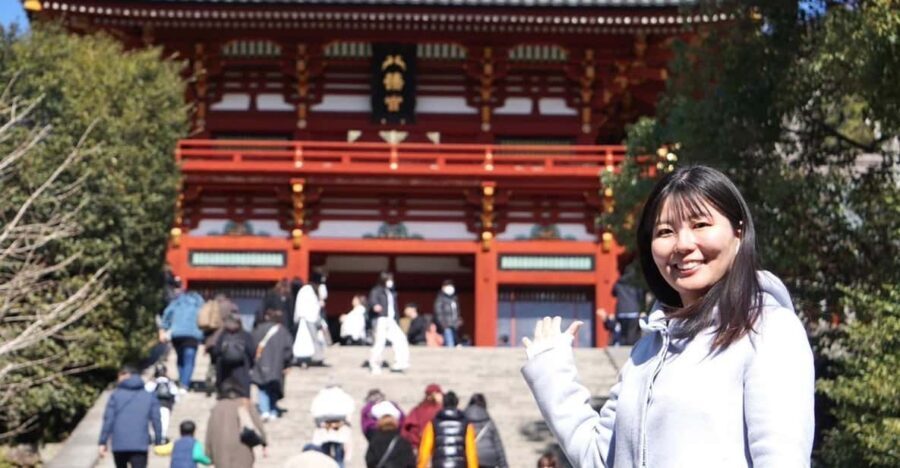
- Kelly, your National-licensed local guide who keeps the pace calm and answers questions in English
- Kotoku-in Great Buddha as a must-see photo stop with story and meaning, not just sightseeing
- Hase-dera’s gardens + observation deck for beach-and-town views and a donjon cave in the precinct
- Tsurugaoka Hachiman-gũ as the samurai-era hub, with centuries of context in a short stop
- Nerikiri and matcha tea in a cafe break planned into the walk, plus time for shopping on Komachi-dori
- Small-group route through narrow back streets so you spend less time stuck in crowds and more time enjoying the vibe
A 4-Hour Kamakura Plan That Feels Human
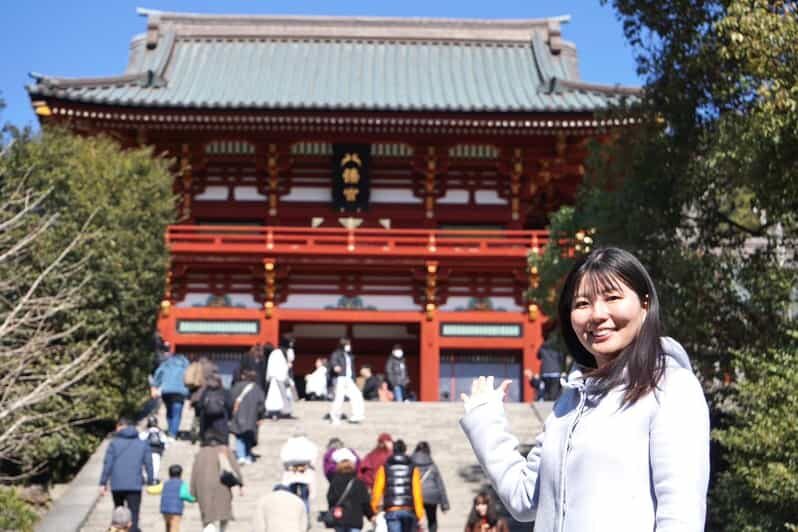
This tour is built for people who want the highlights without the frantic scramble. You start at 13:00 and finish after about 4 hours, which is long enough to see the core sights but short enough to avoid turning Kamakura into a full-day grind.
The value isn’t only that you’ll check off famous names like Kotoku-in and Hase-dera. It’s that you’re not just moving between places—you’re moving with context. Kelly’s approach ties samurai-era culture and Zen ideas to what you see on the ground, so the temples and shrine grounds make more sense as you go.
If you’re visiting from Tokyo, this kind of half-day structure is a smart way to get out of the city. You get beach views, major spiritual sites, and a local sweets break, all without burning an entire day.
Meeting at Kamakura Station East Exit: Easy Start, Clear Direction
You meet just next to the ticket gate at Kamakura Station, East exit, at the Kamakura City Tourist Information Center area. The guide holds a meeting board, so you shouldn’t be left guessing where to go.
This matters because Kamakura can move fast once the day warms up. Getting your bearings early helps you settle into the tour immediately and reduces the stress of figuring out trains and meeting spots on your own.
You’ll also get a quick train leg as part of the plan (about 10 minutes between stops). That means you spend less time on long transfers and more time where it counts—walking the temple and street areas.
Kotoku-in and the Great Buddha: More Than a Photo Stop
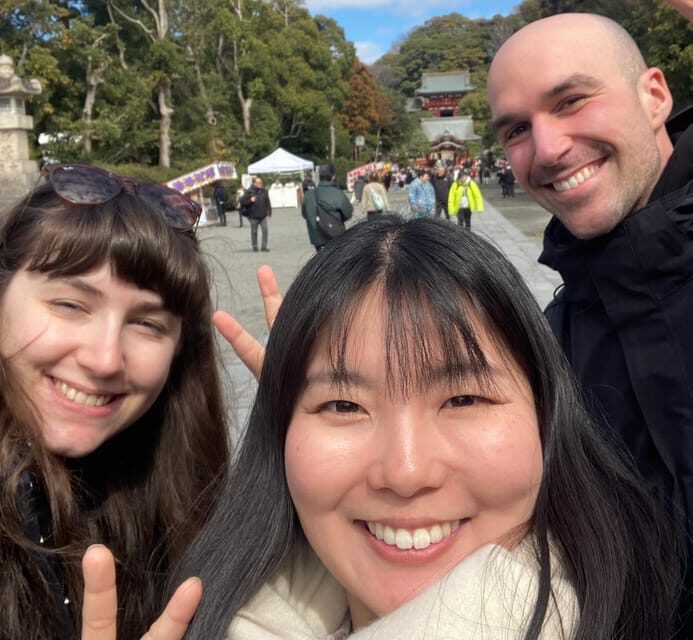
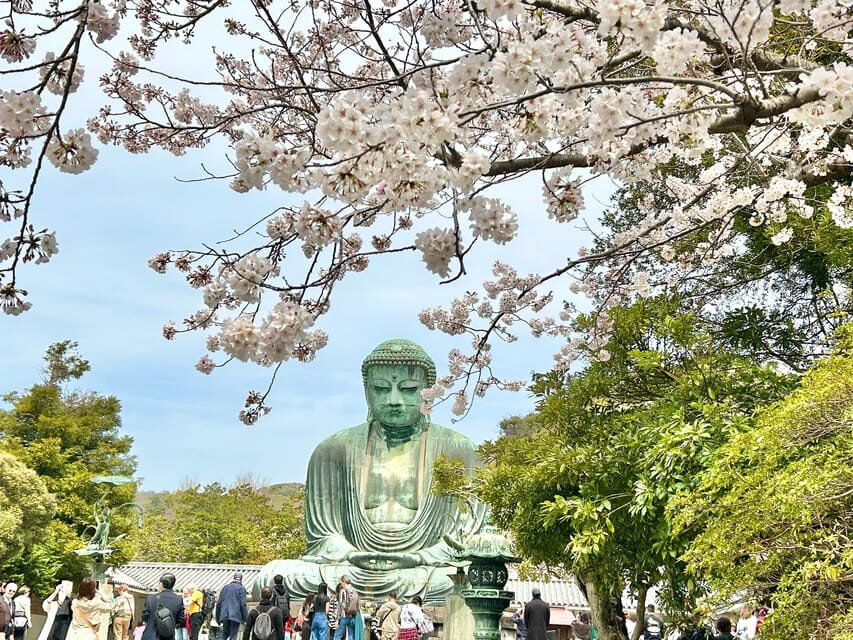
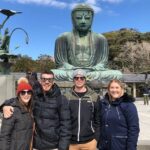
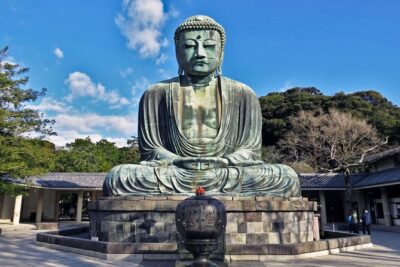
Kotoku-in is your first big anchor, with about 30 minutes here. The headline is the Great Buddha Statue, one of Japan’s most popular photo spots.
But the tour is careful to go beyond the iconic image. Kelly explains the statue’s history and background, and she connects it to wider cultural ideas you’ll notice across Kamakura—especially the mix of Buddhist practice and the thinking style that traveled with Zen.
What I like about this stop for your time:
- It’s visually immediate, so you don’t feel like you’re waiting for the tour to start
- The explanation gives you a mental framework before you move on to other sacred sites
One practical note: this is a temple area, so expect walking on uneven ground and time spent soaking in the surroundings rather than racing through.
Entrance fees for Kotoku-in are included in the tour price, so you don’t need to pull out your wallet just to see the main attraction.
Hase-dera: Gardens, Beach Views, and a Donjon Cave

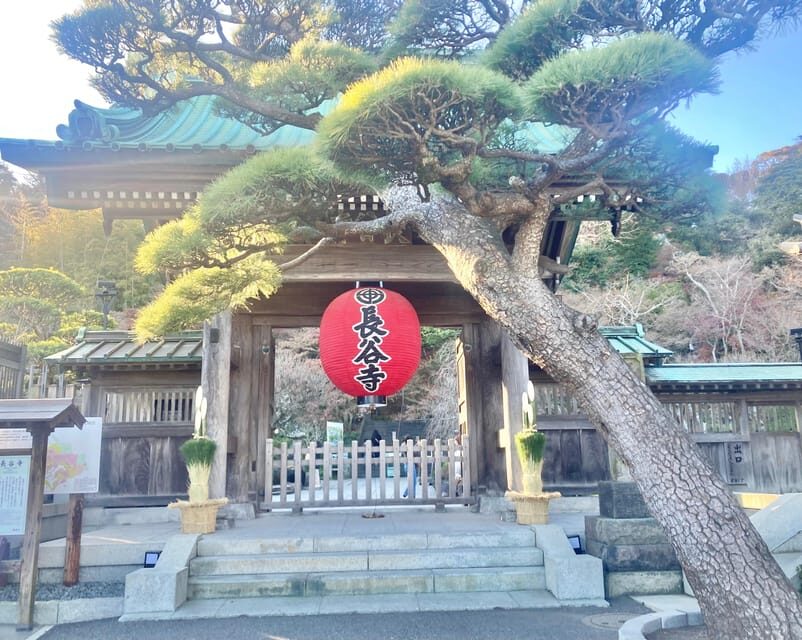
Next is Hase-dera, with about 1 hour on site. This is where Kamakura’s scenery starts to show up more clearly. The temple grounds include beautiful Japanese gardens, plus an observation area where you can admire the beach and townscape of Kamakura.
There’s also a donjon cave in the precinct. That’s the kind of detail that turns a standard temple visit into a more memorable walk, because it gives you a sense of hidden corners and layered space.
Why Hase-dera works so well in a half-day tour:
- The garden layout encourages slow looking, so the hour doesn’t feel rushed
- The observation deck gives you a scenic reward, which balances the earlier Great Buddha focus
- The stop supports seasonal beauty—if you’re going outside peak summer crowds, you’ll likely appreciate the chance to breathe and look around
Entrance fees for Hase-dera are also included. That’s a real savings when you’re bundling multiple sacred sites into one outing.
Downside to keep in mind: temple grounds can involve stairs and changes in elevation. Comfortable shoes help a lot, and if you’re sensitive to steep steps, you’ll want to take your time at each viewpoint.
Tsurugaoka Hachiman-gũ: Where Kamakura’s Samurai Story Starts
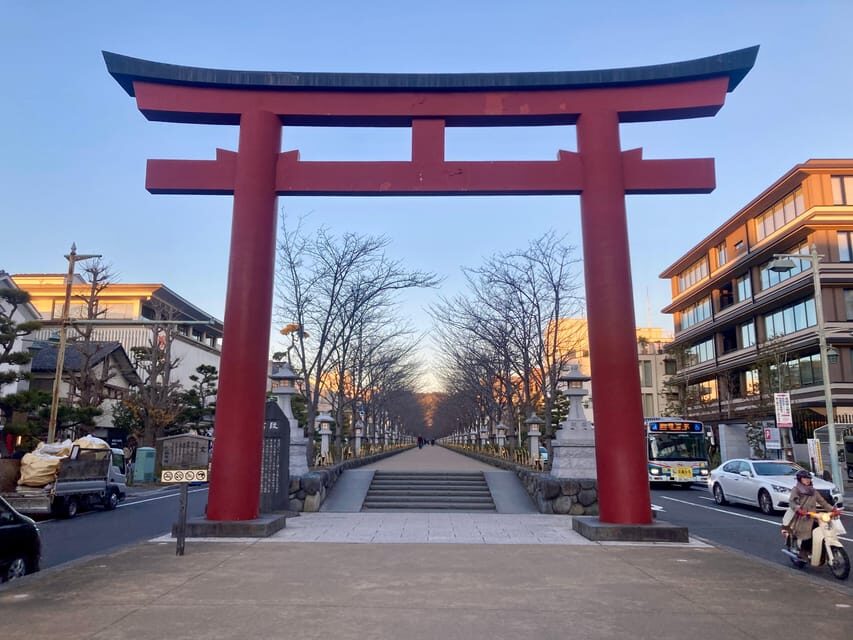
You’ll head to Tsurugaoka Hachiman-gũ, typically with 45 minutes here. This shrine sits at the center of Kamakura, and it’s your historical bridge—linking what you saw at Kotoku-in and Hase-dera to the human story of the area.
Kelly frames it as a place with around 800 years of history, including traces connected to the samurai period. The vibe is different from the big statue and garden settings. Here, it feels more like a living hub of tradition, with the shrine grounds giving you space to absorb the atmosphere.
The tour notes that there’s no entrance fee for this stop, which is nice because it keeps the day feeling flexible and budget-friendly.
What you’ll gain here isn’t just facts. It’s understanding why Kamakura looks the way it does—how people organized sacred space and power space together, and how samurai culture influenced what the town became.
Komachi-dori Side Streets, Tea, and Shopping With a Local Lens
After temples and shrine time, the tour switches gears to streets—specifically Komachi-dori and the surrounding areas.
First comes tea on Komachi-dori, about 45 minutes. This is where you get traditional Japanese sweets and Matcha green tea. You’ll try Nerikiri, a type of traditional sweet that you can’t really replicate at home the same way, because the texture and shaping are part of the experience.
Then you get time for shopping on Komachi-dori. That matters because Kamakura isn’t only temples and views. It’s also everyday shopping streets, snacks, small souvenirs, and the kind of browsing that works well after you’ve already seen the major sights.
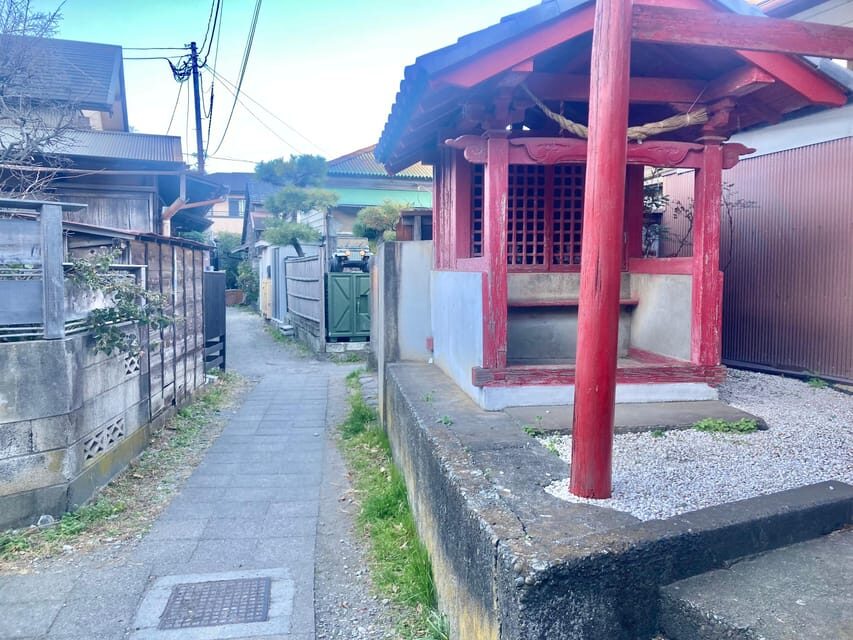
One of the best parts of this portion is that the route doesn’t only run through the most obvious tourist lanes. The tour includes narrow rear streets that are known more by locals, with an atmosphere you can’t quite get by following the main street alone. Kelly also uses shortcuts to help avoid the narrowest, busiest parts of the route, which keeps the day moving at a comfortable pace.
If you want an “I get it now” feeling—why Kamakura looks good in photos but also feels real in person—this street section is a big reason.
Food cost at the cafe is included, and the tour is vegetarian friendly, which helps if you’re choosing your meals carefully.
Is It Worth $64? Where the Value Comes From
At $64 per person for about 4 hours, the price makes sense when you look at what’s covered.
Included:
- A local National-licensed guide (this is the core value)
- Entrance fees for Kotoku-in and Hase-dera
- Cafe food cost for Japanese sweets and matcha tea
- Vegetarian friendly planning
Not included:
- The local train fare between stations (noted as about ¥200 one way, so roughly ¥400 round trip)
Here’s how I’d think about the value as a practical traveler:
- If you were doing this on your own, you’d likely pay entrance fees anyway and still need to figure out the route between sites.
- The cafe stop isn’t just a snack; it’s where you try Nerikiri and matcha in a way that fits the tour rhythm.
- The biggest cost is time. Paying for a guide buys you fewer wrong turns, less mental juggling, and a faster understanding of what you’re looking at.
So, yes—the tour price isn’t only “walking with a guide.” It’s structured around paying for entry, food, and interpretation in one shot.
Pace, Comfort Rules, and Who Should Skip This Tour
This is a walking tour. Even though it’s only 4 hours, it’s not a sit-and-stare experience.
Plan for:
- Some stairs and uneven ground at temple sites
- A route that requires moderate fitness
- Narrow streets and steady movement between stops
Not suitable for:
- Wheelchair users
- People with low level of fitness
Comfort rules you should know:
- Not allowed: high-heeled shoes
- Not allowed: pets (assistance dogs are allowed)
This is exactly the kind of tour I recommend if you can handle short climbs and you enjoy learning while you walk. If you’re traveling with someone who tires easily, consider whether the step-heavy temple segments will be too much.
How to Make the Most of It: Small Tips That Actually Help
A few practical points can improve the whole experience:
- Wear comfortable shoes with good grip—temple areas and stairs are part of the plan.
- Bring a light layer. Even in warmer months, temple shade and air flow can feel cooler than you expect.
- Don’t rush your cafe break. The sweets and matcha stop is part of the pacing, not a filler.
- Ask Kelly questions when they come up. The tour time is short, and the guide’s explanations are a major part of why the day feels rewarding.
Also, if you’re worried about the ending, you’ll finish on Komachi-dori Street. In real life, that’s convenient for browsing and for getting your bearings for transit afterward.
Should You Book This Kamakura Tour With Kelly?
I’d book it if you want a tight half-day plan that combines the big spiritual sights with samurai and Zen context, plus a proper sweets-and-tea break. The small group size (max 6) and the fact that the tour includes entrance fees and cafe food make it feel like good use of money rather than paying for basic logistics.
I’d skip it if:
- You need a wheelchair-friendly or low-stairs route
- You don’t want to walk much at all
- You’re hoping for an unstructured day with no guided interpretation
If you do book, it helps that the tour offers free cancellation up to 24 hours in advance for a full refund and reserve now & pay later, so you can keep your schedule flexible if weather or other plans shift.
If your goal is to experience Kamakura’s most famous places with less stress and more meaning, this is a strong match.
FAQ
What time does the tour start, and how long is it?
The tour starts at 13:00 and lasts about 4 hours.
Where is the meeting point?
Meet at Kamakura Station, East exit, next to the ticket gate at the Kamakura City Tourist Information Center area. The guide will have a meeting board.
Who leads the tour?
A live English-speaking guide leads the tour. The guide is Kelly, a National licensed tour guide.
What are the main stops during the walk?
You’ll visit Kōtoku-in (Great Buddha), Hase-dera, and Tsurugaoka Hachiman Shrine, plus time on Komachi-dori for tea and shopping.
Are entrance fees included?
Yes. Entrance fees are included for Kotoku-in and Hase temple.
Is the cafe stop included, and can I eat vegetarian?
Yes. The tour includes Japanese sweets and Matcha green tea, and it is vegetarian friendly.
Is transportation included?
No. The local train fare is not included, noted as ¥200 one way (about ¥400 total).
Is the tour suitable for wheelchair users?
No. It is listed as not suitable for wheelchair users and people with low level of fitness.
More Tours in Kamakura
More Tour Reviews in Kamakura
More Days by the Great Buddha
Kamakura Day Trips, compared.
 ★ 4.5Kamakura & Enoshima Day Trip including Temple TicketsFrom $581,375 reviews
 ★ 4.5From Tokyo: Kamakura & Enoshima 1-Day Bus TourFrom $66189 reviews
 ★ 5.0Kamakura Historical Walking Tour with the Great BuddhaFrom $98129 reviews
Kamakura Private Tour: Temples, Nature, and the Great BuddhaFrom $98121 reviews
Kamakura Walking Tour – The City of ShogunFrom $35100 reviews
★ 5.0Kamakura Historical Walking Tour with the Great BuddhaFrom $98129 reviews
Kamakura Private Tour: Temples, Nature, and the Great BuddhaFrom $98121 reviews
Kamakura Walking Tour – The City of ShogunFrom $35100 reviews
 ★ 5.0Kamakura 8 hr Private Walking Tour with Licensed Guide from TokyoFrom $20180 reviews
 ★ 4.1Kamakura & Enoshima Day Tour with Pickup & Train RideFrom $1361 reviews
 ★ 4.8Kamakura: Private Guided Walking Tour with Local GuideFrom $10660 reviews
Browse the lists this tour appears in