
Reviewed · KAMAKURA DAY TRIPS
Kamakura Tours Half Day or Full Day Tours with a local guide.
Kamakura feels ancient and easy. With a local guide steering the day, you skip the guesswork and focus on the sights. The tour mixes short walks with efficient public transport, so you don’t lose hours figuring out trains and routes.
Two things I really like: you get the big icon moments without rushing, and you also get time for real street-life. The Great Buddha at Kotoku-in is a fast hit of scale, and Hase-dera brings quieter gardens plus views that make the temples feel like more than photo stops.
One thing to consider: this is still a walking-and-transit day, and the itinerary assumes moderate physical fitness. Also, lunch and optional kimono rental are not included, so plan your budget and timing accordingly.
In This Review
- Key highlights worth planning for
- A smooth Kamakura day with a guide who thinks like a local
- Meeting at Kamakura Station and how the tour moves
- Kotoku-in Great Buddha: the icon stop that sets the tone
- Hase-dera Temple: gardens, Kannon, Jizo, and bay views
- Komachi Street: where the day gets fun (and you’ll want to snack)
- Tsurugaoka Hachimangu Shrine: spiritual heart and historic beauty
- Optional kimono rental near Imakoji: a photo upgrade, not a must
- Price and value: what $70 buys you (and what it doesn’t)
- When this tour fits you best (and when it might not)
- A few planning notes so your day stays comfortable
- Should you book this Kamakura local-guide tour?
- FAQ
- How long is the Kamakura tour?
- Is this tour private?
- Where do we meet for the tour?
- Are entrance fees included?
- Is lunch included?
- Does the tour include bottled water?
- Is kimono rental included?
- Is there private transportation by vehicle?
- What if the weather is bad or I cancel?
Key highlights worth planning for
- A local guide handles the hard parts so you can enjoy the day instead of tracking stations
- Entrance fees for shrines and temples are included so fewer add-ons during the day
- Kotoku-in + Hase-dera give you the two strongest temple experiences early
- Komachi Street is built in for food, snacks, and handmade shopping with about 1.5 hours to wander
- Optional kimono rental adds a photo-friendly hour without breaking the core itinerary
A smooth Kamakura day with a guide who thinks like a local
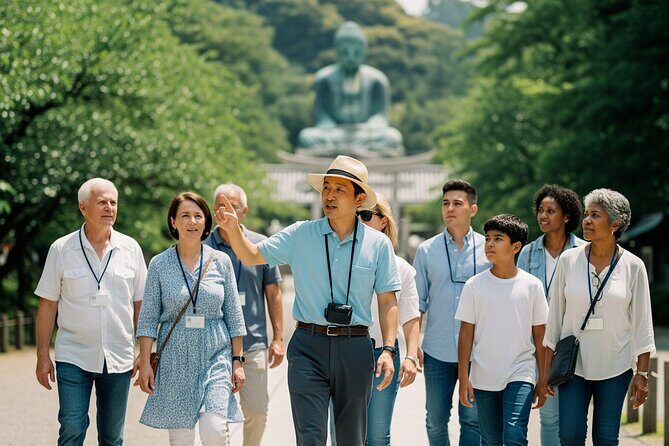
Kamakura can be busy, and it’s the kind of place where getting oriented matters. That’s where this tour earns its keep. You’ll have a local private guide guiding your route and pacing, plus support with transit so the day stays efficient instead of turning into a navigation project.
Because it’s a private tour/activity for your group, you’re not stuck following the slowest person or getting pulled along with a pace that doesn’t match yours. It’s also offered as a half-day or full-day style product, but the typical plan runs about 8 hours.
If you like Japan travel that feels organized but not stiff, this format fits well: you walk, you ride, you stop. You don’t spend the day trying to decode signage or guess which shortcut is actually a shortcut.
Meeting at Kamakura Station and how the tour moves
The tour starts at Kamakura Station (1-chōme-1-15 Onarimachi) and ends back at the meeting point. If pickup is offered for your booking, you get that extra layer of convenience—handy when you’re tired, carrying bags, or traveling with a group.
One practical note: this is not a vehicle guided tour. You’ll use public transport efficiently, with walking between stops. That’s usually faster and more flexible in Kamakura than trying to rely on a car schedule.
They also provide bottled water on hot summer days. You can’t pick soda or alcohol, but having water covered is one less thing to manage while you’re out temples-and-streets all day.
Kotoku-in Great Buddha: the icon stop that sets the tone
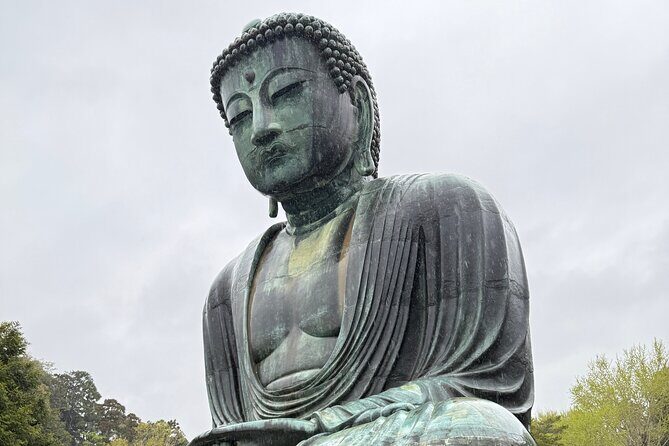
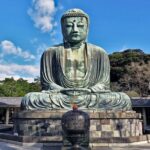
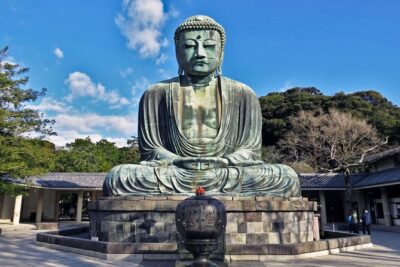
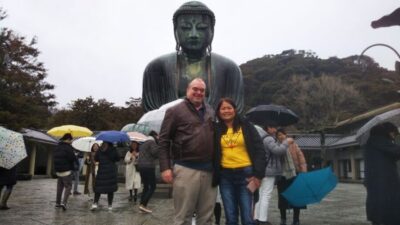
Your first major stop is Kotoku-in, home to the Great Buddha of Kamakura. You’ll have about 45 minutes here, and the admission ticket is included. This is a good start because it anchors the day with something instantly recognizable and historically important.
What you’ll actually feel here is scale. This isn’t one of those temples where you spend 10 minutes and move on. You’ll take time looking, and you’ll probably notice how the area around Kotoku-in is set up for small purchases—like snacks and drinks near the temple and Great Buddha souvenirs.
A small planning tip: 45 minutes is enough to see the statue clearly and also walk the grounds without panic. If you want extra time for shopping at the start, it helps to arrive ready to browse quickly so you don’t steal time from the next stop.
Hase-dera Temple: gardens, Kannon, Jizo, and bay views
Next up is Hase-dera Temple, another 45-minute stop with the admission included. This is where Kamakura shifts from the loud “must-see” feeling into something calmer.
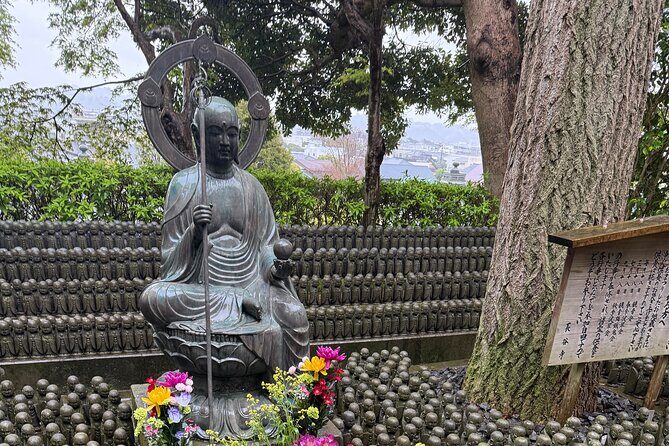
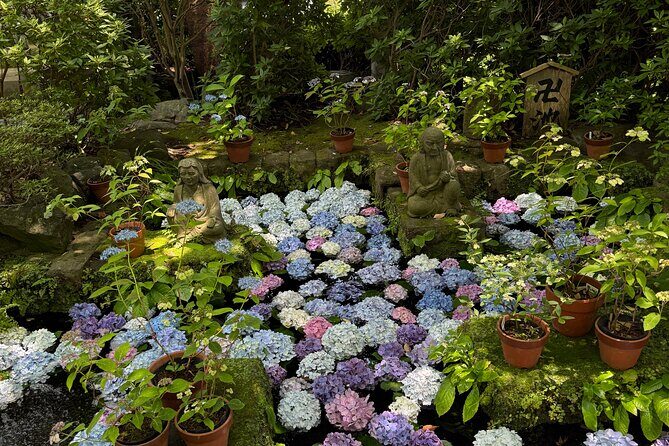
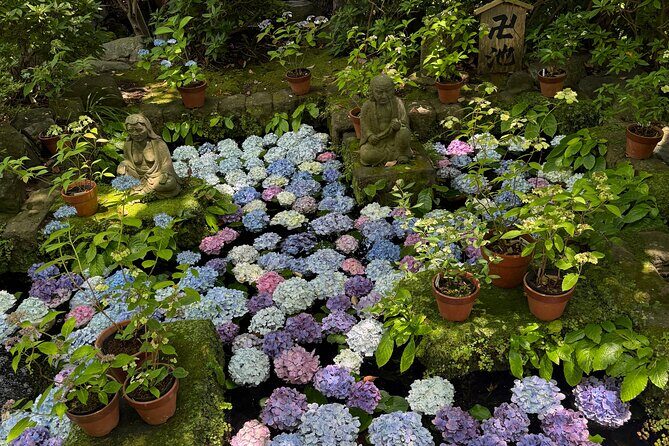
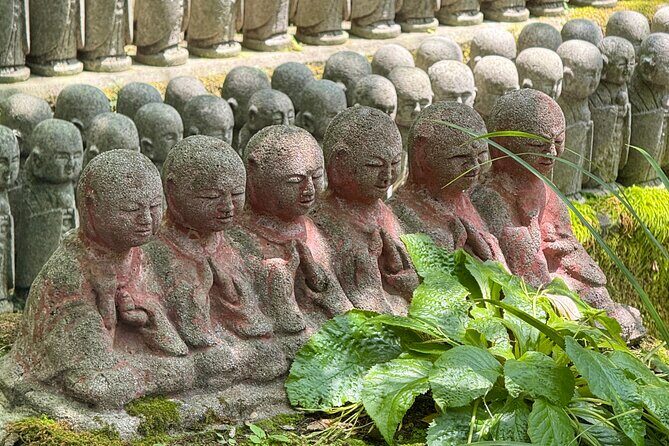
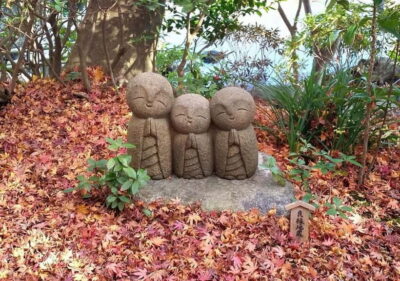
The heart of the visit centers on the Buddhist goddess Kannon and Jizo statues. These are the kinds of figures you’ll see visitors photograph, but they also make the temple feel like a lived place of belief rather than just a sight.
Hase-dera is also known for beautiful gardens and bay views, and that mix matters. Gardens are slower by nature. Bay views add space and light. Together, they help you catch a different tempo in the middle of the day—especially if earlier crowds feel intense.
Potential drawback: gardens mean uneven ground and more walking than the schedule might suggest. It’s not extreme, but if you’re the type who gets tired quickly on footpaths, pace yourself and take short breaks.
Komachi Street: where the day gets fun (and you’ll want to snack)
After the temples, the tour gives you a change of pace: Komachi Street (Goro Kamakura Komachi Street Honten area). You get about 1 hour 30 minutes here, and there’s no paid admission.
This is the part of the day I think most people end up remembering for the “in-between” moments—wandering, stopping, and trying small foods. The street is set up for walking, and the guide helps you make it efficient without turning it into a checkbox.
What makes Komachi Street valuable on this tour is that it’s not just shopping for the sake of shopping. You’re given time to walk, eat, drink, explore, and shop, including the chance to look for handmade souvenirs and items made in Kamakura.
If you have a strong souvenir budget, this is a great place to spend it. But keep one eye on timing: Komachi Street can be tempting enough that you’ll want to linger. The 1.5-hour window is intentional, so check in with your guide if you’re tempted to run long.
Tsurugaoka Hachimangu Shrine: spiritual heart and historic beauty
Then you head to Tsurugaoka Hachimangu Shrine, one of the oldest shrines in Japan, with about 45 minutes. There’s no admission fee included for this stop.
This shrine works as a cultural anchor for the day. Even if you don’t read every sign, the atmosphere tells you it’s central. The guide’s explanations matter here because you’ll understand why it’s important beyond its visual beauty.
You’ll also notice the contrast with the earlier stops. Kotoku-in is icon-scale. Hase-dera is quieter and garden-led. Tsurugaoka Hachimangu is structured and ceremonial, which can feel like a reset before the optional wrap-up activity.
Optional kimono rental near Imakoji: a photo upgrade, not a must
The last planned activity is kimono rental near Imakoji (kimono/yukata). You’ll spend about 1 hour, and it’s not included in the tour price.
This is a genuinely fun option if you want photos that feel unmistakably Japanese. But treat it as optional, not essential. If you’re more interested in temples and street food than costume time, you can skip it and keep your day flexible.
One practical consideration: adding a kimono hour can affect when you’ll be done and how tired you’ll feel later. If you’re traveling in summer heat, think about how comfortable you’ll be in layers of fabric, and go in with realistic expectations.
Price and value: what $70 buys you (and what it doesn’t)
The price is $70 per person, and the tour runs about 8 hours. On average, it’s booked about 69 days in advance, which tells me it’s a popular way to do Kamakura without stress.
For the money, you’re paying for the guide’s time and planning power—plus the extras that can add up in Japan:
- Tour guide fee included
- Entrance fees to shrines and temples included
- Bottled water included on hot summer days
- Pickup offered (when available for your booking)
- Mobile ticket
What you’re not getting:
- Lunch is not included (the guide can help point you to a local restaurant, and you can take that break at your own pace)
- Kimono rental is optional and not included
- It’s not a vehicle-based tour (public transport is part of the plan)
So is it good value? For a day that includes multiple ticketed temple stops and a guide to handle routing and pacing, it often ends up cheaper than DIY once you factor your time and the inconvenience cost. You’re also buying a calmer day—less standing around, fewer wrong turns, and a smoother flow between places.
One more trust signal: it has a 5-star average rating from 12 reviews, and a 100% recommendation rate. That doesn’t guarantee your experience will be identical, but it does suggest the format and quality are consistent.
When this tour fits you best (and when it might not)
This tour is a strong match if you want to see a lot of Kamakura without wrestling with transit. It’s also ideal if you’d like temple context explained in clear English. In the past, the guide Jack has been praised for impeccable English and for being easy to relate to thanks to time in the US, which matters when you want stories that click.
You’ll probably enjoy this format if:
- You like temples but also want real time for street wandering at Komachi Street
- You’d rather spend energy on experiencing than mapping
- Your group wants a private pace and clear guidance
It may be less ideal if:
- You want full freedom to linger far longer at one stop without any schedule support
- Your group hates public transit walking segments
- You’re trying to keep costs ultra-low since lunch and kimono rental aren’t included
A few planning notes so your day stays comfortable
The tour requires good weather. If the day can’t run due to weather conditions, you’ll be offered a different date or a full refund.
Also note the physical side: it calls for moderate physical fitness. That usually means expect walking on temple grounds and between stops, not just easy flat strolling.
If you’re traveling with service animals, service animals are allowed. The tour is also described as near public transportation, which helps if you’re already comfortable using trains and want to feel less boxed in.
And if you’re deciding when to book: because it’s frequently booked ahead (around two months on average), earlier planning can help you lock in the schedule you want.
Should you book this Kamakura local-guide tour?
I’d book it if you want a Kamakura day that feels organized, explains what you’re seeing, and still leaves room for fun—especially food and shopping on Komachi Street. The big wins are the included temple admissions, the guide-handled routing, and the pacing that gives each stop real attention.
I would skip or adjust your plan if you’re hoping for a fully freeform day with no transit walking, or if you don’t want to pay for guide time. In that case, DIY can be cheaper, but you’ll trade away the stress relief and efficiency.
If you’re on the fence, here’s a simple way to decide: if you’d rather spend your energy looking at temples than figuring out trains, this tour is the safer bet.
FAQ
How long is the Kamakura tour?
It runs for about 8 hours (approx.).
Is this tour private?
Yes. It’s a private tour/activity, and only your group participates.
Where do we meet for the tour?
The start point is Kamakura Station (1-chōme-1-15 Onarimachi, Kamakura, Kanagawa 248-0012, Japan). The tour ends back at the meeting point.
Are entrance fees included?
Yes. Entrance fees to shrines and temples are included in the price.
Is lunch included?
No. Lunch is not provided. The guide can help bring you to a local restaurant where you can relax for lunch.
Does the tour include bottled water?
Yes. Bottled water is included, and it’s provided for hot summer days (you can’t choose the drink).
Is kimono rental included?
No. Kimono rental is optional and not included in the tour price.
Is there private transportation by vehicle?
No. This is not a vehicle guided tour. The tour blends walking with efficient public transport.
What if the weather is bad or I cancel?
The experience requires good weather. If it’s canceled due to poor weather, you’ll be offered a different date or a full refund. You can cancel for a full refund up to 24 hours in advance; within 24 hours, the amount paid is not refunded.
More Tours in Kamakura
More Tour Reviews in Kamakura
More Days by the Great Buddha
Kamakura Day Trips, compared.
 ★ 4.5Kamakura & Enoshima Day Trip including Temple TicketsFrom $581,375 reviews
 ★ 4.5From Tokyo: Kamakura & Enoshima 1-Day Bus TourFrom $66189 reviews
 ★ 5.0Kamakura Historical Walking Tour with the Great BuddhaFrom $98129 reviews
Kamakura Private Tour: Temples, Nature, and the Great BuddhaFrom $98121 reviews
Kamakura Walking Tour – The City of ShogunFrom $35100 reviews
★ 5.0Kamakura Historical Walking Tour with the Great BuddhaFrom $98129 reviews
Kamakura Private Tour: Temples, Nature, and the Great BuddhaFrom $98121 reviews
Kamakura Walking Tour – The City of ShogunFrom $35100 reviews
 ★ 5.0Kamakura 8 hr Private Walking Tour with Licensed Guide from TokyoFrom $20180 reviews
 ★ 4.1Kamakura & Enoshima Day Tour with Pickup & Train RideFrom $1361 reviews
 ★ 4.8Kamakura: Private Guided Walking Tour with Local GuideFrom $10660 reviews
Browse the lists this tour appears in