
Reviewed · KAMAKURA DAY TRIPS
Kamakura: Great Buddha, Hase Temple, & Komachi Street Tour
Kamakura is the easiest way to feel old Japan.
This tour is built for people who want big sights without a bunch of logistical stress. You start in Tokyo, take local trains (including the cute Enoden), and spend the day hitting the main spiritual and scenic hits: Kōtoku-in’s Great Buddha in open air, the Hase-dera temple area known for seasonal flowers, and Tsurugaoka Hachimangu plus shopping on Komachi Dori.
I love the focus on what you’re actually looking at—Buddhas, Kannon figures, and wish-making at Hase. I also like that you finish with time for real browsing along Komachi Dori so the day isn’t just temples and then goodbye.
One drawback to plan for: you’ll walk a lot and use public transit plus a couple short bus rides, so comfortable shoes are non-negotiable (and some stations have limited elevators/escalators).
In This Review
- Key highlights you’ll feel right away
- Kamakura as a day trip: why this route works
- The Tokyo pickup and the train rhythm (JR + Enoden)
- Kōtoku-in Great Buddha: the open-air wow factor
- Hase-dera: hydrangeas, wish-making, and a slower temple stroll
- Lunch near Hase: seafood country, with options
- Hokokuji bamboo forest: quick bus ride, big mood shift
- Tsurugaoka Hachimangu and Komachi Dori: shrine calm meets shopping energy
- Price and value: what $530 covers (and what you still pay)
- Timing, comfort, and the small logistics that matter
- Should you book this Kamakura tour?
- FAQ
- How long is the Kamakura tour?
- Where is pickup in Tokyo, and where does the tour end?
- Is this tour private, and what is the group size?
- What languages are available for the guide?
- What’s included, and what isn’t included in the price?
- Does the tour include Enoden (the local train)?
- Is lunch included, and can you avoid seafood?
- What is the cancellation policy?
Key highlights you’ll feel right away
- Open-air Great Buddha (Kōtoku-in), big scale, no roof drama
- Hase-dera stroll time with seasonal flower views, especially hydrangeas
- Enoden local train ride for a more lived-in Kamakura feel
- Hokokuji Bamboo Forest for a fast mood shift after the temple areas
- Tsurugaoka Hachimangu shrine followed by shopping on Komachi Dori
Kamakura as a day trip: why this route works
Kamakura sits close enough to Tokyo that it’s doable in one long, satisfying day. The payoff is that you get a real mix: religion (shrines and temple grounds), classic Japan street life (Komachi Dori), and nature moments (bamboo forest and garden-style temple areas). If you’ve only got one day for Kamakura, this itinerary hits the places most people come for—without forcing you into a complicated self-guided scavenger hunt.
Another thing I like about a structured day trip: you don’t have to stand around comparing transit options. You’re led from stop to stop in a logical order, and you’re also given context while you move. That matters in Kamakura because many sites look similar at first glance—until someone helps you notice the details.
This is also a good choice if you want local pacing. Instead of sprinting through 10 places, you get time to stroll where it counts: the temple approach areas, the shrine grounds, and the shopping street.
The Tokyo pickup and the train rhythm (JR + Enoden)
You start with pickup at a lobby in Tokyo’s 23 wards. That’s a big deal in Japan. It saves you from the early “where is the right station entrance?” scramble and keeps the day calmer from the first hour.
Then you’re on trains heading toward Kamakura, with about an hour to an hour-and-a-half of rail time depending on your exact route and schedule. Once you reach Kamakura, you’ll use Enoden, the local small train that helps the trip feel less like commuting and more like sightseeing. Enoden is the kind of ride that turns transit into a moment.
Why that rhythm matters: Kamakura sites are spread out enough that arriving already tired makes everything worse. Breaking the travel into smaller legs (rail, then local train, then short bus hops later) helps you conserve energy for the walks.
Also, you’ll be using public transportation throughout the day. Most stations have limited elevators or escalators, so if you prefer ramps/elevators, tell your guide early. You’ll get a better route and less stress.
Kōtoku-in Great Buddha: the open-air wow factor
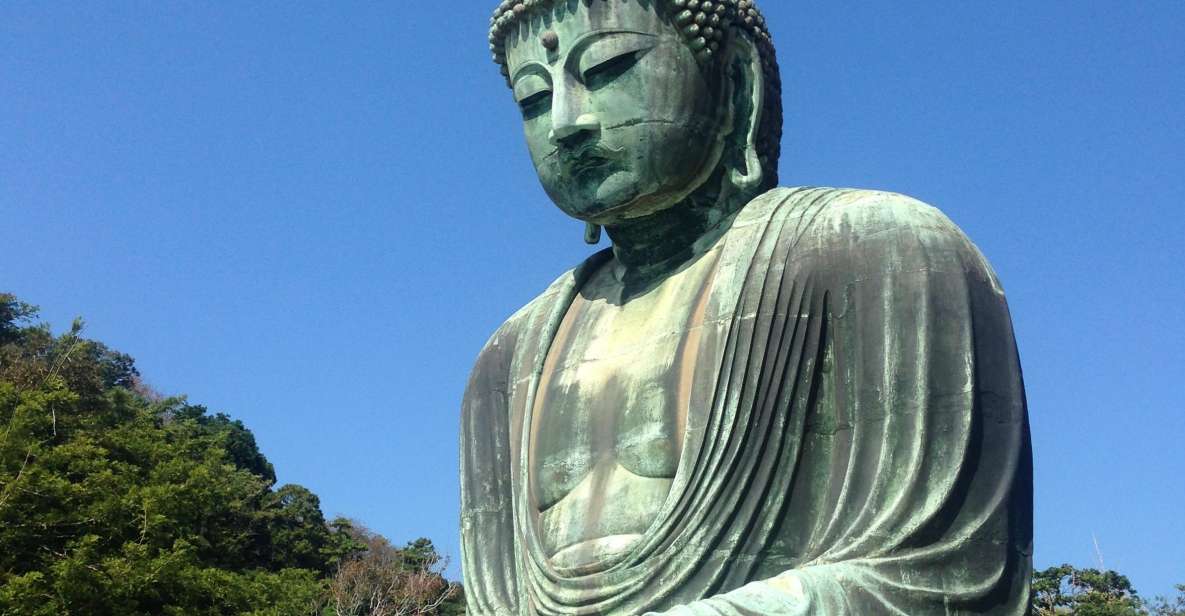
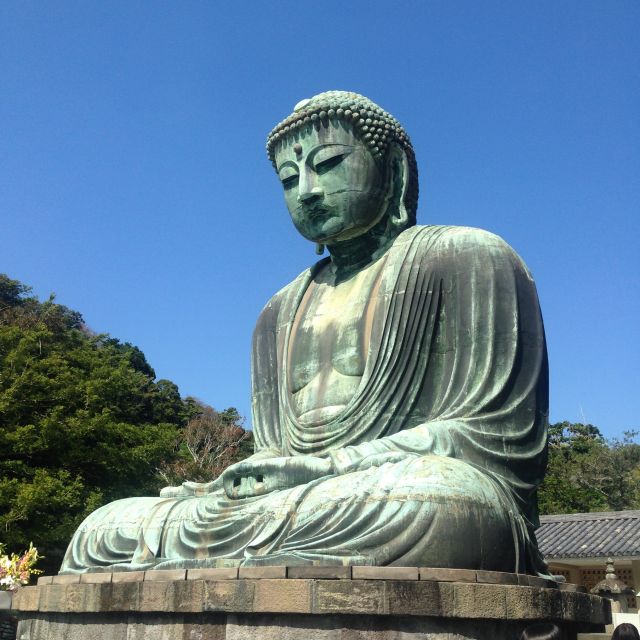
The day kicks into high gear at Kōtoku-in, home to the Great Buddha. The standout detail here is how exposed it feels. This Buddha isn’t hidden behind walls like you might expect. It’s in open air, so you get that direct, almost cinematic presence.
It’s also the kind of place where a guide can change everything. Even if you’ve seen Buddhist statues before, there are usually naming details and icon clues that people miss on their own—what this Buddha represents, how the site is arranged, and why it became such an important stop in Kamakura.
Practical note: because you’re looking up a lot and standing in viewing areas, good shoes help. You’ll likely move slowly, pause for photos, and then continue to the next site without much time to “reset” your legs.
If you love big, iconic sights that are still emotionally simple—just a huge Buddha and the space around it—this stop delivers fast. It’s not complicated. It’s just impressive.
Hase-dera: hydrangeas, wish-making, and a slower temple stroll
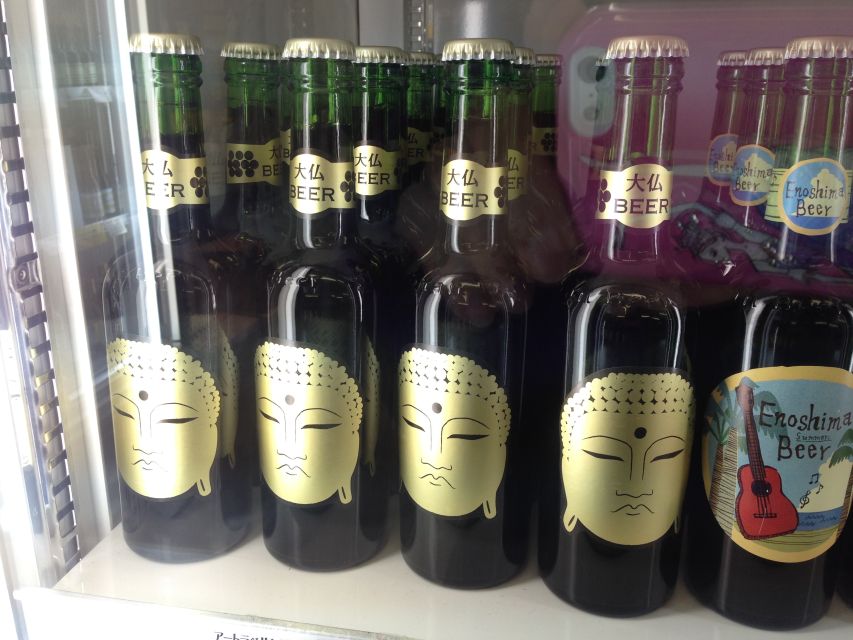
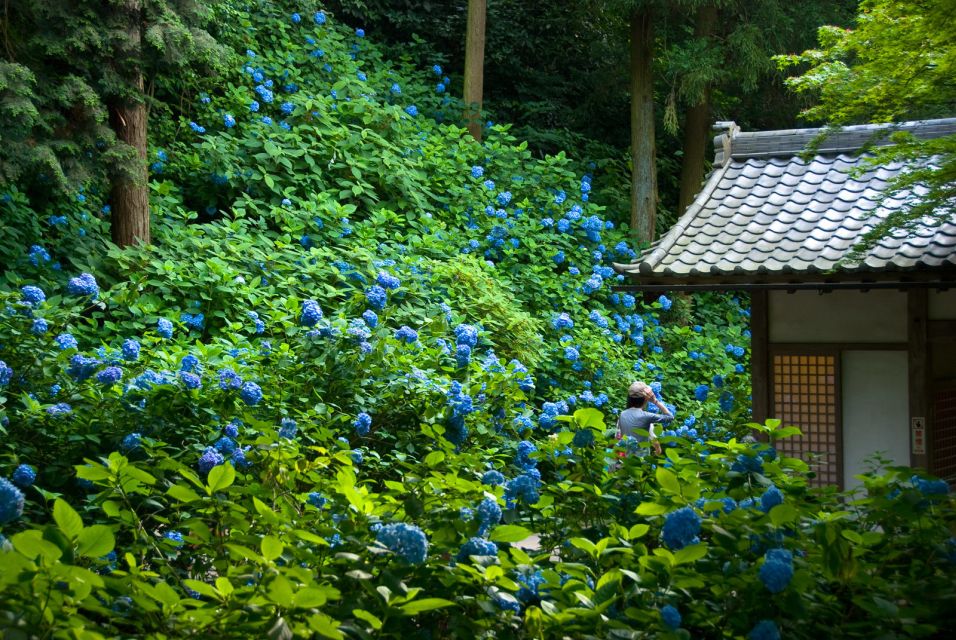
Next comes Hase-dera, famous for flowers—especially hydrangeas when they’re in season. Even if you don’t come during peak blossom time, the temple complex tends to feel garden-like, with paths that encourage an unhurried stroll.
Hase-dera also gives you the spiritual variety you want on a day like this. You’ll see multiple figures and the general “wish culture” of the place—there are Buddhas, Kannon, and even gods of wealth, so you can make a wish in the way people do here.
What you’ll likely appreciate: this stop is paced differently than a quick photo stop. You’re not just “in and out.” You walk through the temple experience and get time to look at details. That’s especially helpful because statues and shrines can feel repetitive if you’re moving too fast.
Possible consideration: temple areas can involve stairs and uneven ground. Some parts will be more walk-friendly than others, but you should plan for real movement.
If you’re the type who likes learning what you’re seeing, guides like Rie-san, Ena, Shizuko, and Mina have been praised for tying the art and statues to what they mean in Kamakura’s story. That makes the temple feel less like sightseeing and more like understanding.
Lunch near Hase: seafood country, with options
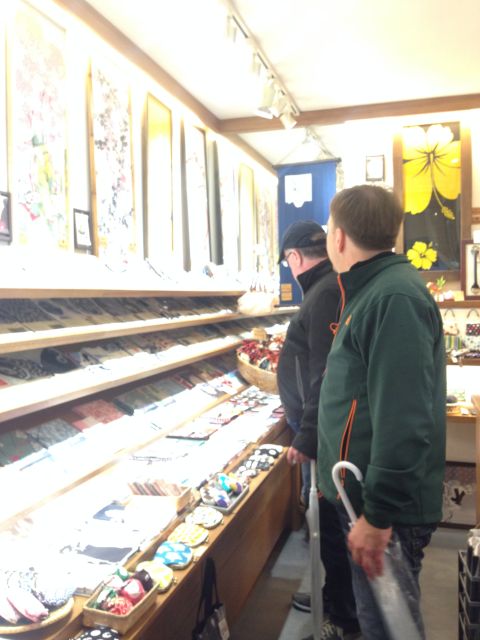
Lunch happens at a local restaurant. Kamakura is known for seafood, so you’ll commonly see that theme on menus. But the good news is that alternatives can be arranged if you don’t want seafood.
One important budget reality: lunch isn’t included for you (or for the guide). So treat the meal as an additional cost, not a surprise perk.
What makes lunch work in this tour format is timing. You eat mid-day after the temple areas, when you’ve built an appetite from walking and waiting for the train legs. It’s not packed into the first hour, and it’s not shoved so late that you feel rushed around shopping.
If you’re picky about food (or have dietary restrictions), make sure to tell your guide in advance so you don’t end up with a last-minute scramble. This kind of planning is usually what separates a smooth day from a stressful one.
Hokokuji bamboo forest: quick bus ride, big mood shift
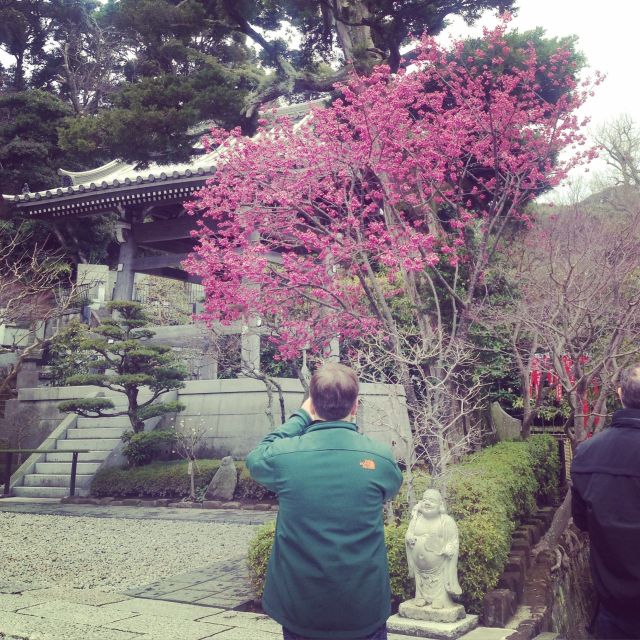
After lunch, you’ll move again—this is where the itinerary uses short bus/coach legs (around 15 minutes each) to connect you between areas efficiently. That’s a smart move in Kamakura because distances are enough that it’s not fun to try to walk everything.
Then you reach Hokokuji, known for the bamboo forest. This stop changes the feel of the day. You go from shrine/temple atmosphere to a more nature-focused, visually rhythmic space. The bamboo creates that classic “walk through it and slow down” effect.
Even if you’re not a nature person, you’ll probably understand why people love it: it’s a scene that photographs well, but it’s also one you can experience without needing extra explanation. You can just stand and watch how the light filters through.
Practical tip: the bamboo forest is still a walk-through experience, and you’ll likely spend time on foot taking in the view. Keep water in mind if it’s hot out, and don’t overpack your pockets—your day will already include plenty of stop-and-go movement.
Tsurugaoka Hachimangu and Komachi Dori: shrine calm meets shopping energy
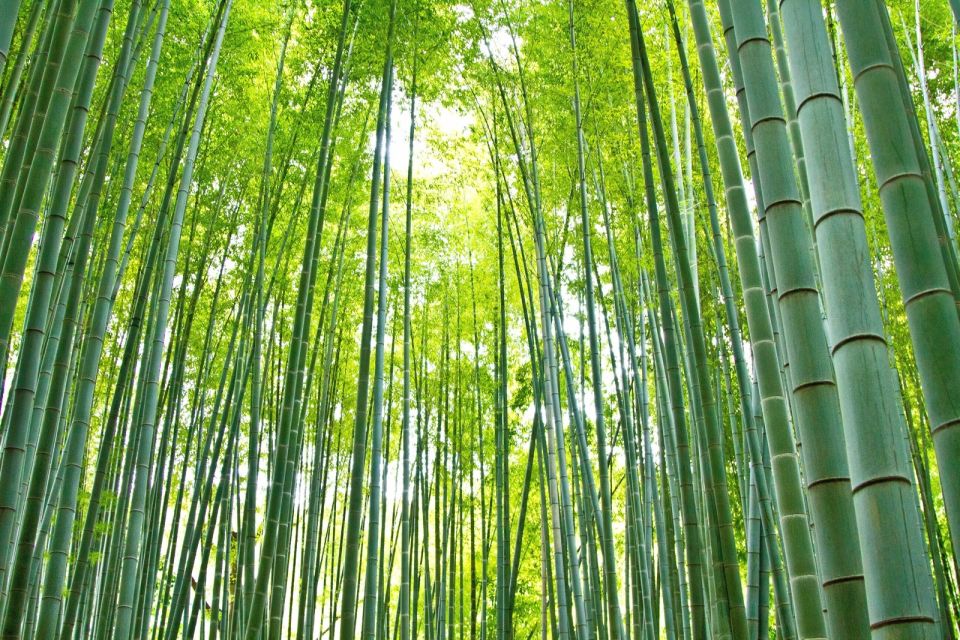
The tour ends with two favorites: Tsurugaoka Hachimangu Shrine and Komachi Dori.
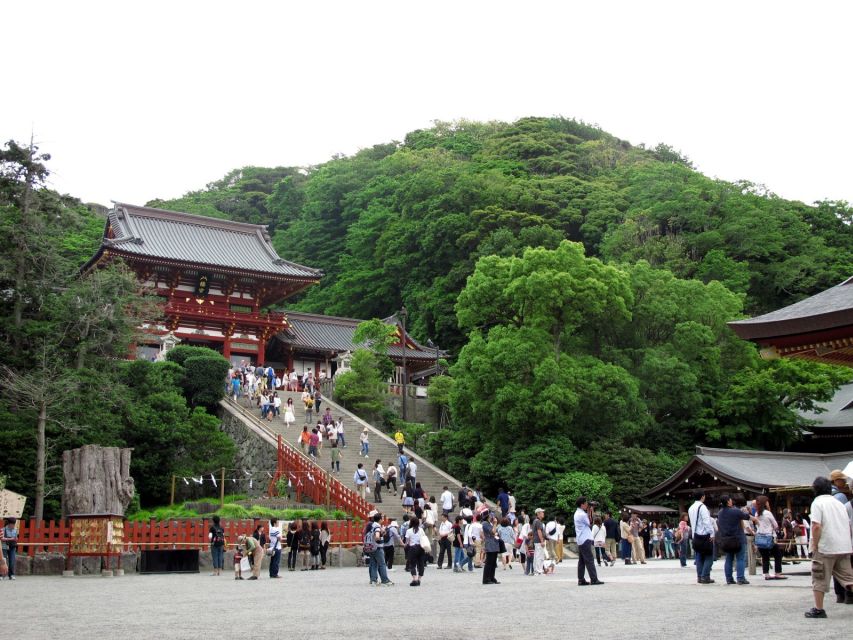
Tsurugaoka Hachimangu gives you a well-known shrine experience in a major Kamakura setting. The sense here is more formal and ceremonial than some smaller temple corners. It’s a place where walking the grounds feels like part of the ritual—slow, respectful, and photogenic.
Then it’s Komachi Dori, Kamakura’s shopping street. This is where the day turns more playful. You can browse snacks, small souvenirs, and practical gifts. It’s also a nice place to slow down after all the historical stops. If you want to stay a bit longer beyond the tour’s planned end time, the shopping street is the right kind of place for it.
The best part of finishing this way is pacing. You’re not forced to shop while your legs are at peak fatigue. You also get a natural “take home” moment—especially helpful if you came for cultural sights but want something tangible afterward.
Price and value: what $530 covers (and what you still pay)
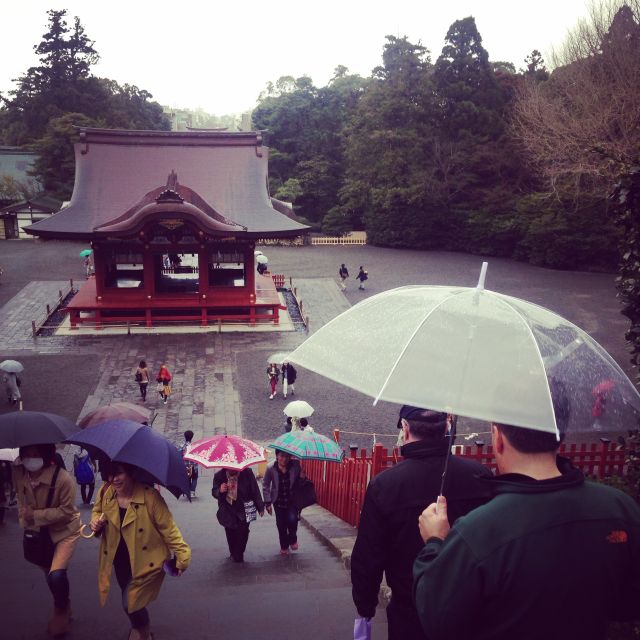
The price is $530 per group up to 6 for an 8-hour private tour with a professional local guide. For a private day trip, that’s often reasonable—especially because you’re not just paying for a guide’s conversation. You’re paying for someone to plan the route, keep you moving efficiently, and help you understand the sites while you’re there.
That said, you should budget for what’s not included:
- Transportation fees for guests
- Entrance fees for guests (and guide only when needed)
- Lunch for guests and a guide
So how do you think about value? If you’re traveling as 2–6 people, you can spread that per-group cost and get a calmer, more guided day than organizing everything yourself. If you’re traveling solo, it can still be worth it if you really want the guide-led context and don’t want to handle train transfers and queue timing.
Bottom line: this is a good value when you want structure plus explanation. If you’re comfortable planning your own day and don’t care about guided context, you might compare against self-guided options.
Timing, comfort, and the small logistics that matter
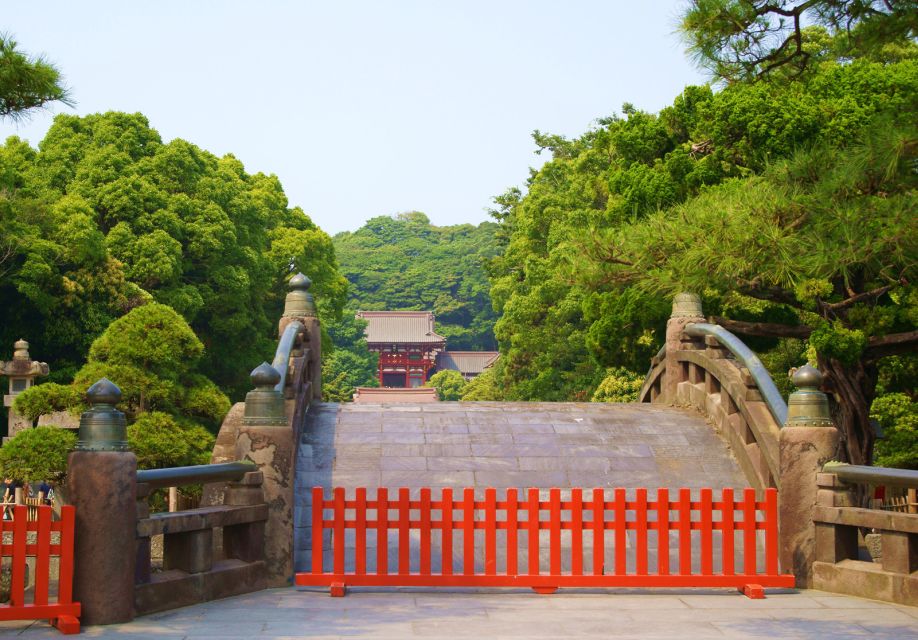
This is an all-day outing in real walking shoes. Plan around the tour being active and timed. You should expect:
- walking at the temple and shrine areas
- navigating stations with limited elevators/escalators
- a couple short bus/coach hops to cover ground efficiently
Your best move before you go: wear shoes that you trust for uneven stone and temple paths. Bring a small layer too, since coastal-weather can shift fast.
One more useful detail: if the tour starts later due to the group’s actions, it still ends at the planned time. So don’t count on extra “free time” at the end if the schedule slips early.
Language-wise, the guide is available in English, French, German, and Spanish. In busy seasons (March–May and September–November), language availability can be more limited, so booking earlier helps if you need a specific language.
Should you book this Kamakura tour?
If your ideal day trip includes iconic sights plus real context, I’d book it. This route is strong: open-air Great Buddha, a Hase-dera walk with flower-season appeal, an Enoden ride that feels local, Hokokuji bamboo, and Tsurugaoka Hachimangu followed by shopping on Komachi Dori. It’s also private, so you can move at a pace that fits your group.
Skip it only if you hate walking or you want a totally free, self-paced schedule with zero guidance. Also, if your main goal is a tiny subset of sights and you dislike paying for guided narration, you might be happier planning on your own.
Overall, this is a practical, high-impact way to see Kamakura without turning your day into a transportation puzzle.
FAQ
How long is the Kamakura tour?
It’s 8 hours long.
Where is pickup in Tokyo, and where does the tour end?
Pickup is included at the lobby of your hotel in Tokyo’s 23 wards, and the tour finishes in Shinjuku, Japan (東京都新宿区).
Is this tour private, and what is the group size?
It’s a private group, priced for a group up to 6 people.
What languages are available for the guide?
The live tour guide is available in English, French, German, and Spanish.
What’s included, and what isn’t included in the price?
Included: a professional local guide. Not included: transportation fees for guests, entrance fees for guests (and guide only when needed), and lunch for guests and the guide.
Does the tour include Enoden (the local train)?
Yes. The itinerary includes riding Enoden as part of the route.
Is lunch included, and can you avoid seafood?
Lunch is not included. Kamakura is known for seafood, but other food can be arranged based on your request.
What is the cancellation policy?
You can cancel up to 30 days in advance for a 50% refund. Children under 5 are free of charge.
Kamakura Day Trips, compared.
 ★ 4.5Kamakura & Enoshima Day Trip including Temple TicketsFrom $581,375 reviews
 ★ 4.5From Tokyo: Kamakura & Enoshima 1-Day Bus TourFrom $66189 reviews
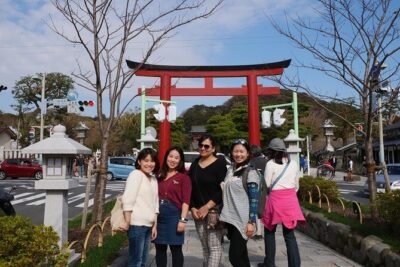 ★ 5.0Kamakura Historical Walking Tour with the Great BuddhaFrom $98129 reviews
Kamakura Private Tour: Temples, Nature, and the Great BuddhaFrom $98121 reviews
Kamakura Walking Tour – The City of ShogunFrom $35100 reviews
★ 5.0Kamakura Historical Walking Tour with the Great BuddhaFrom $98129 reviews
Kamakura Private Tour: Temples, Nature, and the Great BuddhaFrom $98121 reviews
Kamakura Walking Tour – The City of ShogunFrom $35100 reviews
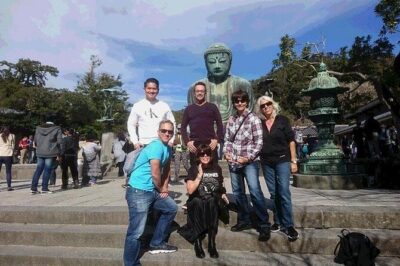 ★ 5.0Kamakura 8 hr Private Walking Tour with Licensed Guide from TokyoFrom $20180 reviews
 ★ 4.1Kamakura & Enoshima Day Tour with Pickup & Train RideFrom $1361 reviews
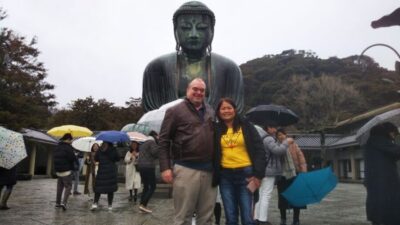 ★ 4.8Kamakura: Private Guided Walking Tour with Local GuideFrom $10660 reviews
Browse the lists this tour appears in