
Reviewed · KAMAKURA DAY TRIPS
First time in Kamakura? Enjoy a Tour of All Must-sees!
Kamakura feels simpler with one plan. This private day is built to hit the big names without wasting time figuring out routes, so you get a smooth circuit of temples and shrines plus Komachi Street food and shopping. I especially like how the tour mixes calm garden-temple moments with the spectacle of Kamakura Daibutsu. One thing to plan for: you’ll be walking a lot, and most admission and meal costs are on you.
You start at 9:00 am at Kamakura Station and end back near the same meeting spot, with your guide focused only on your group. It runs about 7 hours 30 minutes, which is a great length for first-timers who want the main sights in one shot.
In This Review
- Key highlights (what makes this Kamakura day work)
- Why this private Kamakura tour makes sense for first-timers
- Price and value: what you pay vs what you still cover
- Starting your day at Kamakura Station (and why timing matters)
- Jomyo-ji Temple: matcha, a garden pause, and an elegant start
- Hokoku-ji Temple: bamboo forests and a quick photo window
- Komachi Street: where local food decisions get easier
- Tsurugaoka Hachimangu Shrine: the power-spot stop with real history
- Meigetsuin (Hydrangea Temple): the round window feeling
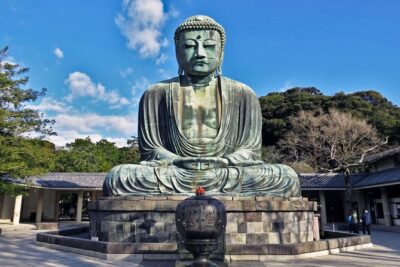
- Kotoku-in (Great Buddha of Kamakura): the 11m statue you can enter
- Hasedera Temple: flower-season grounds and stair-walk views
- How your guide changes the day (Akira and Yoshi examples)
- What to bring and wear for a full 7.5-hour temple circuit
- Who should book this Kamakura tour?
- Should you book this all-in-one first-time Kamakura tour?
- FAQ
- How long is the Kamakura private tour?
- What sights are included in the day?
- Is the tour private or shared with other people?
- What does the tour price include?
- What should I budget for since admissions and meals aren’t included?
- Do I need cash?
Key highlights (what makes this Kamakura day work)
- Private guide, private pace: you can ask questions and get answers without time pressure from a bigger group
- Komachi Street as a food map: you’re guided toward local treats you might not find on your own
- Jomyo-ji to Hasedera flow: you move from garden temples to major shrine-and-views stops in a smart order
- Bamboo photo stop at Hokoku-ji: a dedicated short window for the 2,000-bamboo-forest views
- Great Buddha experience at Kotoku-in: you can even go inside the statue
- Guide flexibility in the real world: guides have handled delays and adjustments when needed
Why this private Kamakura tour makes sense for first-timers
Kamakura can be a little intimidating at first. You’ll see shrine roofs and temple gates everywhere, but the hard part is choosing what to prioritize and how to connect it all without burning your day on transit.
This tour solves that. You get a structured day that links major sites into one efficient loop, starting near Kamakura Station and finishing back there. You’re not juggling tickets, directions, and “which stop comes next?” all at once.
I like the way the day balances famous must-sees with slower, quieter temple moments. Jomyo-ji starts you off with a garden setting, and Hasedera later gives you big grounds and seasonal plants to wander through. That pacing matters when you’re trying to enjoy Kamakura instead of just checking boxes.
The other reason this works is the guide’s attention. This is a private tour, so your questions don’t get swallowed by a crowd. In past tours, guides like Akira and Yoshi have shown up with printed itineraries, stayed flexible when plans needed changing, and made sure the day still felt organized even with curveballs like train delays.
Price and value: what you pay vs what you still cover
The tour price is $143.71 per person, and it’s designed for people who want “one guide, one day plan.” The value is in saving your time and mental energy. For many first-time visitors, that’s the real cost you’re paying for—figuring out routes, where to eat, and what to prioritize.
What’s included:
- Tour guide and a private tour
- Necessary expenses for the guide
What’s not included (based on the estimate):
- About 5,300 JPY per person for transportation (900 JPY), admissions (2,650 JPY), and meals (1,000 JPY)
- An optional experience cost listed as 660 JPY per person
- A private van and pick-up/drop-off service
So yes, the tour price isn’t the full day cost. But the estimate is detailed enough to plan around. I’d think of it like this: you pay for the guide and the routing confidence, and you budget for your own entry fees and food.
A small planning detail you should treat as real-life money advice: some stops don’t accept credit cards, so bring cash for tickets and snacks.
Starting your day at Kamakura Station (and why timing matters)
You meet at Kamakura Station (Onarimachi area, 1-chōme-1-15) at 9:00 am, and the tour ends back at the meeting point. That’s a helpful setup because you’re not stuck at some faraway temple miles from your next plan.
Since this is a tight 7.5-hour circuit, being late can shrink the experience. The day is arranged around stop windows, so getting there on time really matters. If your train runs late, try to alert your guide quickly—past experiences have shown guides can adjust when possible, but you still want to minimize lost minutes.
Also, plan for weather changes. The route and transportation may shift if conditions are bad. Comfortable footwear helps no matter what, but rain and heat turn “a little walking” into “a lot of walking.”
Jomyo-ji Temple: matcha, a garden pause, and an elegant start
Your first stop is Jomyo-ji Temple, about a 40-minute visit. This is the kind of start that helps you reset your brain before the bigger shrine sites.
Jomyo-ji is described as a temple where you can enjoy delicious matcha while watching a Japanese garden. Even if you don’t treat matcha like an activity goal, the garden setting gives you a soft landing. It’s a good place to slow down, catch your breath, and get your bearings.
If you’re the type who likes calm photos and a moment of quiet, this is a highlight. If you’re only focused on the biggest monuments, you might feel it’s slower than expected—but for most people, that first “garden + tea” moment makes the rest of the day more enjoyable.
Admission is not included here, so budget for entry fees and any tea/snack purchase you want.
Hokoku-ji Temple: bamboo forests and a quick photo window
Next up is Hokoku-ji Temple for about 20 minutes. This stop is short by design, and that’s smart. It gives you time for the main bamboo sight without turning the day into a long detour.
Hokoku-ji is known for roughly 2,000 bamboo groves, and it’s a popular photo spot when conditions line up. The value here isn’t just the bamboo. It’s the contrast: you’re moving from gardens to a more dramatic “tunnel of green” feeling, then back toward larger historic sites.
If you care about photography, go in with a practical mindset:
- Take a few wide shots for the full grove effect
- Then switch to details like bamboo stalks and light gaps
If you’re not a photo person, still use the time to feel the scale. Bamboo crowds your sense of space in a way that’s hard to get from photos alone.
Admission is not included.
Komachi Street: where local food decisions get easier
Then comes Komachidori (Komachi Street), about an hour. This is one of the most useful parts of the day because it’s both easy and high-impact.
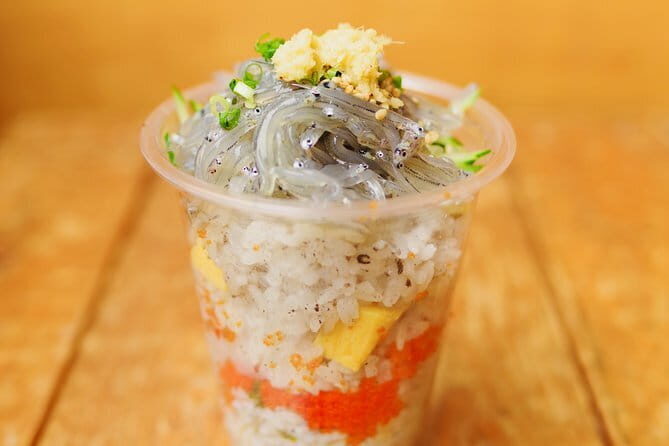
Komachi Street runs from Kamakura Station toward Tsurugaoka Hachimangu and is lined with restaurants and souvenir shops. The key detail is that many local foods can be eaten only in Kamakura, and some can’t be bought as simple take-home items. That’s why having a guide matters. You’re not just walking a shopping strip—you’re getting help choosing what’s worth eating today.
This is also where the guide’s local tips pay off in a concrete way. You’ll get top suggestions for best local eating spots, which helps you avoid the classic trap: picking the most visible stall instead of the best match for your tastes.
One caution: you’ll likely be tempted to snack your way through the street. I recommend treating Komachi Street like a planned meal moment, not an endless grazing session. You’ll enjoy it more and you won’t end up too full for the later temple walking.
Admission is free for the street area.
Tsurugaoka Hachimangu Shrine: the power-spot stop with real history

Your next big site is Tsurugaoka Hachimangu Shrine, about 45 minutes. This is one of Kamakura’s “big deal” places, and it’s easy to see why.
The shrine has a history of over 1,000 years and is known as a power spot. It was worshiped by Genji, who ruled during the Kamakura era. That’s the kind of context that turns a scenic shrine visit into a story you can actually follow while you’re standing there.
From a practical standpoint, this stop is also important for flow. It anchors the day near the center of Kamakura’s most well-known historic sights. You’re not just moving from one isolated temple to another—you’re following a theme.
If you like atmosphere, take time to look at details rather than just the main hall. A lot of the charm of places like this is in the little visual cues that change as you move closer.
Admission is free.
Meigetsuin (Hydrangea Temple): the round window feeling
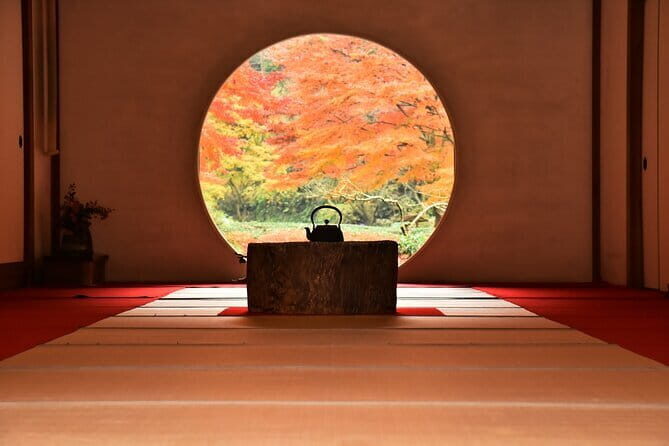
After the big shrine, you shift to a calmer interior-feel stop: Meigetsuin, around 30 minutes. It’s also called the Hydrangea Temple, and it’s especially famous for a very specific viewing experience.
Meigetsuin is known for one room with a large round window. From inside, you look out at the garden and get a sense of harmony with nature and silence. That’s a different kind of “sight” than a statue or gate—it’s more about the framing and the quiet you feel when you’re seated or standing still.
This is a great stop for people who need a mental break from constant walking and moving. If your legs are tired, Meigetsuin is the kind of pause that makes the afternoon easier.
Admission is not included.
Kotoku-in (Great Buddha of Kamakura): the 11m statue you can enter
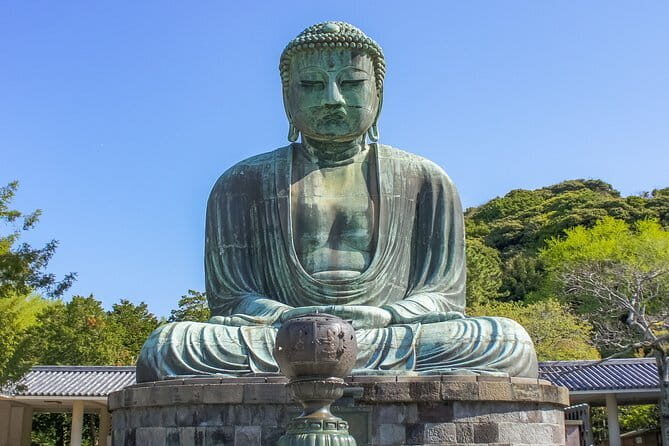
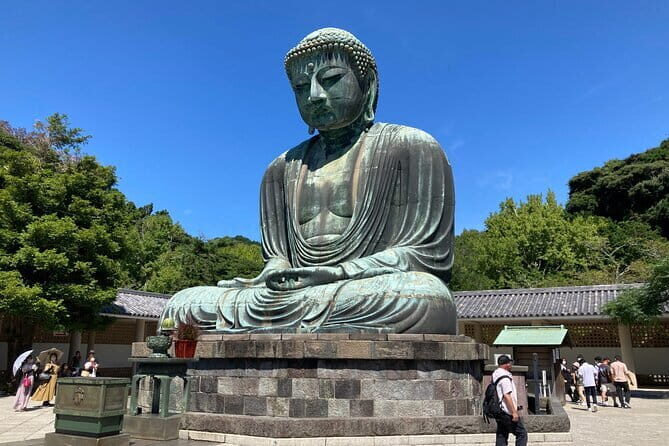
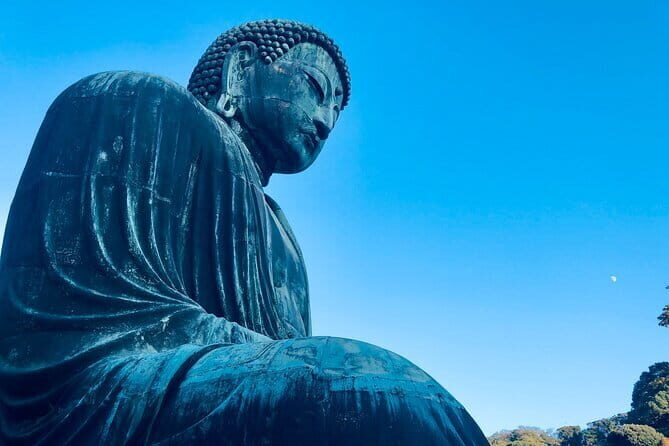
Now you hit the “wow” factor: Kotoku-in and the Great Buddha of Kamakura, also called Kamakura Daibutsu. You get about 35 minutes here, and it’s worth using that time with intention.
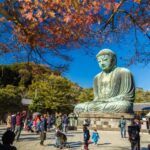
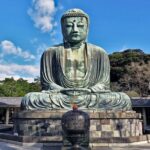
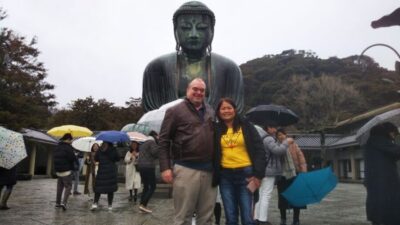
The Buddha statue is more than 11 meters tall, and the experience includes the chance to go inside the statue. That’s a big difference from many “see it from outside” monuments. Standing near it is impressive, but entering it makes the scale feel physical.
If you’re the type who likes to understand what you’re looking at, this is also a good moment to ask your guide about what makes this statue special in Buddhist terms and what to notice in the structure while you’re inside.
Admission is not included.
Hasedera Temple: flower-season grounds and stair-walk views
Your final major stop is Hasedera Temple, about 45 minutes. It’s often called the Flower Temple and is described as a place where you can enjoy plants of all four seasons.
The grounds are large, and you can spend time walking through them and climbing. That walking is part of the payoff. Hasedera isn’t just a single point to view—it’s a place to move slowly, looking for the next scene.
If you’re traveling in comfortable shoes, this is a strong ending. The tour closes on a temple where the experience feels like exploration instead of a quick check.
One consideration: if you’re visiting during a season when it’s hot or humid, plan for extra water breaks. The “stairs and large grounds” aspect means you’ll feel it in your legs by the end of the day.
Admission is not included.
How your guide changes the day (Akira and Yoshi examples)
In a tour like this, the guide isn’t just a human GPS. A good guide makes the day feel smoother and more personal.
From past outings, guides like Akira have been praised for vast answers to questions and special accommodations for unique travel situations. Other guides, including Yoshi, have arrived with printed itineraries, oriented people quickly to what would happen next, and adjusted when requests came up.
There’s also a practical service side that matters. One guide was noted for patience when a train delay happened, so the day didn’t collapse into chaos. That kind of calm is underrated.
What you should take from this: with a private setup, you can ask “What’s worth my time today?” and get a realistic answer based on your interests. If you care more about temple gardens than shopping, you can steer the pace. If you want more photo time at Hokoku-ji, you can ask and align it with the day’s schedule.
What to bring and wear for a full 7.5-hour temple circuit
This is a lot of walking, so plan like it’s a walking day. The tour explicitly advises comfortable clothing, and I’d add comfortable shoes first.
Bring:
- Cash for places that don’t accept credit cards
- Comfortable shoes you can walk in for hours
- A small water bottle if you like having control over refills
The tour also notes that weather can affect transportation and routes. If you’re sensitive to rain or heat, bring a simple rain layer or small umbrella so you can keep moving without stress.
And don’t wait for the last minute to find the meeting spot. Being late can reduce the full experience.
Who should book this Kamakura tour?
This tour is a strong fit if you:
- Are visiting Kamakura for the first time and want the main sights in one organized day
- Like temple and shrine experiences but don’t want to plan each connection yourself
- Want food guidance for Komachi Street so you pick more confidently
- Prefer a private setup where the guide can respond directly to your questions
It might feel less ideal if you:
- Want a super slow day with lots of hanging out at just one or two sites
- Don’t like walking between multiple stops
- Prefer fully independent planning with no scheduled flow
Should you book this all-in-one first-time Kamakura tour?
If your goal is a classic Kamakura highlights day with less stress, I’d book it. The private format is the big win, and the itinerary hits a smart mix: garden-temple calm, bamboo photo scenery, the shrine that anchors the historic core, the round-window garden viewing at Meigetsuin, and the Great Buddha that you can actually enter.
The biggest “make sure you’re okay with it” point is walking plus extra spending on admissions and food. If you’re comfortable with that, you’ll get a well-paced sampler day that feels like you understood Kamakura instead of just passed through it.
If you want one useful decision tip: before you go, think about which part you care about most—shrines, gardens, or photos. Then tell your guide early. With a private day, they can often tune the pace so your favorites get the time they deserve.
FAQ
How long is the Kamakura private tour?
The tour runs for about 7 hours 30 minutes.
What sights are included in the day?
You’ll visit several major stops, including Jomyo-ji Temple, Hokoku-ji Temple, Komachi Street, Tsurugaoka Hachimangu Shrine, Meigetsuin, Kotoku-in (Great Buddha of Kamakura), and Hasedera Temple.
Is the tour private or shared with other people?
This is a private tour/activity. Only your group participates.
What does the tour price include?
It includes the tour guide, the private tour, and necessary expenses for the guide.
What should I budget for since admissions and meals aren’t included?
An estimated total cost of about 5,300 JPY per person is listed for transportation (900 JPY), admission fees (2,650 JPY), and meal costs (1,000 JPY). An optional experience cost of 660 JPY per person is also listed.
Do I need cash?
Yes. Some of the spots visited on the day do not accept credit cards, so bring cash.
More Tours in Kamakura
More Tour Reviews in Kamakura
More Days by the Great Buddha
Kamakura Day Trips, compared.
 ★ 4.5Kamakura & Enoshima Day Trip including Temple TicketsFrom $581,375 reviews
 ★ 4.5From Tokyo: Kamakura & Enoshima 1-Day Bus TourFrom $66189 reviews
 ★ 5.0Kamakura Historical Walking Tour with the Great BuddhaFrom $98129 reviews
Kamakura Private Tour: Temples, Nature, and the Great BuddhaFrom $98121 reviews
Kamakura Walking Tour – The City of ShogunFrom $35100 reviews
★ 5.0Kamakura Historical Walking Tour with the Great BuddhaFrom $98129 reviews
Kamakura Private Tour: Temples, Nature, and the Great BuddhaFrom $98121 reviews
Kamakura Walking Tour – The City of ShogunFrom $35100 reviews
 ★ 5.0Kamakura 8 hr Private Walking Tour with Licensed Guide from TokyoFrom $20180 reviews
 ★ 4.1Kamakura & Enoshima Day Tour with Pickup & Train RideFrom $1361 reviews
 ★ 4.8Kamakura: Private Guided Walking Tour with Local GuideFrom $10660 reviews
Browse the lists this tour appears in