
Reviewed · KAMAKURA DAY TRIPS
Kamakura Heritage Bike or Walk Tour with ex-Rickshaw guide
Kamakura clicks into place fast. This private bike or walking tour with Ichi, an ex-rickshaw guide with five years on these streets, strings together the big sights—Kotoku-in’s Great Buddha, Tsurugaoka Hachimangu, and Hokoku-ji—so you spend less time guessing and more time seeing. I love the route pacing that keeps the day feeling light.
I also like the storytelling. Ichi connects the landmarks to real power and change in Kamakura, including the Minamoto era and the Bakufu that started here, and he takes plenty of photos so your memories don’t fade into one blur of temples. Ichi is the kind of guide who can explain it clearly without turning it into a lecture.
One thing to plan for: weather. This experience requires good conditions, and it’s not recommended for kids under 13 who can’t ride an adult-sized bike, so it’s best when everyone can comfortably move at the tour’s pace.
In This Review
- Key highlights you’ll feel on day one
- How the bike-or-walk choice actually helps you enjoy Kamakura
- Start at Kamakura Station and get your bearings in minutes
- Kotoku-in and the Great Buddha: the stop that sets the tone
- Tsurugaoka Hachimangu Shrine: approach, symbolism, and calm
- Minamoto no Sanetomo and Hojo Masako: graves that explain power
- Hokoku-ji bamboo grove: where the quiet actually lands
- Yuigahama Beach by bike or on foot: the “breather” you’ll appreciate
- Hasedera Temple: gardens, coastline views, and Kannon at 9.18 meters
- Egara Tenjin Shrine: a quiet finish with a learning deity
- Price and what you actually get for $150.24
- Who this Kamakura tour suits best
- Should you book this Kamakura heritage bike or walk tour?
- FAQ
- Is this a private tour?
- Can I choose between biking and walking?
- How long does the tour last?
- What entrance fees are included?
- Is this tour good for kids?
- What happens if the weather is bad?
Key highlights you’ll feel on day one
- Ex-rickshaw guide experience for smooth navigation through Kamakura’s streets
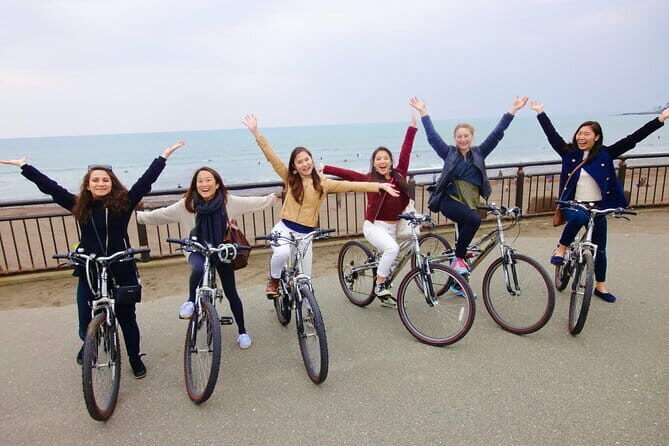
- Bike or walking, with flexibility to adjust how you move during the 4-hour window
- Great Buddha + Hokoku-ji entry included, so you don’t do ticket math on the spot
- Bamboo grove calm plus a Yuigahama seaside pause to reset between major stops
- Photo stops built into the route, not just a quick photo-and-go
- Works well even in rain, with the guide helping you keep the momentum
How the bike-or-walk choice actually helps you enjoy Kamakura
Kamakura can feel a bit like a scavenger hunt—temples in one direction, shrines in another, and the coastline when you least expect it. This tour solves that by letting you choose bike or walking, depending on what your body and your mood want that day.
What I like most is that the tour isn’t locked into one rigid style. If you start on a bike and then want a slower moment, you can adjust. If your legs feel good after a few kilometers, you can keep going without having to “power through” every stop. The result is a day that feels tailored, not canned.
Also, riding in Japan isn’t just about speed. A bike turns back lanes and temple approaches into something you can feel—the gradual approach to a shrine, the shift from street noise to quiet grounds, and the change in pace when you reach the coast. If you prefer your photos without traffic anxiety, walking gives you that too.
Start at Kamakura Station and get your bearings in minutes
You meet at Kamakura Station (Onarimachi area), and the tour ends back at the same spot. That sounds simple, but it matters. You don’t have to solve transport after temples; you just roll from one meaningful place to the next.
Because it’s private, your group controls the rhythm. You’re not squeezed into a fast-moving crowd, and you can spend the “right” amount of time at each stop. If you want extra photos, you can usually make it happen. If you want to keep moving, you can.
A mobile ticket makes the whole thing easy to manage on the day. No paper hunt. No waiting around for someone to find the right page. Just show up and go.
Kotoku-in and the Great Buddha: the stop that sets the tone
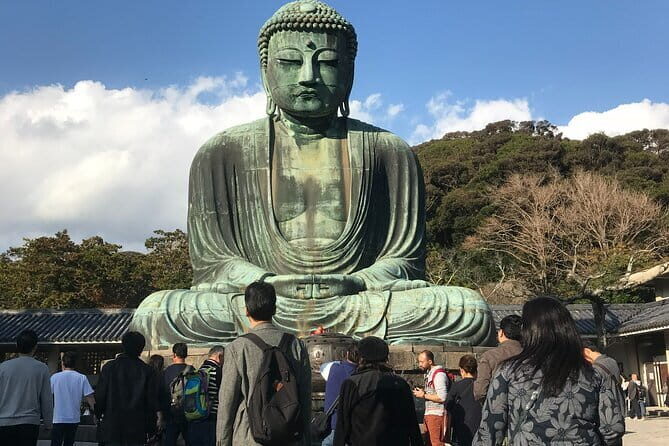
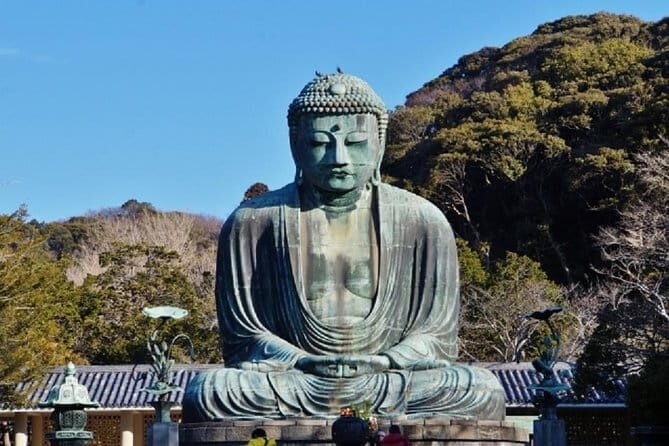
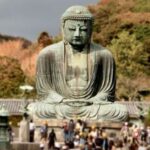
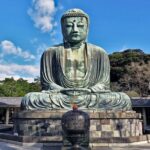
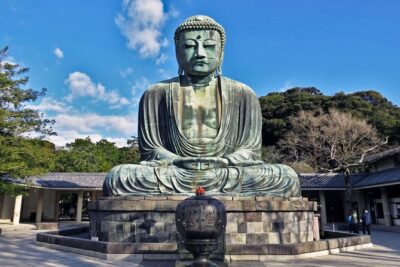
Kotoku-in (also spelled Kotoku-ji) is where Kamakura makes its first strong impression. The Great Buddha is iconic for a reason: it’s huge, weathered in a way that looks real, and it instantly gives you scale. You stop here long enough to slow down, look carefully, and let the surroundings work on you.
Entry is included, so this isn’t a “pay extra to see the main event” situation. That inclusion adds real value because it removes one more friction point from half-day sightseeing.
Practical note: this stop is a great place to take a moment before your feet get busy. If you’re doing the bike option, you still want a calm posture here—think photos, pause, and a quick reset.
Why it matters: Kamakura’s religious sites aren’t just pretty. They’re part of the story of how power, belief, and community shaped daily life over centuries. The Great Buddha is a strong anchor for everything you’ll hear later.
Tsurugaoka Hachimangu Shrine: approach, symbolism, and calm
After the massive presence of the Buddha, Tsurugaoka Hachimangu Shrine gives you a different kind of atmosphere. It’s an ancient Shinto shrine dedicated to the god of war and samurai, so even if you’re not a history person, you’ll feel the “samurai city” vibe in the way the grounds are organized.
You get about 30 minutes here, and admission is free. That makes it a low-cost stop that still feels important. You’ll stroll the grounds at a comfortable pace, and it’s a good place to focus on small details—how the space guides you and how the shrine atmosphere changes from street to sacred area.
One advantage of this tour format: you don’t just walk in and out. You get context, and that turns a shrine visit from sightseeing into understanding. The guide’s explanations keep you from feeling like you’re reading random signs.
Minamoto no Sanetomo and Hojo Masako: graves that explain power
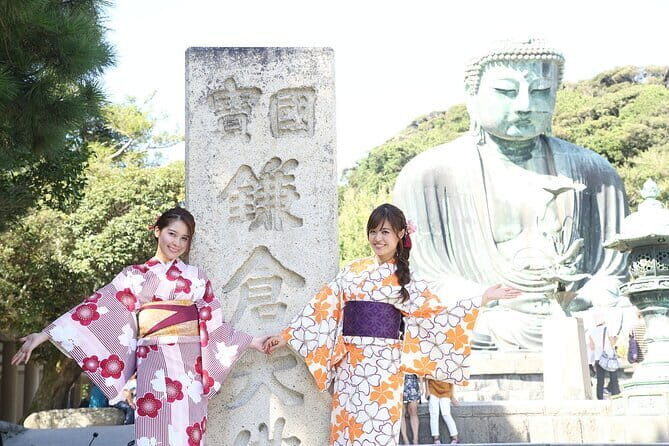
This stop is short—about 10 minutes—but it punches above its weight. You’ll visit the grave area of Minamoto no Sanetomo and Hojo Masako, both central figures connected to Kamakura’s shogunate era.
In a lot of places, graves are quiet and that’s it. Here, the guide frames them in a way that makes you understand why these names matter. You’ll hear about the turbulence of the era and how the leadership structure worked in practice. It’s not dry. It’s human-scale: people with choices, allies, and consequences.
If you like historical storytelling that stays clear and focused, this is one of the best “time-to-understand” stops on the route. It’s also a nice contrast to temple grandeur. It’s smaller, more contained, and easier to absorb.
Hokoku-ji bamboo grove: where the quiet actually lands
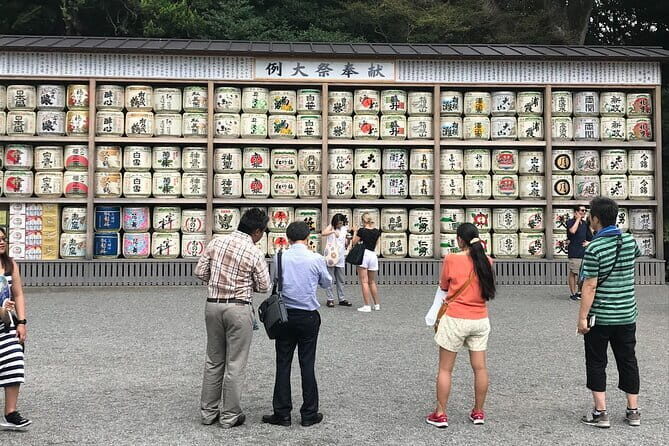
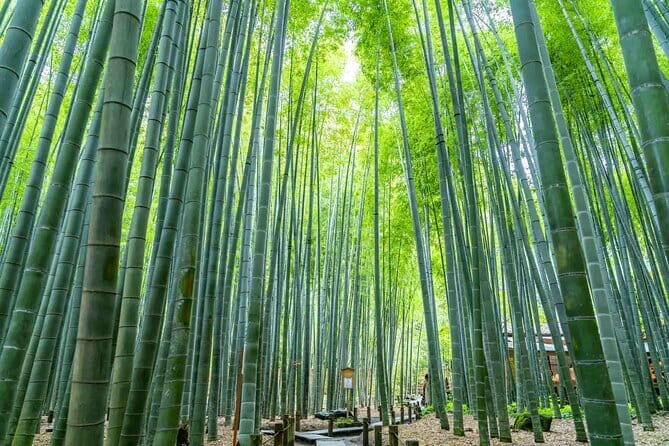
Hokoku-ji is famous, but it doesn’t feel like a factory stop. The biggest draw is the bamboo grove—an atmosphere shift that’s almost instant. The air feels different, the sounds change, and the light through the bamboo can make photos look thoughtful rather than chaotic.
Entry is included, and the timing (about 30 minutes) is long enough to walk slowly, take pictures, and let the place reset your brain after the busier shrine and Buddha areas.
There’s also an optional green tea break at a cafe in the Hokoku-ji area (500 yen). If you’re the type who likes a small refresh between major sights, plan for that. It’s the kind of pause that makes the whole half-day feel balanced instead of rushed.
This is also where the guide’s photo help really shines. You’ll get prompts about where to stand, how to frame shots, and when to slow down for better light—especially helpful if you’re traveling with friends and everyone wants a turn.
Yuigahama Beach by bike or on foot: the “breather” you’ll appreciate
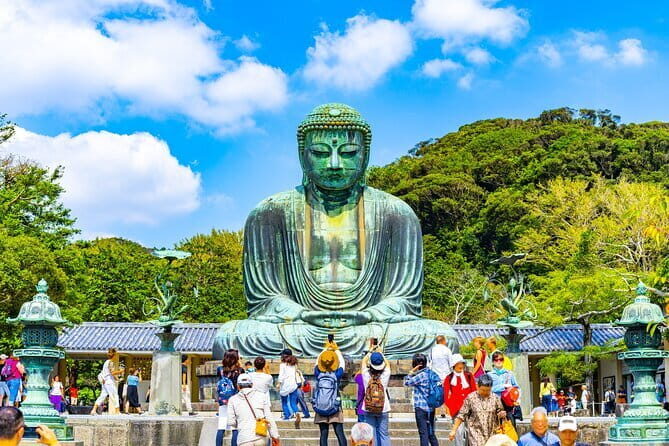
Between temples and shrines, you get time to relax at Yuigahama Beach. It’s not just a scenic break. It’s a psychological one.
You can ride or walk the seaside road, and you’ll feel the change in pace. After concentrated sightseeing, this stop gives you room to stretch, breathe, and take photos that aren’t all vertical temple roofs and statues.
In summer it’s busier with people, so plan for more foot traffic if you’re going during peak season. But even then, the beach stop is still a good “reset button,” especially if your group includes mixed interests.
If your group likes variety, this seaside segment is why they’ll remember the tour as more than just a temple checklist.
Hasedera Temple: gardens, coastline views, and Kannon at 9.18 meters
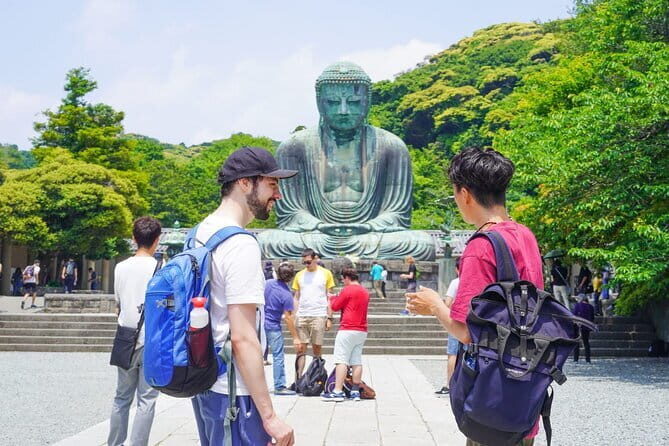
Then you move into the Hase area for Hasedera Temple, a place known for its gardens and views toward the coastline. This stop is about 20 minutes, and with that kind of timing, you’re not expected to do everything. You’re guided to what you can actually enjoy without rushing.
The standout detail is the large wooden statue of Kannon, the Goddess of Mercy, measuring 9.18 meters tall. A statue that size changes how you look at the space. It’s hard to treat it like just another photo stop. Even if you don’t know the religious details, your eyes naturally read the scale and craftsmanship.
Admission here is free, which again is a nice value touch. You’re paying the tour price for guidance and key entry fees, but you’re not double-paying for every single stop.
If you’re doing the bike version, this is also a great moment to swap from “moving fast” into “slow looking.” If you’re walking, it’s a chance to pause when the views open up.
Egara Tenjin Shrine: a quiet finish with a learning deity
To close the tour, you visit Egara Tenjin Shrine, dedicated to Sugawara no Michizane, the deity of scholarship and learning. That theme matters in a subtle way. After major religious landmarks and the samurai-era story, this stop gives you a calmer, reflective tone.
You spend about 10 minutes here, and admission is included. Short stop, but it works as a good landing spot—one more piece of the Kamakura mosaic without exhausting your legs.
If your group has people who like temples that feel peaceful more than dramatic, this is a good final stop. It’s also a nice contrast to the beach segment, ending with something more inward-looking.
Price and what you actually get for $150.24
At $150.24 per person for a private 4-hour tour, the value is in two places: access and time.
You’re not paying just for walking and scenery. You’re paying for a guide who can connect what you’re seeing—Great Buddha, Hachimangu, Hokoku-ji bamboo grove, and the historical figures tied to Kamakura—with clear explanations. That’s what turns a list of famous spots into a coherent morning or afternoon.
You also get key inclusions: a professional guide, the private setup, and entrance fees for the Buddha and Hokoku-ji Temple. Meanwhile, other major stops like Tsurugaoka Hachimangu, the grave area, Hasedera, and the Tenjin shrine are listed as free or handled as part of the included structure. That reduces your “add-on” stress.
Not included is lunch, plus optional green tea at Hokoku-ji. So if you have hunger, plan a simple snack strategy. Bring water. Decide in advance whether you want to treat yourself to the tea.
And remember: this tour runs best when the weather cooperates. If rain is in the forecast, I recommend having a light layer ready. One of the stronger points from experiences with this guide is that you can keep moving even when conditions aren’t perfect.
Who this Kamakura tour suits best
This is a great fit if you want a smart way to see a lot of Kamakura in one half-day. The tour’s structure is built for people who like famous landmarks but also want context: why these places matter, and how Kamakura became the setting for major political events.
It’s also ideal for groups who don’t all want the same pace. With bike or walking as an option, your friend who loves moving will likely be happy, while the person who loves stopping for photos can do that too.
It’s less ideal if you’re traveling with children under 13 who can’t ride an adult-sized bike. And since good weather is required, plan to go on a day where you’re not gambling too hard on rain.
Should you book this Kamakura heritage bike or walk tour?
If your goal is a high-value half-day in Kamakura—Great Buddha, bamboo grove calm, seaside relief, and a guide who explains the Kamakura shogunate in clear, story-driven ways—this is an easy yes.
Book it if you want your temples and shrines to come with real meaning, and if you appreciate route planning that keeps the pace comfortable. Skip it only if your group can’t handle a bike-sized reality or if the forecast is truly unstable and you’d be unhappy committing to outdoor walking segments.
In Kamakura, the difference between “seeing” and “understanding” is often just one good guide. This one is built for that job, and the route makes sure you get to enjoy the place, not just rush past it.
FAQ
Is this a private tour?
Yes. It’s a private tour/activity, meaning only your group participates.
Can I choose between biking and walking?
Yes. You can choose a leisurely bike ride or a peaceful walking tour, and you can switch up the schedule within the tour time frame to match your pace.
How long does the tour last?
The duration is about 4 hours.
What entrance fees are included?
Entrance fees are included for Kotoku-in (the Great Buddha) and Hokoku-ji. Other major stops like Tsurugaoka Hachimangu Shrine and the graves listed are shown as free.
Is this tour good for kids?
It’s not recommended for young travelers/children under 13 who cannot ride an adult-sized bike.
What happens if the weather is bad?
This experience requires good weather. If it’s canceled due to poor weather, you’ll be offered a different date or a full refund.
More Tours in Kamakura
More Tour Reviews in Kamakura
More Days by the Great Buddha
Kamakura Day Trips, compared.
 ★ 4.5Kamakura & Enoshima Day Trip including Temple TicketsFrom $581,375 reviews
 ★ 4.5From Tokyo: Kamakura & Enoshima 1-Day Bus TourFrom $66189 reviews
 ★ 5.0Kamakura Historical Walking Tour with the Great BuddhaFrom $98129 reviews
Kamakura Private Tour: Temples, Nature, and the Great BuddhaFrom $98121 reviews
Kamakura Walking Tour – The City of ShogunFrom $35100 reviews
★ 5.0Kamakura Historical Walking Tour with the Great BuddhaFrom $98129 reviews
Kamakura Private Tour: Temples, Nature, and the Great BuddhaFrom $98121 reviews
Kamakura Walking Tour – The City of ShogunFrom $35100 reviews
 ★ 5.0Kamakura 8 hr Private Walking Tour with Licensed Guide from TokyoFrom $20180 reviews
 ★ 4.1Kamakura & Enoshima Day Tour with Pickup & Train RideFrom $1361 reviews
 ★ 4.8Kamakura: Private Guided Walking Tour with Local GuideFrom $10660 reviews
Browse the lists this tour appears in