
Reviewed · NIKKO DAY TRIPS
Nikko one day trip GREEN NUMBER PLATES
Nikko in one day, without the stress. What makes this trip work is the private car pace and the big hits packed in—Toshogu Shrine first, then Shinkyo Bridge, Kegon Falls, and Lake Chuzenji. I also like that you’re set up for an easier day: pickup, transport, and a return to Tokyo by night so you can still plan dinner or drinks. One thing to keep in mind: you’ll pay for some entries and the day can slow down with rain or holiday traffic.
This is the kind of tour where your driver’s style matters. I saw plenty of proof in real service habits like Sebastian or Puskal steering the day, Ahmed handling busy roads, and guides like Haseeb or Zia sharing context at the stops (plus helping with tickets at times). That said, the description also notes guide services are separate, so confirm what’s included for your group and how much guiding you’ll actually get.
Finally, Nikko is weather-sensitive. When roads get slippery, your schedule may shift to keep things safe—so go in with a flexible mindset and good shoes. If conditions are too poor, the operator lists a plan to offer another date or a refund.
In This Review
- Key highlights to know before you go
- What you really pay for on this Nikko day trip
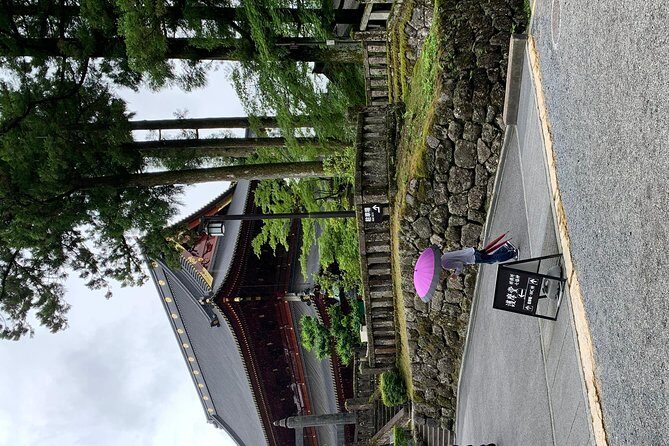
- Toshogu Shrine: the day’s must-do stop
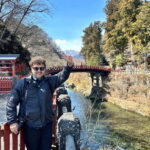
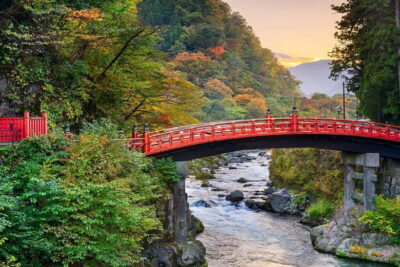
- Shinkyo Bridge: short stop, big photo payoff
- Kegon Falls and Lake Chuzenji on Japan Romantic Road
- Timing that actually matters: 8:30 start and traffic risk
- Driver vs guide: how to get the day-trip you expect
- Ticket and lunch costs: budget so the day feels easy
- Who this tour suits best
- Should you book this Nikko day trip from Tokyo?
- FAQ
- Is this a private tour?
- How many people can be in the group?
- What time does the tour start?
- How long is the Nikko day trip?
- Is pickup included?
- Do I get Wi‑Fi and a mobile ticket?
- What parts of the tour are free or paid?
- Is lunch included?
- What is included in the price?
- What if the weather is bad?
- What if roads are slippery during the trip?
Key highlights to know before you go
- Private door-to-door logistics: pickup from Tokyo and a comfortable, air-conditioned ride for your group
- Nikko Tosho-gu (Toshogu) as the centerpiece: a World Heritage shrine complex where Buddhism and Shinto meet
- Shinkyo Bridge with easy timing: a famous red bridge stop (free admission) you can do without rushing
- Kegon Falls plus Lake Chuzenji: waterfall time, then drives that frame the scenery on the way to the lake area
- Wi‑Fi and mobile ticket support: practical add-ons for a long day
- Real-world timing flexibility: traffic and weather can affect the number of stops, even on private tours
The shrine road north: other Nikko trips
- Nikko: Kegon Falls, Lake Chuzenji & Toshogu Temple★ 4.6 · 1,577 reviews
- Tokyo: Nikko Toshogu Shrine and Kegon Waterfall Tour★ 4.5 · 1,266 reviews
- From Tokyo: Nikko World Heritage Site Private Full-Day Trip★ 4.9 · 243 reviews
What you really pay for on this Nikko day trip
This costs $520 per group (up to 5), and the day is about 9 hours. That price is mostly about buying time and comfort: you’re not doing the Nikko slog with transfers and timing games. You’re paying for a private driver, a private vehicle, and hassle-free transport between Tokyo and the UNESCO main sights.
I think the value is easiest to judge like this:
- If you’ll have 3–5 people, the per-person cost becomes reasonable for a private day.
- If you’re 1–2 people, you’ll feel the math more, especially since lunch and some entries aren’t included.
- If you hate slow trains, crowded shuttles, or figuring out schedules, the private setup pays you back fast.
There’s also a small but real practical win: the tour description mentions an air-conditioned car with Wi‑Fi and mobile ticketing. That means fewer headaches when your phone battery is low and everyone needs their navigation app to behave.
One more detail: this trip is branded as Nikko one day trip with green number plates. The data doesn’t explain what that means, so I won’t pretend. But the broader point is clear—you’re in a standard private-vehicle day-trip setup, not a tour bus.
Toshogu Shrine: the day’s must-do stop
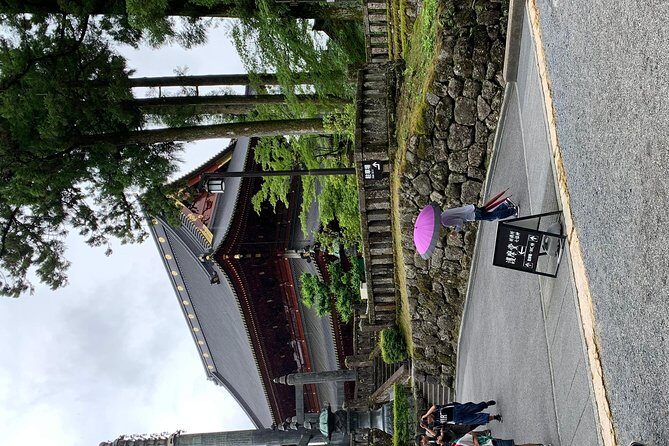
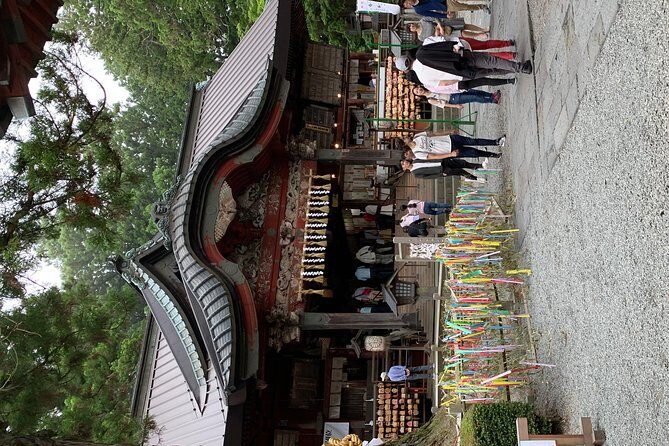
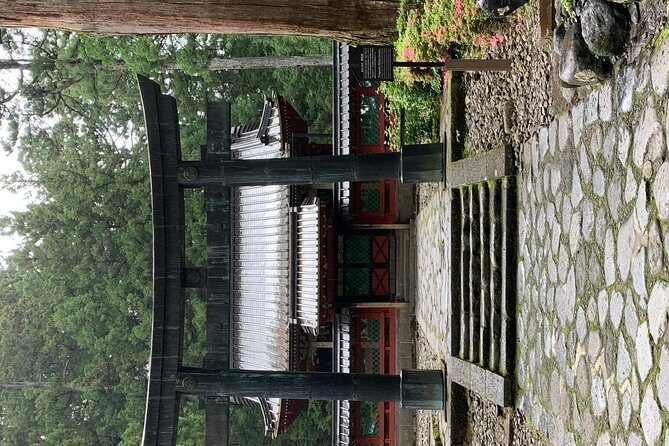
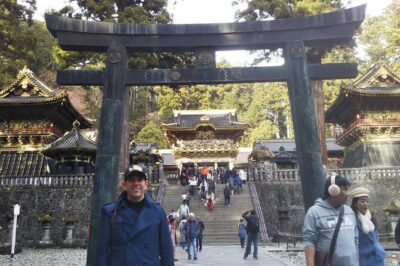
Your morning anchors at the Nikko Tosho-gu shrine complex, the big one people travel for. It’s described as Japan’s most lavish shrine, and it’s also the place where you’ll see Buddhism and Shinto together. That blend is what makes Toshogu more than just a pretty collection of buildings. You get the sense of how different religious traditions were both respected and built into daily life and state ceremony.
What to expect in real pacing terms:
- You’ll likely spend the strongest chunk of the day here (the stop is listed as around 8 hours total for the overall day, with Toshogu as the first major component).
- Admission isn’t included, so you should budget for tickets for Toshogu before you go.
- Your time here is often the difference between a quick “see it” and a meaningful “I get why people feel emotional about this place.”
If you care about details, choose your pace. I like using private transport to avoid the feeling of being herded. You can linger where your eyes catch on the carvings and colors, then move on before you’re exhausted.
A practical tip: bring a layer. Even in good seasons, shrine grounds can feel cooler in the shade, and if the group moves quickly between exterior areas, you’ll want to stay comfortable.
Shinkyo Bridge: short stop, big photo payoff
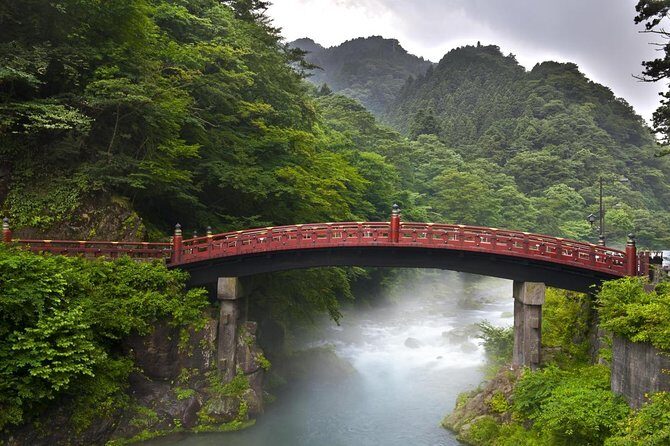
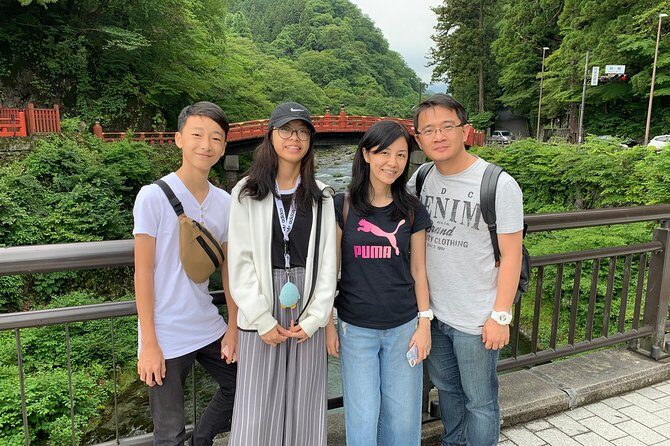
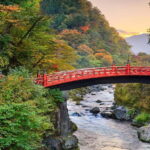
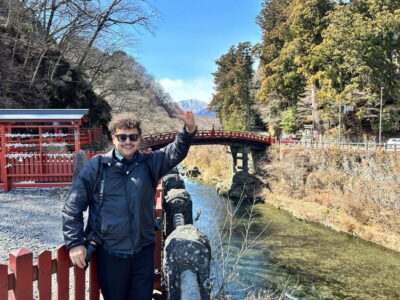
Next up is Shinkyo Bridge, often called the Red Bridge. The listing notes it ranks as the third finest bridge in Japan and that admission is free. That free ticket piece matters, because it helps you manage the day’s costs and energy.
This is the stop that works well if:
- you want a breather after shrine walking,
- you prefer a defined, shorter segment,
- you’re traveling with kids or anyone who doesn’t want nonstop stone steps.
What makes Shinkyo feel special isn’t that it takes hours—it’s that it’s visually iconic. You get a quick target: arrive, view it, take photos, and move on. Private transport helps here because you don’t waste time searching for the best angle. Your driver can also help keep your timing aligned with the rest of the day.
If rain hits, bridges can get slick. If you’re traveling in wet weather, keep your footing slow and steady.
Kegon Falls and Lake Chuzenji on Japan Romantic Road
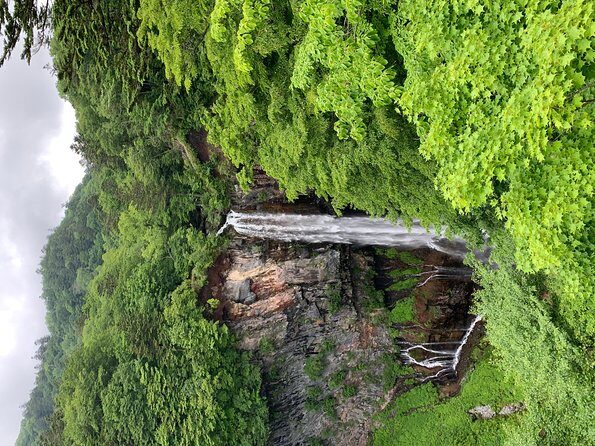
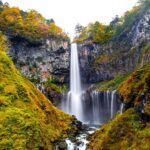
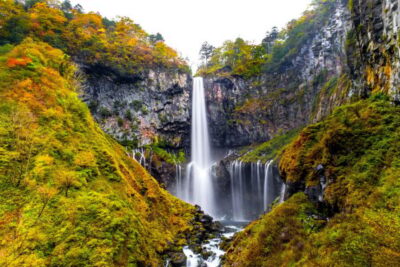
After Toshogu and Shinkyo, the schedule shifts to nature. Kegon Falls is a listed stop, ranked as one of three beautiful waterfalls in Japan. Admission isn’t included for Kegon Falls, so again: plan on paying for entry if you want to go all the way in.
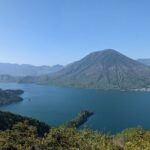
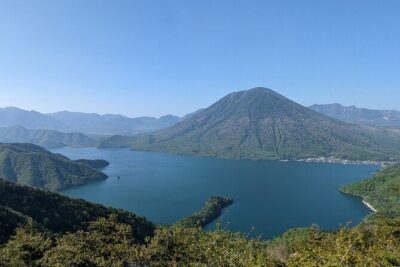
Then you drive toward Lake Chuzenji with a “drive at Japan Romantic Road.” Even if you’re not the type to romanticize roads (I’m usually not), the key value is the pacing. You’re traveling in a private car with breaks rather than trying to piece together multiple transport legs. That makes it easier to keep your day comfortable, especially when you’re tired from early pickup.
Here’s the reality check: this portion of the trip is where weather has the strongest influence. The cancellation note says the experience requires good weather. And in a slippery-road scenario, the itinerary can be adjusted for safety. So you may not always get the exact mix of waterfall and lake time you hoped for.
My advice: when you book, think of Kegon Falls and Lake Chuzenji as the “best-case” plan, not the only plan. If conditions are poor, ask your operator how they typically restructure the day and what you’ll still see.
Worth weighing up alongside this Tokyo pick:


Timing that actually matters: 8:30 start and traffic risk
Start time is 8:30 am, and the plan is roughly 9 hours. On paper, that’s a clean day. In real life, Nikko is close enough to Tokyo to be popular, and that means traffic can turn your schedule into a slow-motion puzzle—especially on weekends and holidays.
The reviews you provided (without me quoting them) point to two consistent patterns:
- Traffic can extend both the drive there and the drive back.
- Even when drivers handle it well, your sightseeing time can shrink if the roads stay packed.
So I want you to plan your day like this:
- Keep your evening plans flexible. The tour returns you to Tokyo by night, but “night” could mean earlier or later depending on conditions.
- If you’re trying to fit dinner reservations, aim for something with a buffer.
- Bring a snack or at least water expectations. Lunch is not included, and while the overview mentions a Nikko-style lunch, the price listing says lunch isn’t part of what you automatically receive.
In short: private transport reduces stress, but it can’t erase physics.
Driver vs guide: how to get the day-trip you expect
This is where the wording gets important. The inclusions say private driver and private transportation, air-conditioned vehicle. But it also says guide services are exclusive. That doesn’t automatically mean you’ll get zero guiding—it means you shouldn’t assume full commentary is included in the same way a guided walking tour would be.
In the feedback you shared, many named drivers and guides acted like true hosts—explaining history, helping with logistics, and even staying patient while people took time. I’m thinking of names like Sebastian, Ahmed, Haseeb, Johny, Ali, Mukarram, Zain, Shoaib, and Ghazi Ali. These examples suggest that in practice you often get more than just driving.
Still, here’s the practical move: before you book, message the operator and ask:
- Will the driver provide English commentary at each stop, or is that optional?
- What’s the expected level of guiding for Toshogu vs. the bridge vs. the falls?
That one message can prevent the common frustration of feeling like you paid for a “tour” but mostly got a car ride.
Ticket and lunch costs: budget so the day feels easy
A key cost piece is simple:
- Toshogu Shrine admission is not included.
- Kegon Falls admission is not included.
- Shinkyo Bridge is listed as free.
- Lunch is not included.
Since lunch isn’t included, plan on paying for it yourself. The overview also mentions a Nikko-style lunch, so you might be guided toward a local option. But I’d treat that as a recommendation, not an included meal.
Also note: the listing mentions a mobile ticket. That helps for the parts you need to pre-handle, but it doesn’t replace entry tickets that aren’t included.
My practical advice: bring a little cash just in case, even in 2026-era Japan. You’ll likely be fine with card, but having backups makes your day smoother when you’re cold, hungry, and surrounded by choices.
Who this tour suits best
This works well for:
- First-timers who want the main Nikko sights without building an itinerary from scratch
- Families who need short, controlled stops and a comfortable ride
- Groups of up to 5 who want to move together and avoid waiting on public transport connections
- People who prefer flexibility over strict timed group tours
If you’re the type who loves to control every minute and wants to move at your exact pace with no “safety reroute” pressure, private can still be a good fit. Just be ready for traffic and weather to shape the day anyway.
Should you book this Nikko day trip from Tokyo?
Book it if you want a low-stress, private way to see Nikko’s headline sites—especially Toshogu Shrine—and you value comfort over DIY logistics. The best-case scenario is a smooth day with enough time at each stop to really notice what’s in front of you.
Don’t book it (or adjust expectations) if:
- you’re traveling solo or as a couple and the $520 group price feels steep,
- you’re strict about waterfalls and lake time and hate itinerary changes,
- you want a fully guided, commentary-heavy experience but you haven’t confirmed what’s included under guide services.
My final recommendation: message the operator before your trip. Ask about what happens if roads are slippery, confirm entry ticket expectations for Toshogu and Kegon Falls, and clarify how much English guidance you’ll get. If you do that, this becomes a very solid Nikko day—one where you spend your energy looking at temples and waterfalls, not fighting trains and timetables.
FAQ
Is this a private tour?
Yes. It’s described as private, with only your group participating.
How many people can be in the group?
The price is listed per group up to 5 people.
What time does the tour start?
The start time is 8:30 am.
How long is the Nikko day trip?
The duration is about 9 hours (approx.).
Is pickup included?
Pickup is offered.
Do I get Wi‑Fi and a mobile ticket?
Yes. Wi‑Fi is listed as a feature, and a mobile ticket is included.
What parts of the tour are free or paid?
Shinkyo Bridge is listed as free. Toshogu Shrine and Kegon Falls are not included for admission.
Is lunch included?
No. Lunch is listed as not included.
What is included in the price?
The inclusions list a private driver, private transportation, and an air-conditioned vehicle.
What if the weather is bad?
The experience requires good weather. If it’s canceled due to poor weather, you’ll be offered a different date or a full refund.
What if roads are slippery during the trip?
The provided information indicates the itinerary can be adjusted for safety in bad road conditions, so you should expect possible changes on the day.
More 1-Day Tours in Tokyo
More Tour Reviews in Tokyo





North Again: More Nikko Trips
Fresh reviews from around Tokyo






Nikko Day Trips, compared.
 ★ 4.6Nikko: Kegon Falls, Lake Chuzenji & Toshogu TempleFrom $891,577 reviews
 ★ 4.5Nikko Toshogu Shrine and Kegon Waterfall TourFrom $841,266 reviews
 ★ 5.0Nikko Full-Day Private Tour with Government-Licensed GuideFrom $155259 reviews
 ★ 4.9From Tokyo: Nikko World Heritage Site Private Full-Day TripFrom $483243 reviews
 ★ 4.3Nikko: Edo Wonderland Edomura Cultural Theme Park TicketFrom $35205 reviews
From Tokyo: Nikko World Heritage Sight Full Day Private TourFrom $362127 reviews
★ 4.3Nikko: Edo Wonderland Edomura Cultural Theme Park TicketFrom $35205 reviews
From Tokyo: Nikko World Heritage Sight Full Day Private TourFrom $362127 reviews
 ★ 4.9Nikko – Beautiful Full-Day Personal and Private TourFrom $364119 reviews
 ★ 5.0Chartered Private Tour – Tokyo to Nikko, Toshogu, Edo WonderlandFrom $1,286105 reviews
Browse the lists this tour appears in