
Reviewed · KAMAKURA DAY TRIPS
Kamakura: Private Guided Walking Tour with Local Guide
A day in Kamakura feels easy. One hour from Tokyo, you get temples, shrines, and samurai-era stories without the hassle of planning every turn. I especially like that the tour focuses on major historical sites plus smaller stops you might miss on your own, and you can shape the day to your pace and interests.
The other part I like a lot is the nationally licensed local guide. In practice, that means smoother timing, better context at each site, and real answers to your questions about Japanese culture and history, not just facts read off a sign.
One consideration: it is a walking day tour, and while transfers between areas may use public transport or taxis, the tour does not include transportation costs, food, or entrance fees. Bring some yen and expect to move a bit.
In This Review
- Key points to know before you go
- Why Kamakura Works Best on Foot (with a real guide)
- The core temples and shrines: Great Buddha, Hase-dera, and Zeniarai Benten
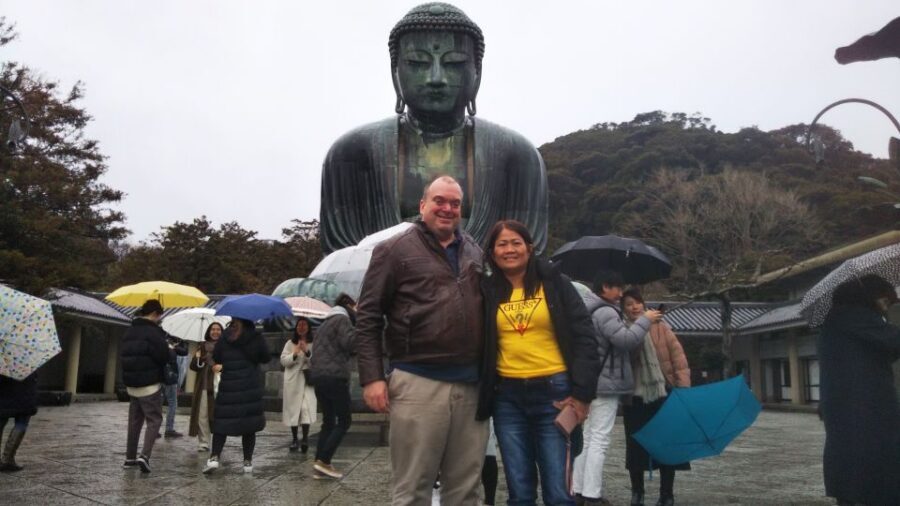
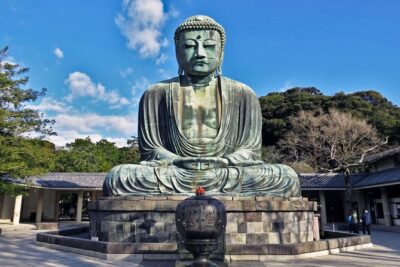
- Entering the Great Buddha (Daibutsu)
- Hase-dera: gardens that turn into a seasonal spectacle
- Zeniarai Benten: the money-washing legend
- Hokoku-ji bamboo forest and your matcha pause
- How customization really changes your day (not just the shopping list)
- Pace, photos, and how you avoid temple burnout
- Money, tickets, and getting around between sites
- Weather, hydrangeas, and what to pack for a rain-or-shine day
- Who should book this Kamakura private walking tour
- Should you book it?
- FAQ
- How long is the Kamakura private guided walking tour?
- Where is this experience located?
- What is included in the tour price?
- Are entrance fees included for temples and shrines?
- Do I need to pay for transportation during the tour?
- Is food or drinks included?
- What language is the guide?
- Is the tour private?
- What happens if it rains?
- When will I know my guide is confirmed?
- Is cancellation free?
- Is wheelchair access available?
Key points to know before you go
- Enter the Great Buddha inside, not just take photos from the outside.
- Hase-dera hydrangea season can be a showstopper in June, with thousands of blooms across multiple varieties.
- Zeniarai Benten includes a fun legend about washing money in the holy water to grow your fortune.
- Hokoku-ji’s bamboo forest is a calm pause, with matcha tea served while you enjoy the views.
- Your route can be customized, and your guide can also work around closures and crowds.
- A private tour keeps the day flexible for questions, photo stops, and your preferred tempo.
Why Kamakura Works Best on Foot (with a real guide)
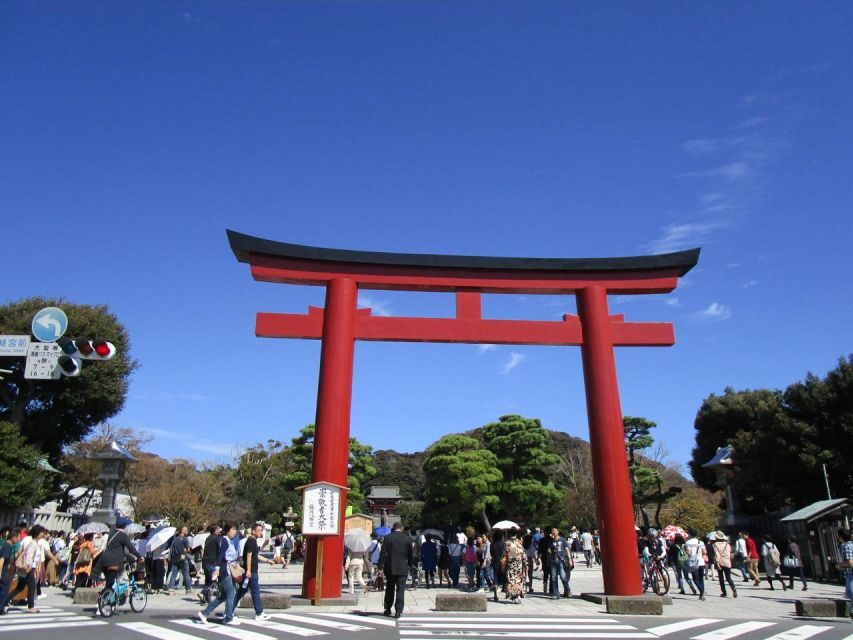
Kamakura is one of those places that rewards slowing down. Yes, you can hop between spots on your own, but a walking tour turns the day into a connected story—temples, shrines, and gardens that make sense in relation to each other.
Your guide is not just friendly; they’re nationally licensed (Tour Guide-Interpreter certification). That matters when you’re standing in front of a centuries-old site and want the meaning behind the design—why certain rituals exist, what a shrine is doing for the community, or how the samurai period shaped what you see today.
You also get the benefit of privacy. This is a private group experience, so you can ask questions as you go. Want more temple architecture? More legend and folklore? A faster day with more stops? You can usually build the route around that, especially in 4- or 6-hour formats.
And because the tour happens rain or shine, you’re not left staring at a gloomy forecast. You’ll still move, see the sites, and let the guide handle the day’s flow.
The core temples and shrines: Great Buddha, Hase-dera, and Zeniarai Benten
Most Kamakura days revolve around a handful of anchors. This tour makes those anchors practical, starting with the stuff people come for and then layering in the context that makes it click.
Entering the Great Buddha (Daibutsu)
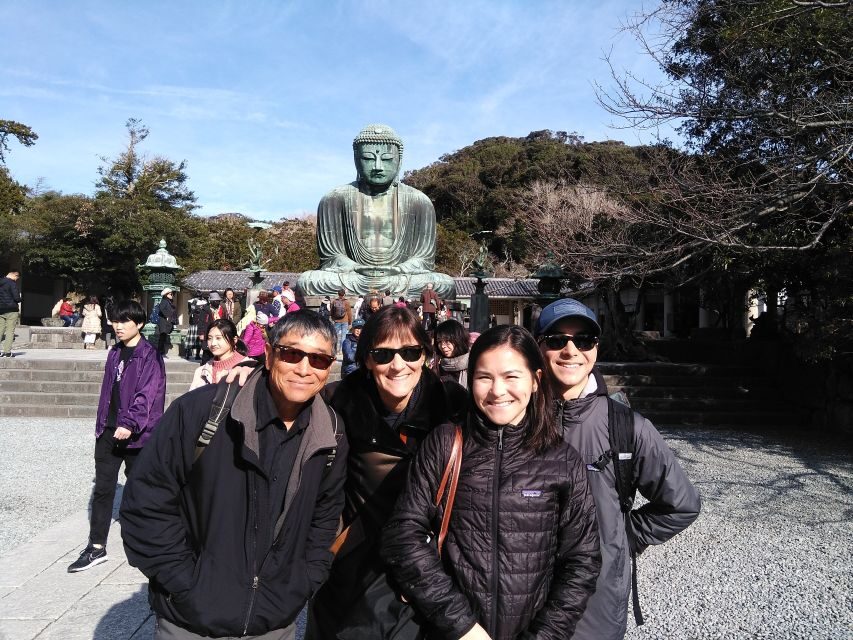
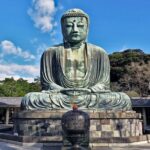
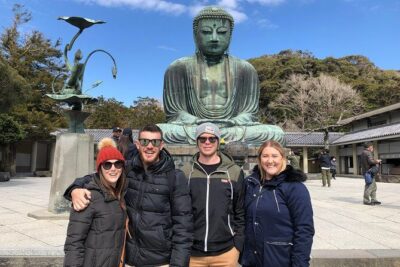
The highlight you should plan around is visiting the Great Buddha’s interior. Many first-timers only think of exterior photos, but stepping inside changes the feel immediately. You get a sense of scale that photos never quite deliver, plus the day has a strong visual and spiritual centerpiece early on.
Practical tip: if you’re the type who hates waiting, tell your guide you want crowd-aware timing. Private tours are great for this because your guide can adjust the order when possible.
Hase-dera: gardens that turn into a seasonal spectacle
Next is Hase-dera, known for its gardens and big seasonal moments. During the rainy season around June, the hydrangeas can bloom in a big way—around 2,500 flowers across about 40 varieties, blooming together. That timing is a little unpredictable year to year, but your guide can help you understand what to expect if you visit in that window.
Even when hydrangeas aren’t at their peak, Hase-dera’s garden layout gives you a reason to wander slowly. It’s the kind of place where your photos look better when you pause and look up as well as down.
Potential drawback: garden days can run a bit longer than you expect if you stop often for photos and viewpoints. If you’re on a tight schedule, just let your guide know up front.
Zeniarai Benten: the money-washing legend
Then there’s Zeniarai Benten Shrine, famous for a legend about washing money in the shrine’s holy water to earn more. It’s the kind of story that’s simple, memorable, and easy to connect with right in the moment.
This stop also works as a mental break. After larger temple complexes, a smaller ritual stop can feel grounding. You’ll get a cultural explanation, not just the idea of luck.
Hokoku-ji bamboo forest and your matcha pause
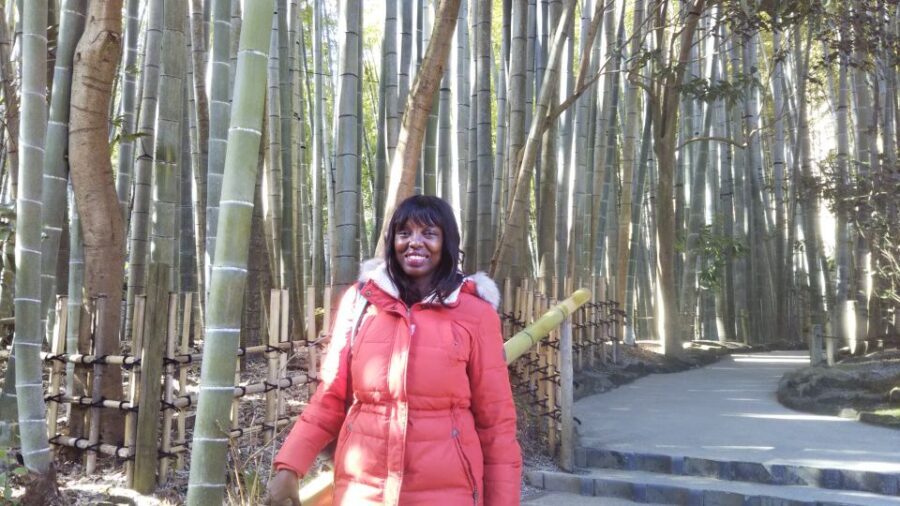
If Kamakura has a mood switch, Hokoku-ji is a major one. The temple is known for its bamboo forest garden, and that’s exactly what you want after a day of stone lanterns and shrine gates.
The pacing here matters. Your guide typically builds in time for you to actually sit with it instead of just walking through. You’ll get a moment where the sights slow down and the sound changes.
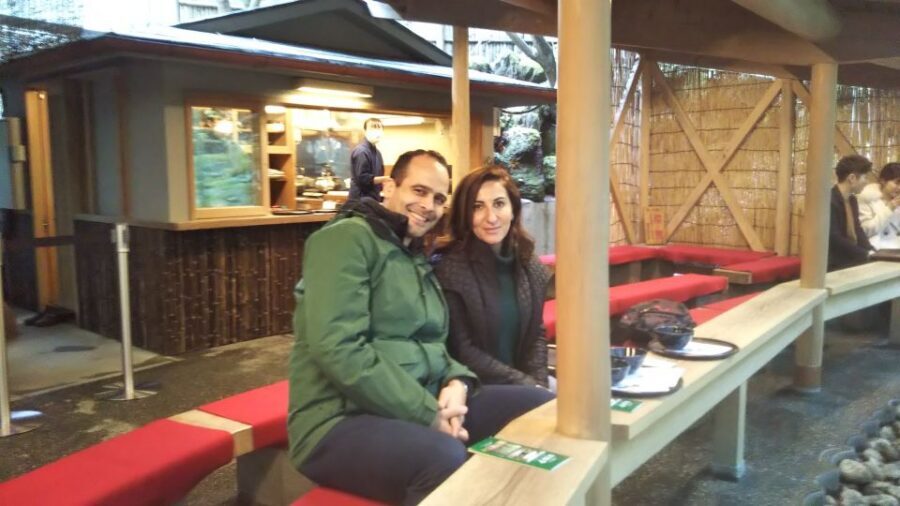
And yes, there’s matcha tea. You’ll sample it while you’re admiring the forest. That one small included experience makes the tour feel more like a lived-in day than a checklist of destinations.
If you’re worried about crowds: bamboo gardens can still be busy at peak times, but a private guide can often help you time your visit and choose the best viewing spots.
How customization really changes your day (not just the shopping list)
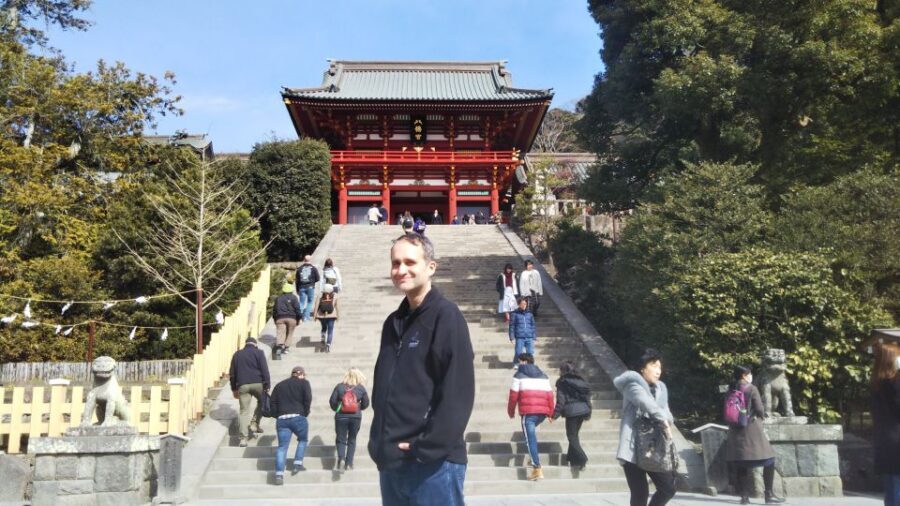
The tour is built for flexibility. You can choose the 4- or 6-hour version, and your guide can customize the itinerary based on your preferences. This is a big deal in Kamakura because the area has far more temples and shrines than most visitors can realistically cover.
If you love variety, you can add stops like Tsurugapoka-Hachiman-gū, which is commonly paired with other nearby sites. If you want more temple ambiance, guides sometimes bring you to Jōchō-ji and Engaku-ji as part of the route. Those additions can shift the day from “big icons” to “more temple atmosphere.”
Want something more off the main path? Some guided days can include an Enoshima area cave visit (the Engaoshima cave is mentioned in tour experiences). That kind of stop can add a different physical experience—less postcard, more exploration.
And if you’re a “one more view, if the sky cooperates” type, guides may try to adjust timing for a possible Mt. Fuji sighting when conditions are right. In practice, it means your guide is thinking ahead about viewpoints, not just moving from A to B.
The best part: guides can also work around holiday closures and still keep the day meaningful. That’s harder to manage on your own if you’ve planned tightly around exact admission lines.
Pace, photos, and how you avoid temple burnout
A private walking tour can feel either perfect or exhausting. The difference is pace—and the guide’s ability to steer it.
From the experiences people share, the guides tend to:
- Keep the day organized so you hit the main sites and still have time to breathe.
- Adjust to your tempo, whether you prefer a quick march through highlights or a more relaxed rhythm.
- Point out photo angles so you don’t waste time wandering aimlessly.
If you like moving fast, that’s often not a problem. In some guided days, people have enjoyed a quicker tempo and still felt it was well controlled.
If you hate rushing, you still have options. The trick is to tell your guide early: how long you want to linger at each stop, whether you want more viewpoints, and what you can skip. Since it’s private, your time is yours.
Small tip that saves your feet: wear shoes you trust. Kamakura days involve uneven stone and lots of short walks. Your body will thank you at stop five.
Money, tickets, and getting around between sites
Let’s talk value, because the price depends on how the day is set up.
The tour is $106 per person for 4 to 6 hours. For a private guide, that can be a fair deal, especially when the itinerary includes major stops like entering the Great Buddha and guided time in Hase-dera and Hokoku-ji. You’re paying for interpretation, route planning, and the ability to customize.
But here’s the practical split:
- Included: private personalized walking tour, licensed local guide, and pickup from your accommodation on foot if you’re within reasonable distance.
- Not included: food and drinks and any entrance fees.
Transportation between sites may involve public transport or local taxis, and those costs aren’t included. The tour suggests you’ll want Japanese yen on hand. Your guide can discuss exact costs after your reservation is finalized.
That’s normal for walking tours in Japan. Many places cluster closely, but not everything sits on one perfectly continuous sidewalk.
If you’re planning a smoother ride due to mobility needs or just to save energy, there’s an option to arrange a private vehicle. It must be booked at least 5 days in advance, and the maximum passenger count is 7. Your guide team can help if you want that version.
Weather, hydrangeas, and what to pack for a rain-or-shine day
This experience runs rain or shine, so it’s worth packing like you mean it. Even light rain can make temple paths slick, and a garden day can feel long if you’re uncomfortable.
If you’re visiting around June, the hydrangea timing is a big reason this season is special. The schedule isn’t something anyone can guarantee in advance, but your guide can help you time expectations based on what’s blooming when you’re there.
For clothing:
- Bring a compact umbrella or a lightweight rain layer.
- Wear shoes that handle wet stone well.
- If it’s hot and humid, plan for short breaks—your guide can build these in naturally around the sites.
One more practical note: since it’s a walking day, weather changes can affect pacing. Private tours make it easier to adjust on the fly without derailing your entire schedule.
Who should book this Kamakura private walking tour
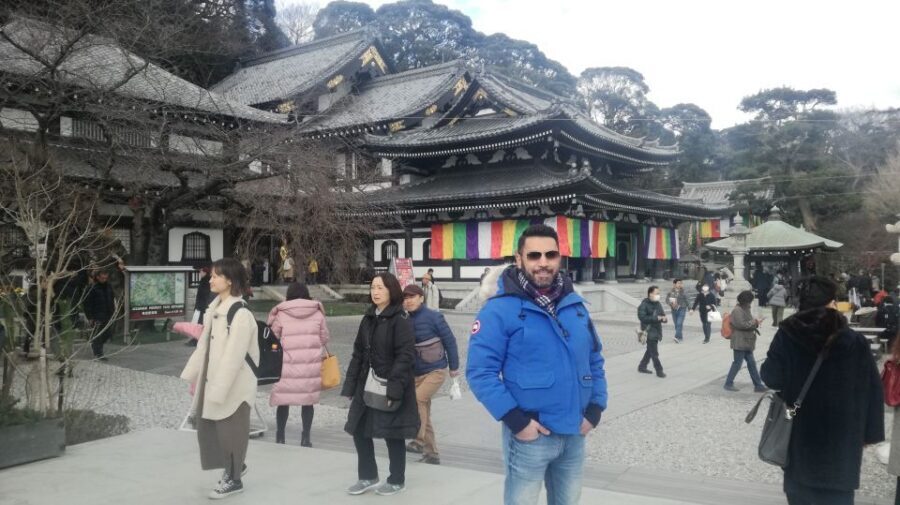
This tour is a strong fit if:
- You’re a first-timer in Kamakura and want the day organized around the key landmarks.
- You care about stories and meanings, not just photo ops.
- You want a flexible route—either a tight highlights loop or a longer 6-hour temple-and-shrine day.
- You prefer asking questions in real time and learning what you’re actually looking at.
- You need an experience that can still happen rain or shine.
It’s also a good option if you’re traveling with someone who has different interests. One person might want temples and legends; the other might want gardens and viewpoints. A private guide can juggle that.
Accessibility note: the tour is listed as wheelchair accessible, which is helpful when planning in Japan. You’ll still want to ask the guide about the on-foot pickup and any transfer needs based on your situation, since transfers may use transit or taxis.
Should you book it?
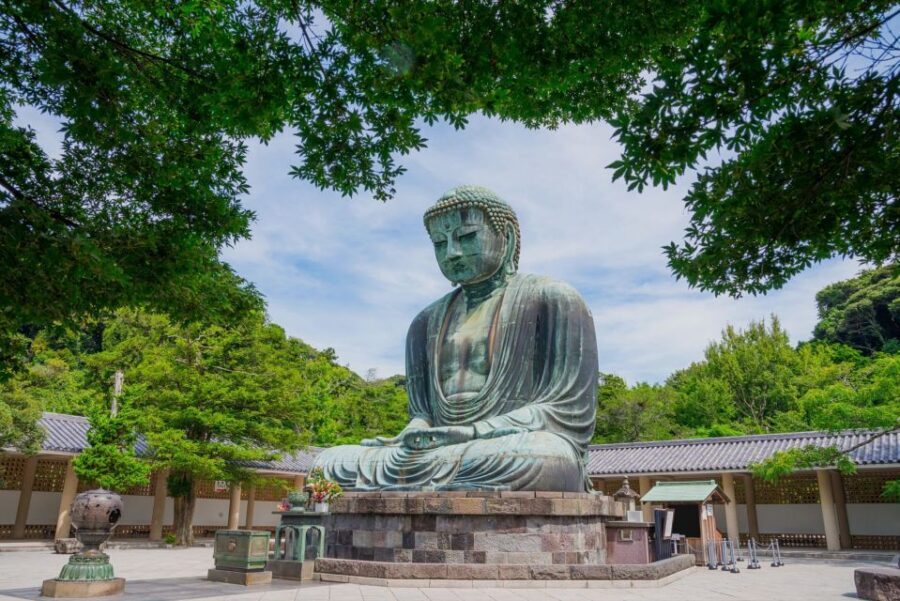
Yes, you should book this Kamakura private walking tour if you want a smooth, guide-led day built around the sites that define Kamakura—especially if you care about meaning, not just landmarks. The value is strongest when you use the customization option to shape the route around your interests, because the time adds up fast in a good way.
Book it if you’re visiting from Tokyo and want the day handled cleanly: major stops, smart pacing, and a guide who can explain what you’re seeing as you go. It’s also a good choice if you’re heading to Kamakura around June and want a real shot at seeing the Hase-dera hydrangea spectacle.
Skip it (or consider a different style) if you’re the type who loves wandering freely without a plan, or if you’re allergic to paying entrance fees and handling separate transport costs. Walking tours work best when you show up ready for a guided route plus a little extra spending for admissions and food.
FAQ
How long is the Kamakura private guided walking tour?
The tour duration is listed as 4 to 6 hours. You can choose between the shorter and longer option based on availability.
Where is this experience located?
It takes place in Kamakura, Japan, on Honshu.
What is included in the tour price?
The tour includes a private personalized walking tour, a licensed local guide, and pickup from your accommodation on foot if you are within a reasonable distance.
Are entrance fees included for temples and shrines?
No. Entrance fees are not included.
Do I need to pay for transportation during the tour?
Transportation between sites may use public transport or taxis, and those transportation costs are not included. You should have Japanese yen available, and you can discuss exact costs with the guide after your reservation is finalized.
Is food or drinks included?
No. Food and drinks are not included.
What language is the guide?
The live tour guide is available in English and Japanese.
Is the tour private?
Yes. It is a private group experience.
What happens if it rains?
The tour runs rain or shine, so you should expect to go out regardless of weather.
When will I know my guide is confirmed?
The tour is not confirmed until your guide contacts you. Most guides contact guests within 7 days, and updates continue weekly until 24 hours before the tour.
Is cancellation free?
Cancellation is free up to 24 hours in advance for a full refund.
Is wheelchair access available?
The tour is listed as wheelchair accessible.
More Tours in Kamakura
More Tour Reviews in Kamakura
More Days by the Great Buddha
Kamakura Day Trips, compared.
 ★ 4.5Kamakura & Enoshima Day Trip including Temple TicketsFrom $581,375 reviews
 ★ 4.5From Tokyo: Kamakura & Enoshima 1-Day Bus TourFrom $66189 reviews
 ★ 5.0Kamakura Historical Walking Tour with the Great BuddhaFrom $98129 reviews
Kamakura Private Tour: Temples, Nature, and the Great BuddhaFrom $98121 reviews
Kamakura Walking Tour – The City of ShogunFrom $35100 reviews
★ 5.0Kamakura Historical Walking Tour with the Great BuddhaFrom $98129 reviews
Kamakura Private Tour: Temples, Nature, and the Great BuddhaFrom $98121 reviews
Kamakura Walking Tour – The City of ShogunFrom $35100 reviews
 ★ 5.0Kamakura 8 hr Private Walking Tour with Licensed Guide from TokyoFrom $20180 reviews
 ★ 4.1Kamakura & Enoshima Day Tour with Pickup & Train RideFrom $1361 reviews
 ★ 5.0Kamakura 4hr Private Trip with Government-Licensed GuideFrom $10858 reviews
Browse the lists this tour appears in