
Reviewed · KAMAKURA DAY TRIPS
Buddha, Bamboo & Zen – Bespoke Kamakura Private Walking Tours
Kamakura feels calmer than Tokyo in a single day. I love that this is a private, bespoke walking tour where you set the rhythm and can stop as often as you want, and I also like the smart mix of big sights like the Great Buddha plus quieter Zen moments. The one thing to watch is that temple admissions and meals are not included, so you’ll want cash ready.
Your guide, Brad, is an Australian, native English speaker, and he’s clearly tuned in to not cooking people with temple fatigue. This matters because the day runs about 6 hours, with time built in for transit on foot and by local train/bus, plus rest and food breaks. If you’re hoping for a fully packaged day with zero extra spending, you’ll need to adjust your expectations.
In This Review
- Key takeaways before you go
- Why this Kamakura tour works better than a rushed checklist
- The day starts at Kotoku-in: the Great Buddha without the hassle
- Hasedera’s Eleven-headed Kannon and garden time
- Hokoku-ji Bamboo Temple: Zen atmosphere and matcha energy
- Komachi Street for breaks, browsing, and real food choices
- Tsurugaoka Hachimangu: Shinto, warriors, and calm views
- Yagura caves and the samurai-to-Zen story you’ll remember
- How the 6 hours actually plays for your feet and your patience
- Price and what you should expect to pay on top
- Who this suits best (and who should consider alternatives)
- Booking, meeting point, and the vibe you’re walking into
- Final verdict: should you book Buddha, Bamboo & Zen?
- FAQ
- How long is the Buddha, Bamboo & Zen walking tour?
- Where does the tour meet?
- Is this a private tour?
- What’s included in the price?
- Are temple admission fees included?
- Is lunch included?
- How much should I bring for the day?
- Does the tour run in any weather?
Key takeaways before you go
- Private group pacing: you can move at a leisurely speed and call it a day when you’re satisfied
- Zen and samurai connections: you’ll learn the story thread between Zen, warriors, and old Kamakura life
- Signature stops: Kotoku-in (Great Buddha), Hasedera, and Hokoku-ji Bamboo Temple are the anchor sights
- Flexibility with your interests: share your own itinerary ideas, or let Brad steer to his favorite spots
- Plan for extra yen: temple tickets, transport, and lunch are paid separately by each person
- Walk-with-breathing-room: the schedule includes about two hours for moving between attractions and breaks
Why this Kamakura tour works better than a rushed checklist
Kamakura is the kind of place where the best moments often happen between the obvious stops: a quiet path, a garden detail, a small shrine scene, or a short detour because something looks interesting. This tour is built for that slower rhythm. You’re not herded; you’re guided.
The format is also a value win. You pay per group (up to 6), and the guiding service is included, while the day’s paid elements stay flexible. That lets you scale the experience to your pace, not someone else’s schedule.
The day starts at Kotoku-in: the Great Buddha without the hassle
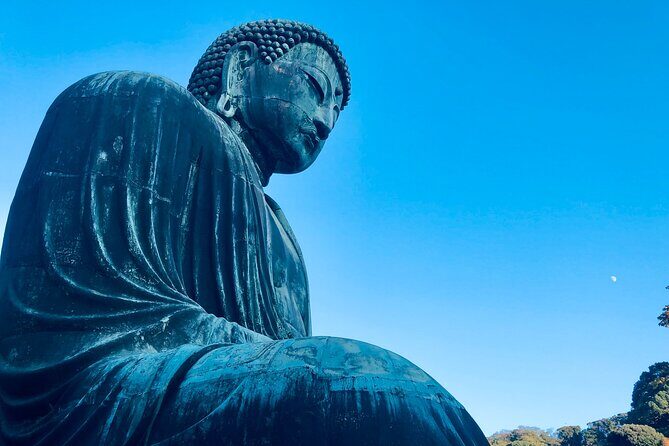
Kotoku-in is where you get that immediate, iconic Kamakura feeling: the Great Buddha of Kamakura. It’s a huge bronze statue tied to the temple grounds, and it’s often the type of sight people remember long after the photos fade.
What I like about starting here is timing and flow. This early anchor helps you avoid the worst of the day’s crowds and lets the rest of your walking feel more relaxed afterward. Also, since admissions aren’t included, you should be ready to handle the Kotoku-in ticket separately (it’s listed as about ¥300 per person).
Practical note: plan to spend about an hour at Kotoku-in. If you like lingering, this is a good place to do it. If you’d rather move on fast, this stop is still worth the time, but you won’t feel trapped.
Hasedera’s Eleven-headed Kannon and garden time

From Kotoku-in, the tour shifts to Hasedera Temple, known for its famous wooden statue of the Eleven-headed Kannon. The listing notes it was carved in 721 AD, which gives the day a real sense of age and continuity even before you start talking about Zen ideas.
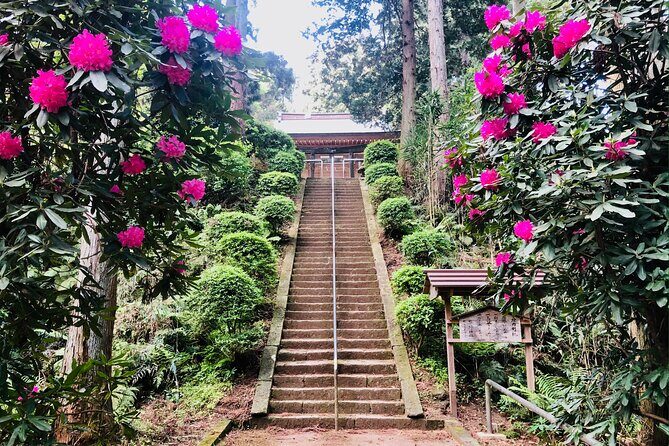
Then comes the part many people underestimate: the gardens. Hasedera isn’t only about one dramatic object; it’s also about walking the grounds and noticing how seasonal flowers change the mood of the place. The tour gives you about 45 minutes here, which is enough time to see the main sights without feeling like you’re on a factory line.
One consideration: temple-going adds up. Admissions are separate here too (listed around ¥400 per person), and it’s one more paid stop to plan for. If you’re prone to being templed out, this tour’s built-in pacing helps, but you should still think about how many religious sites you genuinely want to see.
Hokoku-ji Bamboo Temple: Zen atmosphere and matcha energy
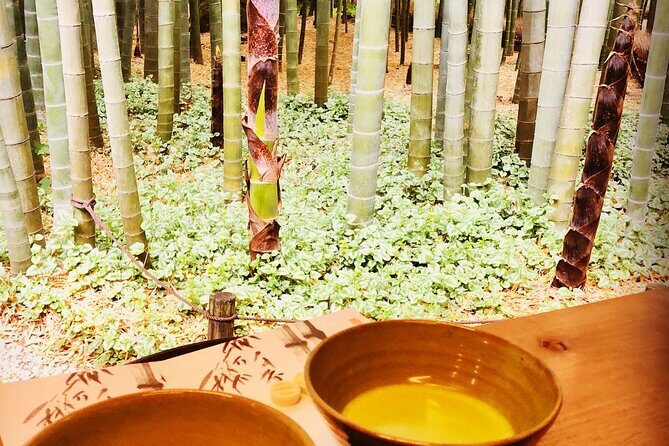
Next is Hokoku-ji, a Rinzai Zen Buddhist temple that locals affectionately call the Bamboo Temple. The highlight is the bamboo grove—about 2,000 moso bamboo plants—so yes, it really is the kind of place where the environment does a lot of the work for you.
This stop is also where the tour’s practical side shows up. You’ll have about an hour here, which gives you time to slow down inside the grove instead of just passing through. There’s also a small fee mentioned for the bamboo grove area (listed as about ¥6, though the total temple admissions plan in the pricing guidance still matters). Matcha green tea is mentioned as part of what’s available on the day, and meals are not included—so think of tea as a treat, not a guaranteed freebie.
If you care about the feel of Zen—quiet, simplicity, a little distance from city noise—this is the emotional centerpiece of the itinerary.
Komachi Street for breaks, browsing, and real food choices
After temples and gardens, the tour gives you time on Komachi, Kamakura’s main pedestrian shopping street. This is a smart move because it turns your day from purely sacred sights into everyday Kamakura life: snacks, casual meals, small shopping, and people watching.
You get about an hour here, and the listing notes it’s a good place to explore nooks and crannies. Because lunch isn’t included, this is where you can actually decide what kind of food day you want. Maybe you’ll keep it light and go for a snack and tea, or maybe you’ll take a proper lunch break and cool down.
A practical tip: because you’re paying admission and transport separately, it helps to keep your spending money easy to access. One review specifically points out that Brad helped with getting a Suica card and showing where to get extra cash. That kind of prep makes Komachi time smoother, especially if you plan to buy food as you go.
Tsurugaoka Hachimangu: Shinto, warriors, and calm views
Tsurugaoka Hachimangu is described as the most important Shinto shrine in Kamakura. It’s dedicated to Hachiman, the tutelary god of warriors, which ties neatly into the tour’s samurai-and-Zen storytelling thread.
This stop also makes a lot of sense as a pacing change. You go from bamboo grove quiet to shrine spaces and open sightlines. The listing suggests about an hour here, and the tone shifts from contemplative temple space to ceremonial shrine space—still worth your time, but mentally different.
Like the other major stops, admission is listed as free. So while this isn’t a paid-ticket moment, it still counts toward your 6-hour day and walking time.
Yagura caves and the samurai-to-Zen story you’ll remember
The tour includes man-made caves called yagura. The idea here is not just sightseeing; it’s connecting the dots between Kamakura’s religious traditions and its warrior past. That’s why the day feels more like a guided story than a grab-bag of landmarks.
You should expect a few explanations along the way—especially in how Zen thinking intersected with samurai life and the look and feel of the temples you’re visiting. The listing also emphasizes the guide’s awareness of keeping people from getting exhausted by too many temples back-to-back, so the cave portion should fit into the day as a meaningful pause, not another endurance task.
How the 6 hours actually plays for your feet and your patience
This is an all-day walking tour, about 6 hours long, but the schedule accounts for real life movement. The listing says there’s about two hours allocated for travel time to access attractions on foot, train, and bus, plus rest and food/drink breaks.
That matters because a lot of tours say they’re 6 hours, then you discover you’ve been walking the whole time. Here, you’ll get breaks built into the flow, and you’re also allowed to stop whenever you feel like it. If you’re traveling with family or friends who might have different energy levels, that flexibility is the whole point.
Also, since it’s private for your group, you can steer around what you personally want more of. Share your own itinerary and Brad tailors the day; hand over the reins and he guides you around his favorite spots.
Price and what you should expect to pay on top
The tour price is $355.80 per group for up to 6 people, and guiding services are included. That’s the big value piece: you’re paying for time with an expert guide, not for a busload of generic stops.
Now the part that affects your budget: temple admissions, lunch, and public transport are not included.
Here’s what’s specifically listed:
- Temple admissions (paid by each guest): Kotoku-in about ¥300, Hasedera about ¥400, Hokoku-ji about ¥600
- Public transportation: ¥840 per person
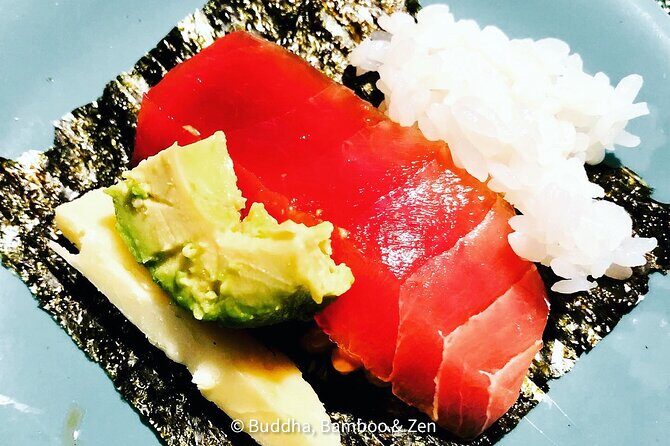
- Lunch and snacks: excluded (so you’ll pay for what you choose)
The tour recommends each guest bring about ¥2,000 to cover temple admissions and transportation, and then extra cash for food and drinks. If you do the math, that estimate seems designed to keep you from scrambling mid-day. Still, you’ll want to bring more than you think you need, especially if you’re hungry after Komachi.
At maximum group size (6 people), the $355.80 works out to roughly $59 per person for guiding alone, before admissions and transport. That can be a smart spend if your group values a guide who can adjust the pace instead of checking boxes.
Who this suits best (and who should consider alternatives)
This tour fits best if you want a Zen-and-samurai themed day but you still like freedom: pause for tea, linger at gardens, browse on Komachi, and don’t feel guilty about moving slower.
It also works well for families or mixed-interest groups, because the guide can adjust the day and is conscious of temple fatigue. If someone in your group wants fewer religious stops, the tour is designed to handle that by letting you stop sooner or tailor the itinerary.
If you hate paying separate tickets for every major stop, or if you’re budgeting for a strictly fixed-cost day, you’ll likely feel the added expenses. In that case, you might prefer a different type of tour with admissions wrapped into the price.
Booking, meeting point, and the vibe you’re walking into
You’ll meet at Kamakura Eki (Higashiguchi) near Komachi, and the tour ends back at the meeting point. That return-to-start setup is helpful because it cuts down on late-day routing stress.
The tour uses a mobile ticket, and confirmation is received at booking. The guide also supports service animals, and it notes that most travelers can participate.
Weather matters too. The experience requires good weather, and if it’s canceled due to poor conditions, you’re offered a different date or a full refund.
Final verdict: should you book Buddha, Bamboo & Zen?
I’d book this tour if you’re aiming for an actual Kamakura day, not a rushed set of photo stops. The private format, the flexible pacing, and the guide’s English-friendly communication make it easy to enjoy the temples, bamboo, shrine time, and yagura caves without feeling lost or hurried.
You should think twice if you’re trying to minimize extra spending, because temple admissions and transport are paid separately and lunch is on you. Also, keep in mind it’s a 6-hour walking day with movement between sites, even with breaks planned in.
If your group likes history, Zen atmosphere, and a day that can bend around your energy level, this is a strong pick.
FAQ
How long is the Buddha, Bamboo & Zen walking tour?
It’s listed as about 6 hours.
Where does the tour meet?
Meet at Kamakura Eki, Higashiguchi, at 1 Chome-1 Komachi, Kamakura, Kanagawa, Japan, and the tour ends back at the meeting point.
Is this a private tour?
Yes. Only your group participates.
What’s included in the price?
The guiding services are included.
Are temple admission fees included?
No. Temple admission fees are excluded and you pay each listed fee separately (Kotoku-in, Hasedera, and Hokoku-ji).
Is lunch included?
No. Lunch and all food or drinks, including matcha green tea and snacks, are excluded.
How much should I bring for the day?
The tour recommends bringing about ¥2,000 per guest for temple admission fees and transportation, plus extra cash for food and drinks.
Does the tour run in any weather?
It requires good weather. If it’s canceled due to poor weather, you’ll be offered a different date or a full refund.
More Tours in Kamakura
More Tour Reviews in Kamakura
More Days by the Great Buddha
Kamakura Day Trips, compared.
 ★ 4.5Kamakura & Enoshima Day Trip including Temple TicketsFrom $581,375 reviews
 ★ 4.5From Tokyo: Kamakura & Enoshima 1-Day Bus TourFrom $66189 reviews
 ★ 5.0Kamakura Historical Walking Tour with the Great BuddhaFrom $98129 reviews
Kamakura Private Tour: Temples, Nature, and the Great BuddhaFrom $98121 reviews
Kamakura Walking Tour – The City of ShogunFrom $35100 reviews
★ 5.0Kamakura Historical Walking Tour with the Great BuddhaFrom $98129 reviews
Kamakura Private Tour: Temples, Nature, and the Great BuddhaFrom $98121 reviews
Kamakura Walking Tour – The City of ShogunFrom $35100 reviews
 ★ 5.0Kamakura 8 hr Private Walking Tour with Licensed Guide from TokyoFrom $20180 reviews
 ★ 4.1Kamakura & Enoshima Day Tour with Pickup & Train RideFrom $1361 reviews
 ★ 4.8Kamakura: Private Guided Walking Tour with Local GuideFrom $10660 reviews
Browse the lists this tour appears in