
Reviewed · KAMAKURA DAY TRIPS
Kamakura 4hr Private Trip with Government-Licensed Guide
Kamakura gets way easier with a guide. This private half-day plan helps you hit the Great Buddha and temple viewpoints without playing navigation roulette. I like that you can choose your priorities (2–3 stops) and that you start right at Kamakura Station with a licensed English-speaking guide. The big drawback: it’s a walking tour, and transport/entrance/lunch costs are not included.
What makes this experience click is the pace. You’re moving by public transportation and on foot, then spending real time at a short list of meaningful sights. If you want the best odds of seeing the highlights well—without missing the timing, the stairs, or the crowded bits—you’ll appreciate the structure and the flexibility.
In This Review
- Key Points You’ll Care About
- Why Kamakura Works So Well for a 4-Hour Private Plan
- Meet Your Licensed Guide at Kamakura Station (and start moving fast)
- Your Route Starts as a Menu: Pick 2–3 Sites That Fit Your Mood
- Tsurugaoka Hachimangu Shrine: Start with Power and Tradition
- Kotoku-in Great Buddha: The One Monument You’ll Remember
- Hasedera Temple: Walk Up for the Best Views and Kannon Details
- Hokoku-ji Bamboo Grove: A Calm Pause That Breaks Up Temple Intensity
- Zen Temples on the Hills: Engaku-ji, Kencho-ji, and the Big Names
- Zeniarai Benten and Meigetsuin Hydrangea Temple: Traditions You Can Feel
- Nichiren Temples and Quiet Hill Walks: Ankokuronji, Myohonji, and More
- Kamakura Hiking Trails and the Ocean-Eyed Route to Explore
- Enoshima Island: Sea Air Without Blowing Your Half-Day
- How Long Each Stop Really Takes (So You Don’t Feel Rushed)
- Price and Value: Is $108.99 Per Person Worth It?
- Tips That Make the Day Feel Smooth
- Should You Book This Private Kamakura 4-Hour Trip?
- FAQ
- How long is the Kamakura private trip?
- Where do we meet the guide?
- Is this tour private?
- What’s included in the price?
- Are entrance fees included?
- Is transportation included?
- Can I choose which attractions to visit?
- What should I pack for the tour?
- Can I cancel for a full refund?
- Is the tour suitable for most people?
Key Points You’ll Care About
- Licensed, local English-speaking guide: you get context, not just directions
- Choose 2–3 sites from a strong Kamakura menu, so the day matches your interests
- Meet at Kamakura Station and start moving fast, no long pre-tour waiting
- Great “anchor” sights built in: Tsurugaoka Hachimangu, Kotoku-in Buddha, Hasedera views
- Temple-to-temple walking style with optional nature breaks like bamboo and trails
- Extra costs to budget for: transport fees, entrance fees, and lunch aren’t included
Why Kamakura Works So Well for a 4-Hour Private Plan
Kamakura is the kind of place where everything is close, but not flat. The south side opens toward the ocean, while the rest is framed by wooded hills. That means you can see shrines, giant statues, Zen gardens, and coastal views in a few hours—if your route makes sense.
A private 4-hour format also helps. Instead of rushing across town to “check boxes,” you can spend your time where it matters most: one big shrine arrival, one standout temple, one quieter nature stop. That’s exactly what this tour is built for—customized around 2–3 activities you pick.
One more plus: the guide handles the “where do we go next?” part. If you’ve ever stood outside a train station with five options and zero certainty, you’ll feel the relief of having a plan.
Meet Your Licensed Guide at Kamakura Station (and start moving fast)
Your day starts with a simple meetup: you meet your licensed local English-speaking guide around Kamakura Station (pickup is on foot, and the tour is near public transportation). It’s a private group, so it’s only your party.
In real-world terms, that structure matters because Kamakura’s top sights aren’t all in the same neighborhood. Guides like Shinji, An, Hiro, Isao, and Goto (among others in the guide roster) are the type who help you get oriented fast—especially when trains or timing get messy. Several reviews also mention support for train navigation and practical restaurant guidance, which is huge when you’re trying to keep the day flowing.
You’ll also get a mobile ticket for the experience. That’s the small thing that prevents last-minute confusion and wasted time.
Your Route Starts as a Menu: Pick 2–3 Sites That Fit Your Mood
This tour gives you a menu of top Kamakura attractions, and you choose 2–3 that match what you want most. That choice is the key to value. You’re not paying for a rigid checklist. You’re paying for a guided route you’ll actually enjoy.
Here’s a quick way to decide what to select:
- If you want the “first-time musts,” go for Tsurugaoka Hachimangu + Kotoku-in.
- If your priority is scenery and temple views, pick Hasedera.
- If you want calm and atmosphere, choose Hokoku-ji bamboo grove or a Zen temple afternoon.
- If you want something different, add Enoshima Island for sea air and a change of pace.
Then let your guide connect the dots in a way that keeps walking efficient. With only about four hours, you’ll be happiest when you pick one anchor sight and one nature/view stop.
Tsurugaoka Hachimangu Shrine: Start with Power and Tradition
Tsurugaoka Hachimangu Shrine is a strong opening stop because it sets the historical tone immediately. The shrine honors Hachiman, the patron deity associated with the Minamoto family and samurai more broadly. There’s also a connection to the deified spirits of Emperor Ojin.
Practical payoff: you usually get a short visit that still feels meaningful. Admission is free here, so you can spend more time on the experience and less on budgeting.
One smart tip from guide-style approaches: during high-demand periods like New Year, starting at the shrine early helps you avoid long line pressure. It’s one of those small timing choices that changes your whole vibe for the day.
Kotoku-in Great Buddha: The One Monument You’ll Remember
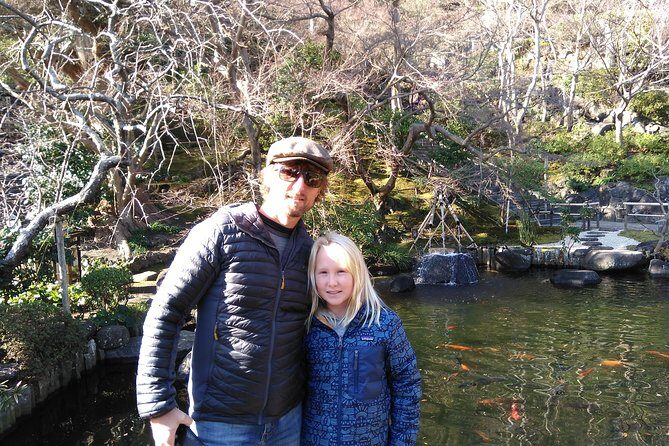
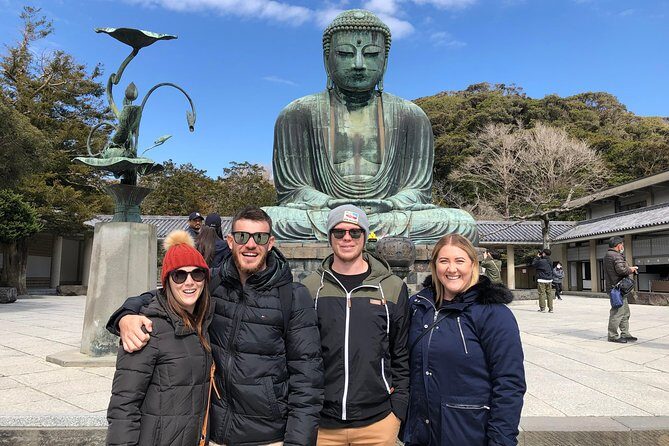
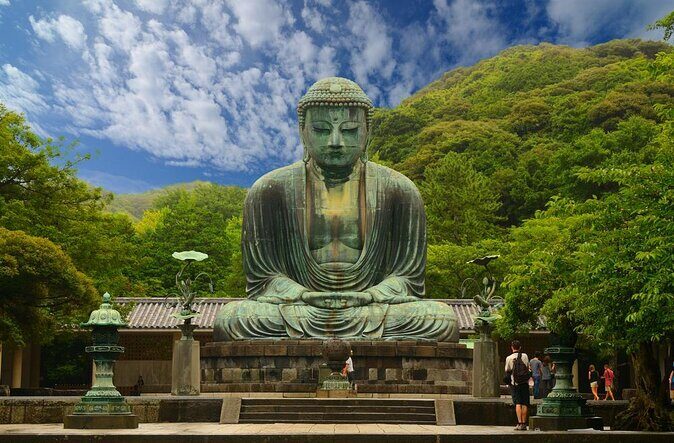
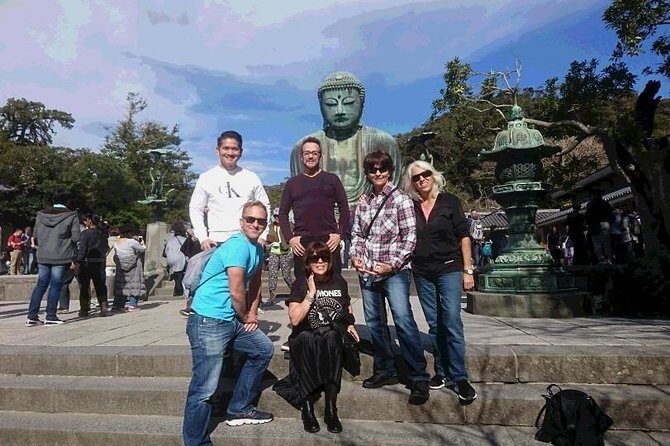
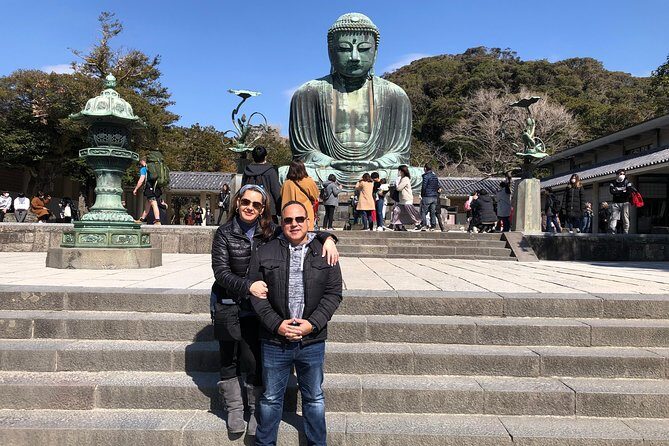
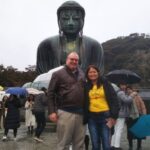
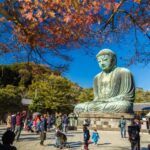
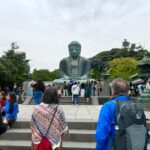
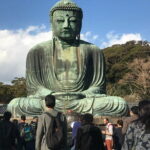
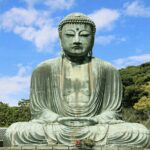
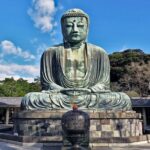
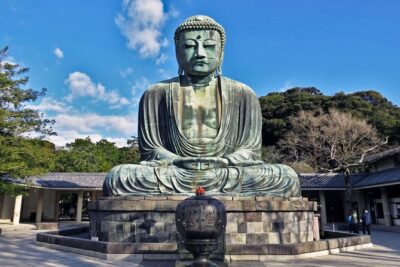
Kotoku-in is famous for the Great Buddha of Kamakura—a bronze statue of Amida Buddha. It stands about 11.4 meters tall and sits on the grounds of Kotokuin Temple. This is the stop most first-timers come for, and it’s a great anchor because it’s instantly recognizable and easy to photograph.
You’ll typically spend about 10 minutes here. That’s enough time to take in the scale, notice the setting, and move on without feeling trapped.
Important cost note: admission is not included for Kotoku-in. So while the guide experience is priced clearly, you should be ready to pay site admission for some attractions.
Hasedera Temple: Walk Up for the Best Views and Kannon Details
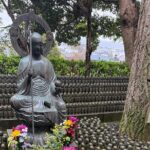
Hasedera Temple (Hasedera / 長谷寺) is the classic “views plus meaning” choice. It’s known for an eleven-headed statue of Kannon, the goddess of mercy. The statue is 9.18 meters tall and described as a gilded wooden figure, recognized as one of the largest wooden sculptures.
The reason this stop works well in a short tour is simple: Hasedera’s grounds give you elevation. The experience includes admiration from the highest point of the temple area, which is where the scenery becomes worth the climb.
Admission is not included here either, so budget for entry.
If you’re choosing between “one big monument” and “one big view,” Hasedera is the pick when you want both spirituality and panorama.
Hokoku-ji Bamboo Grove: A Calm Pause That Breaks Up Temple Intensity
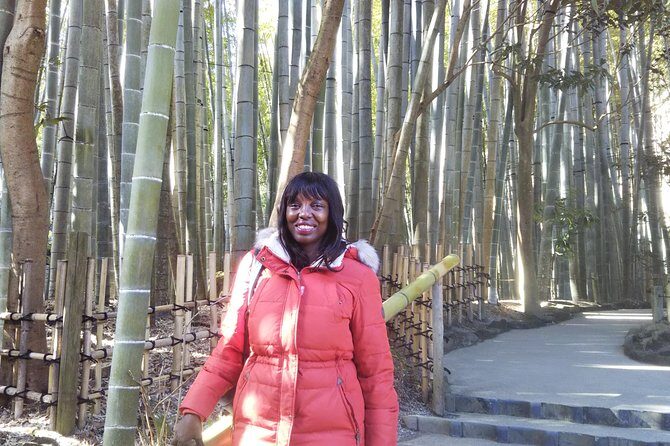
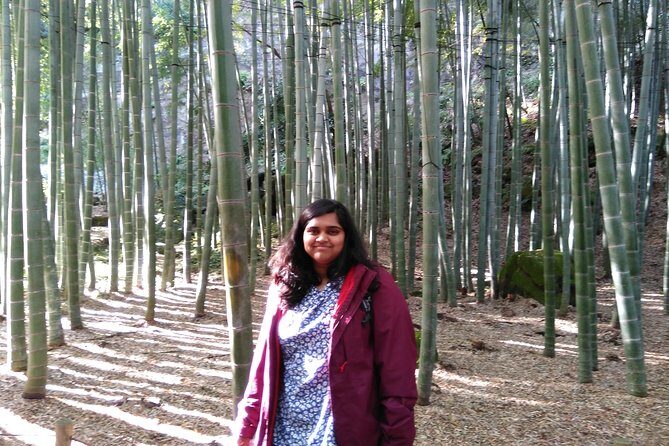
If you’re doing multiple temples in one day, Hokoku-ji is your reset button. This stop is famous for the small bamboo grove behind the main hall, with over 2,000 bamboo stalks described as dark green.
The walking paths are narrow, so you don’t get big crowd chaos in the way you might at other famous sights. The atmosphere feels more personal. You’ll get about 15 minutes here, which is the right amount of time to slow down and look up.
Admission isn’t included for this temple, but it’s one of those places where paying entry feels easy because the effect is immediate.
Zen Temples on the Hills: Engaku-ji, Kencho-ji, and the Big Names
This is where Kamakura rewards patience. The itinerary menu includes several of Kamakura’s famed Zen temples—often reached through hilly routes and quiet side streets.
Two standouts are:
- Engaku-ji (円覚寺): a leading Zen temple in Eastern Japan and the number two of Kamakura’s five great Zen temples. It was founded in 1282 by Hojo Tokimune.
- Kencho-ji (建長寺): the number one of Kamakura’s five great Zen temples and the oldest Zen temple in Kamakura. It was founded in 1253 by Hojo Tokiyori.
You’ll also see options like:
- Jomyo-ji, Zuisen-ji, Jochiji, Tokeiji, and Jufukuji (each described as one of the five great Zen temples or related branch temples)
- plus additional temple stops on Nichiren and other Buddhist traditions
What you should expect: these temples often feel simpler than the big shrine arrivals, with lots of walking and looking. It’s slower, and you’ll want to take shoes that can handle stairs and uneven ground.
Possible drawback: not every moment will feel like a dramatic payoff. In exchange, you get a calmer, more contemplative experience—especially when your guide helps connect what you’re seeing to how the tradition works.
Zeniarai Benten and Meigetsuin Hydrangea Temple: Traditions You Can Feel
Zeniarai Benten Shrine is one of the more unusual stops in the menu. The “coin washing” tradition is the hook here: people visit to wash their money at the shrine (the name zeniarai literally connects to this ritual). You’ll also learn that it’s believed to bring good fortune.
This is a stop that works well because it’s interactive in a cultural way, and it doesn’t require a huge time investment (about 15 minutes). Admission is free here, so it’s easy to fit in.
Meigetsuin (also called Hydrangea Temple) adds seasonal beauty. The temple is known as Ajisaidera because hydrangeas bloom in abundance on the grounds. If you’re visiting during hydrangea season, this stop can be a visual highlight. Otherwise, it still makes a good calm break.
Admission isn’t included for Meigetsuin, so plan for that if you pick it.
Nichiren Temples and Quiet Hill Walks: Ankokuronji, Myohonji, and More
The tour menu also includes Nichiren sect temples along the hills, including stops like:
- Ankokuronji
- Myohonji
- Jochiji, Jufukuji, and other branch-temple options connected to major Zen or related schools
What makes these choices practical is that they let you swap out crowds for character. These temples can feel less “destination-bombardment” and more like walking through layers of regional religious culture.
Timing matters: many of these stops are around 10–15 minutes in the menu, so they’re good add-ons when you want variety without losing momentum.
If you’re the type who likes learning small details—like why a place is on the hill, or what tradition it follows—this is the part of Kamakura that can surprise you the most.
Kamakura Hiking Trails and the Ocean-Eyed Route to Explore
Kamakura’s hiking trails are included as a free option. The idea is simple: the city is surrounded by ocean to the south and wooded hills in other directions, and the hiking paths connect temples in atmospheric ways.
This matters because it changes the day from “sit and stare” to “walk and notice.” If you’re choosing only three stops, consider using the trails as one of them. It’s also a great way to break up the mental fatigue from temple rules and photo angles.
Just be realistic: in a four-hour private plan, you’re not doing a long hike. Your guide can steer you toward a short segment that feels worthwhile and keeps you on schedule.
Enoshima Island: Sea Air Without Blowing Your Half-Day
Enoshima is an easy contrast to temple-heavy hours. It’s a short train ride west of Kamakura, connected by bridge to the mainland. The island offers multiple attractions, including a shrine.
This stop is listed as free to include. It’s also a smart choice if you want your day to end with something lighter—ocean air, different views, and an energetic change of scenery.
Budget for transport to Enoshima because transportation fees aren’t included in the tour price.
How Long Each Stop Really Takes (So You Don’t Feel Rushed)
The menu includes quick, intentional timing per stop—for example:
- about 10 minutes at Tsurugaoka Hachimangu and Kotoku-in
- about 5 minutes at Hasedera
- about 10–15 minutes at several Zen and hillside temples
- about 15 minutes for longer-feeling stops like Hokoku-ji bamboo grove and Zeniarai Benten
Here’s the practical takeaway: in 4 hours, your route should feel like a story, not a stamp collection.
A good formula I’d use:
- 1 anchor site that’s iconic (Tsurugaoka Hachimangu or Kotoku-in)
- 1 experience-based stop (Hasedera for views or Hokoku-ji for bamboo)
- 1 flexible add-on (Zen temple option, Zeniarai Benten, a short trail segment, or Enoshima)
If you select three big “climb and entry” stops, you may feel the walking pressure. If you select one heavy anchor and one light cultural stop, you’ll end happier—especially if your group includes kids or older adults.
Price and Value: Is $108.99 Per Person Worth It?
At $108.99 per person for roughly four hours, you’re paying for the private part: a government-licensed local guide, time in the field, and a customizable route built around 2–3 sites.
So where’s the value?
- You’re not paying for a generic walking tour.
- You get someone who can help you prioritize and connect the meaning of what you’re seeing.
- You avoid wasting half your trip figuring out where to go next.
- Some key sights have free admission (like Tsurugaoka Hachimangu and Zeniarai Benten), which helps stretch your day.
Where costs can creep in:
- Transportation fees aren’t included.
- Entrance fees and lunch aren’t included.
- Private transportation isn’t included.
- The guide’s entry fees are only covered for the sights included in your chosen plan.
For value-focused travelers, this is still usually a good deal because you’re choosing only a few stops. You aren’t paying to spend a lot of time waiting in line across a long route—your guide helps you use the time you bought.
Tips That Make the Day Feel Smooth
- Wear shoes for temple steps and hill paths. You’re on foot for the tour.
- Plan for extra entrance fees on some top sights. Kotoku-in, Hasedera, Hokoku-ji, and several Zen temples are listed as not included for admission.
- If you care about timing, tell your guide your priority before you start. During busy seasons, where you begin can matter.
- Bring a small snack plan or money for lunch. Lunch isn’t included.
- If you’re traveling as a family, choose one big cultural anchor and one nature stop. It keeps energy up and complaints down.
Guides in past trips often emphasize practical pacing—like making time for train help or steering to a less painful flow through crowds. That kind of problem-solving is where the private tour really earns its price.
Should You Book This Private Kamakura 4-Hour Trip?
Book it if you want a short, high-impact Kamakura day with less stress. It’s a great match for first-timers who want the Great Buddha and strong temple picks, plus people who like having context while they walk.
Skip it or rethink it if you hate walking, don’t want any extra planning costs (entrance fees and transport are separate), or you’d rather wander completely on your own with no guide shaping the route.
If your goal is to see the best of Kamakura in a few hours—and do it with someone who can steer the day—this private plan is a solid choice.
FAQ
How long is the Kamakura private trip?
It’s approximately 4 hours.
Where do we meet the guide?
You meet your guide around Kamakura Station for an easy start.
Is this tour private?
Yes. It’s a private tour/activity, so only your group participates.
What’s included in the price?
A licensed local English-speaking guide, a customizable tour where you choose 2–3 sites, and mobile ticket access. The guide entry fees are covered only for the sights included in your chosen plan.
Are entrance fees included?
No. Entrance fees are not included, so you should expect to pay for some temples during your chosen route.
Is transportation included?
Transportation fees are not included. The tour uses public transportation and walking.
Can I choose which attractions to visit?
Yes. You can choose 2–3 activities from the provided options.
What should I pack for the tour?
You should plan for a walking tour, with comfortable shoes since you’ll be on foot and visiting temples and shrines.
Can I cancel for a full refund?
Free cancellation is available if you cancel at least 24 hours in advance.
Is the tour suitable for most people?
The tour notes that most travelers can participate, and service animals are allowed.
Easier with a Guide
More Tour Reviews in Kamakura

More Days by the Great Buddha
Kamakura Day Trips, compared.
 ★ 4.5Kamakura & Enoshima Day Trip including Temple TicketsFrom $581,375 reviews
 ★ 4.5From Tokyo: Kamakura & Enoshima 1-Day Bus TourFrom $66189 reviews
 ★ 5.0Kamakura Historical Walking Tour with the Great BuddhaFrom $98129 reviews
Kamakura Private Tour: Temples, Nature, and the Great BuddhaFrom $98121 reviews
Kamakura Walking Tour – The City of ShogunFrom $35100 reviews
★ 5.0Kamakura Historical Walking Tour with the Great BuddhaFrom $98129 reviews
Kamakura Private Tour: Temples, Nature, and the Great BuddhaFrom $98121 reviews
Kamakura Walking Tour – The City of ShogunFrom $35100 reviews
 ★ 5.0Kamakura 8 hr Private Walking Tour with Licensed Guide from TokyoFrom $20180 reviews
 ★ 4.1Kamakura & Enoshima Day Tour with Pickup & Train RideFrom $1361 reviews
 ★ 4.8Kamakura: Private Guided Walking Tour with Local GuideFrom $10660 reviews
Browse the lists this tour appears in