
Reviewed · KAMAKURA DAY TRIPS
Kamakura Historical Walking Tour with the Great Buddha
Kamakura hits fast in five hours. This small-group walk lines up street-food energy on Komachidori, shrine-and-temple storytelling, the Great Buddha at Kotoku-in, and a beach stop with Mt. Fuji in the distance. I like that snacks and entrance fees are handled as part of the experience.
You also get real pacing for a day trip: a certified guide, a small group capped at 7 people, and time at the big sights without rushing. One thing to plan for: this is about 5 km of walking and the hiking trail can be slippery, so bring good shoes, water, and a towel.
In This Review
- Key things I’d circle before you book
- Why This Kamakura Day Trip Feels Complete
- Price and Value: What $98.44 Covers (and Why It Matters)
- Meeting Point, Timing, and What to Wear
- Komachidori Street Snacks: Your Morning Warm-Up
- Tsurugaoka Hachimangu Shrine: More Than a Pretty Entrance
- Hasedera Temple: Coastal Views and the Feeling of Age
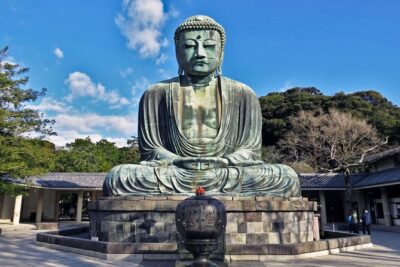
- Kotoku-in and the Great Buddha: The Main Reason You Came
- Enoshima Island Pass-By: A Sea-Route Breather
- Yuigahama Beach and Seaside Park: Photos with Mt. Fuji (If You’re Lucky)
- Lunch at a Temple: Vegetarian-Friendly, With Real-World Limits
- How the Guide Changes the Experience
- If Weather Hits: The Smart Rain Plan
- Who This Tour Is For (and Who Should Skip It)
- Should You Book This Kamakura Historical Walking Tour with the Great Buddha?
- FAQ
- How long is the Kamakura walking tour?
- What’s included in the ticket price?
- Is lunch vegetarian or vegan?
- Where do I meet the group?
- What should I wear or bring?
- What happens if it rains?
- Is free cancellation available?
Key things I’d circle before you book
- Street-food start on Komachidori so you’re fueled before the temples
- Entrance fees + temple lunch included, which makes the price feel fair
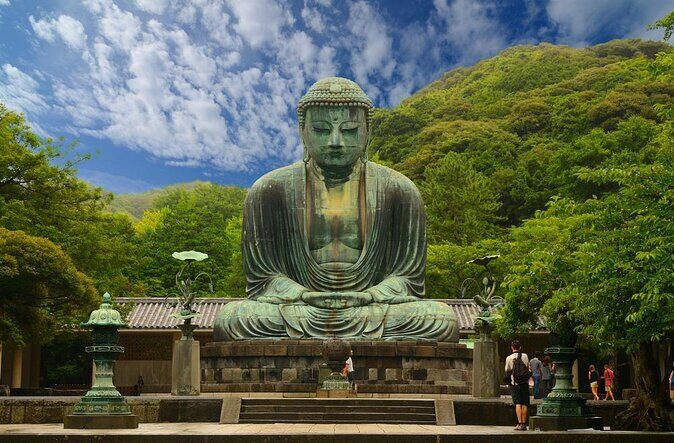
- A true Great Buddha visit at Kotoku-in with time to look closely
- Hasedera’s coastal views, plus scenic grounds and photo angles
- Yuigahama beach + Mt. Fuji sightlines when the weather cooperates
- Small-group feel (max 7) keeps questions from getting lost
Why This Kamakura Day Trip Feels Complete
Kamakura is one of those places where you can easily fill a whole day—but you’re also close to Tokyo, so squeezing it into a morning-to-afternoon plan is smart. This tour is built for that goal. You start right by JR Kamakura Station and then flow through the classic mix: shopping street snacks, a major shrine, an old temple with coastline views, the Great Buddha, and finally the sea.
What makes it work is the order. You don’t jump straight to monuments. You get food and momentum first, then calm down into shrines and gardens, and end with open-air photos at the beach. It’s a nice rhythm for jet-lag days or for anyone who wants an organized day without turning it into a race.
Price and Value: What $98.44 Covers (and Why It Matters)
At $98.44 per person, this isn’t the cheapest way to do Kamakura on your own. But it also isn’t an “on your own, good luck” setup. The key value is what’s included:
- Entrance fees for the Great Buddha (Kotoku-in) and Hasedera Temple, plus the Tsurugaoka Hachimangu shrine visit
- Snacks from Komachidori (street-food samples)
- Temple lunch (vegetarian; vegan menu available)
- Photos included, so you don’t spend your whole day hunting for a selfie angle
- A certified guide who connects the dots between sites, etiquette, and history
Add those up and it starts to look like you’re paying for more than sightseeing. You’re paying for less decision-making, fewer extra ticket stops, and a day plan that fits together well.
One cost you should still expect: transportation fee is not included (440 yen). That’s a normal local add-on, but it’s worth knowing so the day stays budget-friendly.
Meeting Point, Timing, and What to Wear
The tour starts at 10:00 am and runs about 5 hours. It ends back at the meeting point, so you’re not scrambling to find your own way at the end of a walking day.
Your meeting point is:
鎌倉駅西口駅前時計台広場12-3 Onarimachi, Kamakura, Kanagawa 248-0012, Japan
The biggest practical note is footwear. This is described as a walking and hiking route (about 5 km total, with hiking trail around 2.5 km). Some parts can be slippery, so wear shoes with grip, not soft city sneakers. Bring water and a towel, because that combination matters when you’re dealing with summer heat or damp steps after rain.
Also keep in mind: routes can change if hiking trails are unusable due to weather.
Komachidori Street Snacks: Your Morning Warm-Up

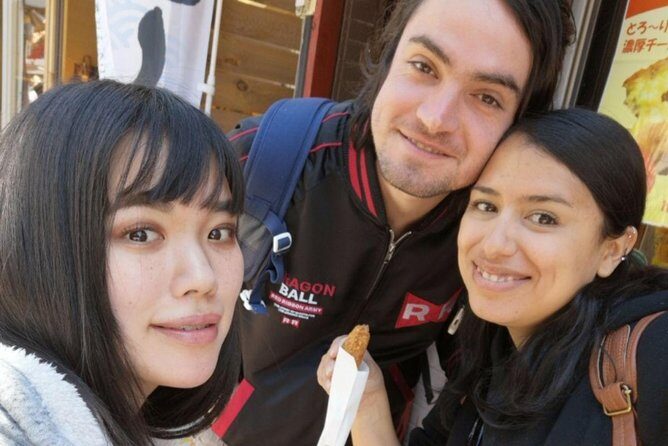
You begin on Komachidori, the famous shopping street that runs parallel to Wakamiya-Oji Street. This is where you get the “start strong” part of the day: Japanese snack and street-food samples.
Why I like this approach: it helps you adjust to Kamakura fast. You’ll also get a feel for the local rhythm before you step into quieter temple space. And because snacks are included, you’re not making awkward food decisions while your walking legs are still new.
Practical tip: if you’re picky about spice or seafood, say it early. The tour notes that vegetarian options exist but can be limited, and kitchens may not be fully geared toward dietary needs.
Tsurugaoka Hachimangu Shrine: More Than a Pretty Entrance
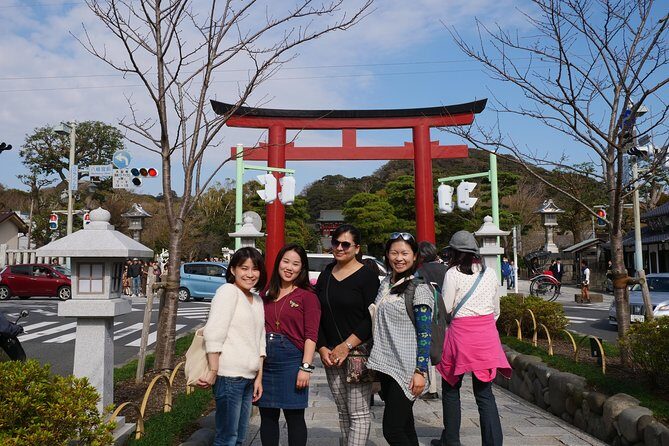
Next up is Tsurugaoka Hachimangu Shrine, one of Kamakura’s best-known Shinto sites. You’ll have about 30 minutes here, which is enough time to look around without feeling like you’re just passing through a photo spot.
This stop is valuable because it anchors the day. Shrines in Japan aren’t only architecture—they’re part of how people understand place, etiquette, and ceremony. A good guide helps you notice small details you’d otherwise skip, like how space is arranged and what visitors are expected to do.
Entrance is included here, so you just walk in and focus.
Hasedera Temple: Coastal Views and the Feeling of Age
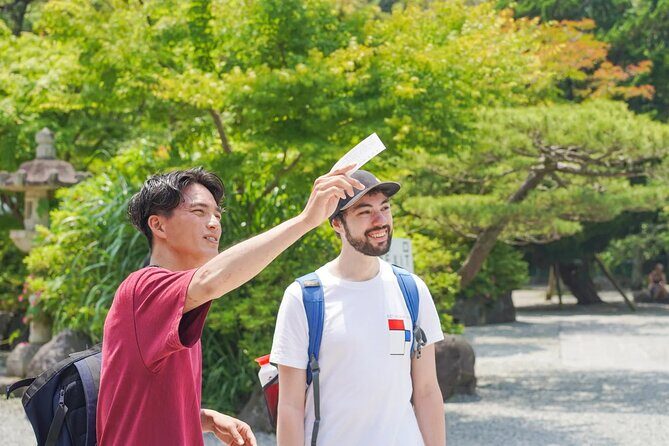
Hasedera Temple takes you into scenic grounds with coastline views. It’s also one of Kamakura’s older temples, said to date to the Nara period (founded in 736). That age shows in the layout and in how the temple sits with the shoreline.
You’ll get about 50 minutes. That time matters because Hasedera isn’t one single viewpoint. It’s the slow wander through gardens, stairs, and angles where the coastline frames the scene. If you like temples for atmosphere—not just for big statues—this is a highlight.
Watch your footing. Temple steps can be slippery, especially after rain. If weather looks questionable, go slower and let the views come to you.
Kotoku-in and the Great Buddha: The Main Reason You Came
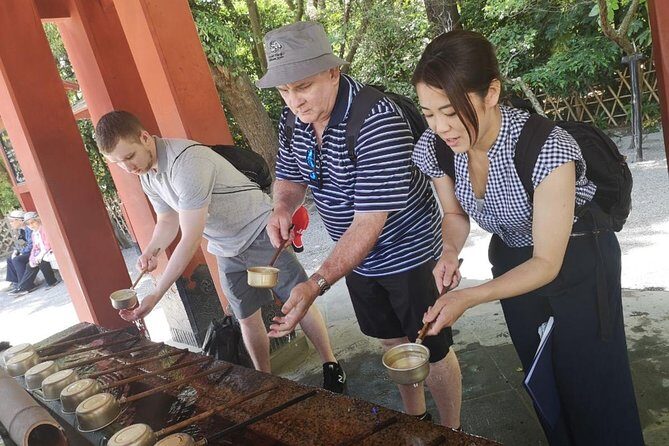
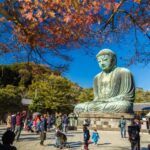
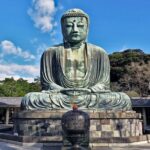
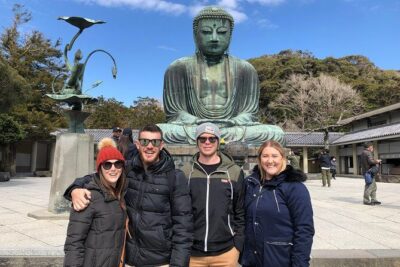
Now the centerpiece: Kotoku-in and the Great Buddha (Daibutsu). Expect about 40 minutes at this stop, with the entrance included.
This is the moment most day-trippers plan their whole trip around. And it’s smart here that you don’t rush it. You get time to stand back, look up, and then move around to find how the Buddha changes from different angles.
In rain, the tour has a built-in adjustment: they’ll use train travel to see the Great Buddha statue instead of using the hiking trail. That’s a relief if you’re traveling in shoulder season or if weather can swing fast.
Enoshima Island Pass-By: A Sea-Route Breather
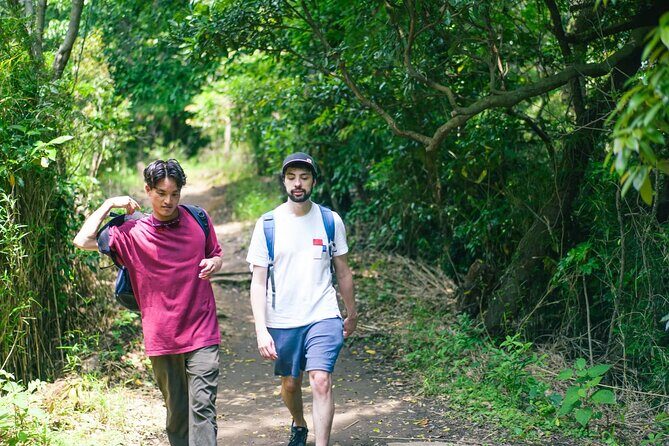
After the temple sequence, the itinerary includes a pass by Enoshima Island. This isn’t framed as a deep stop where you exit and explore, but it’s useful because it sets the coastal mood. You go from temple gardens toward ocean space, which makes the next beach segment feel like part of a story rather than random sightseeing.
If you’re the type who likes “in-between” scenery, this section gives you that without adding extra walking demands.
Yuigahama Beach and Seaside Park: Photos with Mt. Fuji (If You’re Lucky)
The tour finishes with the sea: Yuigahama Beach and the Kamakura Seaside Park (Yuigahama area), with short photo windows (about 20 minutes each).
The big draw here is the contrast. After temple steps and shrine paths, you get open sand, a relaxed shore line, and the chance to photograph Mt. Fuji across the ocean when visibility is good. Even if Fuji isn’t visible, the beach gives you a satisfying “reset” before you head back.
Photo note: with limited time, you’ll want to decide your spot fast. Wear something comfortable and be ready to move when the best angles appear between clouds.
Lunch at a Temple: Vegetarian-Friendly, With Real-World Limits
Lunch is included as Temple Lunch with a vegetarian menu, and a vegan option is available. That’s a big deal on a tour day, since many casual restaurants don’t easily handle strict diets without advance planning.
That said, there’s also a clear heads-up: vegetarian choices are available but limited, and kitchens may not be allergy-free. The tour also says substitutions may not always be possible at certain stops, though compensation efforts are made elsewhere in the route.
So here’s my practical advice: if your dietary needs are more than vegetarian/vegan (for example, allergies), message ahead with specifics and keep your expectations realistic. For many visitors, the included lunch is a smooth solution; for stricter needs, you’ll want to communicate clearly.
How the Guide Changes the Experience
This is listed as a tour guided by a certified guide. That’s not a throwaway line. When you’re moving between a shrine, a temple with coastal views, and the Great Buddha, you’ll notice things faster when you know what to look for.
The feedback you shared highlights a couple guide traits that matter: guides are friendly, patient, and willing to answer questions—whether that’s about Japanese temple etiquette or how to handle the next step of your day. People also mention help with practical travel decisions, like figuring out the train back.
Also, because the group is capped at 7 travelers, you can ask questions without feeling like you’re slowing down a big bus crowd. That small size makes the tour feel more like a well-led walk with a local than a checklist march.
If Weather Hits: The Smart Rain Plan
Kamakura weather can turn. This tour explicitly notes that routes can change if trails are unusable, and in rain they switch to train travel to reach the Great Buddha statue.
It’s a smart design, because the Great Buddha is the one stop you don’t want to lose just because paths are slick. Still, expect the day to feel different in bad weather: less hiking trail and more transit between key sights.
What you can control: wear shoes with grip, bring water, and keep a light layer. The tour also points out that summers can be extremely hot (up to 40°C / 110°F) and winters can be cold (down to -5°C / 20°F). Pack for extremes.
Who This Tour Is For (and Who Should Skip It)
This is a great fit if:
- You want a short Kamakura day trip from the Tokyo area and don’t want to plan each stop
- You like a temple-and-shrine focus with a clear “main event” (Great Buddha)
- You prefer small-group pacing and a guided flow
- You want snacks + entrance fees + lunch handled in one package
You might want to consider other options if:
- You don’t do well with about 5 km of walking and slippery steps
- You need strong allergy guarantees beyond vegetarian/vegan (the tour can’t promise allergy-free preparation)
- You want maximum freedom to wander without a schedule
Should You Book This Kamakura Historical Walking Tour with the Great Buddha?
I’d book it if you’re aiming for value and structure. The price makes sense because entrance fees, snacks, and lunch are bundled, and the day is arranged so you get major sights plus beach photos without spending your whole trip figuring out logistics.
Also, if you’re visiting for the first time around Tokyo, Kamakura can feel like a blur when you plan alone. This gives you a clean route, a small group size, and a guide who helps the sites click.
If your priority is ultra-flexible wandering, then an independent day might suit you better. But if you want a guided, efficient Kamakura day that still leaves room to enjoy the views, this one is a strong choice.
FAQ
How long is the Kamakura walking tour?
The tour lasts about 5 hours.
What’s included in the ticket price?
Entrance fees for the Great Buddha and Hasedera Temple, temple lunch, Komachi street snack samples, photos, and a certified guide are included. A 440 yen transportation fee is not included.
Is lunch vegetarian or vegan?
Lunch is a vegetarian temple lunch, and a vegan menu is available. The vegetarian/vegan choices are noted as limited.
Where do I meet the group?
The meeting point is 鎌倉駅西口駅前時計台広場12-3 Onarimachi, Kamakura, Kanagawa 248-0012, Japan. The tour ends back at the meeting point.
What should I wear or bring?
Wear suitable hiking clothes and shoes because some parts of the trail can be slippery. Bring water and a towel, since it’s around a 5 km walking and hiking route.
What happens if it rains?
The route may change due to weather. In case of rain, the tour uses train travel to see the Great Buddha statue instead of using the hiking trail.
Is free cancellation available?
Yes. You can cancel for a full refund up to 24 hours in advance of the experience’s start time.
More Tours in Kamakura
More Tour Reviews in Kamakura

More Days by the Great Buddha
Kamakura Day Trips, compared.
 ★ 4.5Kamakura & Enoshima Day Trip including Temple TicketsFrom $581,375 reviews
 ★ 4.5From Tokyo: Kamakura & Enoshima 1-Day Bus TourFrom $66189 reviews
Kamakura Private Tour: Temples, Nature, and the Great BuddhaFrom $98121 reviews
Kamakura Walking Tour – The City of ShogunFrom $35100 reviews
★ 4.5From Tokyo: Kamakura & Enoshima 1-Day Bus TourFrom $66189 reviews
Kamakura Private Tour: Temples, Nature, and the Great BuddhaFrom $98121 reviews
Kamakura Walking Tour – The City of ShogunFrom $35100 reviews
 ★ 5.0Kamakura 8 hr Private Walking Tour with Licensed Guide from TokyoFrom $20180 reviews
 ★ 4.1Kamakura & Enoshima Day Tour with Pickup & Train RideFrom $1361 reviews
 ★ 4.8Kamakura: Private Guided Walking Tour with Local GuideFrom $10660 reviews
 ★ 5.0Kamakura 4hr Private Trip with Government-Licensed GuideFrom $10858 reviews
Browse the lists this tour appears in