
Mount Fuji in one day is a real treat. This full-day group outing leaves Tokyo with a plan already mapped out, then strings together the area’s most famous lookouts around Lake Kawaguchiko and Fujiyoshida. I like that you’re not stuck figuring out trains, transfers, or timing, and you still get a packed route of photo-worthy spots.
Two things I especially like: the tour covers multiple viewpoints of Mount Fuji (not just one), and the pacing gives you enough time to actually walk around and take photos rather than rushing everyone off a bus. It’s also a nice “first Fuji” option because it pairs scenery with cultural stops like Arakura Fuji Sengen Shrine.
One possible drawback: it’s a long day, and a few stops can feel similar if you want a deep, story-heavy narration at every single minute. Also, parts of the Chureito Pagoda area involve stairs, so wear shoes you trust.
In This Review
- Key Highlights You’ll Feel Immediately
- Why a Fuji Day Trip Beats DIY From Tokyo
- Pickup, Group Size, and What the Day Feels Like
- Stop 1: Lake Kawaguchiko for Classic Fuji Views
- Stop 2 and 3: Oishi Park + a Red Torii Photo Stop
- Stop 4: Lawson Fujikawaguchiko Town Hall for a Fuji-with-a-Backdrop Shot
- Stop 5: Oshino Hakkai for Spring Water and World Heritage Calm
- Stop 6: Arakurayama Sengen Park and Chureito Pagoda
- Stop 7: Arakura Fuji Sengen Shrine for Meaning Beyond the Photos
- Stop 8: Fujiyoshida Retro Shopping Street and Souvenir Time
- Price and Value: Is $67 a Good Deal?
- How the Tour Guide Can Make or Break the Day
- Timing, Weather, and What You Should Pack
- Who This Tour Suits Best
- Should You Book This Mount Fuji Full Day Tour?
- FAQ
- How long is the Mount Fuji full-day sightseeing tour?
- How much does the tour cost?
- Where does the tour pick you up in Tokyo?
- What are the main stops on the itinerary?
- Is lunch included in the price?
- Are entrance fees included for the stops?
- Do you get a ticket on your phone?
- How many people are in the group?
- Can I cancel for a refund?
- What if I have a stroller or large luggage?
Key Highlights You’ll Feel Immediately
- Eight major Mt. Fuji viewpoints in one loop, so you’re less dependent on one perfect shot
- Central Tokyo pickup options that remove most DIY transportation stress
- Oshino Hakkai’s eight springs (World Heritage) for a calm, different feel than the lakeside stops
- Arakurayama Sengen Park and Chureito Pagoda for the classic Mt. Fuji-in-the-frame photo
- Short stops for Instagram-style icons like the red torii viewpoint and the Lawson blue facade contrast
- Air-conditioned vehicle with time planned between sights, not just one long drive
Why a Fuji Day Trip Beats DIY From Tokyo
Tokyo to Mount Fuji is doable on your own, but it’s also easy to make it harder than it needs to be. This tour is built for people who want the highlights without spending the morning on route planning, station changes, and figuring out how long you’ll lose to transfers.
You’ll spend about 10 hours on the day, riding in an air-conditioned vehicle with a driver and a guide running the schedule. For many first-time visitors, that’s the real value: you can focus on being outside, staring at the mountain, and enjoying the stops instead of managing logistics.
And since each planned stop lists free admission, you’re not adding surprise tickets to your budget. The tour price is $67 per person, which is fairly strong value for a full day of transportation plus entrance/fees (lunch is not included, so plan for that separately).
Pickup, Group Size, and What the Day Feels Like
This is a group tour with a maximum of 45 travelers, which usually means you get enough coordination to keep things moving but not so crowded that it feels like a cattle line.
You can choose from two central Tokyo pickup points, which helps if you’re staying in a neighborhood far from one specific station. The tour uses a mobile ticket, so you won’t be hunting for paper vouchers.
Expect a full-day rhythm: ride, stop, photo/walk time, ride again. It’s not a “wander at your own pace” day. The upside is efficiency. The downside is you won’t linger for hours in one place.
Also, a note from the way the day is structured: even when you only spend 10–25 minutes at some scenic spots, they’re usually chosen because you can make quick magic with a good viewpoint and a quick stroll.
Stop 1: Lake Kawaguchiko for Classic Fuji Views
Lake Kawaguchiko is your opening act, and it matters. Lakeside Fuji views can look dramatic even when you’re not doing anything special—light, reflections, and the way the shoreline curves around the mountain create natural photo angles.
You’ll have about 20 minutes here. That’s not long, so you’ll want to treat it like a quick scouting lap. If the weather is clear, the lake is often where that “Mt. Fuji is actually there” moment hits hardest.
Also, this stop sets the tone for the day: you’ll be seeing Fuji from different directions and elevations, which is why the rest of the schedule is worth it. If you only saw one angle, the day might feel flat. The route helps you avoid that.
Stop 2 and 3: Oishi Park + a Red Torii Photo Stop
Next up is Oishi Park (about 25 minutes). It’s known for seasonal flower displays and an easy-to-walk “flowers road” style area on the west side of the park. Even if you visit outside peak bloom timing, the park layout is made for strolling and enjoying views without needing a big hike.
After that, you’ll stop at the Kawaguchiko Natural Living Center (about 10 minutes). The big draw here is a strong photo composition: the red torii blending with Mount Fuji. This is one of those stops where the “viewpoint is the attraction,” so move quickly, aim for your angle, and don’t overthink it.
Stop 4: Lawson Fujikawaguchiko Town Hall for a Fuji-with-a-Backdrop Shot
Yes, it’s a convenience store stop. But it works because Mount Fuji is the star, and the building colors become the frame.
You’ll spend about 15 minutes around the Lawson Fujikawaguchiko town hall area for that striking contrast between the modern blue facade and the mountain. If you’re the type who likes variety in your photos, this kind of stop keeps the day from becoming “just lakes and greenery.”
If you’re the type who wants more cultural explanation, this is also one place where you might wish for extra storytelling. The location is visually strong, but the time is short.
Stop 5: Oshino Hakkai for Spring Water and World Heritage Calm
Then you hit a very different vibe: Oshino Hakkai (about 1 hour). This World Heritage Site is built around eight clear springs formed by snowmelt from Mount Fuji. That origin matters, because it helps explain why the water is so consistently clear and why the area is treated with respect.
You’ll get enough time here to slow down. It’s a good break from the “photo sprint” feeling of the earlier lakeside stops. It’s also where you can take your time reading small details, walking paths, and looking for the best angle over the water.
One practical tip: treat this stop as your stretch-your-legs checkpoint. Even if you’re doing mostly short sightseeing blocks, the day adds up.
Stop 6: Arakurayama Sengen Park and Chureito Pagoda
This is the classic Fuji scene many people dream about: Arakurayama Sengen Park with the Chureito Pagoda. You’ll have about 1 hour here, and most of that time is shaped by how you choose to handle the viewpoints and stairs.
Be ready for walking. One review mentioned a stair climb of around 400 steps to reach the pagoda angle. That’s not nothing. If your legs get grumpy, slow pace works. If you rush, you’ll regret it.
The payoff is that multiple spots in this park give you different compositions of pagoda + Fuji. This is another reason the tour uses multiple viewpoints: the day is designed to increase your odds of getting something that feels like the postcard version, even if clouds roll in later.
Stop 7: Arakura Fuji Sengen Shrine for Meaning Beyond the Photos
After the pagoda area, you’ll visit Arakura Fuji Sengen Shrine (about 15 minutes). The shrine goes way back—built in 705 with a history of more than 1,300 years.
This short stop gives you context for why Fuji shows up in Japanese religion and local life, not only in photography. There’s also a story tied to Mount Fuji’s eruption in 807, and the shrine’s role during a time of panic. Even if you only catch parts of the explanation, the place helps the mountain feel bigger than scenery.
Fifteen minutes is brief, so aim to be present rather than trying to do everything. Take the main path, look around, and use it to reset your brain after the stairs.
Stop 8: Fujiyoshida Retro Shopping Street and Souvenir Time
To close the loop, the tour finishes with Fujiyoshida Retro Shopping Street (Shimoyoshida Honcho Street) for about 20 minutes. This is where you can slow down slightly and snack or browse without committing to a long detour.
One interesting detail in the route: there’s a spot people associate with a “stairway to Mt. Fuji” style walk. Even if you don’t do a full climb, this kind of street stopping time is smart. It gives your legs a break and turns the day into more than just viewpoints.
It’s also a solid moment to grab small Fuji-themed gifts before you head back to Tokyo. Don’t overpack with shopping fantasies, though; time is limited.
Price and Value: Is $67 a Good Deal?
For $67 per person, you’re paying for a lot of what usually costs effort on your own trip: transportation out of Tokyo, the driving time between sights, and a structured schedule that hits major checkpoints in one day.
What’s included:
- Air-conditioned vehicle
- All fees and taxes
- A guided day that strings together multiple stops around Lake Kawaguchiko, Oshino Hakkai, and Fujiyoshida
What’s not included:
- Lunch
- Other personal spending
In practice, the value depends on your style. If you want Fuji photos but don’t want the stress of building an itinerary, this is a strong bargain. If you prefer deep independent wandering and long stays, you might feel constrained by the group timing.
How the Tour Guide Can Make or Break the Day
The tour’s success often comes down to the guide. Several guides named in past departures—like Keiko, Winnie, Betty-ko, Belle, Joey, Tim, Augustin, and Zoe—are praised for helping people hit the right photo spots and explaining what you’re seeing.
In other words, the best versions of this tour don’t treat stops like a bus drop-off checklist. They give you context and practical tips, like where to look for matcha or small food ideas and how to work the timing for better viewing.
That said, one smaller negative feedback mentioned that explanations can be hard to follow when English isn’t clear. If narration matters a lot to you, use the guide time to ask quick questions at stops. You’ll get more out of it that way.
Timing, Weather, and What You Should Pack
Because this is a one-day plan, weather is the big wildcard. A clear day makes everything feel easier and more magical. If clouds roll in, you’ll still likely enjoy the day—Oshino Hakkai and the shrine parts keep the trip meaningful even without perfect mountain visibility.
What to pack:
- Good walking shoes for the stair-heavy pagoda area
- A light layer for comfort during long outdoor waits
- A refillable water bottle, plus cash/card for snacks (since lunch isn’t included)
A smart strategy: accept that you can’t control visibility, but you can control readiness. If you’re dressed for walking and shooting quickly, you’ll keep the day enjoyable no matter what the mountain does.
Who This Tour Suits Best
This tour is a great fit if:
- You’re visiting Tokyo and want a full Mount Fuji day trip without DIY stress
- You want to see Fuji from multiple angles instead of banking everything on one viewpoint
- You like a structured day where someone else handles the “how do we get there” problem
- You’re a first timer and want the major icons—Lake Kawaguchiko, Oshino Hakkai, Chureito Pagoda, and a shrine stop
It may be less ideal if:
- You want long, unhurried time in a single village or viewpoint
- You need very detailed storytelling at every stop, with no gaps
- You dislike stairs and short walking bursts between bus arrivals
Should You Book This Mount Fuji Full Day Tour?
If you want a high-success-rate Fuji day without planning headaches, I’d book it. The schedule hits the big names in the Mount Fuji area, the transport is handled for you, and the stop variety keeps the day from turning into one long lookout session.
If you’re picky about pacing, plan to be okay with a “short explore, move on” approach. And if you’re sensitive to stair climbs, wear supportive shoes and take your time at Arakurayama Sengen Park.
For most people coming from Tokyo with limited time, this is a solid way to see Fuji well in a single day.
FAQ
How long is the Mount Fuji full-day sightseeing tour?
The tour lasts about 10 hours.
How much does the tour cost?
It costs $67.00 per person.
Where does the tour pick you up in Tokyo?
You can choose from two convenient central Tokyo pickup points.
What are the main stops on the itinerary?
The tour includes Lake Kawaguchiko, Oishi Park, Kawaguchiko Natural Living Center, Lawson Fujikawaguchiko town hall, Oshino Hakkai, Arakurayama Sengen Park (Chureito Pagoda area), Arakura Fuji Sengen Shrine, and Fujiyoshida Retro Shopping Street.
Is lunch included in the price?
No. Lunch is not included.
Are entrance fees included for the stops?
Yes. The tour includes all fees and taxes, and the listed admissions for the stops are free.
Do you get a ticket on your phone?
Yes. The tour includes a mobile ticket.
How many people are in the group?
The tour has a maximum of 45 travelers.
Can I cancel for a refund?
Yes. You can cancel up to 24 hours in advance for a full refund.
What if I have a stroller or large luggage?
You should indicate it when booking. The tour also advises you to inform them about any special situation at least a day in advance if orders are placed separately from friends or relatives to avoid being put into different vehicles.
Mt Fuji Day Trips, compared.
 ★ 4.0Mt Fuji & Hakone Cruise, Drum Show Bullet Train 1 Day from TokyoFrom $1497,413 reviews
 ★ 4.4Tokyo Mt Fuji 5th St & Hakone Cruise Bus Tour w/Bullet TrainFrom $1545,024 reviews
 ★ 4.5From Tokyo: Mount Fuji Full-Day Sightseeing TripFrom $684,970 reviews
 ★ 4.7Mt. Fuji Tour, Hakone Ropeway, Owakudani, Lake AshiFrom $544,002 reviews
 ★ 5.0Private Tour to Mt. Fuji and Hakone (Fully Licenced Operator)From $4971,910 reviews
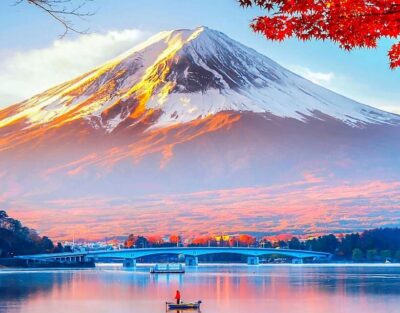 ★ 4.9Mount Fuji Full-Day Private Tour from Tokyo (Customizable)From $3931,470 reviews
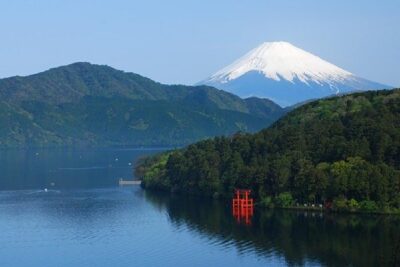 ★ 4.0Mt Fuji & Hakone Cruise, Drum Show Bus 1 Day from TokyoFrom $1221,287 reviews
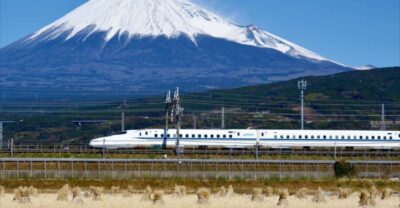 ★ 4.2From Tokyo: Mt. Fuji & Hakone Tour w/ Return by Bullet TrainFrom $1171,278 reviews
Browse the lists this tour appears in