
Reviewed · KAMAKURA DAY TRIPS
Kamakura Bamboo Forest and Great Buddha Private Tour
One train ride from Tokyo, and you feel history.
This private Kamakura tour lines up the big hits in a full day, with hotel pickup plus an English-speaking professional guide to explain what you’re seeing and why it matters. I especially like Hokoku-ji’s famous bamboo garden (with matcha time built in) and the chance to stand under Kamakura’s Great Buddha and hear the background as you look. One thing to plan for: you’ll walk, and if your knees get cranky, this day may be a workout.
The pace works best if you’re happy hopping between sites and using public transit. You get a clear route, fewer “which stop is which?” moments, and smooth navigation back toward Tokyo. Just note that admission tickets and meals aren’t included, so you’ll still need to budget for entrances and lunch.
In This Review
- Key things I’d count on before you go
- Kamakura: why this day feels like a best-of album
- Morning pickup from Tokyo to your first temple stop
- Stop 1: Hasedera Temple for seasonal flowers and classic temple views
- Stop 2: Kotoku-in Great Buddha—standing under 13.35 meters of bronze
- Stop 3: Hokoku-ji Bamboo Garden with matcha and a cool, mysterious vibe
- Stop 4: Tsurugaoka Hachimangu Shrine for the city-center shrine experience
- Stop 5: Kamakura Komachidori street stroll for snacks and unique shops
- The real value of a private guide (and why it can vary)
- What about price: $176.37 is the tradeoff for convenience
- How to plan your day so you don’t feel rushed or miserable
- Who this tour suits best
- Should you book this Kamakura Bamboo Forest and Great Buddha tour?
- FAQ
- How long is the Kamakura Bamboo Forest and Great Buddha private tour?
- Where does pickup happen?
- Is this tour private?
- What are the main stops on the day?
- Are admission tickets included?
- Are food and drinks included?
- Does the tour use public transportation?
- What language is the guide?
- Is matcha included?
- What if the weather is poor?
- Cancellation
Key things I’d count on before you go
- Private day with your own group: no mixed crowd wandering your personal pace.
- Hokoku-ji bamboo + matcha moment: you get time in the bamboo garden, not just a photo stop.
- Great Buddha with guided context: you don’t just look up; you get the story.
- A temple-and-shrine lineup that feels like Kamakura: Hasedera, Kotoku-in, Hokoku-ji, Tsurugaoka Hachimangu.
- Public transportation used smartly: your guide helps you move between places without stress.
- English guide quality can vary by guide: some guides are excellent at Q&A; if that matters to you, bring a few written questions.
Kamakura: why this day feels like a best-of album
Kamakura is one of those places where one day can still feel “full,” because the sights are clustered and the vibe is quieter than big Tokyo. You’ll see a classic mix: big outdoor Buddhism at Kotoku-in, a temple famous for flowers at Hasedera, and the shogunate-era power center vibes around Tsurugaoka Hachimangu.
What makes this tour worth considering is the structure. You start from Tokyo (pickup in the 23 wards), then spend the day moving through the most recognizable Kamakura landmarks with a guide who can turn what you’re looking at into a coherent story. In plain terms: you spend less time guessing and more time soaking it in the way you want.
Morning pickup from Tokyo to your first temple stop
Pickup is offered in Tokyo’s 23 wards, which instantly changes how your day feels. Instead of spending your morning wrangling trains and transfers, you’re heading straight into Kamakura with someone managing the flow.
This tour runs for about 9 hours total, so you’ll likely be up and rolling early. Wear comfortable walking shoes right away. Even if each stop is about an hour, you also have transit time between them, plus the walking inside temple grounds.
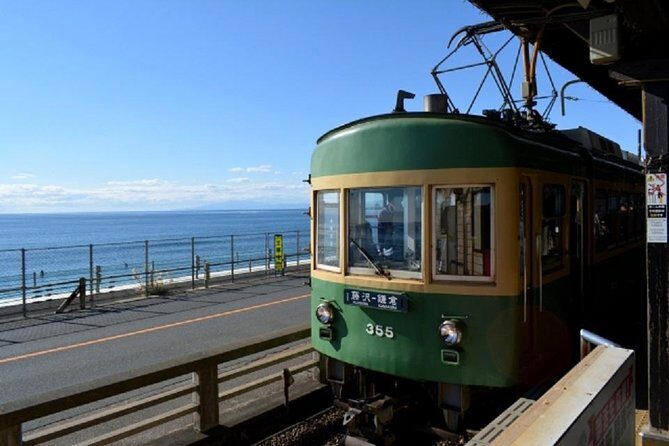
A practical note: this tour uses public transportation. That’s good value—no private car pricing—but it means you’ll want to stay flexible if train timing changes or crowds swell.
Stop 1: Hasedera Temple for seasonal flowers and classic temple views
Your day begins at Hasedera Temple (Hase-dera), a sightseeing spot that’s as well-known as major shrine temples in Kamakura. The draw here is atmosphere: Hasedera is known for flowers that are colored each season, and it has long been associated with the idea of a temple of flowers.
What you’ll likely enjoy most is the “slow-looking” feel. Even if you only have about an hour, temple grounds give you natural pause points: paths, viewpoints, and places where the setting changes as you move.
Possible drawback: Hasedera can involve steady foot movement on temple paths. If you’re sensitive to stairs or uneven ground, plan to take it carefully and use any quiet moments to rest before the next stop.
Stop 2: Kotoku-in Great Buddha—standing under 13.35 meters of bronze
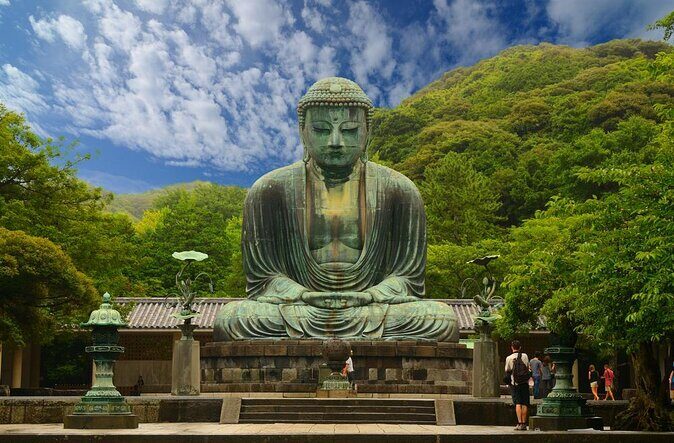
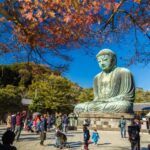
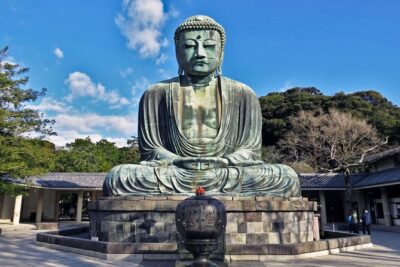
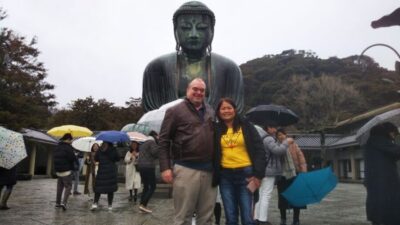
Then you get the Kamakura icon: Kotoku-in (Great Buddha of Kamakura). This is an outdoor bronze statue of Amida Buddha on the temple grounds, roughly 13.35 meters tall. It’s the kind of sight that does two things at once: it’s instantly memorable, and it begs for context.
This tour helps because your guide provides detailed historical explanations while you’re there. I like this approach because it stops the Great Buddha from becoming just a photo with a caption. You start noticing details of placement and setting—how the statue works in relation to the temple grounds.
Time-wise, it’s about an hour. That’s usually enough to walk the area, take photos without rushing, and still have time to ask questions if you have them.
One consideration from past experiences: English skill levels may vary by guide. On a day where the guide’s English is strong, you can ask deeper history questions and actually get answers. On a day where it’s weaker, you might get solid explanations of the planned points, but less back-and-forth. If interactive history is important to you, consider bringing a few short written questions in advance.
Stop 3: Hokoku-ji Bamboo Garden with matcha and a cool, mysterious vibe
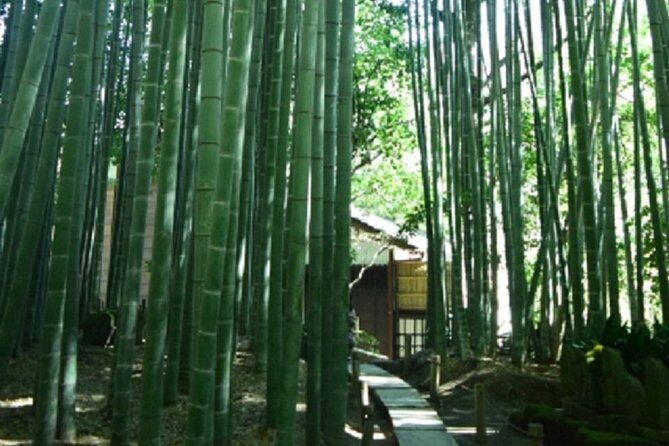
Now the day turns quietly magical: Hokoku-ji Temple, famous for its bamboo garden. This place is described as a Michelin Green Guide feature with three-star status, and it’s noted as one of only two three-star tourist attractions in Kamakura.
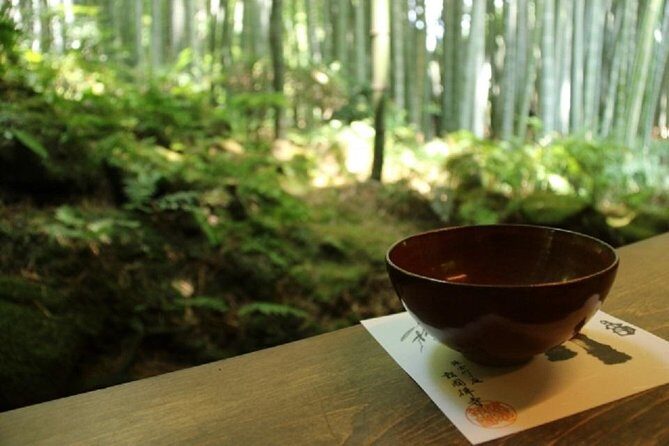
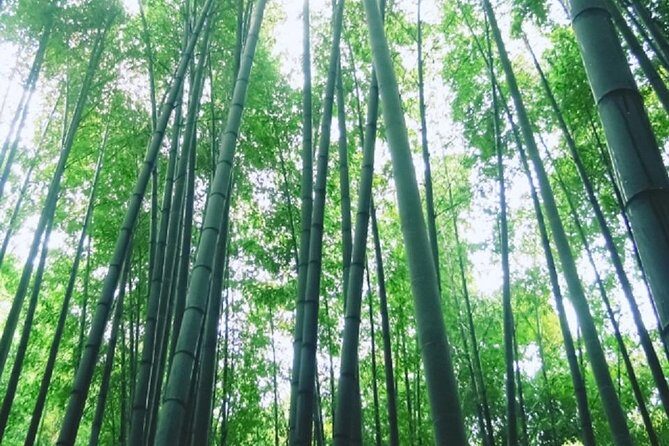
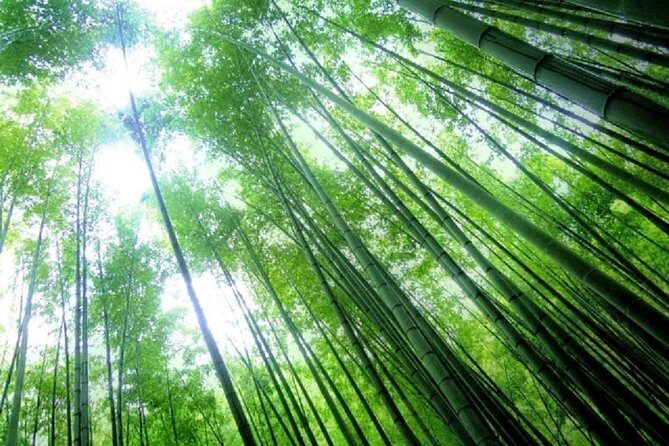
Here’s the detail I’d plan around: you can drink matcha while watching around 2,000 bamboo groves. That’s not just a nice extra—it changes how you experience the garden. Sitting for a matcha break slows your pace in the best way, and it makes the bamboo feel less like scenery and more like a setting you’re in.
You also get about an hour here, which is typically enough to walk the paths and still enjoy a calmer moment inside the garden.
A useful expectation to set: the bamboo atmosphere is often described as cool and mysterious. If the weather is misty, it can feel even more moody—which is exactly when this sort of spot shines.
Stop 4: Tsurugaoka Hachimangu Shrine for the city-center shrine experience
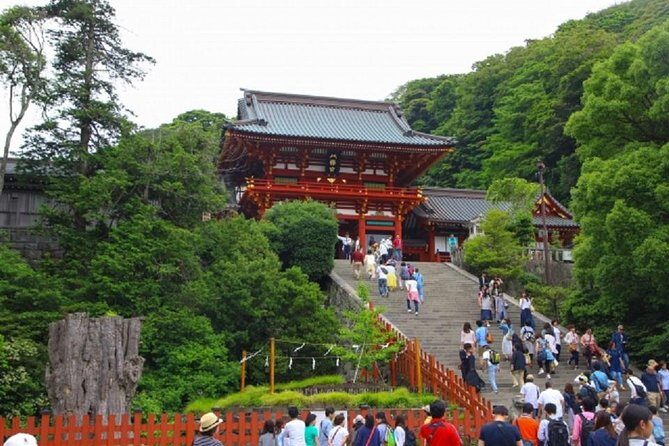
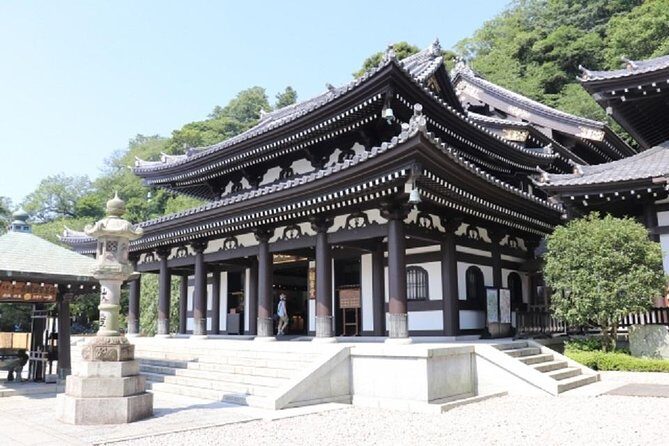
Next comes Tsurugaoka Hachimangu Shrine, located in the middle of Kamakura. This shrine has long been venerated as a home for the gods of war, and that “power and tradition” energy is part of what makes it feel historically grounded.
Even with about an hour, Tsurugaoka Hachimangu gives you a chance to step back from bamboo and focus on shrine architecture, ceremony-minded spaces, and the more urban flow of Kamakura’s historic center.
What I like about placing this after Hokoku-ji is contrast. Bamboo is quiet and inward. Tsurugaoka brings you back to Kamakura’s public side.
If you want photos: go slow during walkways and approach paths, not just at the main attraction area. Small viewing angles often make the shrine feel more “lived in.”
Stop 5: Kamakura Komachidori street stroll for snacks and unique shops
Finally, you get Kamakura Komachidori, a street where you can stroll for food and unique shops. This is a shorter stop—about 30 minutes—but it’s a nice decompression point after temple-heavy time.
This is where you can fill gaps in your day: if you didn’t grab snacks earlier, you can do it here. Since food and drinks aren’t included, Komachidori is the practical place to make your own choices.
A small reality check: 30 minutes can vanish quickly if you stop for everything. If you’re trying to buy gifts, pick one or two priorities before you arrive so you don’t lose the entire window.
The real value of a private guide (and why it can vary)
This tour includes an English-speaking professional guide and is private, meaning it’s only your group. That’s a big deal for two reasons.
First, it saves you time and stress. Your guide handles the logic of moving by public transit and switching between sites. If you’ve ever tried to coordinate multiple stations and temple entrances alone in Japan, you already know the benefits.
Second, the guide changes the day from sightseeing to understanding. The descriptions here are designed to give the historical background you’d otherwise have to look up on your phone while walking—which is hard when you’re trying to enjoy the moment.
That said, one thing I’d keep in mind is guide-to-guide variation. Some guides have very strong English and can answer questions beyond the pre-set explanations. Others may have English that’s harder to use for deeper discussion, so you’ll get the main story but fewer spontaneous rabbit holes. Either way, you’ll likely cover the key points well—just adjust your expectations about live Q&A.
What about price: $176.37 is the tradeoff for convenience
At $176.37 per person for about 9 hours, you’re paying for a private guided day, with pickup in Tokyo’s 23 wards, plus a route that uses public transportation. You’re not paying for private transfers all day in a car, which helps keep the cost reasonable.
Here’s the practical way I’d evaluate value:
- You’re getting time saved from navigating independently.
- You’re getting a structured route through Kamakura’s major sites.
- You’re getting English explanations (not just audio).
- You’re still responsible for admission fees and food, since those aren’t included.
So if you’re traveling as a couple or small group and you want less hassle, this price can feel fair. If you’re a confident public-transit navigator and you mostly want photos, a DIY day could cost less. But you’ll trade away the guidance and the smooth movement between sites.
How to plan your day so you don’t feel rushed or miserable
This tour is built around about one hour at each major stop plus a shorter street stroll. That’s a solid rhythm, but you should assume real walking time adds up.
My go-to advice:
- Wear comfortable shoes and socks you trust.
- Bring a light layer. Bamboo gardens and misty weather can feel cooler.
- If you care about history questions, write them down in advance so you don’t lose your chance when language is limited.
- Plan your food spending at Komachidori since meals aren’t included.
Also, the experience notes it works best with good weather. If conditions are rough, the day might shift. Japan is flexible, but bamboo and walking are always easier when the ground is not slippery.
Who this tour suits best
This is a strong fit if you want:
- a private day with a guide,
- a classic Kamakura hit list in one shot,
- help using public transportation without wasting time.
It’s also a good option if you want a “learn while you look” day rather than bouncing around temples alone.
If you have mobility limits, the pacing and walking add up. One consideration mentioned in experiences is that Kamakura may be tough for people with knee issues, so this might not be the easiest day for slow movers.
Should you book this Kamakura Bamboo Forest and Great Buddha tour?
If you want a guided, efficient Kamakura day and you like the idea of standing at the Great Buddha and then stepping into Hokoku-ji’s bamboo with matcha, I think this is a smart way to spend your time. The private format and pickup reduce friction, and the route hits the core landmarks without making you do a full transit puzzle.
I’d hesitate only if:
- you need minimal walking,
- you’re hoping admissions and meals are covered (they aren’t),
- or you expect flawless English Q&A no matter what (guide skill can vary).
If you’re somewhere in the middle—ready to walk a bit and interested in understanding what you’re seeing—this tour is a very practical way to experience Kamakura in a single day.
FAQ
How long is the Kamakura Bamboo Forest and Great Buddha private tour?
The tour lasts about 9 hours.
Where does pickup happen?
Pickup is offered in the Tokyo 23 wards.
Is this tour private?
Yes. It’s a private tour, meaning only your group participates.
What are the main stops on the day?
You’ll visit Hasedera Temple, Kotoku-in (Great Buddha), Hokoku-ji Bamboo Forest, Tsurugaoka Hachimangu Shrine, and then Kamakura Komachidori.
Are admission tickets included?
No. Admission fees are not included.
Are food and drinks included?
No. Food and drinks are not included.
Does the tour use public transportation?
Yes. The tour uses public transportation, and admission tickets and customer transit to/from are not included.
What language is the guide?
The tour includes an English-speaking professional guide.
Is matcha included?
Matcha is included as part of the Hokoku-ji bamboo garden experience.
What if the weather is poor?
This experience requires good weather. If it’s canceled due to poor weather, you’ll be offered a different date or a full refund.
Cancellation
Free cancellation is available up to 24 hours in advance for a full refund.
More Tours in Kamakura
More Tour Reviews in Kamakura
More Days by the Great Buddha
Kamakura Day Trips, compared.
 ★ 4.5Kamakura & Enoshima Day Trip including Temple TicketsFrom $581,375 reviews
 ★ 4.5From Tokyo: Kamakura & Enoshima 1-Day Bus TourFrom $66189 reviews
 ★ 5.0Kamakura Historical Walking Tour with the Great BuddhaFrom $98129 reviews
Kamakura Private Tour: Temples, Nature, and the Great BuddhaFrom $98121 reviews
Kamakura Walking Tour – The City of ShogunFrom $35100 reviews
★ 5.0Kamakura Historical Walking Tour with the Great BuddhaFrom $98129 reviews
Kamakura Private Tour: Temples, Nature, and the Great BuddhaFrom $98121 reviews
Kamakura Walking Tour – The City of ShogunFrom $35100 reviews
 ★ 5.0Kamakura 8 hr Private Walking Tour with Licensed Guide from TokyoFrom $20180 reviews
 ★ 4.1Kamakura & Enoshima Day Tour with Pickup & Train RideFrom $1361 reviews
 ★ 4.8Kamakura: Private Guided Walking Tour with Local GuideFrom $10660 reviews
Browse the lists this tour appears in