
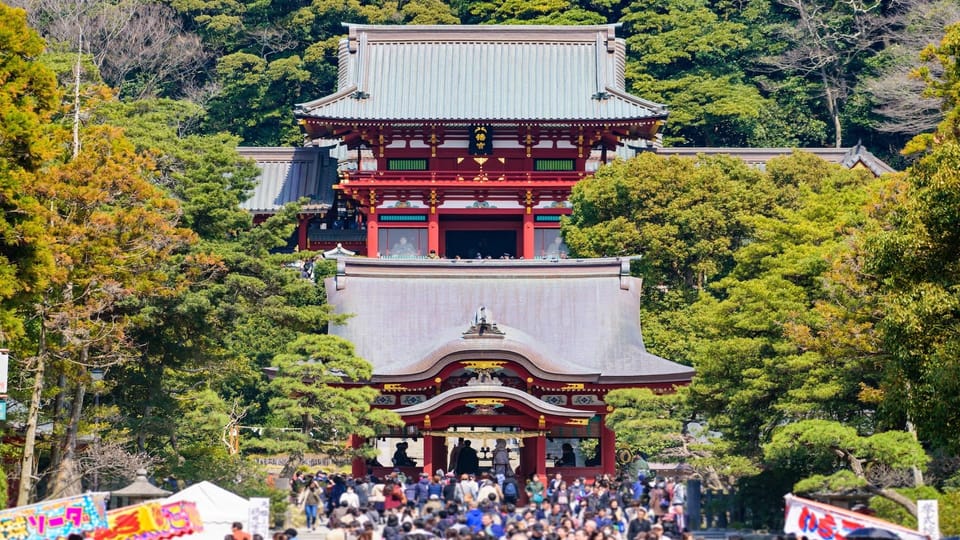
Reviewed · KAMAKURA DAY TRIPS
Kamakura Half Day Tour with a Local Expert Guide
Kamakura feels like a time capsule. In four hours you’ll cover key shrines and temple areas with a guide who lives the rhythms of the town, plus scenic walking routes that make the coast-and-gardens side of Kamakura click. I especially like the start at Tsurugaoka Hachimangu Shrine and the way your guide can steer you toward quieter Zen spaces instead of only the loudest photo stops. One caution: the tour is walking-based and transportation and temple/park admission aren’t included, so you’ll still budget time and money for trains and entry fees.
The best part is how flexible this half-day can be. The group is private, the guide works in English/Japanese/French, and several guides (like Rafael and Flo, based on past participants) have shown real adaptability when time gets tight—like reshaping the plan to fit your interests. The tradeoff is that not every guide handles deeper, highly specific questions with the same confidence, and you may notice some basic navigation choices (like using mapping apps) during the walk.
In This Review
- Key Highlights You’ll Feel During This Half-Day
- Why Kamakura in Just 4 Hours Can Still Feel Complete
- Meeting Up and Getting Around Without a Private Car
- Tsurugaoka Hachimangu Shrine: The Start That Sets the Tone
- Zen Temples and Garden Walks: Where the Pace Slows Down
- Parks, Scenic Views, and the Walk That Actually Matters
- The Buddha Moment: Seeing a Famous Icon With Context
- What $87 Covers (and What You’ll Still Pay)
- Guide Quality: Humor, Flexibility, and Different Styles
- Timing, Crowds, and Seasonal Magic (Including Sakura)
- Who This Half-Day Tour Suits Best (and Who Should Skip It)
- Should You Book This Kamakura Half-Day Tour?
- FAQ
- Where are the pickup locations?
- How long is the tour?
- Is this a private tour?
- Does the tour include transportation by car?
- Are meals included?
- Are temple and park admission fees included?
- What languages are available?
- Is the tour wheelchair accessible?
- What is the cancellation policy?
- Should You Book? (Quick Checklist)
Key Highlights You’ll Feel During This Half-Day
- Tsurugaoka Hachimangu Shrine as your anchor stop, with the kind of context a self-guided visit often misses
- Zen temples plus garden walking, where the pace is calmer and the details matter
- Scenic views on the way, built into the schedule instead of treated as “side quests”
- A private group with a local guide, so the day can bend around your interests
- Seasonal atmosphere, especially around cherry blossom time when Kamakura looks its best
- Restaurant help at the end, after your walk-through is done
Why Kamakura in Just 4 Hours Can Still Feel Complete
Kamakura is the kind of place where you can burn an entire day just wandering. But it’s also structured enough that a short visit can be meaningful—if you’re there for the right mix of landmark shrine energy and quieter temple-garden calm.
This tour is built around that idea. You’re not just ticking sites. You’re getting a guided route through shrines, Zen areas, parks, and garden landscapes, which is what actually gives Kamakura its distinct mood. You’ll also have a human filter for what to notice: where to look first, how to read the space, and what to ask while you’re standing right there.
If you’re short on time (or already plan to visit Tokyo), this half-day approach is a smart way to “taste” Kamakura without getting stuck in transit all day.
Meeting Up and Getting Around Without a Private Car
Here’s the deal: this is a walking tour. Pickup is available from Tokyo or Kamakura, and the guide meets you at your hotel or another agreed location on foot. There’s no private car service, and that matters for planning.
If you choose a Tokyo pickup, you should expect that you’ll handle the getting-there leg on your own (for example, trains), while the guide helps you with the practical path once you’re in the area. One past participant was surprised by this when they expected more transport support, so set your expectations early: think of the guide as your local interpreter and route coach, not a driver.
Also, because it’s a walking plan, comfort shoes are not optional. Kamakura’s charm is partly in the gradual shifts of street, shrine approach, stairs, and garden paths. If your legs are done early, the tour value drops fast.
Tsurugaoka Hachimangu Shrine: The Start That Sets the Tone
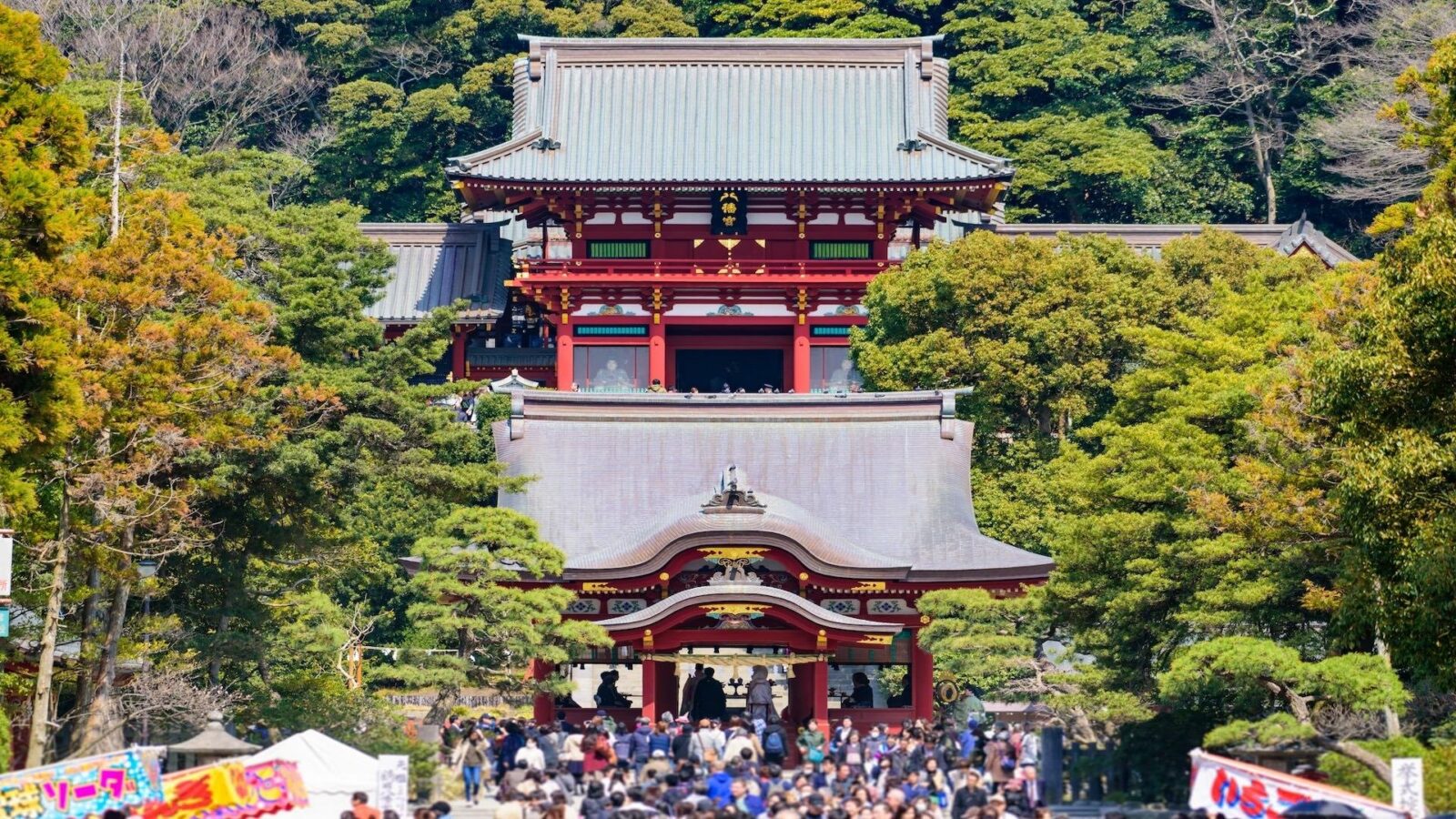
The day’s flagship stop is Tsurugaoka Hachimangu Shrine. This is a great first anchor because it gives you Kamakura’s “main story” right away: a sense of order, history in visible form, and a ceremonial atmosphere that makes the rest of the day feel connected.
What I like about starting here is how it shapes your attention. With a guide, you’re less likely to stroll past details that matter—things like the spatial layout of the approach, the way people move through the grounds, and the broader significance of what you’re seeing. A self-guided visit can be beautiful, but a good guide helps you read the scene instead of just looking at it.
Also, the tour structure supports timing. After this kind of landmark start, you’re free to enjoy the temples and gardens without feeling like the route is random.
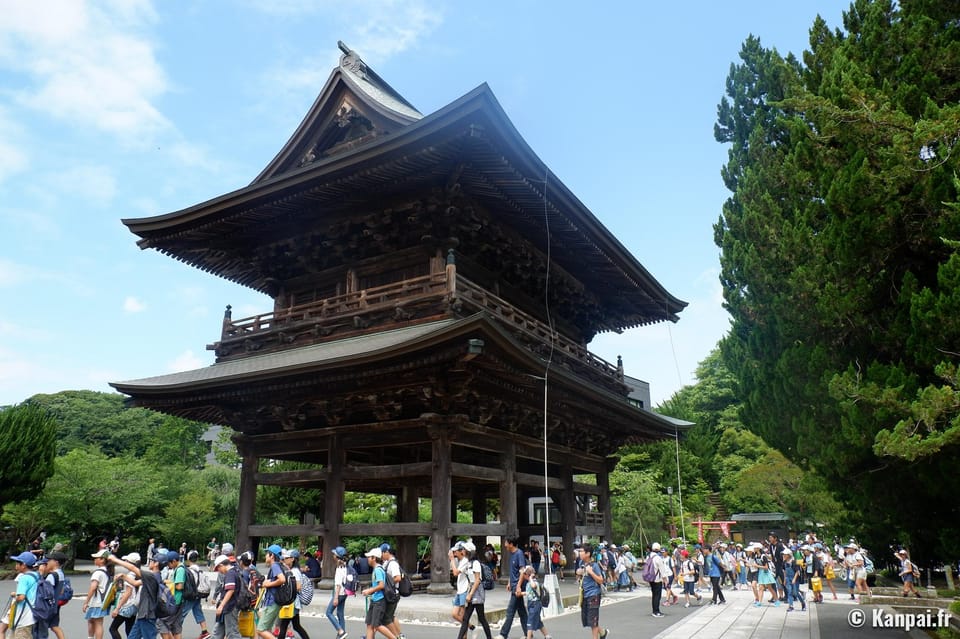
Zen Temples and Garden Walks: Where the Pace Slows Down
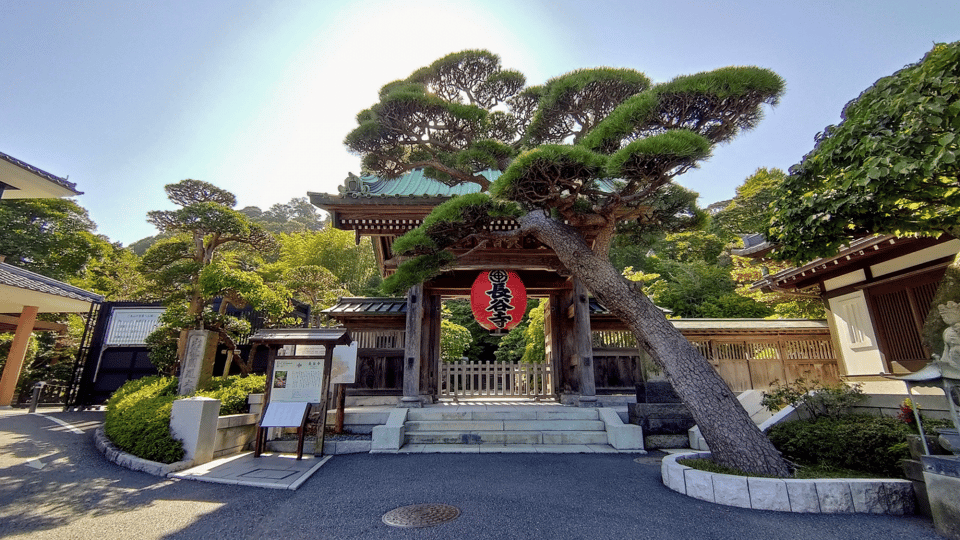
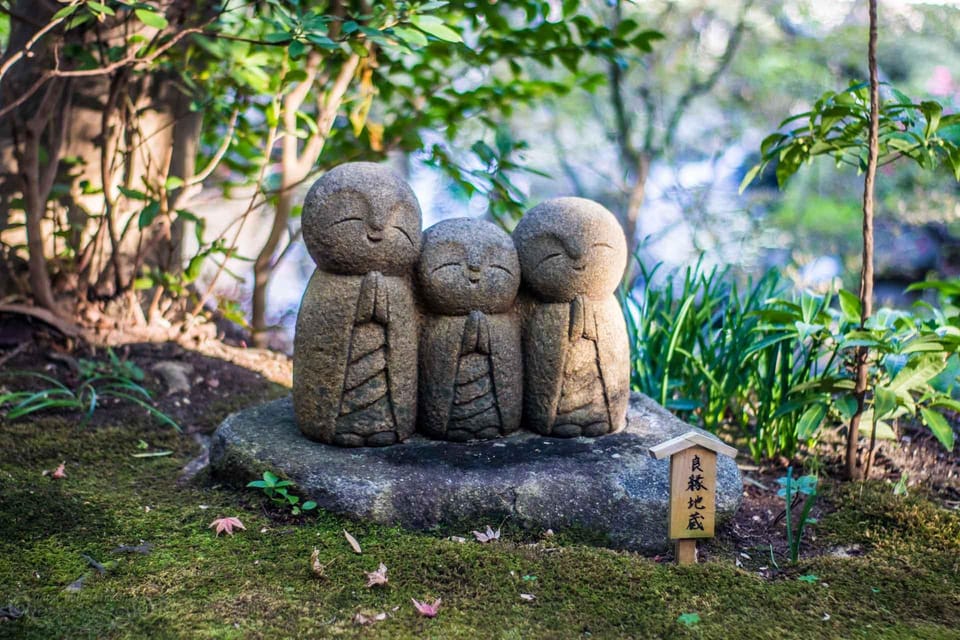
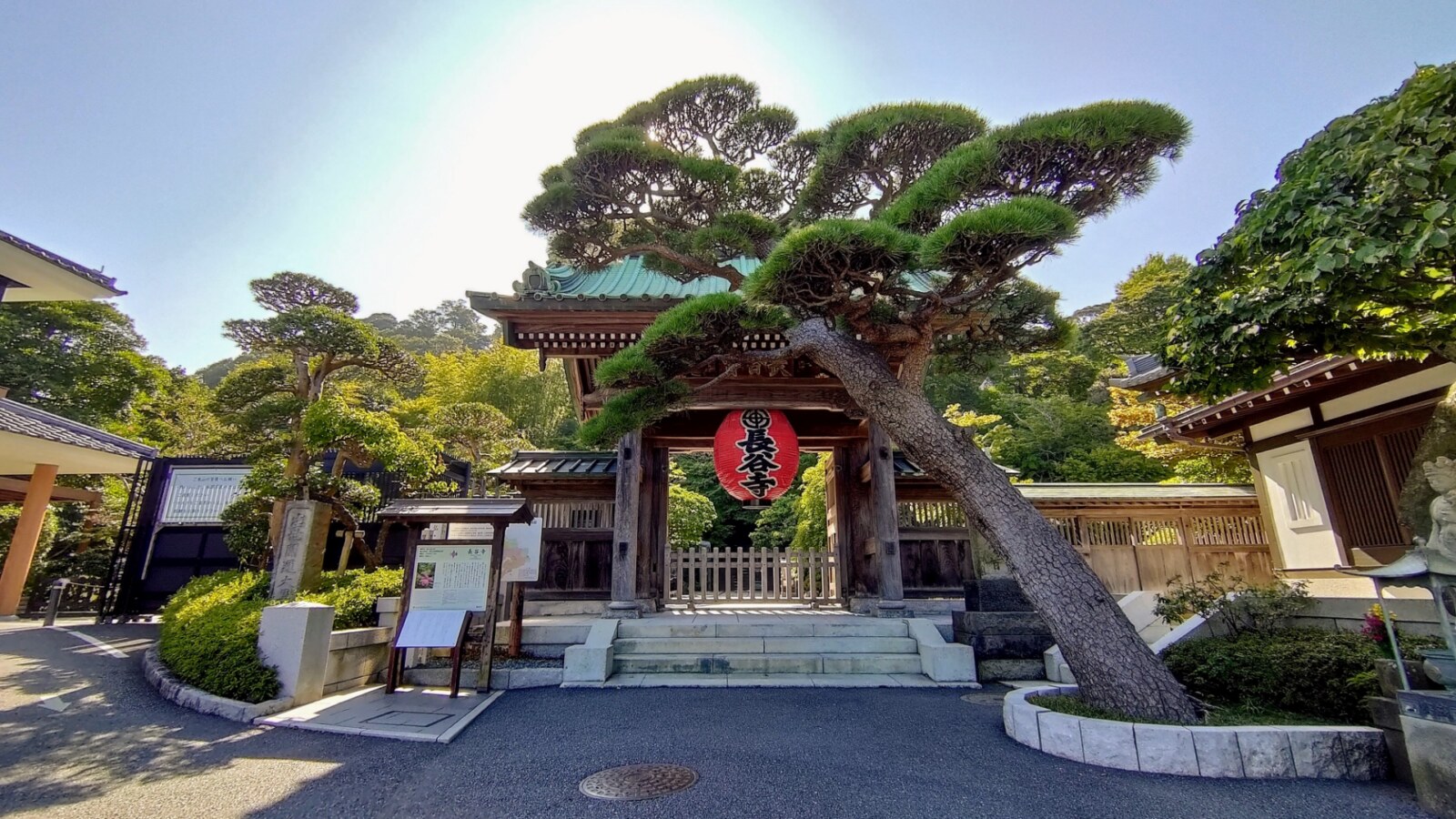
After the shrine, you’ll shift into the softer side of Kamakura: Zen temples surrounded by parks and gardens. This is where the day’s character changes. The walking still happens, but the vibe is less about ceremony and more about atmosphere—quiet corners, thoughtful design, and the feeling that time is measured differently here.
The value of a local guide isn’t just saying what a place is. It’s pointing out what you should notice while you’re there. In past experiences, guides like Rafael have adjusted the plan to the time you had, and in at least one case they steered visitors toward a small Zen temple that felt more personal and less overrun.
Practical tip: don’t treat this part like a quick checklist. If you want the Zen spaces to land, give yourself a minute or two at each stop—just enough time to see how the garden design frames the buildings, and how people move through the area.
Parks, Scenic Views, and the Walk That Actually Matters
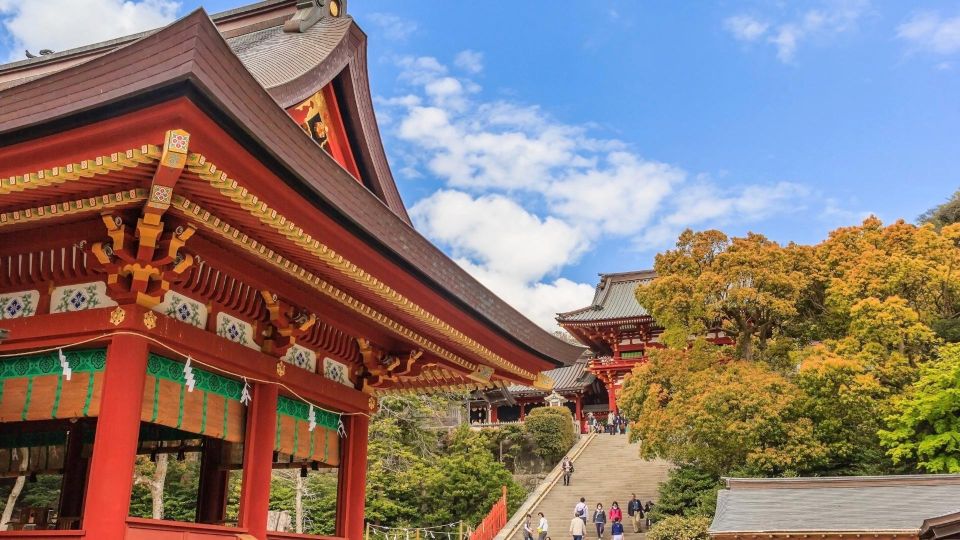
One reason people love Kamakura is the scenery doesn’t wait for the big attractions. The schedule includes scenic views on the way and time through parks and garden areas, so you’re not just hopping between entrances.
This matters because Kamakura’s “sense of place” comes from transition moments: changing streets, outlook points, and green spaces that break the day into small scenes. When you have a guide, they can help you keep the walking efficient while still making time for those viewpoints.
If you’re choosing between a self-guided day and a guided half-day, this is the deciding factor. A guide can help you spend your energy where it counts—on the walk segments that actually look good and feel worthwhile.
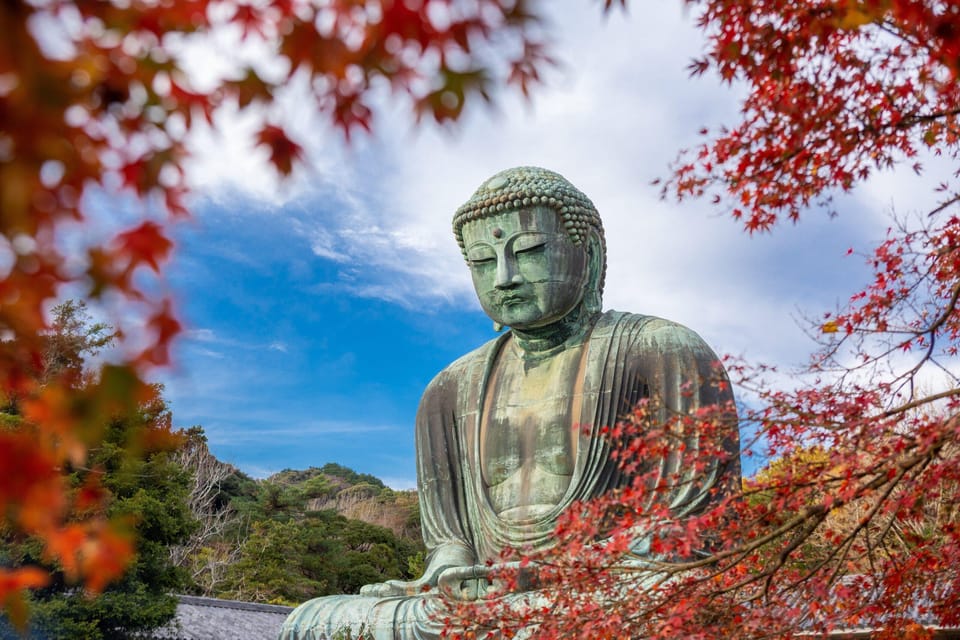
The Buddha Moment: Seeing a Famous Icon With Context
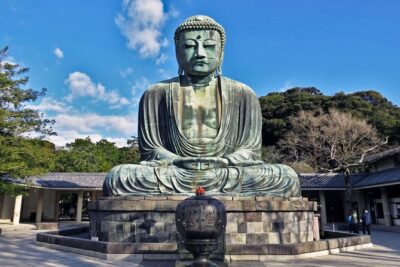
The tour includes a stop connected to Kamakura’s famous Buddha, paired with a temple visit. Even if you know the headline photo, this is the part where context pays off.
With a guide, you’re more likely to understand why the site feels the way it does—how the setting supports the icon, how the surrounding temple area fits the location, and what details are worth your attention at eye level rather than only from a distance.
This is also where a guide can influence your experience through pacing. If you arrive with the right timing and the right expectations, the Buddha stop can feel reflective instead of rushed.
What $87 Covers (and What You’ll Still Pay)
At $87 per person for about 4 hours, the value is mainly in the guided walking route and the local expertise. What’s not included is important: transportation, food and drink, and parks/temples admission.
So your total day cost will depend on:
- Whether you’re starting in Tokyo (you’ll likely pay for the train ride yourself)
- Which temple or park entries you end up needing to pay for
- How much you want to eat and drink during the half-day
From a value standpoint, this works best if:
- You don’t want to spend your prep time building a route
- You want someone to interpret what you’re seeing while you walk
- You plan to pay for a few site admissions anyway and would rather spend on guidance than on guesswork
Guide Quality: Humor, Flexibility, and Different Styles
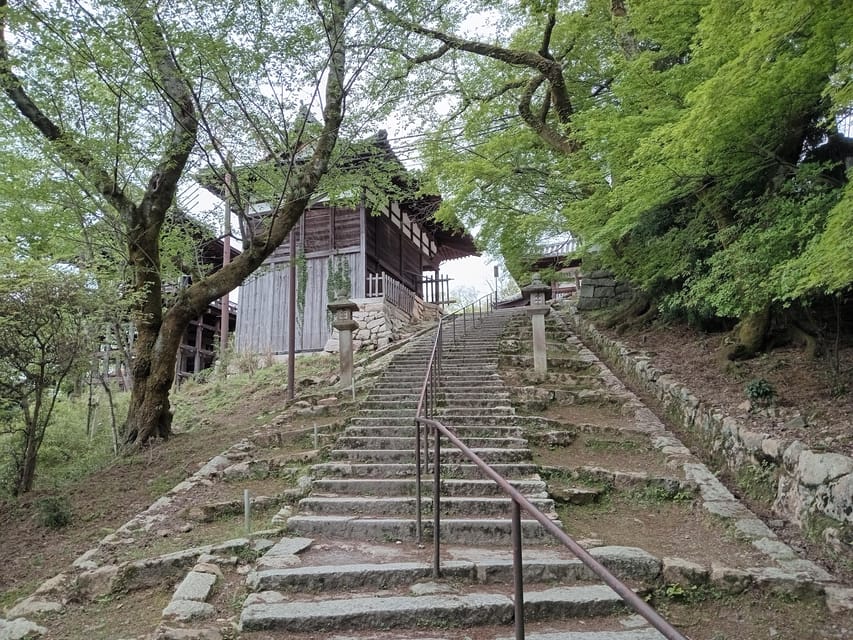
This tour’s success depends heavily on your guide, and the feedback you provided points to a real range of strengths.
Some guides shine with humor and ease. Others have impressive adaptability—like switching suggestions based on the time you had, including recommending a Zen space that’s less generic. One participant praised a guide (Raphaël, francophone) for offering good preparation advice before the outing. Another highlighted how Flo was helpful and supportive through the day, even when the guide was still learning certain location details.
There’s also honest criticism in the mix. One review noted that a guide used Google Maps for navigation and that questions with deeper detail didn’t always get strong answers. That’s not the end of the world, but it’s a consideration if you love asking very pointed historical or architectural questions.
My practical advice: if you care about specifics, bring a few questions you can ask right when you arrive at each site. And if you want restaurant ideas, ask before the route ends. In at least one experience, the guide took time to help find a place to eat afterward.
Timing, Crowds, and Seasonal Magic (Including Sakura)
Kamakura can look dramatically different depending on the season, and one review specifically called out cherry blossom season. If you’re going during spring, plan for popular photo moments and slower movement around the most scenic areas.
Because this is only four hours, you’ll want your timing to match your expectations. On busy days, your guide can help you keep the route flowing so you don’t lose the best windows to standing around. On calmer days, you may get more time for garden atmosphere and quiet temple corners.
Either way, the walk approach helps. You’re not stuck inside a bus schedule. You follow the day’s pace and enjoy what’s in front of you.
Who This Half-Day Tour Suits Best (and Who Should Skip It)
This tour fits best if you:
- Want a guided walk through shrine and Zen temple areas without spending a full day
- Like the combo of landmark sites and garden/park calm
- Prefer a private group experience with a guide who can respond to your interests
- Are comfortable with walking and some temple-area stairs or paths
It’s also wheelchair accessible based on the tour information, which is a big plus for accessibility planning. On the other hand, it’s not suitable for people over 95 years, so double-check fitness and mobility before booking.
If you hate walking, or if you’re expecting a car day with minimal movement, you’ll probably feel disappointed. This is a “put your shoes on” kind of half-day.
Should You Book This Kamakura Half-Day Tour?
I’d book it if you want a guided, efficient Kamakura taste—especially if you care about understanding what you’re seeing at Tsurugaoka Hachimangu, and you want Zen temple/garden time without having to build the route yourself.
I might skip it if:
- You’re expecting transportation beyond meeting you at your pickup location
- You want all costs bundled (because temple/park admission and food aren’t included)
- You’re very question-heavy and need deep answers on niche details every time (guide knowledge can vary)
If you do book, make it work by doing two things: wear good walking shoes, and bring a short list of questions you’d like answered at each stop. With that, this four-hour route can give you a real sense of Kamakura—shrines, gardens, and all—without turning your day into a logistics project.
FAQ
Where are the pickup locations?
Pickup is available from either Tokyo or Kamakura. The guide can meet you at your hotel or at an agreed location on foot.
How long is the tour?
The tour duration is 4 hours.
Is this a private tour?
Yes. The tour is listed as a private group.
Does the tour include transportation by car?
No. It does not include private car service, and transportation costs are not included.
Are meals included?
No. Food and drink are not included.
Are temple and park admission fees included?
No. Parks and temples admission are not included.
What languages are available?
The live guide is available in English, Japanese, and French.
Is the tour wheelchair accessible?
Yes, the tour is listed as wheelchair accessible.
What is the cancellation policy?
You can cancel up to 24 hours in advance for a full refund.
Should You Book? (Quick Checklist)
If you’re looking for an efficient Kamakura walk with shrines + Zen temples + gardens, and you’re okay paying separately for trains, food, and entry fees, this is a solid way to spend half a day. If you want everything packaged with heavy transportation included, look for a different format.
More Tour Reviews in Kamakura
More Days by the Great Buddha
Kamakura Day Trips, compared.
 ★ 4.5Kamakura & Enoshima Day Trip including Temple TicketsFrom $581,375 reviews
 ★ 4.5From Tokyo: Kamakura & Enoshima 1-Day Bus TourFrom $66189 reviews
 ★ 5.0Kamakura Historical Walking Tour with the Great BuddhaFrom $98129 reviews
Kamakura Private Tour: Temples, Nature, and the Great BuddhaFrom $98121 reviews
Kamakura Walking Tour – The City of ShogunFrom $35100 reviews
★ 5.0Kamakura Historical Walking Tour with the Great BuddhaFrom $98129 reviews
Kamakura Private Tour: Temples, Nature, and the Great BuddhaFrom $98121 reviews
Kamakura Walking Tour – The City of ShogunFrom $35100 reviews
 ★ 5.0Kamakura 8 hr Private Walking Tour with Licensed Guide from TokyoFrom $20180 reviews
 ★ 4.1Kamakura & Enoshima Day Tour with Pickup & Train RideFrom $1361 reviews
 ★ 4.8Kamakura: Private Guided Walking Tour with Local GuideFrom $10660 reviews
Browse the lists this tour appears in