
Reviewed · KAMAKURA DAY TRIPS
Exciting Kamakura – One Day Tour from Tokyo
Kamakura in one day, done right. This private tour saves you from the guesswork by building a smart route through Kamakura’s landmark sights, with hotel pickup and drop-off and a private guide you can ask questions to all day. I especially like how the stops aren’t just random temples; they cover different eras and styles, from the Great Buddha to coastal views at Hase-dera.
One thing to keep in mind: you’ll be on foot for hours. Kamakura’s terrain and temple steps mean moderate physical fitness helps, and the day can feel like a workout if you’re not used to long walking.
In This Review
- Key things I’d zero in on
- Why Kamakura Works as a One-Day Escape From Tokyo
- Hotel Pickup and Private Guidance: How the Day Gets Easier
- The Temple Circuit: A Day That Tracks Different Sides of Kamakura
- Stop 1: Kotoku-in and the Great Buddha landmark
- Stop 2: Hase-dera’s ocean views, cave shrine, and hydrangeas
- Stop 3: Hokoku-ji bamboo forest at Takedera Temple
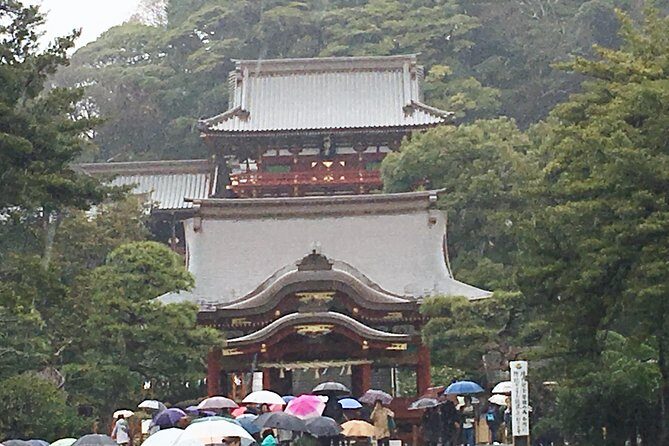
- Stop 4: Tsurugaoka Hachimangu Shrine and Kamakura shogunate ties
- Price and Logistics: What $145.31 Really Means for Your Day
- Pace, Steps, and What to Wear for a Temple Day
- Best Fit: Who This Kamakura Tour Works For
- Should You Book This One-Day Kamakura Tour?
- FAQ
- What time does the Kamakura tour start?
- How long is the tour?
- Is this tour private?
- Does the tour include hotel pickup and drop-off?
- Are entrance fees included for the temples and shrine?
- What about transportation from Tokyo to Kamakura?
- What is the cancellation policy?
Key things I’d zero in on
- A focused shortlist of Kamakura icons, so you don’t waste time choosing
- Hotel lobby pickup plus drop-off, which removes the hardest part for a day trip
- Direct guide Q&A during the temple-to-shrine flow (not a “good luck” situation)
- Seasonal bonus at Hase-dera, with hydrangeas especially stunning in June and July
- A real change of scenery with Hokoku-ji’s bamboo forest
- A clear mix of religion and history, from shogunate protection at Tsurugaoka Hachimangu to the Kamakura-era Buddha landmark
Why Kamakura Works as a One-Day Escape From Tokyo
Kamakura is one of those places where time can slip away fast. It’s a coastal city with temples, shrines, ocean breezes, and side streets that keep pulling you in. The problem is simple: if you arrive without a plan, you end up wandering and then realizing you picked the wrong few stops.
This tour solves that by treating your day like a route, not a wish list. You start at 9:00am and you’ll see a curated set of famous sights: Kotoku-in, Hase-dera, Hokoku-ji, and Tsurugaoka Hachimangu. That structure is the big value—less decision fatigue, more time appreciating what’s in front of you.
Also, Kamakura gives you a nice contrast to Tokyo. Tokyo is fast and crowded. Kamakura is more grounded, with calmer temple grounds and that ocean-edge feeling. Even if you only have one day, you’ll come away with a sense of why Kamakura mattered as Japan’s capital for a stretch of history.
Hotel Pickup and Private Guidance: How the Day Gets Easier
The easiest way to ruin a day trip from Tokyo is to lose time figuring out trains, exits, and where to meet. This experience is built to reduce that friction with hotel lobby meeting, pickup offered, and drop-off back to your hotel.
You also get a private tour. That matters more than people expect. With a private setup, you can ask practical questions like:
- which direction to walk once you’re inside the grounds
- what to look for at each stop
- how sites connect to the larger Kamakura story
The tour description also emphasizes access to your guide. In practice, that often means you’re not just listening—you’re being helped through the day. One review even talks about guides assisting with transit card charging and navigating Tokyo Central Station, which is exactly the kind of small rescue that keeps you calm on a first visit.
The Temple Circuit: A Day That Tracks Different Sides of Kamakura
Here’s what your day is built around: each stop adds a new flavor to Kamakura.
You’ll begin with the Great Buddha at Kotoku-in, then shift to Hase-dera for garden details, Buddha statues, and ocean views. After that, you’ll step into Hokoku-ji, famous for its bamboo forest, which gives a quieter, more atmospheric break from the coastal bustle. Finally, you close with Tsurugaoka Hachimangu Shrine, tied to the Kamakura shogunate and the spiritual world of warriors.
This mix is the key reason the itinerary works. You’re not just collecting temples. You’re moving through different types of sacred space and different eras of significance.
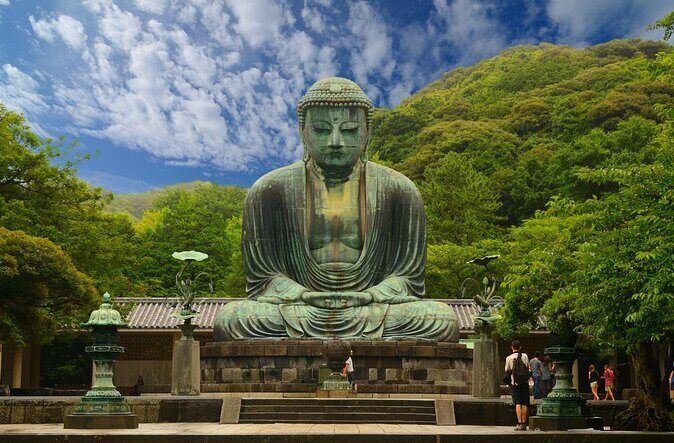
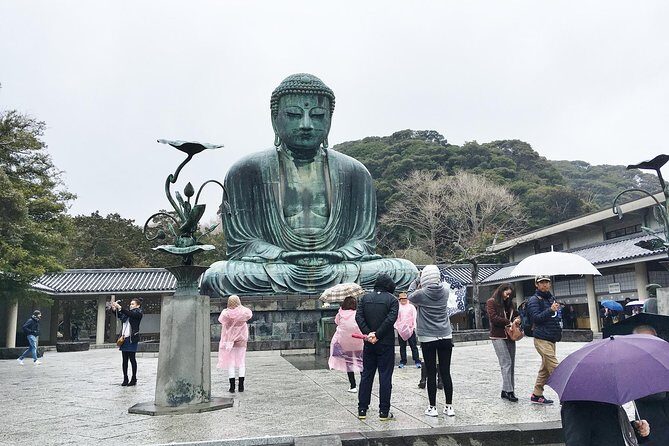
Stop 1: Kotoku-in and the Great Buddha landmark
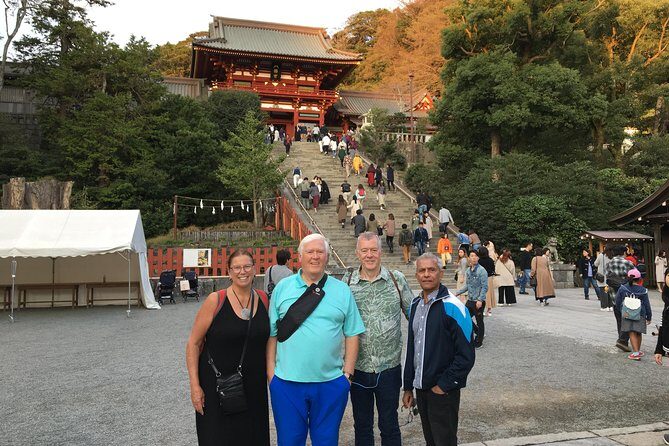
Kotoku-in is your opening act for a reason: the Great Buddha of Kamakura is the city’s signature. The temple dates to the 13th century, and the guide-led focus helps you notice what’s important beyond the obvious photo moment.
Plan on about 1 hour here. The experience includes time to appreciate the scale and setting. One practical note from real-world experience: at Kotoku-in, you can walk inside the bronze Buddha. That’s amazing for many people, but it’s also a heads-up if you don’t like tight spaces.
Entrance fees aren’t included. The tour lists Kotoku-in admission as an added cost (the details show a couple of figures, so double-check your confirmation for the exact yen amount). Bring some cash just in case, and don’t treat this as a freebie.
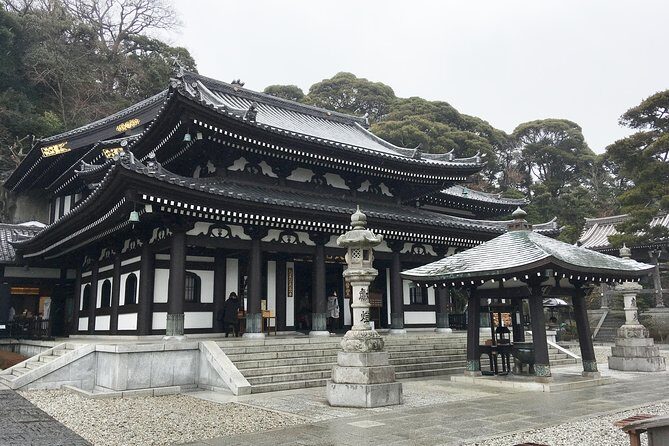
Stop 2: Hase-dera’s ocean views, cave shrine, and hydrangeas
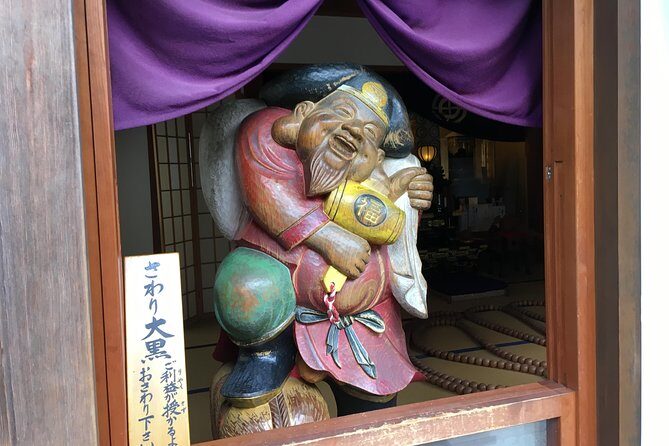
Next up is Hase-dera, a favorite for people who like more than statues and halls. The temple was built in the 8th century, and the attraction isn’t only historical—it’s visual.
What you’ll likely enjoy here:
- a Japanese garden setting
- Buddha statues
- and a view toward the Pacific Ocean
- plus a unique cave shrine
This stop is also where season can matter. The tour notes that in June and July, hydrangeas can be spectacular. If you’re traveling around that time, your best photos and best atmosphere often come from slowing down in the garden areas and letting the guide’s pointers guide you to the best angles.
Entrance fees aren’t included here either (the tour lists Hase-dera admission as an added cost). Still, the value tends to be good because Hase-dera is one of those places where the ticket helps you access the full experience, not just a single room.
Stop 3: Hokoku-ji bamboo forest at Takedera Temple
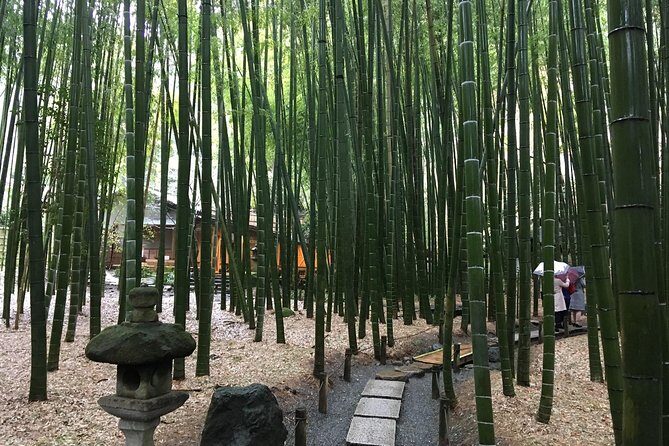
Then comes a sudden change of mood. Hokoku-ji (also referred to as Takedera Temple in the tour details) is tied to the 14th century and is famous for its bamboo forest.
You get about 1 hour at this stop, and the main reason it’s worth including is that it feels different from the other Kamakura sites. If you’ve seen lots of temples on a single trip, bamboo is a nice reset—soft light through stems, calmer walking, and an atmosphere that feels more like stepping into a particular kind of Japanese landscape (even though your day is still very much a city itinerary).
Entrance fees aren’t included. The tour lists a specific yen amount for Hokoku-ji admission, and it may vary across the provided details, so confirm what you’ll pay before you go. Either way, keep a small buffer for temple tickets.
Stop 4: Tsurugaoka Hachimangu Shrine and Kamakura shogunate ties
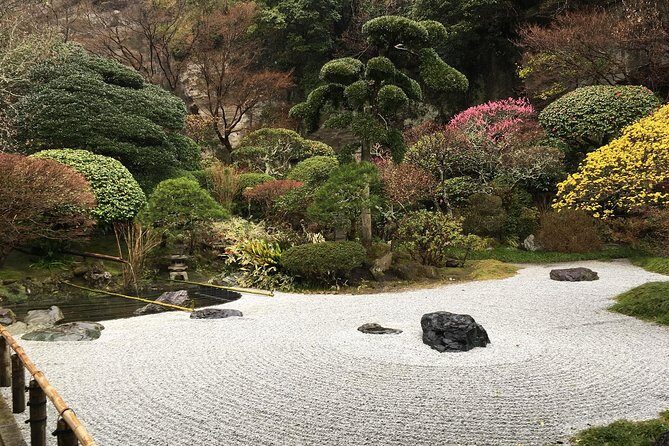
You finish at Tsurugaoka Hachimangu Shrine, and it’s a fitting end because it connects the city’s spiritual role to its military-political history.
The shrine was the official guardian shrine of the Kamakura shogunate, and it was worshiped by warriors as a deity of the military. That kind of context changes how you look at a shrine. Without it, you might just see impressive structures. With it, you start noticing how sacred spaces connect to leadership, identity, and social power.
This stop is listed as 1 hour, and the admission is free based on the tour information. That’s helpful for your budgeting and also means you can spend more time lingering without worrying about another ticket decision at the last hour.
Price and Logistics: What $145.31 Really Means for Your Day
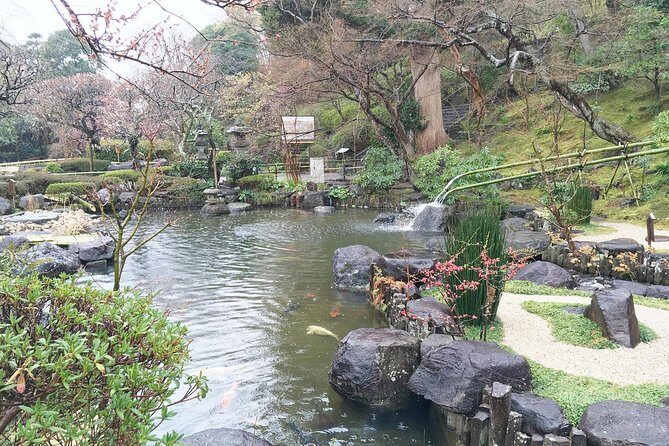
The headline price is $145.31 per person, and the structure is private: professional guide, private tour setup, and hotel pickup/drop-off.
But the real value question is what’s included versus what’s extra.
Included:
- professional guide
- private tour format
- meeting in your hotel lobby
Not included (added costs):
- your transportation cost is listed as about ¥2,720 per person
- entrance fees for Kotoku-in, Hase-dera, and Hokoku-ji
- Tsurugaoka Hachimangu Shrine is free
Here’s how I’d think about it: if you’re the type who hates making train mistakes or doesn’t want to spend your one free day researching routes, the price buys back time and reduces stress. You’re also paying for a guide’s ability to connect what you’re seeing to why it mattered.
If you’re on a tight budget and already comfortable navigating transit and deciding your own stops, you might do it cheaper on your own. But for many first-timers in Japan, the convenience here is the main benefit, not just the sightseeing.
Also note that the tour uses mobile tickets and mentions group discounts. Even though it’s private, those mechanics can still reduce friction on the day.
Pace, Steps, and What to Wear for a Temple Day
This tour is listed for moderate physical fitness, and the itinerary practically demands good walking shoes. One review calls out how much stepping is involved, and that tracks with how temple grounds are laid out in older cities.
My practical advice:
- wear shoes with good grip (temple steps can be slick if it rains)
- carry a light layer even on mild days
- bring a small umbrella if the forecast looks iffy
- plan on moving at a steady pace from stop to stop
If you’re traveling with kids, the tour data says children must be accompanied by an adult. That’s sensible, but it also means you’ll want to consider how your group handles stairs and slower moments.
Best Fit: Who This Kamakura Tour Works For
This experience is a strong match for:
- first-time visitors who want a “best of” day without decision overload
- anyone who values context and wants the story behind Kotoku-in, Hase-dera, Hokoku-ji, and Tsurugaoka Hachimangu
- couples or small groups who like the flexibility of private guiding
- travelers who want help navigating from Tokyo, especially around transit hubs
It’s also a good choice if you’re traveling during hydrangea season. June and July are highlighted for Hase-dera, and that seasonal detail turns a standard temple stop into a more memorable one.
If you prefer to move at a leisurely pace with lots of free time in cafes and side streets, you might feel a bit scheduled. This itinerary is designed to be efficient, not slow.
Should You Book This One-Day Kamakura Tour?
Book it if you want the easiest path to Kamakura’s most important sights with a guide who can connect the dots. The hotel pickup/drop-off alone can make this worth it, and the stop selection gives you a solid mix of Buddha landmark, ocean-side temple gardens, bamboo quiet, and shogunate-linked shrine history.
Skip it or rethink it if you dislike structured itineraries or you’re looking for long free time to wander. Also, if you’re sensitive about tight spaces, remember Kotoku-in includes the option to walk inside the Great Buddha.
If you book, my final tip is simple: wear comfortable shoes and show up ready to move. Kamakura gives a lot back when you can enjoy the walk between the moments.
FAQ
What time does the Kamakura tour start?
The tour start time is 9:00am.
How long is the tour?
The duration is listed as about 8 hours 30 minutes.
Is this tour private?
Yes. It is a private tour/activity, meaning only your group participates.
Does the tour include hotel pickup and drop-off?
Yes. Hotel pickup and drop-off are part of the experience, with meeting in the hotel lobby.
Are entrance fees included for the temples and shrine?
Entrance fees are not included. The tour lists added costs for Kotoku-in, Hase-dera, and Hokoku-ji, while Tsurugaoka Hachimangu Shrine is listed as free.
What about transportation from Tokyo to Kamakura?
Your transportation cost is listed as about ¥2,720 per person and is not included.
What is the cancellation policy?
Free cancellation is available up to 24 hours in advance for a full refund. If you cancel less than 24 hours before the start time, the amount paid will not be refunded.
More Tours in Kamakura
More Tour Reviews in Kamakura
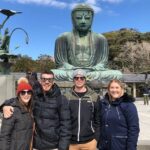
More Days by the Great Buddha
Kamakura Day Trips, compared.
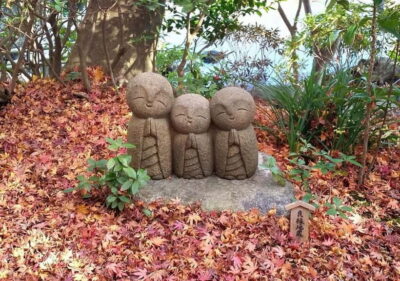 ★ 4.5Kamakura & Enoshima Day Trip including Temple TicketsFrom $581,375 reviews
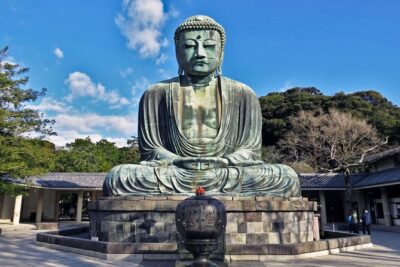 ★ 4.5From Tokyo: Kamakura & Enoshima 1-Day Bus TourFrom $66189 reviews
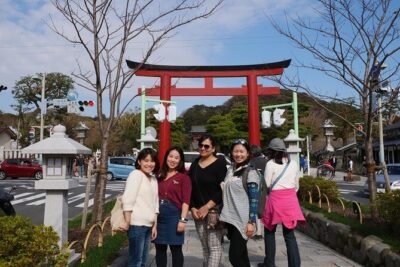 ★ 5.0Kamakura Historical Walking Tour with the Great BuddhaFrom $98129 reviews
Kamakura Private Tour: Temples, Nature, and the Great BuddhaFrom $98121 reviews
Kamakura Walking Tour – The City of ShogunFrom $35100 reviews
★ 5.0Kamakura Historical Walking Tour with the Great BuddhaFrom $98129 reviews
Kamakura Private Tour: Temples, Nature, and the Great BuddhaFrom $98121 reviews
Kamakura Walking Tour – The City of ShogunFrom $35100 reviews
 ★ 5.0Kamakura 8 hr Private Walking Tour with Licensed Guide from TokyoFrom $20180 reviews
 ★ 4.1Kamakura & Enoshima Day Tour with Pickup & Train RideFrom $1361 reviews
 ★ 4.8Kamakura: Private Guided Walking Tour with Local GuideFrom $10660 reviews
Browse the lists this tour appears in