
Reviewed · KAMAKURA DAY TRIPS
Kamakura Private & Customized Half-Day Tour with Local Guide
Kamakura feels personal fast. You meet your local guide at the East Exit of Kamakura Station, then build a half-day that fits how you travel—temples, street strolling, quiet gardens, and scenic fall-leaf stops if you’re in town then. The whole point is a route that matches your pace, not a one-size plan.
What I like most is the mix: easy explanations of Kamakura’s culture plus time to wander at your speed, with options for both iconic sites and calmer corners. I also really appreciate the lunch flexibility, from vegan bento to a local restaurant or skipping lunch to keep moving. The main drawback to plan for is that you’ll likely pay extra for transportation, meals, and entrance fees, and this is still a walking day—so comfortable shoes matter.
In This Review
- Key highlights worth your attention
- How a private half-day gives you the Kamakura you actually want
- Meeting at Kamakura Station, then moving like a local
- Zen temples: where Kamakura’s spiritual side feels quiet and real
- Tsurugaoka Hachimangu and Komachi Street: samurai heritage plus snack browsing
- Kōtoku-in and Hase-dera: iconic views that reward lingering
- The side quests: bamboo, torii gates, money-washing luck, and sea air
- Lunch in Kamakura: vegan bento, local restaurants, or skipping to see more
- What you pay ($85) and why the value can be real
- Timing, season, and when Kamakura feels its best
- Practical tips so your half-day stays stress-free
- Should you book this Kamakura private half-day tour?
- FAQ
- How long is the Kamakura private half-day tour?
- Where do I meet the guide?
- Is the itinerary customizable?
- What languages will the guide speak?
- What lunch options are available?
- Are transportation fees included?
- Are entrance fees included?
- What should I bring?
- Is alcohol allowed on the tour?
Key highlights worth your attention
- A Kamakura-born guide (Takumi Ikeda) who tailors the pace to your interests and questions.
- Zen temple calm paired with street energy, from major shrines to smaller, moodier spots.
- Lunch choices that match diets, including vegan bento and support for requests like vegetarian or GF options when possible.
- Seasonal scenery in fall, with access to calmer autumn-leaf areas.
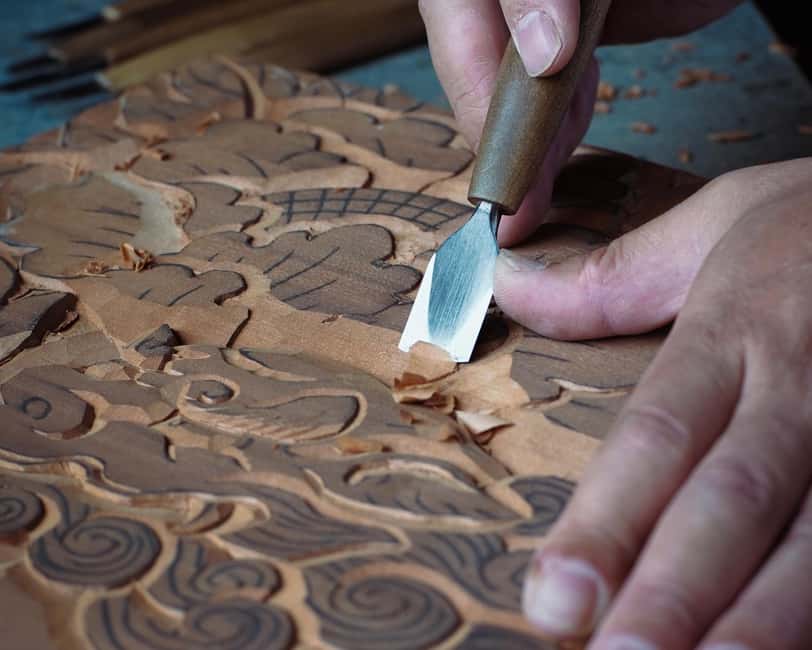
- Craft and culture beyond the postcard stops, like a traditional swordmaker workshop and artisan shops.
- A smooth finish at Kamakura Station, so you can connect to your next stop easily.
How a private half-day gives you the Kamakura you actually want
Kamakura is small enough to explore in a day, but big enough that crowds, timing, and walking pace can make or break it. This tour is designed for the day-trip reality: you want the highlights, but you also want breathing room. Going private means you can start with what you care about most and adjust when something catches your eye.
I like that the tour is flexible even before you arrive. The guide confirms preferences by message (WhatsApp optional). That matters because Kamakura can be very different depending on your focus—temples and history, shopping streets and snacks, beach time, or photography.
Your half-day also stays realistic. At around 4 hours, you’re not committing to a full-day slog, but you’re also not doing the speed-run version where you barely read the signs. If you’re already planning to do Enoshima or another coastal stop later, this length works well as a solid first chapter.
Meeting at Kamakura Station, then moving like a local
You meet at the East Exit of Kamakura Station. From there, you’ll head out with your guide and likely use short connections as needed. The exact route can shift based on your interests, the season, and how much you want to walk.
One practical perk: the guide can help you plan around what you actually need that day. In one booking, Takumi shared pointers on weather and what to prepare for before the tour. That kind of prep helps you stay comfortable and keeps you from scrambling during prime sight time.
Also, because this is private, the pacing is yours. If you want more shrine time and less shopping, that’s normal. If you’d rather do photo stops slowly, the plan can bend. You’re not herded into a rigid sequence.
Zen temples: where Kamakura’s spiritual side feels quiet and real
Kamakura’s Zen temples can feel like two different worlds: intense and beautiful from the outside, then surprisingly calm once you’re inside. A guided visit helps because you don’t just look—you understand what you’re seeing.
A common temple choice is Engaku-ji, one of the important Zen temples in Japan. In a quiet setting like this, it’s easy to miss what’s culturally meaningful. Your guide can explain Buddhist rituals and traditions in a way that makes the space click—without turning the day into a lecture. The atmosphere is the point: you walk slower, breathe differently, and the whole place starts telling its story through details like layout, objects, and grounds.
Another option you might include is Kencho-ji, which is known for peaceful gardens and a good view from a hillside path. If your interests lean toward gardens and viewpoints, this style of stop is ideal. If you’d rather focus on a single standout temple, you can shape the tour that way.
You may also have the option of stepping into Hokokuji Bamboo Forest, a peaceful temple area surrounded by bamboo. Bamboo forests are popular for photos, but with guidance you can time your stroll for a calmer feel and add a simple cultural moment—like getting a matcha break if that fits your day.
Tsurugaoka Hachimangu and Komachi Street: samurai heritage plus snack browsing
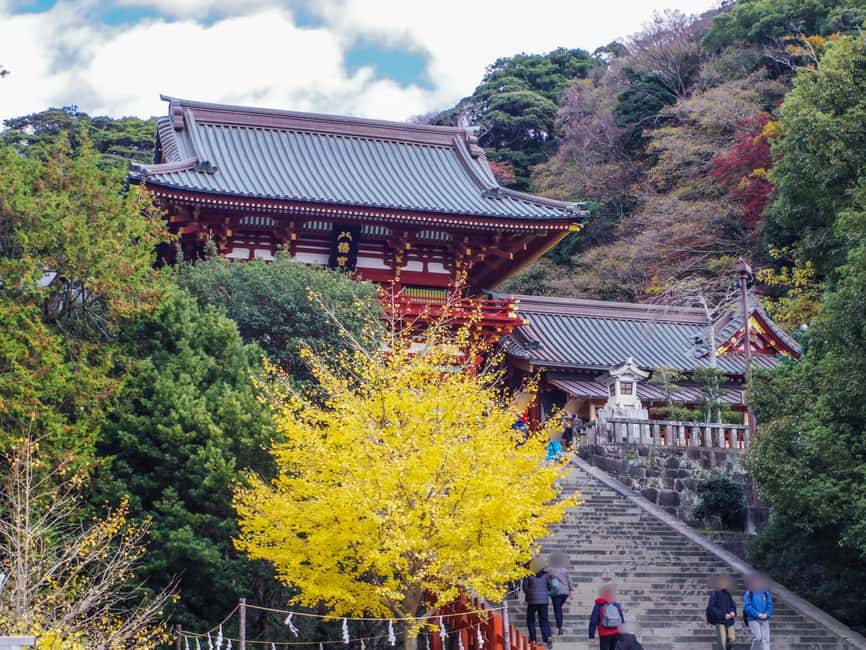
After temple calm, Kamakura’s central shrine district feels lively. Tsurugaoka Hachimangu Shrine is the spiritual heart of Kamakura and a symbol of its samurai legacy. Even if you’ve seen other shrines in Japan, this one has its own rhythm—procession-like spaces, meaningful layout, and a sense of history tied to the town’s identity.
What makes a guided shrine visit valuable is interpretation. Without context, it can turn into just another stop with a few photos. With a local guide, you understand why this place matters—what people came here for, how the space reflects belief, and how Kamakura’s past continues to show up in everyday life.
Then you can transition to Komachi Street, famous for shops and treats. This is where you can flex your interests: you might browse for small gifts, grab a snack, or simply enjoy the atmosphere. If you’re the kind of traveler who likes to slow down and people-watch, this stretch gives you that.
One useful real-world detail: your guide may also suggest practical places to pick up small travel needs—like in one experience where Takumi took someone to local utility stores. That’s not glamorous, but it can save your day.
Kōtoku-in and Hase-dera: iconic views that reward lingering
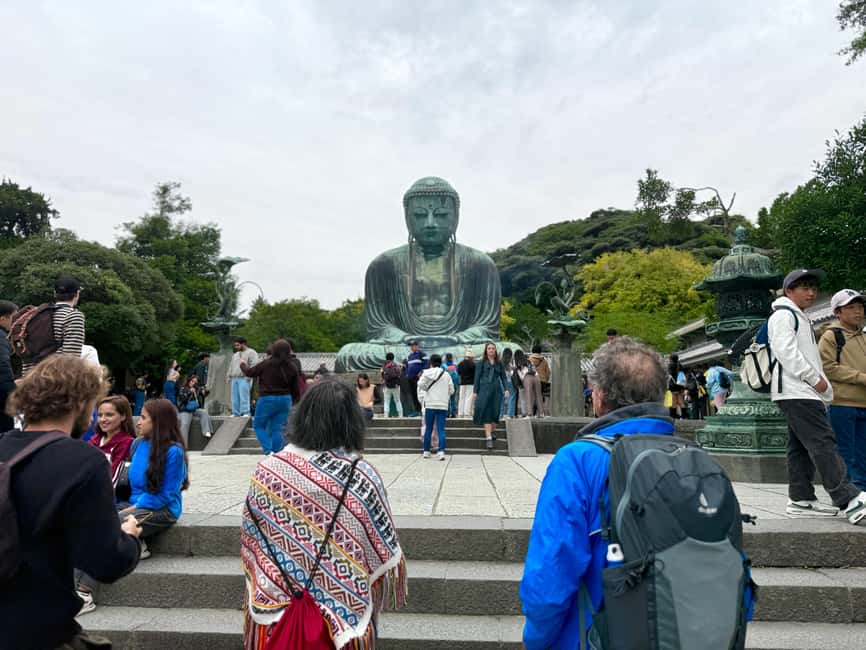
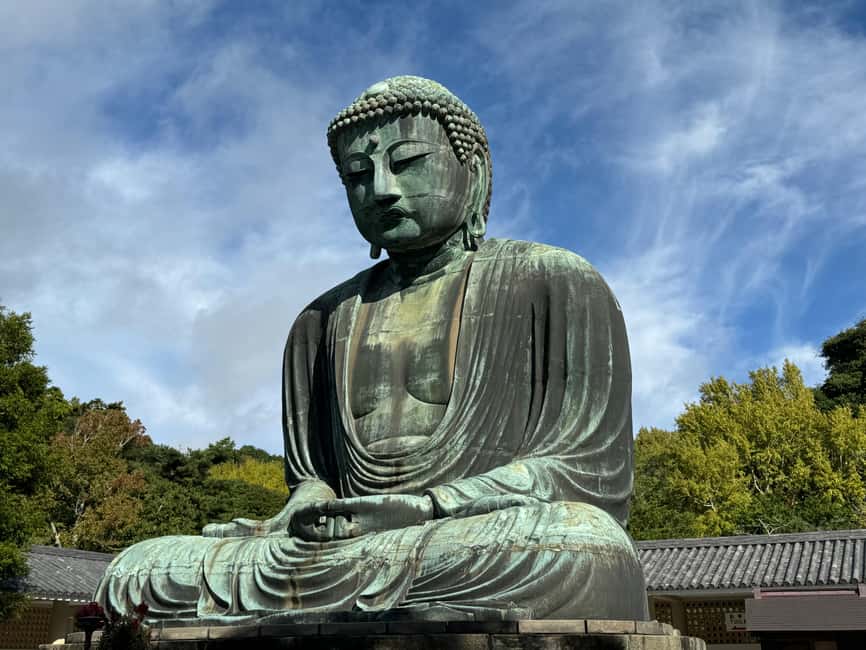
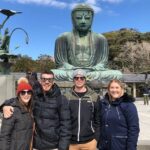
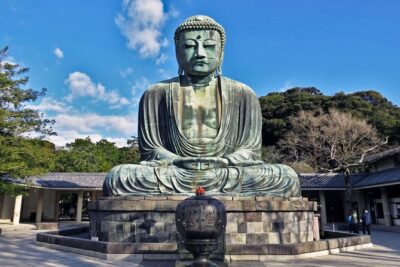
If your goal is the classic Kamakura sights, you’ll probably want Kōtoku-in, home to the Great Buddha. Standing near it, you’ll feel why this is one of Japan’s best-known statue stops. The size and calm presence do the work. A guide helps you notice what matters: setting, the surrounding temple space, and how the site fits into broader Zen/Buddhist culture.
Next, Hase-dera is often a favorite for views and atmosphere. It’s the kind of temple where you can feel the town’s geography—stairs, paths, and outlooks that gradually reveal why people come back. A guided visit can help you choose the best viewing points without wasting time circling.
One of the best reasons to do these stops with a local guide is timing. Even within the half-day window, you can adjust your order to match your energy. Want more photo time? You can. Want fewer steps and more resting? That’s also part of the customization.
The side quests: bamboo, torii gates, money-washing luck, and sea air
Kamakura is famous for major sites, but it really shines when you mix in smaller, stranger, quieter places. This tour approach is good for that because your guide can swap in options depending on what you want that day.
Here are some “choose-your-own-adventure” stops you might include:
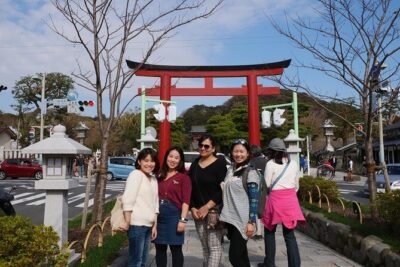
- Sasuke Inari: a hidden shrine with rows of red torii gates and fox statues. It’s perfect when you want atmosphere over crowd.
- Zeniarai Benzaiten Shrine: a cave shrine tied to a luck ritual involving washing money in spring water in hopes of prosperity. If you like meaningful customs, this stop gives you one of the more memorable traditions.
- Kamakura Yuigahama Beach: a relaxed seaside moment where you can feel the ocean breeze. This works well if you want a break from temple stones and want your tour to end on something lighter.
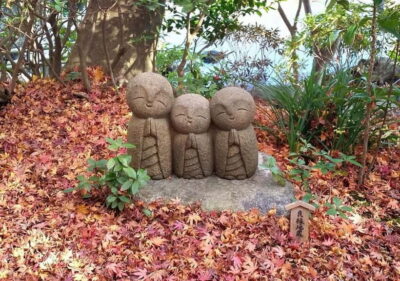
In fall, the tour may include some of Kamakura’s scenic autumn-leaf spots. That’s a good fit if you want the beauty seasonally, without turning your day into a chaotic hunt for viewpoints. Ask your guide what leaf-area options are best around your dates.
And if you want to stretch beyond Kamakura proper, the tour can connect with nearby plans like Enoshima, a small island area known for shrine views and scenic lookouts. Whether Enoshima fits depends on how you shape the half-day, but it’s a common way to make your Kamakura day feel bigger.
Lunch in Kamakura: vegan bento, local restaurants, or skipping to see more
Lunch is where group tours often fail—either you get a buffet you didn’t ask for, or you lose time you wanted for sightseeing. Here, you get real choices.
Your lunch options include:
- Vegan bento
- A local Japanese restaurant
- Or skip lunch if you’d rather keep momentum
I like this because it matches how people actually tour. If you’re walking temple-to-shrine, a planned meal keeps you comfortable. If you’re the type who prefers to snack while browsing streets like Komachi Street, skipping lunch can be totally reasonable.
In at least one booking, the guide also helped with GF options and arranged a vegetarian-friendly meal that the traveler described as one of the best they had in Japan. That’s a strong sign that the guide pays attention to dietary needs, not just default menus.
If you’re picky about timing—like you need an earlier break or you want to eat after a specific stop—ask before the tour day. Since the itinerary is customizable, your lunch can fit your flow.
What you pay ($85) and why the value can be real
At $85 per person for a private half-day, this isn’t a “cheap add-on.” But value in Japan often comes down to time, hassle reduction, and how much control you get. Here, you’re paying for a local guide who can handle route decisions, provide explanations, and adjust to your interests on the fly.
Think about what you’d do on your own: you’d need to read maps, choose stops, figure out train timing, and then still rely on your own knowledge to understand what you’re seeing. If you want Engaku-ji or Tsurugaoka Hachimangu without just checking boxes, a guide can turn a list into a story.
Also, the private format can help you keep things calmer. You don’t have to wait for a group to arrive together, and you can linger or move depending on what feels right. One traveler described the experience as more tranquil and less crowded, which tracks with the advantage of flexibility.
One caution on budgeting: the tour does not include transportation, meals and drinks, or entrance fees. So your total day cost can rise depending on what you eat and which temples have paid entry. Still, if you already know you want a guided approach and you’re planning more than a quick photo stop, paying for guidance can be a smart trade.
Timing, season, and when Kamakura feels its best
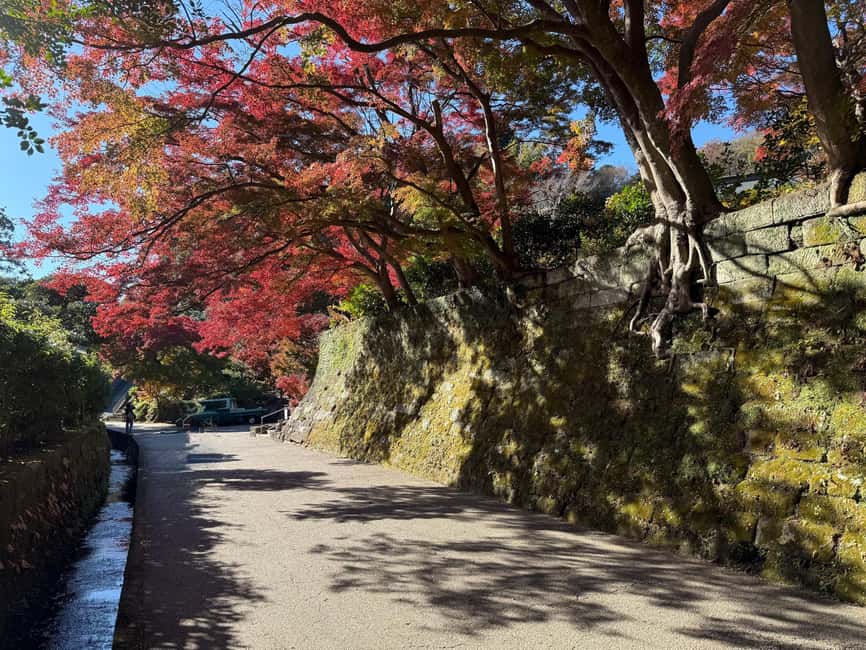
Kamakura changes mood with weather and season. This tour explicitly references autumn-leaf spots during fall, which is when people start chasing color. If you’re traveling in that season, this is a good way to get scenic options without wasting time guessing where to go.
Even outside fall, temple areas tend to feel nicer when you avoid the worst mid-day rush. Because the plan is flexible, you can adjust your order to match how you feel and what you see on the ground. That flexibility is part of the value.
One small bonus from the review notes: Takumi was proactive about sharing weather and preparation tips beforehand. In Japan, where weather can shift quickly, that matters more than you might think.
Practical tips so your half-day stays stress-free
A comfortable day starts with simple choices.
- Wear comfortable shoes. Expect walking on temple grounds and around the shrine streets.
- Bring a plan for photos. If you care about pictures, tell your guide early. In one experience, Takumi’s boss joined for photos at key spots, which shows they think about keeping memorable moments easy.
- Decide your priorities before you arrive. If you want temples first, say so. If you want sea air and a beach break, that can shape the second half of the tour.
- Ask about food needs. If you’re vegan, vegetarian, or have specific dietary requirements like GF, make that clear during message confirmation so the lunch plan can match.
Also remember the rules: alcohol and drugs are not allowed. It’s just good to keep your day comfortable and respectful in religious areas.
Should you book this Kamakura private half-day tour?
I’d book this if you want a personalized Kamakura day with explanations that make temples and shrines feel meaningful, not just photographed. It’s a great fit for first-timers who want key sites like Tsurugaoka Hachimangu and Kōtoku-in, but also want the option to detour into bamboo, torii-gate shrines, and a beach reset.
You might skip or choose a different option if you’re on a tight budget or you hate planning because this one still requires you to cover meals/transport/entrance fees separately. But if you’re paying for quality time with a local guide and you’ll use the flexibility, the price can feel fair.
FAQ
How long is the Kamakura private half-day tour?
The duration is listed as 3 to 6 hours, and it notes the tour is approximately 4 hours.
Where do I meet the guide?
You meet at the East Exit of Kamakura Station.
Is the itinerary customizable?
Yes. The tour is customizable to your interests, schedule, and style.
What languages will the guide speak?
The live tour guide offers English and Japanese.
What lunch options are available?
Lunch can be arranged as vegan bento, a local restaurant, or you can choose to skip lunch.
Are transportation fees included?
No. Transportation fees are not included.
Are entrance fees included?
No. Entrance fees are not included.
What should I bring?
Bring comfortable shoes.
Is alcohol allowed on the tour?
No. Alcohol and drugs are not allowed.
More Tours in Kamakura
More Tour Reviews in Kamakura
More Days by the Great Buddha
Kamakura Day Trips, compared.
 ★ 4.5Kamakura & Enoshima Day Trip including Temple TicketsFrom $581,375 reviews
 ★ 4.5From Tokyo: Kamakura & Enoshima 1-Day Bus TourFrom $66189 reviews
 ★ 5.0Kamakura Historical Walking Tour with the Great BuddhaFrom $98129 reviews
Kamakura Private Tour: Temples, Nature, and the Great BuddhaFrom $98121 reviews
Kamakura Walking Tour – The City of ShogunFrom $35100 reviews
★ 5.0Kamakura Historical Walking Tour with the Great BuddhaFrom $98129 reviews
Kamakura Private Tour: Temples, Nature, and the Great BuddhaFrom $98121 reviews
Kamakura Walking Tour – The City of ShogunFrom $35100 reviews
 ★ 5.0Kamakura 8 hr Private Walking Tour with Licensed Guide from TokyoFrom $20180 reviews
 ★ 4.1Kamakura & Enoshima Day Tour with Pickup & Train RideFrom $1361 reviews
 ★ 4.8Kamakura: Private Guided Walking Tour with Local GuideFrom $10660 reviews
Browse the lists this tour appears in