
Reviewed · KAMAKURA DAY TRIPS
From Tokyo: Kamakura Full Day Tour with a Local Expert Guide
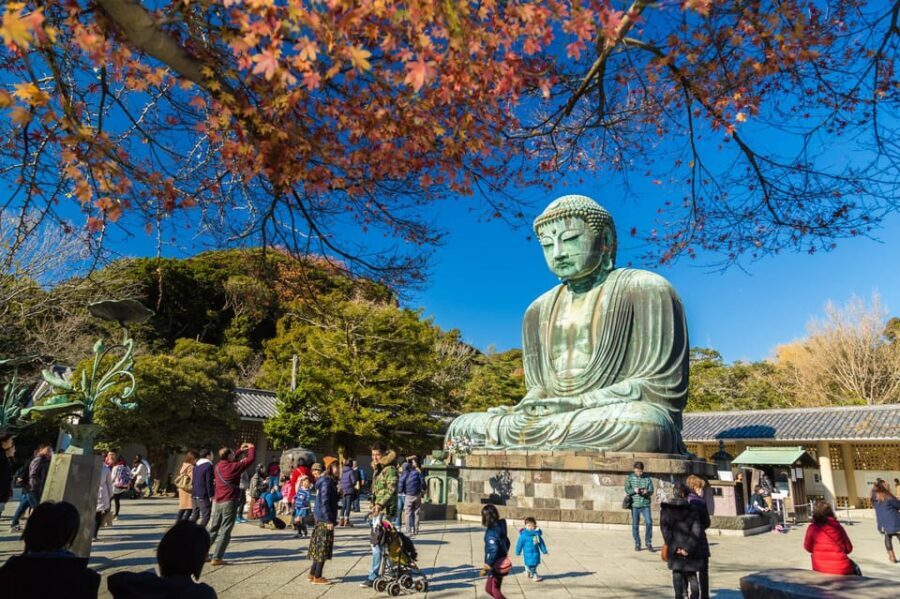
Kamakura feels like a time machine. This 8-hour Kamakura day tour from Tokyo helps you hit the right beats, starting with the Great Buddha and moving through Tsurugaoka Hachimangu without wasting time figuring out what to prioritize. I like that the guide angle is very hands-on—people such as Florent and Mike are highlighted for being friendly and passionate—and I also like the story details, like the guide explaining a Buddha with 11 heads. One possible drawback: food, temple/park admission, and some transportation costs are not included, so your total depends on what you choose to pay on the day.
In a private group, the tour can feel less rushed. You can meet the guide at your Tokyo hotel or in Kamakura to maximize your time, and the tour is listed as wheelchair accessible, though it still includes walking.
In This Review
- Quick reasons this Kamakura tour works
- From Tokyo to Kamakura: How the 8 hours are paced
- Photo stops and shopping along the way in Kamakura
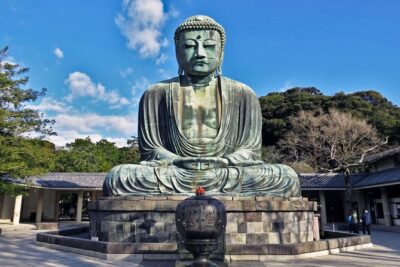
- The Great Buddha: Why the stories matter as much as the statue
- Tsurugaoka Hachimangu Shrine: A classic approach with real atmosphere
- Zen temples and garden views: What to notice on a guided walk
- Food and rest: What’s not included and how the guide helps anyway
- Price and logistics: Is $116 a good value for a Kamakura day trip?
- Who this private Kamakura tour is for (and who should skip it)
- Should you book this Kamakura full day tour from Tokyo?
- FAQ
- How long is the Kamakura full day tour?
- Where does the pickup happen?
- Is food and drink included in the price?
- Are temple and park entrance fees included?
- What languages are the live tour guides?
- Is there a cancellation policy?
Quick reasons this Kamakura tour works
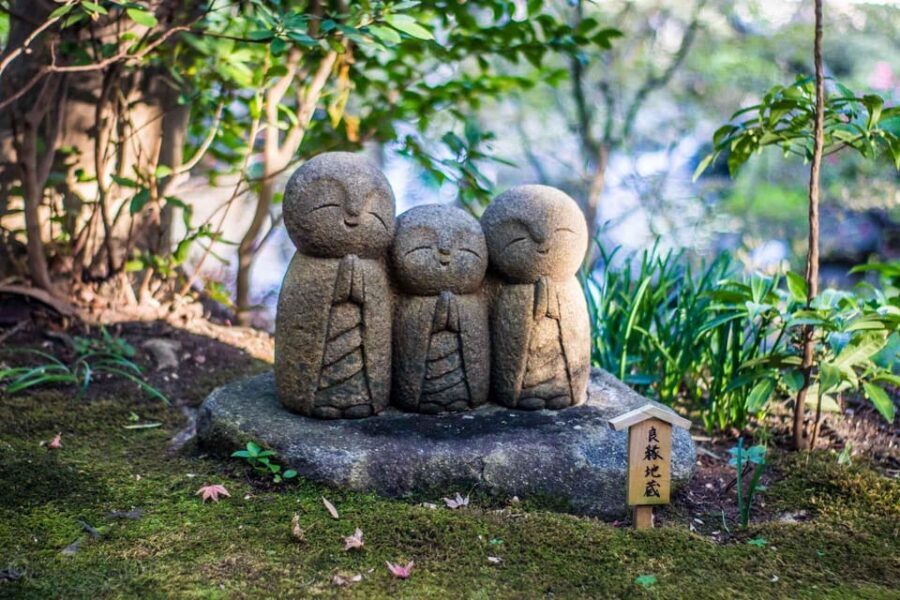
- Great Buddha plus shrine and Zen temple stops so you get the full cultural mix
- A local guide who can explain the symbols, not just point at buildings
- Photo stops and scenic walking time, not only temple-hopping
- Lunch help even though food isn’t included, with restaurant recommendations from the guide
- Private group format in English or Japanese, plus wheelchair access
From Tokyo to Kamakura: How the 8 hours are paced
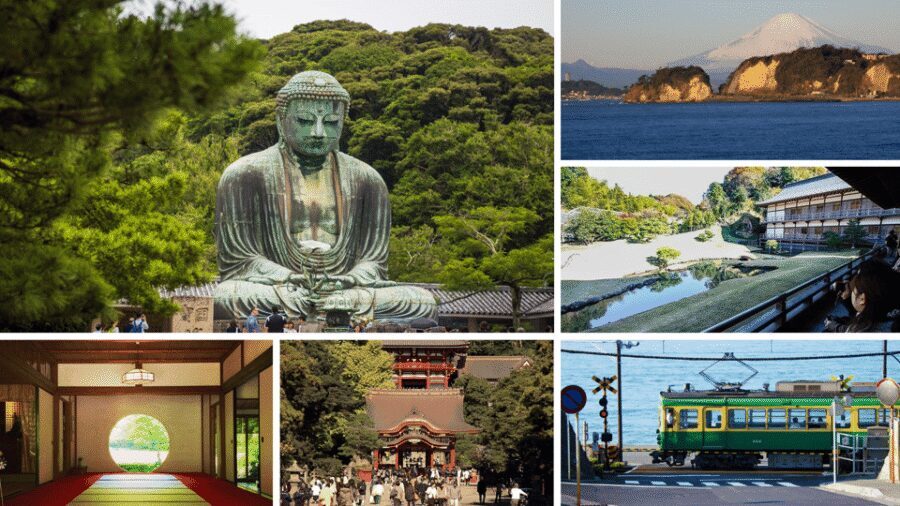
This is built as an 8-hour day, so you’ll want a mindset of good touring, not long wandering. Pickup is from Tokyo, and you can either start from your hotel or meet in Kamakura if you want to cut down transit time. That choice matters because Kamakura’s best moments are spread across walkable areas, and the route usually benefits from staying flexible once you’re there.
The tour is a walking tour, so even though it’s not described as a hardcore hike, it’s still a day on your feet. I treat tours like this as “see the highlights with context.” You get the big sights, then you can decide what extra time you want to add on your own afterward.
Also, the private format helps. In a small group, you’re less likely to feel like you’re being dragged along a line of strangers. If you ask a question, you can usually get an answer on the spot—something the guide experience is repeatedly described for.
Photo stops and shopping along the way in Kamakura
Kamakura has that coastal-city energy: temple grounds and old neighborhoods side-by-side, with little side streets that beg for a quick detour. This tour includes photo stops, sightseeing, and shopping time, which is a nice balance for a full day. It means you’re not only visiting monuments; you’re also getting a feel for the town.
The shopping portion is useful in a practical way. You can grab small souvenirs, snacks, or items you might forget later. And because the guide is local, you can ask what’s worth it and what’s just noise. One review-style detail that comes up is the guide steering people toward traditional choices for lunch and treats, which fits the vibe of “tour with advice.”
One caution: Kamakura can get busy around popular sights. The walking plan helps, but it still helps if you bring comfortable shoes and expect a crowd or two at peak times.
The Great Buddha: Why the stories matter as much as the statue
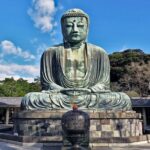
The headliner is the Great Buddha, and the tour is designed so you don’t just see it—you understand what you’re looking at. In Buddhism, the details are never random. A good guide helps you read the scene: posture, symbolism, and the cultural context that makes the statue more than a photo op.
A standout detail from the guide experience is that the day can include explanation tied to the Buddha with 11 heads. Even if you’re not chasing trivia, this kind of story focus makes the visit click. You’ll walk away remembering meaning, not just the shape of a statue.
Practical note: this stop is popular for good reason, so plan on a few photo opportunities but also plan on being patient. If you’re the type who wants the perfect shot, go early in the day if your schedule allows. If you don’t care, go with the flow and enjoy the commentary.
Also, since park and temple admission are not included, you may pay something at this stop. A good guide usually helps you estimate what to expect so you aren’t surprised.
Tsurugaoka Hachimangu Shrine: A classic approach with real atmosphere

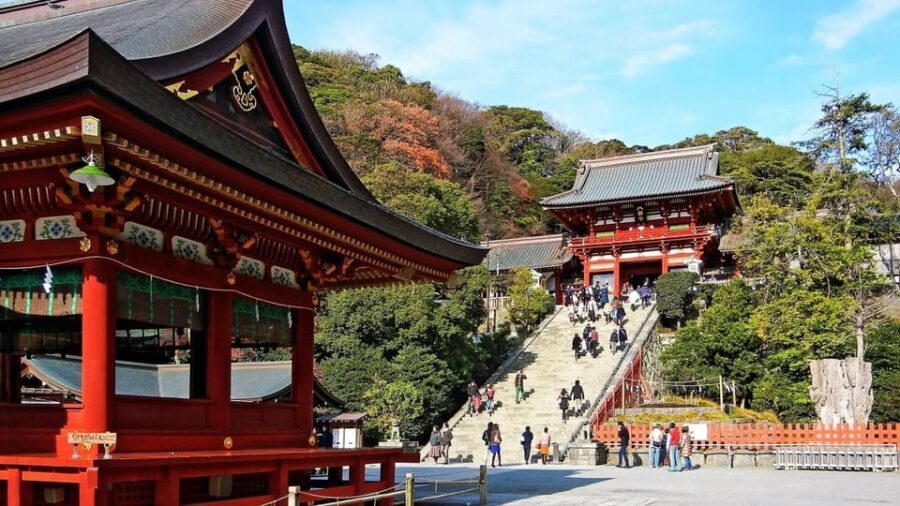
Tsurugaoka Hachimangu is the kind of shrine that rewards slow looking, even during a guided day. This part of the tour fits well because shrine visits aren’t only about architecture; they’re about the rhythm of the experience—approaching the space, noticing ceremonial features, and listening to what the guide connects to Japanese culture.
This is also where the tour’s walk-and-talk style shines. Instead of rushing through, you can learn how the shrine functions historically and culturally. That’s the difference between seeing a landmark and actually understanding why locals still treat it as meaningful.
One small downside to keep in mind: shrine approaches can mean stairs and uneven ground depending on where you stop. If you have mobility limits, the tour’s wheelchair accessibility matters, but you should still expect some terrain variation. The guide can help you find the best feasible route.
If you get along well with guides—asking questions, pointing out what you notice—this stop tends to become a highlight fast.
Zen temples and garden views: What to notice on a guided walk
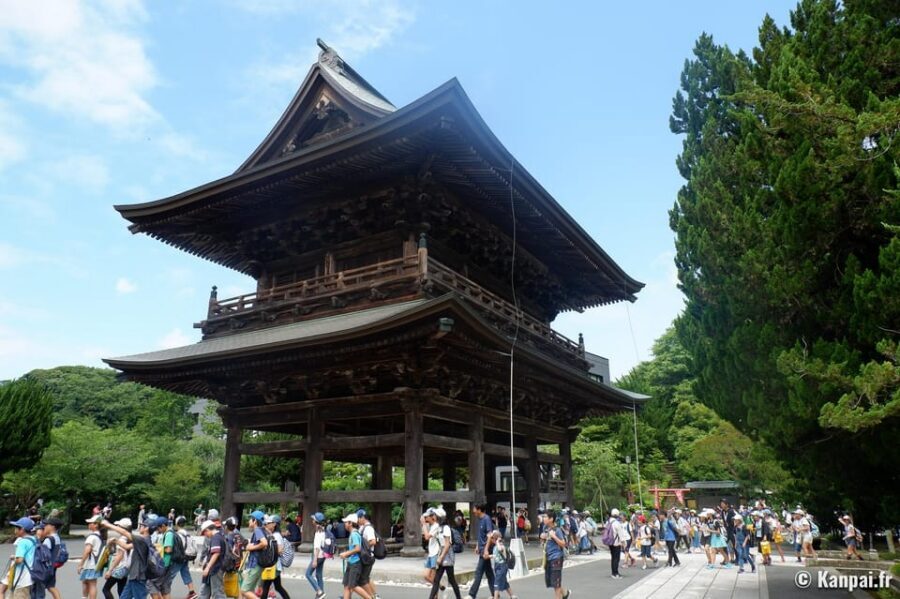
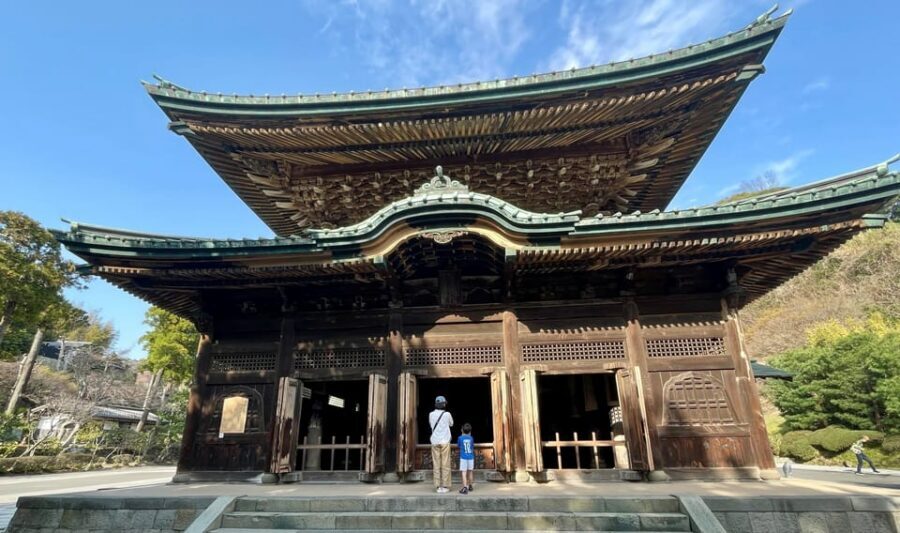
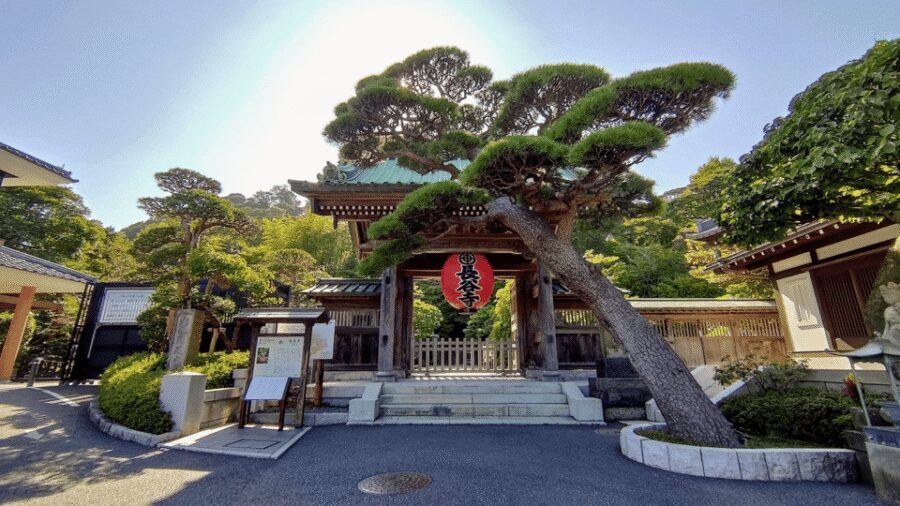
The tour also includes Zen temples and temple grounds surrounded by gardens. This is a great pairing with the shrine and the Buddha stops because it rounds out the “religion as daily atmosphere” idea. You’ll see how different traditions shape space and silence: fewer crowds in certain corners, more time for reflective looking, and a slower pace than the busy photo points.
Zen temple areas can be visually calm, but they’re not “look-only.” The guide can point out what makes the gardens and temple layout feel intentional—how nature and human design get used together. Even if you’re not a garden expert, you’ll usually come away with an eye for small details.
One caution from an overall tour consideration: some routes can include additional nearby areas that involve stairs. For example, a mention of Enoshima stair climbs shows that parts of the day can be physically demanding depending on the route your guide chooses. If stairs are a deal-breaker, it’s worth asking your guide about the plan once you meet.
Food and rest: What’s not included and how the guide helps anyway
Food and drink are not included. That sounds simple, but it affects planning. You’ll want to bring money and think about how you want to handle lunch. The good news is that the guides are repeatedly described as thoughtful about picking places that fit the day.
In the guide experience details, people note the guide guiding them to a traditional restaurant for lunch, plus small treats like matcha ice cream. Even though it’s not included, this kind of direction is often what makes the day feel smooth rather than chaotic.
A practical tip: if you have dietary restrictions, let the guide know early. Since the tour is private, you’re not stuck eating whatever is closest to the crowd. But be aware that temple areas can have limited options, so having a backup plan helps.
Also, since parks and temples admission aren’t included, you should expect a day of small payments. If you like budgeting, you’ll probably appreciate a guide who offers a heads-up on likely costs before you arrive at gates.
Price and logistics: Is $116 a good value for a Kamakura day trip?
At $116 per person for a full 8-hour day, the headline value is the local guide and walking tour. What you’re paying for isn’t transportation included everything—it’s interpretation, timing, and guidance through the key sites. That matters in Kamakura because the day can be crowded and confusing if you try to DIY it from Tokyo without a plan.
But you do need to do a small reality check. Temple and park admission aren’t included. Food and drink aren’t included. And transportation costs are not listed as included. That means your final out-the-door cost could be meaningfully higher depending on how you travel from Tokyo to Kamakura and what you choose to pay for at sites.
The best value scenario is when:
- you want a structured route with fewer decisions,
- you care about culture and meaning, not only photos,
- you’ll actually use the guide’s restaurant suggestions and practical advice.
The price can feel less “great deal” if you only want a few photos and you plan to skip most paid sites. In that case, DIY might be fine. In most cases, though, a guide reduces wasted time, and time is money when you’ve got just one day.
Who this private Kamakura tour is for (and who should skip it)
This is a private group tour, and it’s listed as wheelchair accessible. It also runs with English and Japanese guide support. In plain terms, it’s a solid option if you want one guide to focus on your group rather than merging into a big crowd.
It’s also described as not suitable for people over 95 years. That’s the kind of detail you should respect. Even with wheelchair access, a day that includes walking and temple grounds may be hard on very limited mobility.
This tour fits especially well if you’re:
- on a first trip to Kamakura and want the big cultural anchors,
- short on time and don’t want to plan the route from Tokyo,
- the type who likes hearing the stories behind what you see.
It may be less ideal if you hate stairs, dislike walking, or want a long unstructured day. This one is guided and scheduled; it’s not a free-roam hangout all day.
Should you book this Kamakura full day tour from Tokyo?
I’d book it if you want Kamakura to feel like a story, not a checklist. The combination of the Great Buddha, Tsurugaoka Hachimangu Shrine, Zen temple time, and guided explanation is a strong way to spend one day. The guide-led focus on meaning—like the Buddha with 11 heads story—makes the day more memorable than a quick self-guided photo run.
I’d think twice if you’re trying to keep costs ultra-low. Because food, admission fees, and some transportation costs aren’t included, you’ll need to budget for those add-ons. If you’re okay with that, the private format and local context are what you’re really buying.
If you do book, pack for walking, plan for possible stairs depending on the route, and come ready with questions. Guides tend to shine most when you meet them halfway.
FAQ
How long is the Kamakura full day tour?
The duration is 8 hours.
Where does the pickup happen?
Pickup is from Tokyo, and the meeting point can be your Tokyo hotel or Kamakura (tell the operator if you want to start in Kamakura to maximize your time).
Is food and drink included in the price?
No. Food and drink are not included.
Are temple and park entrance fees included?
No. Parks and temples admission are not included.
What languages are the live tour guides?
The live tour guide is available in English and Japanese.
Is there a cancellation policy?
Yes. Free cancellation is available up to 24 hours in advance for a full refund.
More Tours in Kamakura
More Tour Reviews in Kamakura
More Days by the Great Buddha
Kamakura Day Trips, compared.
 ★ 4.5Kamakura & Enoshima Day Trip including Temple TicketsFrom $581,375 reviews
 ★ 4.5From Tokyo: Kamakura & Enoshima 1-Day Bus TourFrom $66189 reviews
 ★ 5.0Kamakura Historical Walking Tour with the Great BuddhaFrom $98129 reviews
Kamakura Private Tour: Temples, Nature, and the Great BuddhaFrom $98121 reviews
Kamakura Walking Tour – The City of ShogunFrom $35100 reviews
★ 5.0Kamakura Historical Walking Tour with the Great BuddhaFrom $98129 reviews
Kamakura Private Tour: Temples, Nature, and the Great BuddhaFrom $98121 reviews
Kamakura Walking Tour – The City of ShogunFrom $35100 reviews
 ★ 5.0Kamakura 8 hr Private Walking Tour with Licensed Guide from TokyoFrom $20180 reviews
 ★ 4.1Kamakura & Enoshima Day Tour with Pickup & Train RideFrom $1361 reviews
 ★ 4.8Kamakura: Private Guided Walking Tour with Local GuideFrom $10660 reviews
Browse the lists this tour appears in