
Reviewed · KAMAKURA DAY TRIPS
Kamakura 8 hr Private Walking Tour with Licensed Guide from Tokyo
Kamakura hits hard in just one day. This private day trip from Tokyo mixes big-ticket sights like the Great Buddha with calmer temple corners, plus ocean air from Hasedera and a bamboo walk that feels like a scene change. I especially like the custom stop selection (you choose what to prioritize), and I like that you’re not stuck in a one-size-fits-all checklist.
My second favorite part is the human factor. In the best versions of this tour, guides like Taka and Shinji ask what you want before you even start, then adjust on the fly—whether that means shifting the schedule or helping with practical needs like finding a gluten-free lunch option (Taka did this for one group). The only drawback to weigh is that entrance fees and lunch aren’t included, and the day is active: it’s a walking tour using public transportation, so your 8 hours can feel full.
In This Review
- Key highlights to look forward to
- Why Kamakura is the perfect Tokyo day trip
- Customizing your 4–6 stops (and not feeling rushed)
- Starting at Tsurugaoka Hachimangu Shrine: samurai roots first
- Kotoku-in Great Buddha: the 11.4-meter photo moment
- Hasedera Temple: ocean views plus an eleven-headed Kannon
- Hokoku-ji bamboo grove: the walking stop you’ll remember
- Zen temples selection: Engaku-ji and Kencho-ji (and other hill options)
- Hiking trails and temple-hill walking: when Kamakura feels local
- Zeniarai Benten: the quick ritual stop with a memorable superstition
- Enoshima Island: coastline time after temple concentration
- Price and logistics: what $201.51 buys you in real life
- Who should book this Kamakura private walking tour
- Should you book it?
- FAQ
- How long is the Kamakura tour?
- What is the price per person?
- Is the tour customizable?
- Does the 8 hours include travel time?
- Is this a walking tour?
- Do I need to pay entrance fees?
- Is lunch included?
- Is it private?
- Do I get a mobile ticket?
- Can I cancel for a full refund?
Key highlights to look forward to
- Pick 3–4 or about 4–6 stops from the list, so the day matches your pace and interests
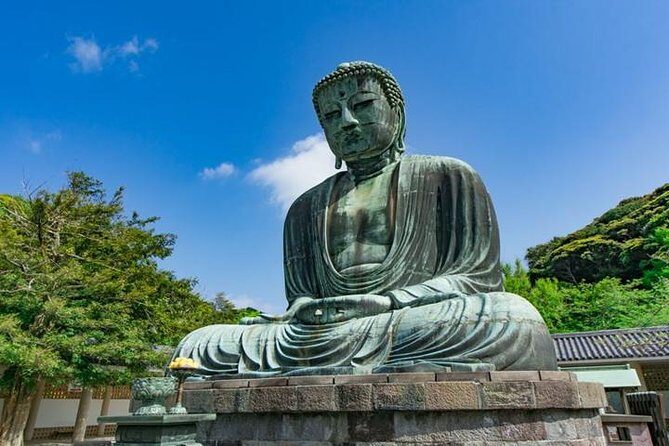
- Great Buddha at Kotoku-in: a bronze statue that towers at 11.4 meters
- Hasedera’s ocean viewpoint: plus an eleven-headed Kannon statue that’s 9.18 meters tall
- Hokoku-ji’s bamboo grove: over 2,000 bamboo stalks along narrow paths behind the hall
- Zeniarai Benten coin-washing ritual: a quick shrine stop with a fun superstition
- Enoshima by bridge: coastal scenery change without needing a separate big plan
More escapes to the Great Buddha and the coast
- Kamakura 8 hr Private Walking Tour with Licensed Guide from Tokyo★ 5.0 · 80 reviews
- Tokyo: Kamakura & Enoshima Day Tour with Pickup & Train Ride★ 4.1 · 61 reviews
- Kamakura Private & Customizable Tour – All-in-One Experience★ 5.0 · 49 reviews
Why Kamakura is the perfect Tokyo day trip
If you’re in Tokyo and want something that feels both historical and scenic, Kamakura is one of the easiest wins. It’s close enough for an 8-hour day, but it doesn’t feel like another city block-and-smile stop. The mix of Shinto shrines, Zen temples, and coastal views means you get different atmospheres in the same outing.
This tour is built for that reality. It’s not a “stand here, take photo, move on” loop. You’ll be working through a sequence of temples and viewpoints, with time set aside to actually look around. And because it’s private, the guide can keep the day moving in a way that fits your group.
One more reason Kamakura works well: the sights are spread across meaningful zones. You start in the shrine world around Tsurugaoka Hachimangu, pivot to temples (including Kotoku-in and Hasedera), then you can head toward bamboo and Zen areas, and finally add Enoshima for a coastal reset.
Customizing your 4–6 stops (and not feeling rushed)
The day is described as customizable, and you can choose between options like 3 to 4 sites or a set around 4–6 depending on what you select and how the guide plans the route. Translation: you shouldn’t expect to see everything. You’re choosing the version of Kamakura that makes sense for your interests.
Here’s how to think about choosing:
- If you love iconic “wow” moments, anchor the day with Kotoku-in (Great Buddha) and Hasedera.
- If you want a calmer, visual walk, add Hokoku-ji’s bamboo grove and one or two Zen temples.
- If you like simple, memorable rituals and quick culture hits, include Zeniarai Benten.
- If you want coast views and a change of scenery, pick Enoshima.
The guides are clearly used to this flexibility. People have specifically praised guides such as Andy and Kenji for listening first, then shaping the day so the must-dos don’t get squeezed out. That matters, because Kamakura can be busy on certain weeks, and a guide who can reorder priorities helps you stay in control of your day.
Practical tip: wear shoes you can walk in for hours. Even when each stop has a time window, temple areas often involve uneven steps, short uphill sections, and crowd navigation.
Starting at Tsurugaoka Hachimangu Shrine: samurai roots first
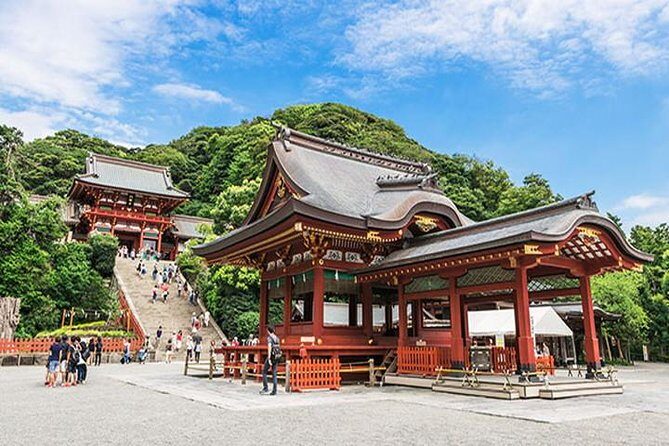
You’ll begin at Tsurugaoka Hachimangu Shrine, dedicated to Hachiman, the patron god of the Minamoto family and of samurai in general. This is a strong opening choice because it sets a historical tone right away. Even if you only stay for about 15 minutes, you’ll feel the “why Kamakura matters” context before moving on to the Buddha and temples.
What I like about starting here is how it frames the day. Kamakura isn’t just a collection of pretty buildings. It’s a place where Shinto roots and Buddhist influence overlap across centuries.
If you’re the type who likes to understand what you’re looking at, ask your guide a question right at the start. Guides often use the first stop to explain the spiritual and historical logic of what follows, so you don’t feel like you’re collecting random landmarks.
Kotoku-in Great Buddha: the 11.4-meter photo moment
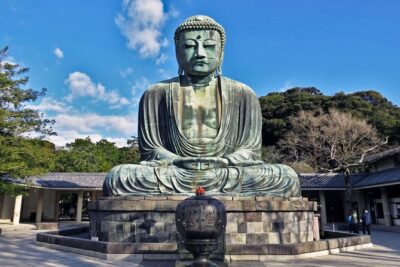
Next comes Kotoku-in (Great Buddha of Kamakura). This is the centerpiece for a reason: the bronze statue of Amida Buddha measures 11.4 meters tall. You don’t need a lecture to appreciate it, but it helps to have a guide explain what you’re seeing so the size isn’t the only takeaway.
This stop is typically short—around 15 minutes—but it’s the kind of short stop that still pays off. You’ll want a slow look from different angles and a quick pause to absorb the scale. If you’re traveling with kids, it’s one of the easiest “everyone will get it” sights.
One caution: because it’s a famous attraction, you’ll likely share the space with other visitors. A good guide helps you time your viewing so you don’t spend all your minutes waiting for the best angles.
Tokyo at walking pace, a few more ways

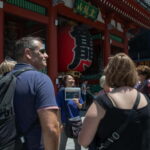
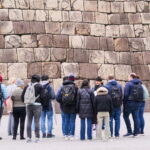
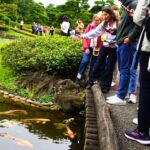
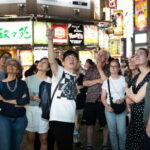
Hasedera Temple: ocean views plus an eleven-headed Kannon
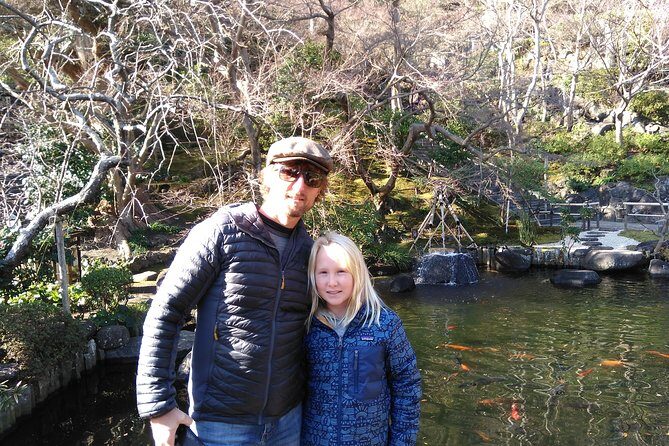
Then you shift to Hasedera (长谷寺), a Jodo sect temple known for a famous eleven-headed statue of Kannon. The gilded wooden statue is listed at 9.18 meters tall, which is a huge detail to keep in mind when you’re staring upward.
The reason Hasedera belongs in many people’s top list is the combined experience:
- You get a major sculpture moment (Kannon).
- You get a viewpoint situation—Hasedera is known as the highest point and you’ll see the ocean from up there.
Plan to spend a little time letting the view land. Even if you’re not a “views person,” the ocean framing makes Kamakura feel distinct from a typical city temple visit.
If you’re choosing only a few stops, Hasedera is one of the easiest picks because it combines art, spirituality, and scenery in one package.
Hokoku-ji bamboo grove: the walking stop you’ll remember
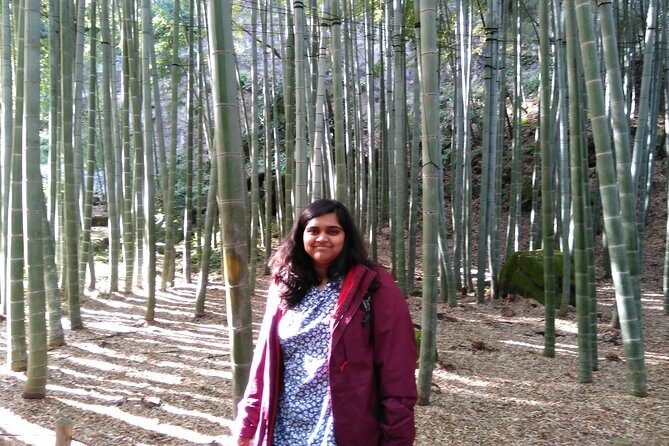
If you want one stop that feels like it changes the mood of your day, pick Hokoku-ji Temple. It’s famous for a small bamboo grove behind the main hall, with over 2,000 dark green bamboo stalks. The pathways are narrow, so you feel the bamboo close in around you as you walk.
This is also a great contrast to the Great Buddha. Where Kotoku-in is about monument scale, Hokoku-ji is about atmosphere and repetition—vertical lines, shade, and a gentle walking rhythm.
Time matters here. If you’re trying to squeeze the day, bamboo usually gets underappreciated. Give it the full window so you can wander a bit instead of treating it like a quick photo checkpoint.
Zen temples selection: Engaku-ji and Kencho-ji (and other hill options)
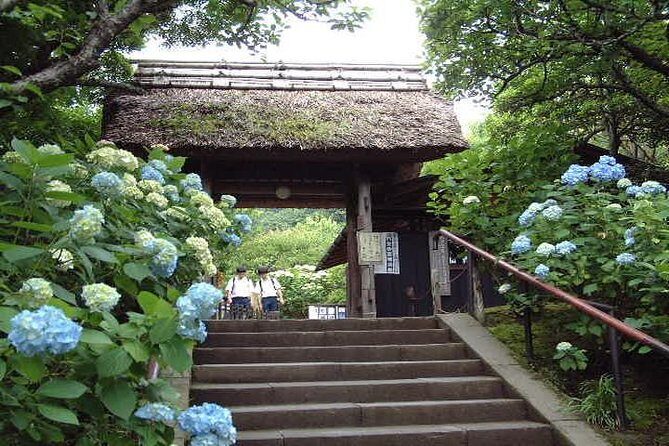
Kamakura has five great Zen temples, and this tour gives you a way to choose among them. Two of the big names:
- Engaku-ji (円覚寺): described as one of the leading Zen temples in eastern Japan and the number two of Kamakura’s five great Zen temples. It was founded in 1282.
- Kencho-ji (建長寺): described as the number one of the five great Zen temples and the oldest Zen temple in Kamakura, founded in 1253.
These stops are typically around 30 minutes, which is enough time to appreciate the temple layouts without turning your day into a march. Even when you can’t read every sign, Zen spaces often reward calm attention—wood, stone, and garden geometry work their magic when you slow down.
You’ll also see options like:
- Meigetsuin (Hydrangea Temple): known for hydrangeas.
- Jomyo-ji, Zuisen-ji, Jochiji, Tokeiji, Jufukuji: additional Zen/branch temples in the hills.
- Nichiren sites like Ankokuronji and Myohonji if you want that added variety.
Here’s the practical takeaway: don’t try to “collect” too many Zen temples just because they’re all famous. Pick one or two. Then add a different type of stop—like Zeniarai Benten or Enoshima—to break up the spiritual rhythm.
Hiking trails and temple-hill walking: when Kamakura feels local
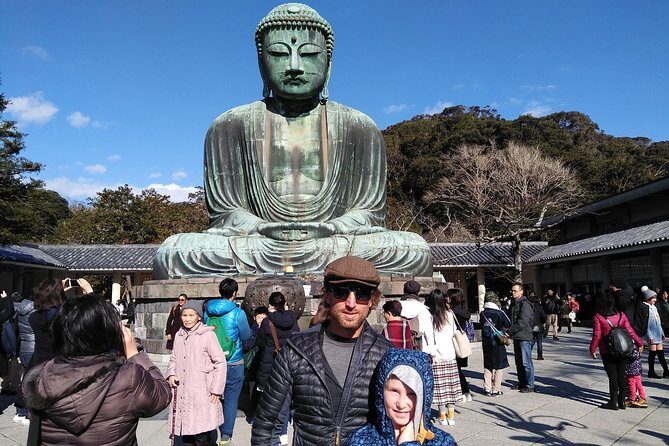
One option in the day is Kamakura Hiking Trails, about an hour, described as attractive routes through woods along the hills connecting temples. Kamakura sits between ocean and wooded hills, so walking trails help you experience that geographic reality instead of only seeing the most famous sites.
This is also where you start to feel like you’re moving through the place, not just touring it. If you’re a fit walker and you like outdoor pacing, the hiking segment can be a highlight.
If you’re on limited mobility or you hate slippery steps, you can still keep a temple-heavy day without the longer trail portion. Since this is customizable, you can choose a version that matches your comfort.
Zeniarai Benten: the quick ritual stop with a memorable superstition
For a short, fun cultural moment, include Zeniarai Benten Shrine. The key detail: people wash their money in the spring here—coin washing—because it’s said that money washed at the shrine will do something along the lines of bringing doubling fortune.
Even if you don’t treat it as a serious ritual, it’s a very “Japan makes tradition feel physical” moment. It turns abstract belief into an action you can watch, and you’ll likely see people doing it with a kind of calm focus.
Time is around 30 minutes, but it doesn’t have to be the longest part of your day. It’s more like a pause that adds color to the itinerary.
Enoshima Island: coastline time after temple concentration
Finally, you can add Enoshima Island, a short train ride west of Kamakura. The island is described as pleasantly touristy and connected by bridge, with a shrine and other attractions.
This stop matters because it changes the visual tone. After temples and stone paths, Enoshima gives you sky, water, and a different walking vibe. It’s a good way to avoid ending the day feeling like your feet only visited “holy places.”
If your day feels too temple-heavy in your head, swap one Zen option for Enoshima. That one adjustment can make the day feel more balanced.
Price and logistics: what $201.51 buys you in real life
At $201.51 per person for an approximately 8-hour private outing, you’re paying mainly for:
- A licensed local English-speaking guide
- A customizable plan you can steer based on your group
- Use of public transportation with travel time included in the day’s hours
- Private access so it’s only your group
What’s not included is also important for value math: transportation fees, entrance fees, lunch, and personal expenses. So your all-in day cost can rise depending on what you choose and how you eat.
Still, for many people this price is a win because you’re not spending that time doing guesswork with trains and transfers plus figuring out which temples fit together. Guides have been praised specifically for handling Tokyo-to-Kamakura transportation complexity and keeping the flow smooth through trains and buses.
Also: this is a walking tour, and pickup is on foot within a designated area in Tokyo. Many groups report the guide meeting them in their Tokyo hotel area, which can reduce friction on both ends of the trip.
Who should book this Kamakura private walking tour
This works best if you want:
- A one-day Kamakura plan that stays flexible
- A private guide who can adjust based on what you care about (and who listens, like Taka asking what you want)
- A mix of big sights and smaller stops, including bamboo, ocean views, and a ritual shrine
It may not be ideal if you:
- Want a very long, slow day without public-transport movement (this one includes travel time and is walking-heavy)
- Plan to see everything on the list. You’ll need to choose.
If you’re traveling with older adults or someone with dietary restrictions, it’s worth asking early. Guides like Taka have reportedly gone out of their way to find a gluten-free meal, which is the kind of problem-solving that turns a tour into a service.
Should you book it?
Yes, if your goal is a focused Kamakura day with guidance doing the planning math for you. The strongest version of this tour is built around your choices—anchoring classics like the Great Buddha and Hasedera, then adding bamboo, Zen, or Enoshima based on how your group feels.
I’d book when you value:
- Clarity (what to see and in what order)
- Efficiency (handled transit and timing)
- Atmosphere variety (Buddha scale, bamboo quiet, ocean air)
I’d think twice if you’re hoping for a totally free-form day where you wander with zero structure. This tour has structure, it just gives you a hand on the steering wheel.
FAQ
How long is the Kamakura tour?
The tour is listed as approximately 8 hours.
What is the price per person?
It’s $201.51 per person.
Is the tour customizable?
Yes. You can choose your preferred stops, described as selecting between 3 to 4 sites, and also as choosing 4–6 sites from the options.
Does the 8 hours include travel time?
Yes. Travel time is included in the tour hours, and travel is done by public transportation.
Is this a walking tour?
Yes. It’s a walking tour, and pickup is on foot.
Do I need to pay entrance fees?
Entrance fees are not included. The guide’s entry fees are only covered for sights listed under what to expect.
Is lunch included?
No. Lunch is not included.
Is it private?
Yes. It’s a private tour/activity, and only your group participates. You cannot combine multiple tour groups.
Do I get a mobile ticket?
Yes. A mobile ticket is included.
Can I cancel for a full refund?
Free cancellation is available up to 24 hours in advance for a full refund.
More Tours in Tokyo




More Tour Reviews in Tokyo




More Days by the Great Buddha

Fresh reviews from around Tokyo






Kamakura Day Trips, compared.
 ★ 4.5Kamakura & Enoshima Day Trip including Temple TicketsFrom $581,375 reviews
 ★ 4.5From Tokyo: Kamakura & Enoshima 1-Day Bus TourFrom $66189 reviews
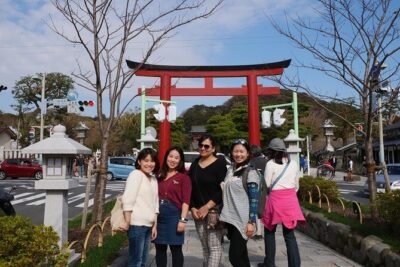 ★ 5.0Kamakura Historical Walking Tour with the Great BuddhaFrom $98129 reviews
Kamakura Private Tour: Temples, Nature, and the Great BuddhaFrom $98121 reviews
Kamakura Walking Tour – The City of ShogunFrom $35100 reviews
★ 5.0Kamakura Historical Walking Tour with the Great BuddhaFrom $98129 reviews
Kamakura Private Tour: Temples, Nature, and the Great BuddhaFrom $98121 reviews
Kamakura Walking Tour – The City of ShogunFrom $35100 reviews
 ★ 4.1Kamakura & Enoshima Day Tour with Pickup & Train RideFrom $1361 reviews
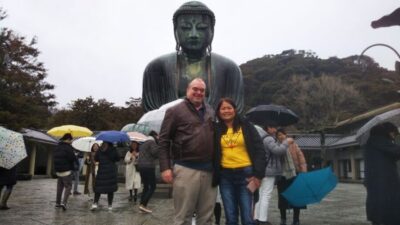 ★ 4.8Kamakura: Private Guided Walking Tour with Local GuideFrom $10660 reviews
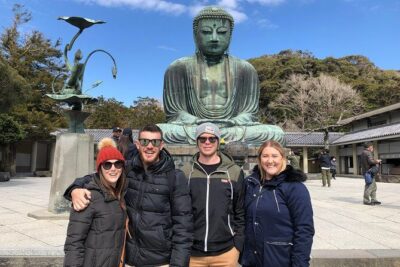 ★ 5.0Kamakura 4hr Private Trip with Government-Licensed GuideFrom $10858 reviews
Browse the lists this tour appears in