
Reviewed · TSUKIJI FISH MARKET TOURS
Tokyo: Tsukiji Fish Market Guided Walking Tour
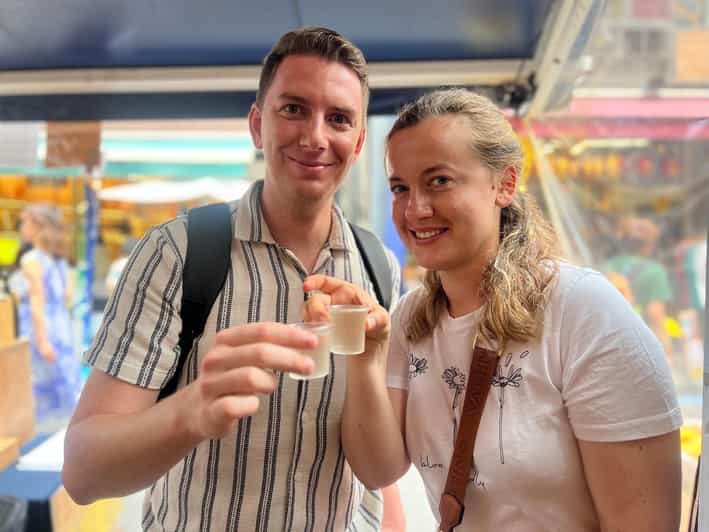
Tsukiji hits hard in the best way. This small-group Tokyo tour pairs a calm temple intro at Tsukiji Hongwan-ji with hands-on food shopping in the Outer Market, where your guide helps you find the bites that make Tsukiji famous. I especially like that you get a local perspective fast, and you can follow along even if you are not a seafood person.
My second favorite part is how the guide keeps the market from feeling like a maze. Guides such as Jim, Rie, and Nicolas are praised for pointing out exactly where to go and what to order, plus helping you decide as you walk. One thing to plan for: food and drinks are not included, so you will want cash and a realistic snack budget on top of the ticket price.
You are also not just walking and hoping. Entry is covered for the market area and Hongwan-ji Temple, photos are included, and the tour runs about 2 hours with an English-speaking guide. If you want a guided hit of Tokyo food culture without spending an all-day commitment, this is a strong match.
In This Review
- 6 Things You’ll Like Right Away on a Tsukiji Guided Walk
- Why This Tsukiji Walk Works (Even If You Land in a Crowded Market)
- Tsukiji Hongwan-ji Temple Stop: A Calm Start Before the Food Push
- Outer Market Street Food: Exactly How the Tasting Side Works
- What the Guide Actually Adds: Less Guessing, Better Ordering
- A Quick Reality Check on Budget: The Tour Ticket Is Only Part of the Meal
- Time, Crowds, and Comfort: How to Make the Most of 2 Hours
- Which Kind of Guide Should You Look For?
- Should You Book This Tsukiji Fish Market Guided Walking Tour?
- FAQ
- How long is the Tsukiji Fish Market guided walking tour?
- What is the price per person?
- Is the tour in English?
- What group size is this tour?
- Where do I meet the guide?
- What is included in the price?
- Are food and drinks included?
- What should I bring?
- Is it refundable if I cancel?
- Is there an option to pay later?
6 Things You’ll Like Right Away on a Tsukiji Guided Walk
- Tsukiji Hongwan-ji first, then food so you get context before you start sampling
- English live guide + small group (up to 10) for a less stressful experience
- Outer Market stall navigation so you do not waste time guessing
- Order what you want, not a set menu (handy for preferences)
- Photos taken during the tour so you do not miss moments while eating
- Cash in hand makes it easier when queues form at popular stalls
Still hungry? More Tsukiji breakfasts and market walks
- Tokyo Tsukiji Fish Market Food and Culture Walking Tour★ 5.0 · 3,184 reviews
- Tokyo: Tsukiji Fish Market Food and Walking tour★ 5.0 · 1,724 reviews
- Tokyo: Tsukiji Fish Market Guided Walking Tour★ 4.9 · 1,397 reviews
Why This Tsukiji Walk Works (Even If You Land in a Crowded Market)
Tsukiji Outer Market can feel like sensory overload fast: lines, smells, sizzling grills, and people moving in every direction. The value of a guided walk is not that it makes the market less crowded. It makes it less confusing.
You meet at a very clear landmark: the Starbucks in front of Tsukiji Station, with the guide standing by the bench. That matters. In a place like this, finding your group is half the battle. Once you start moving, the guide keeps you pointed in the right direction and helps you make decisions quickly—especially when multiple stalls are selling similar-looking snacks.
The tour lasts 2 hours. That time box is useful. You get enough stops to taste and learn without turning your morning into a full-on marathon. With a group size capped at 10, you are less likely to get lost behind larger crowds, and you can actually hear explanations.
Tsukiji Hongwan-ji Temple Stop: A Calm Start Before the Food Push
You begin at Tsukiji Hongwan-ji, a temple stop built into the tour for more than sightseeing padding. It is a quick intro (about 15 minutes), but it sets the tone for what you are about to see.
Why I think this is smart: Japanese food culture is tied to ritual, seasons, and daily life—not just taste. The temple visit gives you something to hold onto while you later walk through stalls selling seafood, dried goods, spices, and sweets. The experience also breaks up the crowd pressure. Before you hit the Outer Market, you get a short pause where you can see the site’s carvings and take in the serene interior.
In the feedback, guides are often praised for explaining the temple clearly and pointing out details. If you like culture that actually connects to your food stops, this opener is a big part of the appeal.
Outer Market Street Food: Exactly How the Tasting Side Works
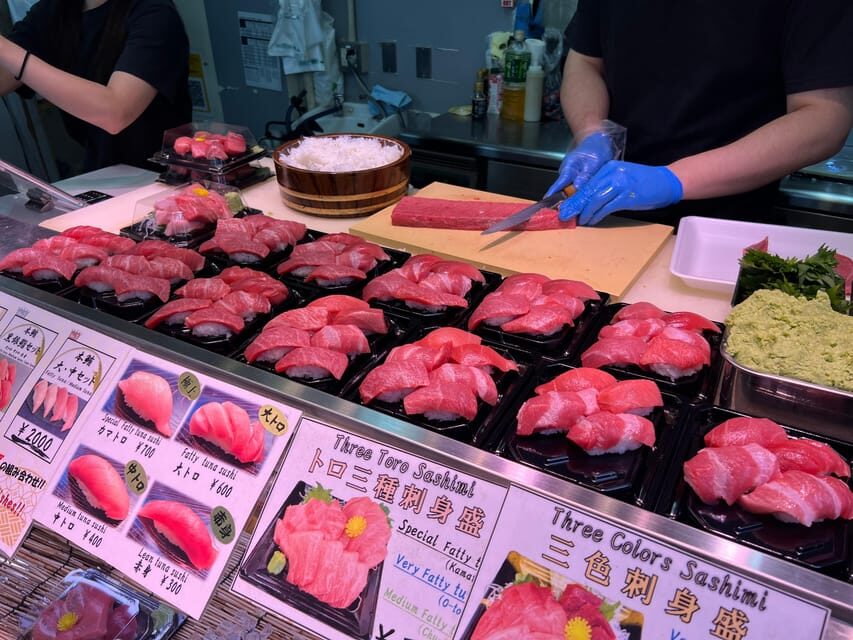
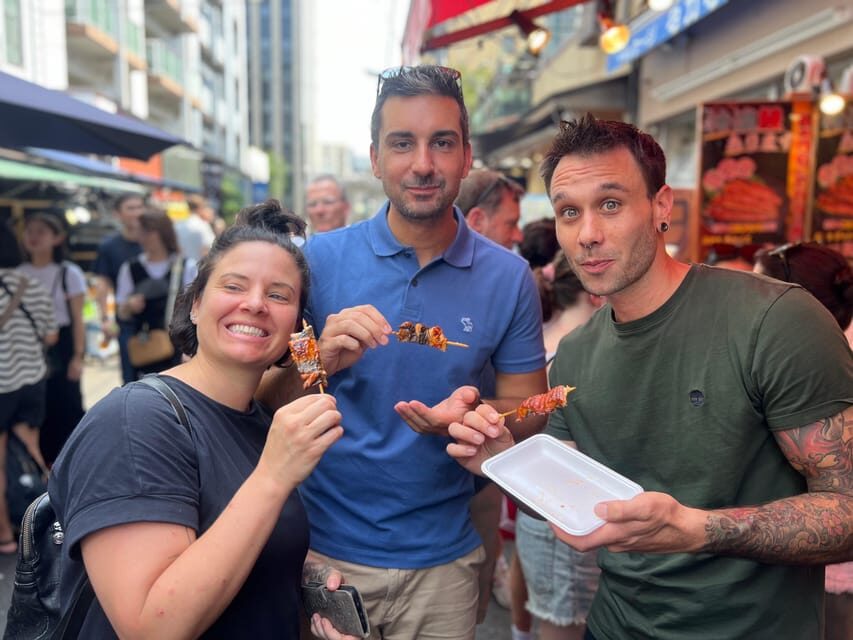
After the temple, the tour shifts into what most people come for: the Tsukiji Outer Market. This is where stalls overflow with ingredients and ready-to-eat bites. You will spend about 50 minutes in the market block, and the schedule keeps you moving through multiple stops so you get variety instead of repeating the same few flavors.
Here is the practical part: food and drinks are not included, so you will order items at the stalls. The guide’s job is to help you choose and navigate fast. Many guides also help with what to look for—like standout types of sushi, wagyu beef, unagi eel, eggs (tamago), and classic market sweets.
From what you can reasonably expect to encounter in this area, you might see or sample things such as:
- seafood-focused bites (sushi, oysters, sea urchin, and other fish-based snacks)
- meat and egg options (wagyu beef skewers, tamago, and other non-seafood-friendly choices)
- sweet and drinkable treats (matcha-style items and desserts)
- ingredient staples (dried goods and spices that show how Japanese cooking builds flavor)
One very reassuring detail from the experience pattern: even people who do not like seafood have reported finding great non-seafood options with their guide. The market is not only raw fish. It is also eggs, beef, sweets, and dried pantry products.
If you are curious, the guide often points out how different ingredients are used. That is one of the ways the tour goes beyond eating and turns into actual food learning—without becoming a lecture.
What the Guide Actually Adds: Less Guessing, Better Ordering
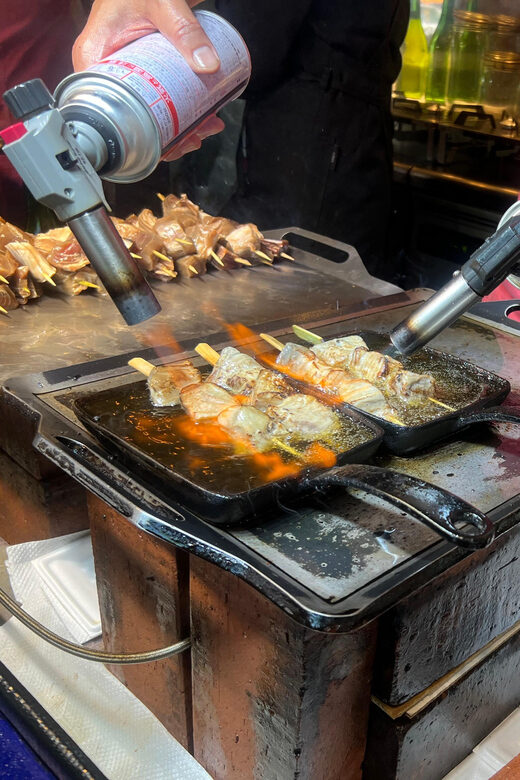
In Tokyo markets, you can absolutely wander alone. The problem is time. You will not know which stalls are worth lining up for, and you might miss the ingredients that match your tastes.
This tour solves that with human navigation:
- The guide picks key stall stops instead of making you choose from hundreds of options.
- The guide helps explain what you are looking at—different cuts, different seafood types, and different specialty ingredients.
- You get options at each stop, so you can pick what sounds good instead of being forced into one predetermined menu.
That approach is also useful for people with preferences. Since you order what you want at the stalls, you are not locked into a single tasting format. Some guides even help with payments smoothly as you move from stall to stall, which keeps the line energy from turning into stress.
Also, you are not just left with choices. You are typically told what to try first. That is a big deal when everything looks delicious and you only have a couple of minutes at each station.
Tokyo at walking pace, a few more ways

A Quick Reality Check on Budget: The Tour Ticket Is Only Part of the Meal
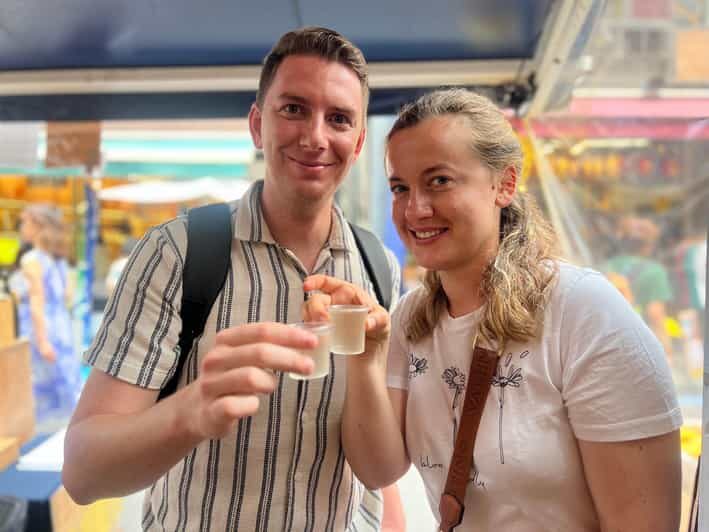
The price is $22 per person for a 2-hour guided walk, small group size up to 10, photos included, and entry coverage for the market area and Hongwan-ji Temple. That is strong value for the guidance portion alone.
But you should plan for extra spending on food and drinks. Since food is not included, your final cost depends on how many stalls you sample and what you choose. If you treat it like a serious tasting—multiple bites across categories—your cash budget will rise quickly. If you keep it to a few items plus snacks, you can keep it more controlled.
The best strategy is to decide your style before you arrive:
- If you want a wide sampler, budget for more stops.
- If you want one or two standout items, focus on the guide’s top picks and skip duplicate categories.
Also, bring cash. The tour explicitly asks for it, and market lines move fast. Having cash ready helps you avoid holding up your group (and your own momentum).
Time, Crowds, and Comfort: How to Make the Most of 2 Hours
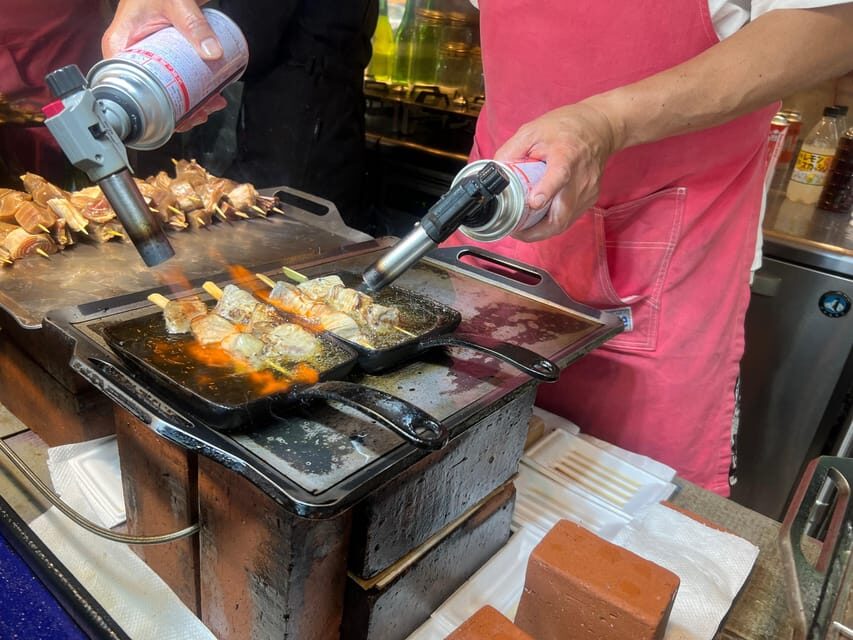
Two hours sounds short until you are in a market. You walk a bit, pause for temple photos and explanations, then keep moving through Outer Market stalls. The crowd pressure is real, and you will stand while you eat and while you listen.
So do these small things before you go:
- Wear comfortable shoes you trust for uneven indoor/outdoor surfaces.
- Expect to stand. Bring a light jacket if you run cold easily.
- Keep your phone accessible for the photos, since the tour includes photo-taking during the walk.
There is also a smart tip from how guides operate: they help you avoid dead-end wandering. If you are arriving later in the morning, you might still get a great experience, but morning energy tends to make the guide’s navigation even more valuable.
Which Kind of Guide Should You Look For?
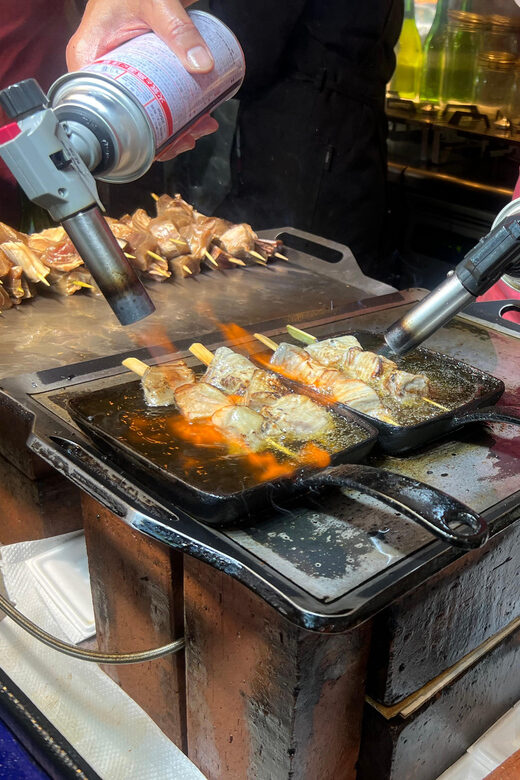
This tour is built around live English guides, and the feedback shows real personality differences in how people describe them. That means your experience can feel different depending on who you get.
If you end up with a guide like Jim, you are likely to get strong history-and-culture framing alongside food stops. If you end up with someone like Rie or Yayoi, you may get extra emphasis on market navigation and practical ordering help. If your guide is Nicolas or Haydn, you might notice the temple explanation and a careful route through stalls, with recommendations based on what is worth it right now.
The consistent theme across named guides is that the guide is not just walking with you. They are guiding: where to go, what to order, and what to watch for while you are standing in line.
You should still pick the tour because of the structure (temple + Outer Market) and the small-group format. The guide adds the flavor.
Should You Book This Tsukiji Fish Market Guided Walking Tour?

If your goal is a Tokyo food experience with direction, I think you should seriously consider booking. This is especially worth it if:
- you want help navigating Tsukiji without wasting time
- you want both food and culture (not just a random snack crawl)
- you like the idea of ordering what you want at each stall
- you are traveling with limited time and want a focused 2-hour hit
I would hesitate only if:
- you prefer fully self-guided experiences and dislike making decisions on the fly
- you hate the idea of eating in a crowded, standing-focused environment
- you are extremely tight on budget, since food and drinks are extra
FAQ
How long is the Tsukiji Fish Market guided walking tour?
The tour lasts 2 hours.
What is the price per person?
It costs $22 per person.
Is the tour in English?
Yes. The guide provides a live English tour.
What group size is this tour?
It is a small group, limited to 10 participants.
Where do I meet the guide?
You meet your guide at the Starbucks located in front of Tsukiji Station. The guide stands in front of the bench at Starbucks.
What is included in the price?
Included are the guided walking tour, photos taken during the tour, entry to Tsukiji Fish Market/Fish Market, and entry to Hongwanji Temple (noting that entry fees are free).
Are food and drinks included?
No. Food and drinks are not included, and you order what you want at the stalls.
What should I bring?
Bring cash.
Is it refundable if I cancel?
You can cancel up to 24 hours in advance for a full refund.
Is there an option to pay later?
Yes. There is a reserve now & pay later option.
More Tours in Tokyo





More Tour Reviews in Tokyo




Back to the Market: More Tsukiji Tours


Fresh reviews from around Tokyo






Tsukiji Fish Market Tours, compared.
 ★ 5.0Tokyo Tsukiji Fish Market Food and Culture Walking TourFrom $993,184 reviews
 ★ 5.0Tsukiji Fish Market Food and Walking tourFrom $301,724 reviews
 ★ 5.0Tokyo Sushi Making Class in Tsukiji with Professional ChefFrom $491,177 reviews
 ★ 5.0Tsukiji Fish Market Guided Tour and Sushi Making with Pro ChefFrom $104775 reviews
★ 4.7Tsukiji Fish Market Food and Culture Walking TourFrom $96757 reviews
★ 5.0Tsukiji Fish Market Guided Tour and Sushi Making with Pro ChefFrom $104775 reviews
★ 4.7Tsukiji Fish Market Food and Culture Walking TourFrom $96757 reviews
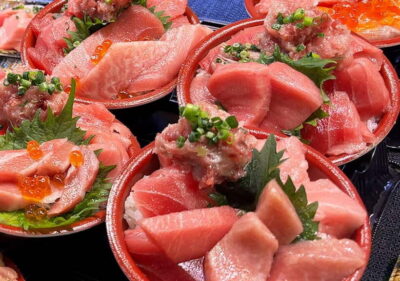 ★ 5.0Tsukiji Fish Market: Street Food & Culture Walking TourFrom $33669 reviews
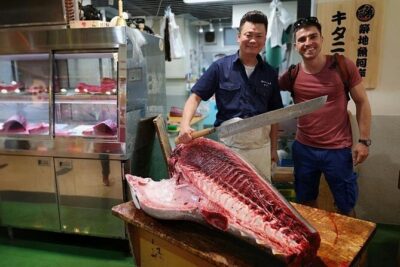 ★ 5.0Tsukiji Fish Market Small-Group Food Walking TourFrom $87621 reviews
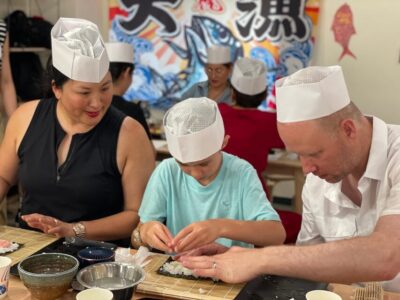 ★ 4.9Tsukiji Fish Market Sushi Making Class with Pro ChefFrom $63506 reviews
Browse the lists this tour appears in