
Reviewed · MT FUJI DAY TRIPS
Tokyo Mt. Fuji Hakone Shrine, Owakudani, Lake Yamanakai Day Tour
Hakone’s volcanic belt is the main character on this Tokyo day trip, and it moves fast—in a good way. You start with Hakone Shrine and the lake torii, then ride up toward the crater at Owakudani, with classic photo stops at Lake Yamanaka and Oshino Hakkai. It’s built for an 8-hour stretch, with a mobile ticket and a max group size of 15, so you don’t feel swallowed by a huge crowd.
I like two things right away: you get time in the open air at each viewpoint (so you’re not just riding and rushing), and you can fit in optional local bites like Owakudani black eggs at your own pace. The day also balances iconic sights with enough breathing room that you can actually look up and enjoy what you’re seeing.
One possible drawback: weather rules this route. If it’s raining, windy, or socked in, Mount Fuji views can shrink fast, and the day can feel tighter because you’re moving between multiple areas in one go.
In This Review
- Key highlights at a glance
- How this day tour actually plays out from Tokyo
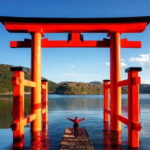
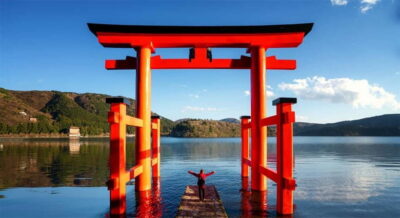
- Hakone Shrine and Lake Ashinoko: the torii view you came for
- Hakone Ropeway and the ride toward Owakudani’s crater views
- Owakudani Valley: black eggs and the real smell of the volcano
- Lake Yamanaka Shiratori-hama: swans, Fuji framing, and fast photo timing
- Oshino Hakkai: eight springs and Fuji reflections
- Price and what $76.96 gets you (and what it doesn’t)
- Getting the most from a long day: pace, shoes, and cash
- A quick word on guide experience
- Should you book this Hakone–Fuji–Oshino day tour?
- FAQ
- How long is the Tokyo to Mt. Fuji Hakone Owakudani day tour?
- Does the tour run every day, and is there a group minimum?
- What’s included in the tour price?
- Are meals included?
- Are Mount Fuji views guaranteed?
- Can I bring luggage?
- What is the cancellation policy?
Key highlights at a glance
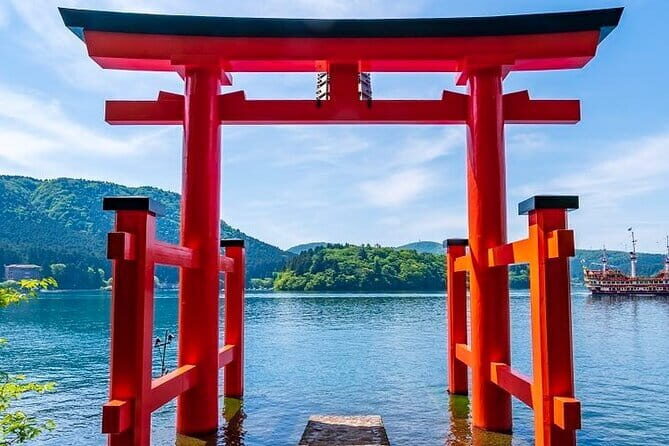
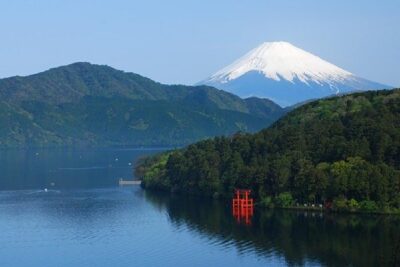
- Hakone Shrine’s torii on Lake Ashinoko: a signature red landmark with Fuji in the distance when conditions cooperate
- Ropeway segment included: the cable ride on the Hakone-to-Owakudani course shortens the day and boosts the views
- Owakudani crater area time: a walking-friendly stretch where you smell the heat and see the volcanic remains
- Lake Yamanaka Shiratori-hama swan photos: friendly swans that make the classic Fuji-and-birds frame realistic
- Oshino Hakkai springs: eight Fuji-fed ponds and rippling reflections that draw photographers
Other routes to the mountain, compared
- Mt Fuji & Hakone Cruise, Drum Show Bullet Train 1 Day from Tokyo★ 4.0 · 7,413 reviews
- Tokyo Mt Fuji 5th St & Hakone Cruise Bus Tour w/Bullet Train★ 4.4 · 5,024 reviews
- From Tokyo: Mount Fuji Full-Day Sightseeing Trip★ 4.5 · 4,970 reviews
How this day tour actually plays out from Tokyo
This is a one-day loop built around the Hakone-to-Fuji region, starting in Tokyo and returning the same day. The total duration is about 8 hours 20 minutes, and the schedule counts travel time plus lunch time within the remaining hours (meals are not included). Expect a bus-style rhythm: get on, get off, and use the free time well.
The tour runs daily with a minimum of 4 people to proceed, and it caps at 15 travelers, which usually helps the timing. You’ll receive a departure reminder email the night before with your pick-up time and vehicle registration number. You won’t chase your guide down; you meet the bus at the specified spot.
If you’re trying to pack light, you’re in luck. This is a day trip, and the operator notes it’s not recommended to bring luggage. If you must, there’s a limit of 1 luggage per person, and extra charges can apply if luggage isn’t noted or if there’s more than one piece.
Hakone Shrine and Lake Ashinoko: the torii view you came for
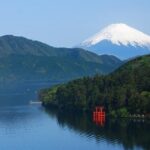
Your first stop is Hakone Shrine and the Hakone torii on Lake Ashinoko, with about 80 minutes including free time. Lake Ashinoko is a volcanic lake in Hakone, and the red torii standing in the water is one of the easiest ways to orient yourself in this area. It’s also a viewpoint where Mount Fuji can appear in the distance, so this tends to be your first “is the sky cooperating?” moment of the day.
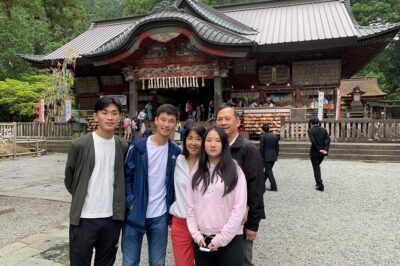
Hakone Shrine itself traces its origin back to 757, linked to early mountain worship on Hakone Mountain. The shrine is associated with good-luck themes that are very specific to everyday life: traffic safety, wish fulfillment, success in love, and getting rid of misfortune. That matters for how you experience it. You’re not just taking a picture; you’re entering a place people treat as practical and personal.
Practical tip: wear something comfortable for walking around the shrine grounds and look for spots where you can glance across the lake. If you only get one quick Fuji look today, this is often where you’ll want it.
Hakone Ropeway and the ride toward Owakudani’s crater views
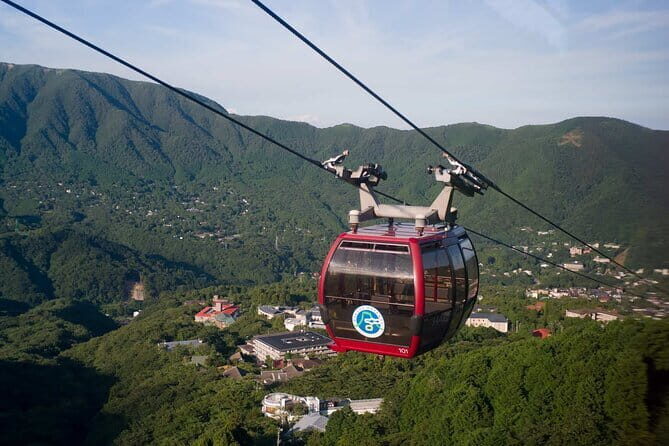
Next up is the Hakone Ropeway, specifically the Togendai to Owakudani course segment, included in the fee. The ride itself is about 30 minutes, and it’s the kind of transit that turns into a viewing platform.
This route is designed around the crater landscape. The best views are typically between the two ropeway sections near Owakudani, with Mount Fuji visible from certain angles when visibility is good. Even if Fuji is hiding, you still get the “Hakone is volcanic for real” feeling—steep slopes, steam pockets, and that crater-lake context that’s hard to fake.
If it’s windy or stormy, cable access can become tricky in Japan’s mountain regions. One key thing to plan for is that your day is scheduled as if the views will happen. If they don’t, you’ll still see the volcanic area, but expect more time spent watching weather instead of fireworks.
Owakudani Valley: black eggs and the real smell of the volcano
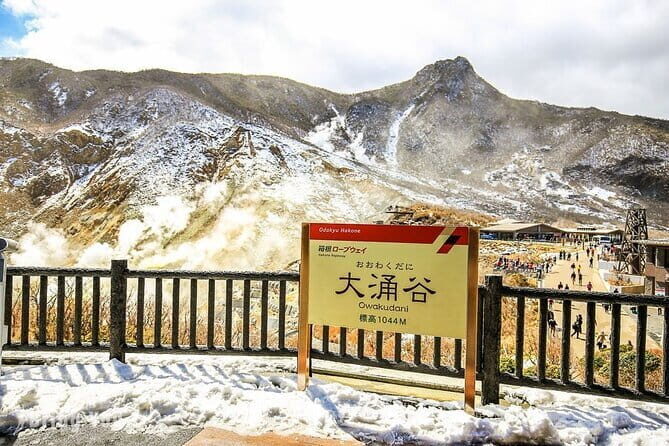
Owakudani is the emotional center of the tour. You’ll have about 50 minutes for the crater valley area, and the admission for this stop is free. Owakudani is known as a “big hell” zone because the spring water here is poisonous. That sounds intense, but it’s also part of why the scenery feels so distinct: you can sense the heat and see the remnants of the volcanic activity that shaped Hakone over centuries.
The walk isn’t a big hike, but it’s enough to stretch your legs. The route from the Nature Research Trail entrance took around 15 minutes in one described experience, and there’s a small place to grab Tamago Tea House style treats where smoke rises near your path. You also have the famous food option: black eggs, which you can buy at your own expense.
Here’s how I’d approach this stop: treat it like a sensory stop. Look around, smell the steam, then decide if you want the egg experience while it’s still fresh in your mind. And because it’s a volcanic zone, dress for comfort—if you’re in rain, you’ll want shoes that grip on damp paths.
More Hakone loops, ropeways and lake crossings
Lake Yamanaka Shiratori-hama: swans, Fuji framing, and fast photo timing
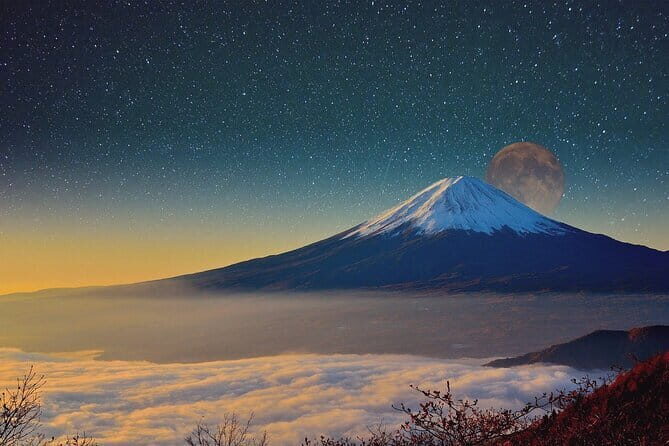
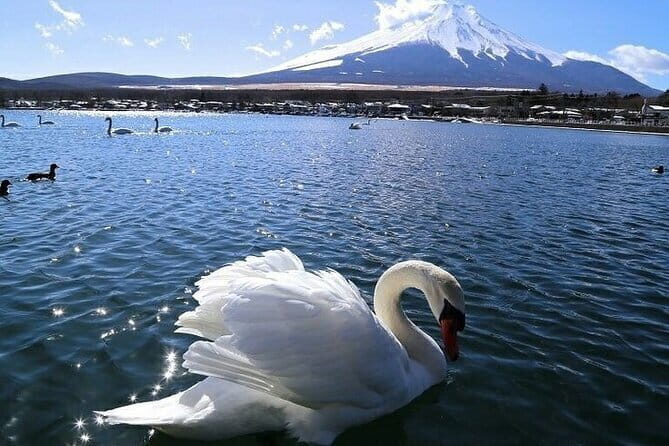
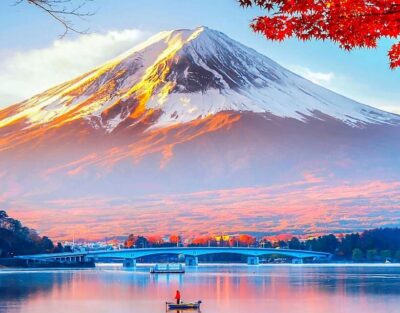
After Owakudani, you’ll head to Lake Yamanaka, one of the Fuji Five Lakes. Your stop is about 20 minutes at Shiratori-hama, named for the swans that gather there. The swans can be surprisingly friendly because visitors often feed them, which is part of why this is such a popular photo spot.
The “why” behind the quick timing: this stop is built for the classic frame—swan and Mount Fuji in the same view. In good conditions, you can line yourself up for that shot without turning it into a half-day detour.
If the wind is strong or the skies are gray, adjust expectations. A lake reflection can still look good even without Fuji in full view, but the whole point is that Fuji might be a background hero. Use the time for positioning. Once you’ve found a decent angle, hold your spot and shoot a few rounds instead of constantly moving.
Oshino Hakkai: eight springs and Fuji reflections
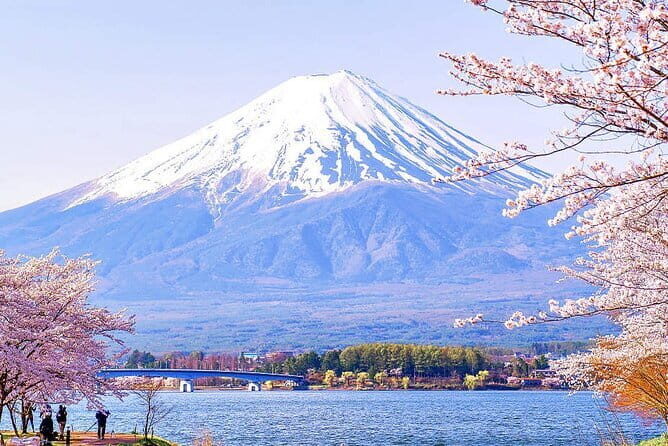
Your final major scenic stop is Oshino Hakkai, with about 40 minutes. This is where you’ll see the springs formed by Mount Fuji snowmelt traveling through layers underground. Oshino Hakkai is made up of eight springs, and it’s known for how the water catches light with Mount Fuji reflected above the ponds.
This is also a spot where you’ll feel the “slow down” switch. You don’t need long walking distances to enjoy it; you need time to watch water and reflections. If the day has been rushed by weather and traffic, Oshino Hakkai is often the stop where things calm down for a moment—standing by the ponds, comparing angles, and letting the scene do its work.
Photo note: bring patience. Water reflections shift with wind. If you want the cleanest look, give the surface a minute to settle after you move.
Price and what $76.96 gets you (and what it doesn’t)
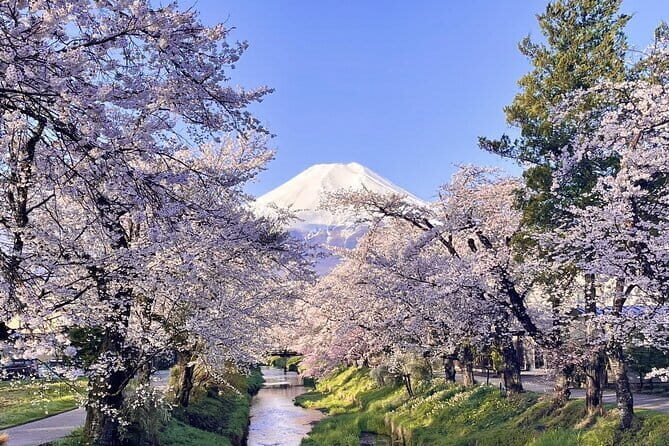
At $76.96 per person, this is priced like a practical day tour rather than a full-on private itinerary. Most of the value is in transportation and bundled transit costs: vehicle service fees, fuel, tolls, and the driver service. The tour also includes certain rides and entry fees, which adds up when you try to stitch everything together on your own.
What’s included:
- Transportation and driver time (within a legal 10-hour window)
- Vehicle fuel and highway tolls
- Hakone Ropeway course (included)
- Admission marked free at the shrine and the scenic lake/spring stops
What’s not included:
- Meals (you’ll handle lunch and any snacks yourself)
- Personal purchases like black eggs and any optional add-ons you choose
So is it a good deal? Usually yes, if you want a structured day and you don’t want to spend your brainpower planning transfers between multiple mountain areas. It’s also a good fit if you can tolerate the fact that you’re not controlling the weather—you’re buying convenience, not guaranteed clear Fuji skies.
Getting the most from a long day: pace, shoes, and cash
This is the kind of itinerary where small choices matter. I recommend you treat it like a hike day in disguise:
- Bring a good pair of shoes. You’ll spend time walking at multiple stops, including Owakudani’s valley area and scenic paths near the lakes.
- Consider carrying cash. Some food and small purchases are easier to handle that way, and you might want snacks or treats on the spot.
- Use free time efficiently. Each stop has a window—80 minutes here, 50 minutes there—so decide your priorities early. Want the best lake view? Stand still and shoot. Want the egg? Do it while you’re already there.
Also, keep your expectations grounded on add-ons. The day’s structure can lead to upsell moments (like boat-cruise-style options on the lake). If you hate the feeling of being nudged into extra costs, decide up front what you’ll say yes to—and what you’ll skip.
A quick word on guide experience
The tour depends on a guide for timing and practical guidance, and names like Kousei, Jack, and Tom have shown up in descriptions of great experiences. The big difference in satisfaction tends to be how clearly the guide explains what you’re seeing and how smoothly the day flows.
Should you book this Hakone–Fuji–Oshino day tour?
Book it if you want a single-day path through Hakone Shrine with the lake torii, Owakudani crater scenery, two Fuji-lake moments, and Oshino Hakkai springs—without you doing route planning or coordinating multiple tickets.
Skip or adjust expectations if you’re the type who needs Mount Fuji to be crystal clear. Visibility is weather-dependent, and if conditions are bad you may spend more time moving and less time admiring. Also, this is not a slow, linger-in-one-place tour. If you hate a “get in, get out” day, pick a slower Hakone plan instead.
If you’re flexible, prepared with comfy shoes and a rain layer, and you’re happy to treat the day as a tour of viewpoints, this one is a strong value play for experiencing the Fuji region’s big hits in one shot.
FAQ
How long is the Tokyo to Mt. Fuji Hakone Owakudani day tour?
The tour is about 8 hours 20 minutes.
Does the tour run every day, and is there a group minimum?
It has daily departure, and it needs a minimum of 4 persons for the tour to proceed.
What’s included in the tour price?
Transportation (vehicle fees, fuel, and tolls) and the driver service are included. The Hakone Ropeway segment is included, while admission for the listed stops is free where noted.
Are meals included?
No. Meals are not included, so you’ll handle lunch and any snacks on your own.
Are Mount Fuji views guaranteed?
The itinerary includes viewpoints where Mount Fuji is often visible from a distance, but visibility isn’t guaranteed and depends on weather.
Can I bring luggage?
The tour notes it’s not recommended to carry luggage. If you need luggage, you can register it clearly when booking, and 1 luggage per person is allowed. Extra charges can apply if you bring more than what’s noted.
What is the cancellation policy?
You can cancel for a full refund up to 24 hours before the experience’s start time. Cancellation made less than 24 hours before the start time is not refundable.
More Tour Reviews in Tokyo






Hakone, Three More Ways
The Fuji Shortlist: Other Days Out to the Mountain

Fresh reviews from around Tokyo






Mt Fuji Day Trips, compared.
 ★ 4.0Mt Fuji & Hakone Cruise, Drum Show Bullet Train 1 Day from TokyoFrom $1497,413 reviews
 ★ 4.4Tokyo Mt Fuji 5th St & Hakone Cruise Bus Tour w/Bullet TrainFrom $1545,024 reviews
 ★ 4.5From Tokyo: Mount Fuji Full-Day Sightseeing TripFrom $684,970 reviews
 ★ 4.7Mt. Fuji Tour, Hakone Ropeway, Owakudani, Lake AshiFrom $544,002 reviews
 ★ 5.0Private Tour to Mt. Fuji and Hakone (Fully Licenced Operator)From $4971,910 reviews
 ★ 4.9Mount Fuji Full-Day Private Tour from Tokyo (Customizable)From $3931,470 reviews
 ★ 4.0Mt Fuji & Hakone Cruise, Drum Show Bus 1 Day from TokyoFrom $1221,287 reviews
 ★ 4.2From Tokyo: Mt. Fuji & Hakone Tour w/ Return by Bullet TrainFrom $1171,278 reviews
Browse the lists this tour appears in