
Reviewed · GUIDED
Tokyo 6hr Private Tour with Government-Licensed Guide
Tokyo makes sense fast with a local. This 6-hour private tour is interesting because you build your own route from a menu, with a government-licensed English guide keeping you on track in a city that’s easy to get turned around in. I especially like how customizable it is, since you’re not stuck in a rigid marching order.
I also like the hands-on guidance beyond what’s on signs. Guides (like May, Taichi, and Sho) are known for teaching practical skills such as subway and rail tips and how to handle temple and shrine etiquette in the right way, so your time feels more like understanding Tokyo than just moving through it.
One possible drawback: it’s a walking + public transit day, and meals plus many entrance fees cost extra. Imperial Palace is a good stop, but the tour does not include the inside, so set expectations if that’s on your must-do list.
In This Review
- Key highlights to look for
- Private, government-licensed, and built around your interests
- Price and logistics: what the tour covers (and what it doesn’t)
- The walking + subway reality (and how to make it work)
- How to choose your 3 to 4 stops without feeling rushed
- Asakusa and the Imperial Palace: old Tokyo meets ceremonial space
- Gardens and calm breaks: when Tokyo slows down
- Shibuya Crossing, Harajuku, Akihabara, Tokyo Tower: the modern icons set
- Tsukiji Fish Market and shrine/temple basics that make your visit smoother
- Neighborhood flavor beyond the headlines: Ueno, Nezu, Shibamata, Golden Gai
- Tokyo Tower to Odaiba: choosing your view style
- Using your day well: practical tips that actually matter
- Should you book this 6-hour private Tokyo tour?
- FAQ
- Is this a private tour?
- How long is the Tokyo tour?
- Do I have to follow a fixed itinerary?
- What sites can I expect to choose from?
- Is Imperial Palace access included?
- Is transportation included?
- Are entrance fees included?
- Is lunch included?
- Can I change my tour date or cancel?
Key highlights to look for
- Government-licensed, English-speaking guides who explain what you’re seeing and how to move efficiently
- Pick-your-own 3 to 4 sites from a long list, so your route matches your interests
- Public transit know-how that helps you avoid wasting time figuring out trains
- Tokyo contrasts in one day: old neighborhoods, major shrines, then modern landmarks like Shibuya Crossing
- Guides who focus on etiquette and getting around (May and Toshiro are examples from past tours)
- Entrance fees and transport are mostly on you, so budget a bit beyond the tour price
More days made easy by a guide
- Tokyo 6hr Private Tour with Government-Licensed Guide★ 5.0 · 3,902 reviews
- Tokyo: Shinjuku Local Bar and Izakaya Guided Walking Tour★ 4.9 · 1,794 reviews
- Tokyo: Private City Highlights Tour with Local Guide★ 4.8 · 1,433 reviews
Private, government-licensed, and built around your interests
This is a private tour, meaning it’s just your group with a government-licensed local guide. In Tokyo, that matters. You can see the famous places on your own, sure—but the real value is having someone translate the place in real time: why it’s here, what changed over time, and what to pay attention to while you’re standing in the crowd.
The tour is also designed around a simple idea: Tokyo is huge, so a 6-hour day can’t fit everything. Instead of trying to do a mega-checklist, you choose 3 to 4 sites from the tour’s recommended options. That keeps the pacing more workable and lets you prioritize what you personally care about—shrines, gardens, food markets, shopping districts, or classic neighborhoods.
I like that guides are actively set up to tailor the plan. People have been paired with guides such as Lily (customizing around food and quick highlights), An (adding historical context plus practical help), and Sam (planning a logical loop with trains and walking). You don’t just get directions—you get context and flow.
Price and logistics: what the tour covers (and what it doesn’t)
The price is $155.86 per person for about 6 hours. For Tokyo, that’s not outrageous for a private guide, especially since you’re getting a licensed professional and a route that’s meant to prevent wasted time. But you should know what’s included versus what’s extra.
Included:
- A licensed local English-speaking guide
- A customizable selection of 3 to 4 sites
- Meeting the guide on foot within a designated area
- Guide entry fees covered only for the sights included in the tour’s core plan
Not included:
- Private vehicle
- Transportation fees (subway/train/bus rides are on you)
- Entrance fees for many stops
- Lunch and personal expenses
- Meals are also not included (you’ll pay for them yourself)
So how do you get value out of this price? Spend that money on the parts that are hard to self-manage: choosing the right mix of neighborhoods, understanding what you’re seeing at shrines and temples, and moving through stations with less friction. If you’re the type who loves independent wandering with zero structure, this may feel like you’re paying for what you could do alone. If you want a smart route and real explanations, it’s a strong fit.
The walking + subway reality (and how to make it work)
This tour is a walking tour. Pickup is described as being on foot, and the guide meets you within a designated area near public transportation. In practice, that means you’re combining walking with subway or train hops to stay efficient across Tokyo.
That’s great for efficiency, but it’s also the main consideration. One note that comes up in the data: part of the day can feel like transit between sites. Also, if you pick too many “big-name” stops, the day can become fast-paced—like rushing through Tsukiji’s market area too quickly for your liking.
To keep it enjoyable:
- Choose fewer major icons and add one “pause” type stop (a garden, shrine, or neighborhood stroll).
- Ask your guide for a plan that protects time for the experience, not just the photo.
- Have cash and a transit-ready payment method since transportation fees aren’t included. Many guides recommend being ready with a transit card like Suica and having yen available.
How to choose your 3 to 4 stops without feeling rushed
Because you can customize, the smartest strategy is to pick stops that balance motion and stillness. Tokyo icons are exciting, but they’re also crowded and time-sensitive. Gardens and temples often give you breathing room, even in a short day.
Here’s a simple way to build your mix:
- Pick one “old Tokyo” anchor (Asakusa/Sensoji, Nezu, Shibamata).
- Pick one nature or calm stop (Shinjuku Gyoen, Koishikawa Korakuen, Rikugien, Hama Rikyu, Yoyogi Park).
- Pick one modern “wow” landmark (Shibuya Crossing, Harajuku/Takeshita Street, Akihabara, Tokyo Tower, Odaiba).
- Optionally add one food or museum stop (Tsukiji Fish Market or Tokyo National Museum/Ueno).
If you want religion-and-culture detail, you’ll probably lean toward Meiji Jingu and other shrine/temple sites. Guides like May have been singled out for teaching the correct way to enter shrines and temples and how to show respect (including advice like having coins ready for small offerings). That kind of guidance can turn a quick stop into something memorable.
More private options with your own guide


Asakusa and the Imperial Palace: old Tokyo meets ceremonial space
Asakusa is a classic starting point for a reason: it feels like a different Tokyo. You’ll head toward Sensoji Temple, where the energy is all about the older rhythm of the city. Even when you’re short on time, the atmosphere helps you understand why Asakusa is a must in first visits.
What you should love here:
- Sensoji’s street-to-temple feel: you’re not just looking at a building; you’re moving through the area’s traditions.
- A strong “orientation” stop. From here, the rest of Tokyo’s contrasts feel clearer.
A drawback to keep in mind: Asakusa can be crowded. In a 6-hour day, this is where pacing matters. Give yourself enough time to walk, look up, and not just pass through.
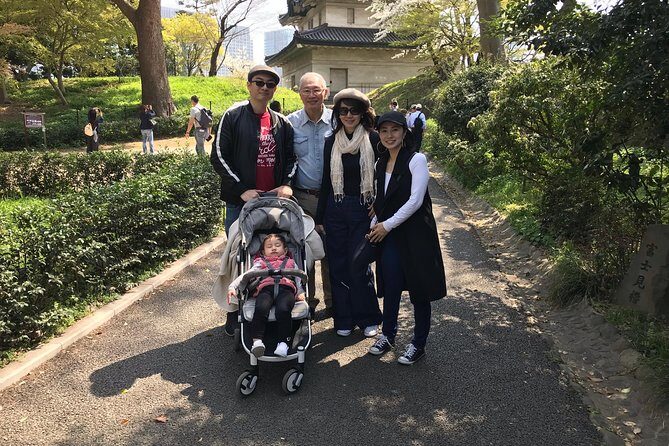
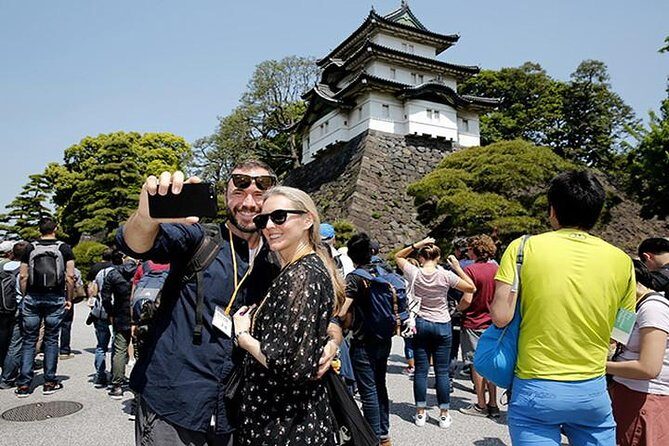
Then there’s the Imperial Palace area. Important detail: this tour does not include access inside the Imperial Palace. You’re there for the broader grounds and exterior context—still worthwhile, because it frames Tokyo’s shift from historical power to modern city life. You’ll also see moats and stone walls that help explain the ceremonial scale of this space.
Gardens and calm breaks: when Tokyo slows down
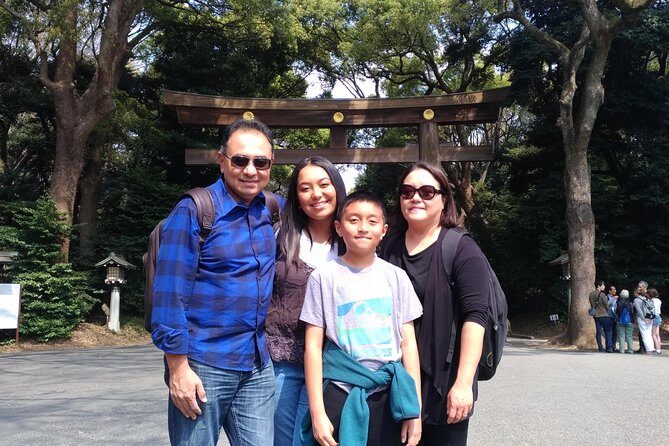
Tokyo in spring or just on a clear day can be magical, but it’s also easy to burn out walking from crowd to crowd. This is why the garden options are such a smart choice on a half-day tour.
You might include one of these:
- Shinjuku Gyoen National Garden: big, popular, and right by Shinjuku Station’s busy world. It’s a breather stop that lets you reset between modern Tokyo landmarks. Entrance is noted as not included, so budget for it if you want that time.
- Koishikawa Korakuen Garden: one of the older Japanese gardens. This is the kind of stop where you can slow down and read the environment instead of just photographing it.
- Rikugien Garden: another top garden option, often compared with Koishikawa for beauty. Entrance is not included.
- Hama Rikyu Gardens: positioned near Tokyo Bay, with seawater ponds that change with the tide. This can feel special if you like water features and seasonal details. Entrance is not included.
- Yoyogi Park: a large city park near Harajuku, good for a relaxed walk, picnicking, or just stepping out of the shopping crowds. Entrance is free.
The value of picking one garden stop isn’t just “pretty views.” It’s a practical move: gardens create time for reflection and photos without fighting as hard against the nonstop pace of major transit hubs.
Shibuya Crossing, Harajuku, Akihabara, Tokyo Tower: the modern icons set
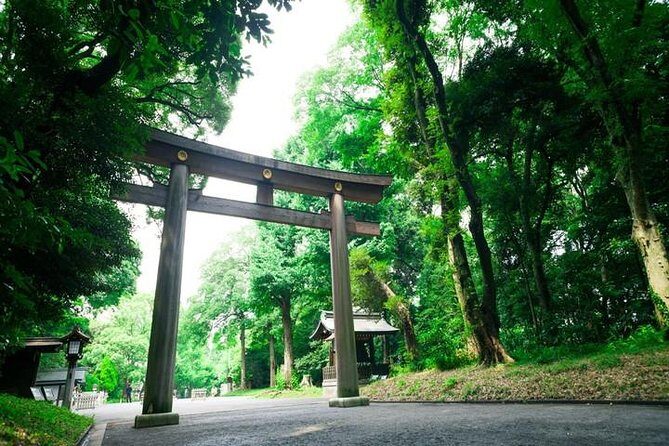
If you want the Tokyo people dream about, this is where you get it.
Shibuya Crossing is the headline moment. You’ll learn about it as one of the world’s busiest crossings, and you’ll see the famous Hachiko statue. This stop is short and intense in a 6-hour day, so it works best when paired with either a calm garden or a temple stop that gives your brain a breather.
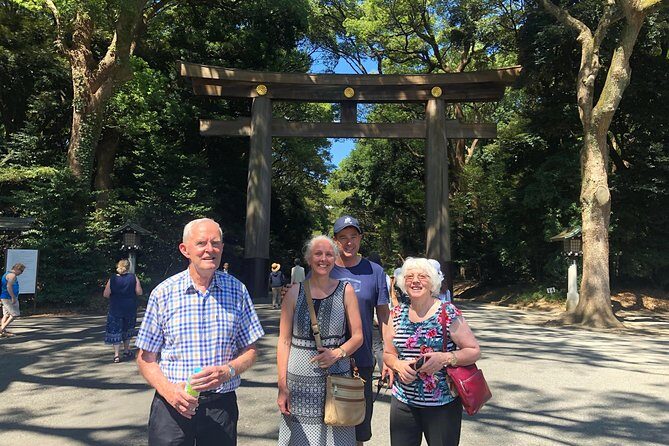
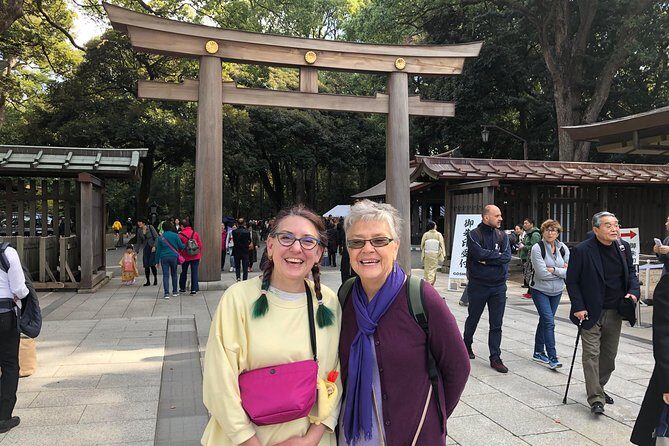
Then consider Meiji Jingu Shrine next door to the Harajuku area. It’s dedicated to Emperor Meiji and Empress Shoken, and the setting near the JR Yamanote Line makes it a good “contrast” stop: a quiet shrine space right next to major urban movement. If your guide includes practical etiquette tips here, that’s often one of the most meaningful experiences on the route.
Takeshita Street (Harajuku) is more about energy and youth fashion culture. It’s free, but it can be overwhelming in terms of people. If you love fashion browsing, it’s a great use of time. If you dislike crowds, keep it as your one “chaos” stop and don’t stack too many other busy districts.
Akihabara is famous for electronics shopping and is also associated with Japan’s pop-culture scene. Even if you’re not a hardcore tech or anime shopper, the sheer variety of stores makes it interesting for window-shopping and casual people-watching.
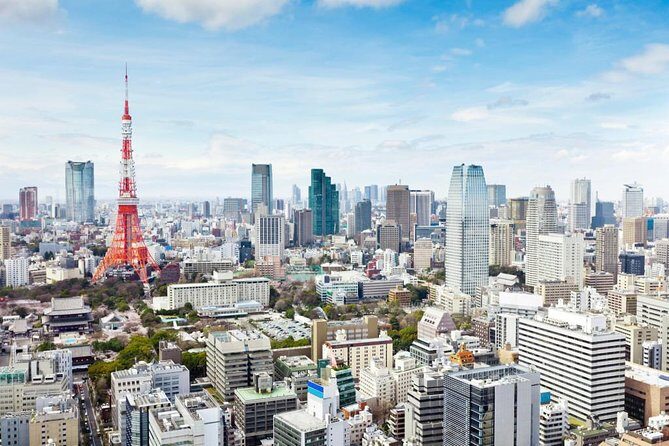
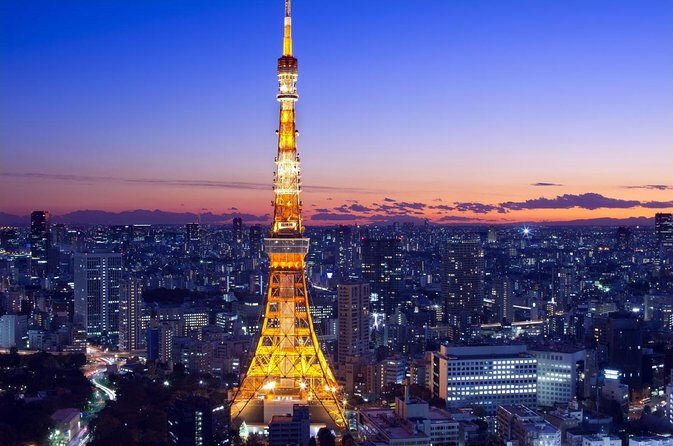
Tokyo Tower is another iconic option. One detail matters: the tour indicates access only up to the main deck, not the top deck. If you’re the kind of traveler who cares about the highest viewpoints, plan your expectations accordingly.
Tsukiji Fish Market and shrine/temple basics that make your visit smoother
Tsukiji Fish Market is a favorite stop for food-oriented visitors. It’s described as Japan’s old fish market, and it’s known for a selection of unique foods. The key practical point is that this is where you’ll likely want to eat something you can only get there—whether that’s sushi or small bites.
However, Tsukiji is also a place where time can evaporate. One caution from the experience data: moving through parts of the market can be quick if your route packs too many stops. If Tsukiji is a must, I’d treat it as a core anchor and keep the rest of your day lighter.
On the temple/shrine side, guides have been praised for teaching how to enter and show respect. May, for instance, has been highlighted for explaining traditional ways of handling shrine and temple visits, plus how to handle small offerings (including coins). If you want that extra layer, this tour can give you it instead of leaving you guessing at what to do.
Neighborhood flavor beyond the headlines: Ueno, Nezu, Shibamata, Golden Gai
Not every Tokyo moment needs to be a landmark. Some of the best memories are built from neighborhoods that feel like they still have a local pace.
Nezu and Yanaka are described as old downtown areas that retained their last-century character through major damage avoiding most of the worst disasters. If you want quieter streets, smaller shops, and a more lived-in Tokyo vibe, this kind of stop can be a highlight.
Shibamata is another old-school neighborhood option on the eastern side of Tokyo near the Edogawa River. It’s described as retaining charm from earlier decades, which makes it a good choice for travelers who like traditional streets without the big-tourist crush.
Shinjuku Golden Gai is for nightlife fans and architecture nerds. It’s known for tiny alley bars and a history tied to the black market that moved in the post-1950 period. Entrance is free, but it’s the type of place you’ll want to enjoy slowly—so don’t pair it with too many other late-night energy stops if your tour day runs long.
Ueno Park is a strong “mix” stop: museums, a zoo, a Toshogu Shrine, and Shinobazu Pond are nearby. It’s also noted as a cherry blossom party spot (seasonal, so timing matters if that’s your interest). Entrance is not included, so budget based on which part you want to experience.
Tokyo Tower to Odaiba: choosing your view style
If your route includes Odaiba, you’ll get a modern shopping and entertainment area on a man-made island. It began as fort islands, so it has a historical origin story mixed into a contemporary district. It’s a good contrast with the older downtown areas.
Then there’s Tokyo Tower, which offers a classic skyline icon feeling without the full top-deck access. If your goal is just to see the tower and get the city vibe in a photo-friendly way, it fits well in a 6-hour plan.
Using your day well: practical tips that actually matter
Here’s how you make this tour feel smooth, not stressful.
Shoes and weather: Since this is a walking day, wear comfortable shoes you don’t mind breaking in a bit. One guide was praised for handling a cold, rainy day with good humor—so weather happens, but preparation helps.
Money: Since entrance fees for many sites and transportation fees aren’t included, bring yen and a plan for payment. A transit card like Suica is often a big help, especially when you’re hopping between subway lines.
Keep your pace intentional: If you love market wandering, treat a market stop like Tsukiji as the main event. If you love gardens, choose one garden stop and let it be your calm moment. Packing too many “busy” areas into a short day is the most common way the day can feel rushed.
Ask for the right kind of help: The standout moments in this tour type come when the guide explains what you’re seeing and helps you navigate. People have highlighted guides who also helped with train planning beyond the tour (like An helping with Narita train tickets), so don’t be shy about asking for practical follow-ups while you’re together.
Should you book this 6-hour private Tokyo tour?
Book it if:
- You’re short on time and want a smart route instead of random wandering.
- You care about the meaning behind shrines, temples, and major landmarks, not just photos.
- You want the convenience of a government-licensed English guide and help getting around.
Skip or adjust if:
- You hate walking and prefer a mostly seated, vehicle-based day.
- You want every major attraction, no trade-offs. This tour is intentionally set up for 3 to 4 sites, not 12.
- You’re very strict about total costs, because transportation, lunch, and many entrance fees are extra.
If you go in with 1 or 2 priorities and let the guide shape the rest, this is the kind of day that helps Tokyo feel understandable fast.
FAQ
Is this a private tour?
Yes. It’s private to your group, so you won’t be joined by other groups. It’s designed for you to choose what fits your interests.
How long is the Tokyo tour?
It’s listed as about 6 hours.
Do I have to follow a fixed itinerary?
No. You choose from a selection of recommended sights, and the guide builds a route around your interests.
What sites can I expect to choose from?
The tour includes a long list of possible stops such as Asakusa (Sensoji), the Imperial Palace area, Shinjuku Gyoen, Shibuya Crossing, Tsukiji Fish Market, Meiji Jingu, Akihabara, Hama Rikyu Gardens, and options like Tokyo National Museum and Ueno Park, among others.
Is Imperial Palace access included?
No. The tour does not include access to the inside of the Imperial Palace.
Is transportation included?
Transportation fees are not included. The tour is a walking tour and you’ll likely use public transportation.
Are entrance fees included?
Meals and entrance fees cost extra. Guide entry fees are covered only for sights listed under What to Expect.
Is lunch included?
No. Lunch is not included.
Can I change my tour date or cancel?
You can change tour dates up to 2 days before. Cancellation is free if you cancel up to 24 hours in advance for a full refund.
Easier with a Guide

More Tours in Tokyo





More Tour Reviews in Tokyo




Fresh reviews from around Tokyo






Guided, compared.
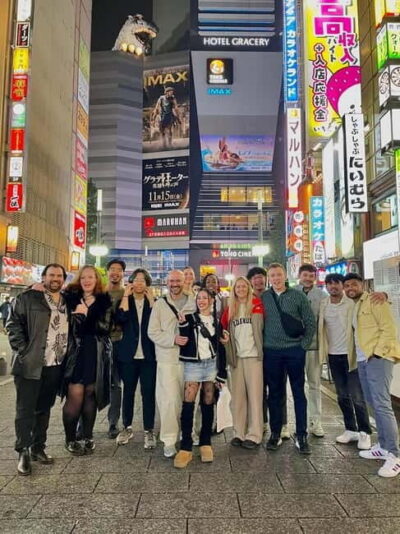 ★ 4.9Shinjuku Local Bar and Izakaya Guided Walking TourFrom $341,794 reviews
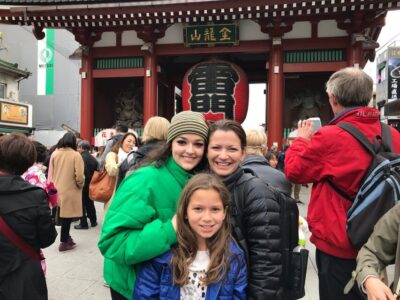 ★ 4.8Private City Highlights Tour with Local GuideFrom $1061,433 reviews
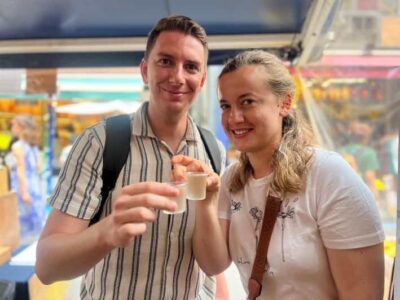 ★ 4.9Tsukiji Fish Market Guided Walking TourFrom $221,397 reviews
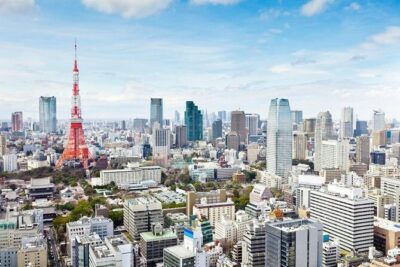 ★ 5.0Tokyo 4hr Private Tour with Government-Licensed GuideFrom $1091,394 reviews
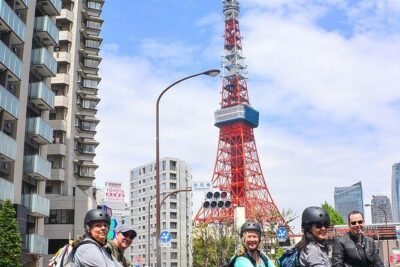 ★ 5.0Tokyo Guided Small-Group Biking TourFrom $1061,250 reviews
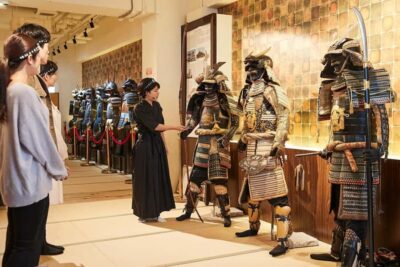 ★ 4.6Samurai Ninja Museum Guided tour and ExperienceFrom $271,010 reviews
 ★ 5.0Tsukiji Fish Market Guided Tour and Sushi Making with Pro ChefFrom $104775 reviews
 ★ 5.0Tokyo Top Highlights 3h Guided E-bike TourFrom $63714 reviews