
Reviewed · TOKYO
1-Day Tokyo Bus Tour
Tokyo in one day needs a plan. This 9–10 hour deluxe coach tour is built for first-time orientation, stitching together Meiji Jingu, Asakusa matcha, and the big-ticket skyline stop at Tokyo Skytree with guided context along the way. Two things I really like: the tour includes skip-the-line admission to the Tembo Deck (350m), and you get an organized matcha moment plus a Japanese-style lunch in Asakusa. One thing to keep in mind: it’s a long day with walking at temples and viewpoints, and the Tokyo Bay cruise can change if conditions aren’t right.
The good part is that you’re not left to figure out timing, subway lines, or ticket counters. You ride in an air-conditioned coach with Wi‑Fi, and you’ll hear the story from a professional English-speaking guide (plus multilingual audio for EN, FR, IT, ES, DE, PT, and UK/Ukraine-style language options). If you’re worried about rushing, this one is still busy—but the structure helps you see a lot without feeling totally lost.
In This Review
- Key things to know before you go
- Where the Day Starts: Shinjuku Meet Point and How the Coach Tour Flows
- Meiji Jingu and the Imperial Palace: A Calm Start Before the City Gets Loud
- Asakusa: Senso-ji, Nakamise Street Shopping, and the Matcha Moment
- Lunch in an Asakusa Setting: Karaage, Tofu, and Real Dietary Choices
- Tokyo Skytree Tembo Deck at 350m: The Fast Entry That Makes the Day Work
- Odaiba and the Tokyo Bay Ferry: Views, Timing, and the Cruise Plan B
- The Tour Guide Factor: When Names Like Momo and Aya Show Up
- What to Wear, What to Prioritize, and How to Handle a Busy 9–10 Hours
- Should You Book This Tokyo Highlights Bus Tour?
- FAQ
- How long is the Tokyo bus tour?
- What’s included in the price?
- Is the Tokyo Bay cruise always part of the day?
- What languages are available for audio guidance?
- What are the meal options and restrictions?
- Do you need to buy tickets separately for Skytree?
- Where do I meet and where do I get dropped off?
- What’s the cancellation policy?
Key things to know before you go
- Skip-the-line to Tokyo Skytree’s Tembo Deck (350m): less queue time, more skyline time
- Uji matcha experience in Asakusa: a hands-on tasting with a premium first-flush style
- Japanese izakaya-style lunch included: karaage and tofu set meal (with vegetarian/gluten-free variants on request)
- Tokyo Bay ferry time is not guaranteed the same way: high tide/maintenance can trigger an alternative stop
- Small-leaning group size (max 43): big-coach comfort, with guide attention still possible
Before you commit, see how this one stacks up against a few Tokyo favourites:
- Mt Fuji and Hakone 1-Day Bus Tour Return by Bullet Train★ 5.0 · 26,383 reviews
- 1-Day Tokyo Bus Tour★ 5.0 · 14,250 reviews
- Tokyo: teamLab Planets TOKYO Digital Art Museum Entry Ticket★ 4.6 · 9,779 reviews
Where the Day Starts: Shinjuku Meet Point and How the Coach Tour Flows
This tour is centered on Shinjuku, which is smart. You meet at Shinjuku I Land (and the tour ends back in the same Shinjuku area), so you’re not relocating all day. Morning pickup options include Matsuya Ginza at 7:20am or Love Shinjuku at 7:50am, and then you’re on the road for a full-day loop.
The coach setup matters more than you might think. You get air-conditioning and Wi‑Fi for the ride, which helps when you’re waiting between stops for traffic and timing. The itinerary can shift a bit depending on road conditions or weather, but the overall arc stays intact: shrine and palace area, Asakusa temples and shopping, Skytree views, then the Tokyo Bay side.
Also, pay attention to how the tour handles the pace. This isn’t a “slow stroll and linger” day. It’s an efficient circuit with a mix of time for exploring and time for getting moving—exactly what you want if you only have one full day and you’d rather not plan your route down to the minute.
Meiji Jingu and the Imperial Palace: A Calm Start Before the City Gets Loud
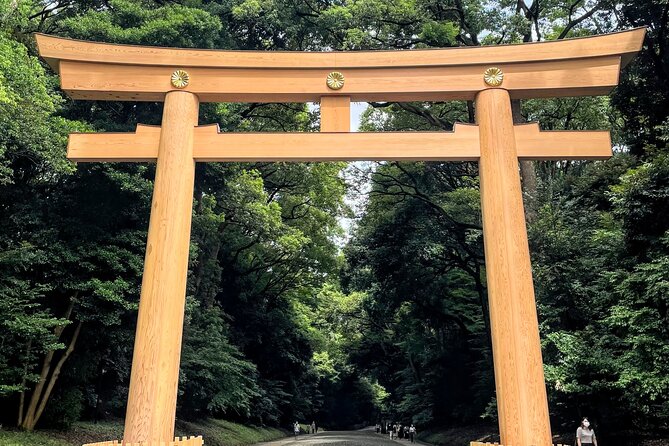
The day opens with Meiji Jingu Shrine, one of Tokyo’s most famous Shinto sites. You get about 50 minutes here, and the setting is part of the experience—this is not just a photo-op plaza. It’s a garden-like approach with lush greenery around the main shrine area. Take it slow, especially early in the day when the crowds are still building.
Then you head toward the Imperial Palace grounds. You’re visiting either the East Garden or the Niju-bashi Bridge in the Outer Garden, with about 30 minutes allotted. This is a great “reset” after Meiji Jingu: Tokyo’s modern sprawl is still everywhere, but this stop gives you a sense of Japan’s old power center and how the land is shaped for ceremony and symmetry.
On the drive portions, you’ll also pass key neighborhoods and get spoken context—things like the idea of Harajuku, the National Diet Building (that big symmetrical government building built in 1936), and the “otaku” shopping culture around places like Akihabara. You won’t spend hours shopping there, but you’ll leave knowing what you’re looking at once you return on your own.
Asakusa: Senso-ji, Nakamise Street Shopping, and the Matcha Moment
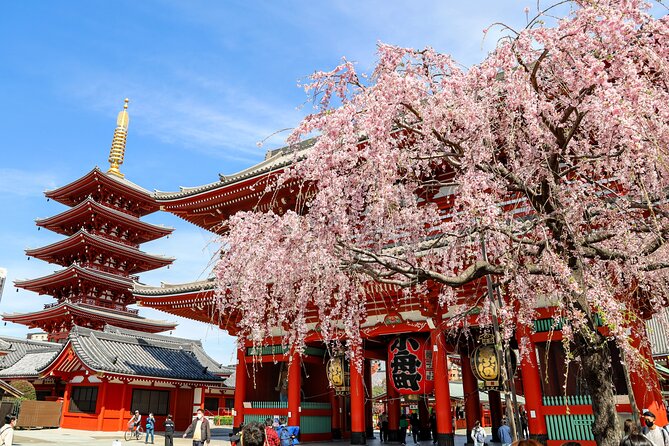
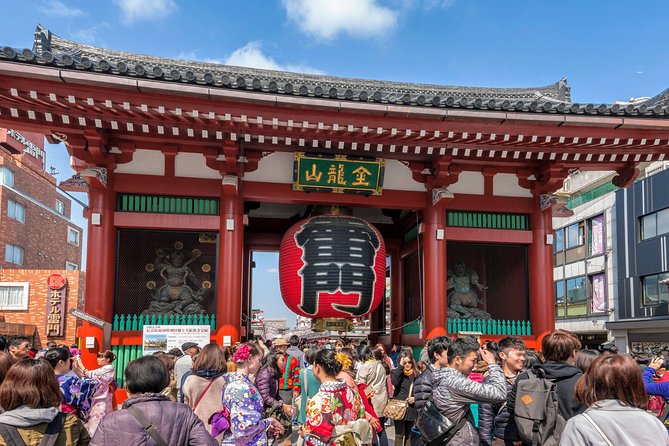
Asakusa is where the tour turns from “Tokyo overview” into “Tokyo flavor.” You start in the area of Senso-ji and Nakamise, Tokyo’s classic temple-and-street-shopping combo. You have about 45 minutes at Senso-ji, including time to shop along Nakamise Avenue and take photos at Kaminari-mon Gate.
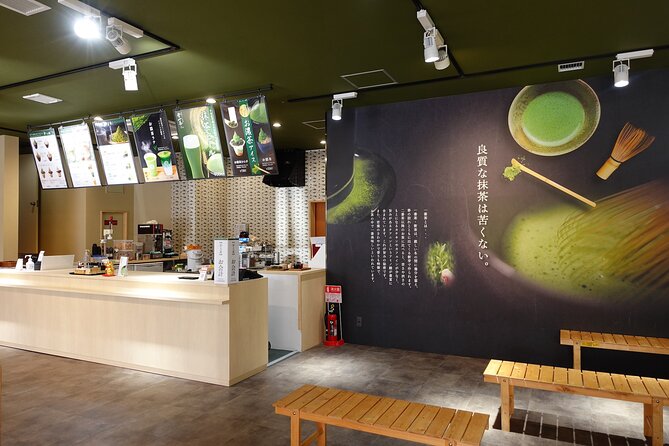
Right before or around this, the tour includes a matcha experience tied to Uji. You’ll get an authentic Uji-style matcha tasting, with a note that the green tea used is a premium first flush called Ichibancha from Uji. The included item is a matcha drink or matcha gelato depending on the tour’s matching service on the day—either way, it’s built as a guided tasting rather than a random purchase.
This part of the day is also where the guided stops pay off. In a self-guided walk, you can easily lose time hunting for what’s worth it. On this tour, the rhythm is set: temple first for the atmosphere, then the shopping street and food moments, then the tasting that explains what you’re actually drinking.
One practical detail: there’s an extra emphasis on food here. You’ll have time for a Japanese-style lunch in the Asakusa section, and you’ll also see where the tour expects you to spend money and time (souvenirs, snacks, small gifts). If you’re the type who tends to buy nothing when you’re tired, this structured day makes it easier to do the “one or two good buys” approach.
Lunch in an Asakusa Setting: Karaage, Tofu, and Real Dietary Choices
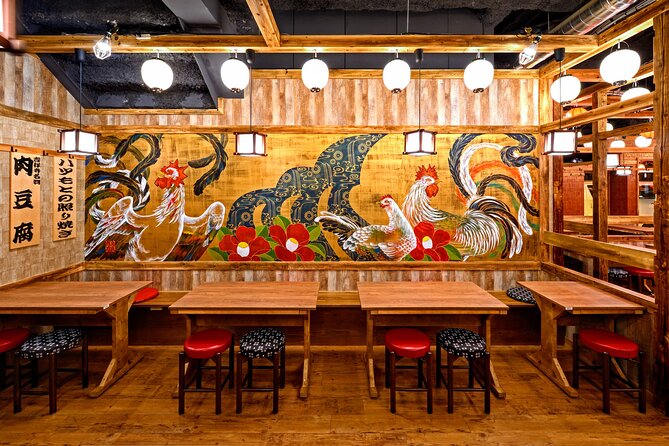
Lunch is included, with a set-meal option that’s very specific: a karaage (Japanese fried chicken) and tofu set with a soft drink if selected. It also lists an important restriction: no pork and no seafood in the main meal, though miso soup can contain fish stock. There are also notes about no nuts and no crustaceans.
If you need a vegetarian option or a gluten-free option, you should request it when booking. The tour lists:
- Vegetarian lunch: you provide your needs in advance, and they offer a vegetarian set (exact composition depends on the supplied menu that day).
- Gluten-free lunch: a meal with grilled chicken, rice, miso soup, and tofu.
Be honest with yourself about allergies. If your allergy is serious, the tour data advises booking the tour without lunch. That’s not a scare tactic—it’s a real constraint when you’re working with set menus.
The lunch question is also one place where you can feel the difference between “included” and “premium.” The tour reviews include a couple of complaints about lunch quality, but most comments pair the meal with good value and a well-run day. So I’d treat lunch as part of the deal, not the main event—something you’ll appreciate because it saves time and keeps the day moving.




Tokyo Skytree Tembo Deck at 350m: The Fast Entry That Makes the Day Work
Tokyo Skytree is the big vertical payoff. The tour includes skip-the-line admission to the Tembo Deck observatory at 350 meters. You’ll have about 1 hour 30 minutes here, plus the chance to explore around in Sora-machi, the shopping complex attached to the tower, which is described as having more than 300 stores.
This is the most practical stop on the tour if you’re short on time. Skytree queues can be a time drain when you’re traveling on a schedule. By bundling the ticket with skip-the-line entry, you get to spend your limited daylight on the views instead of standing in line.
What to do with your time up there: go once for the skyline sweep, then look for the “shape” of Tokyo—rivers, rail lines, and districts. If you’re traveling for the first time, Skytree helps your brain map the city. If you’re returning, it helps you place neighborhoods you’ve already wandered.
And yes, this is a place you should plan for standing and walking indoors and outdoors. Wear comfortable shoes.
Odaiba and the Tokyo Bay Ferry: Views, Timing, and the Cruise Plan B
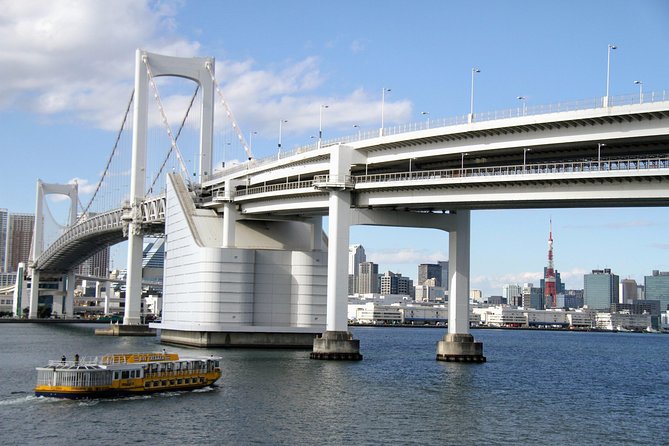
After Skytree, the day swings toward the Tokyo Bay area and the Odaiba district. You’re set up for a ferry ride across Tokyo Bay, described as going under Rainbow Bridge with city-and-skyscraper views.
Here’s the reality check: the tour explicitly notes that the Tokyo Bay cruise can be suspended due to high tide or emergency technical maintenance, and in that case you won’t do the full cruise. Instead, you’ll visit an alternative such as the Fukagawa Edo museum or Hamarikyu Gardens (and when the ferry is suspended, the itinerary may skip Odaiba). The tour also states that refunds will not be given for these changes.
So if you have strong feelings about the ferry portion, don’t build your ideal day around the assumption it will run exactly as described. Plan to enjoy the bay views, but keep your expectations flexible. The good news is that the tour still keeps the “Tokyo waterfront” idea in play, even when the ferry plan changes.
This is also where you start to feel the length of the day. By the late afternoon, you’re moving from one district into another, and you’ll appreciate having the schedule held together by a guide and driver rather than trying to self-navigate.
The Tour Guide Factor: When Names Like Momo and Aya Show Up
This tour has a clear pattern in the reviews: the best days are the ones where the guide keeps the group moving and explains what you’re looking at. You’ll see guide names like Momo, Lovely, Uta, Yui, Aya, Hiro, Levin, Tsubasa, Lisa, Ayu, and Yuty showing up in top feedback.
What that means for you: you’re not just buying bus transportation. You’re buying interpretation—why Meiji Jingu is there, how the Imperial Palace grounds fit into Tokyo’s past, what Senso-ji means beyond the postcard, and what to notice at Skytree.
If your English is strong, you might still want the extra support from the multilingual audio guidance (EN, FR, IT, ES, DE, PT, plus UK/Ukraine-language options listed by the tour). It’s handy during longer coach segments and when you want to re-listen.
What to Wear, What to Prioritize, and How to Handle a Busy 9–10 Hours
This tour is described as not recommended for travelers who can’t walk long distances. Even if you’re not covering huge mileage, you’re doing repeated “walk, pause, enter, exit” cycles. Comfortable shoes are non-negotiable.
Here’s how I’d prioritize before the day starts:
- Bring water and a small snack for the gaps. Lunch is included, but there are still stretches between major stops.
- Dress for weather. It’s a full day, mostly outside at Meiji Jingu and Senso-ji.
- Decide what you want most: the Skytree skyline and Asakusa matcha/lunch are the core “included value” pieces.
Also, note that the tour uses mobile tickets. That’s convenient, especially when you’re bouncing through multiple admissions and time windows. You’ll just want to keep your phone charged for the day.
Should You Book This Tokyo Highlights Bus Tour?
Book this tour if:
- You’re in Tokyo for the first time and want a structured hit list without planning every train transfer.
- You care about Skytree and want the practical advantage of skip-the-line Tembo Deck access.
- You want an easy day that mixes classic landmarks (Meiji Jingu, Imperial Palace, Senso-ji) with a food and matcha stop in Asakusa.
Skip it (or look at a different style of tour) if:
- You prefer slow, neighborhood-by-neighborhood exploring instead of a packed circuit.
- You’re sensitive to walking and standing for long stretches.
- You’re relying on the Tokyo Bay ferry to be the highlight at all costs. The ferry can be replaced based on tide/maintenance, and the tour notes no refund in that scenario.
If you like the idea of getting your bearings fast—then spending your remaining Tokyo days wandering with confidence—this is a strong match.
FAQ
How long is the Tokyo bus tour?
The tour runs about 9 to 10 hours, including the time spent at each stop and the coach rides between them.
What’s included in the price?
You get a professional English-speaking guide, an air-conditioned coach with Wi‑Fi, mobile ticketing, Skytree Tembo Deck admission (skip-the-line), Tokyo Bay ferry (or an alternative if the ferry can’t run), matcha drink or matcha gelato, and lunch (karaage and tofu set meal, with vegetarian/gluten-free meal options available on request).
Is the Tokyo Bay cruise always part of the day?
Not always. The cruise can be suspended due to high tide or emergency technical maintenance. If that happens, the tour may visit Hamarikyu Gardens or the Fukagawa Edo museum instead, and Odaiba may be skipped. No refund is given for this change.
What languages are available for audio guidance?
Multilingual audio guidance is listed for English, Spanish, French, Italian, Germany, Portuguese, and UK (and also Ukraine is mentioned in the additional info).
What are the meal options and restrictions?
Lunch is a set meal with karaage and tofu (no pork, no seafood). Miso soup may contain fish stock. Vegetarian and gluten-free options are available if you request them when booking. The tour also notes that it’s not possible to provide Muslim-friendly or lactose-free meals, and serious allergies should consider booking without lunch.
Do you need to buy tickets separately for Skytree?
No. Skytree admission to the Tembo Deck is included, and the tour offers skip-the-line entry.
Where do I meet and where do I get dropped off?
You start at 1-chōme-7-2 Nishishinjuku, Shinjuku City, Tokyo 160-0023, Japan, and the tour ends at the same address in the Shinjuku area. The final drop-off is about 18:10 at Shinjuku Station area.
What’s the cancellation policy?
Free cancellation is available. You can cancel up to 24 hours in advance for a full refund; if you cancel less than 24 hours before the start time, the amount paid is not refunded. If canceled due to poor weather, you’ll be offered another date or a full refund.
More Tour Reviews in Tokyo


Fresh reviews from around Tokyo






Tokyo, compared.
 ★ 5.0Mt Fuji and Hakone 1-Day Bus Tour Return by Bullet TrainFrom $16326,383 reviews
 ★ 4.6teamLab Planets TOKYO Digital Art Museum Entry TicketFrom $259,779 reviews
 ★ 4.0Mt Fuji & Hakone Cruise, Drum Show Bullet Train 1 Day from TokyoFrom $1497,413 reviews
 ★ 5.0Shinjuku Food Tour (13 Dishes at 4 Local Eateries)From $866,603 reviews
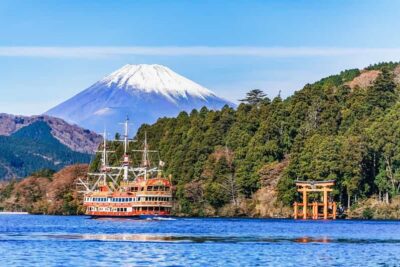 ★ 4.4Tokyo Mt Fuji 5th St & Hakone Cruise Bus Tour w/Bullet TrainFrom $1545,024 reviews
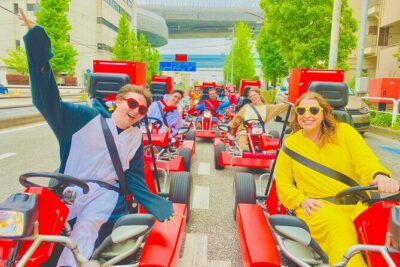 ★ 5.0Flagship 2-Hours Official Street Go-Kart Tour – Tokyo Bay ShopFrom $644,974 reviews
 ★ 4.5From Tokyo: Mount Fuji Full-Day Sightseeing TripFrom $684,970 reviews
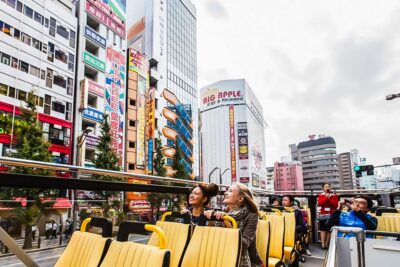 ★ 3.9Hop-On Hop-Off Sightseeing Bus TicketFrom $304,207 reviews