
Reviewed · TOKYO
Tokyo: Tour Privado por Tokio en español
Tokyo clicks into focus on this private day.
You move through classic neighborhoods with a Spanish guide, stopping for culture, photos, and the kind of order that makes Tokyo feel less chaotic. I like that the route mixes old-school Tokyo (Asakusa and temple areas) with pop-culture Tokyo (Akihabara) and ends with big-night-city energy in Kabukicho. I also love the included Shinjuku City Hall viewpoint at the 45th floor—an easy way to get real scale for the city without guessing where to go.
One consideration: this is priced per private group (up to 5), so it can feel pricey if you’re traveling solo or as a small pair, especially since meals and your transport are not included.
In This Review
- Key highlights worth planning around
- A private, Spanish-led route through Tokyo’s classic neighborhoods
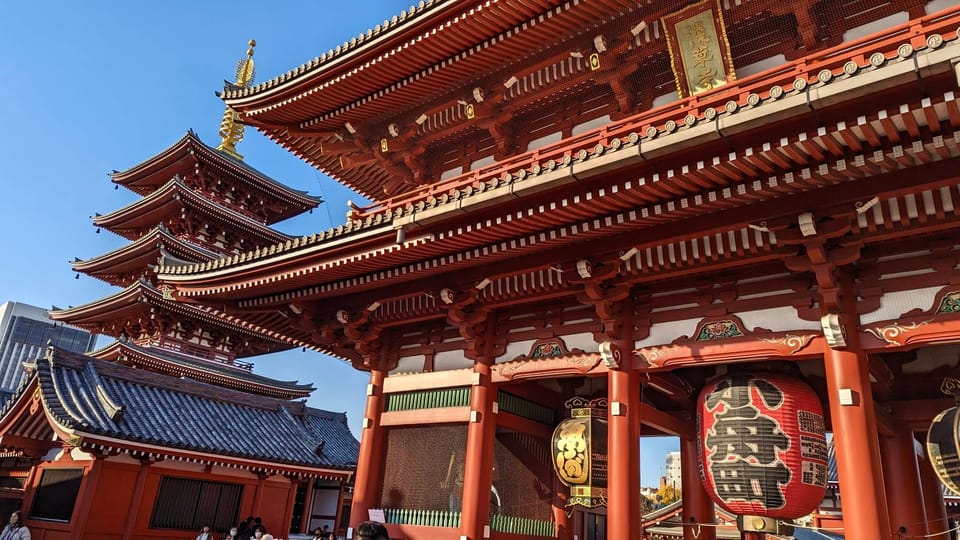
- Asakusa and Senso-ji: sweets, Kaminarimon Gate, and old Tokyo charm
- Ueno Park and Sakura Avenue: cherry-tree walks and temple time
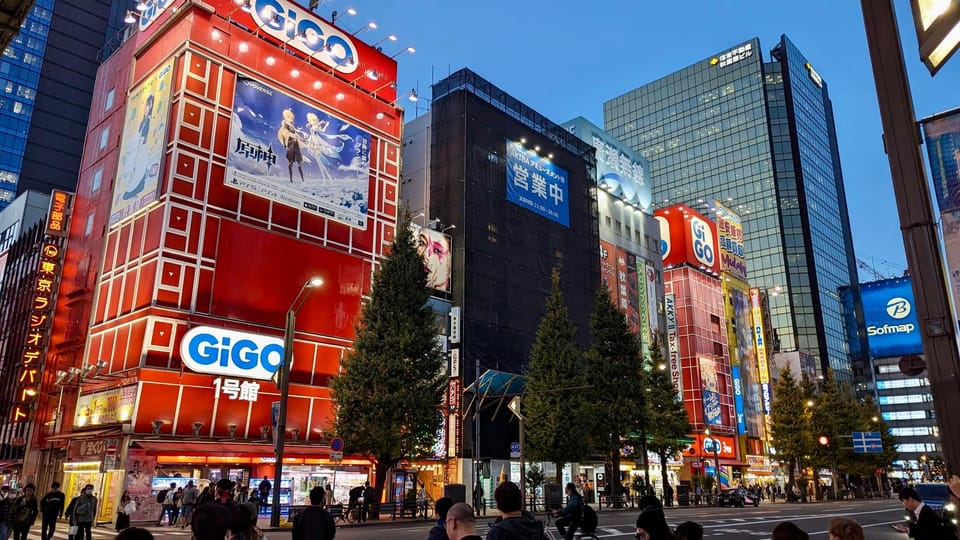
- Akihabara secrets: anime, manga, games, electronics, and maid café culture
- Shinjuku City Hall viewpoint: getting Tokyo scale from the 45th floor
- Kabukicho at night: Godzilla’s huge 3D screen and Omoide Yokocho
- Price and value: what $338 per group really means for your day
- How the day runs in real life: pickup, weather, and keeping it smooth
- A note on guide reliability (important)
- Who should book this Tokyo private tour, and who shouldn’t
- Should you book Tokyo: Tour Privado por Tokio en español?
- FAQ
- FAQ
- How long is the Tokyo private tour in Spanish?
- What is the group size and price?
- Does the tour include hotel pickup?
- Is food included in the price?
- Is transport included?
- What language is the guide?
- Does the tour require cash?
- What if it rains?
- Is the tour suitable for wheelchair users?
Key highlights worth planning around
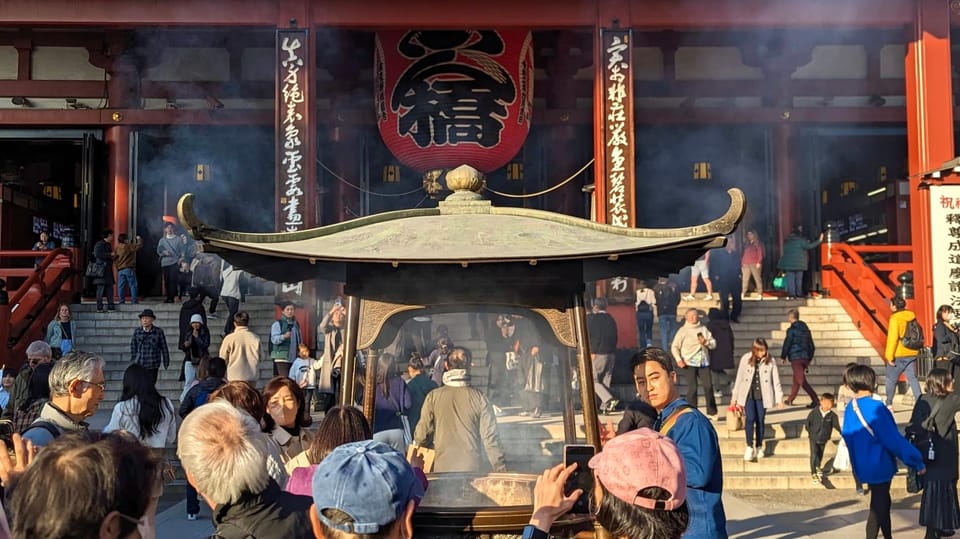
- Asakusa + Senso-ji + Kaminarimon Gate photos with classic temple-area street vibes
- Ueno Park and the Sakura Avenue for cherry-tree scenery and temple visiting
- Akihabara secrets for anime, manga, video games, electronics, and a taste of maid café culture
- Shinjuku City Hall (45th floor) for a top-down view of Tokyo’s grid
- Kabukicho at night with Godzilla’s huge 3D screen and Omoide Yokocho (Memory Lane)
Before you commit, see how this one stacks up against a few Tokyo favourites:
- Mt Fuji and Hakone 1-Day Bus Tour Return by Bullet Train★ 5.0 · 26,383 reviews
- 1-Day Tokyo Bus Tour★ 5.0 · 14,250 reviews
- Tokyo: teamLab Planets TOKYO Digital Art Museum Entry Ticket★ 4.6 · 9,779 reviews
A private, Spanish-led route through Tokyo’s classic neighborhoods
This tour is built like a guided “see the city properly” day. You start in Asakusa, then sweep through Ueno, Akihabara, Shinjuku, and finish in Kabukicho. Each stop has a different mood, so the day doesn’t blur together.
Because it’s private and in Spanish, you’ll get a calmer experience than hopping between districts solo. You’re not just looking at places—you’re also getting the cultural context behind them: Japanese tradition, samurai themes, and seasonal cherry blossom references. That matters in Tokyo, where things can feel oddly familiar and totally foreign at the same time.
The other big value: you get help with transport in Japan, plus hotel or nearby-station pickup. For an 8-hour day, that can save you real time and stress.
Asakusa and Senso-ji: sweets, Kaminarimon Gate, and old Tokyo charm
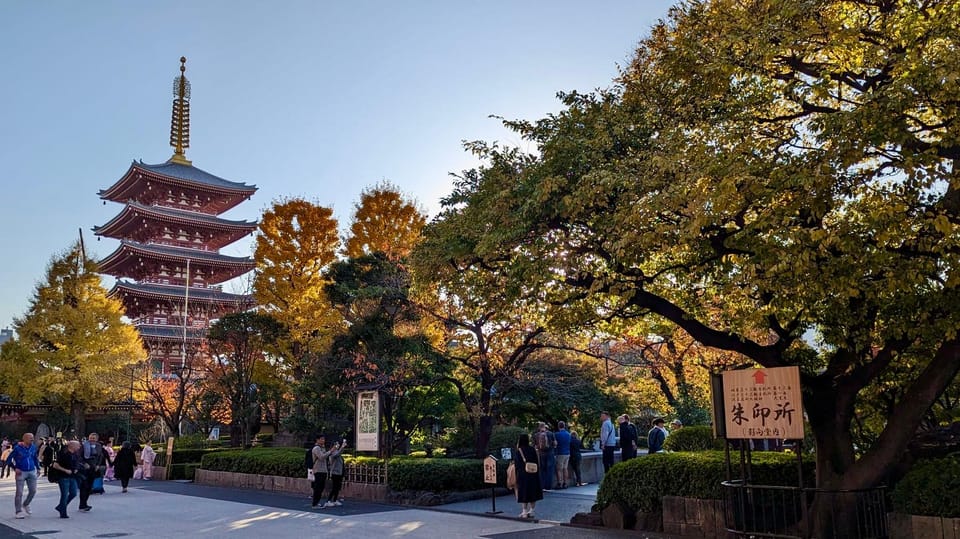
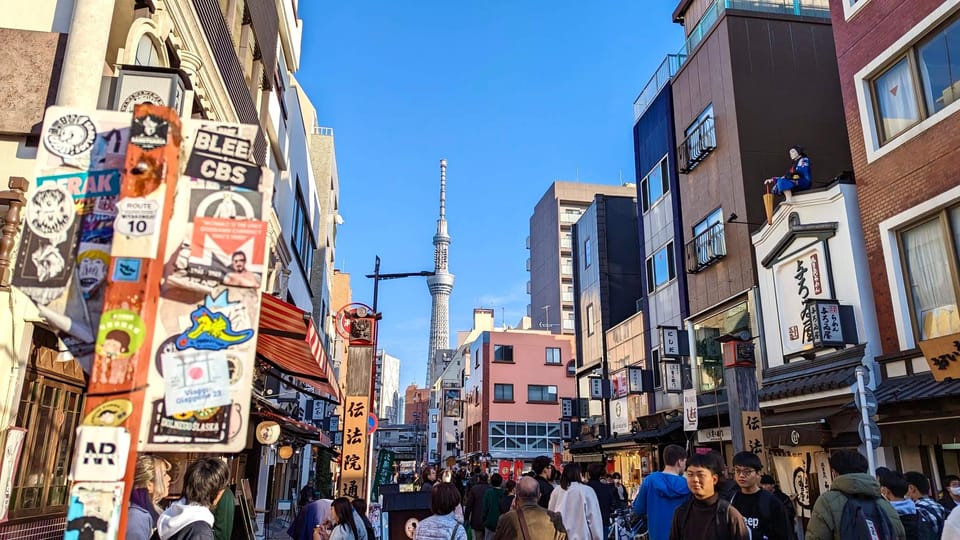
In Asakusa, the day leans traditional right away. You’ll visit the famous Senso-ji Temple, and this is where you’ll want your phone charged. The highlights also call out Kaminarimon Gate as a top photo moment, and it’s the kind of landmark that gives you a strong “I’m in Tokyo” image fast.
A practical bonus here: you’ll have a chance to try classic Japanese sweets like mochi, dorayaki, and the tour mentions the melon pan as especially good. Even if you already know what those are, tasting them in the right setting makes a difference. It turns food from a random snack into part of the neighborhood story.
What to watch for: temple-area areas often have lots of small shops and side streets. If you’re the type who hates waiting, go with a flexible mindset. The guide’s job is to help you keep moving and not miss the key picture spots.
Ueno Park and Sakura Avenue: cherry-tree walks and temple time
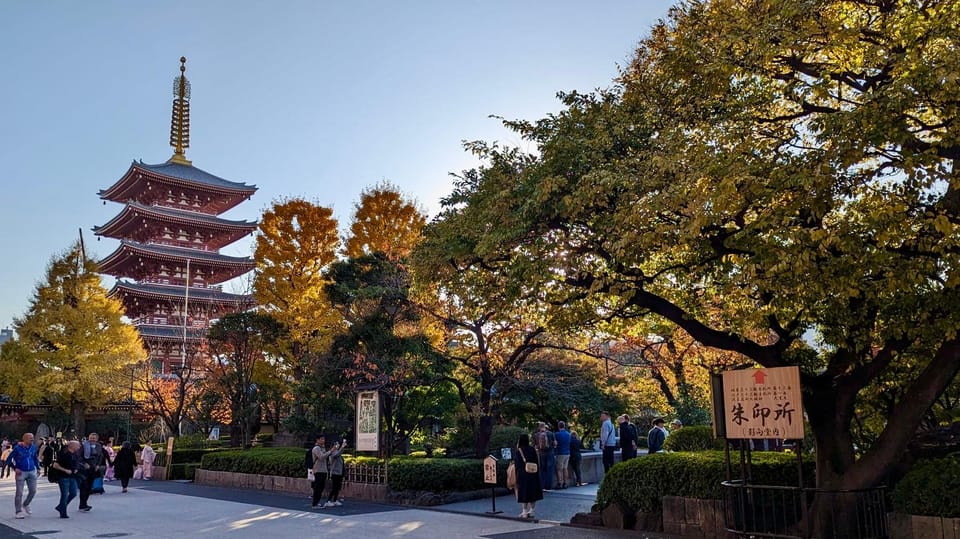
Next comes Ueno, with about two hours focused around Ueno Park, the Sakura Avenue, and popular temples in the area. The tour frames Ueno as a cherry blossom favorite, with cherry-tree scenery and a known sakura walking route.
Even if you’re visiting outside peak blossom timing, Ueno Park is still a strong choice because it gives you a break from street-level Tokyo. You get open space, walking paths, and the chance to slow down for photos and cultural stops.
Here’s the mindset I’d bring: think of this section as your “Tokyo breathing space.” After Akihabara’s intensity (later), the park-and-temple rhythm helps you reset. If you like photography, look for bridges, temple angles, and the way the path leads your eye forward rather than just taking random snapshots.
Akihabara secrets: anime, manga, games, electronics, and maid café culture
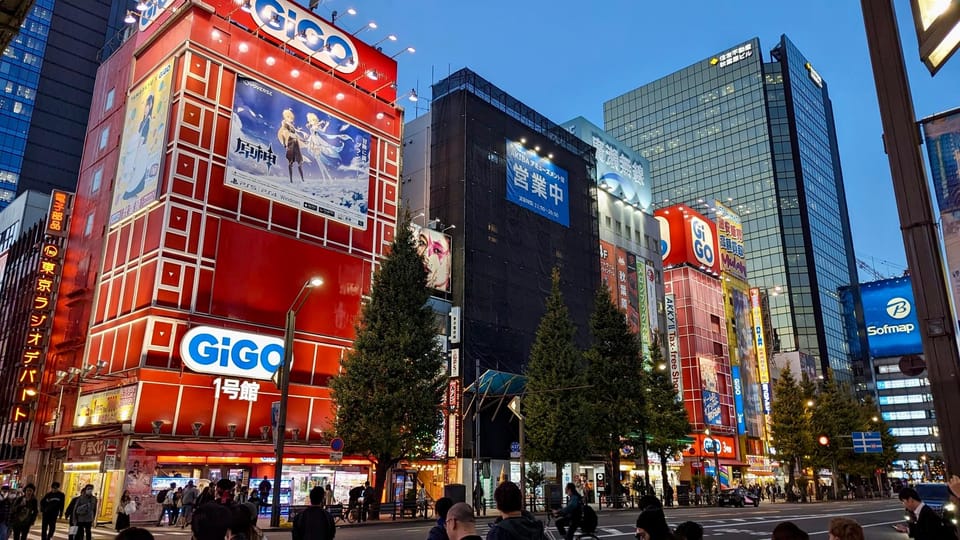
Then the tour shifts gears hard—Akihabara. You’re there specifically for anime and manga, plus video games and electronics. If you’re into any of those categories, you’ll understand why this district has such a global reputation.
What makes this stop feel more than just shopping: the tour says you’ll learn the secrets of Akihabara and you may get to meet maid café staff. That’s a uniquely Tokyo experience, and having it explained in Spanish can help you understand what’s happening and what to expect without awkward guesswork.
A practical tip: Akihabara is the kind of place where a time block disappears fast. You’ll probably see a lot quickly—figures, character goods, game displays, tech gadgets. Let your guide steer you toward the best-known areas first, then you can decide what you want to linger on.
Also, if you’re thinking about souvenirs: bring extra cash. The tour requires cash to be brought, which fits the reality that many small shops operate the simplest way.





Shinjuku City Hall viewpoint: getting Tokyo scale from the 45th floor
After the electronics-and-anime energy, you end up in Shinjuku with a very structured payoff: the observation deck on the 45th floor of Shinjuku City Hall.
This is one of those “quietly brilliant” stops because it solves a common problem in Tokyo. City views are great, but picking the right viewpoint and timing can be a hassle. Here, the tour gives you a specific target with a big payoff: you see the density, the geometry, and the sheer spread of neighborhoods.
How to use your time at the top: don’t only take a couple of wide shots. Take a few angled photos, then look for where your previous stops sit in relation to each other. It helps your brain build a map, and later, when you explore on your own, Tokyo feels less random.
Kabukicho at night: Godzilla’s huge 3D screen and Omoide Yokocho
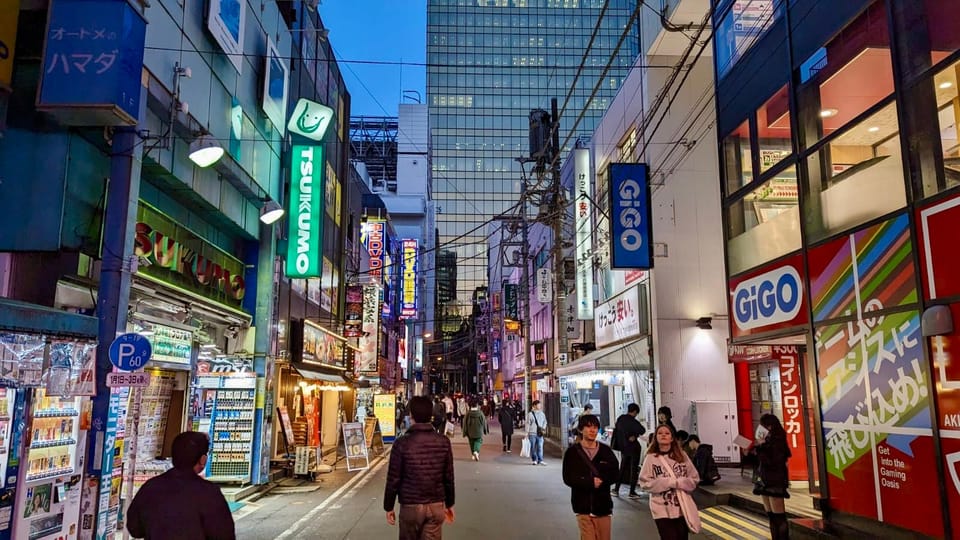
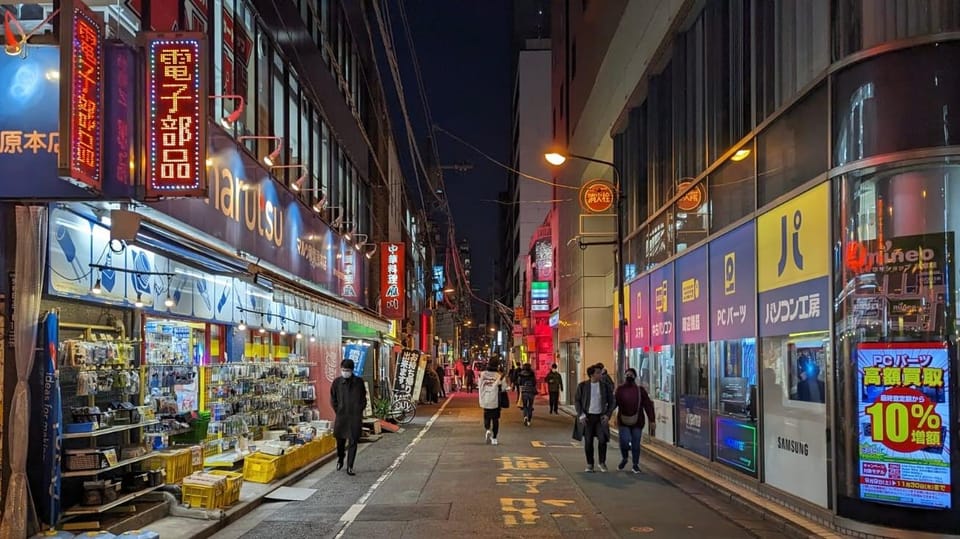
The final stretch finishes in Kabukicho, which the tour describes as a nightlife heart. You’ll stop around the area with Godzilla’s huge 3D screen (called the largest 3D screen in Japan in the highlights) and Omoide Yokocho, also known as Memory Lane.
This is a good end-of-day choice because it feels like a different Tokyo category: neon intensity, late-night atmosphere, and lots of small alleys. The tour positions Kabukicho as entertainment for adults, so keep your comfort level in mind. If you prefer quieter streets, you may want to focus on photos and then enjoy the area briefly.
Also, if you’re planning your evening after the tour: you’ll likely want something simple and nearby. Kabukicho is the kind of district where it’s easy to wander into longer detours than you meant to take.
Price and value: what $338 per group really means for your day
The price is listed as $338 per group (up to 5 people) for an 8-hour private experience. That means your cost per person changes a lot depending on group size.
Here’s the math in plain terms:
- If you fill the group with 5 people, it comes to about $68 per person.
- If you’re 2 people, it’s about $169 per person.
- If you’re solo, it’s the full $338.
Is that “worth it”? For many people, yes—because you’re paying for time, logistics, and a guide who can connect the dots between districts that would otherwise feel disconnected. The included pickup and transport assistance alone can be meaningful on a day that covers multiple neighborhoods.
Two extra costs to plan for:
- Food isn’t included, so you’ll likely spend on snacks and meals during breaks.
- Client transport isn’t included in the price, even though there’s help coordinating movement in Japan.
So I’d treat this as a good value option when you can share the cost, like with friends, a small family group, or a couple traveling with another pair.
How the day runs in real life: pickup, weather, and keeping it smooth
The tour includes hotel pickup (or a nearby station) and features a 100% Spanish guide. You’re looking at a full-day flow that spans roughly five districts, with guided time at Asakusa, Ueno, Akihabara, and Shinjuku.
It’s also stated that the tour runs regardless of weather, except for a earthquake or extreme weather event. That matters in Tokyo because you can get rain that changes your plans quickly. Here, the expectation is you’ll keep moving unless the situation becomes serious.
One more thing: bring cash. The tour specifically lists cash as something you should have. That usually lines up with small purchases for snacks, drinks, and souvenirs.
A note on guide reliability (important)
Most of the feedback attached to this experience is positive, especially around guide quality and information handling. There’s also an account of a guide not showing up and poor communication, which is the kind of worst-case scenario you should take seriously.
My advice: confirm your pickup details ahead of time and have your hotel address ready in case you need to coordinate. If you can, keep the meeting point info easy to access on your phone. That small step can save a stressful day.
Also, if you’re lucky and your guide is Ignacio, that’s been praised as an excellent fit—someone who manages information well and makes the day feel personal, not robotic.
Who should book this Tokyo private tour, and who shouldn’t
This tour makes the most sense if:
- You want a Spanish guide guiding you through Tokyo’s major contrasts: tradition, pop culture, and night energy.
- You like structure. You’re okay following a planned route instead of chasing everything independently.
- You’re traveling in a group of up to 5, so the per-group price becomes reasonable.
You might skip it if:
- You use a wheelchair. The tour notes it’s not suitable for wheelchair users.
- You prefer fully independent pacing and don’t want fixed time blocks in each district.
- You hate places tied to nightlife. Kabukicho is part of the final experience, and it’s described as an adult entertainment area.
Should you book Tokyo: Tour Privado por Tokio en español?
I’d book it if you want an organized, Spanish-led day that hits the big Tokyo neighborhoods in a logical order, from Senso-ji and Kaminarimon Gate to Akihabara, then to Shinjuku’s skyline view, and finishing with Kabukicho’s night energy. The included pickup and viewpoint stop are real wins, and the sweets-and-culture angle helps you understand what you’re seeing.
But go in smart:
- If you’re traveling in a small group, double-check that the price feels right for your budget.
- Bring cash and plan for food on your own.
- Confirm pickup info so you’re not left guessing.
If those boxes work for you, this is a strong way to get Tokyo’s “best-of” districts without spending your day trying to figure out where to go next.
FAQ
FAQ
How long is the Tokyo private tour in Spanish?
The tour lasts 8 hours.
What is the group size and price?
It’s priced at $338 per group, for up to 5 people.
Does the tour include hotel pickup?
Yes. Pickup is included, and you’ll usually be collected from your hotel or a nearby station.
Is food included in the price?
No. Meals for the customer are not included.
Is transport included?
Transport costs for the customer are not included, but there is assistance with transport in Japan.
What language is the guide?
The live tour guide speaks Spanish.
Does the tour require cash?
Yes. The tour asks you to bring cash.
What if it rains?
The tour runs regardless of weather, except for a earthquake or extreme weather event.
Is the tour suitable for wheelchair users?
No. It is not suitable for wheelchair users.
More Tour Reviews in Tokyo



Fresh reviews from around Tokyo






Tokyo, compared.
 ★ 5.0Mt Fuji and Hakone 1-Day Bus Tour Return by Bullet TrainFrom $16326,383 reviews
 ★ 5.01-Day Tokyo Bus TourFrom $12914,250 reviews
 ★ 4.6teamLab Planets TOKYO Digital Art Museum Entry TicketFrom $259,779 reviews
 ★ 4.0Mt Fuji & Hakone Cruise, Drum Show Bullet Train 1 Day from TokyoFrom $1497,413 reviews
 ★ 5.0Shinjuku Food Tour (13 Dishes at 4 Local Eateries)From $866,603 reviews
 ★ 4.4Tokyo Mt Fuji 5th St & Hakone Cruise Bus Tour w/Bullet TrainFrom $1545,024 reviews
 ★ 5.0Flagship 2-Hours Official Street Go-Kart Tour – Tokyo Bay ShopFrom $644,974 reviews
 ★ 4.5From Tokyo: Mount Fuji Full-Day Sightseeing TripFrom $684,970 reviews