
Reviewed · KAMAKURA DAY TRIPS
Tokyo: Kamakura & Enoshima Day Tour with Pickup & Train Ride
Kamakura hits different when you start from Tokyo with a plan. This day tour mixes iconic temples with an easy coastal train ride on the Enoden and a Slam Dunk stop that feels like a fan pilgrimage, not a museum visit. I like the small group size (max 9) because the day stays organized without feeling crowded, and I also like that you still get hands-on free time for shopping and photos in Kamakura. One thing to consider: it’s not a private, full-guided walking tour, so explanations at each attraction are light—you’ll rely on the set plan and your own exploring pace.
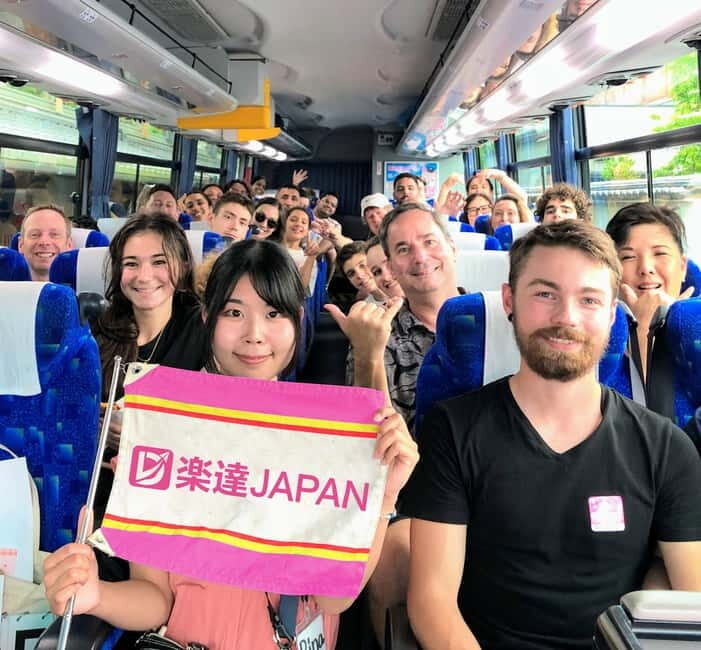
The rhythm is simple: you ride out from Tokyo, do a sequence of meaningful stops (Enoshima → shrines → movie/anime photo moment → coastal train → Komachi Street → Great Buddha), then return by JR Tokyo Station by about 6:00 PM. You’ll get driver-guide help, but the driver generally stays in the vehicle, so you’re expected to follow the stops and meet back points on time.
In This Review
- Key highlights I’d prioritize
- How the day works: small-group, mostly self-paced
- Getting started at JR Tokyo Station (and why it matters)
- Enoshima Island: shrine gardens, coastal myths, and your best photo time
- Kamakura High School: the anime crossing stop that’s actually fun
- Shonan coast park views: the “in-between” that’s worth paying attention to
- Riding the Enoden: vintage coast riding without the planning headache
- Tsurugaoka Hachimangu: the biggest shrine stop and how to make it pay off
- Komachi Street: snack, shop, and choose your pace
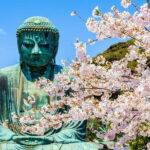
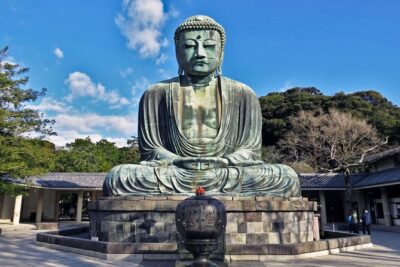
- The Great Buddha of Kamakura: finish strong with a major bronze landmark
- Value check: why the price can be a good deal
- Who this tour suits best (and who should skip it)
- Should you book this Kamakura & Enoshima day tour?
- FAQ
- How much walking is involved on this day tour?
- Is hotel pickup and drop-off available?
- Do I need to pay entrance fees during the tour?
- What’s included in the tour price?
- Where do I meet the driver?
- What do I need before the tour starts?
Key highlights I’d prioritize
- Enoden train ride: a short vintage-coast rail experience you can enjoy without wrestling transit transfers
- Enoshima Island views + shrine: gardens and seaside scenery tied to a local legend vibe
- Kamakura High School Slam Dunk crossing: quick photo time at the exact kind of street fans talk about
- Tsurugaoka Hachimangu: a major shrine grounds walk that sets the samurai-era tone
- Komachi Street time: a practical window to snack, shop, and decide what you want more of
More escapes to the Great Buddha and the coast
- Kamakura 8 hr Private Walking Tour with Licensed Guide from Tokyo★ 5.0 · 80 reviews
- Tokyo: Kamakura & Enoshima Day Tour with Pickup & Train Ride★ 4.1 · 61 reviews
- Kamakura Private & Customizable Tour – All-in-One Experience★ 5.0 · 49 reviews
How the day works: small-group, mostly self-paced
This is a bilingual, non-private setup with a maximum of 9 people. The driver-guide’s role is more “make sure you’re in the right place, at the right time” than “explain every stone.” You should expect basic English support, and the live tour guide language options listed include Chinese, English, Japanese, and Traditional Chinese, but don’t count on a deep narration inside each site.
In practice, that means you’ll move through several highlights with short stops (photo stops, then some time to wander), while the group stays on a tight schedule. I like this style for day trips because you get a lot of variety without burning hours fighting transit. The tradeoff is that you’ll want to bring a little curiosity and be comfortable reading the room at each attraction.
Timing tip: arrive early. The tour depends on punctual departures, and the meeting point is strict.
Getting started at JR Tokyo Station (and why it matters)
You meet at JR Tokyo Station, Marunouchi North Gate (東京駅丸の内北口, 1 Chome-6). The instructions are clear: arrive about 15 minutes early, and plan to be fully ready to go when your group is called. Late arrivals aren’t accommodated.
You also have to provide a WhatsApp number during checkout. After booking, you’re added to a WhatsApp group where you should receive a GPS-pinned meeting map, vehicle plate number, and pickup/meeting reminders by 8 PM the night before. If you’ve ever missed a meeting time on a day tour in Japan, you already know why this matters. WhatsApp is what keeps the logistics smooth.
If you choose hotel pickup, eligibility depends on your location within the pickup zone around JR Tokyo Station. If your hotel is outside the covered area, you’ll get a 2,800 JPY refund and meet centrally instead. Either way, you’re starting from a station hub, which makes the whole day more manageable.
Enoshima Island: shrine gardens, coastal myths, and your best photo time
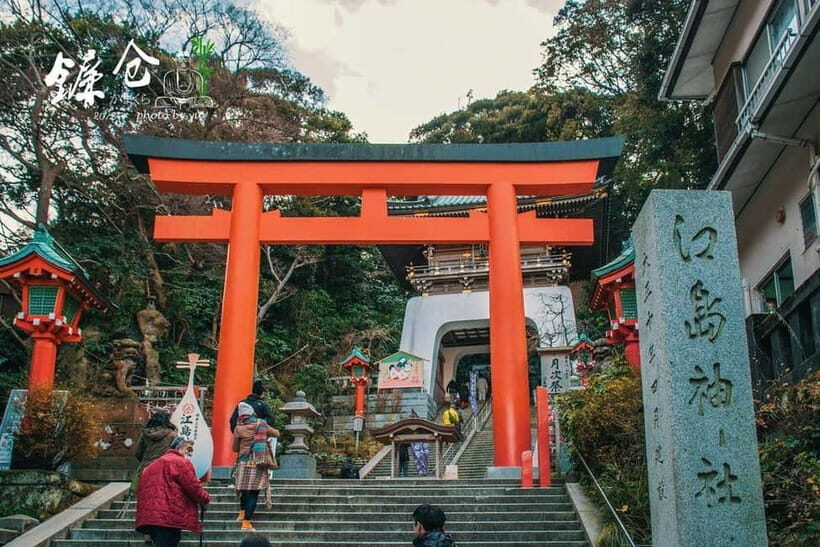
You begin with Enoshima Island and spend about 2 hours there, including sightseeing time that’s self-guided. You’ll also get scenic views on the way in this part of the day, which helps you “arrive” rather than just “check a box.”
Enoshima is known for its coastal outlooks and local legend energy. The tour includes a specific reference point: the five-headed dragon myth. Even if you’re not an expert on the story, it gives you a theme as you wander, which makes the shrine-and-garden circuit feel more connected.
You’ll also stop at Enoshima Shrine for about 30 minutes. Expect a photo stop and a chance to walk around the shrine area with gardens nearby. If you like taking pictures, this is one of the easiest times to slow down. If you’re more practical, it’s also a good chance to regroup, use the restroom, and grab water before the next segment.
Small drawback: Enoshima involves walking around uneven ground and steps in shrine areas. Comfortable shoes aren’t optional if you want the island part to feel pleasant.
Kamakura High School: the anime crossing stop that’s actually fun
Next up is Kamakura High School, famous as the inspiration for Slam Dunk. This isn’t a long museum-style visit. It’s a short stop built around photo time and free roaming: about 30 minutes total, including a photo stop and some time for you to take in the spot.
What makes this stop special is that it’s not just a generic photo angle. It’s specifically the crossing that Slam Dunk fans seek out. That matters because quick stops can feel awkward if you don’t know where to look. Here, the tour plan is basically doing the “where to stand” work for you.
I’ve seen other Japan day tours that treat anime sites like roadside attractions. This one feels more like a targeted fan moment that fits a day itinerary. It’s also a nice break from temples, so the day doesn’t become nonstop “sacred stones and incense.”
Practical note: you’ll move quickly between stops, so treat this as a photo-and-walk window, not a deep exploration.





Shonan coast park views: the “in-between” that’s worth paying attention to
Between main sights, you get a stop at Kanagawa Prefectural Shonan Coast Park for scenic views on the way. This is one of those segments that can be forgettable if you’re thinking only about the big-ticket sites. But coast-view stops can be the best reset button on a packed day.
Even if you don’t spend long here, you’re doing something valuable: changing the scenery before you ride the Enoden. It keeps the day from feeling like a list.
If the weather is good, this is when I’d take a moment to look back at the coastline before the next leg brings you closer to the sea again by train.
Riding the Enoden: vintage coast riding without the planning headache
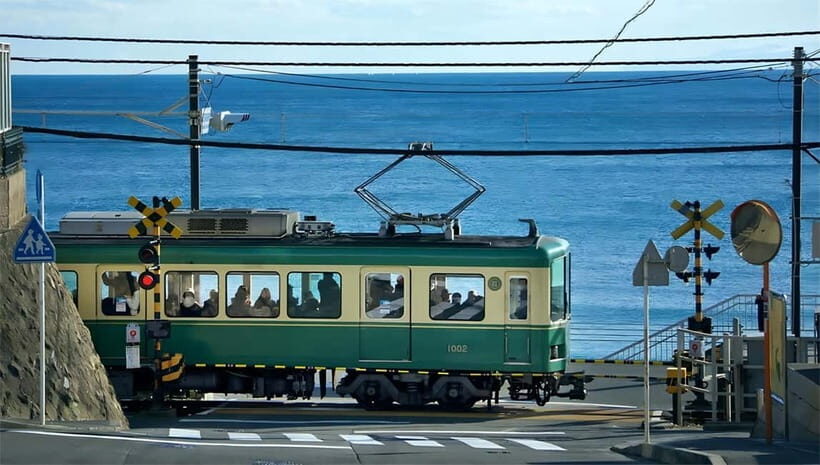
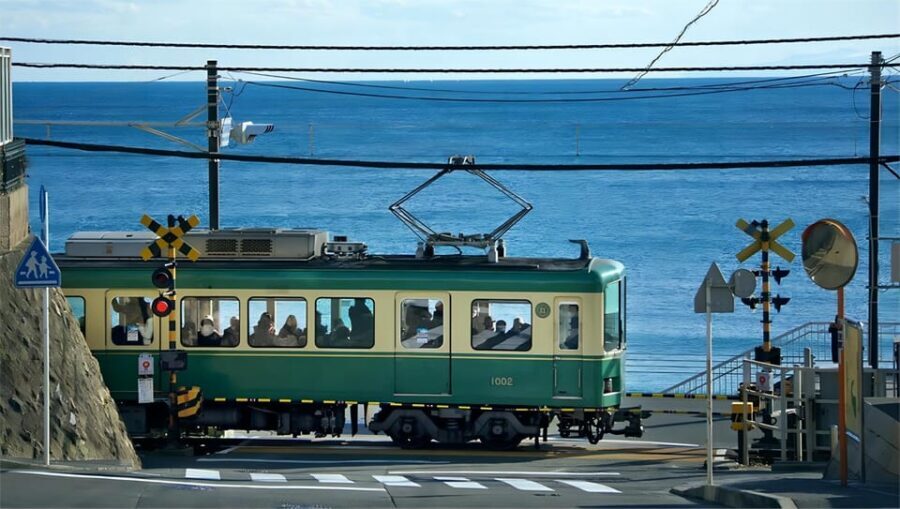
One of the most beloved pieces of this plan is the Enoden train ride. You board for a panoramic ride segment described as going through the area around Enoden Bus Kamakura Office, with about 20 minutes of train time.
This is the part where the tour wins for value. Public transit in Japan is great, but coast rail can still mean figuring out connections and schedules. Here, you just show up, board, and let the coastline scenery do its thing for a short, digestible period.
The Enoden is described as vintage and scenic, with panoramic views along Kamakura’s coast. I like this segment because it doesn’t require you to be a train nerd. You can enjoy it purely as a moving viewpoint—watching local streets and sea views slide past in a calm, low-effort way.
What to do on the train: have your camera ready near the windows, and keep your eyes on the timing at the end of the ride so you’re lined up for the next meet point.
Tsurugaoka Hachimangu: the biggest shrine stop and how to make it pay off
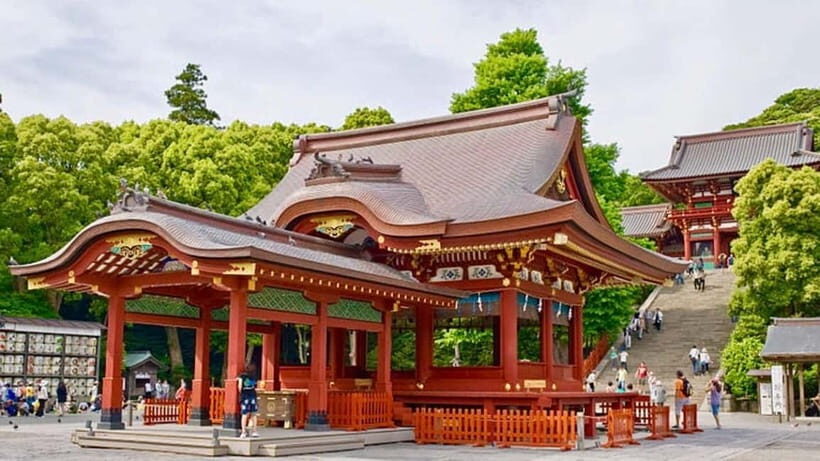
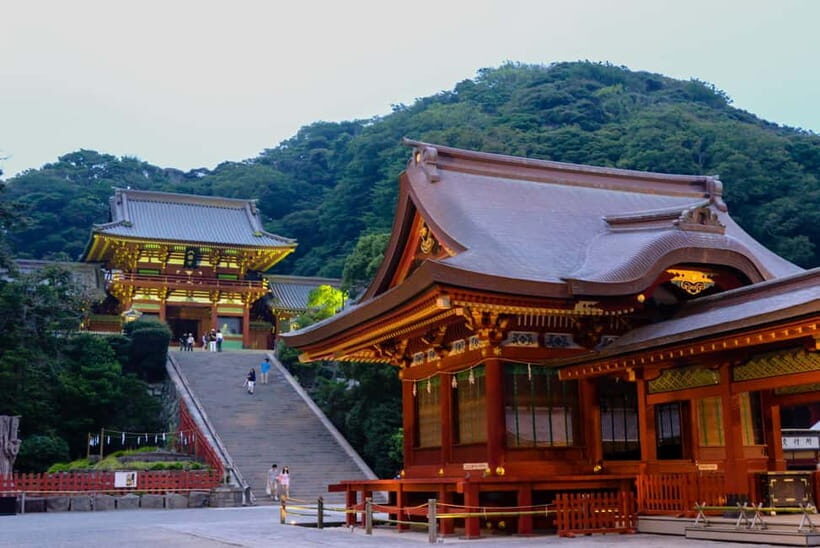
Tsurugaoka Hachimangu is the major shrine on this route. You’ll have about 1.5 hours here, with a photo stop and self-guided sightseeing.
This is one of Japan’s best-known shrine complexes in Kamakura, and the tour frames it in a useful way: its historical and spiritual ties to Japan’s samurai past. You don’t have to memorize the details to get something out of the visit. The grounds and approach give you a sense of scale and ceremony.
Because explanations at each stop are limited, you’ll get the best experience if you let the shrine architecture and layout do the talking. Walk slowly. Look for sightlines and how the approach path guides you. This is the moment in the day where you can slow down more than the quick photo stops.
Where people often miss value: they rush through the main area like it’s only a checklist. With 1.5 hours, you can do better—at least pause long enough to understand where the main viewing axis leads.
Komachi Street: snack, shop, and choose your pace
Then comes Komachi Street, with about 30 minutes of free time. This is your practical “human Kamakura” slice: shopping and local snacks.
The tour plan includes time for:
- street food (self-paced)
- souvenir browsing and shopping
- a food market visit window
Because it’s short, you’ll want a quick strategy. If you’re hungry, eat early in the window so you’re not stuck waiting. If you’re focused on shopping, pick one or two souvenir types and commit. You won’t have time to “browse everything,” and that’s okay.
This is also where the day can feel most alive. It’s less solemn than the shrine areas, and that contrast makes the earlier sacred stops feel more grounded rather than repetitive.
Comfort note: you’ll likely be on your feet a lot across the day. Wear shoes you can stand in without regret.
The Great Buddha of Kamakura: finish strong with a major bronze landmark
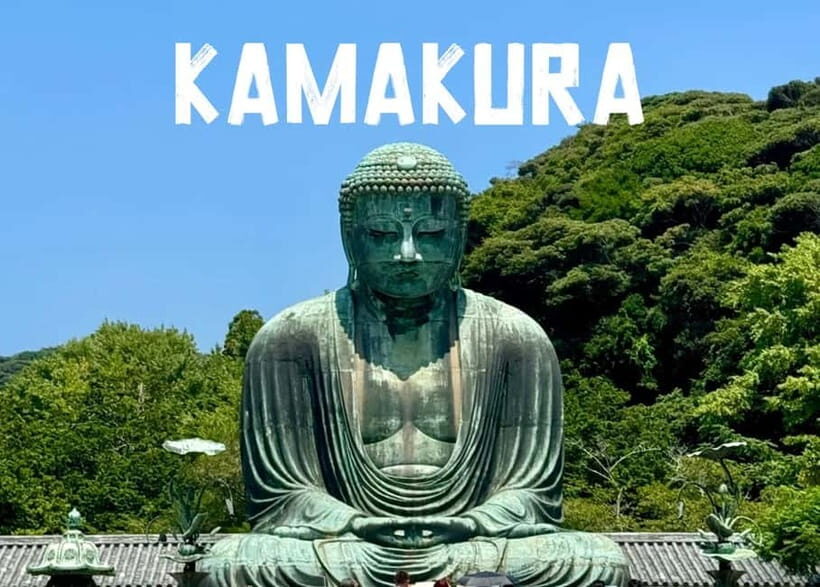
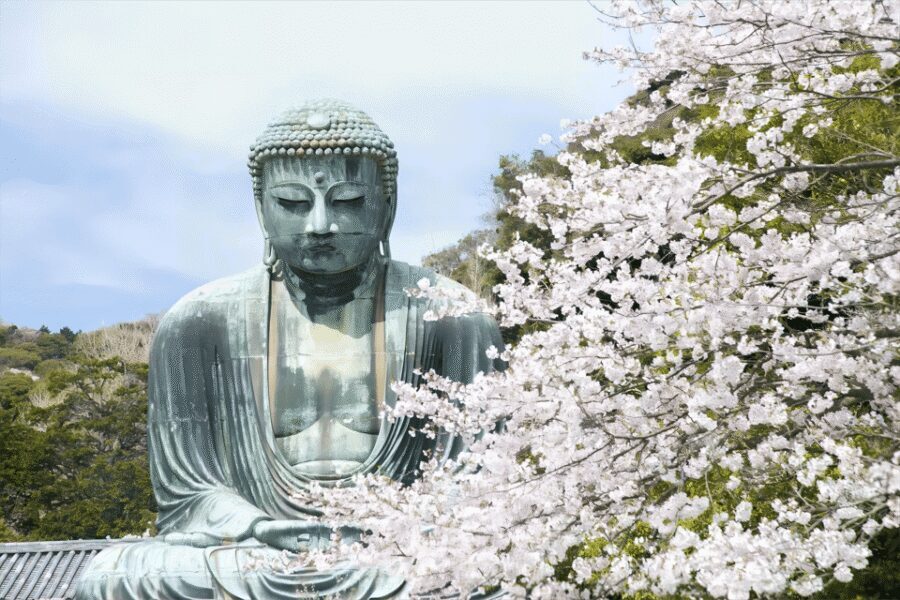
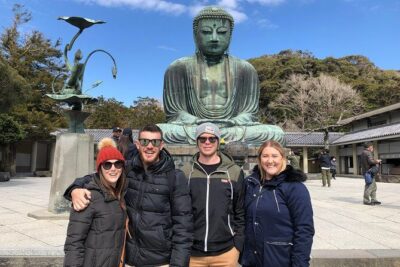
The last highlight is the Great Buddha (Kamakura Daibutsu). This part ends the day with a towering bronze statue, listed at about 11.3 meters tall.
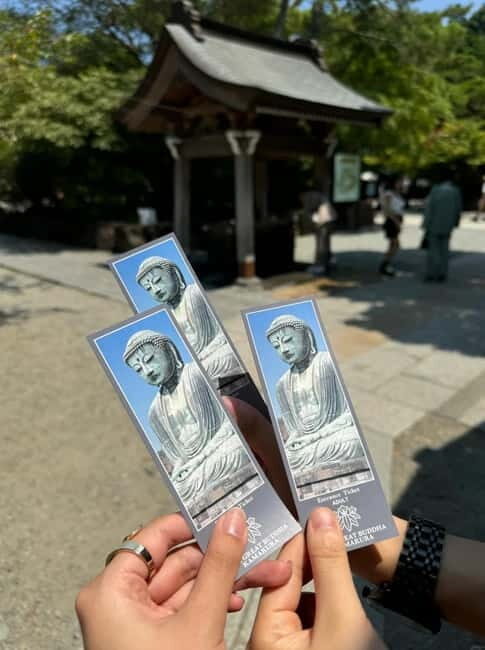
Important detail: entrance fees are not included for this stop. The cost to enter is 300 JPY, and the interior access is an additional 50 JPY. If you want to go in, bring cash or be ready to pay on-site. The tour price covers the Enoden train fare, but not shrine/temple admissions beyond that.
This final stop is also a good “pace saver.” Even if you skip extra interior access, the exterior view and the temple grounds can be peaceful after a busy day of walking and train time.
I like ending here because the scale of the statue gives you a satisfying visual wrap-up. It also makes the return trip back to Tokyo feel earned.
Value check: why the price can be a good deal
The price is listed at about $13 per person for a 10-hour round-trip experience with transportation and Enoden train fare included. That’s the heart of the value: transportation + a scheduled coast train segment, plus multiple major-area highlights in one day.
What you’re paying for isn’t a full guided walking tour. It’s structure:
- someone organizes the order of sights,
- you get picked up or meet at a central station,
- and the Enoden portion is handled.
That can be excellent if you’re the kind of traveler who enjoys self-guided time. The reviews reinforce this style: people talk about it being straightforward self-guided with enough setup information, and they praise drivers who helped keep the group on track.
Names you may see in reported experiences include Allan Tan, Sun, Harry, Wan, and Brewster. Across those reports, the common praise is not “endless commentary.” It’s help at the right moments, being on time, and making the day feel easy to manage.
The main value tradeoff: entrance fees for the Great Buddha aren’t included, and there’s no promise of detailed explanations at every stop. If you want a lecture at each site, you’ll feel the gap. If you want a well-run day with time to look and walk, this format is strong.
Who this tour suits best (and who should skip it)
This works best for you if:
- you want a low-effort day trip from Tokyo without planning transit between Kamakura and Enoshima
- you like a mix of shrines + street life + one anime photo stop
- you’re comfortable with self-guided wandering and quick photo windows
You might not love it if:
- you want constant guide narration at every site (this is more of a driver-and-itinerary support style)
- you have mobility needs. It’s listed as not suitable for people with mobility impairments or wheelchair users.
It also helps if you can manage your day using WhatsApp updates and are fine with punctual timing and meeting back points.
Should you book this Kamakura & Enoshima day tour?
If your goal is a well-organized day that covers the classics—Enoshima, major Kamakura shrine grounds, Komachi Street, and the Great Buddha—plus the Enoden coast train and the Slam Dunk photo moment, this is a solid choice. The price-to-coverage ratio is the big selling point, especially because transit and the coast rail segment are already built in.
I’d say book it if you enjoy moving efficiently and using your free time well. I’d skip it if you’re hoping for a slow, deeply explained, fully escorted temple-by-temple tour. Either way, bring comfortable shoes, plan extra yen for the Great Buddha entrance if you want the interior, and keep WhatsApp active so you don’t lose the thread.
FAQ
How much walking is involved on this day tour?
You’ll spend time on Enoshima Island, walk around shrine grounds like Enoshima Shrine and Tsurugaoka Hachimangu, and have free time on Komachi Street. Comfortable shoes and weather-appropriate clothing are strongly recommended.
Is hotel pickup and drop-off available?
Pickup is optional. It depends on whether your hotel is within the pickup zone around JR Tokyo Station. If it’s outside the area, you’ll receive a 2,800 JPY refund and meet centrally.
Do I need to pay entrance fees during the tour?
Yes. The Great Buddha entrance fees are not included: 300 JPY for entry and 50 JPY for the interior. Other admission fees are also not included.
What’s included in the tour price?
The tour includes round-trip transportation, hotel pickup/drop-off if selected, and the Enoden train ride fare. It does not include a professional tour guide’s admission-related services at the sites, and meals/snacks are not included.
Where do I meet the driver?
You meet at JR Tokyo Station at 東京駅丸の内北口 (Marunouchi North Gate). You’re asked to arrive 15 minutes early, and latecomers can’t be accommodated.
What do I need before the tour starts?
You must provide a WhatsApp number during checkout. You’ll receive meeting and pickup details by email the night before, and you’ll also be added to a WhatsApp group with a GPS-pinned meeting map and reminder.
More Tours in Tokyo


More Tour Reviews in Tokyo



More Days by the Great Buddha
Fresh reviews from around Tokyo






Kamakura Day Trips, compared.
 ★ 4.5Kamakura & Enoshima Day Trip including Temple TicketsFrom $581,375 reviews
 ★ 4.5From Tokyo: Kamakura & Enoshima 1-Day Bus TourFrom $66189 reviews
 ★ 5.0Kamakura Historical Walking Tour with the Great BuddhaFrom $98129 reviews
Kamakura Private Tour: Temples, Nature, and the Great BuddhaFrom $98121 reviews
Kamakura Walking Tour – The City of ShogunFrom $35100 reviews
★ 5.0Kamakura Historical Walking Tour with the Great BuddhaFrom $98129 reviews
Kamakura Private Tour: Temples, Nature, and the Great BuddhaFrom $98121 reviews
Kamakura Walking Tour – The City of ShogunFrom $35100 reviews
 ★ 5.0Kamakura 8 hr Private Walking Tour with Licensed Guide from TokyoFrom $20180 reviews
 ★ 4.8Kamakura: Private Guided Walking Tour with Local GuideFrom $10660 reviews
 ★ 5.0Kamakura 4hr Private Trip with Government-Licensed GuideFrom $10858 reviews
Browse the lists this tour appears in