
Reviewed · MT FUJI DAY TRIPS
Tokyo: Mt. Fuji Tour, Hakone Ropeway, Owakudani, Lake Ashi
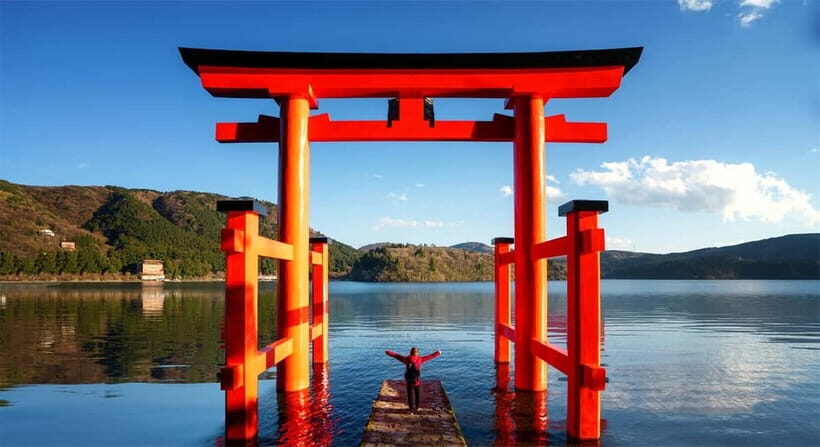
That red Torii sets the tone.
This is a full-day Mt. Fuji and Hakone loop that trades Tokyo crowds for big views, steam, and photo stops. I like that it’s run like a tight plan: bus time, set sights, and clear pacing, with guides such as Captain Jack or Kousei keeping everyone on track. The day also has a nice mix of sacred sites, volcanic scenery, and Fuji-fed water landscapes.
Two things I really like: the chance to see Heiwa no Torii at Lake Ashi (when it’s open), and the geothermal stop at Owakudani where you can try the famous black eggs boiled in volcanic water. One consideration: lunch isn’t included, and the day is long enough that you’ll want snacks ready.
In This Review
- Key highlights you’ll care about
- From Tokyo to Hakone: how the day stays efficient
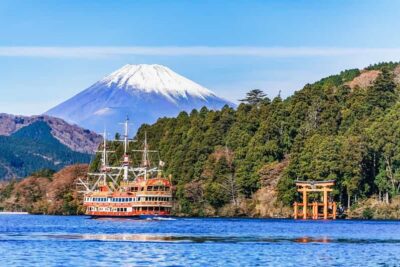
- Heiwa no Torii at Lake Ashi: the Fuji photo stop that people wait for
- Optional pirate ship cruise on Lake Ashi: when the extra fee is worth it
- Hakone Ropeway: the best way to see Fuji and Lake Ashi in one glance
- Owakudani Volcanic Valley: steam, sulfur air, and the black eggs
- Lake Yamanaka Swan Shore: a calm photo break near Fuji Five Lakes
- Lunch timing: plan for mid-afternoon fuel since it’s not included
- Oshino Hakkai: eight ponds of Fuji snowmelt magic (in plain sight)
- Price and value: is $54 a good deal for this day?
- Who this tour suits best (and who should skip it)
- Booking decision: should you go?
- FAQ
- What is included in the tour price?
- Is lunch included?
- Do I have to pay extra for the pirate ship cruise?
- What if the Hakone Ropeway closes due to weather or maintenance?
- Will I definitely see Mt. Fuji?
- Where do I meet the guide, and where do I get dropped off?
- How early should I arrive at the meeting point?
- Will the red Torii gate be available during winter?
Key highlights you’ll care about
- Heiwa no Torii on Lake Ashi: the iconic red gateway for Fuji photos
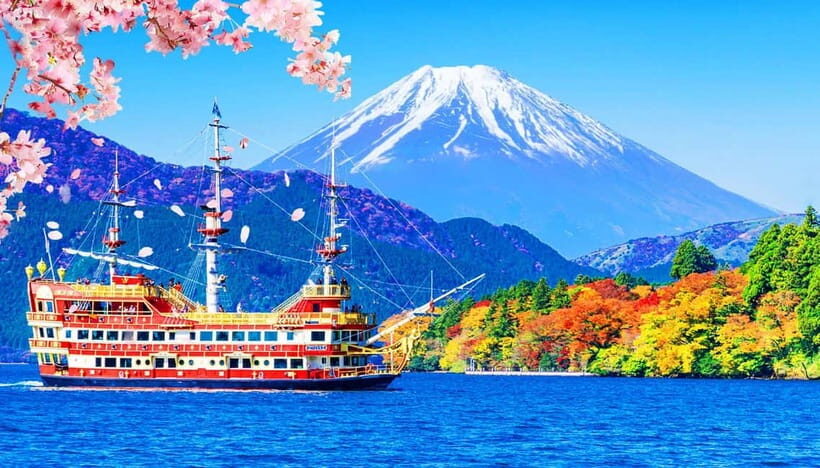
- Hakone Ropeway: built for panoramic views of Lake Ashi and Mt. Fuji, weather permitting
- Owakudani Volcanic Valley: active geothermal sights plus the black egg tasting moment
- Optional pirate ship cruise: extra Lake Ashi viewpoints if you want the full scene
- Lake Yamanaka swan shore photos: Mt. Fuji in the background when visibility cooperates
- Oshino Hakkai ponds: eight clear ponds fed by Mt. Fuji snowmelt
Other routes to the mountain, compared
- Mt Fuji & Hakone Cruise, Drum Show Bullet Train 1 Day from Tokyo★ 4.0 · 7,413 reviews
- Tokyo Mt Fuji 5th St & Hakone Cruise Bus Tour w/Bullet Train★ 4.4 · 5,024 reviews
- From Tokyo: Mount Fuji Full-Day Sightseeing Trip★ 4.5 · 4,970 reviews
From Tokyo to Hakone: how the day stays efficient
This tour is designed for first-timers who want the “Fuji day” without figuring out trains and transfers on their own. You meet your guide in Tokyo—either at Tokyo Station or Shinjuku Station (your exact spot varies by booking). Then you’re picked up in an air-conditioned coach and driven to Hakone.
The total time is about 10 hours. That matters because Hakone is spread out, and traffic can be unpredictable. A big reason this tour feels good is that it keeps you moving through the core areas: Lake Ashi → Owakudani → Fuji Five Lakes zone → Oshino Hakkai → back to Tokyo.
A practical note before you go: no eating in the bus. Bring water and a few snacks for the gaps between stops, especially if breakfast is earlier. Some guides are great about time calls, but you still need your own fuel.
Heiwa no Torii at Lake Ashi: the Fuji photo stop that people wait for
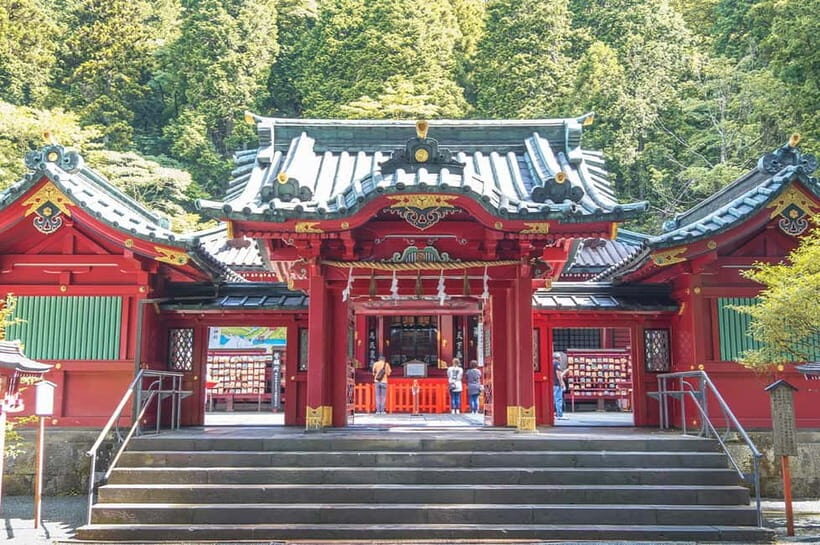
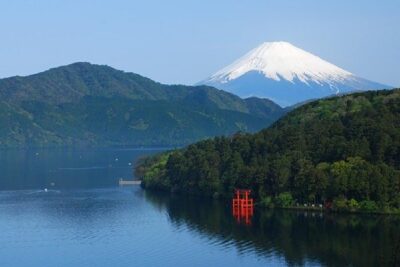
Hakone starts with the Hakone Shrine area and the famous red Heiwa no Torii set right at the water’s edge on Lake Ashi. The shrine dates back to 757, so you’re not just chasing a postcard—you’re stepping into an old sacred place tied to the region’s long relationship with the lake.
Why it’s worth your time:
- The Torii is simple and bold, which makes it easy to frame with Mt. Fuji in the background (when visibility is good).
- The shoreline area has a calm feel compared with Tokyo, which helps you slow down for photos.
One real-world wrinkle: the Torii gate is scheduled to be closed from Dec. 28 to Feb. 10, 2026. If your travel dates fall in that window, your photos may be different. Still, the shrine and Lake Ashi views should remain a strong stop.
Optional pirate ship cruise on Lake Ashi: when the extra fee is worth it
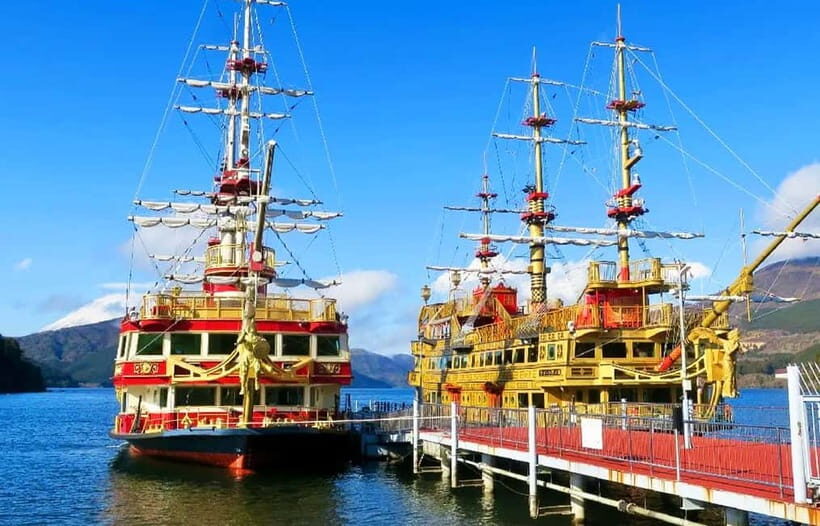
Lake Ashi is the visual center of the day, and the optional pirate ship cruise adds motion and perspective. This part is self-paid, around 1700 JPY, but it can be a smart splurge if you’re trying to maximize Mt. Fuji angles.
You can choose from three themed boats:
- Royal II
- Victory
- Queen Ashinoko
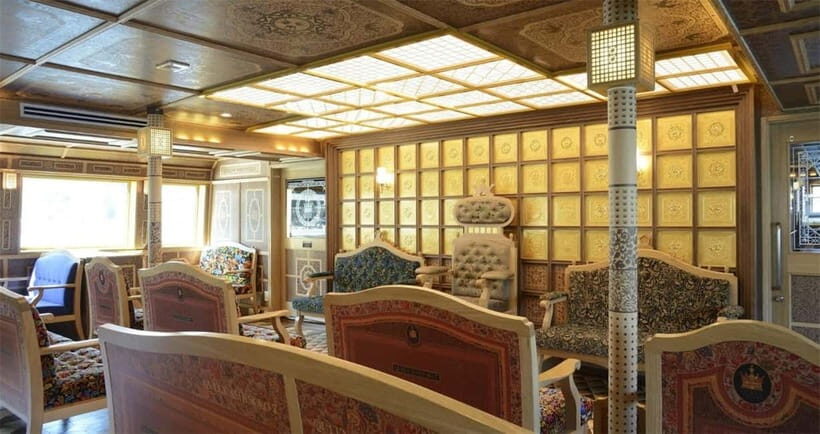
The cruise timing is short (about 25 minutes on the tour flow), but it’s the kind of time that pays off in photos—especially because the Torii and shoreline look different from the water. Also, queues can get long at popular sightseeing moments, so if you’re trying to keep the day smooth, commit to being flexible and boarding when instructed.
If the weather is poor, Mt. Fuji visibility might be limited from the boat too. In that case, focus on the lake, shoreline scenery, and the fact that you still get a break from walking.
Hakone Ropeway: the best way to see Fuji and Lake Ashi in one glance
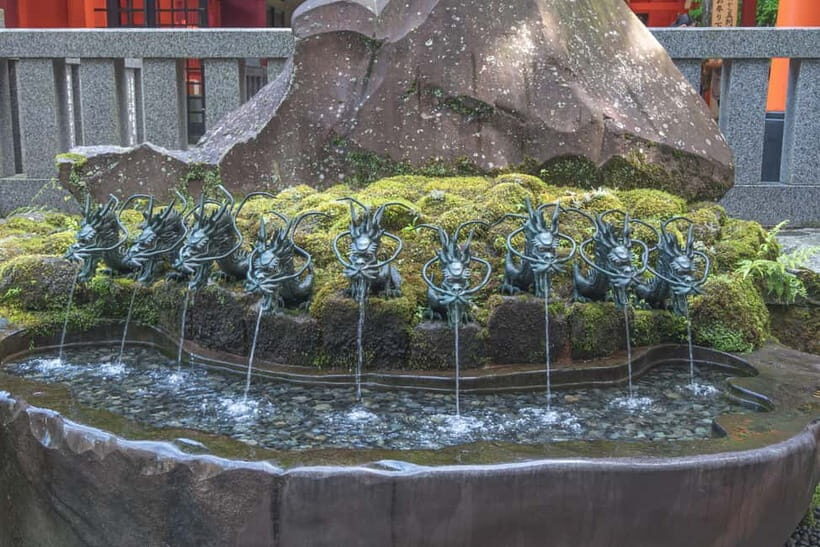
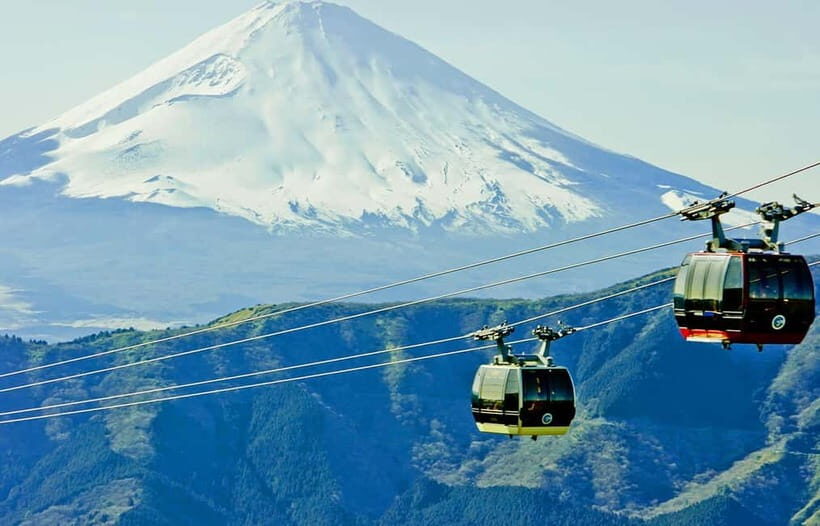
After the lake and ropeway feeder options, you’ll ride the Hakone Ropeway for panoramic views. This is included, and it’s one of the easiest ways to get height without doing stairs or complex routing.
What to expect:
- Clear sightlines toward Mt. Fuji and Lake Ashi, assuming weather is on your side.
- Sweeping views that feel like a “reset” after the shrine and lake-level walking.
- A good photo window, since everyone is looking in the same direction for the same moment.
Two things to watch:
- Visibility isn’t guaranteed. Mt. Fuji can hide behind cloud.
- The ropeway may close due to bad weather or maintenance. If that happens, you’ll need to contact the operator for a ticket refund of 1000 JPY per person.
If you’re traveling during winter or shoulder seasons, I’d dress for wind and cold. Ropeway stations can feel cooler than the road-level spots.
More Hakone loops, ropeways and lake crossings
Owakudani Volcanic Valley: steam, sulfur air, and the black eggs
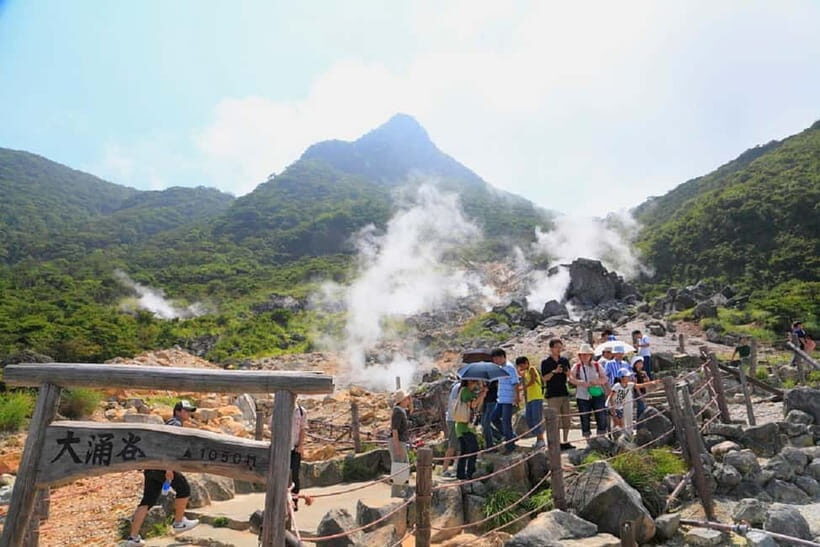
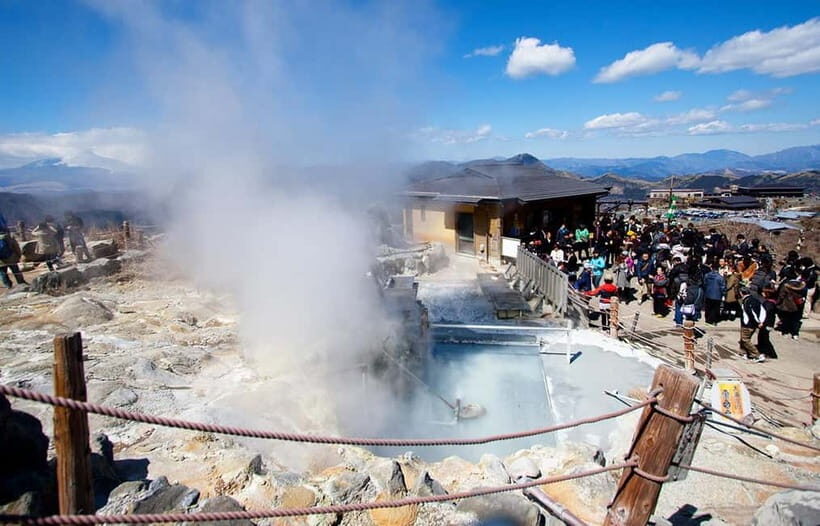
Owakudani is where the tour gets real. This geothermal valley was formed by a massive eruption of Mt. Hakone about 4,000 years ago. The air can smell strongly of sulfur, and you’ll see active geothermal features and dramatic ground.
You’ll get about 50 minutes here with a guided walk—enough time to understand what you’re seeing and still try the local snack.
Don’t skip the bite: the famous black eggs. These are boiled in volcanic spring water, and they’re a signature stop here. Even if you’re not a “foodie,” this is one of those experiences that turns a view into a story. It’s also easy to do quickly if you’re trying to conserve energy for later.
Practical tip: wear shoes you trust. The ground and paths around geothermal areas can be uneven.
Lake Yamanaka Swan Shore: a calm photo break near Fuji Five Lakes
Next comes Lake Yamanaka, one of the Fuji Five Lakes, and a stop at Swan Lake Shore. This is a photo stop with some free time—about 20 minutes.
Here’s what makes it useful:
- It’s a quieter change of pace after Owakudani.
- When Mt. Fuji is visible, this spot can deliver a clean, classic “Fuji + lake + birds” composition.
- If swan feeding is available in-season, you’ll likely see the birds closer, but the tour flow may not always match your timing perfectly if the day runs behind.
One timing reality: the schedule often runs long, and if you’ve got specific photo goals, treat this as your chance to slow down and take multiple shots rather than a single quick glance.
Lunch timing: plan for mid-afternoon fuel since it’s not included
Lunch is not included in the tour price. You’ll get a break at a local restaurant (about 40 minutes) later in the day, after the earlier sights.
That means you should start smart:
- Eat a real breakfast before you leave Tokyo.
- Bring snacks and water for gaps between stops.
- If you have dietary restrictions, you might want to check options when you arrive at the restaurant.
This isn’t a small detail. A long Fuji day can feel stretched if your first meal is late. I’d rather you be slightly over-prepared than hungry and stressed in a queue.
Oshino Hakkai: eight ponds of Fuji snowmelt magic (in plain sight)
The final big sight is Oshino Hakkai, known for its eight crystal-clear ponds formed from Mt. Fuji snowmelt. It’s a classic “Fuji water” stop and a great way to end the day: after geothermal steam, you shift to cold, clear water.
You’ll have about 40 minutes, mostly for photos and strolling. The ponds reflect Mt. Fuji when conditions are right, but even without a perfect reflection, the setting is scenic and photogenic.
Why this stop works in the bigger plan:
- You’re seeing the source effects of Mt. Fuji beyond just the mountain itself.
- It’s a change from transport-heavy sightseeing—more walking, less rushing.
Price and value: is $54 a good deal for this day?
At around $54 per person, this tour can feel like a bargain—mainly because key transport pieces are included. You get:
- Air-conditioned vehicle transportation with pickup and drop-off at two designated points
- A multilingual guide (English, Japanese, Chinese, and Korean support listed)
- Hakone Ropeway fare included
- Parking fees covered
The parts that cost extra:
- Pirate ship cruise is optional and self-paid (~1700 JPY).
- Food and drinks are on you.
So the value logic is simple: if you were planning to do Hakone Ropeway anyway and you want a guide to connect the dots, this price is competitive. If you mainly care about one or two photos and you hate long days, you might feel the schedule is packed. This tour is best when you want a lot of “Fuji area highlights” in one go.
Who this tour suits best (and who should skip it)
This is a strong fit for:
- First-time visitors who want Hakone + Fuji-area sights without planning transfers
- People who like photography stops and structured pacing
- Anyone who doesn’t mind a long day for a high concentration of sights
It may be a bad fit if:
- You have mobility impairments (not suitable)
- You have respiratory issues (not suitable)
- You want a totally flexible, slow travel day—this is a shared, guided format
Also remember: Mt. Fuji visibility depends on weather. Your day can be stunning or just cloudy and moody. That uncertainty is part of Japan’s Fuji experience.
Booking decision: should you go?
I’d book this tour if you want the most efficient way to cover Lake Ashi, Owakudani, and Oshino Hakkai in one day, especially with Hakone Ropeway included. The guides—people like Captain Jack, Kousei, Tom, Sato, and Wanting from different trips—tend to keep timing tight and explain what you’re looking at, which is exactly what helps on a packed schedule.
I wouldn’t book it if you’re hoping for guaranteed Mt. Fuji views or you’re only interested in one stop. For Fuji days, weather rules everything. If you can handle that, this tour is a solid value way to get a full Hakone-and-Fuji hit.
FAQ
What is included in the tour price?
You get the Hakone Ropeway fare, pickup and drop-off at two designated points, air-conditioned transportation, a multilingual tour guide (English/Japanese/Chinese/Korean support listed), and parking fees.
Is lunch included?
No. Lunch is not included. You’ll have a lunch break at a local restaurant later in the day, and you can also bring your own snacks since eating isn’t allowed on the bus.
Do I have to pay extra for the pirate ship cruise?
Yes. The Hakone Pirate Ship Cruise is optional and self-paid, listed at around 1700 JPY.
What if the Hakone Ropeway closes due to weather or maintenance?
If the ropeway closes, you’ll need to email for help with a ticket refund of 1000 JPY per person.
Will I definitely see Mt. Fuji?
No. Mt. Fuji visibility depends on weather and isn’t guaranteed.
Where do I meet the guide, and where do I get dropped off?
You meet your guide at a starting point in Tokyo—either Tokyo Station or Shinjuku Station—and you’ll be dropped off at two designated locations. Exact meeting details are sent the evening before.
How early should I arrive at the meeting point?
Arrive at least 15 minutes early. Staff wearing a yellow vest will be at the meeting point.
Will the red Torii gate be available during winter?
The Torii gate is noted as closed from Dec. 28 to Feb. 10, 2026. If you travel in that window, your Torii viewing may be affected.
More Tour Reviews in Tokyo






Hakone, Three More Ways
The Fuji Shortlist: Other Days Out to the Mountain

Fresh reviews from around Tokyo






Mt Fuji Day Trips, compared.
 ★ 4.0Mt Fuji & Hakone Cruise, Drum Show Bullet Train 1 Day from TokyoFrom $1497,413 reviews
 ★ 4.4Tokyo Mt Fuji 5th St & Hakone Cruise Bus Tour w/Bullet TrainFrom $1545,024 reviews
 ★ 4.5From Tokyo: Mount Fuji Full-Day Sightseeing TripFrom $684,970 reviews
 ★ 5.0Private Tour to Mt. Fuji and Hakone (Fully Licenced Operator)From $4971,910 reviews
 ★ 4.9Mount Fuji Full-Day Private Tour from Tokyo (Customizable)From $3931,470 reviews
 ★ 4.0Mt Fuji & Hakone Cruise, Drum Show Bus 1 Day from TokyoFrom $1221,287 reviews
 ★ 4.2From Tokyo: Mt. Fuji & Hakone Tour w/ Return by Bullet TrainFrom $1171,278 reviews
 ★ 5.0Mt Fuji Private Tour with English Speaking DriverFrom $415861 reviews
Browse the lists this tour appears in