
Kamakura and Yokohama feel like two different worlds in one day. I love how this private setup blends iconic sights with calm temple walks, especially the Great Buddha at Kōtoku-in and the peaceful paths around Hase-dera and Hokokuji. You’ll also get the convenience of Tokyo hotel pickup and drop-off, which makes a long day feel manageable. One thing to consider: the experience depends heavily on your guide’s involvement and pacing, so it’s smart to confirm details in advance and set expectations for each stop.
I’d call this a “big sights, good order” tour: you start with Kamakura’s medieval flavor, shift to Yokohama’s seaside modern energy, and still have time for food stops and photo breaks. The best matches are travelers who want history plus viewpoints without wrestling trains and transfers for a full day. If you’re traveling with mobility constraints or you’re pregnant, this one isn’t listed as suitable.
In This Review
- Key highlights worth carving out a full day for
- A private day that actually respects your time
- Kamakura begins with the Great Buddha at Kōtoku-in
- Hase-dera and Hokokuji: viewpoints plus that bamboo walk
- Tsurugaoka Hachimangu: the shrine that helps you read Kamakura
- The shift to Yokohama: Sankeien Garden and preserved homes
- Chinatown energy and the food-first rhythm
- Shin-Yokohama Ramen Museum: a quirky stop with real payoff
- Minato Mirai and the 296m Landmark Tower photos
- Price and value: what $474 for up to 6 really buys
- Guide quality is the difference between good and great
- A smooth 10-hour day: what to bring and how to pace yourself
- Who this private Kamakura and Yokohama day suits best
- Should you book this day trip?
- FAQ
- How long is the Kamakura and Yokohama private day trip?
- What does the price include?
- What is not included in the tour price?
- Is this tour private, and how many people can go?
- What languages are available for the guide?
- Where does pickup take place?
- Can I cancel and get a full refund?
Key highlights worth carving out a full day for
- Kōtoku-in Great Buddha (about 13 meters): a landmark you can’t really duplicate in Tokyo
- Hase-dera + the Hokokuji bamboo forest: temple atmosphere plus that classic bamboo-photo walk
- Tsurugaoka Hachimangu: Kamakura’s spiritual center and a good way to understand the town’s layout
- Sankei-en Garden in Yokohama: preserved Japanese residences inside a botanical garden
- Yokohama Minato Mirai and Landmark Tower (296 meters): modern waterfront views and skyline photos
- Chinatown + Shin-Yokohama Ramen Museum stop: food-focused breaks during the transition back toward Tokyo
More escapes to the Great Buddha and the coast
- Kamakura 8 hr Private Walking Tour with Licensed Guide from Tokyo★ 5.0 · 80 reviews
- Tokyo: Kamakura & Enoshima Day Tour with Pickup & Train Ride★ 4.1 · 61 reviews
- Kamakura Private & Customizable Tour – All-in-One Experience★ 5.0 · 49 reviews
A private day that actually respects your time
This is built as a true full-day outing from Tokyo, timed to cover major Kamakura highlights and then pivot into Yokohama. A big part of the value is practical: hotel pickup and drop-off reduces stress, and the guide keeps the day moving at a steady tempo instead of you guessing your way through stations.
You’re looking at around 10 hours total, including commuting. That means comfortable shoes aren’t optional. You’ll be on your feet through multiple walking stretches, plus you’ll want time to pause for photos at the big-name spots.
Because it’s a private group, up to 6 people, you can tailor the pace a little better than with large group tours. Still, it’s not a “stay forever” experience at each stop—think “see the essentials well” rather than “slow travel.”
Kamakura begins with the Great Buddha at Kōtoku-in
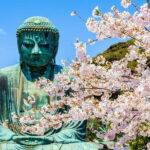
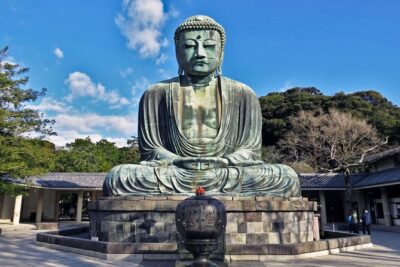
Your Kamakura morning starts at Kōtoku-in, famous for the Great Buddha statue. This isn’t a small decoration you glance at and move on. We’re talking a bronze figure about 13 meters high, standing since the 15th century—big enough that it changes how you frame your photos and how long you naturally linger.
What I like about starting here: it gives you instant context. Kamakura’s identity is tied to Buddhism and temple culture, and the Great Buddha acts like the anchor. Even if you’ve seen other famous statues in Japan, this one feels more “open-air and grounded,” partly because of its scale and the way you approach it as part of a larger temple setting.
Practical note: December and other winter months can affect how enjoyable outdoor spaces feel. One traveler noted that Sankei-en Garden may not be worth it in December, and while that comment was about Yokohama, it’s a reminder to be realistic about winter weather when you plan your photo time outdoors.
Hase-dera and Hokokuji: viewpoints plus that bamboo walk
After the Great Buddha, the tour leans into atmosphere. Hase-dera is a temple visit with a walk component that’s ideal if you like scenery as much as monuments. The setting gives you that classic Kamakura mix: stone paths, temple architecture, and views that make you stop without being told to.
Then comes Hokokuji bamboo forest. This is the part many people picture before they even book: a walkway through bamboo that turns a normal stroll into a photo session. Even if you don’t care about every temple detail, the bamboo forest is one of those places where the experience is more sensory than educational.
Two things I’d keep in mind:
- It can be crowded at peak times, so go at your own pace and use pauses to frame shots.
- It’s still a walking stop. If you’re hoping to minimize steps, make sure your shoes are supportive and your socks can handle a long day.
Tsurugaoka Hachimangu: the shrine that helps you read Kamakura
Tsurugaoka Hachimangu is the next stop, and it’s the kind of place that helps you understand why Kamakura became important. This shrine anchors the town’s spiritual and historical story. The visit is listed as about an hour with time to walk and look around.
What makes this stop useful for you: it’s not only about seeing a shrine. It also helps you get your bearings for the rest of the day. Kamakura feels best when you notice how areas connect—roads, pedestrian routes, and temple zones. A stop like this gives you a reference point.
If you’re the type who likes context (not just photos), a good guide can make the shrine feel less like a checkbox and more like a key. And based on strong feedback from guides such as Kasim Ali, when the explanations click, the day feels smoother and more meaningful.
More of the harbour city next door


The shift to Yokohama: Sankeien Garden and preserved homes
Once you head to Yokohama, the pace changes from temple lanes to a more curated landscape. Sankei-en Garden is a botanical park with preserved Japanese residences from different eras. This is one of those places where you can feel history in the layout: paths, views, and the way the buildings are kept as part of the garden experience rather than separated museum exhibits.
Why I think this matters for your trip: it gives you a different kind of cultural contrast from Kamakura. Instead of medieval religious sites, you see how Japanese homes and environments were preserved and staged within a living garden.
Season matters here. One traveler flagged that Sankei-en can look its best in spring or fall, and may feel less compelling in December. If you’re traveling in winter, I’d treat the garden as a bonus stop and plan to enjoy it for ambiance and walking—not as a guaranteed “wow” based purely on flowers.
Entrance fees aren’t included, so budget for any paid entry you choose while you’re there.
Chinatown energy and the food-first rhythm
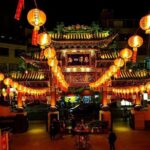
After the garden, the tour heads into Yokohama Chinatown. This stop is about exploring and shopping, and it’s where your day becomes more about mood and meals than sightseeing lectures.
The area is described as having hundreds of Chinese restaurants and shops, so it’s a food-lover’s zone even if you don’t plan to eat every bite. I like this kind of break because it gives your feet a chance to slow down. You can browse, pause for photos, and decide on snacks based on your preferences.
One practical tip: with a stop this focused on food, decide early what you want. If you wait until the end of the Chinatown window, you can burn time. If you know you want a particular kind of treat—dumplings, noodles, desserts—your time stays fun instead of frustrating.
Shin-Yokohama Ramen Museum: a quirky stop with real payoff
The day includes a visit to Shin-Yokohama Ramen Museum. Even if ramen isn’t your main obsession, it’s a memorable detour because it’s different from typical temple-or-temple-and-waterfront sightseeing.
This stop is listed as an hour of walking and sightseeing. Entrance fees are not included, so expect to pay if you want full access. Also, food is not included on the tour—so treat this as a “plan your own lunch/snack” moment rather than a tour-provided meal.
If you’re the kind of person who likes themed spaces and food culture, you’ll probably enjoy the variety of what you can see and taste. If you’re not, you can still use the time to rest a bit, regroup, and get back to the waterfront with less stress.
Minato Mirai and the 296m Landmark Tower photos
Near the end of the day, you’ll reach Minato Mirai, Yokohama’s seaside district. This area is designed for views, walking, and skyline photography, and it’s the right finale after Kamakura’s older vibe.
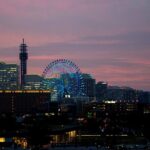
A key landmark here is the 296-meter Landmark Tower. Even if you don’t go inside anything, being in Minato Mirai gives you a sense of Yokohama as a modern port city. You get waterfront air, wide pedestrian areas, and that clean “city-from-above” feeling in your photos.
The tour includes a free-time window (about 30 minutes). I love that you’re not rushed through the final stretch because it’s the moment you’ll want to pick your own photo angles and decide if you want a snack or a quick souvenir stop before heading back to Tokyo.
Price and value: what $474 for up to 6 really buys
This tour is priced at $474 per group for up to 6 people, for about 10 hours with guide services and hotel pickup/drop-off.
Value-wise, that price makes sense if at least a couple of your group members would otherwise be paying for separate tickets, separate taxis, or the hassle of train transfers. When you split it across a group, it becomes a practical way to turn two cities into one day without losing half your trip to logistics.
Here’s what you still need to budget for:
- Meals are not included.
- Entrance fees are not included.
That’s important. If you plan to enter ticketed sites multiple times, your final cost will go up. But you’re also not forced into any single approach—you can choose where to pay, where to simply enjoy the surroundings, and where to spend on food.
Guide quality is the difference between good and great
Most of the strongest feedback centers on smooth organization, safe driving, and friendly explanations. People also praised guides such as Kasim Ali for being knowledgeable, organized, and careful behind the wheel.
But there are also red flags you should take seriously. One unhappy experience described a guide who seemed disconnected from Japan, didn’t provide meaningful explanations, and reportedly didn’t join at some stops. That same review mentioned water not being provided promptly until asked, and that the tour ended earlier than expected even though more stops were planned.
So I’d play this smart:
- Confirm pickup time and vehicle details the day before.
- Have your expectations ready: if a stop includes walking, you want the guide present and participating, not handing you off.
- Keep your own schedule visible on your phone so you can quickly spot if anything shifts.
This is a private tour, so you’re not stuck in a huge group if something feels off. You still want the day to run right.
A smooth 10-hour day: what to bring and how to pace yourself
The essentials are simple and correct:
- Comfortable shoes
- A hat
- Camera
- Sunscreen
Given it’s about walking at multiple stops, your feet matter more than your itinerary does. Wear shoes you’ve broken in, and bring sunscreen even if the forecast looks mild. Temple and garden days can add up faster than you expect.
Also, note the rules: smoking isn’t allowed.
Not suitable for wheelchair users or pregnant women based on the tour’s stated limits. If that applies to you, it’s worth seeking an alternative day plan with fewer stairs and easier transfers.
Finally, water bottles are included. If you tend to drink often, plan to use them and don’t wait until you’re thirsty.
Who this private Kamakura and Yokohama day suits best
I’d recommend this tour if you:
- Want a structured day but still appreciate free moments for photos
- Prefer a guide’s explanations over navigating train changes
- Like the contrast between Kamakura temples and Yokohama’s modern waterfront
It’s especially good for groups up to 6 who want value from shared transport. It also works for travelers who want a classic set of Kamakura hits—Great Buddha, Hase-dera area, bamboo forest, and the shrine—without turning the day into a multi-transfer transit project.
If you hate walking, dislike ticketed entries, or need very accessible routes, you should probably reconsider. The stated suitability limits (and the walking stops) make it a tough match.
Should you book this day trip?
I’d book it if you’re planning a Tokyo trip and you want one day that delivers two famous regions without you doing the heavy logistics. The combination of Kōtoku-in’s Great Buddha, the bamboo forest experience, Yokohama’s Sankei-en Garden, Chinatown, and the Minato Mirai waterfront gives you a strong variety in one loop.
But don’t book blindly. This is where private tours can swing in quality. If you can, confirm guide details ahead of time and be clear you want the guide with you at each stop. Also think about the season: if you’re traveling in December, treat garden “flower wow” expectations carefully.
If you want a confident, low-stress way to see Kamakura and Yokohama in a single day, this is a solid pick.
FAQ
How long is the Kamakura and Yokohama private day trip?
The total duration is approximately 10 hours, including commuting time.
What does the price include?
It includes pickup and drop-off in Tokyo, local tips and insights from your guide, and water bottles.
What is not included in the tour price?
Meals and entrance fees are not included.
Is this tour private, and how many people can go?
Yes, it’s a private group. The group size is up to 6 people per group, with the option to accommodate groups larger than 5 at an additional cost.
What languages are available for the guide?
The live guide is available in English and Japanese.
Where does pickup take place?
Pickup is from your hotel in Tokyo.
Can I cancel and get a full refund?
Yes. You can cancel up to 24 hours in advance for a full refund.
More Tour Reviews in Tokyo






Next Door in Yokohama
More Days by the Great Buddha
Fresh reviews from around Tokyo






Kamakura Day Trips, compared.
 ★ 4.5Kamakura & Enoshima Day Trip including Temple TicketsFrom $581,375 reviews
 ★ 4.5From Tokyo: Kamakura & Enoshima 1-Day Bus TourFrom $66189 reviews
 ★ 5.0Kamakura Historical Walking Tour with the Great BuddhaFrom $98129 reviews
Kamakura Private Tour: Temples, Nature, and the Great BuddhaFrom $98121 reviews
Kamakura Walking Tour – The City of ShogunFrom $35100 reviews
★ 5.0Kamakura Historical Walking Tour with the Great BuddhaFrom $98129 reviews
Kamakura Private Tour: Temples, Nature, and the Great BuddhaFrom $98121 reviews
Kamakura Walking Tour – The City of ShogunFrom $35100 reviews
 ★ 5.0Kamakura 8 hr Private Walking Tour with Licensed Guide from TokyoFrom $20180 reviews
 ★ 4.1Kamakura & Enoshima Day Tour with Pickup & Train RideFrom $1361 reviews
 ★ 4.8Kamakura: Private Guided Walking Tour with Local GuideFrom $10660 reviews
Browse the lists this tour appears in