
Reviewed · KAMAKURA DAY TRIPS
Kamakura Private & Customizable Tour – All-in-One Experience
Kamakura feels made for a flexible day. This private tour lets you steer the pace with an English guide and a customizable itinerary that can fit your group’s mood, whether you want temples, nature, or calmer backstreets. I especially like the expert planning support before you go and the way the day stays responsive once you’re on foot. One caution: you’ll do the sightseeing mostly by walking and public transit, and entrance tickets are not included.
The best part is how the guide shapes the day around you. If you get a guide like Deen, you’ll often see a mix of deep spiritual context and real-world pacing for families, including the patience to slow down for kids. Guides such as Marco, Sofia, or Lauren are also described as keeping things smooth for different energy levels and needs, like moving quickly when you want speed or working around food limits. The possible drawback is simple: it’s not suitable for wheelchair users and low fitness may make the hills and stairs harder than you expect.
In This Review
- Key highlights you’ll care about
- Why a private Kamakura day beats a rigid group schedule
- Pre-tour planning: how the consultation turns into a real itinerary
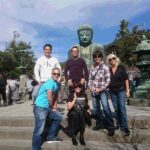
- Kotoku-in: the big Buddha stop you can pace for photos and quiet time
- Hasedera: turning the day from landmark viewing into a calmer temple mood
- Hachimangu: shrine traditions plus stories you can actually use
- Enoshima add-on: sea air when you want a change of tempo
- Walking, stairs, and fitness: what to prepare for in Kamakura
- Price and value: is $51 per person a good deal?
- Who this tour suits best (and who might want something else)
- Food stops and local tips: how the guide makes the day easier
- Should you book this Kamakura private tour?
- FAQ
- How long is the Kamakura private tour?
- Is this a private tour?
- What language is the live guide?
- Can I customize the itinerary before the tour?
- Is pickup included?
- Are entrance tickets included in the price?
- Are photos included?
- Are children allowed?
- Is free cancellation available?
- Can I reserve and pay later?
Key highlights you’ll care about
- Pre-trip consultation to help shape your route before you confirm.
- Your pace, your order with a private guide and flexible timing from 2 to 8 hours.
- Temple anchors in Kamakura such as Kotoku-in, Hasedera, and Hachimangu.
- Enoshima as a natural add-on if you want sea air and a change of scene.
- Pickup is optional and only on foot, covering Tokyo, Yokohama, and Kamakura area locations.
- Photos may be taken by your guide during the tour (if available).
More escapes to the Great Buddha and the coast
- Kamakura 8 hr Private Walking Tour with Licensed Guide from Tokyo★ 5.0 · 80 reviews
- Tokyo: Kamakura & Enoshima Day Tour with Pickup & Train Ride★ 4.1 · 61 reviews
- Kamakura Private & Customizable Tour – All-in-One Experience★ 5.0 · 49 reviews
Why a private Kamakura day beats a rigid group schedule
Kamakura can be one of those places where you feel good for about ten minutes, then you get stuck with a slow-moving crowd and a guide that has to keep everyone on rails. This tour is built for the opposite. You’re on a private group with a guide who can adjust as you go.
That matters because Kamakura is not just one stop. It’s a string of temple and shrine areas, hills, stairs, and quick transitions. With a custom approach, you can spend longer where you’re actually interested and skip the bits that don’t grab you.
I also like that the tour isn’t sold as a checklist. Instead, you get expert-recommended routes you can follow as-is or tweak. That flexibility is ideal if your group has mixed interests: one person wants big landmarks, another wants calmer corners, and someone else just wants good photo angles and time to breathe.
Pre-tour planning: how the consultation turns into a real itinerary
This experience includes a pre-booking planning/consultation session. In plain terms, that means you’re not walking in cold. You can ask questions before the day, explain what you care about (temples, nature, spiritual sites, shopping areas, or a slower day), and get suggestions shaped to your time window.
After you book, you’ll receive a confirmation email with general details. Then your assigned guide sends a personal follow-up with start time options and a proposed plan based on your interests. The guide also includes a list of destinations you can customize, plus pickup details if you selected that add-on.
I think this is great value because it saves you the “What should we do first?” panic. It also helps you avoid a common Japan trip problem: realizing too late that you planned stops that don’t fit your walking stamina or your preferred pace.
One small note: the booking system may show 9:00 AM as a placeholder. Your actual start time will be confirmed after your request is reviewed.
Kotoku-in: the big Buddha stop you can pace for photos and quiet time
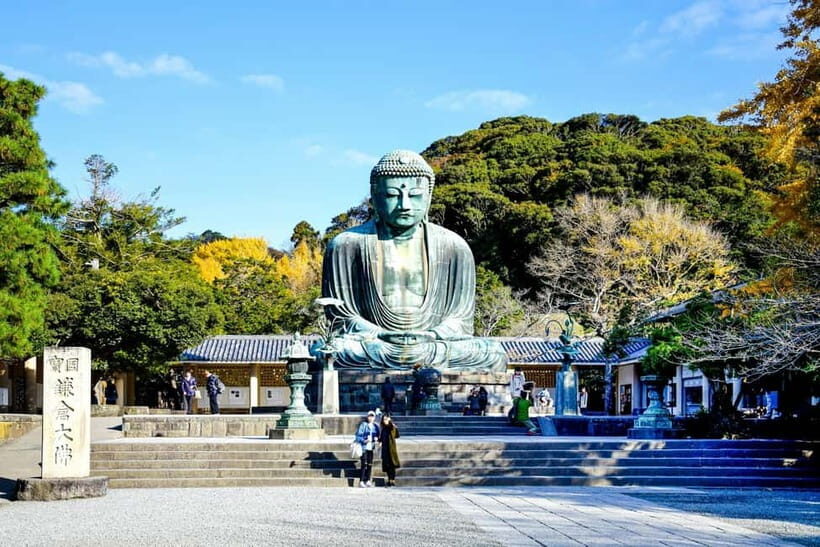
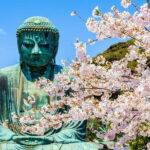
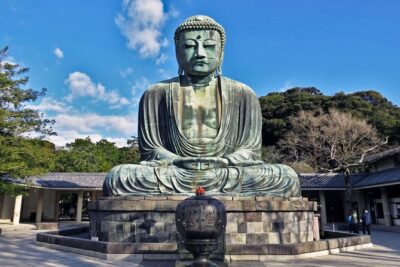
Kotoku-in is one of the easiest places to understand why Kamakura draws people back. Even before you go inside any structure, the atmosphere hits you: open space, a strong visual anchor, and that mix of history and everyday temple life.
What makes this stop work well in a private tour is timing. You can slow down for photos without feeling rude, or move faster if you’re the type who wants the landmark quickly and then heads to smaller sites. With a guide, you also get context about what you’re seeing, so the big statue doesn’t stay just a photo backdrop.
A practical tip: wear comfortable shoes. Kotoku-in (like much of Kamakura) involves uneven ground and walking transitions. If you’re sensitive to stairs or hills, you’ll want your guide to place Kotoku-in earlier or later depending on your energy that day.
Hasedera: turning the day from landmark viewing into a calmer temple mood
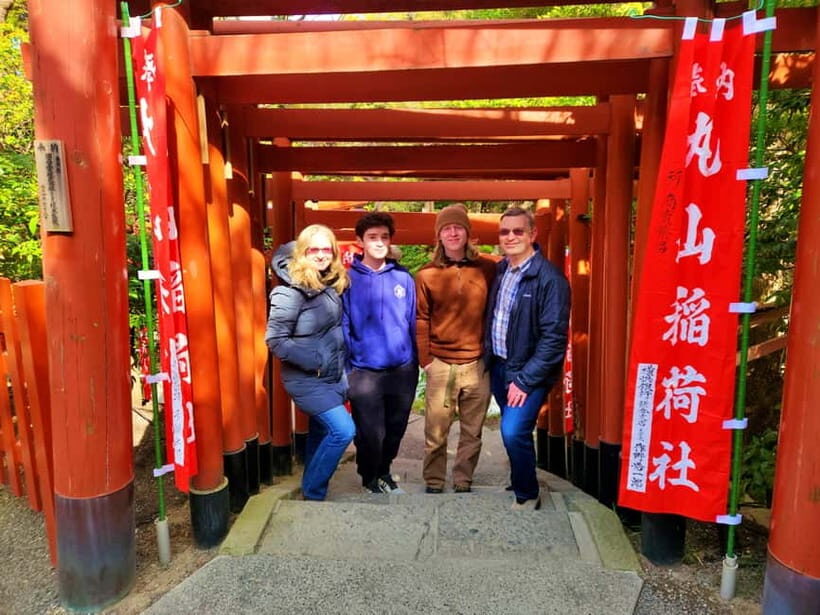
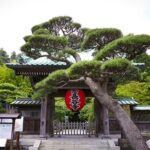
Hasedera is the kind of stop that changes the feel of your day. Where Kotoku-in can be about the iconic figure, Hasedera often feels more like you’re traveling through a series of temple spaces, with space for quiet moments and slower looking.
This is where having your pace matters most. On a private tour, you can spend extra time at the points that catch your eye—views, statues, or small details—without worrying about holding up a group.
If you want nature and culture at the same time, this tends to be a strong match. The terrain around major temples in Kamakura can involve steps, and that’s one reason the guide’s pacing approach is key. A guide like Marco has been described as patient and good at matching the pace to your mobility, and that’s exactly what you want here.
More private options with your own guide

Hachimangu: shrine traditions plus stories you can actually use
Hachimangu is a shrine stop that adds structure and meaning to your Kamakura day. Instead of feeling like another photo spot, it’s often the part where the guide’s storytelling brings the place into focus.
What I like about shrine visits on a private day: you don’t have to skim. You can ask questions or request more detail about the traditions you’re seeing. Guides such as Deen are described as able to go as in-depth as you like about what you see, including religion-related context. That turns a quick stop into something you’ll remember.
Also, if you’re traveling with kids (or anyone who tends to get bored), this is a good place for an energetic guide to keep attention while still giving adults real meaning. The tour style is well-suited for families who want explanations, but not a lecture.
Enoshima add-on: sea air when you want a change of tempo
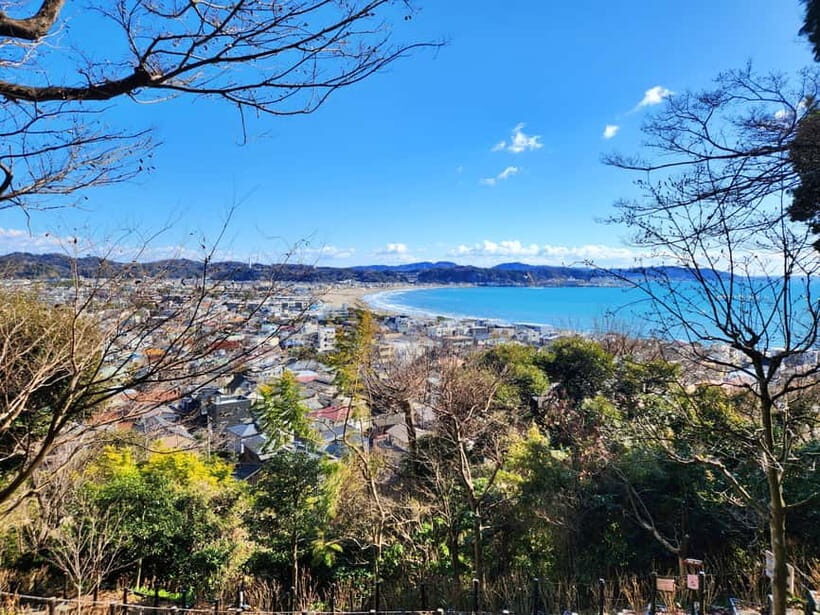
If you still have energy, Enoshima is the most natural “change of mood” add-on. It gives you a break from the temple circuit rhythm, adds sea views, and can feel like a fresh chapter in your day.
Why Enoshima works so well with a private plan: your guide can adjust based on weather and your group’s stamina. If you want views and breathing room, you can lean into it. If your legs are tired, you can shorten the time without derailing the whole day.
The tour structure also makes Enoshima easy to pair with Kamakura temple anchors, so you’re not stuck with a purely temple-only day. In reviews, Enoshima is specifically mentioned as part of the itinerary options, which is a good sign it’s a common fit for this tour’s flexible planning.
Walking, stairs, and fitness: what to prepare for in Kamakura
This tour is not listed as suitable for wheelchair users, and it also isn’t aimed at low-fitness mobility. That’s not just legal wording. Kamakura’s temple areas involve hills, steps, and lots of slow walking over different ground surfaces.
So here’s the practical version: bring comfortable shoes, plan for a day on your feet, and be honest with your guide about your limits. Your guide can help set the route order to manage stairs and transitions, and they can also adjust timing so you don’t end up rushing at the worst moment.
One thing I appreciate from the guide stories is real-world problem solving. For example, Deen has been described as helping with train navigation and even assisting with baggage pickup from storage. That kind of support makes it less stressful when you’re doing multiple moving parts on a short timeline.
Price and value: is $51 per person a good deal?
At about $51 per person, this tour is positioned as a value option for a private, English-guided experience. But value depends on what you compare it to.
You’re paying for:
- A private guide (not a big group)
- Custom planning before and during the day
- Flexibility to adjust while you’re walking
- Optional pickup on foot (Tokyo/Yokohama/Kamakura areas only)
- Guidance on what to see, where to spend time, and how to pace
What you’re not paying for:
- Private transport (and no car or bus included)
- Entrance tickets
So the best way to think about it is this: you’re buying local expertise and time-savings more than you’re buying transport and ticket bundles. If you would otherwise spend money on a rigid group tour or spend hours building a plan yourself, the guide time is where the value comes from.
Also, kids under 12 join for free (when included in the booking). That can make the overall cost drop fast for families, especially compared with standard guided tours where every person counts.
Who this tour suits best (and who might want something else)
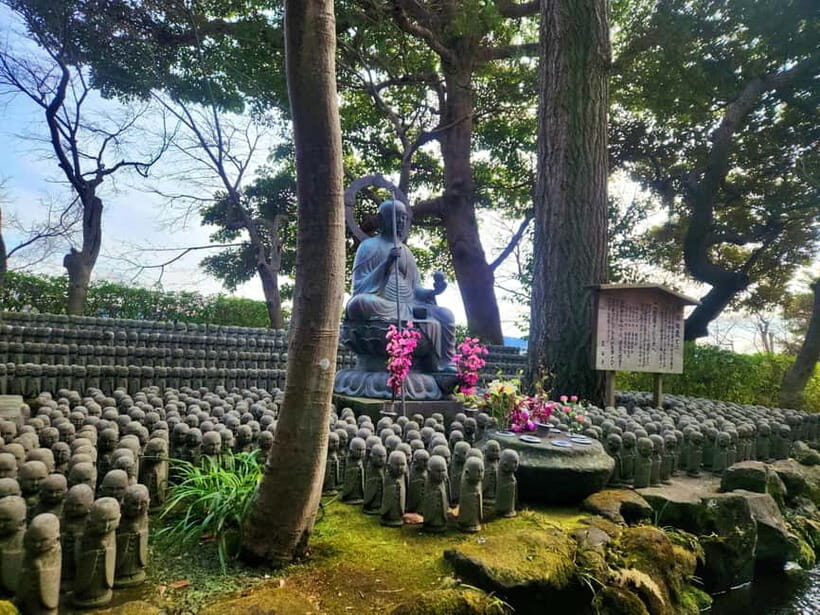
This is a strong fit if you:
- Want a private day without feeling locked into a fixed schedule
- Like temples and shrines but don’t want a rushed, “see it, move on” approach
- Travel as a couple, solo, or family and want someone to shape the day around your pace
- Appreciate context while still having time to enjoy the surroundings
In particular, the guides mentioned in the experience style—Deen, Marco, Sofia, Lauren—are described as adapting to different needs: fast pace, slower pace, kids who need a bit of entertainment, and even food restrictions. That adaptability is the real selling point.
This may be less ideal if you:
- Need wheelchair access
- Have very limited mobility and know stairs and hills will be a problem
- Expect a driver-based tour with private transport included
Food stops and local tips: how the guide makes the day easier
Even when the main goal is temples, the day lives or dies by the in-between time: where to eat, where to pause, and how to avoid getting stuck searching for options.
Guides are said to recommend places to eat and visit, including Yokohama suggestions if you’re extending your day. Some guides also help with practical movement details, like assisting you with navigating Japan’s transit system and making sure you get where you need to go on time.
If you hate the “crash into dinner at 7 PM” feeling, a guide who suggests good timing and food options can make your day feel smoother. It also means fewer decision points when you’re tired.
Should you book this Kamakura private tour?
Book it if you want Kamakura to feel personal: your order of stops, your pace, and your level of detail. This is the kind of tour where a guide can turn iconic spots like Kotoku-in and Hasedera into more than quick photos, and add meaning through shrine and temple context at a speed that works for your group.
Skip it or consider another format if you need wheelchair access or you know the walking and stairs will be too tough. Also, if you’re hoping for a guided tour plus entrance tickets plus transport all wrapped in one, you’ll need to plan those costs separately.
If you’re traveling with mixed interests or you just don’t want to gamble on planning, this one is a smart bet. The planning support plus private pacing is where you’ll feel the value quickly.
FAQ
How long is the Kamakura private tour?
It runs from 2 to 8 hours. The exact start times depend on availability.
Is this a private tour?
Yes. It’s a private group experience.
What language is the live guide?
The guide speaks English.
Can I customize the itinerary before the tour?
Yes. There’s a pre-booking custom tour planning/consultation, and your assigned guide will send a proposed itinerary based on your interests with destination options to customize.
Is pickup included?
Pickup is available as an optional add-on. It’s hotel or location pickup on foot, limited to Tokyo, Yokohama, and Kamakura areas.
Are entrance tickets included in the price?
No. Entrance tickets are not included.
Are photos included?
The tour includes photos taken by your guide during the tour if available.
Are children allowed?
Yes. Children under 12 can join for free if you include them in the booking.
Is free cancellation available?
Yes. You can cancel up to 24 hours in advance for a full refund.
Can I reserve and pay later?
Yes. You can reserve now and pay nothing today.
More Tours in Tokyo




More Tour Reviews in Tokyo




More Days by the Great Buddha
Fresh reviews from around Tokyo






Kamakura Day Trips, compared.
 ★ 4.5Kamakura & Enoshima Day Trip including Temple TicketsFrom $581,375 reviews
 ★ 4.5From Tokyo: Kamakura & Enoshima 1-Day Bus TourFrom $66189 reviews
 ★ 5.0Kamakura Historical Walking Tour with the Great BuddhaFrom $98129 reviews
Kamakura Private Tour: Temples, Nature, and the Great BuddhaFrom $98121 reviews
Kamakura Walking Tour – The City of ShogunFrom $35100 reviews
★ 5.0Kamakura Historical Walking Tour with the Great BuddhaFrom $98129 reviews
Kamakura Private Tour: Temples, Nature, and the Great BuddhaFrom $98121 reviews
Kamakura Walking Tour – The City of ShogunFrom $35100 reviews
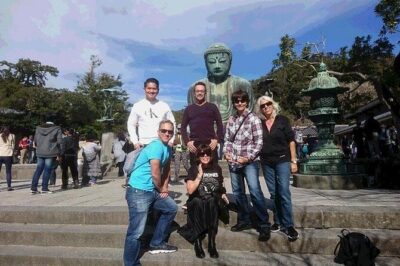 ★ 5.0Kamakura 8 hr Private Walking Tour with Licensed Guide from TokyoFrom $20180 reviews
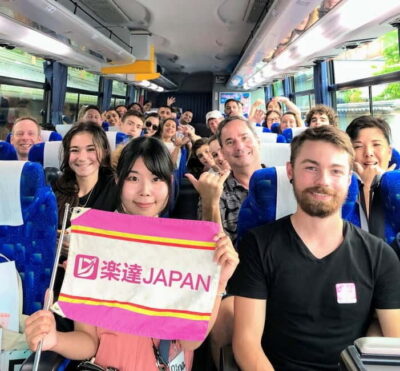 ★ 4.1Kamakura & Enoshima Day Tour with Pickup & Train RideFrom $1361 reviews
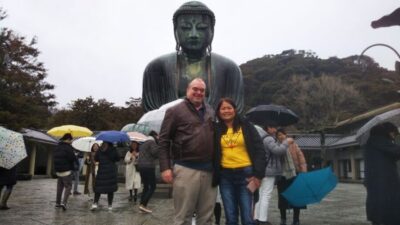 ★ 4.8Kamakura: Private Guided Walking Tour with Local GuideFrom $10660 reviews
Browse the lists this tour appears in