
A grandma makes lunch feel like family. In Ginza, you’ll learn traditional musubi technique from an 80-year-old Japanese obaa chan, with step-by-step English help from the host (Yuko) and a calm, hands-on pace that feels old-school, not staged.
I love that you don’t just watch. You make three musubi yourself, choosing from 6 fillings, then you sit down to a real homemade Japanese teishoku meal after. One possible drawback: this class is not listed as vegan or vegetarian friendly, so you’ll want to plan if you follow a strict diet.
In This Review
- Key things to know before you go
- A grandma-led musubi class in Ginza feels oddly personal
- The 90-minute flow: from handwashing to a full teishoku
- Musubi vs onigiri: the naming lesson that saves you later
- Choose 6 fillings and make 3 musubi yourself
- The teishoku lunch: a real meal, not a token bite
- English help with Yuko makes it smoother than you’d expect
- Who should book GRAN-MUSUBI (and who should think twice)
- Price and value: why $38 feels fair here
- Small-group logistics that make the experience easier
- Tips to enjoy the workshop more (and waste less energy)
- Should you book this musubi class in Ginza?
- FAQ
- What is the duration of the Ginza musubi class?
- How much does the experience cost?
- What will I make during the class?
- Can I choose the fillings for my musubi?
- What is included in the meal?
- Will there be English support?
- What is the difference between musubi and onigiri?
- What group size is it?
- Is the class suitable for young children?
- Are there dietary restrictions to know about?
- Is transportation included?
Key things to know before you go
- An 80-year-old obaa chan teaches the technique step by step, with English translation support
- You make 3 musubi (not just one sample) and you choose your filling
- You learn the difference between musubi and onigiri, so you can order with more confidence later
- The included teishoku lunch is a lot of food: miso soup, salad, dessert, and a beverage
- Small group (max 6) means you’re not lost in a crowd
More things to make with your own hands
- Sushi Making Tokyo Roll and Authentic Japanese Sushi Class★ 5.0 · 3,971 reviews
- Tokyo Shinjuku Chopsticks Making Class★ 5.0 · 1,763 reviews
- Chopstick Making Workshop in Ginza★ 4.8 · 1,366 reviews
A grandma-led musubi class in Ginza feels oddly personal
Ginza is famous for shopping, but this experience takes you into something simpler and warmer: rice, hands, and a grandma’s way of doing things that have been repeated for generations. The teaching style is direct. You’ll wash your hands at the start, get a quick overview of what musubi is about, then you move from watching to doing.
What makes it work well is the translation setup. You’re not left to guess. Your instructor is backed by an English-speaking host (Yuko) who helps you understand what you’re doing and why, not just how. That matters, because musubi isn’t complicated, but it is specific. Small touches change the shape and feel.
Two practical bonuses I really like: you’ll leave with an actual skill you can repeat at home, and you’ll also leave fed. This isn’t a tiny snack workshop. It’s a 90-minute lunch experience built around what you make and what you eat.
The 90-minute flow: from handwashing to a full teishoku
This workshop is structured like a comfortable meal rhythm. You start with the basics, then the class ramps up, then you settle in to eat.
First, expect a reset moment: wash your hands, then get a quick intro to musubi. You’ll also cover the difference between musubi and onigiri before you touch anything. That’s a smart opener because it keeps you from learning “stuff” without context.
Next comes the choosing part. You pick from 6 filling options for your musubi. Then you’ll make three musubi. Grandma demonstrates how to form them, right in front of you, and you copy the steps with guidance. The translator helps keep you on track, so you aren’t stuck waiting for the meaning of every instruction.
Finally, you eat. You’ll enjoy your three musubi while Musubi Grandma prepares a homemade Japanese teishoku meal. Your included meal isn’t just one plate—it comes with miso soup and salad, plus dessert and a beverage. The overall vibe is: learn something, then enjoy it properly.
Musubi vs onigiri: the naming lesson that saves you later
If you’ve spent any time around Japanese convenience stores, you’ve probably seen onigiri everywhere. Musubi shows up too, but people use terms loosely. This class makes the distinction part of your learning, not an afterthought.
During the intro, you’ll hear about musubi vs onigiri, including how they differ in everyday understanding. Even if you don’t memorize every nuance, you’ll walk away knowing there’s a reason people call things different names. That helps when you’re reading labels, asking for food, or trying to describe what you want.
The bigger value is confidence. After this class, you’re not just eating rice balls. You’re participating in a naming-and-making tradition. When food feels less like mystery and more like a skill, it’s easier to travel smarter.
Choose 6 fillings and make 3 musubi yourself
This is the hands-on heart of the experience. The class gives you control over what goes inside your musubi. You select from 6 filling options, then you assemble three musubi based on Grandma’s technique.
Because it’s small-group (up to 6 participants), you can actually learn. You’re close enough to watch the important parts—how the rice is handled and how the musubi is formed—without constantly shifting your seat or asking for the same clarification twice. You also get translation support as you go, which keeps the pace friendly for people who don’t speak Japanese.
A detail I think you’ll appreciate: you’re making more than one. If you only made a single musubi, it would feel like a demo. Making three means you’ll get at least a little improvement across the process. By the time you’re near the last one, you’ll probably understand the shape logic better and spend less energy worrying about what Grandma is expecting.
Also, the class is built around traditional technique. It’s not about fancy plating. It’s about doing the core movements correctly, like it’s been done for years.





The teishoku lunch: a real meal, not a token bite
Here’s where the experience surprises people in a good way: the included lunch is substantial. You don’t just make musubi and get a small extra. You sit down to a homemade Japanese teishoku set with multiple parts.
You’ll have:
- your three musubi
- miso soup
- salad
- dessert
- a beverage
That adds up to a full, satisfying meal. And you’ll taste the difference between convenience-store snacks and a homemade lunch made with care. The miso soup and salad make it feel like a complete plate, and the dessert rounds it out so you don’t feel like you’re rushing to end the experience.
One practical tip you’ll thank yourself for later: come hungry. Multiple people mention not eating beforehand because the lunch is heavy enough that you might struggle if you start full. Think of it like booking a cooking class that happens to be lunch—plan your schedule so food time isn’t competing with your appetite.
English help with Yuko makes it smoother than you’d expect
A lot of food classes fail at one point: translation. Either you get a few words at the start and then you’re on your own, or you only understand half the process.
This one is set up differently. You have English support throughout, with Yuko mentioned as the helpful English-speaking host/translator. That changes the experience because you can focus on technique rather than on decoding instructions.
You’ll still hear Japanese from Grandma, of course. But you’re not left behind. If you’re worried about language, this class is a good choice because it explicitly includes translation assistance and keeps the teaching step-by-step.
Who should book GRAN-MUSUBI (and who should think twice)
This workshop works best if you want a hands-on cultural food experience and you enjoy learning by doing. It’s also perfect if you like meeting locals in a setting that’s not just a quick photo stop.
It’s a strong match for:
- couples and solo travelers who want something focused and cozy
- families with older kids (the class supports participants above the minimum age; just remember the limit is not suitable for children under 6)
- food lovers who want to understand the difference between similar items on a menu
There are two groups to consider carefully:
- Anyone who is vegan or vegetarian. The class is not listed as suitable for those diets.
- People who are sensitive to being hands-on. You’ll handle food and rice as part of the learning, so it’s not a quick watch-and-leave activity.
Price and value: why $38 feels fair here
At $38 per person for 90 minutes, this is one of those deals that feels more reasonable once you look at what’s included.
You get:
- the musubi-making class (small group)
- 3 musubi you make (with your chosen filling options)
- a full teishoku meal with miso soup, salad, dessert, and beverage
So you’re paying for both a lesson and a meal. If you price out a cooking class plus a decent lunch in Tokyo-area terms, it starts to feel like the value is in the combined package. And because the instruction is hands-on with a small group, you’re not paying just for a seat—you’re paying for guidance while you practice.
Also, the setting is intimate. Limited group size matters because it keeps questions answerable and helps Grandma’s technique actually land in your hands.
Small-group logistics that make the experience easier
Transportation to the venue is not included, so you’ll want to plan your own route into Ginza. The upside is that once you’re there, the experience feels structured and calm.
Group size is limited to 6 participants, which is a big deal for a food workshop. You get more direct attention, and the room doesn’t feel chaotic. The class also runs 90 minutes, which is long enough to learn and eat without dragging on.
You’ll check availability to see starting times, so pick a slot that fits your hunger and your day. If your stomach is already doing a marathon (late brunch, big snack before the class), save the class for later.
Tips to enjoy the workshop more (and waste less energy)
A few practical moves will make this feel smooth:
Come hungry. This one is repeatedly described as a lot of food, so empty stomach logic applies.
Go in with a learning mindset. You’re making three musubi. Expect a bit of trial-and-error, especially on the first one.
Ask questions when something feels off. With translation support (and small group size), you can clarify what Grandma wants before you guess and remake.
Wear comfortable clothes. It’s a hands-on cooking class, and you’ll likely lean in while watching and shaping.
And finally, slow down your expectations. This isn’t a factory-style “make fast, leave fast” class. The payoff is that you’ll get better as you go and then enjoy what you made.
Should you book this musubi class in Ginza?
If you want a traditional food experience that’s actually hands-on, I’d strongly consider booking. You learn a real technique from an 80-year-old grandma, you make three musubi with fillings you choose, and you sit down to a homemade teishoku meal afterward. That combination—skill plus a real lunch—feels like good value rather than a pricey food photo moment.
Skip it (or at least think twice) if vegan or vegetarian is required for you, since it’s not listed as suitable for those diets. Also, if you dislike hands-on cooking, this may feel too active.
If you’re in Ginza and you want something more human than shopping, this is the kind of class that changes how you see everyday Japanese rice snacks.
FAQ
What is the duration of the Ginza musubi class?
The class lasts 90 minutes.
How much does the experience cost?
It costs $38 per person.
What will I make during the class?
You will make three musubi.
Can I choose the fillings for my musubi?
Yes. You can choose from 6 filling options.
What is included in the meal?
You’ll enjoy a homemade Japanese teishoku meal with miso soup and salad, plus dessert and a beverage.
Will there be English support?
Yes. The class includes English translation assistance (languages listed are English and Japanese).
What is the difference between musubi and onigiri?
The class teaches you the difference between musubi and onigiri.
What group size is it?
It’s a small group limited to 6 participants.
Is the class suitable for young children?
No. It is not suitable for children under 6 years.
Are there dietary restrictions to know about?
The class is not listed as suitable for vegans or vegetarians.
Is transportation included?
No. Transportation to the venue is not included.
Make Something to Take Home


More Tour Reviews in Tokyo



Fresh reviews from around Tokyo






Workshops, compared.
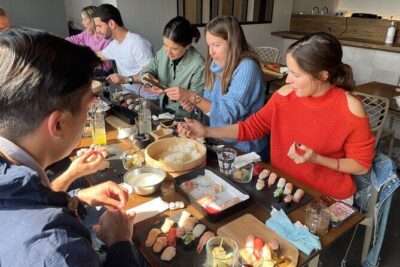 ★ 5.0Sushi Making Tokyo Roll and Authentic Japanese Sushi ClassFrom $593,971 reviews
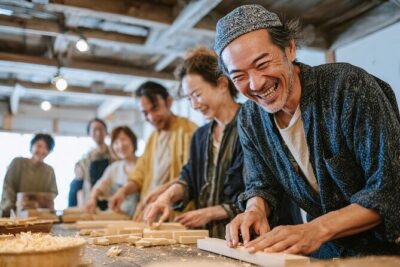 ★ 5.0Tokyo Shinjuku Chopsticks Making ClassFrom $201,763 reviews
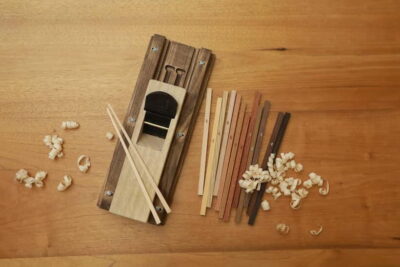 ★ 4.8Chopstick Making Workshop in GinzaFrom $251,366 reviews
 ★ 5.0Tokyo Sushi Making Class in Tsukiji with Professional ChefFrom $491,177 reviews
 ★ 5.0Ramen & Gyoza Cooking Class in Tokyo with Local Supermarket VisitFrom $122823 reviews
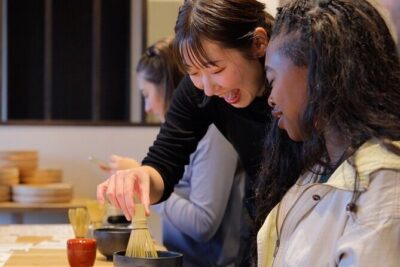 ★ 5.0Matcha Making Class in Tokyo with Authentic Japanese Sweets SetFrom $21744 reviews
 ★ 5.0Samurai Sword & Archery Class from Samurai DescendantFrom $193603 reviews
 ★ 4.9Tsukiji Fish Market Sushi Making Class with Pro ChefFrom $63506 reviews
Browse the lists this tour appears in