
Reviewed · SHINJUKU BAR HOPPING
Tokyo Shinjuku Chopsticks Making Class
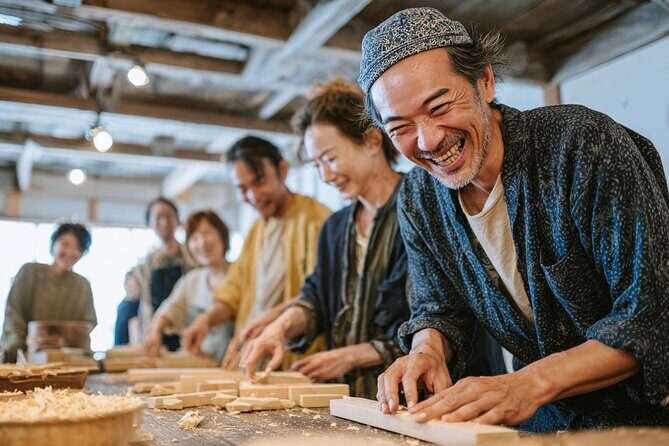
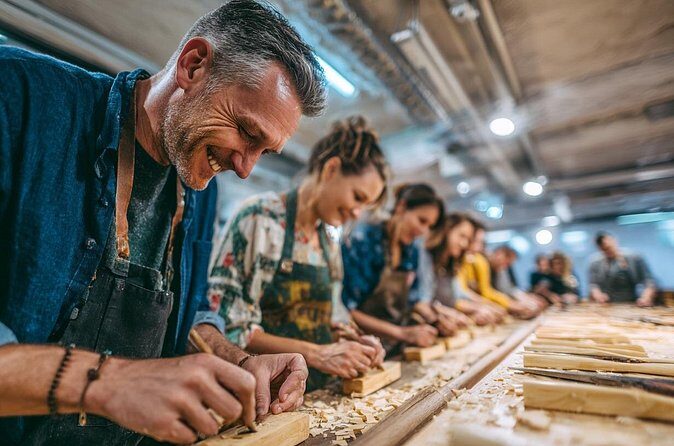
Tokyo’s chopstick workshop feels like a tiny craft class. In Shinjuku, you start with raw wood and use a traditional Japanese kanna hand plane to shape, smooth, and finish your own pair. It’s a hands-on cultural activity that’s approachable even if you’ve never held a plane before.
I love that you get real guidance step by step, not vague instructions. You also choose your wood type, and the finished chopsticks become a souvenir with actual personal effort behind it. One thing to consider: the shop can get very busy, so going at a less crowded time can help you avoid feeling rushed.
In This Review
- Key things I’d put on your radar
- Shaping raw wood into chopsticks with a kanna hand plane
- Choosing Japanese wood in Shinjuku (and what upgrades change)
- What happens during the hour so you know what to plan for
- The Shinjuku meeting point and how to avoid location headaches
- Taking home chopsticks you actually made (plus the finish)
- Price value: is $20 a fair deal in Tokyo?
- Who this chopsticks class suits best
- Should you book the Tokyo Shinjuku chopsticks making class?
Key things I’d put on your radar
- Kanna hand plane shaping: You’ll do the work, not just watch.
- Wood choice matters: Two wood types are free, and premium options cost extra.
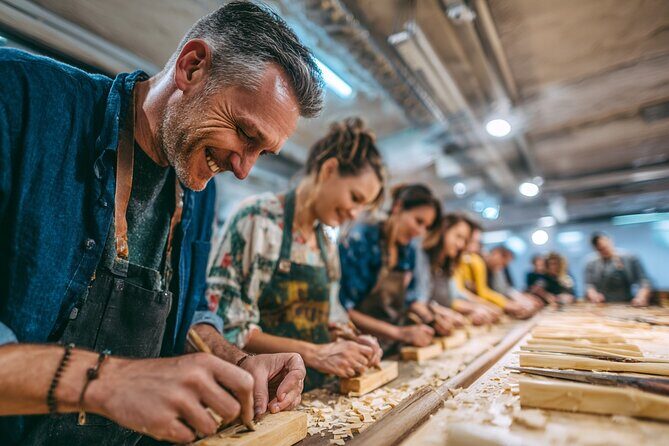
- Helpful staff in good English: Instructors like Masa, Tom and Yuki, Mimi, Nana, and Katana are mentioned as patient and clear.
- Bring your patience: Some people report it can feel hectic if the room is full.
- You can personalize: Optional engraving can add a lasting memory (one example given: 2,000 yen).
Different nights, same neon: more Shinjuku crawls
- Tokyo: Shinjuku Food Tour (13 Dishes at 4 Local Eateries)★ 5.0 · 6,603 reviews
- Tokyo Bar Hopping Tour in Shinjuku (All-You-Can-Drink + Dinner)★ 5.0 · 3,587 reviews
- Tokyo: Shinjuku Food Tour (15 Dishes and 4 Eateries)★ 4.9 · 2,033 reviews
Shaping raw wood into chopsticks with a kanna hand plane
This is the kind of Tokyo activity that makes sense fast. In about an hour, you turn rough sticks into something you can actually use. The centerpiece is the kanna, a small hand plane used in Japanese woodworking to shave the wood surface into crisp, controlled lines.
The teaching style is practical. You learn how to hold the tool, how to apply pressure, and how to shape the surface so the chopsticks feel even and comfortable. If you pick a harder wood, you’ll feel it in your arms—this isn’t “click a button” craft time. It’s more like learning a simple skill that takes a bit of muscle and a lot of focus on small adjustments.
There’s also a satisfying sensory side. You’re not just sanding and hoping for the best. You’re reading the grain as you go. Some people even like the idea of keeping the shavings, because it proves you made real material yourself, not just assembled a kit.
Choosing Japanese wood in Shinjuku (and what upgrades change)
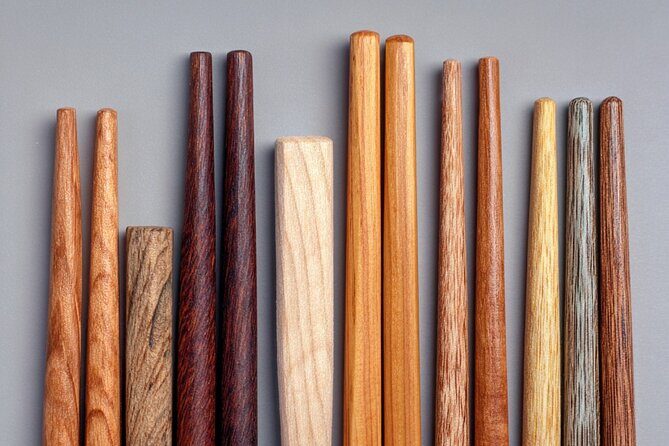
A big part of the experience is picking what your chopsticks are made from. You can experiment with different Japanese woods, each with its own texture, scent, and color. That choice is what turns the class from a standard souvenir into something more personal.
Here’s the cost/value angle: two wood types are free, and premium woods are available for an upgrade. That’s great if you’re excited about the difference in feel and finish. It can also be a surprise if you’re on a strict budget. If you’re trying to keep the price close to the $20 base, decide ahead of time whether you want the premium upgrade or you’ll stick with the included options.
Optional personalization is another potential add-on. One review mentions engraving for an extra 2,000 yen. The workshop supports it, but it can change the final cost. If you want your chopsticks to look like a gift right away, engraving is the kind of upgrade that makes the souvenir feel complete.
What happens during the hour so you know what to plan for
The schedule is simple: make chopsticks from raw wood to a finished feel, with friendly staff guiding you through the process. The pacing is the key detail here.
In a well-run class, you get a rhythm: shave, check the shape, adjust, then smooth and finish. Many instructors are described as patient and supportive, including staff members named in the feedback—people like Masa, Tom and Yuki, Ken and Sayaka, and Nana. That matters because your first pass is rarely perfect, and you’ll want help when something doesn’t match your mental image yet.
Still, there’s a real-world constraint: the workshop has a max group size of 32 travelers, and several reviews describe the room as very busy at peak times. If you go in the middle of the day, you may get less one-on-one time for corrections. The activity can feel rushed when you’re surrounded by other people finishing at the same pace.
My practical advice: treat the hour as “learn and make something,” not “finish perfectly.” If you’re okay with a handmade look and a learning curve, you’ll likely enjoy it more. If you need lots of personal coaching, aim for a less crowded slot.
The Shinjuku meeting point and how to avoid location headaches
The meeting point is:
7-chōme-4-5 Nishishinjuku, Shinjuku City, Tokyo 160-0023, Japan
The good news: it’s near public transportation, and you use a mobile ticket. The workshop ends back at the meeting point, so you don’t have to plan a second pickup or wander across town at the end.
One caution from real-world experience: sometimes addresses and map pins don’t match perfectly, especially in dense areas like Shinjuku. Before you go, I’d copy the address exactly and use it as your anchor. If anything looks off, take a minute and re-check the final destination details you received at booking time, rather than relying on a guess.
More things to make with your own hands


Taking home chopsticks you actually made (plus the finish)
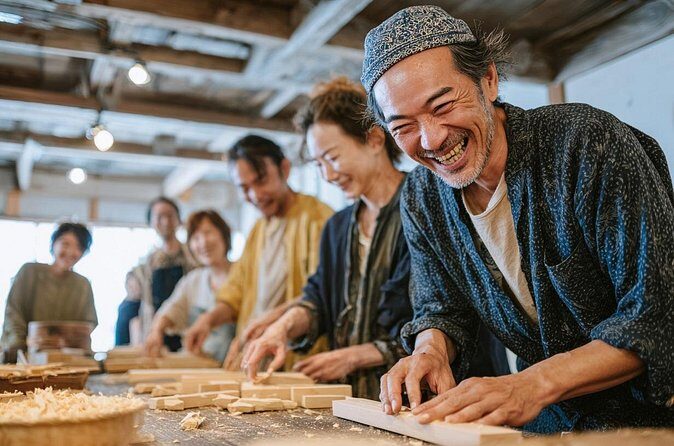
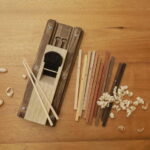
Your payoff is straightforward: you leave with a pair of one-of-a-kind handmade chopsticks. The class focuses on shaping and smoothing, and you also learn how to oil or finish them so the wood feels right and ready to use.
A lot of craft workshops produce a souvenir you can’t use without guilt. This one tends to aim for functional. You’re building the exact object you came for, and it’s designed to be comfortable in your hand.
Another neat detail: the workshop context is set up so people can succeed. Reviews mention organized stations with helpers available when you get stuck, and enough staff presence that you can get unstuck without feeling embarrassed. If you’re bringing family, that helps a lot.
If you’re thinking gifts: handmade chopsticks pack well and take almost no space. You can also make the souvenir feel “from you” with optional personalization.
Price value: is $20 a fair deal in Tokyo?
At $20 per person for about 1 hour, this is a very reasonable price if what you want is hands-on time. You’re paying for tools, instruction, and the chance to create something with your own hands rather than buying a mass-produced souvenir.
The value equation changes if you add premium woods and engraving. Premium options are available for a small upgrade, and engraving can cost extra (one example given: 2,000 yen). If you choose every add-on, your final bill can drift upward.
That doesn’t make it “bad value,” but it does mean you should go in with a plan:
- If you want a classic souvenir with no surprises, stick to the included wood options.
- If you want your chopsticks to feel special and personalized, budget for premium wood and/or engraving.
Either way, the base price covers a real activity: you’ll work the plane, shape the sticks, and understand what goes into making chopsticks—not just the end product.
Who this chopsticks class suits best
This works well for a wide range of travelers, mostly because it’s beginner-friendly and heavily guided. You don’t need prior woodworking skills. The instruction is meant to get you producing something you can be proud of.
It’s also a strong pick for families. Reviews mention multigenerational groups and families where everyone from younger kids to older adults could participate. The setup sounds supportive enough for mixed ages, which is not always true in hands-on workshops.
If you enjoy practical crafts, Japanese tools, or making a souvenir that feels different from shopping, you’ll probably have a great time. It also fits “first Tokyo day” energy, since it’s in Shinjuku and easy to slot into a schedule.
The only group that may struggle is someone who hates getting their hands tired. Shaping wood takes effort, and depending on the wood you choose, the tool work can require some muscle.
Should you book the Tokyo Shinjuku chopsticks making class?
Book it if you want a real hands-on souvenir with a learnable skill. If you like the idea of choosing wood, using a kanna plane, and going home with something you shaped yourself, this is the right kind of experience.
Skip or go in with caution if your main goal is a perfectly smooth, zero-effort craft hour. If you’re sensitive to crowds, try not to pick a mid-day time, since the workshop can get busy and support may feel more limited during peak hours. Also, decide early whether you’ll accept upgrades for premium wood or engraving, so you’re not surprised at checkout.
If you want a simple Tokyo memory you can hold in your hand, and you’re okay with a bit of effort and learning, this class is an easy yes.
Make Something to Take Home

More Tour Reviews in Tokyo






Shinjuku After Hours: The Other Crawls


Fresh reviews from around Tokyo






Shinjuku Bar Hopping, compared.
 ★ 5.0Shinjuku Food Tour (13 Dishes at 4 Local Eateries)From $866,603 reviews
 ★ 5.0Tokyo Bar Hopping Tour in Shinjuku (All-You-Can-Drink + Dinner)From $1063,587 reviews
 ★ 4.9Shinjuku Food Tour (15 Dishes and 4 Eateries)From $852,033 reviews
 ★ 4.9Shinjuku Local Bar and Izakaya Guided Walking TourFrom $341,794 reviews
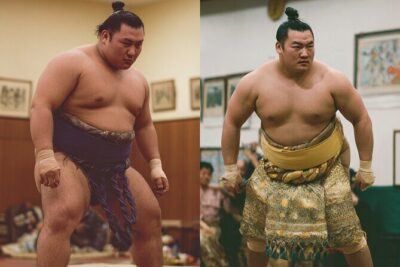 ★ 5.0Tokyo Shinjuku Sumo Show & Experience with PhotoFrom $791,750 reviews
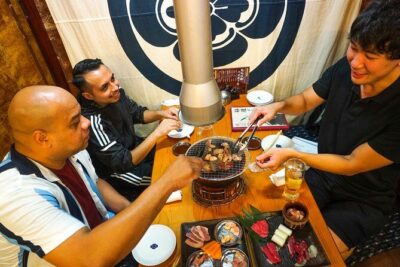 ★ 5.0Tokyo Night Foodie Tour in Shinjuku – Seasonal Sushi, Wagyu BeefFrom $1111,161 reviews
 ★ 4.8Sumo Show and Experience in ShinjukuFrom $691,001 reviews
 ★ 5.0Shinjuku Local Bar & Izakaya Crawl TourFrom $39890 reviews
Browse the lists this tour appears in