
Reviewed · COOKING CLASSES
Japanese Sake Tasting & Wagyu Sukiyaki Cooking Class in Tokyo
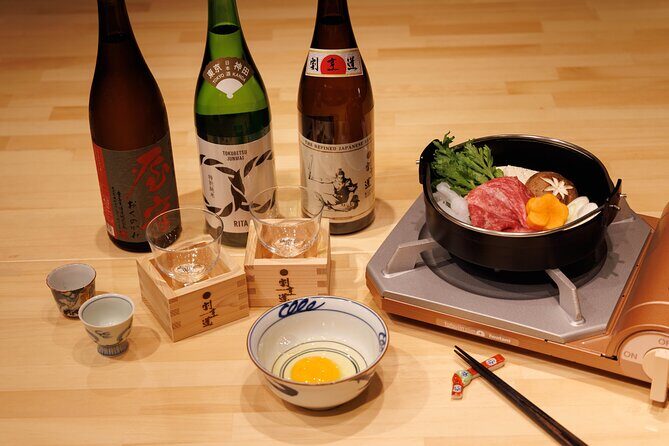
Tokyo’s food lessons can be surprisingly fun. This one pairs sake tasting with Wagyu sukiyaki cooking, so you learn flavor theory and eat the result.
I especially like the way the class walks you through how temperature changes sake, not just which bottle to buy. You’ll also get a structured pairing with snacks, then watch a pro chef’s vegetable carving demo while your hot pot simmers.
One consideration: it runs about two hours and includes alcohol, so if you want to go slow with drinking or you’re traveling with non-drinkers, plan accordingly.
In This Review
- Key highlights before you book
- A Tokyo food class that teaches what you actually taste
- Getting oriented: where you’ll meet and how long it lasts
- The sake tasting: cold, room temp, warm, and why it matters
- Practical tips: how to taste without overthinking
- The turn to cooking: watching sukiyaki come alive
- Hands-on Wagyu sukiyaki lunch: what you’ll do
- Who this class fits best
- Price and value: is $129 fair for what you get?
- The real experience vibe: friendly, structured, and built for fun
- Before you go: how to get the most out of the class
- Should you book Japanese Sake Tasting & Wagyu Sukiyaki in Tokyo?
- FAQ
- What is the duration of the Japanese Sake Tasting & Wagyu Sukiyaki class?
- Where does the class start in Tokyo?
- What time does the session start?
- How many people are in the group?
- What is included in the price?
- Do I get to cook the sukiyaki myself?
- Is private transportation included?
- Is there a discount at a shop after the class?
- Can I cancel for a full refund?
- What happens if the minimum number of travelers isn’t met?
Key highlights before you book
- Three sake temperature ranges, so you can taste the same drink differently (cold, room temp, warm)
- Vessel matters: you’ll compare how containers affect aroma and flavor
- Hands-on Wagyu sukiyaki lunch with premium beef as part of the session
- A pro-led vegetable carving demo that happens live while the sukiyaki simmers
- Small group size (max 8 travelers) for a more hands-on feel
- A 10% shop discount on the day at the 1F Shop, plus a certificate of participation
Another round: more sake tastings
- Ramen and Sushi Cooking Class with Sake Pairing Set in Tokyo★ 5.0 · 291 reviews
- Sake Tasting Masterclass in Shinjuku (8+ Varieties with a Pro)★ 5.0 · 271 reviews
- Wagyu & Sake Pairing in Shinjuku – Steak, Shabu-Shabu & More★ 5.0 · 112 reviews
A Tokyo food class that teaches what you actually taste
If you like your Tokyo plans to come with something to eat at the end, this workshop is a strong pick. It’s set in a modern kitchen studio in Nishiazabu, inside the Kappodo H.Q / Tokyo D kitchen Studio complex. The whole format is designed around a simple idea: you can understand Japanese cuisine better when you learn how ingredients behave, not just when you copy a recipe.
The best part is the pairing. You start with sake tastings and snack matches, then you move to Wagyu sukiyaki, where timing, heat, and seasoning all matter. You’re not stuck reading a menu or taking photos at a counter. You’re tasting, cooking, and learning the “why” behind flavor.
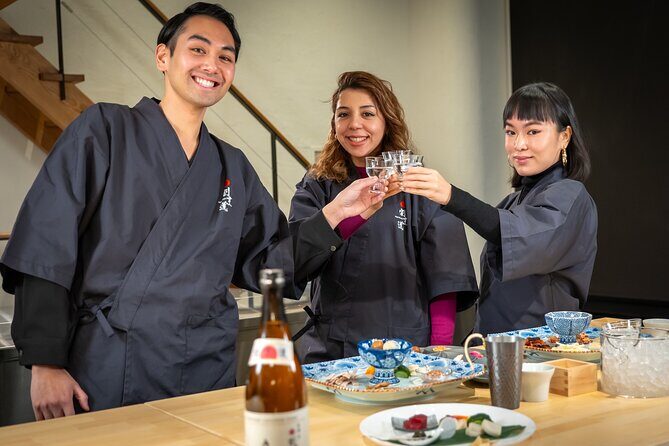
The session also has a nice “family event” vibe for many groups. In the reviews, people repeatedly mention instructors who keep the energy friendly and the explanations clear, with staff who help make the steps feel doable. Even if you’re not a confident cook, you’re guided through the process.
Getting oriented: where you’ll meet and how long it lasts
This class begins at 11:00 am. The meeting point is listed as Kappodo H.Q / Tokyo D kitchen Studio / Cooking Workshop in Nishiazabu (Minato City, 2-chōme, DKビル). The tour ends back at the meeting point, so you don’t need to worry about navigating after the meal.
You’re looking at roughly two hours. That timing is realistic: enough to taste multiple sakes, learn what changes at different temperatures, and still cook and eat your sukiyaki without rushing through the important parts.
Group size is capped at 8, which matters more than it sounds. With a smaller group, you’re more likely to get personal help during the cooking steps and less likely to feel like you’re watching from the back.
The sake tasting: cold, room temp, warm, and why it matters
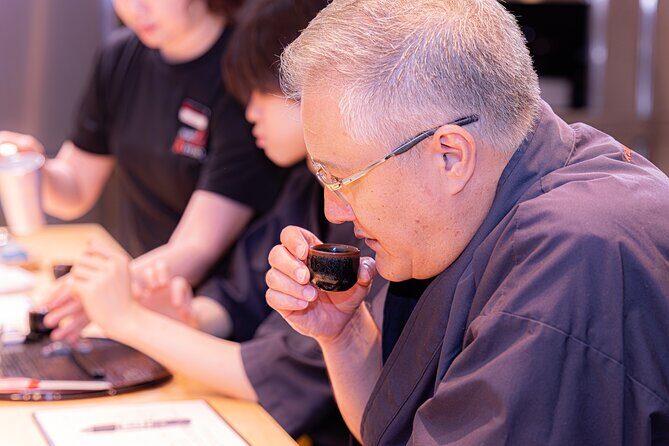
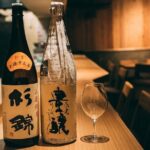
Sake tasting is where this workshop earns its keep. You don’t just sample a few sips. You compare the same sake at three different temperature ranges and you also learn how vessels affect flavor.
Here’s what that means in plain terms: temperature can shift how your palate perceives sweetness, acidity, and aroma. The drink can feel lighter or more rounded depending on whether it’s served chilled, at room temperature, or warmed. And the glass or serving container can subtly change what you smell first, which then changes what you think you’re tasting.
A key detail you’ll appreciate is that there are pairings. Each pour comes with selected Japanese snacks designed for pairing. That turns “tasting” into something more useful. You’ll start thinking in combinations, which helps when you’re buying sake later or ordering at a restaurant.
If you care about learning the basics of sake, this is also where the class earns praise in real-world feedback. People mention finding the explanations fun and informative, and many highlight learning about the history and making of sake as part of the session’s flow.
Practical tips: how to taste without overthinking
During any tasting, it’s easy to get lost in the moment. Use a simple method. Taste, then pause long enough to notice aroma changes before you speak or compare. Then do a quick reset with the snack pairing.
Because the workshop includes multiple temperatures, you’ll feel changes fast. Chilled can feel crisp and clean. Room temp often brings out balance. Warm tends to feel more gentle and can make aromas seem rounder. You don’t have to name every note. You just need to recognize what changes when heat changes.
Also, since the class covers vessel effects, watch what happens when the same sake is served differently. If you want a souvenir takeaway, it’s this: your drinking experience isn’t only about the bottle.
Other plates worth crossing Tokyo for


The turn to cooking: watching sukiyaki come alive
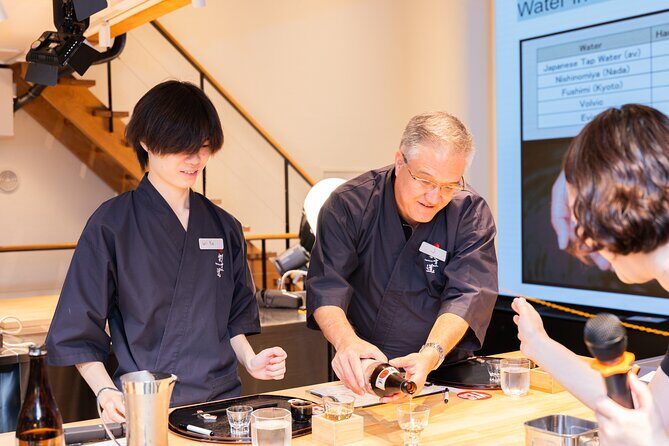
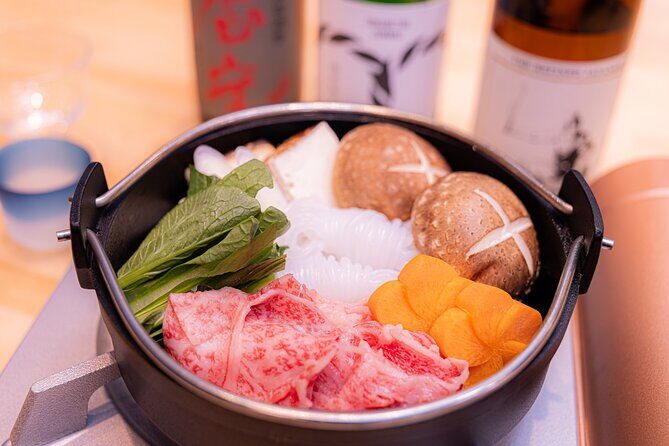
Once the sake lesson finishes, the energy shifts from tasting to cooking. You’ll move into the Wagyu sukiyaki workshop portion while your hot pot simmers.
A distinctive feature here is the vegetable carving demonstration by a professional chef. This is not a throwaway performance. It adds a visual and cultural layer while your meal is actively cooking in the background. You get to see how Japanese presentation can be treated as part of the dish, not just decoration.
While the sukiyaki cooks, you’re also learning how the process works in real time: timing, heat management, and the way sukiyaki flavors build as ingredients share the same simmering pot.
If you’ve only had sukiyaki at restaurants, this stage is where you’ll feel the difference between eating and making. Cooking teaches you what “simmering properly” means, and why the order of ingredients can matter.
Hands-on Wagyu sukiyaki lunch: what you’ll do
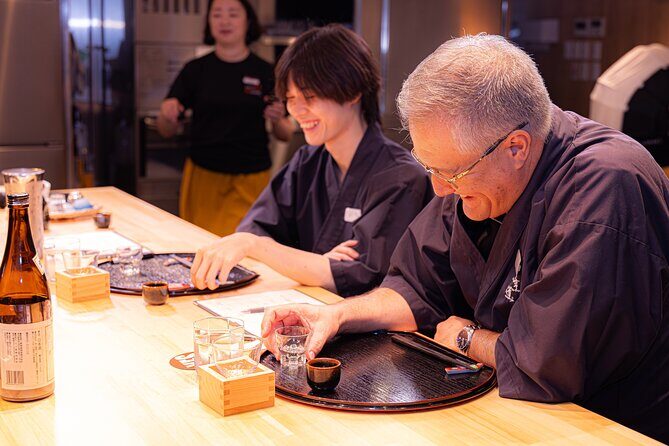
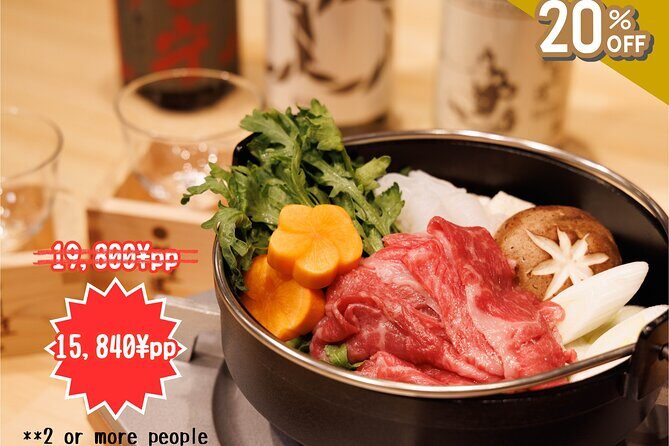
This workshop includes lunch: Wagyu beef sukiyaki, and you cook it yourself. That’s a big deal because sukiyaki is simple on paper but easy to mess up if you don’t understand timing and heat.
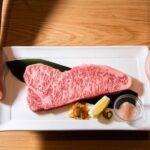
You’ll be working with premium Wagyu beef, and all cooking equipment for the sake pairing lesson is included. That reduces the usual stress of “Will I have to bring things?” or “Do I need special gear?”
The class format is built around you eating the fruit of your work. After the cooking steps and the demo time, you’ll savor your sukiyaki and you’ll complete the experience with sake pairings alongside the meal.
From the reviews, one of the most praised parts is the food quality. People describe the sukiyaki as incredibly tasty and repeatedly bring up that the sake and Wagyu offered are not just “included,” they’re a genuine part of the experience.
Who this class fits best
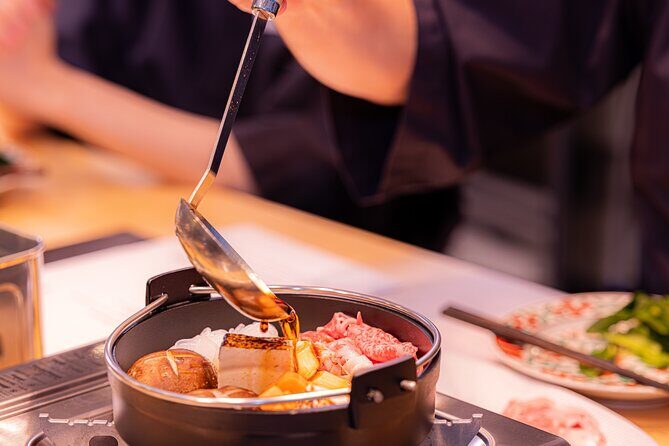
This is the kind of activity that works especially well if you want a hands-on cultural meal that doesn’t require background knowledge.
You’ll likely enjoy it if:
- You want to learn how sake temperature changes taste, not just drink it
- You’re excited by cooking with real ingredients like Wagyu beef
- You like structured instruction with friendly staff
- You’re coming with family or friends and want something shared in one room
It’s also a good choice for groups who want a smaller setting. With a max of 8, you’re less likely to feel like a number on a schedule.
If you’re traveling solo and worried that classes are awkward, the small group setup can actually feel comfortable. You’re not stuck in a crowded bus-like environment.
Price and value: is $129 fair for what you get?
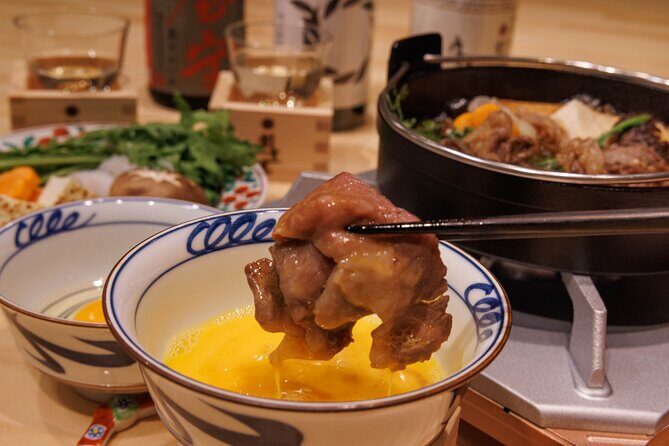
At $129 per person, it’s not a bargain. But it’s also not overpriced for what’s included.
Here’s where the value shows up:
- The experience includes sake tasting with multiple temperature ranges and snacks, not just a single pour
- Lunch is included as Wagyu sukiyaki, and you cook it yourself
- The class includes equipment for the lesson, a certificate of participation, and a same-day 10% shop discount
- The group stays small (max 8), which tends to reduce “watch-only” time
In other words, you’re paying for instruction plus food plus alcohol plus a chef-led demo, all wrapped into a tight two-hour session. If you’re the type who would otherwise pay for dinner and then separately pay for a tasting experience, this can simplify your Tokyo schedule.
One practical note: since alcohol is part of the program, think about whether you want to drink through all the temperature styles or whether you might prefer smaller sips.
The real experience vibe: friendly, structured, and built for fun
What stands out in the feedback is the personality of the instructors and the way the staff keeps things smooth. Names come up like Hiromi as an instructor who’s described as engaging and full of energy, and other staff like Naoya-san and a cooking lead associated with Kano-style sukiyaki (mentioned as Kimagai). People also note that the course is offered in English in at least some cases, which makes the content easier to absorb.
You’ll also see a recurring theme: the cooking steps and the tasting steps feel explained in a way that doesn’t assume you already know everything. That’s important. Sake can be intimidating if you’ve never ordered it. Sukiyaki can feel confusing if you’ve never made a hot pot before. This workshop reduces that friction.
And the staff friendliness matters because it affects your comfort level while you’re cooking. When someone helps you get the pot and timing right, you end up enjoying the meal instead of worrying about it.
Before you go: how to get the most out of the class
You don’t need special knowledge. You do need a good attitude and a bit of appetite.
A few practical tips:
- Come hungry. You’re having lunch, and it’s a hot pot meal.
- Pace yourself during the sake. Temperature changes go fast, and you’ll want to notice differences.
- Watch the vegetable carving demo as a learning moment. It helps you understand that Japanese dining often cares about shape and detail, not just flavor.
- If you have dietary restrictions, it’s worth checking in advance since the meal is listed as Wagyu sukiyaki. The exact options aren’t spelled out here.
Also, since the session is in a kitchen studio setting, plan for a hands-on atmosphere. You’ll be close to the cooking area, and the experience is designed for you to participate.
Should you book Japanese Sake Tasting & Wagyu Sukiyaki in Tokyo?
Book it if you want a Tokyo food experience that blends tasting and cooking in one tidy package. The temperature-based sake tasting, the snack pairings, and the chance to cook Wagyu sukiyaki are the core reasons this class works.
Skip it or reconsider if you’re looking for a purely sightseeing activity, or if alcohol is a dealbreaker for your group. The workshop is built around sake, and the full flow includes it.
If you’re deciding between “one tasting” or “one cooking class,” this is a strong hybrid. You’ll leave with practical flavor knowledge and a full, hot, satisfying lunch in the same two hours. That’s a nice way to spend time in Tokyo without stretching your day thin.
FAQ
What is the duration of the Japanese Sake Tasting & Wagyu Sukiyaki class?
It runs about 2 hours.
Where does the class start in Tokyo?
The meeting point is Kappodo H.Q / Tokyo D kitchen Studio / Cooking Workshop, located in Nishiazabu, Minato City (DKビル, 2-chōme 2112), Tokyo.
What time does the session start?
The start time is 11:00 am.
How many people are in the group?
The class has a maximum of 8 travelers.
What is included in the price?
Included: sake (with three different temperature ranges and other types), lunch (Wagyu beef sukiyaki), equipment for the sake pairing lesson, a certificate of participation, and a 10% off benefit at the 1F Shop on the same day of your visit.
Do I get to cook the sukiyaki myself?
Yes. The workshop is hands-on, and you cook and then savor your own hot pot sukiyaki.
Is private transportation included?
No. Private transportation is not included.
Is there a discount at a shop after the class?
Yes. Participants can enjoy 10% off all items at the 1F Shop on the same day of the workshop visit.
Can I cancel for a full refund?
Yes. Cancellation is free, and you can cancel up to 24 hours in advance for a full refund.
What happens if the minimum number of travelers isn’t met?
If it’s canceled because the minimum isn’t met, you’ll be offered a different date/experience or a full refund.
Eat Your Way Round Tokyo

More Tour Reviews in Tokyo





Tokyo by the Cup: More Sake Tastings
Fresh reviews from around Tokyo






Cooking Classes, compared.
 ★ 5.0Ramen & Gyoza Cooking Class in Tokyo with Local Supermarket VisitFrom $122823 reviews
 ★ 4.6Easy Ramen Cooking Experience in Kabukicho, ShinjukuFrom $29321 reviews
 ★ 5.0Ramen and Sushi Cooking Class with Sake Pairing Set in TokyoFrom $79291 reviews
 ★ 4.9Wagyu and 7 Japanese Dishes Cooking ClassFrom $67273 reviews
 ★ 5.0Tokyo Washoku 4-hour Cooking Class: From Market to TableFrom $79253 reviews
 ★ 5.0Small-Group Wagyu Beef and 7 Japanese Dishes Tokyo Cooking ClassFrom $72190 reviews
 ★ 5.0Private Home Cooking in Yanaka – Local Flavors in a Warm SettingFrom $122173 reviews
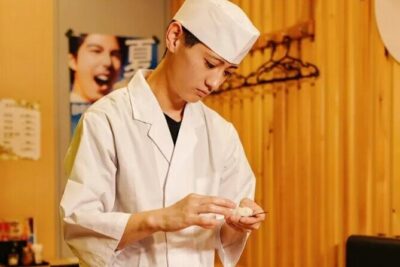 ★ 5.0Tokyo Sushi Making Experience & Japanese Cooking ClassFrom $59150 reviews
Browse the lists this tour appears in