
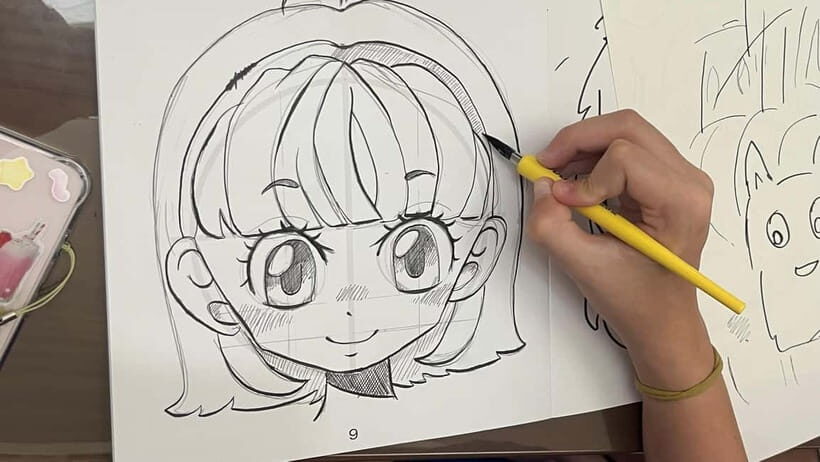
Reviewed · WORKSHOPS
Tokyo/Ikebukuro Manga lesson by acitive pro-Manga artists
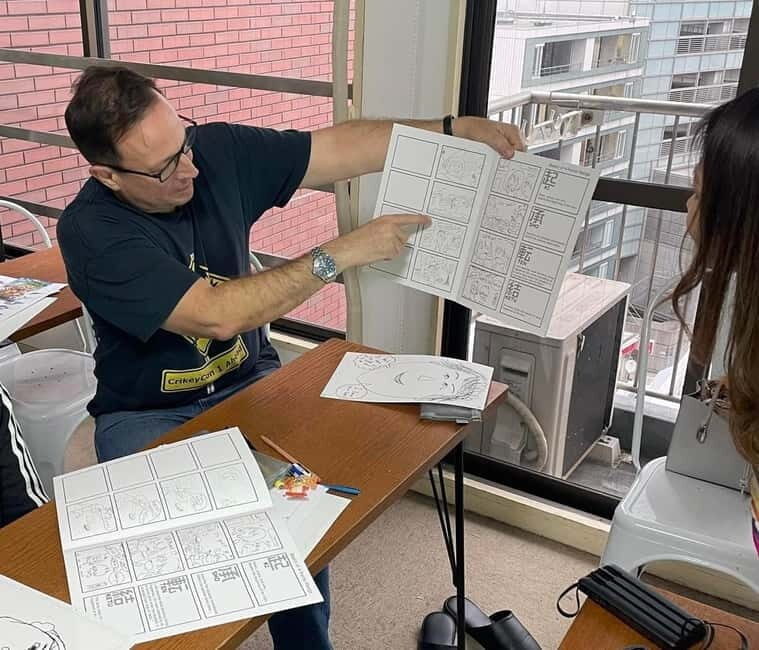
Manga lessons turn Tokyo into your sketchbook. This Tokyo/Ikebukuro workshop is interesting because it’s taught by active professional manga artists and set right by the shopping energy around Animate. I like the hands-on drawing with real tools (G-pen, screen tone, manga paper), not just a lecture. One possible drawback: in only two hours, you’re unlikely to master advanced technique or produce a super-polished, highly detailed final page at this price.
You’ll also learn how to build manga characters and short stories, and you can ask questions about how working artists make a living. In a lot of sessions, English support comes from an interpreter such as Akari, and instruction may be led by artists like Kazuo Maekawa, which makes the whole class feel structured and human instead of rigid.
The setting is convenient too: the workshop is near Ikebukuro, right next to Animate, so you can pair it with an afternoon of pop culture shopping before or after. Just be aware there are course levels, so you’ll want to pick the right one for your age and drawing comfort.
In This Review
- Key highlights worth your time
- Entering Ikebukuro with a pro manga lesson next to Animate
- The 2-hour flow: from manga basics to your own short comic
- Pick the right course level: Beginner, Intermediate, Advanced
- Beginner course (for younger kids and families)
- Intermediate course (for teens and adult hobby artists)
- Advanced / Professional course (for serious aspiring artists)
- Tools you’ll use: G-pen, screen tone, and manga paper
- Working artists, Q&A, and how a career actually looks
- Price and value: is $127 fair for two hours?
- Who should book this Ikebukuro manga workshop?
- Practical tips so you get more from your pen time
- Should you book Manga Dojo Tokyo in Ikebukuro?
- FAQ
- How long is the Tokyo/Ikebukuro manga lesson?
- What languages are available during the class?
- Do I need drawing experience before I go?
- What’s included for drawing?
- Are there different course levels?
- Where does the class take place?
- Is it suitable for young kids and wheelchair users?
Key highlights worth your time
- Right by Animate in Ikebukuro: easy to find and perfect for pairing with a Tokyo afternoon plan.
- 2 hours, small group (up to 8): you get more attention than the big-tour style classes.
- Draw original characters and a short comic: the class isn’t only copying; it’s creating.
- Real manga tools included: G-pen, screen tone, and manga paper are part of the lesson.
- Course levels for kids and adults: Beginner, Intermediate, and Advanced change what you practice.
More things to make with your own hands
- Sushi Making Tokyo Roll and Authentic Japanese Sushi Class★ 5.0 · 3,971 reviews
- Tokyo Shinjuku Chopsticks Making Class★ 5.0 · 1,763 reviews
- Chopstick Making Workshop in Ginza★ 4.8 · 1,366 reviews
Entering Ikebukuro with a pro manga lesson next to Animate
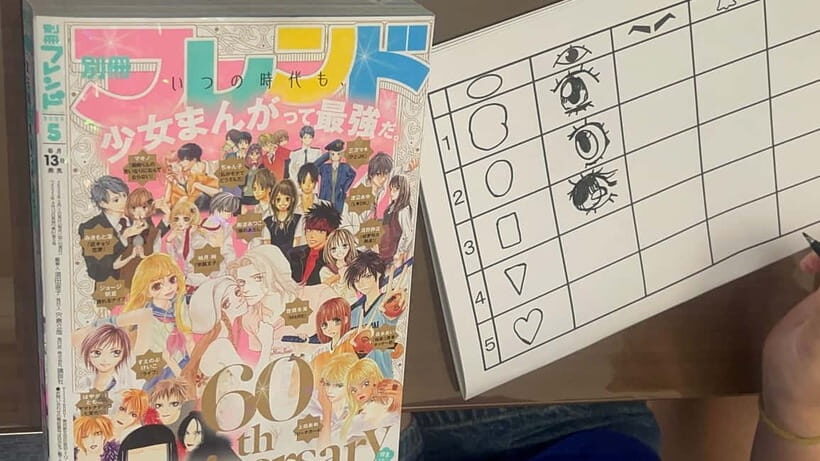
If you’ve ever looked at Japanese manga and thought, I wonder how they actually do this, this is a direct answer. Instead of a generic cultural show, you sit down in a real workshop-style setting and work with tools used for manga production.
What makes this location especially practical is Ikebukuro itself. You can schedule this lesson as a focused 2-hour block, then use the rest of the time to explore nearby streets, character shops, and the general pop-culture atmosphere that made Ikebukuro famous in the first place. And because the venue is described as being near Ikebukuro right next to Animate, you won’t feel like you’re wandering across the entire city to find a tiny classroom.
The workshop is run by MANGA DOJO TOKYO, and it’s led by active professional manga artists who have published comics. That matters because you’re not only learning a technique; you’re learning how working artists think—how they shape characters, frame panels, and keep a story readable even when time is tight.
The 2-hour flow: from manga basics to your own short comic
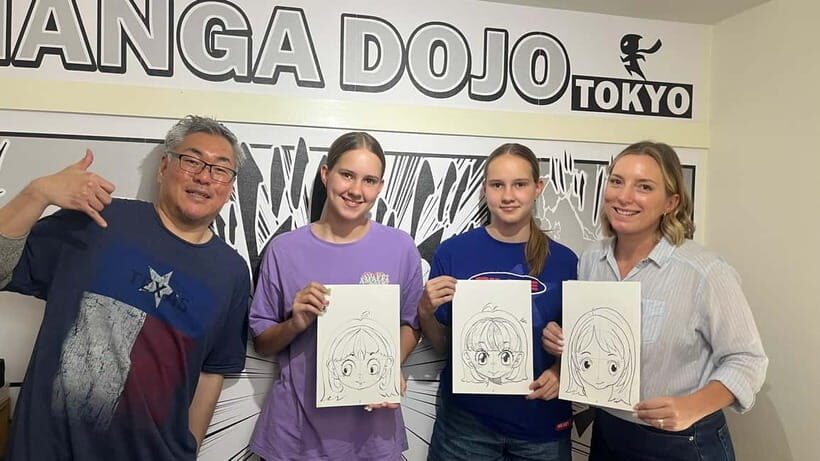
This class is built to fit into a short window without turning into a rushed art-fair demo. Expect a mix of explanation, demonstration, and hands-on practice. The key idea is that you’ll leave with something tangible: a character (often your own original design) and a short manga comic created during class.
Here’s how the experience typically unfolds for the different levels:
Step 1: Manga introduction and culture context
You start with a presentation about Japanese pop culture manga—its history and how traditional manga production works. This isn’t meant to be a textbook. It’s more like setting the rules of the game so your drawings make sense in manga format.
Step 2: Instructor demo focused on what you’ll draw next
Then the professional artist demonstrates how to draw key parts. Depending on your course level, that might mean learning the basics of character creation, focusing on faces and expressions, or practicing chibi proportions.
Step 3: Hands-on drawing with provided manga tools
Once you have the basic shapes, you start drawing yourself. The workshop includes professional tools such as a G-pen, manga ink-style drawing supplies, screen tone, and manga paper. Having the right tools is more than convenience—it’s how you get the texture and line qualities that make manga look like manga.
Step 4: Create your original manga output
You’ll then create an original short story comic together as a group activity. For some levels this means working toward a 4-panel comic (yonkoma). Even if your drawings are simple, the structure teaches you how manga reads in small beats: Setup, action, punchline or emotion, and the final wrap.
Step 5: Q&A and a wrap-up gift
There’s time to ask questions about the artist career—how manga artists live and what their day-to-day looks like. You also receive a small gift from the manga artist, which is a nice touch for families and first-time learners.
The lesson is designed for both kids and adults and says no experience is required. That’s realistic: you’ll get guided steps, not a take-it-or-leave-it “good luck” situation.
Pick the right course level: Beginner, Intermediate, Advanced
The course level you choose is the biggest factor in whether the class feels perfectly matched—or only partially satisfying.
Beginner course (for younger kids and families)
The Beginner session is aimed at children (junior high school and younger) and families. This level focuses on basics: character drawing and simple manga techniques in a friendly pace.
If you’re bringing a child, this is the safest choice. Younger participants usually do best when the focus stays on shapes, expression basics, and short practice steps rather than heavy panel design.





Intermediate course (for teens and adult hobby artists)
The Intermediate option is recommended for high school students and adults who have some drawing experience as a hobby. The learning goals include:
- character design
- drawing chibi characters
- creating a 4-panel comic (yonkoma)
This is the sweet spot if you want more “manga format” practice and a clearer sense of how panels work as a story sequence. It’s also ideal if you already know how to draw a face or body in general, and you want the manga-specific workflow.
Advanced / Professional course (for serious aspiring artists)
The Advanced session is designed for advanced learners and aspiring professionals. It includes:
- advanced character design
- panel layout & storyboarding
- anatomy and facial expressions
- manga artist career advice and Q&A
This level is the best match if your main goal is understanding the craft behind the scenes, not just finishing a fun drawing. The tradeoff is that in two hours, you still won’t turn into a pro overnight—think of this as a focused sampler of professional habits and thinking.
Tools you’ll use: G-pen, screen tone, and manga paper
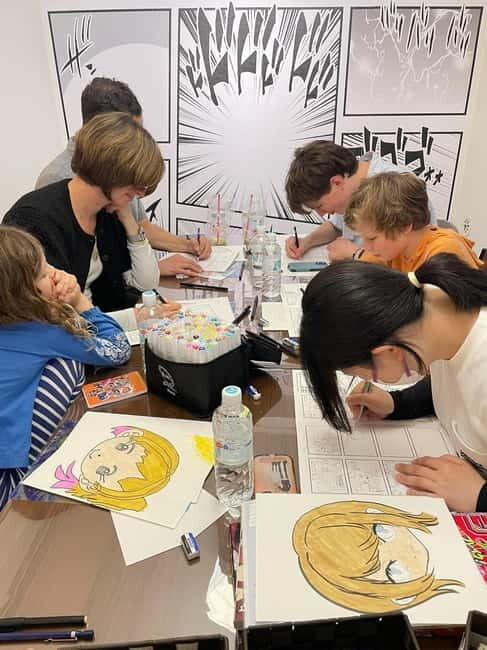
Most “art experiences” give you a pencil and call it a day. This one brings the actual tool set closer to real manga production—so your results start looking more manga-like.
Here’s what the class specifically includes:
- G-pen for inking-style lines
- screen tone tools/materials for shading and texture
- manga paper suited for this style of work
- all equipment needed for drawing
Why that matters: manga isn’t only about drawing a character. It’s about contrast, line weight, and those little texture details that guide the eye. When you use the same types of tools professionals use, you learn how they shape mood—especially with faces, clothing folds, and background emphasis.
Also, since the workshop provides the tools, you don’t need to shop for supplies beforehand. You can just show up, follow steps, and let the materials do their job.
Working artists, Q&A, and how a career actually looks
One of the most practical reasons to do this kind of workshop is the Q&A. When instruction comes from active professionals, your questions land in the right place.
In this class, you can ask about:
- how manga artists make a living
- daily life and behind-the-scenes realities
- how professionals handle character creation and story structure
This is where the experience can feel especially different from a standard craft class. You’re not only practicing drawing. You’re getting career context and hearing real process thinking—what matters, what gets refined, and how manga storytelling stays readable.
If you’re attending in English, an English interpreter is present. In recent sessions, translators like Akari have helped make the instruction easy to follow, which is a big deal when you’re learning something visual with terminology that doesn’t naturally translate word-for-word.
Price and value: is $127 fair for two hours?
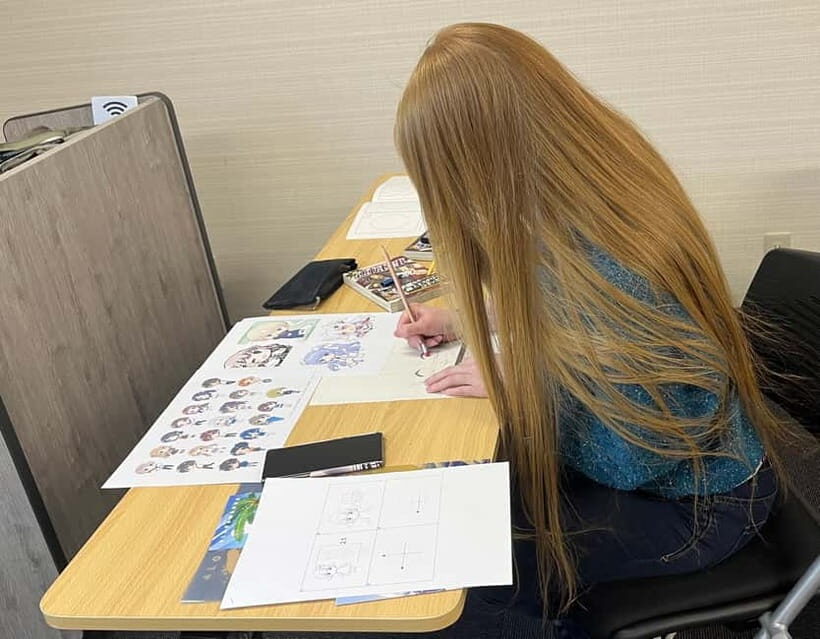
At $127 per person for a 2-hour workshop, you should think of this as paying for three things at once:
1) live instruction from active professionals
2) included materials and manga-specific tools
3) English interpretation plus a small-group format (limited to 8)
That’s not a cheap cookie-cutter activity. But it can be good value if your main goal is structured, guided creation, not just “watch someone draw.”
There is, however, a reasonable consideration: two hours is short. If you’re hoping for deep, step-by-step mastery of highly detailed manga technique, you might feel the time is limited. A fair way to judge it is this: you’re buying a guided start and a usable output, not a long-term art school lesson.
If you choose the right course level, the value improves. Beginner learners get the basics without drowning. Intermediate learners get the yonkoma structure. Advanced learners get panel layout and storyboarding plus career Q&A.
Who should book this Ikebukuro manga workshop?
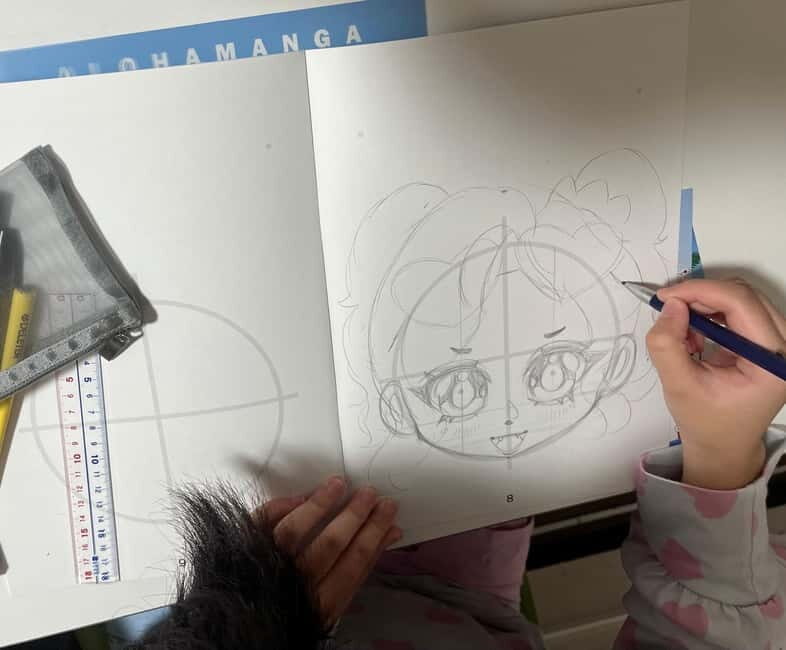
This experience fits well if you’re:
- a first-timer who wants to try manga drawing without prior skill
- a parent bringing a kid who likes art, comics, or Japanese pop culture
- a hobby artist who wants manga-specific tools and format practice
- someone who wants to ask pro artists direct questions about their work
It may be less ideal if you:
- already feel very advanced and want long, technical sessions on anatomy and inking for hours
- want a purely cinematic or sightseeing-focused activity (this is a classroom workshop)
- are very budget-sensitive and only want a deeper instruction overhaul rather than a short guided session
Practical tips so you get more from your pen time
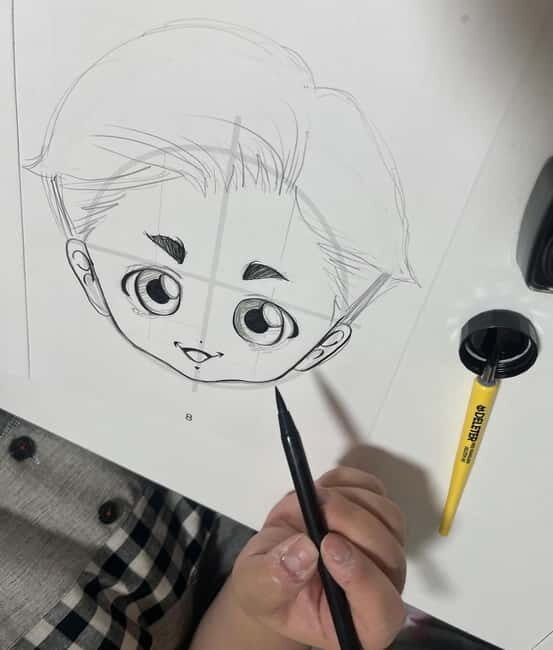
You’ll get the most out of this class if you go in with the right expectations and a small amount of mental prep.
- Pick the course level honestly. If you’re a beginner, don’t choose advanced just because it sounds impressive.
- Plan to focus on the process. The best outcome is learning the workflow: draw the character, ink or define lines, add texture with tone, then fit it into a short comic structure.
- Bring curiosity, not perfection. The class is set up so children and adults can participate, so the goal is progress within the time box.
- Ask questions early. The Q&A about manga careers and daily life is part of the value. If you wait until the end, you might run out of time.
Should you book Manga Dojo Tokyo in Ikebukuro?
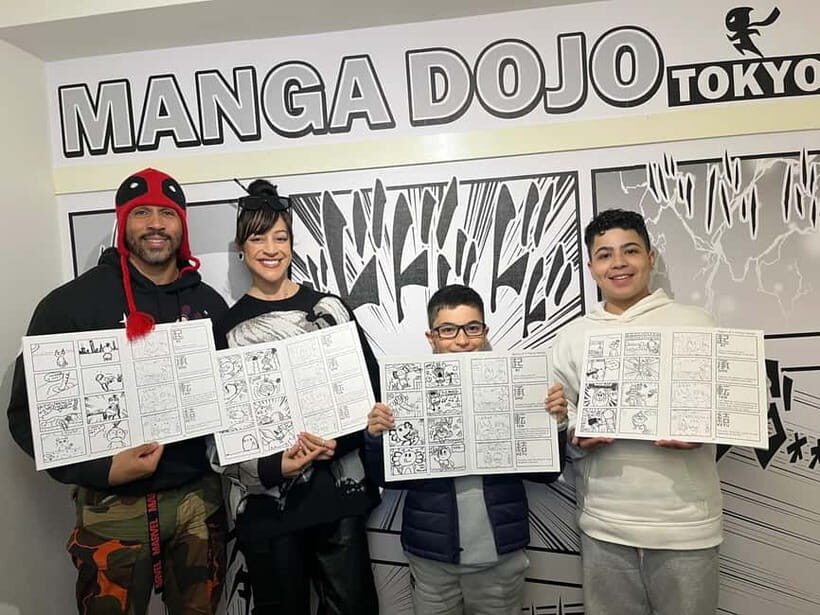
I’d book this if you want a real, hands-on Tokyo manga experience with professional instruction and tools included, in a small group, near a location that’s easy to plug into your day. It’s one of those activities that gives you both a story to tell and a piece of your own work to take home.
I’d skip or switch to a different type of class if you’re looking for a long, technical art training session or if the idea of paying for two hours feels hard to justify. In that case, you might want something longer with deeper repetition.
If you do book, choose the level that matches your age and drawing comfort. That decision is what turns the workshop from fun into genuinely satisfying.
FAQ
How long is the Tokyo/Ikebukuro manga lesson?
The workshop lasts 2 hours.
What languages are available during the class?
The class is offered with English and Japanese. An English interpreter is provided during the workshop.
Do I need drawing experience before I go?
No experience is required, and the workshop is designed for both children and adults.
What’s included for drawing?
All equipment for manga drawing is included, including tools such as G-pen and screen tone, plus manga paper.
Are there different course levels?
Yes. There are Beginner, Intermediate, and Advanced courses, each with different focus areas and recommended ages/skill levels.
Where does the class take place?
It’s held near Ikebukuro, right next to Animate. The meeting point may vary depending on the option booked.
Is it suitable for young kids and wheelchair users?
The workshop is not suitable for children under 5 years. For wheelchair access, the activity lists wheelchair accessible, but it also states not suitable for wheelchair users, so you should confirm before booking.
Make Something to Take Home




More Tour Reviews in Tokyo



Fresh reviews from around Tokyo






Workshops, compared.
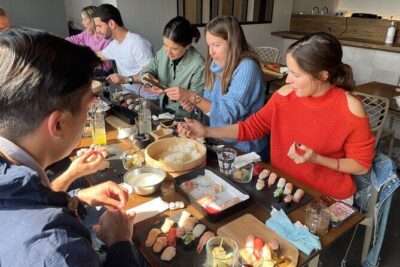 ★ 5.0Sushi Making Tokyo Roll and Authentic Japanese Sushi ClassFrom $593,971 reviews
 ★ 5.0Tokyo Shinjuku Chopsticks Making ClassFrom $201,763 reviews
 ★ 4.8Chopstick Making Workshop in GinzaFrom $251,366 reviews
 ★ 5.0Tokyo Sushi Making Class in Tsukiji with Professional ChefFrom $491,177 reviews
 ★ 5.0Ramen & Gyoza Cooking Class in Tokyo with Local Supermarket VisitFrom $122823 reviews
 ★ 5.0Matcha Making Class in Tokyo with Authentic Japanese Sweets SetFrom $21744 reviews
 ★ 5.0Samurai Sword & Archery Class from Samurai DescendantFrom $193603 reviews
 ★ 4.9Tsukiji Fish Market Sushi Making Class with Pro ChefFrom $63506 reviews
Browse the lists this tour appears in