

Reviewed · MT FUJI DAY TRIPS
Private Mt Fuji, Hakone and Tokyo Tour – English Speaking Driver
One day, three icons of Japan. This private full-day run stitches together hot sulfur steam at Owakudani, sculpted gardens in Hakone, and classic Fuji viewpoints, without the stress of trains and transfers. You also get end-of-day Tokyo energy at Shibuya, all handled by an English-speaking driver-guide.
What I like most is how the day is built around moments, not just checkboxes. Owakudani’s ropeway views and the famous black eggs are a very Japan-spring-in-action kind of stop, and the outdoor Hakone Open-Air Museum gives you space to breathe between mountain viewpoints. You also benefit from door-to-door pickup so you spend less time figuring out which platform goes where.
One thing to plan for: not every attraction’s ticket is included, and weather can affect your Mount Fuji experience. If the view or access to Mt. Fuji 5th Station is blocked, you’ll go to the highest elevation point possible, but that specific change is not grounds for refund.
In This Review
- Key highlights to know before you go
- Entering Mt. Fuji and Hakone without the Tokyo maze
- The 7:00 am Shinjuku start: why early matters here
- Owakudani Valley: ropeway views and the black eggs moment
- Hakone Open-Air Museum: art outdoors with mountain breathing room
- Oshino Hakkai: Fuji water springs you can actually see
- Lake Kawaguchiko: a quick Fuji Five Lakes hit
- Mt. Fuji Panoramic Ropeway: get higher fast (and pay attention to tickets)
- Mt. Fuji 5th Station: the atmosphere and the weather rule
- Gotemba Premium Outlets: practical breathing room at the foot of Fuji
- Shibuya Crossing at the end: Tokyo energy, not just a photo
- Private price reality: $750 per group up to 5, and what it buys you
- Who this tour fits best (and who should rethink it)
- Smart tips to make this day easier
- Should you book this Private Mt Fuji, Hakone and Tokyo Tour?
- FAQ
- What is the tour duration?
- How many people can be in a group?
- Where does the tour start and when?
- Is pickup offered from hotels?
- Is this tour guided by a guide?
- Are tickets included for each stop?
- What if Mt. Fuji 5th Station is not visible or can’t be reached due to weather?
- Can the tour change due to weather or traffic?
- Is Shibuya Crossing included for everyone?
- What is the cancellation policy?
Key highlights to know before you go
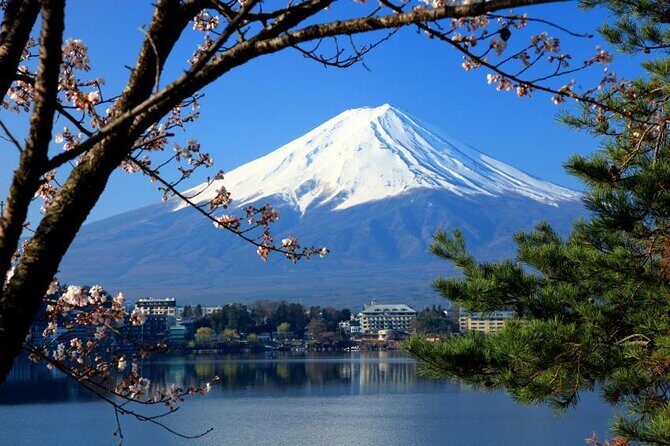
- Door-to-door pickup in Tokyo means you start your Fuji day already in motion
- Owakudani ropeway + black eggs are a fast, memorable taste of Hakone’s hot-spring world
- Hakone Open-Air Museum gives you a calm break with art outdoors and mountain air
- Three Fuji-linked stops (Lake Kawaguchiko, ropeway area, and 5th Station) maximize your odds
- A tight Tokyo finale at Shibuya Crossing works well if your drop-off is nearby
- Admissions not included for several major stops means budget for a few add-on tickets
Other routes to the mountain, compared
- Mt Fuji & Hakone Cruise, Drum Show Bullet Train 1 Day from Tokyo★ 4.0 · 7,413 reviews
- Tokyo Mt Fuji 5th St & Hakone Cruise Bus Tour w/Bullet Train★ 4.4 · 5,024 reviews
- From Tokyo: Mount Fuji Full-Day Sightseeing Trip★ 4.5 · 4,970 reviews
Entering Mt. Fuji and Hakone without the Tokyo maze
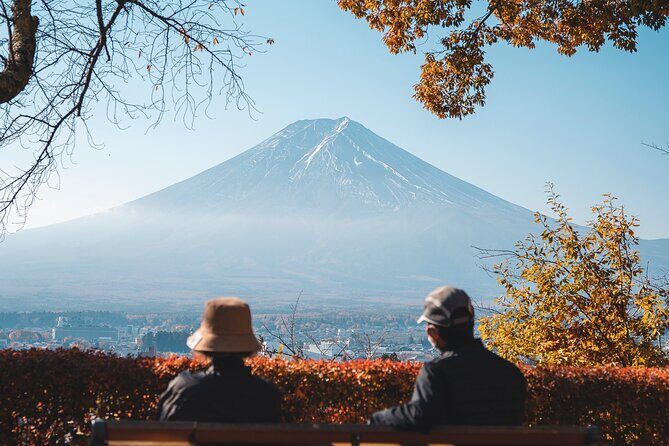
This tour is designed for one problem: getting out of Tokyo to see Mt. Fuji and Hakone is possible, but it is not simple. With this private setup, you skip the mental math of subway routes, station transfers, and time tables. Your driver handles the driving, and you get door-to-door pickup from your hotel area in Tokyo.
You also gain something practical: an English-speaking driver-guide who can steer the day. When you only have 10 hours including commuting, that guidance matters. It’s the difference between reacting to delays and following a plan that keeps the day flowing.
And since this is private for up to 5 people, you can keep your pace. That helps on a day where you’re bouncing between valleys, museums, viewpoints, and shopping. You’re not stuck with a bus group that moves on its own schedule.
The 7:00 am Shinjuku start: why early matters here
Your morning starts at Shinjuku Station at 7:00 am (meeting point around 3-chōme-38-1). If you’ve ever waited too long in Tokyo traffic, you already know why the early start is worth it. The drive out toward Hakone and the Fuji Five Lakes takes time, and early hours give you more daylight to work with.
Also, Shinjuku is a good launchpad. It’s easy to reach compared with some quieter neighborhoods, and the tour notes it’s near public transportation. If you’re coming from your hotel, pickup is offered, but if not, the meeting point is still workable.
Expect the full day to run about 10 hours including commuting. That sounds short until you see how many different kinds of places are packed in—hot springs, sculpture outdoors, springs, lake views, ropeway access, and finally Shibuya.
Owakudani Valley: ropeway views and the black eggs moment
Owakudani Valley is the kind of stop that feels instantly specific to Japan. You ride up for views, and you see the geothermal side of Hakone: steam, sulfur, and that dramatic volcanic feel.
The headline is the kuro-tamago, the black eggs. The idea is simple and fun: eggs boiled in Owakudani’s hot springs turn the shells black because of the sulfur-rich water. It’s a small food moment, but it’s also a cultural one—this is where the region’s volcanic identity becomes something you can actually taste.
Timing is tight here—about 45 minutes—and admission is free for the stop itself. That means you’re not sacrificing your other Fuji time for a long detour. The ropeway view is also a great “reset” after Tokyo, because it changes your perspective fast: straight from city lines to steam and slopes.
Practical note: this is a place where you’ll likely want comfortable shoes and a light layer. The air around hot springs can feel different than you expect.
Hakone Open-Air Museum: art outdoors with mountain breathing room
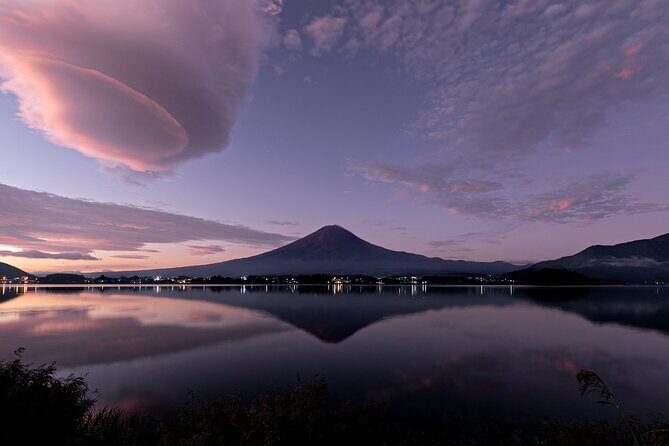
Next comes Hakone’s Open-Air Museum, about 1 hour. This is not a dark museum where you shuffle through rooms. It’s an outdoor sculpture gallery spread across a large area, and the setting is part of the show.
Why I like this stop for a day like this: it breaks up the “view, view, view” rhythm. You still get mountain scenery around you, but you also get art placed with intention in the landscape. It’s a slower pace than the hot spring valley, and that matters when you’re trying to keep a tight itinerary from turning into fatigue.
Admission is not included, so you’ll want to budget for that ticket separately. If you’re the type who hates add-on fees, this is one place you should mentally plan ahead.
Also, because you’re in Hakone, fog and clouds can happen. Even if the sky turns, the museum’s outdoors setting still makes the stop worthwhile, since you’re not relying on just one perfect panorama.
More Hakone loops, ropeways and lake crossings
Oshino Hakkai: Fuji water springs you can actually see
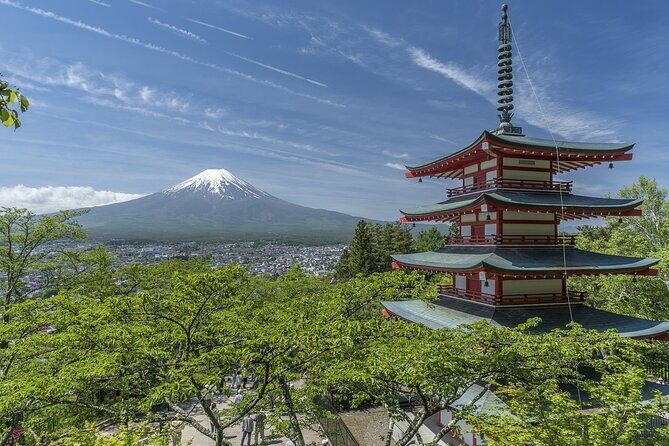
After Hakone, you shift to Oshino Hakkai, about 45 minutes. Oshino Hakkai is known for the eight springs where aquifer water from Mount Fuji rises to the surface. It’s a natural monument area tied directly to Fuji’s water system.
This is a great stop for the “how does it all connect?” feeling of a Fuji trip. Earlier you saw volcanic hot springs. Here you see Fuji’s water come out in a calm, clear way. The contrast is the point.
Admission for this stop is free. That helps keep your day costs under control since other stops have non-included admission tickets.
Oshino Hakkai is also a place where you can pause. You’re not rushing across huge grounds like you might at some attractions. You can slow down, watch the springs, and take photos without feeling like you’re sprinting to the next bus stop.
Lake Kawaguchiko: a quick Fuji Five Lakes hit
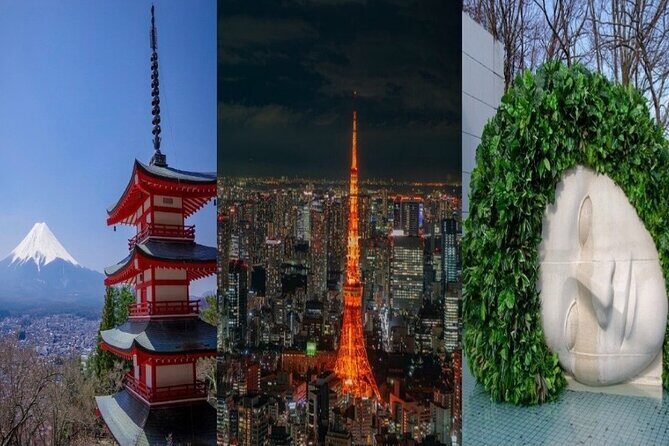
Lake Kawaguchiko is the next move, with only about 10 minutes at the lake area. That’s short, but it’s also strategically chosen: Kawaguchiko is described as one of the easiest-access Fuji Five Lakes from Tokyo, which makes it ideal for this kind of full-day route.
You’re also close to hot spring resort town vibes and Fuji views. Even in a short stop, you can pick up the feel of the area and understand why people structure longer trips here.
Because Lake Kawaguchiko itself is listed as free for the stop time, you’re not paying for the view moment. Your money is going toward the experiences right after it—especially the ropeway and the 5th Station attempt.
If you’re the type who wants maximum time at the water, this tour may feel a bit fast at the lake. But in exchange, you’re getting multiple chances to catch Fuji from different elevations.
Mt. Fuji Panoramic Ropeway: get higher fast (and pay attention to tickets)
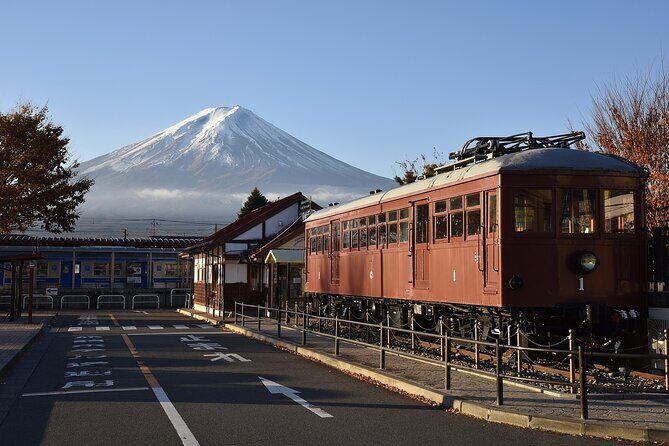
From the lake, you head to the Mt. Fuji Panoramic Ropeway, about 1 hour. The ropeway ascends roughly 400 meters from the eastern shore of Lake Kawaguchiko up to an observation deck near Mount Tenjo.
This matters for two reasons. First, getting higher improves your odds of clear views because you’re above some of the haze that can sit near ground level. Second, it’s a time-efficient way to add elevation without hiking.
Ticket note: admission for this ropeway is not included. So, if you want a full budget estimate, plan on paying extra for this segment. It’s one of the bigger paid pieces in the day besides the 5th Station-related admission.
If the weather is good, this is where you’re most likely to feel that “how is this real?” Fuji moment. If weather is less cooperative, the ropeway still delivers a unique angle of the region—even if the mountain is only partially visible.
Mt. Fuji 5th Station: the atmosphere and the weather rule
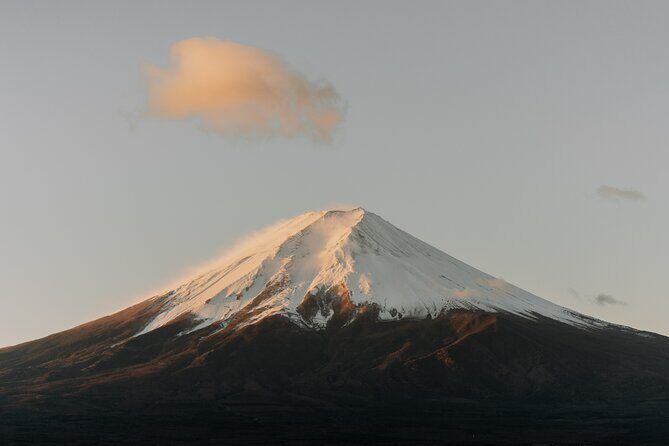
The star attempt is Mt. Fuji 5th Station, with about 2 hours on location. This is the halfway starting point for many climbers and hikers, and the atmosphere is different from viewpoints at lower elevations. It feels like you’re stepping closer to the mountain itself.
Admission is not included here either. So again, plan for add-on tickets.
Most important: the tour is built around weather reality. The rules state that if Mt. Fuji’s 5th Station will not be visible from the base or the 5th Station cannot be reached due to weather conditions, the tour will go to the highest elevation point possible. However, a tour cancellation or refund is not applicable for this reason.
That means you should treat this stop as a goal, not a guaranteed view. In practice, it’s still the right plan if your schedule is fixed and you want the best shot at experiencing Fuji in some form.
My advice: pack patience for this part of the day. Even when you can’t see the summit clearly, the higher elevation, the mountain air, and the Fuji climb culture make the stop feel like more than a photo stop.
Gotemba Premium Outlets: practical breathing room at the foot of Fuji
After mountain time, you get a more human schedule reset: Gotemba Premium Outlets for about 2 hours. Gotemba is known for green tea growing area references near Mt. Fuji, and the region has local food and shopping options (including horseradish references in the area description).
This is not a must-see cultural site, but it’s a useful part of the day. When you’ve spent hours riding and walking, a guaranteed place to sit, snack, and shop helps you recover. It also gives you flexibility. If you don’t buy anything, you can still use the time well.
Admission is listed as free for this stop time.
If you’re the kind of traveler who hates shopping stops, you might treat this as a lunch and rest block rather than a retail mission. Use it to eat something warm, hydrate, and refuel for the final Tokyo portion.
Shibuya Crossing at the end: Tokyo energy, not just a photo
The last stop is Shibuya Crossing, about 20 minutes. This is described as the world’s busiest pedestrian crossing, with up to 3,000 people crossing at a time. The scramble intersection near Shibuya Station is a snapshot of Tokyo’s pace.
This tour includes it as a timing-and-location finale. The tour notes that Shibuya Crossing can be covered if your drop-off location will be nearby. So consider Shibuya Crossing your bonus, not a guarantee if your hotel is far away from that area.
In a day dominated by volcanic valleys and lake viewpoints, Shibuya provides a sharp contrast. You go from mountain air to city noise, and that shift helps the day feel complete.
If you want a more relaxed photo, aim to step back slightly from the densest crossing stream. You’ll still get the action without feeling like you’re stuck in the thickest crowd.
Private price reality: $750 per group up to 5, and what it buys you
At $750 per group (up to 5), this isn’t a budget tour. But it also isn’t paying per person for a bus ride. You’re paying for a private driver, door-to-door pickup, and an itinerary that would be hard to stitch together quickly on your own without stress.
Think about what you’re buying:
- Less time lost on trains and station transfers
- Less confusion on routing through remote areas
- A driver-guide who can offer tips and recommendations for visiting Japan
- A day plan that hits multiple Fuji-linked locations in one push
On a group level, the math improves fast. If you’re traveling with family or friends, this can feel like a smart way to buy back time and reduce friction.
The add-on ticket pieces are the main cost surprise to watch. Hakone Open-Air Museum, Mt. Fuji Panoramic Ropeway, and Mt. Fuji 5th Station are listed as not included. Budget for those so the day still feels like value when you arrive.
Also remember: this tour depends on weather. You’re paying for the chance to see Fuji from multiple points. If visibility is low, you’re still doing a full day, but the payoff could be more muted.
Who this tour fits best (and who should rethink it)
This private format is ideal if:
- You want a low-stress full day outside Tokyo
- You’re short on time and want to see both Hakone and Fuji areas
- Your group wants a schedule built around your pace
- You value English-speaking support for navigation and day planning
It may be less ideal if:
- You hate paying for extra admissions on top of the tour price
- You want deep time at just one spot (like staying longer at Kawaguchiko)
- You’d rather DIY with trains and buses no matter how complicated it gets
It also helps if you’re okay with weather-driven adjustments. The itinerary can change due to weather, traffic, or other uncontrollable reasons. That flexibility is part of the Fuji reality.
Smart tips to make this day easier
A few practical moves will make the schedule feel smoother:
- Start the day early and treat breakfast like part of the tour plan, since your morning begins at 7:00 am in Shinjuku.
- Wear shoes that handle both museum grounds and outdoor walking. Some stops are short, but you still move.
- Bring layers. You’re traveling from Tokyo to higher elevation zones where temperatures and wind can change quickly.
- If you care about Fuji views, understand the tour may shift elevation plans based on visibility and access. That’s not a failure—it’s how you protect your odds.
- Keep your expectations flexible for the 5th Station area. The tour rule is clear: if the full plan can’t happen, you’ll go as high as possible.
Finally, this is a private day. Use that to your advantage. Ask your driver-guide for practical advice about how to time short walks, when to step out for photos, and what to prioritize if conditions shift.
Should you book this Private Mt Fuji, Hakone and Tokyo Tour?
Book it if you want a tight, private, English-friendly day that covers Hakone plus Mt. Fuji plus classic Tokyo without you wrestling with transit. The best value shows up when you’re traveling as a group and want a driver to handle the complicated logistics.
Skip or reconsider if you’re traveling solo on a tight budget, or if you want guaranteed views no matter what the sky does. The tour’s weather rules are clear, and Fuji is famous for changing its mind.
If you’re set on seeing Fuji and you’d rather spend your energy on the views and the water and the art, this is a strong choice. Just plan for add-on tickets and be ready for the day to adjust when weather or road conditions demand it.
FAQ
What is the tour duration?
The tour runs for about 10 hours, including commuting time.
How many people can be in a group?
The price is per group up to 5 people. More than 5 people can be facilitated for an additional cost.
Where does the tour start and when?
It starts at Shinjuku Station (3-chōme-38-1 Shinjuku) with a start time of 7:00 am.
Is pickup offered from hotels?
Pickup is offered, and the tour includes door-to-door transportation.
Is this tour guided by a guide?
It is not a guided tour by default, but it can be arranged on request at an additional cost of a guide.
Are tickets included for each stop?
Some stops are free (like Owakudani Valley, Oshino Hakkai, Lake Kawaguchiko, and Gotemba Premium Outlets). Other stops list admission as not included, including Hakone Open-Air Museum, Mt. Fuji Panoramic Ropeway, and Mt. Fuji 5th Station.
What if Mt. Fuji 5th Station is not visible or can’t be reached due to weather?
If Mt. Fuji’s 5th Station cannot be reached or is not visible from the base due to weather conditions, the tour will go to the highest elevation point possible. Tour cancellation or refund is not applicable due to this reason.
Can the tour change due to weather or traffic?
Yes. Changes in schedule or visiting points are expected due to bad weather, traffic congestion, or other uncontrollable reasons.
Is Shibuya Crossing included for everyone?
Shibuya Crossing can be covered if your drop-off location will be nearby.
What is the cancellation policy?
Free cancellation is available up to 24 hours in advance for a full refund. If you cancel less than 24 hours before the start time, the amount is not refunded. If the experience is canceled due to poor weather, you’ll be offered a different date or a full refund.
Your Own Wheels: More Private Driver Days

Hakone, Three More Ways


The Fuji Shortlist: Other Days Out to the Mountain

Fresh reviews from around Tokyo






Mt Fuji Day Trips, compared.
 ★ 4.0Mt Fuji & Hakone Cruise, Drum Show Bullet Train 1 Day from TokyoFrom $1497,413 reviews
 ★ 4.4Tokyo Mt Fuji 5th St & Hakone Cruise Bus Tour w/Bullet TrainFrom $1545,024 reviews
 ★ 4.5From Tokyo: Mount Fuji Full-Day Sightseeing TripFrom $684,970 reviews
 ★ 4.7Mt. Fuji Tour, Hakone Ropeway, Owakudani, Lake AshiFrom $544,002 reviews
 ★ 5.0Private Tour to Mt. Fuji and Hakone (Fully Licenced Operator)From $4971,910 reviews
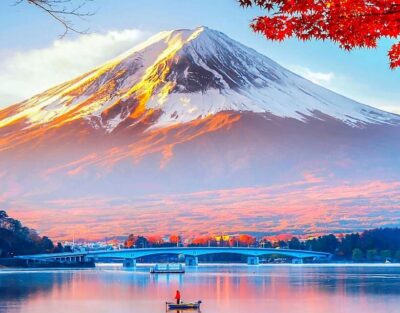 ★ 4.9Mount Fuji Full-Day Private Tour from Tokyo (Customizable)From $3931,470 reviews
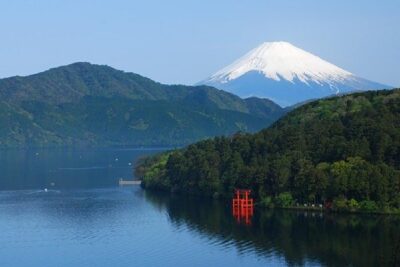 ★ 4.0Mt Fuji & Hakone Cruise, Drum Show Bus 1 Day from TokyoFrom $1221,287 reviews
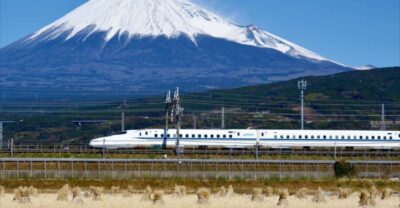 ★ 4.2From Tokyo: Mt. Fuji & Hakone Tour w/ Return by Bullet TrainFrom $1171,278 reviews
Browse the lists this tour appears in