
Reviewed · TOKYO
Private Akihabara Retro Tokyo Anime Game Maid Cafe Tour w/ pickup
Akihabara can feel like a fun blur. This private tour turns it into a guided, practical hunt for retro anime, manga, and games without wasting time guessing where to go. I especially like the private local guide angle, plus the fact that you can shift the plan toward your own interests, like figure stores or retro game hunting, not just the “usual” stops.
One thing to keep in mind: if you add the optional maid cafe, that isn’t included in the price, so plan extra spending for the experience itself.
In This Review
- Key highlights worth planning for
- A private Akihabara tour that feels like your shopping list
- Pickup and start near Tokyo Station (and why the ride helps)
- Mandarake Complex: where retro obsession gets organized
- Animate Akihabara: the merchandise hub for manga and anime fans
- Super Potato: retro game shopping with a real specialist vibe
- Akihabara Radio Kaikan: iconic floors for niche collectibles
- Your custom Akihabara time: shops, figures, and optional maid cafe planning
- Maidreamin Akihabara Head Store: an optional classic with ritual basics
- Price and value: why $161.58 can make sense in Akihabara
- Who this tour is best for (and who should skip it)
- Should you book this Akihabara retro anime game maid cafe tour?
- FAQ
- FAQ
- How long is the private Akihabara Retro Tokyo tour?
- Is pickup and drop-off included?
- Do I need to pay admission for the stops?
- Can I customize the shops we visit in Akihabara?
- Is lunch or dinner included?
- What is the cancellation policy?
Key highlights worth planning for

- Private pickup in a comfortable Lexus (air-conditioned ride) from your location in Tokyo
- Mandarake Complex first for serious retro manga, figures, toys, dojinshi, and games
- Animate Akihabara as the mainstream manga/anime stop when you want brands and merchandise
- Super Potato for retro game specialists, including older platforms and rarer titles
- Maidreamin Akihabara as an optional add-on, with basics on manners and the cafe ritual
Before you commit, see how this one stacks up against a few Tokyo favourites:
- Mt Fuji and Hakone 1-Day Bus Tour Return by Bullet Train★ 5.0 · 26,383 reviews
- 1-Day Tokyo Bus Tour★ 5.0 · 14,250 reviews
- Tokyo: teamLab Planets TOKYO Digital Art Museum Entry Ticket★ 4.6 · 9,779 reviews
A private Akihabara tour that feels like your shopping list
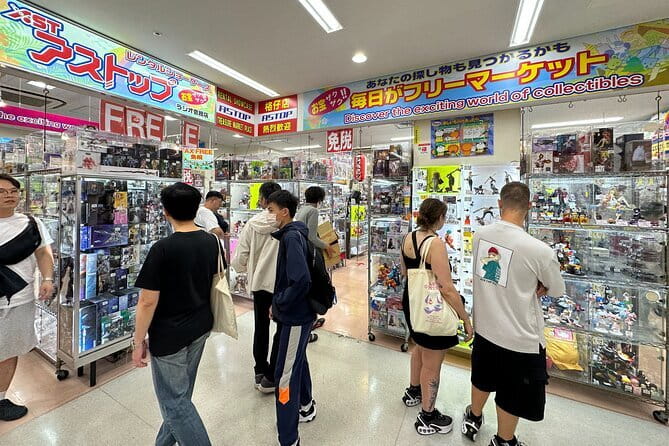
Akihabara has everything. The problem is that it can be overwhelming. When you go on your own, you end up doing the same thing most people do: walking in circles, popping into random stores, and leaving with “cool stuff” that might not match what you actually care about.
This tour fixes that with a local guide and a pace that’s built for browsing. You’ll move between major spots and also get help choosing what’s worth your time inside the maze of shelves, counters, and specialty shops. And because it’s private, you’re not stuck with a group that wants a different vibe than you do. If you’re a retro game person, you’ll get time where that matters. If you’re into figures or manga merchandise, the plan can follow that.
I also like that you get both a local Japanese guide and an English-speaking driver. That combination matters in Japan, where store hours, product labeling, and “what should I look for” can be hard when you’re alone. You’ll even start at a clear meeting point near Tokyo Station, so you can show up and get going fast.
A final practical note: this is scheduled for a window in the late morning through early evening, and the total time is listed as about 3–5 hours, depending on how you pace the browsing and any optional add-ons.
Pickup and start near Tokyo Station (and why the ride helps)
Getting to Akihabara is easy, but getting to Akihabara with energy is the trick. This experience includes pickup and drop-off from your address in the city, traveling in an air-conditioned vehicle. The ride uses a LEXUS LS 460, which sounds fancy because it is—yet the real value is comfort and stress reduction once you’re doing several shopping-heavy stops.
The meeting point is near Tokyo Station (1 Chome-9 Marunouchi, Chiyoda City), and the tour runs within set opening hours across the schedule window listed. That matters if you’re trying to fit Akihabara into a broader day with other neighborhoods.
Because it’s private, the time doesn’t get eaten up by waiting for other people to arrive, which is often what happens on group tours. Instead, your guide can focus on your interests from the first stop.
One more planning detail that can help: the tour allows you to add lunch or dinner, but those meals aren’t included by default. So if you want food, you’ll need to budget for it or add it in advance.
Mandarake Complex: where retro obsession gets organized
Your first stop sets the tone. Mandarake Complex is a major destination for people who care about older manga, rare prints, figures, toys, dojinshi, and retro games. It’s often the place fans recommend when they want more than mainstream merchandise—they want the stuff with history.
Why this stop works well at the beginning: the longer you walk later in the day, the harder it is to make good choices. At Mandarake, you can spot the pieces you’ll want to remember, then decide whether to keep browsing or narrow down your list. If you’re hunting for a specific series, character, or format (like older manga editions or collectible figures), starting here gives you the best chance to compare items before you hit the next shops.
The tour includes free admission for this stop, which is a small detail that adds up when you’re doing multiple locations. You’ll have about 45 minutes here, which sounds short until you realize Mandarake-style shopping isn’t “see everything.” It’s scan, compare, and decide quickly.
One practical consideration: this type of store attracts collectors. That means prices and availability can vary. With a guide, you’ll waste less time asking the wrong questions, and you’ll know where to look for the type of item you want instead of drifting aisle to aisle.
Animate Akihabara: the merchandise hub for manga and anime fans
After Mandarake, Animate Akihabara is the place for manga and anime merchandise in a more “brand-forward” way. If you want character goods, official-looking merchandise, and a broad selection that’s easy to browse, this stop is likely to hit your target.
This part of the tour is also about getting your bearings inside Akihabara’s shopping ecosystem. Mandarake is about retro and collector energy; Animate can feel more like a straightforward shopping headquarters. That contrast is useful because it helps you figure out what kind of purchases you actually want before you move into the more niche game and figure zones later.
You’ll get about 45 minutes here, with free admission included. The guide can help you choose how deep to go based on what you’re chasing. If you’re into manga merchandising, you can spend your time on the relevant floors. If you’re chasing a specific format, your guide can point you toward what to prioritize.
If you’re not really a merchandise shopper and you only want rare, used collectibles, you might find Animate less exciting than other stops. But if your goal is to leave with a few solid “I was here” items that match your fandom, this is a strong stop.





Super Potato: retro game shopping with a real specialist vibe
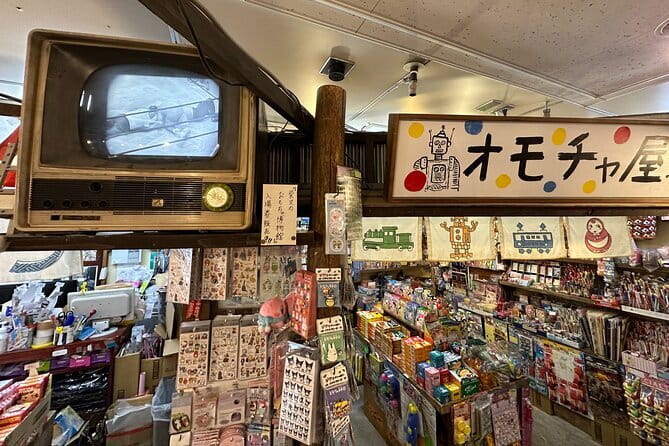
If retro games are your thing, Super Potato Akihabara is one of the stops that turns the tour from generic to genuinely themed. This store is built around older titles and a wide range of game-related merchandise. The important part isn’t just that they sell games—it’s that the store identity is focused on gaming history and retro formats.
You’ll have about 30 minutes here, and admission is listed as free. In that limited time, the guide’s role becomes even more valuable. Instead of browsing randomly and missing the best shelves, you can focus on what you care about: older platforms, obscure titles, and rare finds.
This is also where it helps to have a plan before you arrive. If you tell your guide what you’re looking for (example: a type of game, a genre, a particular era), you’re much more likely to leave with something that feels like a real find. And because this is private, you can spend a bit more time on your preferred sections without negotiating with other group members who want something else.
If you’re not a retro game hunter, you can still enjoy the store’s atmosphere and related merchandise—but your time might feel more satisfying if you use your guide’s flexibility to shift the balance toward figures or manga instead.
Akihabara Radio Kaikan: iconic floors for niche collectibles

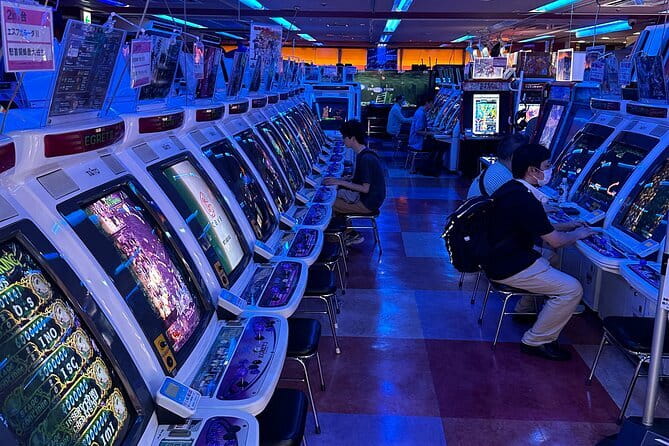
Next comes Akihabara Radio Kaikan, an iconic multi-level complex known for independent shops selling manga, anime figurines, and related items. The value here isn’t that every shop is the same—it’s that you can hit multiple micro-styles of collecting in one building.
The tour gives you about 45 minutes here, again with free admission. Your guide can help you aim your time. Instead of bouncing between stores that look interesting but don’t match your fandom, you can focus on the shop types most aligned with your interests—like dolls or toys if that’s your lane.
This is a good stop if you like the feeling of walking into a building where the product mix is obvious: you’re surrounded by the exact world you came for. It’s also a great place to compare items you’ve seen earlier with what’s available now. If you decide you want a specific character figure, for example, you can check what styles exist across different shops.
One drawback to consider: because it’s a multi-level set of shops, you’ll want to keep moving. The 45 minutes can disappear if you stop to examine too many items “just to see.” If you come with a short list of targets, this stop becomes much more rewarding.
Your custom Akihabara time: shops, figures, and optional maid cafe planning
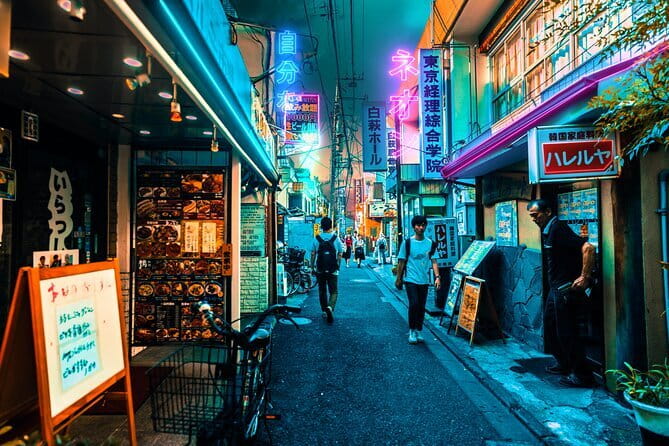
After the main themed stops, you get a flexible block of time in Akihabara itself. This part is specifically designed so you can steer the day. Your guide can send you to other manga shops, figure stores, or toward the direction you want for the final stretch.
This is where the tour becomes “your day,” not a fixed checklist. If you found something at Mandarake or Radio Kaikan that you want to compare, you can use this flexible time to look for variations. If you decide you want more retro game stores, you can shift focus—though you’ll want to balance that with the clock since your overall duration is still limited.
You can also use this segment to line up the optional maid cafe add-on. The tour includes guidance about choosing when and how to do it, and it pairs that planning with advice on cafe expectations, so you don’t feel lost once you arrive.
This flexible block is about keeping you in control. I like that it’s not just “walk around and hope.” It’s guided time, adjusted to your interests, with your guide thinking several steps ahead.
Maidreamin Akihabara Head Store: an optional classic with ritual basics
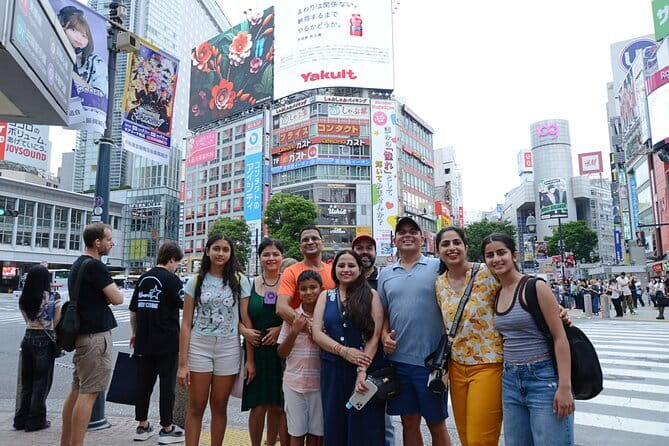
If you add the maid cafe, Maidreamin Akihabara Head Store is an older, iconic option. The tour notes that you’ll get help with manners and the ritual of enjoying a maid cafe. That kind of guidance matters, because if you’ve never been, you can easily miss the point or feel awkward.
This stop is about 1 hour, and the admission is listed as not included. That’s the main financial consideration for this tour. You should plan extra for the cafe itself, since you’re paying for the experience.
What makes this stop worth considering is less about the novelty and more about understanding how the setting works. When you know the basic rhythm, you can relax and just enjoy the theme. Also, because this is a private tour, you’ll have a guide to help you with questions in real time.
If you’re not interested in maid cafes at all, you can treat this as optional and still have a full day of retro shopping. But if you are curious, doing it in a guided way can make the difference between “I went once and didn’t get it” and “I understood what was happening and had fun.”
Price and value: why $161.58 can make sense in Akihabara
At $161.58 per person, this isn’t a budget “wandering tour.” It’s priced like a private guided experience with transportation. So the real question isn’t whether it’s affordable—it’s whether it’s efficient.
Here’s what you’re paying for, and why it can be good value:
- A private guide who can personalize the stop order and focus based on your interests
- Pickup and drop-off from your Tokyo location, not just meeting somewhere nearby
- Transportation in an air-conditioned LEXUS LS 460, which helps when you’re doing multiple shopping blocks
- Multiple themed stops with free admission listed for several key locations
- The option to add the maid cafe, with guidance so you don’t go in blind
Where value is strongest is when you already know what you want, or when you’re the type of person who gets decision-fatigue quickly. Akihabara rewards focus: “the right shop at the right time” can save you hours and prevent impulse purchases that don’t fit your taste.
Also, the schedule is a helpful detail. It’s listed as something booked on average about 55 days in advance, so if you’re traveling during a busy season, booking early can improve your odds of matching your preferred time.
If you’re traveling solo and you’d otherwise spend time bouncing between shops and asking confusing questions, the private guide can save you money indirectly by helping you buy the right thing once.
Who this tour is best for (and who should skip it)
This works best for you if:
- You’re a fan of manga, anime, and gaming, and you want a shopping plan that matches that fandom
- You like retro collectibles and want help locating stores you might overlook
- You appreciate a guide who adapts when you say what you care about
- You want an Akihabara day with less stress and better timing
It may not be the best fit if:
- You only want broad sightseeing and don’t care about shops or buying anything
- You dislike structured stop times and prefer fully independent wandering
- You’re not willing to spend extra for the optional maid cafe
One more useful note from the way guides are described: the experience is designed to be adaptive. A guide named Takeshi is specifically noted as knowledgeable, fun, and flexible, including handling real-world weather disruptions with a positive, on-the-fly approach. That’s exactly what you want in a neighborhood where conditions can change fast.
Should you book this Akihabara retro anime game maid cafe tour?
If your goal is a focused, fan-first Akihabara day—shopping with context, not just wandering—this is a smart booking. The combination of private attention, comfortable pickup, and themed stops with free admission at several key locations makes it feel efficient.
Book it if you want the guide to help you choose where to spend your limited browsing time. Skip it if you’re just looking for a quick taste of Akihabara with no interest in retro games, manga merchandise, figures, or the optional maid cafe.
If you do book, come with a short wish list (even 3 items). Tell your guide what you want most. That’s when the personalization really pays off.
FAQ
FAQ
How long is the private Akihabara Retro Tokyo tour?
The duration is listed as approximately 3 to 5 hours.
Is pickup and drop-off included?
Yes. Free pickup and drop-off are included, using an air-conditioned vehicle.
Do I need to pay admission for the stops?
For Mandarake Complex, Animate Akihabara, Super Potato, and Akihabara Radio Kaikan, admission is listed as free. The maid cafe option at Maidreamin is not included.
Can I customize the shops we visit in Akihabara?
Yes. You can tailor the tour toward your interests, including manga shops, figure shops, and the option to add a maid cafe visit.
Is lunch or dinner included?
No. Lunch or dinner is not included. Any additional fee would be paid separately if you add it.
What is the cancellation policy?
You can cancel for free up to 24 hours in advance for a full refund.
More Tour Reviews in Tokyo



Fresh reviews from around Tokyo






Tokyo, compared.
 ★ 5.0Mt Fuji and Hakone 1-Day Bus Tour Return by Bullet TrainFrom $16326,383 reviews
 ★ 5.01-Day Tokyo Bus TourFrom $12914,250 reviews
 ★ 4.6teamLab Planets TOKYO Digital Art Museum Entry TicketFrom $259,779 reviews
 ★ 4.0Mt Fuji & Hakone Cruise, Drum Show Bullet Train 1 Day from TokyoFrom $1497,413 reviews
 ★ 5.0Shinjuku Food Tour (13 Dishes at 4 Local Eateries)From $866,603 reviews
 ★ 4.4Tokyo Mt Fuji 5th St & Hakone Cruise Bus Tour w/Bullet TrainFrom $1545,024 reviews
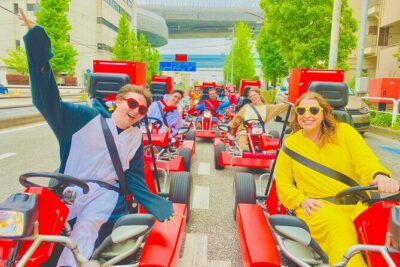 ★ 5.0Flagship 2-Hours Official Street Go-Kart Tour – Tokyo Bay ShopFrom $644,974 reviews
 ★ 4.5From Tokyo: Mount Fuji Full-Day Sightseeing TripFrom $684,970 reviews