
Reviewed · TSUKIJI FISH MARKET TOURS
Tokyo Sushi Making Class in Tsukiji with Professional Chef
Making sushi in Tsukiji is a quick win.
This class is interesting because you start in the Tsukiji market area, then you get real instruction from a pro sushi chef in a traditional classroom. I love the fish disassembly demo and the knife talk, and I love that you do hands-on work to make 5 nigiri and 1 rolled sushi that you also eat. One thing to consider: the classroom is on the third floor and it’s stairs only.
At $49.74 for about 90 minutes, this is good value if you want more than a tasting. You’ll get an English-speaking host plus a sushi master, and the group stays small (max 20), which makes it easier to get help as you learn.
In This Review
- Key takeaways before you book
- Tsukiji market energy, then real sushi instruction
- Where the class starts: walking Tsukiji stops before you cook
- The fish disassembly show and Japanese knife talk
- Making nigiri: 5 pieces, real technique, real feedback
- Rolling sushi (maki): one roll to learn the basics
- Lunch: eat what you make, plus chef wasabi support
- What you’ll actually get for $49.74
- Meeting point and how to plan your timing
- Stairs only: a simple check before you go
- Who this sushi class is best for
- Should you book the Tsukiji sushi making class?
- FAQ
- How long is the Tokyo sushi making class in Tsukiji?
- What sushi will I make during the class?
- Is the class taught in English?
- Is lunch included?
- Where do I meet for the experience?
- Do I get hotel pickup or drop-off?
- Can the class accommodate allergies?
- Are kosher or halal requests accommodated?
- Is the classroom accessible if I can’t do stairs?
- What’s the cancellation policy?
Key takeaways before you book
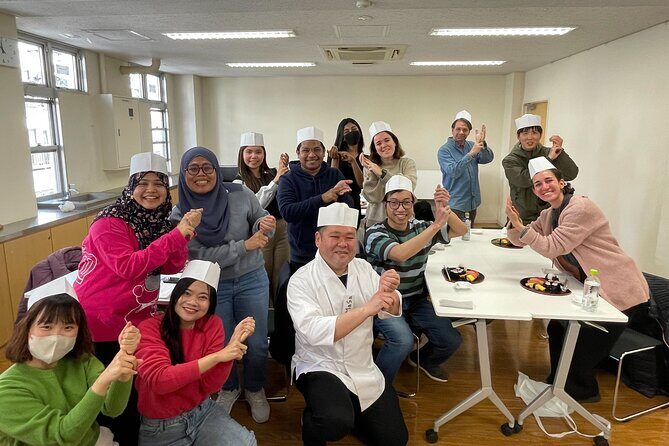
- Market setting first, classroom second: you’ll spend time around Tsukiji market stops before you cook.
- Fish prep show with knife guidance: you watch the chef break down fish and explain tools like Japanese knives.
- Step-by-step nigiri practice: you make 5 different nigiri with direct coaching.
- One hands-on rolled sushi: you learn the basic rolling process, not just watch.
- Lunch is what you make: you eat your own sushi plus a chef-made plate with fresh wasabi.
- Only-stairs classroom: plan for climbing to the third floor in a traditional building.
Still hungry? More Tsukiji breakfasts and market walks
- Tokyo Tsukiji Fish Market Food and Culture Walking Tour★ 5.0 · 3,184 reviews
- Tokyo: Tsukiji Fish Market Food and Walking tour★ 5.0 · 1,724 reviews
- Tokyo: Tsukiji Fish Market Guided Walking Tour★ 4.9 · 1,397 reviews
Tsukiji market energy, then real sushi instruction
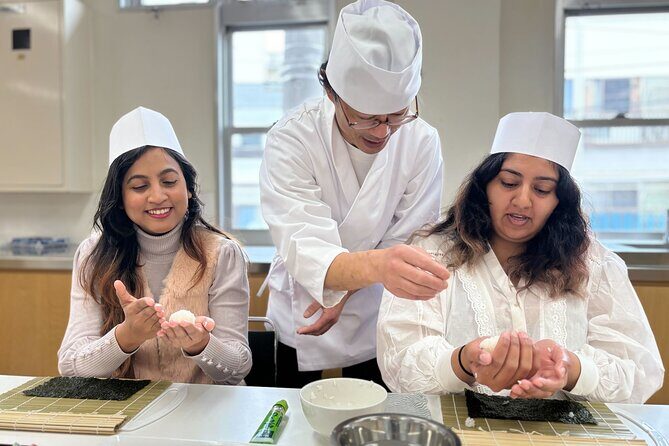
The best part of this experience is the flow: you don’t just sit down and learn theory. You begin in the Tsukiji area, moving through three market stops, and you can feel the food context right away before you touch rice and fish.
Then comes the part most people sign up for: the chef’s teaching. You’ll have an English-speaking host working with a sushi master, and the whole session is built around doing. The class format also stays tight for your time. At about 1 hour 30 minutes, it’s long enough to learn, but not so long that you feel fried by the end.
I also like that it’s hands-on without being intimidating. Many past groups included kids (some were sushi first-timers), and the pacing is meant to keep you moving from watching to doing. You’ll see the fish prep, then you’ll get your own turn making nigiri and rolling.
Where the class starts: walking Tsukiji stops before you cook
The experience includes three Tsukiji-area stops: Tsukiji Fish Market, Tsukiji Jogai Market, and Tsukiji Nippon Fish Port Market. That may sound like a lot of walking for a cooking class, but it works for a reason.
Sushi is about ingredients and timing. By the time you reach the classroom, you’ve already been in the market setting and you know you’re working with fish and items sourced from the market. It also breaks up the experience so it feels like you’re part of the food world for a bit, not just stuck at a station.
Possible downside: if you’re sensitive to walking time in Tokyo, plan for the commute to the meeting point and the market-to-classroom movement. The tour ends back at the meeting point area, so you’re not left guessing where to go next.
The fish disassembly show and Japanese knife talk
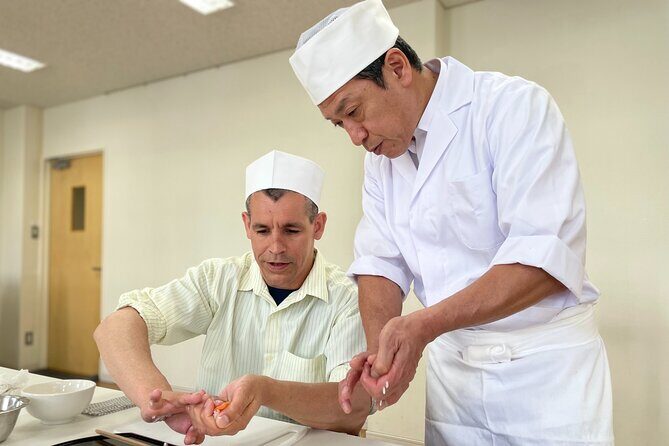
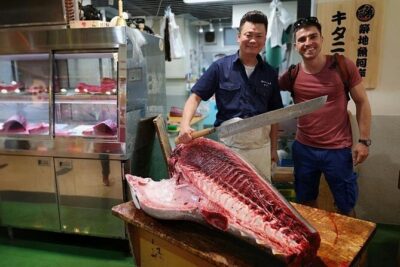
Before you make anything, you get a fish disassembly show by the sushi chef. This is one of the highest-value segments because you learn what actually happens before sushi becomes food on your plate.
You also get an explanation of Japanese knives. Even if you never plan to buy the tools, understanding the purpose behind them helps you appreciate why sushi preparation is so precise. In a class like this, you’ll usually start noticing that the knife work is about control and consistency, not showmanship.
From the reviews, this part is repeatedly praised for being both educational and engaging. People loved that the chef didn’t treat it like a lecture. It’s visual, practical, and it sets you up for why the later steps matter when you form rice and top it with fish.
Making nigiri: 5 pieces, real technique, real feedback
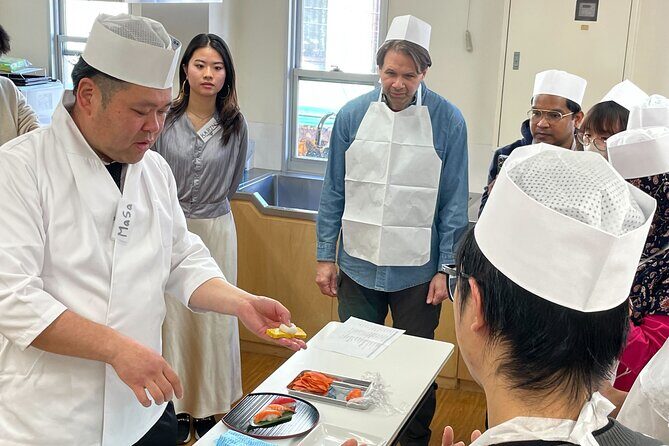
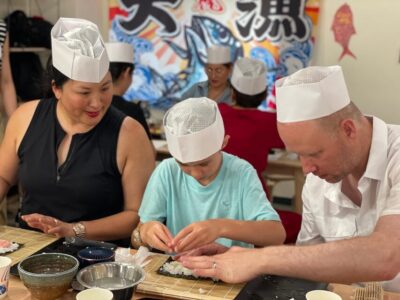
Your main cooking section focuses on nigiri sushi, and the class has a clear target: you’ll make 5 different nigiri. That number matters. It forces you to practice more than one variation of technique and builds confidence fast, especially if you’re a beginner.
Here’s what you can expect during nigiri time:
- You’ll learn what exact sushi is and what makes nigiri technique work.
- You’ll follow proper steps for making nigiri, rather than copying a single motion.
- You’ll be supported step by step by the sushi master.
The class provides proper utensils and tableware sourced from local shops. You’re not stuck improvising. And you’ll also have an English-speaking host alongside the chef, which helps when the technique includes small details.
One thing to watch: nigiri can feel simple until you try to copy it. If your first attempts don’t look perfect, that’s normal. The fun here is getting guidance while you build the skill. Many groups loved that the chef and staff were hands-on about correcting technique without making anyone feel rushed.
More things to make with your own hands


Rolling sushi (maki): one roll to learn the basics
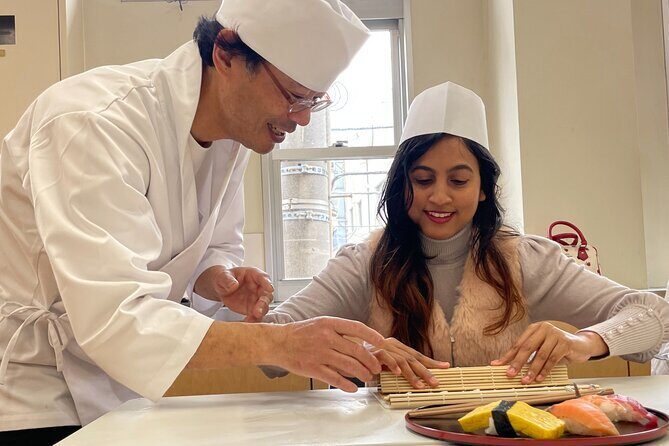
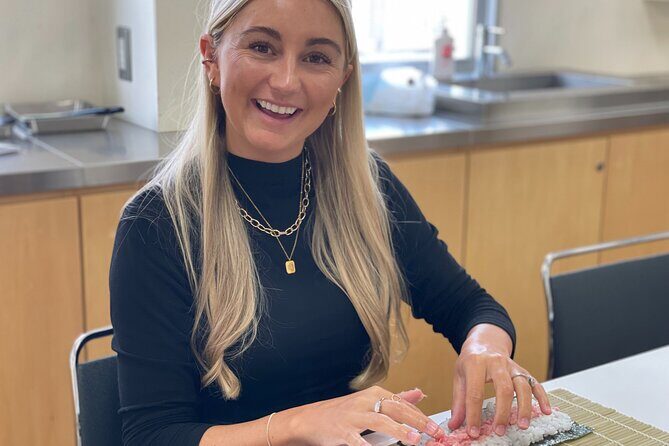
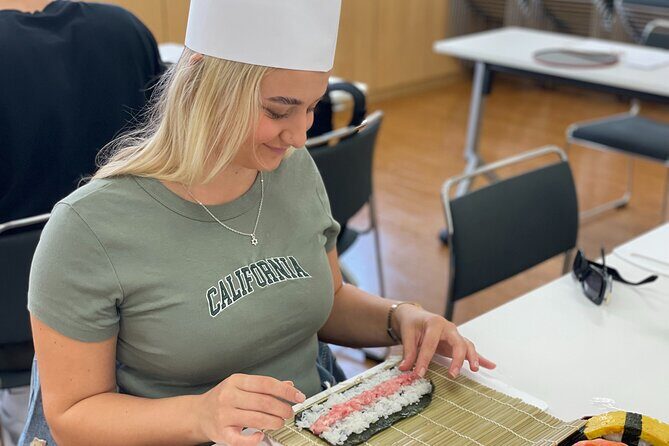
After nigiri, you’ll make a rolled sushi, called maki. Your included portion is 1 rolled sushi, which is the right amount for a 90-minute workshop.
Rolling teaches a different set of habits than nigiri: rice spreading, alignment, and the controlled pressure that holds everything together. If you’ve only ever ordered rolls at restaurants, this is the part that shows you why a good roll isn’t just about ingredients. It’s structure.
The class setup helps here too. You’re working with provided tools and a guided process. And because the chef demonstrates fish prep earlier and teaches the overall method, the maki steps feel like a continuation, not a sudden new language.
Lunch: eat what you make, plus chef wasabi support
This class isn’t just about learning. It ends with you eating your own work, which is a big part of the value.
Included in your experience:
- The sushi you make: 5 nigiri and 1 rolled sushi
- The sushi master prepares another sushi plate while you eat
- Fresh wasabi is included as part of the chef’s plate
Why does this matter? Because sushi tasting is part of learning. When you make the nigiri and roll yourself, you can connect technique to flavor and texture right away. It also gives you a comparison point: your work and the chef’s version, side by side.
From the reviews, this meal moment is often described as delicious and fresh, with the fish clearly sourced from the market. If you’re the type who likes to eat something you helped make, you’ll appreciate that the lunch is not an extra add-on.
What you’ll actually get for $49.74
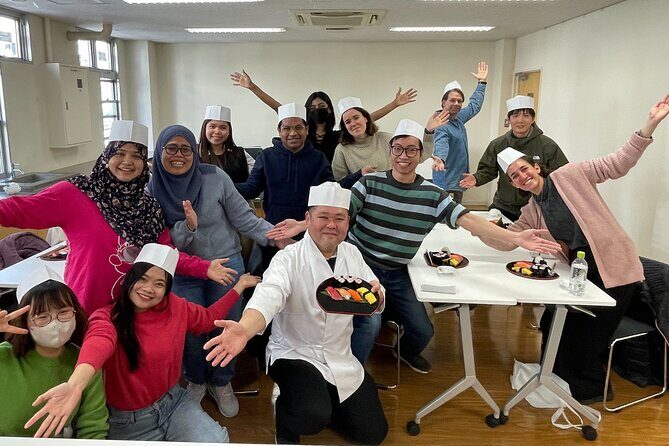
Let’s talk value, because sushi classes vary a lot in what they include.
For $49.74 per person, you get:
- A sushi-making workshop in a traditional Japanese-style classroom
- Fish disassembly and knife instruction from the sushi master
- Market-scan time across three Tsukiji stops
- Hands-on nigiri (5 pieces) and one rolled sushi
- Lunch: you eat your own sushi
- English support with an English-speaking host plus the chef
The practical takeaway: you’re paying for coaching, fish preparation knowledge, and a meal that’s included. If you compare it to a typical restaurant meal alone, you’re also buying the instruction that would take hours of practice to learn by yourself.
Also, the group size max is 20 travelers. That makes it more likely you’ll get attention when you need help shaping rice or fixing a rolling step.
Meeting point and how to plan your timing
The meeting point is listed as:
千社額棟4-chōme-16-2 Tsukiji, Chuo City, Tokyo 104-0045, Japan
The activity ends back at the meeting point, so you can plan your next stop without a complicated transit puzzle.
Duration is about 1 hour 30 minutes, and the experience uses a mobile ticket. It’s also near public transportation, which is a relief in Tokyo because you’ll almost certainly be navigating trains and short walks anyway.
One more timing note: the session may run beyond the scheduled ending point. If you have an appointment right after, tell the provider in advance so they can try to manage your departure window.
Stairs only: a simple check before you go
This is important. The classroom is on the third floor in a traditional Japanese building, and it’s stairs only. There’s no mention of elevator access, so if stairs are hard for you, you should plan carefully.
Practical tip: wear shoes you can trust on indoor steps and keep your phone ready for the meeting point address. You don’t want to waste energy searching after you climb up.
Who this sushi class is best for
This workshop is a strong fit if you:
- Want a short activity that doesn’t eat your whole day
- Love sushi and want to make nigiri and maki at least once
- Like learning through doing, not just watching
- Travel with kids or mixed skill levels, since beginners are supported
It’s also a good match if you’re curious about Japanese cooking mechanics, like knives and fish prep. Even if you never become a sushi-making hobbyist, the prep and technique context makes restaurant sushi taste more meaningful.
If you’re very focused on strict dietary requirements, you need to pay extra attention. The class does not accommodate kosher requests, and it does not accommodate halal. The provider asks you to let them know about allergies when you reserve, and says they will try to accommodate allergy-related requests, though it may not be possible.
Should you book the Tsukiji sushi making class?
Yes, I’d book it if your priority is hands-on sushi technique in a Tokyo food setting, with market-sourced ingredients and real chef instruction. The included lunch, the specific practice (5 nigiri plus 1 roll), and the English host support make it a practical experience for both beginners and food lovers.
I would not book it if stairs are a dealbreaker for you, or if your needs include kosher or halal requirements, since those aren’t accommodated. If you’re careful about that and you show up ready to learn rice handling, you’ll leave with a skill you can use at home and a meal that feels earned.
FAQ
How long is the Tokyo sushi making class in Tsukiji?
It runs for about 1 hour 30 minutes.
What sushi will I make during the class?
You’ll make 5 different nigiri sushi and 1 rolled sushi.
Is the class taught in English?
Yes. The experience includes an English-speaking host along with the professional sushi chef.
Is lunch included?
Yes. You eat the sushi you make as your lunch, and the sushi master also prepares another sushi plate.
Where do I meet for the experience?
You’ll meet at 千社額棟4-chōme-16-2 Tsukiji, Chuo City, Tokyo 104-0045, Japan.
Do I get hotel pickup or drop-off?
No. Hotel pickup and drop-off are not included.
Can the class accommodate allergies?
You should let the provider know about any allergies when you make a reservation. They will try to accommodate allergy-related requests, though it may not be possible.
Are kosher or halal requests accommodated?
No. The experience does not accommodate kosher requests, and it does not accommodate halal requests.
Is the classroom accessible if I can’t do stairs?
Probably not. The classroom is on the third floor in a traditional building and access is by stairs only.
What’s the cancellation policy?
You can cancel for a full refund up to 24 hours before the experience’s start time. If you cancel less than 24 hours before, the amount paid is not refunded.
Make Something to Take Home
More Tour Reviews in Tokyo






Back to the Market: More Tsukiji Tours


Fresh reviews from around Tokyo






Tsukiji Fish Market Tours, compared.
 ★ 5.0Tokyo Tsukiji Fish Market Food and Culture Walking TourFrom $993,184 reviews
 ★ 5.0Tsukiji Fish Market Food and Walking tourFrom $301,724 reviews
 ★ 4.9Tsukiji Fish Market Guided Walking TourFrom $221,397 reviews
 ★ 5.0Tsukiji Fish Market Guided Tour and Sushi Making with Pro ChefFrom $104775 reviews
★ 4.7Tsukiji Fish Market Food and Culture Walking TourFrom $96757 reviews
★ 5.0Tsukiji Fish Market Guided Tour and Sushi Making with Pro ChefFrom $104775 reviews
★ 4.7Tsukiji Fish Market Food and Culture Walking TourFrom $96757 reviews
 ★ 5.0Tsukiji Fish Market: Street Food & Culture Walking TourFrom $33669 reviews
 ★ 5.0Tsukiji Fish Market Small-Group Food Walking TourFrom $87621 reviews
 ★ 4.9Tsukiji Fish Market Sushi Making Class with Pro ChefFrom $63506 reviews
Browse the lists this tour appears in