
Reviewed · TOKYO
Tokyo: Hop-On Hop-Off Sightseeing Bus Ticket
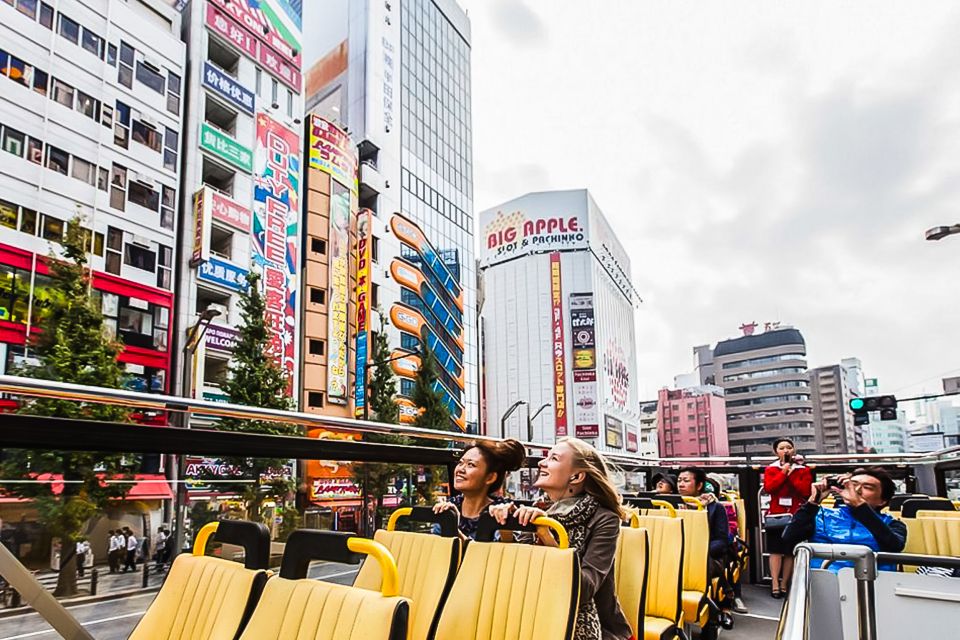
Tokyo looks best from up high. This hop-on hop-off bus ticket is a practical way to cover a lot of Tokyo without wrestling with transfers, because you get unlimited access to the main routes and can hop off when something grabs you. From the open top, you’ll get panoramic city views while listening to commentary on the go.
Two things I really like: the audio guide in many languages on your own device, and the simple routing that links major neighborhoods and landmarks in a way that helps you build a mental map fast. One consideration to plan around: the bus is open-air with no air-conditioning, so heat, wind, and rain can affect your comfort.
If you’re the type who wants to see Tokyo’s highlights while keeping your schedule flexible, this is a solid match. If you’re hoping for a comfy, fully climate-controlled ride all day, you’ll want to think twice.
In This Review
- Key things to know before you board
- What you’re really buying with this Tokyo hop-on hop-off ticket
- Meeting point and getting on fast with QR access
- Open-top comfort: views are great, but the bus is not climate-controlled
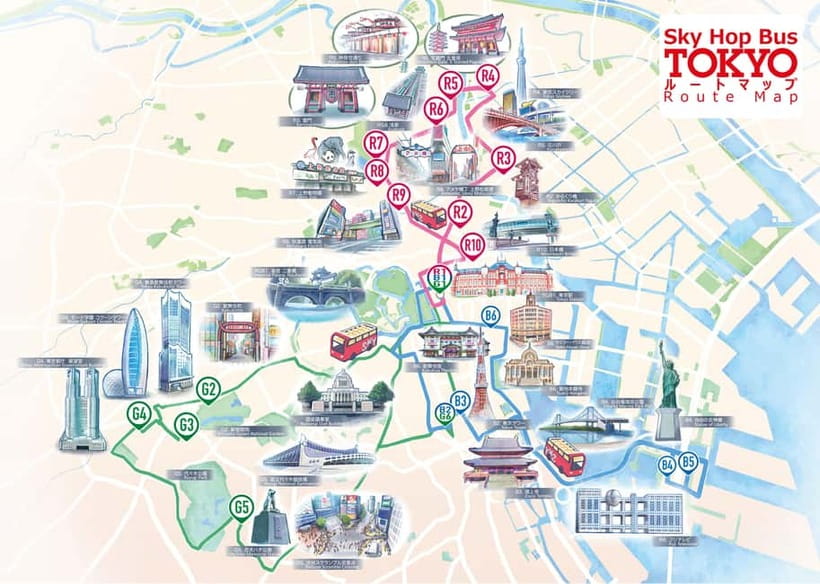
- Route 1: Tokyo SkyTree course (Skytree, Asakusa, Ueno, Akihabara)
- Route 2: Tokyo Tower and Tsukiji Ginza course (central icons)
- Route 3: Shinjuku Shibuya course (Shinjuku, Harajuku/Meiji Jingu area, Shibuya)
- Using the multilingual audio guide on your phone (and planning for data)
- Riding smarter: how to pick 1 vs 2 days
- Is it worth the money for Tokyo? (and who should buy it)
- Final call: should you book Sky Hop Bus Tokyo?
- FAQ
- Where do I meet the bus?
- Can I hop on and off as many times as I want?
- What audio guide languages are available?
- Do I need my own smartphone and earphones?
- What routes does the ticket cover?
- Is the bus climate-controlled?
Key things to know before you board
- Unlimited hop-on hop-off across all routes (you pick how long to stay at each stop)
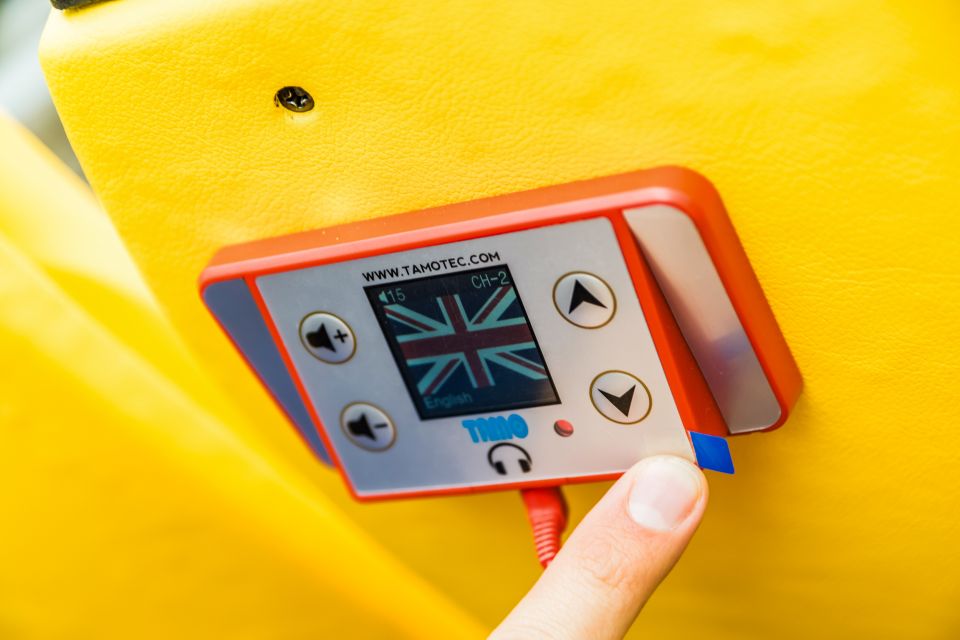
- Audio guide options: some buses may use onboard units, but your phone/tablet works well on the personal-device system
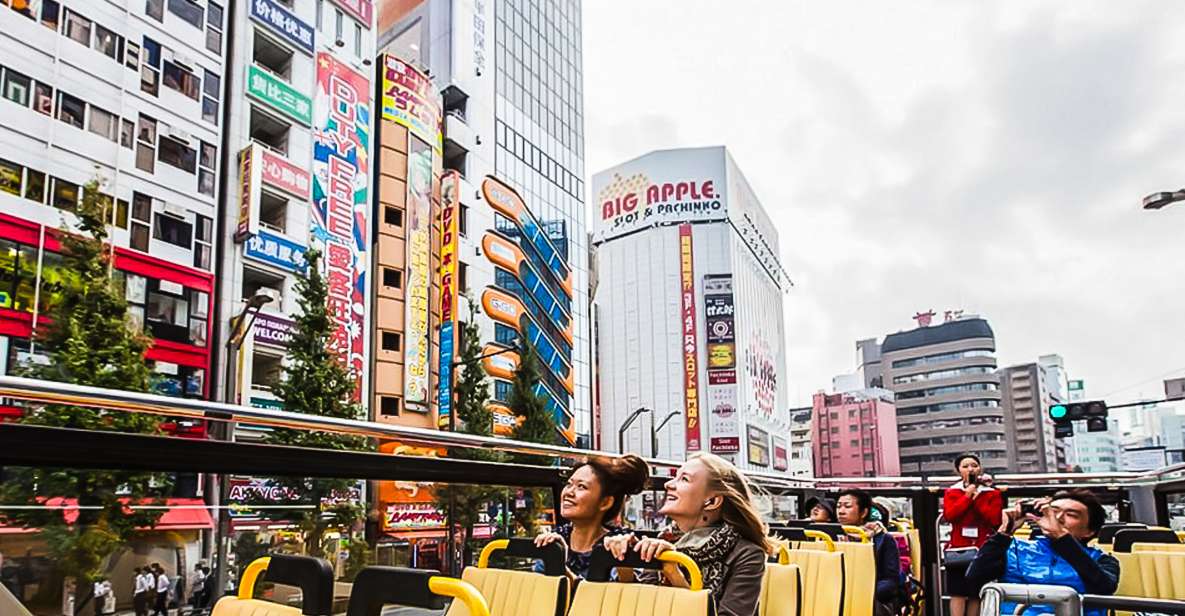
- Open-top panoramic viewing for big skyline moments
- Three main courses that connect central Tokyo to Asakusa/Ueno/Akihabara and to Shinjuku/Shibuya areas
- Seats are on the second floor; the first floor is for storage, and you can’t stand while the bus is moving
- Weather can change the day: raincoats are distributed, umbrellas are prohibited, and severe weather may cancel service
Before you commit, see how this one stacks up against a few Tokyo favourites:
- Mt Fuji and Hakone 1-Day Bus Tour Return by Bullet Train★ 5.0 · 26,383 reviews
- 1-Day Tokyo Bus Tour★ 5.0 · 14,250 reviews
- Tokyo: teamLab Planets TOKYO Digital Art Museum Entry Ticket★ 4.6 · 9,779 reviews
What you’re really buying with this Tokyo hop-on hop-off ticket

This ticket is about value through time. Tokyo is huge, and the sightseeing bus is basically a moving wayfinding tool: you can ride, listen, and get oriented, then return on foot or by train when you know what you like.
At around $30 per person for 1–2 days (based on availability), you’re paying for three things at once: coverage, convenience, and interpretation. The routes tie together names you’ll recognize—like Tokyo SkyTree, Tokyo Tower, Tsukiji, Ginza, plus major neighborhoods such as Asakusa, Ueno, Akihabara, Shinjuku, and Shibuya—so you can decide later what deserves your real attention.
I also like that the ticket is flexible. Instead of committing to a fixed guided walk, you can hop off, wander at your own pace, and hop back on when you’re ready. In a city where plans shift constantly, that matters.
Meeting point and getting on fast with QR access
The main meeting point is in front of the Mitsubishi Building. You can also board directly at bus stops in Tokyo if you have the QR code sent on your voucher, which helps if you’re already exploring somewhere else.
There’s also a free shuttle service included, but the exact pickup details aren’t spelled out in what you’ve got here. If you’re relying on it, I’d plan to confirm the shuttle stops/timing when you’re in Tokyo so it doesn’t become a surprise detour.
The big practical tip is this: don’t assume every stop will be easy to find in the moment. Use the QR boarding option, and treat the Mitsubishi Building area as your back-pocket default.
Open-top comfort: views are great, but the bus is not climate-controlled
This is an open-air bus with no air-conditioning. In hot weather, that’s not a small detail—it’s the difference between tolerable and miserable. The upside is obvious: you get the fresh-air skyline feeling and strong viewing angles from the top deck.
Wind can also be a factor, especially if your route includes bridges or freeway-style stretches. If you’re sensitive to gusts, keep your hat/loose items under control and hold on when you’re near railings.
Rain is manageable in a specific way. Raincoats are distributed if needed, and umbrellas are prohibited on the bus. So plan for light-to-moderate showers where you can pop on a provided poncho/raincoat and keep moving. And if weather gets severe, service may not operate.
Route 1: Tokyo SkyTree course (Skytree, Asakusa, Ueno, Akihabara)
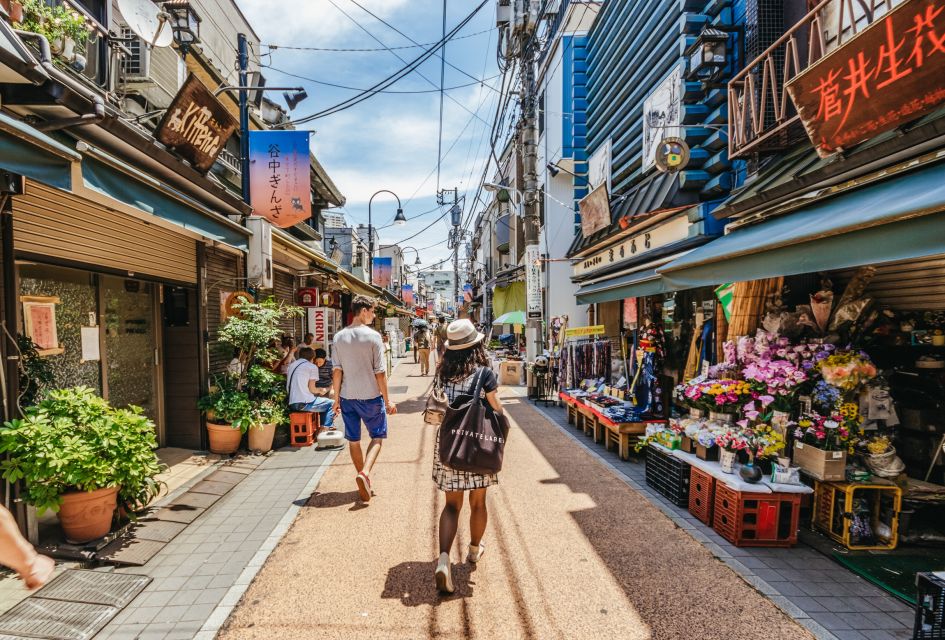
Route 1 is a strong pick if you want Tokyo’s “old-meets-new” mix—tower views plus classic neighborhoods—without building a complicated itinerary.
It runs between Marunouchi Mitsubishi Building and Tokyo SkyTree station, with a loop through:
- Kodemmacho Station and onward toward the river-area districts
- Ryogoku / Edo-Tokyo Museum area (a stop you can use as a museum break or just a way to orient around that part of town)
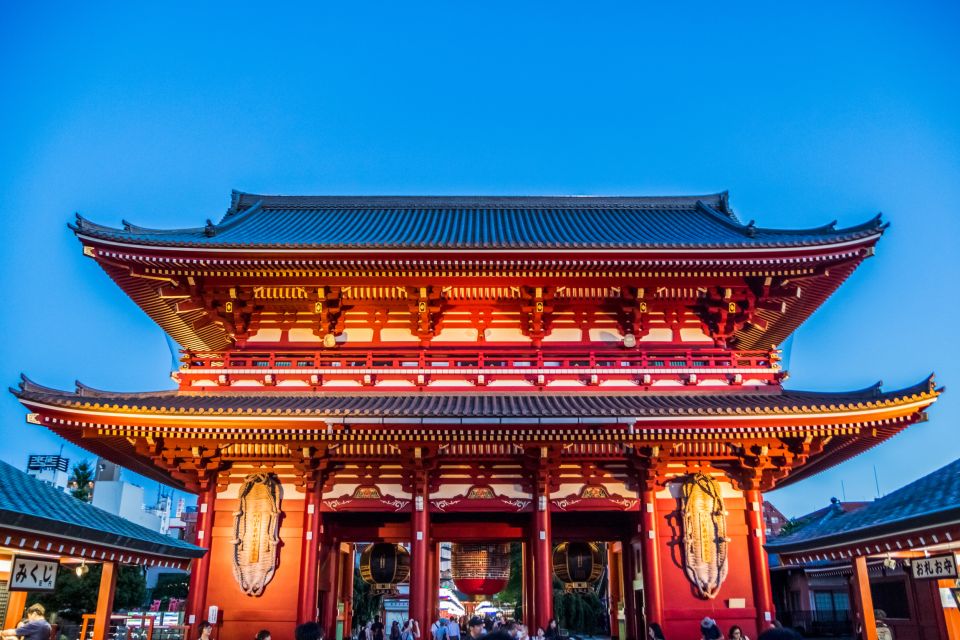
- Asakusa Hanakawado and Asakusa Tawaramachi, which put you right in the Asakusa zone
- Ueno Matsuzakaya and the Akihabara (Suehirocho) area for a sharp change of pace
- Shin-Nihombashi Station and back to the Marunouchi Mitsubishi Building base
How to use this route: treat it like a guided sampler. Spend your hop-off time in Asakusa if you want the most obvious “Tokyo traditional flavor,” then use Ueno/Akihabara for a completely different vibe—shopping streets, electronics energy, and easy walking loops around transit stops.
A small drawback to keep in mind: if you hop off a lot, you can lose momentum because you’ll be waiting for the next bus. Since service intervals can feel long on busy days, don’t plan to treat this like a “one stop, one minute” hop list. Use it for a bigger exploration window, then ride on.





Route 2: Tokyo Tower and Tsukiji Ginza course (central icons)
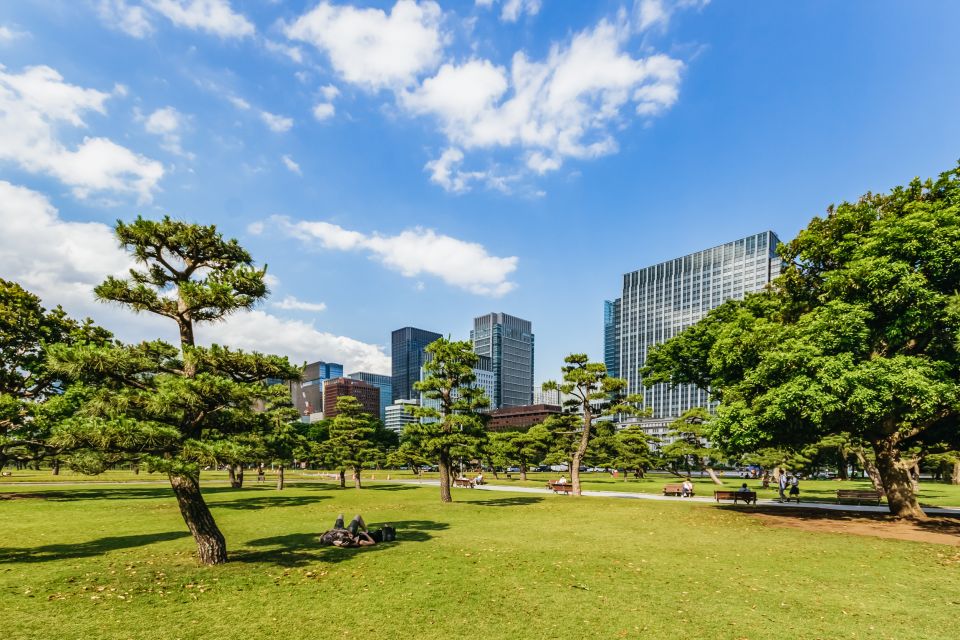
Route 2 is your best bet if you want the photo-friendly Tokyo landmarks in the middle of the city. It links the Marunouchi Mitsubishi Building corridor to skyline sights and then down into the Tsukiji/Ginza axis.
Stops include:
- Tokyo Tower
- Tokyo Prince Hotel / Zojo-ji Temple area (a combined sight-and-stroll kind of stop)
- Tokyo Teleport Station
- Tsukiji Ginza
- Returning to Marunouchi Mitsubishi Building
This route works well for building a simple plan around day or evening light. If you want to see the central skyline areas and also reach places that are known for walking and shopping, Route 2 gives you that in a connected line.
Practical consideration: Tokyo Tower and the Tsukiji/Ginza area can be crowded on peak hours, so if you hop off, give yourself time to move slowly and get back to the stop. The bus is convenient, but it’s still traffic, still schedules, and still crowds.
Route 3: Shinjuku Shibuya course (Shinjuku, Harajuku/Meiji Jingu area, Shibuya)
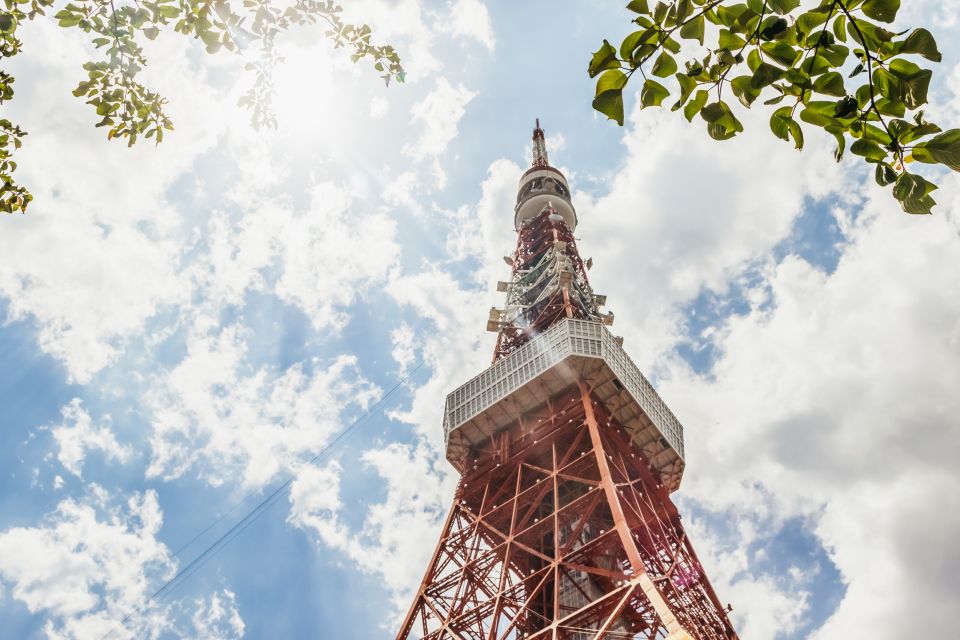
Route 3 is the one for modern Tokyo energy: big city crossings, major nightlife districts, and the “arrive and walk” areas that feel like different worlds inside the same city.
The course runs:
- Marunouchi Mitsubishi Building
- Shinjuku-gyoemmae Station
- Shinjuku Station South Exit / Hotel Century Southern Tower
- Shinjuku Mitsui Building (Nishi-Shinjuku)
- Shibuya City Hall / Harajuku / Meiji Jingu Shrine area
- Back to Marunouchi Mitsubishi Building
How I’d use it: pick one base neighborhood per day—Shinjuku or Shibuya—then use the bus as your connector. The route brings you close to those areas, so you can hop off, wander, and then hop back on instead of building a chain of transit rides.
One warning you’ll feel in real life: these are popular zones, so boarding can get tight. If there’s no free seat, you’ll need to board the next bus. The upside is that the system is straightforward, so you’re not stuck guessing where to go next.
Using the multilingual audio guide on your phone (and planning for data)
The audio guide is a big part of why this works. You’re not just riding through Tokyo—you’re learning as the city rolls by.
You’ll have two possible audio setups:
1) A vehicle-mounted audio guide on some buses (Japanese, English, Korean, Chinese, French, German, Spanish).
2) A bring-your-own-device system on your smartphone/tablet (10 languages total: Japanese, English, Korean, Chinese, French, German, Spanish, Thai, Vietnamese, Indonesian).
Your device needs earphones, and you should expect data charges to apply (handled by you). So if you’re data-sensitive, consider using an approach like offline setup where allowed on your side, or make sure your plan covers the time you’ll be using audio.
In plain terms, here’s the payoff: the commentary is timed to stops, so you can get context for what you’re looking at from the road. When you hop off, you’ll often know what matters and what you can skip.
Riding smarter: how to pick 1 vs 2 days
A one-day ticket can work if you treat the bus as orientation plus one main exploration block. A two-day ticket is better if you want to return to the spots you liked and actually linger.
If you’re going for “see a lot,” do this:
- Day 1: ride one route mostly end-to-end and hop off briefly at a couple anchors.
- Day 2: use what you discovered to pick the neighborhoods where you want more walking.
This also helps with the open-air comfort issue. Since there’s no air-conditioning and the bus is open-air, I find it easier to split your day with lighter exploration windows and then hop back on for transportation between areas.
Also, check bus timing at your stop. Service can feel less frequent than in some other cities, so planning around the timetable will save frustration.
Is it worth the money for Tokyo? (and who should buy it)
For $30 per person, you should buy this if you want a fast “map builder” day or two. It’s especially good for first-time visits when you don’t yet know how Tokyo neighborhoods connect, and you want to avoid wasting hours figuring out where to go next.
It’s also a good fit if you’re:
- Short on time but still want to hit major landmarks
- Traveling with mixed interests, since you can hop off based on what each person wants to see
- Comfortable using your phone for multilingual audio
It’s less ideal if you want maximum comfort in hot weather. Since the bus is open-air and lacks air-conditioning, you’ll feel the elements more than you would on standard city buses.
Final call: should you book Sky Hop Bus Tokyo?
I’d book this if you want a simple plan with built-in flexibility, and you’re happy using a device for the audio guide. The three-course setup covers a lot of Tokyo’s big names—enough to get oriented quickly—and the hop-on hop-off format makes it easy to customize your day.
I’d hesitate if your travel style is “I want a guaranteed comfy ride in every weather.” The lack of air-conditioning is real, and you’ll spend time outdoors on an open-top bus.
If you’re trying to choose between spending your time figuring Tokyo out from scratch versus using a guided bus loop as your framework, this ticket is the easier option. It won’t replace train rides and walking, but it can save you from the worst part of day one: aimless wandering.
FAQ
Where do I meet the bus?
The meeting point is in front of the Mitsubishi Building. You can also board at bus stops in Tokyo using the QR code from your voucher.
Can I hop on and off as many times as I want?
Yes. Your ticket provides unlimited access to all routes, so you can hop off when you want and hop back on later.
What audio guide languages are available?
The bring-your-own-device audio system supports 10 languages: Japanese, English, Korean, Chinese, French, German, Spanish, Thai, Vietnamese, and Indonesian.
Do I need my own smartphone and earphones?
If the onboard audio system is not available on the bus you get, you’ll use your own smartphone or tablet for the audio guide. You should bring your own device and earphones, and data charges may apply.
What routes does the ticket cover?
It covers three main courses: Tokyo SkyTree, Tokyo Tower and Tsukiji Ginza, and Shinjuku Shibuya.
Is the bus climate-controlled?
No. The bus is open-air and there is no air-conditioning. Raincoats may be distributed if needed, and umbrellas are prohibited on board.
More Tour Reviews in Tokyo



Fresh reviews from around Tokyo






Tokyo, compared.
 ★ 5.0Mt Fuji and Hakone 1-Day Bus Tour Return by Bullet TrainFrom $16326,383 reviews
 ★ 5.01-Day Tokyo Bus TourFrom $12914,250 reviews
 ★ 4.6teamLab Planets TOKYO Digital Art Museum Entry TicketFrom $259,779 reviews
 ★ 4.0Mt Fuji & Hakone Cruise, Drum Show Bullet Train 1 Day from TokyoFrom $1497,413 reviews
 ★ 5.0Shinjuku Food Tour (13 Dishes at 4 Local Eateries)From $866,603 reviews
 ★ 4.4Tokyo Mt Fuji 5th St & Hakone Cruise Bus Tour w/Bullet TrainFrom $1545,024 reviews
 ★ 5.0Flagship 2-Hours Official Street Go-Kart Tour – Tokyo Bay ShopFrom $644,974 reviews
 ★ 4.5From Tokyo: Mount Fuji Full-Day Sightseeing TripFrom $684,970 reviews