
Reviewed · COOKING CLASSES
Ramen & Gyoza Cooking Class in Tokyo with Local Supermarket Visit
A good bowl starts with the basics. This ramen and gyoza class is a fun, hands-on way to learn Japanese comfort food in a real home kitchen with YUCa. You’ll also get a short talk about Japanese home cooking and daily life, not just the recipe steps.
Two things I especially like: the class is small (max 7), so YUCa can keep everyone involved, and the results are genuinely satisfying—you’re not just watching a demo. Also, the optional supermarket tour is a practical Tokyo-side window into what locals actually buy.
One possible drawback: depending on how the group flows and how the kitchen setup works, it may feel more like “guided participation” than full-on independent cooking. If you want to chop and stir nonstop, plan for some steps that are more measured and explained than hands-on.
In This Review
- Key Points That Matter
- Ramen and Gyoza in a Real Tokyo Home Kitchen (Not a Theater)
- Where You Meet in Nishiogu, Arakawa City (and How to Get There)
- The 10:15 Home-Cooking Lecture: Why It’s More Than a Warm-Up
- 10:30 to 12:30 Cooking and Tasting: How the Class Flows
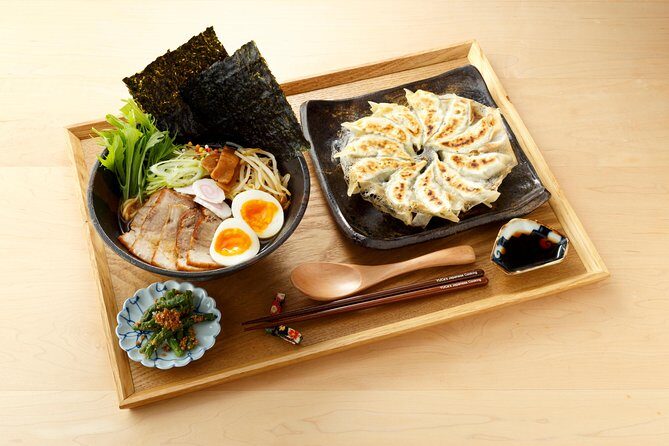
- Ramen Basics You’ll Actually Use Later
- Gyoza Technique: Dumpling Skills with Real Tactile Payoff
- The Eating Part: Where the Class Becomes a Meal, Not a Project
- Optional Local Supermarket Tour (12:30 to 13:00): Shop Like a Tokyo Neighbor
- Price and Value: What $122.70 Really Buys You
- Who Should Book (and Who Might Want a Different Class)
- Should You Book This Ramen and Gyoza Class in Tokyo?
- FAQ
- How long is the ramen and gyoza cooking class?
- What time does the class start?
- Does the class include a supermarket visit?
- Is there a vegetarian option?
- How large is the group?
- Where is the meeting point?
- Will I get a mobile ticket?
- Is the tour near public transportation?
Key Points That Matter
- Small group size (max 7) for a more personal, talk-with-your-chef experience.
- Ramen + gyoza in one session, so you learn both the noodle-soup flavor logic and dumpling technique.
- Short home-cooking lecture, giving you context for how these dishes fit everyday Japanese life.
- Optional supermarket tour (12:30 to 13:00) for practical ingredient know-how beyond what you see in restaurants.
- Dietary flexibility, including a vegetarian option if requested when booking.
- Hands-on focus with some guidance, so you’ll likely cook, but not necessarily every step solo.
More aprons-on time in Tokyo kitchens
- Ramen & Gyoza Cooking Class in Tokyo with Local Supermarket Visit★ 5.0 · 823 reviews
- Tokyo: Easy Ramen Cooking Experience in Kabukicho, Shinjuku★ 4.6 · 321 reviews
- Ramen and Sushi Cooking Class with Sake Pairing Set in Tokyo★ 5.0 · 291 reviews
Ramen and Gyoza in a Real Tokyo Home Kitchen (Not a Theater)
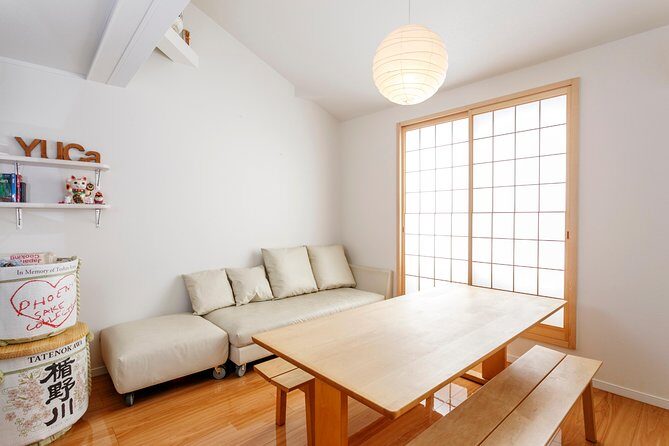
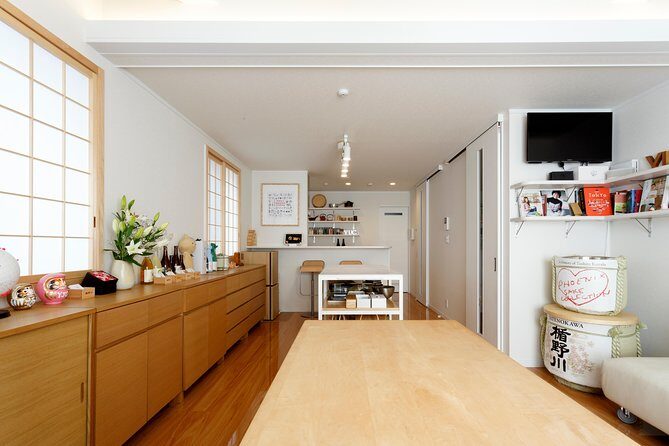
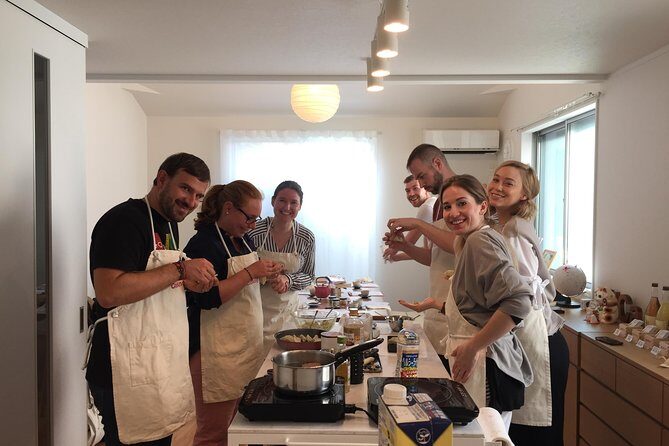
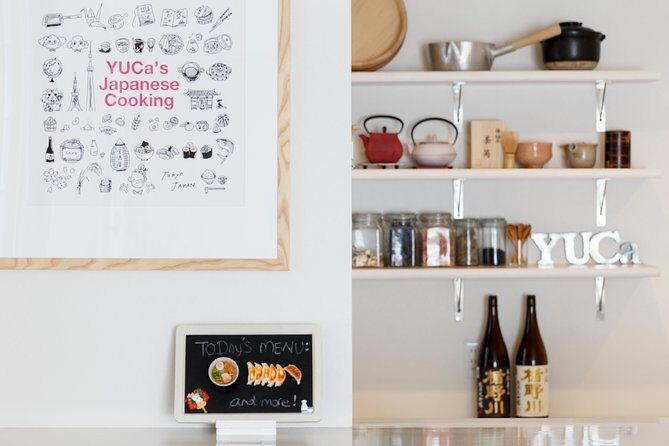
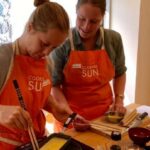
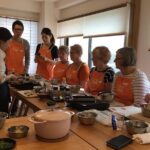
This class has the feel of someone teaching you their regular weekend project—because that’s basically what it is. You’re in the kitchen of YUCa’s Japanese Cooking, with a setup that’s cozy and focused on making food, not entertaining a crowd.
The best part is that you learn how ramen and gyoza come together as systems. Ramen isn’t only noodles and broth—it’s seasoning balance, ingredient choices, and timing. Gyoza isn’t only dumpling wrappers—it’s how filling, folding, and cooking method affect the texture you want.
You’ll also get a lively, welcoming atmosphere. Multiple reviews mention YUCa’s energy, patience, and warmth, and that she makes people feel included even if you’re not a confident cook. If you like food experiences that feel personal (and a little “family morning”), this is a strong pick.
Where You Meet in Nishiogu, Arakawa City (and How to Get There)
You’ll meet at YUCa’s Japanese Cooking, located at 2-chōme-34-8 Nishiogu, Arakawa City, Tokyo 116-0011. The good news: it’s near public transportation, so you’re not stuck in the middle of nowhere.
If you’re coming from central Tokyo, many people find it easier to use a rideshare. One review specifically mentioned using Uber to get out there without hassle. Still, since the area is served by transit, you can likely go by train + short walk depending on where you’re staying.
Practical tip: aim to arrive 10 minutes early. You’re starting at 10:00 am, and the session moves quickly into a short talk, then hands-on work. Also, since this ends back at the meeting point, plan your next activity with no tight connections right after 12:30 or 1:00 (if you do the supermarket add-on).
The 10:15 Home-Cooking Lecture: Why It’s More Than a Warm-Up
At 10:15 to 10:30, there’s a lecture about Japanese home cooking and lifestyle. It’s short, but it matters because it helps you understand why Japanese dishes often feel simple but taste precise.
Think of it like learning the logic behind the meal. You’ll get context for ingredients, technique, and the way Japanese kitchens approach everyday cooking. That makes the class more than just a one-time recipe you forget once you’re home.
This is also where you’ll set expectations for the rest of the morning. YUCa explains things clearly (reviews mention good English and easy instructions), and she encourages participation so you don’t feel like you’re stuck behind glass.
10:30 to 12:30 Cooking and Tasting: How the Class Flows
The main cooking block runs 10:30 to 12:30, covering both ramen and gyoza, plus tasting. The structure usually feels like a mix of explanation, demo, and then you doing key tasks. In other words: you’re not just watching someone else cook.
A few details worth knowing:
- You’ll use different vegetables and meat as part of the ramen and gyoza prep.
- The class emphasizes technique and step-by-step flow, not complicated equipment.
- You’ll eat what you make, so you taste your results right after the work.
Now, about hands-on time: some people loved how much they got to do. Others said they wanted more active cooking, like more stirring and fewer moments of just pouring measured ingredients. My advice is to treat it as a guided cooking lesson where you’re busy, but the kitchen setup and group size may limit how much every person does at every exact moment.
Either way, the payoff is real. Many reviews call the ramen delicious and even better than what you’d get at restaurants.
More things to make with your own hands


Ramen Basics You’ll Actually Use Later
When people say ramen is the highlight, they usually mean more than taste. In this class, you’re learning the sequence that creates flavor and texture: what goes in, when it goes in, and what you should pay attention to as the dish comes together.
Ramen here focuses on a doable approach, built for learning. You’ll prepare noodle soup so you can understand the “why” behind the broth and topping choices. Since you’re working with vegetables and meat, you’ll also see how Japanese home cooking uses ingredient variety without making things complicated.
You’ll come away with a sense of what to replicate at home: the core method and the flavor-building logic. Even if you don’t remember every amount, you’ll understand the process well enough to adjust with ingredients you can find locally.
And yes—this is a food moment, not a lecture. By the end of the cooking time, you’ll be tasting your ramen in a fun setting, which is exactly how cooking classes should end.
Gyoza Technique: Dumpling Skills with Real Tactile Payoff
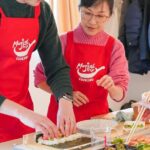
Gyoza is the other half of the lesson, and it’s where the class can get especially fun. Dumplings are hands-on by nature, and YUCa’s class leans into that.
Reviews mention that YUCa makes sure everyone is involved. Some families even got kids making dumplings while waiting for ramen components to cook. That timing matters: you get a productive use of the waiting time instead of idle hanging around.
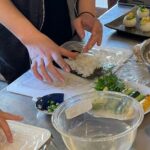
You’ll learn how to handle the filling and assemble dumplings in a way that’s meant to be repeatable later. The goal isn’t only to make tasty gyoza one time—it’s to learn the technique so your dumplings don’t collapse, and you get the texture contrast you want.
One more practical note: gyoza is forgiving in the best way. Even if your shapes aren’t restaurant-perfect, you still learn the method, and you still eat them. That’s a big win for beginners.
The Eating Part: Where the Class Becomes a Meal, Not a Project
This experience isn’t just about making food. It’s about enjoying it together. You’ll taste what you create after the cooking steps, and the group vibe tends to be friendly and upbeat.
There’s also a social benefit that’s hard to get from restaurant meals. Multiple reviews mention meeting other people in the class and having a good time chatting in the shared food context. With up to 7 travelers, it doesn’t turn into awkward mingling. It feels more like a small table conversation.
If you’re traveling as a couple, a family, or solo, this is a rare activity that doesn’t demand extroversion. You can participate when you want, ask questions when you don’t understand a step, and still enjoy the meal without pressure.
Optional Local Supermarket Tour (12:30 to 13:00): Shop Like a Tokyo Neighbor
After cooking and tasting, there’s an optional local supermarket tour from 12:30 to 13:00. This is where the class becomes a practical travel skill, not just a fun morning.
The value here is simple: you learn what ingredients look like in real life. That includes labels, product formats, and the kind of items locals might use that you’d never notice at a tourist food stall.
One review notes the supermarket is in a neighborhood outside inner Tokyo, so it feels less touristy and more everyday. Another mentions asking about strange ingredients you’re curious about, which is exactly the kind of question you can’t easily ask in a language barrier moment elsewhere.
Two cautions to keep you happy:
- Since the tour is optional, you should confirm it’s included for your specific booking date.
- Some reviews mention confusion about whether the supermarket tour happened, so double-check the plan before you count on that extra hour.
Price and Value: What $122.70 Really Buys You
At $122.70 per person for about 2 hours 30 minutes, the value comes from three things: instruction, ingredient insight, and eating a full meal you made yourself.
First, ramen and gyoza are not quick skills. You’re learning multiple techniques in one session, which is tough to replicate without guidance. Second, with a local supermarket add-on, you’re getting ingredient education that often makes home cooking easier later. Third, small-group instruction (max 7) is part of what you’re paying for—more attention than you’d get in a big class.
Compared with paying for a restaurant lunch, you also get an experience that sticks. You leave with method knowledge, not only a memory of taste. And if you buy the supermarket products afterward, you can stretch the cost across multiple meals.
In short: this price makes sense if you like hands-on learning and plan to cook again at home.
Who Should Book (and Who Might Want a Different Class)
This class is a great match if you:
- Want an authentic Tokyo home-kitchen food experience.
- Prefer small groups and clear, patient teaching.
- Like the idea of learning both ramen and gyoza, not just one dish.
- Travel with kids, because reviews say families and different ages enjoy it.
- Need a vegetarian option, available if you request it at booking.
You might want to think twice if:
- You want every minute to be maximum hands-on chopping and stirring. Since the setup is a shared kitchen with a small group, some steps may be more guided.
- You’re sensitive to portion size. One review mentioned the portions could be bigger.
If you fall into the middle, you’ll likely be very satisfied. Most people come for the food, stay for the teaching, and leave planning ramen night.
Should You Book This Ramen and Gyoza Class in Tokyo?
Yes—if you want a genuinely teachable Tokyo food moment. I’d book it if ramen and gyoza are on your list and you like the idea of learning technique in a warm home setting with YUCa.
To make it a smooth experience, do these three things:
- Request your dietary needs early if you need vegetarian.
- Plan your transport so you can arrive a bit early at the Nishiogu meeting point.
- If the optional supermarket tour matters to your goals, confirm it clearly before the day.
If your perfect Tokyo day is food you can cook again at home—and not just eat once—this is a smart use of a morning.
FAQ
How long is the ramen and gyoza cooking class?
It’s about 2 hours 30 minutes.
What time does the class start?
The start time is 10:00 am, with a short lecture beginning at 10:15 am.
Does the class include a supermarket visit?
There’s an optional local supermarket tour after cooking, from about 12:30 to 13:00.
Is there a vegetarian option?
Yes. A vegetarian option is available, but you need to request it at booking.
How large is the group?
The experience has a maximum of 7 travelers.
Where is the meeting point?
You meet at YUCa’s Japanese Cooking, 2-chōme-34-8 Nishiogu, Arakawa City, Tokyo 116-0011, Japan.
Will I get a mobile ticket?
Yes. The experience uses a mobile ticket.
Is the tour near public transportation?
Yes, the meeting point is near public transportation.
Make Something to Take Home
Learn Another Dish: Tokyo Cooking Classes
More Tour Reviews in Tokyo






Fresh reviews from around Tokyo






Cooking Classes, compared.
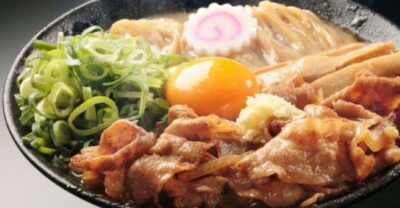 ★ 4.6Easy Ramen Cooking Experience in Kabukicho, ShinjukuFrom $29321 reviews
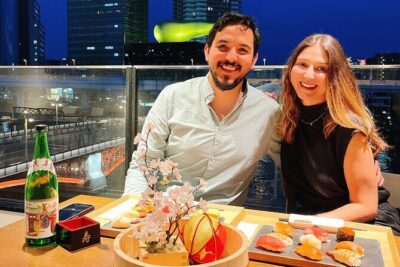 ★ 5.0Ramen and Sushi Cooking Class with Sake Pairing Set in TokyoFrom $79291 reviews
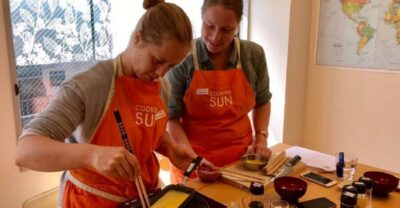 ★ 4.9Wagyu and 7 Japanese Dishes Cooking ClassFrom $67273 reviews
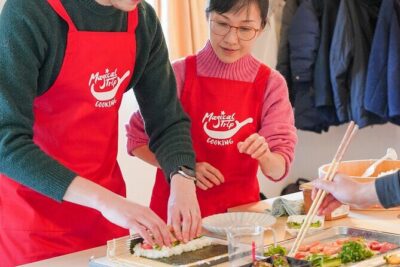 ★ 5.0Tokyo Washoku 4-hour Cooking Class: From Market to TableFrom $79253 reviews
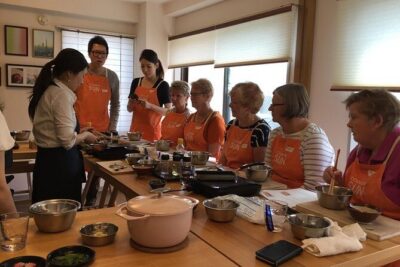 ★ 5.0Small-Group Wagyu Beef and 7 Japanese Dishes Tokyo Cooking ClassFrom $72190 reviews
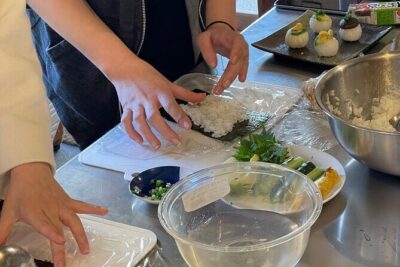 ★ 5.0Private Home Cooking in Yanaka – Local Flavors in a Warm SettingFrom $122173 reviews
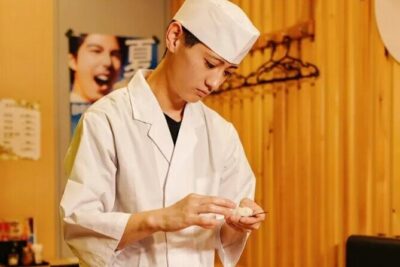 ★ 5.0Tokyo Sushi Making Experience & Japanese Cooking ClassFrom $59150 reviews
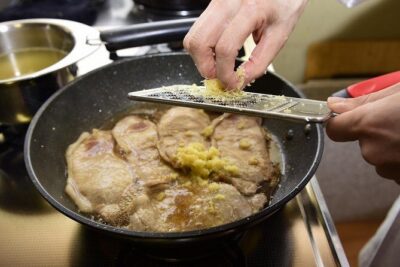 ★ 5.0Unique Private Cooking Class with a Tokyo Local EmiFrom $99131 reviews
Browse the lists this tour appears in