
Reviewed · SHOPPING TOURS
Kappabashi Knife Shopping Tour with Government-Licensed Guide
Knives, markets, and smart Tokyo walking. This tour is a practical way to see two of the city’s most important food-shopping areas while a licensed English guide explains how Japanese knives fit real cooking. You’ll also get a taste of classic Tokyo at Asakusa, with an optional finish heading toward Tokyo Skytree.
I especially love the knife-focused guidance. Instead of just pointing at shelves, the guide helps you understand the different types of knives used in Japanese cooking, so shopping feels less like guessing and more like making decisions. I also like the way the tour blends Tsukiji Outer Market + Kappabashi Street, so you get both ingredients energy and the tools chefs use.
One consideration: this is a walking tour. You should be ready for time on your feet and plan around weather, since pickup/meet-up involves walking within the area.
In This Review
- Key highlights worth your time
- A 4-hour Tokyo loop built around Japanese kitchen knives
- Meet your licensed guide and get moving fast
- Tsukiji Outer Market: the wholesale side of Tokyo
- What you’ll love in Tsukiji
- Watch-outs in Tsukiji
- Kappabashi Dougu Street: where knives meet everyday food life
- The food model detail that adds fun
- What to ask in a knife shop (so you don’t buy the wrong thing)
- The one downside in Kappabashi
- Asakusa stroll: adding old-school Tokyo to your shopping list
- Why Asakusa is a smart pairing
- A practical note
- Tokyo SkyTree as an optional finisher
- What knife knowledge you actually walk away with
- Shopping smart: how to budget, carry, and compare
- Budget mindset
- Carrying reality
- Price and value: is $107.50 a good deal
- Who this tour suits best
- Should you book this Kappabashi knife shopping tour?
- FAQ
- How long is the tour?
- How much does the tour cost?
- Is pickup offered?
- Is this tour mostly walking?
- What stops are included?
- Is there an admission fee for the stops?
- What’s included in the tour price?
- What isn’t included?
- Is Tokyo Sky Tree entry included?
- Can I cancel for a full refund?
Key highlights worth your time
- Government-licensed English guide for a food-and-knife shopping route that makes sense
- Tsukiji Outer Market with free admission and a wholesale-market feel
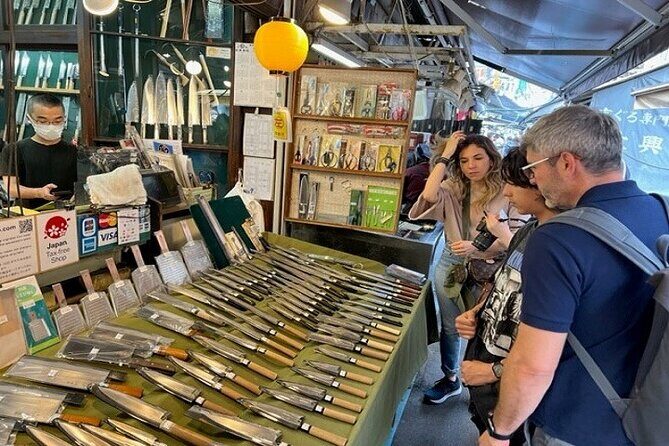
- Kappabashi Dougu Street known for knives and Japanese kitchen ware at reasonable prices
- Food model stops where you can see the plastic dishes that show up across Japan
- Asakusa time to pair shopping with old-school Tokyo streets
- Optional Skytree finisher, with important note that entry fees aren’t included
More days made easy by a guide
- Tokyo 6hr Private Tour with Government-Licensed Guide★ 5.0 · 3,902 reviews
- Tokyo: Shinjuku Local Bar and Izakaya Guided Walking Tour★ 4.9 · 1,794 reviews
- Tokyo: Private City Highlights Tour with Local Guide★ 4.8 · 1,433 reviews
A 4-hour Tokyo loop built around Japanese kitchen knives
This is the kind of tour that works even if you’re not trying to buy something every minute. You’re out for about 4 hours, and the structure keeps you moving through Tsukiji and Kappabashi with a guide who can translate the shopping logic into something you can use right away.
What makes it interesting is that it’s not just a sightseeing walk. You’re learning as you go—about where top chefs get their ingredients and about how Japanese knives are chosen for different cooking needs. That turns shopping into education, and it helps you avoid buying a nice-looking knife that doesn’t match what you’ll actually cook.
Meet your licensed guide and get moving fast
The tour includes a licensed local English-speaking guide, and you meet the guide on foot in a designated area in Tokyo. Pickup is described as offered, but the key detail is that you should expect walking as part of the process, not just a bus-to-everything day.
This matters because Tsukiji and Kappabashi are street-and-shop environments. You’ll get the most value when you stay present and ready to hop between storefronts, compare brands, and ask questions. If you show up with comfortable shoes and a plan for how much space you can carry, you’ll enjoy this much more.
Also, because it’s private for your group, your guide can adjust pacing. That’s especially helpful in knife shops where you might want extra time to compare steel, handle comfort, or simply understand what the shop staff are talking about.
Tsukiji Outer Market: the wholesale side of Tokyo
Tsukiji is often remembered for the famous auction headlines. This tour takes you to Tsukiji Outer Market, the working market area with hundreds of shops serving retailers and restaurants. The idea here is simple: you see the food supply culture that helps explain why Japan’s top chefs visit daily for fresh-quality ingredients.
Expect about an hour here, and importantly, admission is free. That’s a nice value lever because the experience cost is mostly about the guide and time, not entrance tickets. You’ll be surrounded by food smells, seafood energy, and lots of fast-moving shop traffic.
What you’ll love in Tsukiji
You’ll likely enjoy how quickly your senses get engaged—smell, display cases, busy counters, and shop chatter. It’s a great setup before the knife stores, because Japanese cuisine isn’t just about tools; it’s about a full system from ingredient to preparation.
More shopping runs through Tokyo


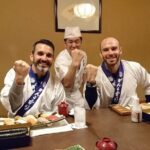
Watch-outs in Tsukiji
It can be tight and crowded. That’s not a reason to skip it, but it is a reason to manage expectations: this part is more about atmosphere and browsing than calm, wide-open photo stops.
Kappabashi Dougu Street: where knives meet everyday food life
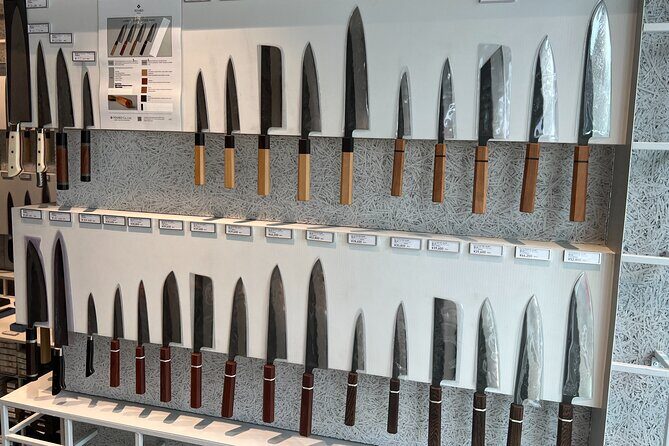
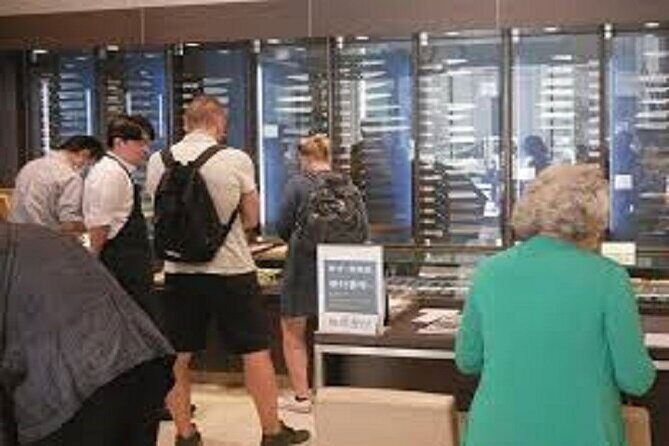
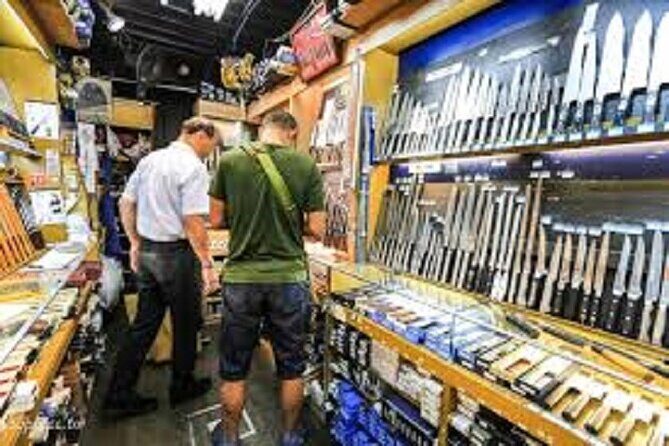
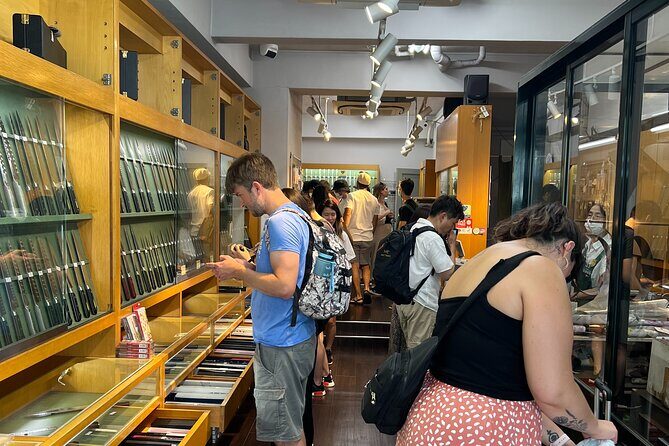
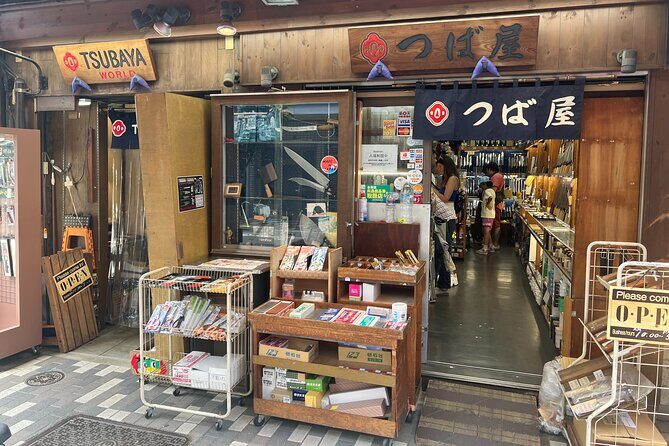
Next comes Kappabashi Street (Kappabashi Dogugai), where the vibe shifts from food ingredients to kitchen tools. This street has long been a supplier area for the food and beverage industry, which is a big deal. You’re not shopping in a generic mall aisle—you’re in a place that exists to serve working kitchens.
You’ll spend about an hour here, and again, admission is free. This is where the tour really earns its keep: you can find high-quality Japanese kitchen ware and knives at prices that are described as reasonable, while your guide explains what you’re looking at and what different knife styles are used for in Japanese cooking.
The food model detail that adds fun
A surprisingly memorable part is the chance to stop by plastic display food shops. These are the same kind of lifelike food displays you see outside restaurants across Japan. Even if you don’t buy anything, it’s a fun way to understand Japanese restaurant culture: how chefs and owners sell the experience before you even sit down.
What to ask in a knife shop (so you don’t buy the wrong thing)
Even without getting too technical, your guide can help you ask the right questions. I’d focus on:
- What knife types fit the cooking you actually do
- What feels comfortable in your hand
- Whether you’re buying for daily use or occasional cooking
If you’re new to Japanese knives, your goal shouldn’t be owning the fanciest knife in the store. Your goal should be owning the right tool you can use confidently.
The one downside in Kappabashi
This is a shopping zone, so temptation is real. You’ll want to keep an eye on budget and on practical carry issues. Knife shopping can turn into “just one more comparison” fast—so decide ahead of time what you’re comfortable spending and how you’ll pack it.
Asakusa stroll: adding old-school Tokyo to your shopping list
After Kappabashi, the tour includes time in Asakusa, about an hour, with admission free. Asakusa is a dense neighborhood of small and large shopping streets, and it’s an easy way to balance all that knife focus with a more traditional Tokyo feel.
This part works well because it gives you a breather. You’re not hunting for blade shapes anymore. You’re walking streets where everyday goods and souvenir culture share space, and it feels more like a normal Tokyo day rather than a single-purpose trip.
Why Asakusa is a smart pairing
Knife shopping can feel very “tool-focused.” Adding Asakusa helps keep the day grounded in place. You get context: you’re not just buying kitchen gear in a vacuum—you’re experiencing the surrounding neighborhoods that reflect daily life and food culture.
A practical note
Asakusa streets can also be busy. So take the pace your guide offers. If you’re shopping earlier, you might want to keep Asakusa browsing light and enjoy the atmosphere rather than turning it into another buying session.
Tokyo SkyTree as an optional finisher
The tour overview notes that you can finish toward Tokyo Sky Tree. The catch is important: entry fees are not covered for SkyTree. That doesn’t ruin the day—it just means you should treat SkyTree as an optional add-on, not a guaranteed ticketed stop.
This is still a solid finish plan for most people. The area around Skytree is easy to connect from, and it gives you a clear “end point” to anchor the rest of your afternoon.
If Skytree is high on your list, do yourself a favor and check plans ahead so you’re not scrambling for tickets last minute.
What knife knowledge you actually walk away with
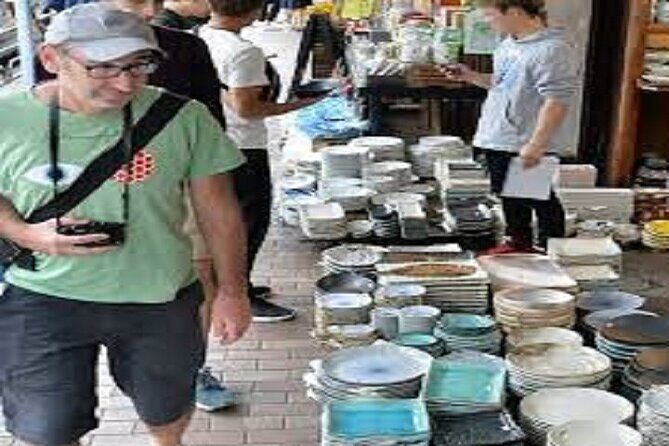
The tour is designed to teach you about different types of knives used in Japanese cooking. That sounds broad, but in practice it helps you shop with a purpose.
Here’s how that usually plays out on a good knife tour:
- You start looking at knives less as collectibles and more as kitchen tools
- You connect blade shapes and styles to tasks
- You get better at reading shop language and product differences
Even if you don’t buy a knife, this knowledge is valuable. It upgrades your ability to understand what you’ll see later if you visit other kitchen shops, watch cooking videos, or eat at restaurants where knives quietly play a big role.
Shopping smart: how to budget, carry, and compare
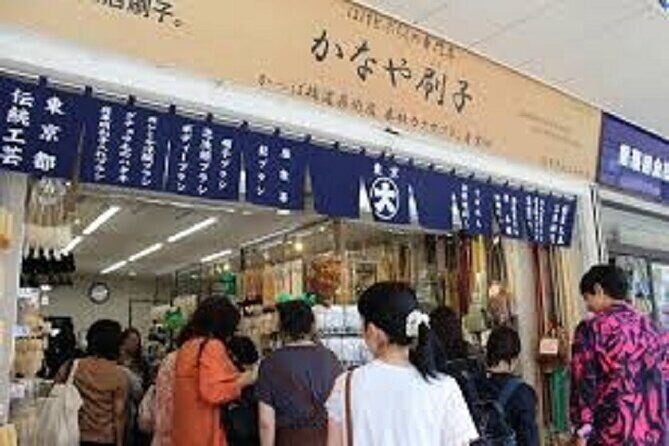
This kind of tour is great value because the guide helps you compare without wasting time. But you still control what you buy, and you’ll enjoy the day more if you plan for reality.
Budget mindset
The tour is $107.50 per person, so treat it as paying for guided time plus a structured route. You’re not paying for entrance fees at Tsukiji, Kappabashi, or Asakusa, since those are described as free. That means your big extra costs will be what you choose to buy in the shops, plus anything like transportation and lunch that are not included.
A smart approach:
- Decide your max spend before you enter the densest shops
- If you see something you like, compare it, don’t impulse-buy it
- Ask a focused question before pulling out your wallet
Carrying reality
Knife shopping means packing matters. The tour doesn’t promise any special shipping or packaging services in the info provided, so assume you’ll need to manage it yourself. If you’re traveling light, consider what you can safely carry back. If you’re checking luggage, you’ll have an easier time.
Price and value: is $107.50 a good deal
Let’s break down the value without fluff.
You’re paying $107.50 per person for about 4 hours with a licensed local English-speaking guide. The stops are Tsukiji Outer Market, Kappabashi Street, and Asakusa, and each stop’s admission is listed as free. So a good chunk of the price covers planning, route timing, and the learning experience around knives and Japanese cooking.
What’s not included matters too:
- Transportation fees aren’t included
- Lunch isn’t included
- Entrance fees aren’t included (and Skytree entry fees also aren’t covered)
- Personal expenses aren’t included
So the deal is best when you:
- Want a guided route that ties knife shopping to real food culture
- Plan to spend time in the shops and ask questions
- Don’t want to figure out the logistics alone
If you already have strong DIY knowledge of where to shop and what to buy, you might feel the price is less necessary. But for most people, the guide and the structure make the day far easier and more productive.
Who this tour suits best
This tour fits best if you fall into one of these groups:
- You’re curious about Japanese cooking tools and want real explanation, not just store browsing
- You want to see Tsukiji and Asakusa in one day without building your own route
- You’d rather shop with guidance so you buy the right knife for your actual cooking
It’s also a good match for people who like walking and street-level Tokyo. The tour is described as near public transportation and allows service animals. Most people can participate, but because it’s walking-heavy, it’s wise to consider your stamina first.
Should you book this Kappabashi knife shopping tour?
I think this is a strong booking if you want value from your Tokyo time. You get a smart blend of food-market atmosphere and kitchen-tool shopping, plus a licensed guide who can explain knife types used for Japanese cooking. The free admissions at the main stops help the math, and the private-group feel makes it easier to ask questions.
I’d skip or rethink it only if you hate shopping pressure or you’re not comfortable with several hours on your feet. If that’s you, you might still enjoy Tsukiji and Asakusa—but you’d probably prefer a non-knife-focused guided walk.
FAQ
How long is the tour?
The tour duration is approximately 4 hours.
How much does the tour cost?
The price is $107.50 per person.
Is pickup offered?
Pickup is described as offered. The meeting approach also notes that you meet the guide on foot within a designated area in Tokyo.
Is this tour mostly walking?
Yes. It’s described as a walking tour, and pickup/meet-up involves walking.
What stops are included?
The tour includes Tsukiji Fish Market (Outer Market area), Kappabashi Street (Kappabashi Dougu Street), and Asakusa. The tour overview also mentions finishing near Tokyo Sky Tree.
Is there an admission fee for the stops?
Admission is listed as free for Tsukiji Outer Market, Kappabashi Street, and Asakusa.
What’s included in the tour price?
Included items are a licensed local English-speaking guide and meeting the guide on foot within a designated area.
What isn’t included?
Not included are transportation fees, entrance fees, lunch, and other personal expenses.
Is Tokyo Sky Tree entry included?
No. The information states that Skytree entry fees are not covered for both the guide and the guest.
Can I cancel for a full refund?
Yes. You can cancel up to 24 hours in advance for a full refund.
Easier with a Guide



More Tours in Tokyo




More Tour Reviews in Tokyo




Fresh reviews from around Tokyo






Shopping Tours, compared.
 ★ 5.0Tokyo Tsukiji Fish Market Food and Culture Walking TourFrom $993,184 reviews
 ★ 5.0Tsukiji Fish Market Food and Walking tourFrom $301,724 reviews
 ★ 4.9Tsukiji Fish Market Guided Walking TourFrom $221,397 reviews
 ★ 5.0Tsukiji Fish Market Guided Tour and Sushi Making with Pro ChefFrom $104775 reviews
★ 4.7Tsukiji Fish Market Food and Culture Walking TourFrom $96757 reviews
★ 5.0Tsukiji Fish Market Guided Tour and Sushi Making with Pro ChefFrom $104775 reviews
★ 4.7Tsukiji Fish Market Food and Culture Walking TourFrom $96757 reviews
 ★ 5.0Tsukiji Fish Market: Street Food & Culture Walking TourFrom $33669 reviews
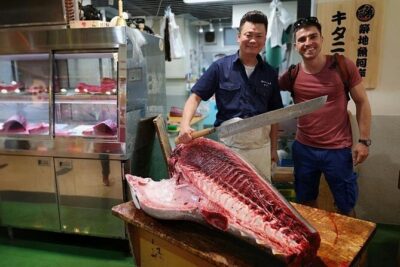 ★ 5.0Tsukiji Fish Market Small-Group Food Walking TourFrom $87621 reviews
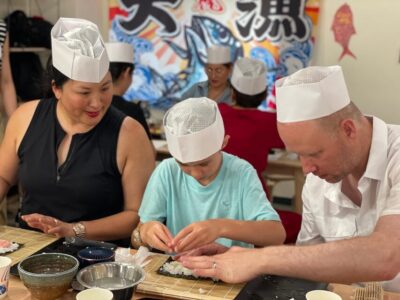 ★ 4.9Tsukiji Fish Market Sushi Making Class with Pro ChefFrom $63506 reviews
Browse the lists this tour appears in