
Reviewed · WORKSHOPS
Matcha Making Class in Tokyo with Authentic Japanese Sweets Set
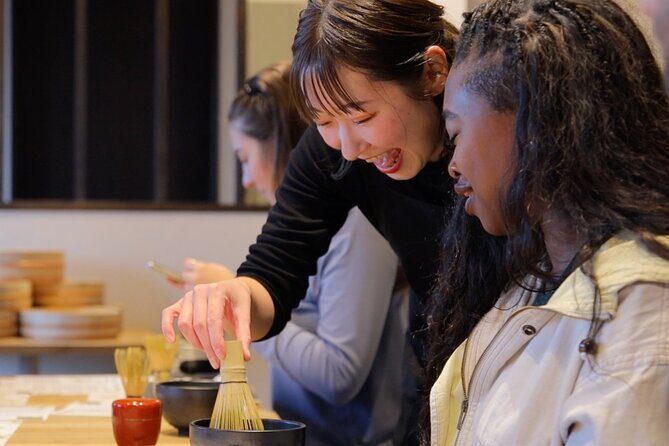
Whisking matcha in Asakusa feels oddly calming. This one-hour class is built for real hands-on learning, with step-by-step guidance and a relaxed pace (not stiff, not intimidating). I especially like the personal, guided technique—you’re shown what to do and then you do it. One possible drawback: it’s short, so if you want a full formal tea ceremony experience, you may find this a bit more casual than you expected.
The second thing I love is the pairing. You don’t just drink matcha—you taste it alongside seasonal Japanese sweets, which helps you understand why matcha can be smooth, not just bitter.
Now, the practical consideration: it’s in Asakusa, so you’ll want to plan your walk from the nearest rail stop, especially if you’re arriving right before class time.
In This Review
- Key highlights at a glance
- Asakusa matcha class: small group, big focus on technique
- Where you meet in Kaminarimon (and how to get there without stress)
- The 60-minute flow: history, tools, and your first real whisk
- Step 1: Learn what makes good matcha
- Step 2: Get set up with traditional tools
- Step 3: Whisk like you mean it
- Step 4: Sit, sip, and see what you made
- Seasonal sweets: the pairing that teaches you the taste balance
- The setting: cha-café style, photos, and a calmer side of Asakusa
- How much it costs, and why this feels like value
- Who should book this matcha-making class (and who might skip it)
- Quick tips so your class goes smoothly
- Should you book Matcha Making Tokyo in Asakusa?
- FAQ
- How long is the matcha making class?
- Do I need prior tea ceremony experience?
- Is the instruction available in English?
- What’s included in the price?
- Where is the meeting point?
- Is hotel pickup included?
Key highlights at a glance
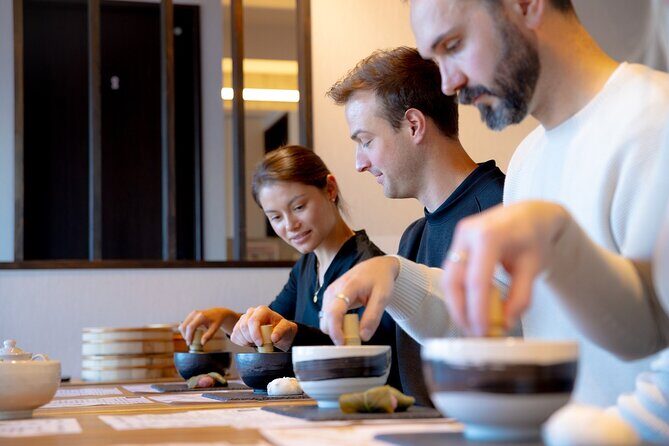
- One-to-one instruction that helps you actually get the whisking right
- English-speaking hosts who explain both technique and culture in plain language
- How to judge matcha quality (yes, before you whisk)
- Ceremonial whisking, made beginner-friendly
- Seasonal Japanese sweets served with your matcha
- A small-group feel with a maximum of 30 people
Worth weighing up alongside this Tokyo pick:
- Make Traditional Nerikiri Sweets & Matcha experience in Shibuya★ 5.0 · 130 reviews
- Private Mochi Sweets Making class near Shibuya area★ 5.0 · 93 reviews
- Japanese Traditional Sweets making and Tea Ceremony★ 4.7 · 50 reviews
Asakusa matcha class: small group, big focus on technique
This is a one-hour matcha-making class in the heart of Asakusa, one of Tokyo’s most traditional areas. Expect a calm, structured flow: you learn, you practice, and then you sit down with what you made. The class size is capped at 30, which helps keep the attention from feeling lost in the shuffle.
What makes it work so well for visitors is that the instruction is practical. You’re not just watching someone demonstrate. You’re guided through the key steps—how much matcha powder to use, how to whisk, and what the drink should look and taste like when you’ve done it correctly.
Also, the format is friendly for first-timers. People with zero tea experience can join, and the vibe is relaxed enough for families. If you’re traveling with kids, this is one of those activities where they can participate without needing special background knowledge.
Where you meet in Kaminarimon (and how to get there without stress)
You’ll meet at Matcha Making Tokyo | Cooking Class in Japan, at 2-chōme-17-9 Kaminarimon, Taito City, Tokyo 111-0034, Japan. The activity ends back at the meeting point, so you don’t have to plan an extra transit step after class.
No hotel pickup or drop-off is included. That sounds obvious, but it matters: you’ll want to give yourself enough buffer time to find the exact entrance, especially if you’re using transit for the first time in Tokyo. The good news is that it’s near public transportation, so you shouldn’t be stuck with a long walk.
You’ll also use a mobile ticket. That’s easy, but I’d still save it offline as a backup—Tokyo Wi‑Fi can be great, or it can be spotty depending on where you’re standing.
The 60-minute flow: history, tools, and your first real whisk
The class starts by getting you oriented—what matcha is, where it comes from, and why the preparation matters. You’ll learn how to prepare traditional matcha green tea step by step, and you’ll get cultural context along the way, not as a lecture dump.
A neat detail: the teaching often includes visual support (for example, an iPad is used in some classes to show pictures). That helps a lot because you can connect the explanation to what you’re doing in your hands.
Step 1: Learn what makes good matcha
One of the most repeated “this was worth it” moments is learning how to spot high-quality matcha powder. Instead of treating matcha like a mysterious ingredient, you learn what to look for—so later, if you shop in Tokyo, you’ll understand what you’re actually buying.
This is where the class earns its low price. You’re not just paying for a cup. You’re buying useful food knowledge you can use again at home.
More things to make with your own hands


Step 2: Get set up with traditional tools
You’ll whisk using traditional tools. That matters because matcha isn’t the same as green tea you steep in a cup. The whisking technique affects the texture—especially the froth and the smoothness.
If you’re the type who worries about messing things up, don’t. The class is built to guide you through the process, and instructors keep things beginner-friendly.
Step 3: Whisk like you mean it
When it’s time to whisk, the focus is on technique, not speed. You’ll learn the motion and rhythm that help prevent clumps and create that creamy top layer people associate with well-made matcha.
The instructor checks your form and adjusts you along the way. In a short session, that direct feedback is what turns a “try once” activity into an actual skill.
You might be guided by hosts such as Shuri, Rino, Hiya, or Nama (those names show up in past class experiences). Regardless of who leads your group, the theme is consistent: friendly English explanations plus hands-on coaching.
Step 4: Sit, sip, and see what you made
Once your bowl is ready, you enjoy it right away. The session doesn’t try to rush you through. It’s paced so you can taste, reflect, and understand the result of your technique.
Seasonal sweets: the pairing that teaches you the taste balance
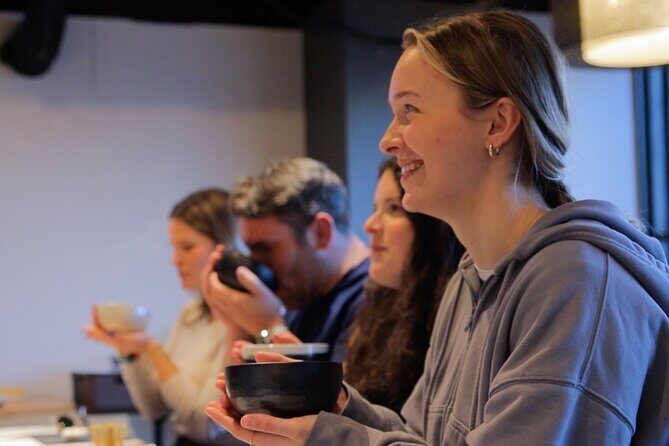
Matcha can be surprising the first time you taste it. Some people expect it to taste like bitter powder. Instead, your class experience is designed to show the balance: matcha’s earthy, grassy character works best with the right sweet.
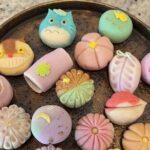
You’ll enjoy a set of seasonal Japanese sweets alongside your matcha. These aren’t random extras. They’re chosen to complement the drink, so the matcha feels smoother and more dimensional instead of harsh.
This is one of the strongest reasons I think this class is a good buy for visitors. If you only learn whisking but never taste the pairing, matcha can feel like a one-off novelty. With the sweets included, you get a fuller “oh, that’s how it’s meant to be eaten” moment.
Also, tasting both together gives you something practical to remember later. When you try matcha at home, you’ll know what kind of sweetness or texture helps the flavor make sense.
The setting: cha-café style, photos, and a calmer side of Asakusa
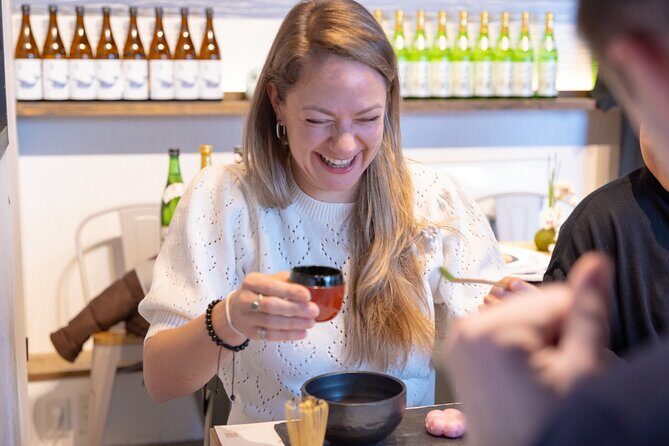
Classes like this usually go for one of two vibes: formal and silent, or relaxed and social. This one leans relaxed, without losing the ceremonial feel of the whisking.
Some classes take place in a cozy café space, sometimes in an upstairs nook where the atmosphere feels quieter and more intimate. You may sit in a traditional style setup, which makes the learning feel real instead of like a quick demo-and-go.
One bonus mentioned in past experiences is the chance to enjoy views—some sessions have a pleasant view along the river area. Even if you don’t end up staring out the window the whole time, it adds to the calm.
You’ll also have time to take photos during your experience. It’s not just a “make it, drink it, leave” routine. They help you capture the moment—your bowl, your tools, and your finished matcha—so the memory doesn’t vanish the second you walk back into the city.
How much it costs, and why this feels like value
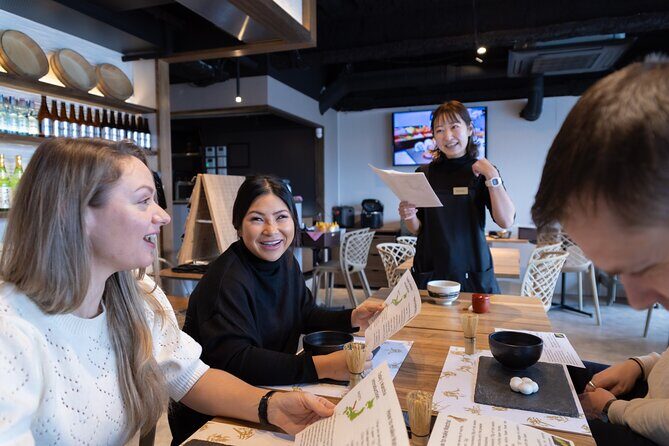
The price is $21.89 per person for about one hour, and it includes an English-speaking instructor plus matcha with Japanese sweets.
At this price point, the value comes from the combination:
- You learn a repeatable skill (whisking, technique, quality spotting)
- You get cultural context in plain English
- You eat and taste properly, with sweets included
- You get hands-on correction, not just explanation
If you’ve paid for “watch and sample” activities elsewhere, you’ll notice the difference right away. Here, you’re actively making something and being guided through it. That’s why the class sells so well for a short time slot.
It’s also a solid choice if you’re trying to build an Asakusa itinerary around smaller, calmer experiences. You get a cultural activity that doesn’t require a full half day.
Who should book this matcha-making class (and who might skip it)
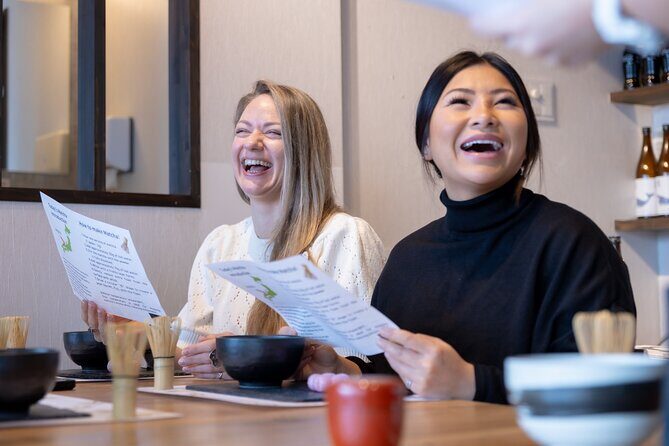
I think this class is a great match if you:
- Want an easy entry into Japanese tea culture without heavy ceremony rules
- Like hands-on experiences where you leave with a real skill
- Prefer English instruction and clear step-by-step guidance
- Travel with family members who need an activity that keeps everyone involved
- Are curious about what good matcha powder looks like before you buy
It might not be ideal if you’re specifically hunting for a full traditional tea ceremony with a long, formal script. This is more beginner-friendly and practical—so treat it as a skill lesson with ceremonial ingredients, not a multi-part historical performance.
Quick tips so your class goes smoothly
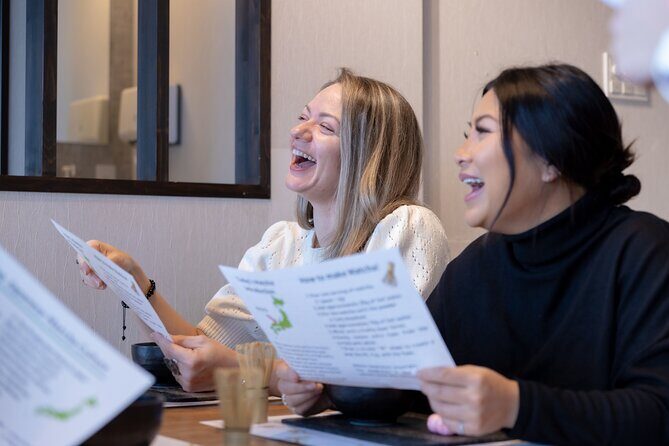
- Arrive a few minutes early. Some hosts are welcoming if you get there early, and it reduces stress.
- If you’re sensitive about timing, don’t cut it close. The class is short, and you want the full experience.
- Wear something comfortable. You’ll be participating with hands-on whisking, and some setups involve floor seating.
- If you’re buying matcha afterward, remember what you were taught about quality. The class gives you a mental checklist.
Should you book Matcha Making Tokyo in Asakusa?
Yes—if you want a hands-on matcha lesson that’s actually useful, this is an easy decision. For $21.89, you get instruction, traditional tools, your own whisking practice, and a sweets pairing that makes the flavors click. The English-speaking hosts (with instructors like Shuri, Rino, Hiya, or Nama referenced in past class experiences) keep the class relaxed and approachable, even if you’ve never touched ceremonial matcha before.
If your dream is a long, formal tea ceremony, you might want something else. But for most visitors, this hits the sweet spot: short time, real technique, and a tasty take-home lesson you can use back home.
FAQ
How long is the matcha making class?
The class runs for about 1 hour.
Do I need prior tea ceremony experience?
No. The class is beginner-friendly, and no prior matcha experience is required.
Is the instruction available in English?
Yes. The class includes an English-speaking instructor.
What’s included in the price?
Your price includes matcha and Japanese sweets, along with the English-speaking instructor.
Where is the meeting point?
Meet at Matcha Making Tokyo | Cooking Class in Japan, 2-chōme-17-9 Kaminarimon, Taito City, Tokyo 111-0034, Japan.
Is hotel pickup included?
No. Hotel pickup and drop-off are not included, and the activity ends back at the meeting point.
Make Something to Take Home
More Dessert Tours in Tokyo



More Tour Reviews in Tokyo






Fresh reviews from around Tokyo






Workshops, compared.
 ★ 5.0Sushi Making Tokyo Roll and Authentic Japanese Sushi ClassFrom $593,971 reviews
 ★ 5.0Tokyo Shinjuku Chopsticks Making ClassFrom $201,763 reviews
 ★ 4.8Chopstick Making Workshop in GinzaFrom $251,366 reviews
 ★ 5.0Tokyo Sushi Making Class in Tsukiji with Professional ChefFrom $491,177 reviews
 ★ 5.0Ramen & Gyoza Cooking Class in Tokyo with Local Supermarket VisitFrom $122823 reviews
 ★ 5.0Samurai Sword & Archery Class from Samurai DescendantFrom $193603 reviews
 ★ 4.9Tsukiji Fish Market Sushi Making Class with Pro ChefFrom $63506 reviews
 ★ 5.0Tokyo Chopstick Making Workshop with ArtisanFrom $26466 reviews
Browse the lists this tour appears in