
Reviewed · WALKING TOURS
Tokyo: Private Walking Tour with a Local Guide
Tokyo gets big fast. This private, walking-focused tour is designed to help you move through it with confidence, not guesswork. You can set the pace with a 4-, 6-, or 8-hour option, and you’ll shape the day around what you actually care about—temples, shopping, anime, food streets, or quieter shrine time.
I especially like two things: the private local guide who explains what you’re seeing and helps with navigating huge train areas, and the smart mix of neighborhoods that usually get done in separate trips. One consideration: it is still a lot of walking plus public-transport time, and Tokyo’s transit between districts can vary.
In This Review
- Key things to know before you go
- The value of a private walking day in Tokyo
- Asakusa and Senso-ji: Tokyo’s old heart in full view
- Ueno’s temples, museums, and the easy-to-fall-in market zone
- Akihabara: where anime culture meets electronics shopping logic
- Shibuya crossing and Hachiko: the famous stop with context
- Omoide Yokocho: nostalgia alley food in tight lanes
- Shinjuku and Takeshita Street: neon energy, fashion chaos, then a reset
- Meiji Jingu: the quiet shrine pause that changes the whole day
- Tsukiji Fish Market and the East Garden: food buzz then imperial calm
- How the 4-, 6-, and 8-hour options change your day
- What I’d pack and how I’d plan meals
- Guides like Saya and Gabriel: why the person matters
- Should you book Tokyo Vibes?
- FAQ
- How long is the Tokyo private walking tour?
- Is this tour private or shared?
- What’s included in the price?
- Are food and drinks included?
- Do they use trains or cars?
- Can the itinerary be customized?
- What areas are covered?
- What ticketing do I need?
- What’s the cancellation policy?
Key things to know before you go
- Private with a local guide: you get one itinerary plan that can flex to your interests
- 4, 6, or 8 hours: choose how much city you want to pack in
- Asakusa + Ueno contrast: old Tokyo temples morning, museum-and-market area next
- Akihabara and electronics time: anime and tech shopping stops built in
- Shibuya to Hachiko to Omoide Yokocho: famous sights plus a back-alley food vibe
- Meiji Jingu + East Garden: a calmer, green pause after the neon districts
Tokyo at walking pace, a few more ways
- Tokyo Tsukiji Fish Market Food and Culture Walking Tour★ 5.0 · 3,184 reviews
- Tokyo: Shinjuku Local Bar and Izakaya Guided Walking Tour★ 4.9 · 1,794 reviews
- Tokyo: Tsukiji Fish Market Food and Walking tour★ 5.0 · 1,724 reviews
The value of a private walking day in Tokyo
If this is your first time in Tokyo, the big win is not a single landmark. It’s how the day is put together: you get a local guide to connect the dots between neighborhoods so you don’t spend your time swiping maps and trying to remember which station exit is which.
At $132.91 per person, the price makes sense when you think in guide-hours, not attraction tickets. For a 4-hour option, you’re paying roughly $33 an hour for a private guide. For 8 hours, it drops closer to about $17 an hour—usually where private tours start feeling like a deal versus paying for multiple separate transport-heavy activities.
And because it’s private, it’s built for real conversations. You can ask questions about culture, customs, or what to do next. That matters in Tokyo, where small etiquette stuff can save you stress.
You’ll also get practical help from how the tour moves. It’s described as a walking tour using public transportation, with a convenient hotel or accommodation meet-up and pickup offered. That combination is the sweet spot for many visitors: you travel efficiently without paying for private cars all day.
Asakusa and Senso-ji: Tokyo’s old heart in full view
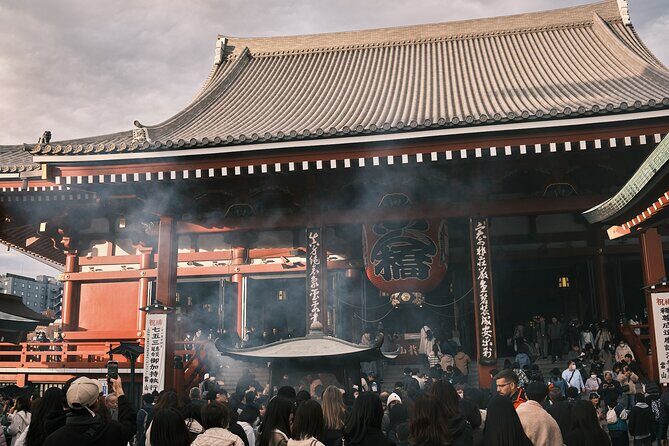
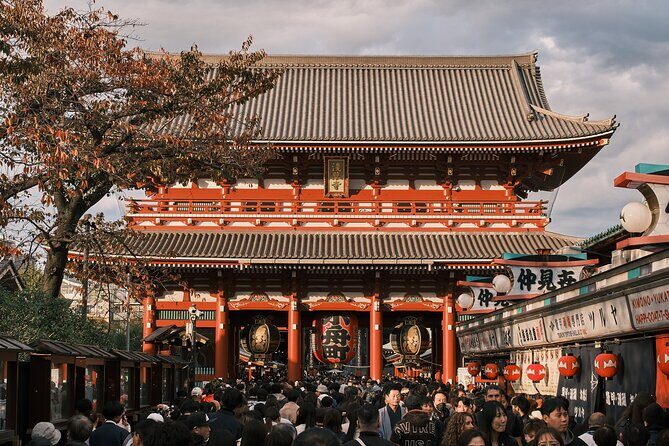
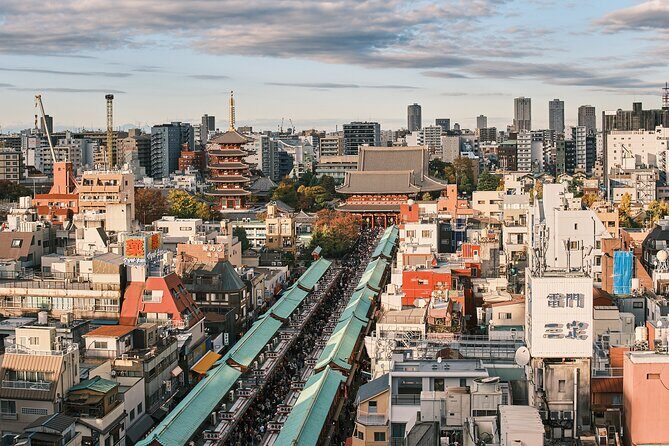
Your day starts in Asakusa, Tokyo’s historic district, including Senso-ji Temple. This is one of the places where you can actually feel the city’s older rhythm. The guide helps you orient fast so you know what you’re looking at and what’s worth pausing for.
After the temple area, you’ll walk Nakamise-dori, the shopping street known for traditional snacks and souvenirs. This is where having a guide helps beyond buying stuff. You can ask what to try, what’s touristy versus genuinely local-feeling, and how to time your stop so you’re not stuck in the thickest congestion.
Why this stop is worth it: you get the classic Tokyo contrast early—big crowds around Senso-ji, but a structured way to experience the area without wandering in circles.
Possible drawback: Asakusa can be busy, especially around temple hours. If you’re hoping for quiet photos, you’ll want to be flexible about timing.
Ueno’s temples, museums, and the easy-to-fall-in market zone
Next you head to Ueno, a district that mixes history and culture. The itinerary highlights classic temple areas, plus the Tokyo National Museum and the National Museum of Western Art area, along with Ueno Toshogu Shrine. Even if you don’t go inside every museum, it’s useful to have a guide point out what these sites represent and how Ueno fits into Tokyo’s story.
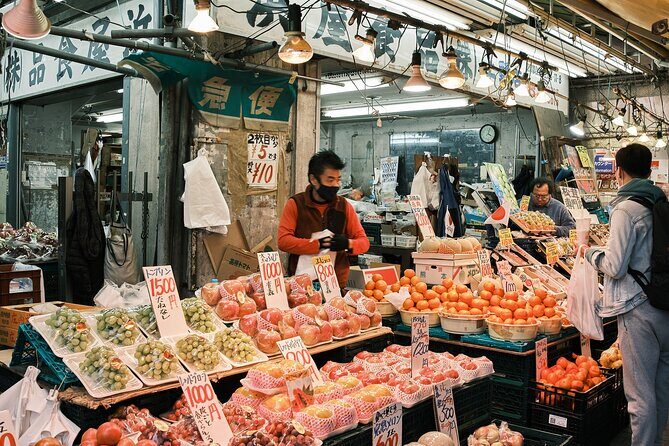
Then comes the part I think is hardest to replicate on your own: walking through a local market area—Ameya Yokocho—with that more retro, everyday street feeling. The tour includes standing bars and street food tastings as part of the market experience, which makes this stop feel like an actual local outing rather than a checklist.
Why it works: Ueno is a good place to be curious. You can browse without pressure, try small bites, and keep moving when you feel done.
One thing to plan for: food and drinks are not included. You’ll want a budget for snacking here, and it’s smart to eat light before the market so you have room for samples.
Akihabara: where anime culture meets electronics shopping logic
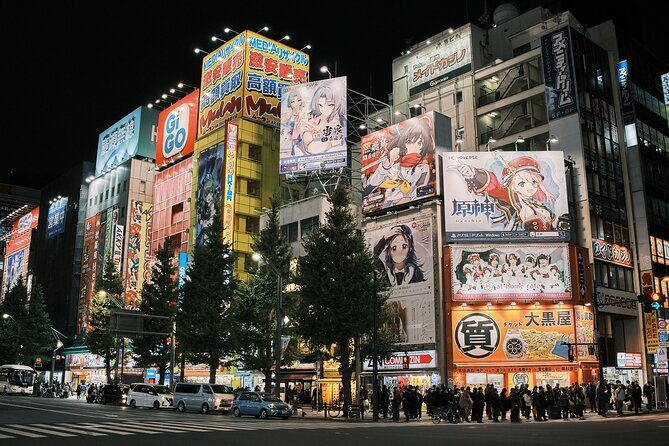
Akihabara is where Tokyo goes full fandom and gadget mode. The tour’s focus includes the world of anime and electronics, with time to explore retro and modern game centers and hunt for manga and anime figures.
Here’s why a guide helps: the shopping map is huge, and the “what to buy” question is personal. With a local guide, you can steer the walk toward what you’re actually into, whether that’s collecting, games, or electronics.
Also, the tour notes tax-free shopping for exclusive electronics items. That’s a practical detail, especially if you’re hoping to bring home tech that you can’t easily find elsewhere.
Possible drawback: If you’re not into anime, games, or electronics, this can feel a bit one-note. The good news is the itinerary is described as customizable around your interests, so you can adjust how much time you spend in Akihabara versus nearby alternatives.
More days made easy by a guide


Shibuya crossing and Hachiko: the famous stop with context
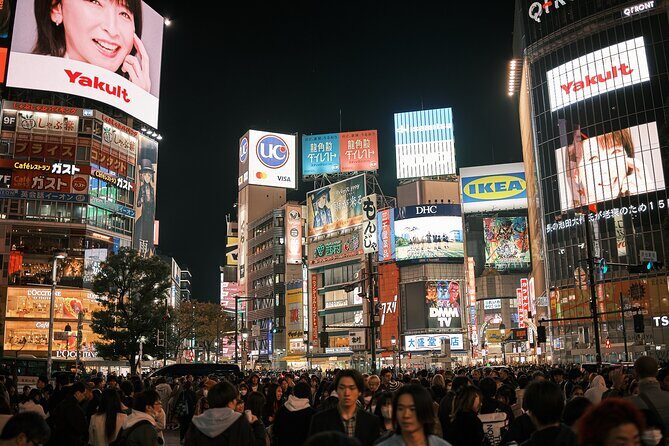
Shibuya is the Tokyo headline. You’ll see Shibuya Crossing, and there’s also a brief stop at the Hachiko statue—the one tied to the story of loyalty that everyone in Japan seems to know.
What makes this more than a photo stop is the guided context. The tour experience includes the touching background of Hachiko and why the statue has stayed such a strong symbol. That’s one of those moments where history and daily life mix: a statue in the middle of a modern district, carrying a long human story.
If you like people-watching, Shibuya is ideal. If you hate crowds, I’d treat Shibuya like a controlled visit—short, intentional, and then move on. A private guide helps you do exactly that.
Omoide Yokocho: nostalgia alley food in tight lanes
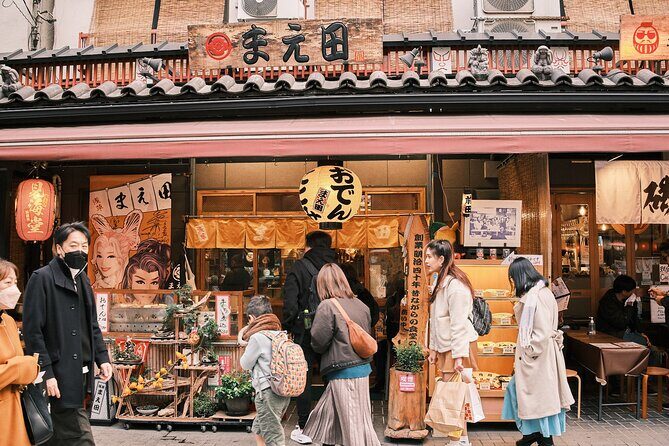
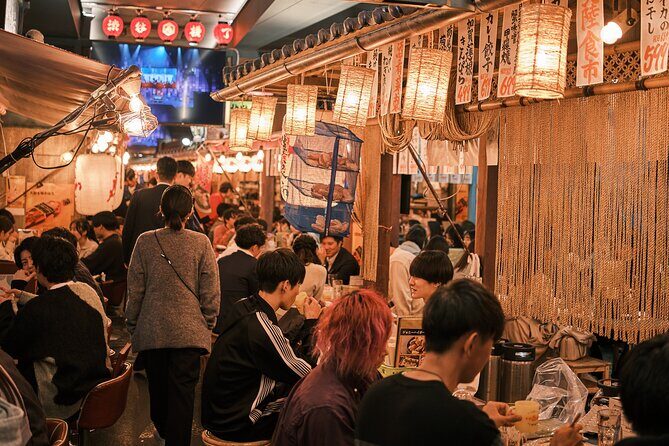
After Shibuya, you’ll head to Omoide Yokocho, described as a historic alley lined with narrow lanes and traditional izakayas plus street food. This is the kind of place where Tokyo feels tactile. You don’t get wide-open spaces; you get close-up energy.
This stop is a great fit for many visitors because it’s not just sightseeing. It’s about the atmosphere—old Tokyo vibes—while still giving you a practical reason to slow down, snack, and watch.
One consideration: since food and drinks aren’t included, you’ll want to plan how you want to handle meals. This is a good place to try something small and easy, not a heavy sit-down meal unless you’ve built the time.
Shinjuku and Takeshita Street: neon energy, fashion chaos, then a reset
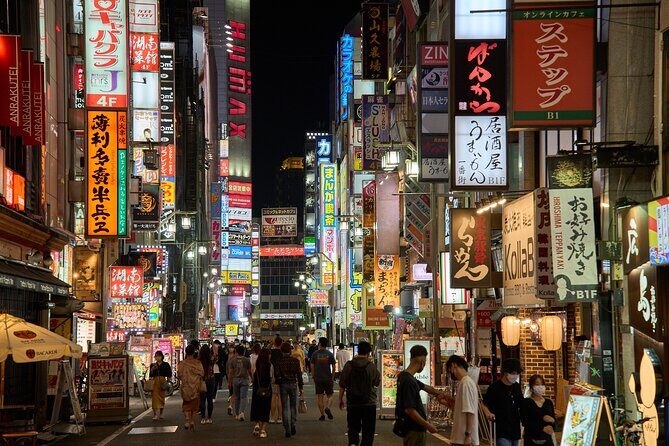
Shinjuku is the next big shift, with its entertainment hub energy and neon-lit streets. You’ll explore shopping and dining zones—perfect if you want Tokyo nightlife energy during the day.
Then the itinerary includes Takeshita Street, known for its fashion and food culture. This is pedestrian chaos in the best way: trendy boutiques, quirky shops, and lots of quick bites. It’s also one of the stops where a guide can save you time by helping you decide what’s actually worth your attention.
At this point in the day, a private guide also helps manage your stamina. Tokyo walking adds up fast, and the best guides will check in: do you want to keep moving, or should we slow it down?
Meiji Jingu: the quiet shrine pause that changes the whole day
After the energy of Shinjuku and Takeshita, you get a strong contrast: Meiji Jingu Shrine. This stop is described as serenity in the heart of the city, with towering torii gates and lush forest grounds.
This is the mental reset Tokyo does better than almost anywhere else. Your eyes go from bright signage to shade. Your pace slows. And the story focus changes too: instead of shopping culture, you’re in a space tied to Emperor Meiji and Empress Shoken.
Why this stop is valuable on a walking tour: it prevents the day from turning into nonstop commercial time. You end up with emotional variety, not just new street corners.
Tsukiji Fish Market and the East Garden: food buzz then imperial calm
Later, the itinerary includes Tsukiji Fish Market, presented as a legendary seafood hub with fresh seafood, ingredients, and local delicacies. Even if you don’t buy much, this is one of those places where seeing the scale of the food scene helps you understand Tokyo’s eating culture.
Like the market in Ueno, you’ll likely want to budget for snacks since food and drinks aren’t included. If you’re sensitive to crowds or smells, it’s still manageable with a guide who can help you time and route your walking.
Finally, the tour includes the East Garden of the Imperial Palace, described as a peaceful oasis with landscaped gardens, ancient stone walls, and historic ruins. This is a calmer ending that feels like a soft landing after commercial districts and crowded market streets.
Important nuance: the tour includes temple and shrine entrance tickets, but it doesn’t list garden entry specifically. Since the East Garden is part of the planned route, you’ll want to accept that entry may be handled by the tour on the day, or you may need to cover any extra ticketing depending on the stop. Your guide should be able to confirm what’s needed in practice.
How the 4-, 6-, and 8-hour options change your day
The tour is flexible between 4, 6, and 8 hours, and you’ll likely feel the differences right away.
- With 4 hours, you’ll cover fewer districts. Expect a tight route with more emphasis on key highlights.
- With 6 hours, you get better balance. You can include both historic temple time and at least one major shopping/entertainment neighborhood.
- With 8 hours, you can slow down more. That’s when market stops and snack pacing become more enjoyable, not rushed.
Your ability to customize is one of the biggest strengths. If you care more about anime shopping, you can adjust the day to give Akihabara more weight. If you want fewer neon streets, you can lean into Meiji Jingu and the Imperial Palace garden. Just ask.
What I’d pack and how I’d plan meals
Since food and drinks aren’t included, I treat this tour like a guided buffet plan, where you pick your stops. Bring cash or a card you trust for small purchases across Nakamise-dori, Ameya Yokocho, Omoide Yokocho, and Tsukiji.
Comfort matters more than you think. Tokyo walking tours mean lots of pavement and staircases. Wear shoes you already trust. If your feet are tired early, the whole day feels shorter.
Also, plan hydration. You’ll be in warm weather sometimes, and with markets and shrine areas back to back, your body won’t notice the change until it’s too late.
Guides like Saya and Gabriel: why the person matters
The tour is led by a local guide, and names like Saya and Gabriel have come up in how people describe the experience. The common thread is practical guidance: helping you navigate massive station layouts and going beyond landmarks with culture and city tips that make the rest of your trip easier.
That matters because stations in Tokyo can be a maze. A good guide doesn’t just tell you where to go. They help you find the right exit, understand the layout, and move without wasting energy.
If you’re lucky, you’ll get a guide who also adjusts in real time when something is crowded or you’re running ahead on energy.
Should you book Tokyo Vibes?
I’d book this tour if you want a guided day that stitches Tokyo together without wasting time. It’s especially good for first-time visitors who want a private setup, plus travelers who care about variety: temples, markets, anime-electronics shopping, and city-neon districts in one go.
I would think twice if you hate crowds and you’re expecting a quiet, slow walk. Even with a guide, some areas are naturally busy—Senso-ji, Shibuya, and market districts tend to run dense.
But if you’re flexible and you like the idea of choosing your mix across Asakusa, Ueno, Akihabara, Shibuya, Shinjuku, Meiji Jingu, Tsukiji, and the Imperial East Garden, this is a smart way to spend your time.
FAQ
How long is the Tokyo private walking tour?
It runs for about 4 to 8 hours. You can choose a 4-, 6-, or 8-hour option.
Is this tour private or shared?
It is private. Only your group participates.
What’s included in the price?
A private tour with a local guide, an authentic and exclusive experience, a walking tour using public transportation, a hotel or accommodation meet-up (pickup offered), and temples and shrines entrance tickets.
Are food and drinks included?
No. Food and drinks are not included.
Do they use trains or cars?
The tour is described as a walking tour using public transportation. Trains, private car, and airport pickup/drop-off are listed as not included.
Can the itinerary be customized?
Yes. The tour is described as customizable to your interests and around specific areas—just ask.
What areas are covered?
The planned stops include Asakusa (including Senso-ji), Ueno, Ameya Yokocho market, Akihabara, Shibuya (Shibuya Crossing and Hachiko), Omoide Yokocho, Shinjuku, Takeshita Street, Meiji Jingu Shrine, Tsukiji Fish Market, and the East Garden of the Imperial Palace.
What ticketing do I need?
A mobile ticket is mentioned, and you’ll also get included entrance tickets for temples and shrines.
What’s the cancellation policy?
Free cancellation is available up to 24 hours in advance for a full refund. Cancel at least 24 hours before the start time for the refund, and changes within 24 hours aren’t accepted.
Tokyo on Foot: More Walks

More Tours in Tokyo




More Tour Reviews in Tokyo




Fresh reviews from around Tokyo






Walking Tours, compared.
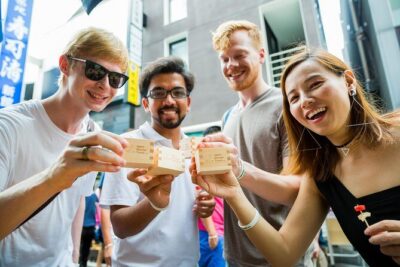 ★ 5.0Tokyo Tsukiji Fish Market Food and Culture Walking TourFrom $993,184 reviews
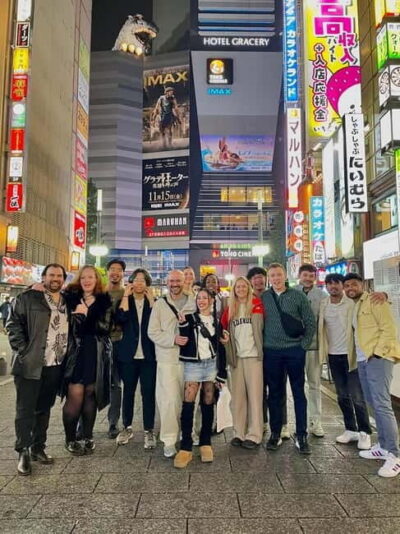 ★ 4.9Shinjuku Local Bar and Izakaya Guided Walking TourFrom $341,794 reviews
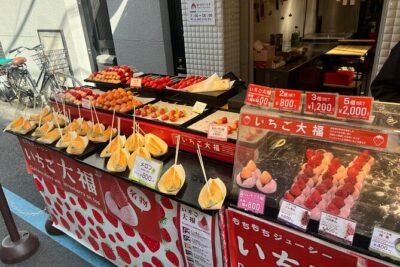 ★ 5.0Tsukiji Fish Market Food and Walking tourFrom $301,724 reviews
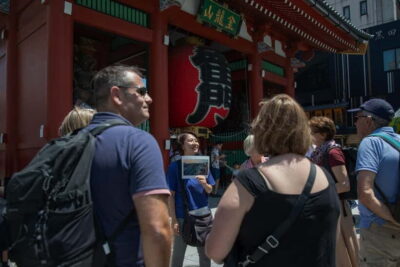 ★ 4.8Asakusa Walking Tour with Sensoji Temple VisitFrom $221,583 reviews
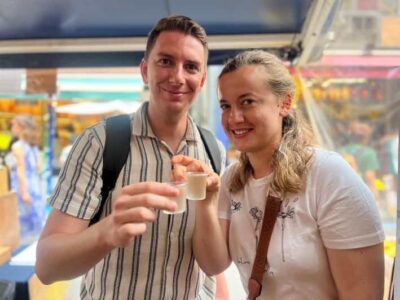 ★ 4.9Tsukiji Fish Market Guided Walking TourFrom $221,397 reviews
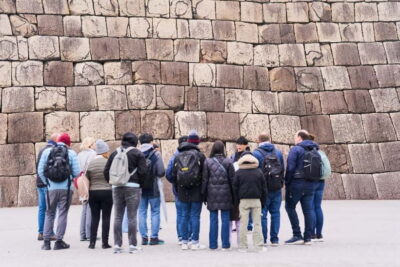 ★ 4.7Tokyo Castle & Imperial PalaceーShogun Walking TourFrom $231,068 reviews
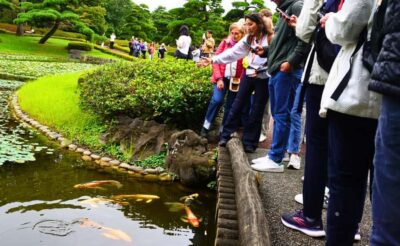 ★ 4.9Imperial Palace Japanese History Walking TourFrom $32987 reviews
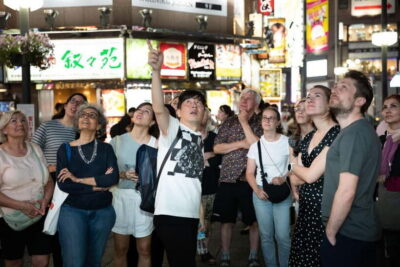 ★ 4.7Dark Side of Tokyo Shinjuku Red Light Walking TourFrom $29862 reviews
Browse the lists this tour appears in