
Daikoku at night hits different. This tour lets you chase the real-life Tokyo car-meet energy behind the stuff you’ve seen in games and movies. I love the Daikoku Parking Area stop, because it’s basically a car fan’s nighttime ritual, and I love the Rainbow Bridge skyline drive that makes the whole city feel like part of the show. One thing to keep in mind: the exact lineup and number of cars can change since meet spots are public and timing matters.
The good news is the night stays safe and respectful. You ride in clean, well-maintained vehicles chosen for comfort, and the driving is done responsibly and legally, with no street-racing nonsense. Hosts with industry experience lead the tour in English by default, and may also speak Polish, German, Italian, or Japanese depending on availability. A realistic consideration: if Daikoku Parking Area closes without notice, your route adjusts on the fly.
In This Review
- Key things you’ll notice on this Tokyo JDM car meet tour
- Tokyo JDM at night: why this tour feels different
- Price and value: what $98 really buys you
- Where you start: Dōgenzaka vs Roppongi Hills
- The road part: riding in well-maintained JDM, European, and luxury cars
- APIT Autobacs Shinonome: why the store stop matters
- Tatsumi 1st PA: the fast build-up before the main show
- Rainbow Bridge and Tokyo skyline passes: the night viewing value
- Daikoku Parking Area: the 30-year centerpiece (and what to expect)
- Backup plan nights: how rerouting keeps the evening on track
- How this tour stays legal, respectful, and actually comfortable
- Who should book this Tokyo: Daikoku JDM car meet night tour
- Should you book this Daikoku JDM Car Meet & Night Car Culture Tour?
- FAQ
- FAQ
- How long is the tour?
- Is Daikoku Parking Area guaranteed to be open?
- What stops are included in the plan?
- What languages does the guide speak?
- Is food or drinks included?
- What should I bring and what’s not allowed?
Key things you’ll notice on this Tokyo JDM car meet tour
- Daikoku Parking Area as the centerpiece: a legendary gathering spot with decades of car-culture pull
- Night driving for the views: Rainbow Bridge and Tokyo skyline passes are part of the point
- APIT Autobacs Shinonome stop: Japan’s large automotive store for tuning gear and JDM-themed finds
- Meet spots aren’t guaranteed in the same way every night: the variety is part of the experience, not a promise
- Small group size (up to 10): easier conversation, better pacing, and more time to look around
Tokyo JDM at night: why this tour feels different
Tokyo’s car culture is all about style, community, and the way people talk shop. This tour leans hard into the nighttime rhythm, when the city looks best through a windshield and when car fans are most active. It’s also built to feel authentic, not like a stunt show.
What makes it work is the pairing: you get the roads plus the stops. You’re not just jumping out for a quick photo and getting back in. You’ll spend actual time at the major meet moments, and the guide keeps the context coming while you’re moving.
If you’re a fan of Japanese car media like Tokyo Drift, Fast & Furious, Initial D, or Wangan Midnight, this is one of the more practical ways to see the places behind the mythology. Just go in with the right expectation: this is car culture, not movie drifting.
Price and value: what $98 really buys you
At $98 per person for a 4-hour tour, the value is mostly in three areas: transportation, access, and guided context. You’re paying for a small-group night drive with stops that normally aren’t easy to line up on your own—especially when you’re trying to hit the most famous car-meet areas.
The tour also includes all fees and taxes, plus the guide’s time and expertise. You get help navigating the scene in English (and other languages when available), which matters when you’re dealing with meet locations that can be busy, public, and time-sensitive.
What you don’t get is food and drinks. Also, you’re not getting hotel pickup/drop-off. So if you’re staying far from the meeting points, build extra time to get there on schedule.
Where you start: Dōgenzaka vs Roppongi Hills
You’ll meet at one of two starting options depending on what you book. One is near 2-chōme-29-8 Dōgenzaka (東叡堂ビル). The other option is Roppongi Hills, which you’ll pass by with scenic views on the way.
Because the tour is only 4 hours, timing at the start matters. You want to arrive with a little buffer so you can meet the guide, get settled, and start the night feeling calm instead of rushed.
Your night also includes drop-off at listed locations, and the route can include areas like Yokohama along the way. The exact finish can feel a bit flexible depending on how the night plays out.
The road part: riding in well-maintained JDM, European, and luxury cars
This is not a bumpy bus tour. Your transport is selected for comfort and enjoyment, and the vehicles can include JDM, European, and luxury models depending on availability and group size. Options can range from spacious vans to performance cars.
One practical detail: if you book the van option, your group may need to be split between two vans depending on party size and remaining seats. That keeps everyone from getting squeezed, but it can also mean you’ll ride with a different exact vehicle than your friends.
The ride itself stays clean and controlled. There’s no smoking in the vehicle, no alcoholic drinks in the vehicle, and no food or drinks in the vehicle. That’s part of what keeps the vibe respectful—car fans can be intense, but the tour stays orderly.
APIT Autobacs Shinonome: why the store stop matters
The stop at autobacs Shinonome is short on purpose: shopping time is listed at about 25 minutes. Still, it’s a great moment to see what Japanese car culture looks like in retail form, not just on parking-lot asphalt.
APIT Autobacs is Japan’s largest automotive store, and the idea is simple: tuning parts, JDM-themed memorabilia, and real-life builds that inspire what you saw earlier (and what you’re about to see at Daikoku).
Because food and drinks aren’t included, this is also a good checkpoint in your planning. You can snack before the tour starts, then use the store stop for souvenirs and gear—without feeling like you’re losing time at the main meet.
Tatsumi 1st PA: the fast build-up before the main show
Next comes Tatsumi 1st PA with about 15 minutes to visit. This stop is valuable because it sets the tone. You’re not jumping straight into the biggest spot; you get a warm-up beat where you can see the mix of cars and the way people gather.
It also helps you calibrate your eyes. Once you’ve seen the vibe on a smaller scale, Daikoku’s intensity makes more sense. It’s like arriving at a concert early enough to feel the crowd start to move.
In practice, 15 minutes is enough to walk around, spot standout builds, and take photos if you’re quick and respectful. Don’t plan to “study every car” here. Plan to get your bearings.
Rainbow Bridge and Tokyo skyline passes: the night viewing value
The itinerary includes multiple scenic driving moments, including Rainbow Bridge and passes around big Tokyo landmarks like Tokyo Skytree and Tokyo Tower. The point isn’t only sightseeing. It’s the contrast: you’re seeing iconic Tokyo while the car culture thread runs underneath it.
Driving over Rainbow Bridge at night works because the city lights turn the trip into more than a meetup taxi ride. You’re moving through the most recognizable parts of Tokyo, and it makes the whole tour feel like it has a story arc.
If you care about photos, these pass-by views are often the easiest wins. You don’t need to time your own route; the guide builds the drive so you hit those angles while traffic conditions cooperate.
Daikoku Parking Area: the 30-year centerpiece (and what to expect)
If your interest is JDM meets in Tokyo, Daikoku Parking Area is the reason many people book. When it’s open, it’s the crown jewel: a legendary gathering place that has drawn enthusiasts for over 30 years, with an atmosphere that feels both intense and welcoming.
You’ll have about 1 hour at Daikoku. That’s enough time to walk around, spot different generations of builds, and see how the crowd behaves in real life. It’s not a staged event, and it’s not a theme park. It’s a public parking area where car culture shows up.
The honest part: you can’t guarantee what will show up. The tour is clear about that. But that unpredictability is also why nights at Daikoku are fun for repeat visitors—each time can look different based on who arrives.
One more crucial note: Daikoku is public and may close without notice. If that happens, the host adjusts the route to protect the experience.
Backup plan nights: how rerouting keeps the evening on track
This tour is designed for reality. Meet spots can shift, access can depend on conditions, and traffic can change your timing. That’s why the itinerary includes multiple possible car-culture locations beyond Daikoku.
You might see other experience locations such as Umihotaru or Gaienmae, and the plan can vary by day of week and time of day on weekends. The goal stays the same: you still get multiple stops and a meaningful Daikoku encounter when possible.
The useful mindset: think of the schedule as a framework, not a guarantee of one exact lineup. The guide’s job is to keep you seeing great cars and great places, even if the parking-lot universe changes its mind that night.
How this tour stays legal, respectful, and actually comfortable
Car culture doesn’t have to mean reckless driving. This tour explicitly keeps things responsible and lawful. You’re not there for illegal drifting, street racing, or dangerous rev battles. The vibe is about cars, history, and community.
The other big factor is professionalism behind the wheel. The hosts are described as car enthusiasts led by an auto-industry insider with over 25 years of experience working with top brands. In practice, that matters because a night drive through Tokyo traffic needs calm decision-making.
Language support also makes the difference between seeing cars and understanding what you’re seeing. English is the default, and when available you can also get Polish, German, Italian, or Japanese. That’s especially helpful when you’re asking why a build matters or what a particular model is known for.
Who should book this Tokyo: Daikoku JDM car meet night tour
Book it if you:
- Love Japanese car culture and want the locations behind the hype
- Prefer a guided night drive over trying to chase meets solo
- Want time at the main event, not just quick photo stops
- Like talking cars with people who actually care
Skip it if you:
- Want guaranteed car lineups or guaranteed specific brands
- Need hotel pickup or expect the tour to start from your exact neighborhood
- Are traveling with children who require a booster seat without contacting the provider first
- Use a wheelchair (the tour is listed as not suitable)
Also, it’s children under 5 who won’t work for this tour, so plan accordingly if you’re traveling with family.
Should you book this Daikoku JDM Car Meet & Night Car Culture Tour?
I think it’s a strong buy if you want a night in Tokyo that’s more than sightseeing. The combination of Daikoku Parking Area, landmark skyline drives, and a real automotive store stop hits the sweet spot of car culture and practical logistics for a 4-hour window.
Your main decision factor is mindset. If you’re okay with the fact that car lineups are not guaranteed and that Daikoku can close, you’ll likely have a better night because you’ll be focused on what you can control: your time, your photos, and the stories your guide connects to the scene.
FAQ
FAQ
How long is the tour?
It runs for about 4 hours.
Is Daikoku Parking Area guaranteed to be open?
No. Daikoku Parking Area is a public rest stop and may close without notice. If that happens, the host adjusts the route.
What stops are included in the plan?
You’ll visit APIT Autobacs Shinonome, Tatsumi 1st PA, and Daikoku Parking Area (when open). You’ll also pass by scenic spots such as Rainbow Bridge, Tokyo Skytree, Haneda area, Yokohama, and Tokyo Tower. Other locations may vary by day and time.
What languages does the guide speak?
The tour is hosted in English by default. Depending on availability, guides may also speak Polish, German, Italian, and Japanese.
Is food or drinks included?
No. Food, drinks, and souvenirs are not included. Also, you can’t eat or drink inside the vehicle during the tour.
What should I bring and what’s not allowed?
Bring a passport or ID card. Smoking is not allowed in the vehicle, and you also can’t bring alcoholic drinks into the vehicle.
JDM Drift Car Experiences, compared.
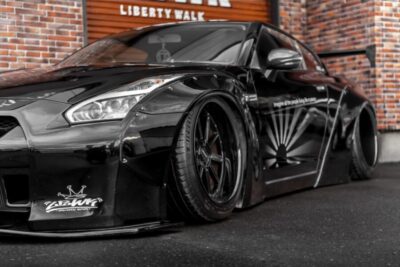 ★ 4.8GT-R35 800hp Club Membership – secret underground car meetFrom $205998 reviews
 ★ 4.8Fast & Furious Tokyo Drift 3 Experience (Kaila Yu SP)From $157947 reviews
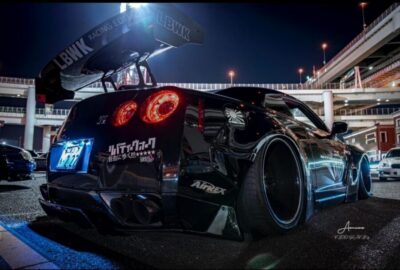 ★ 4.8Secret Car Meet: R34 Skyline Car Club MembershipFrom $236494 reviews
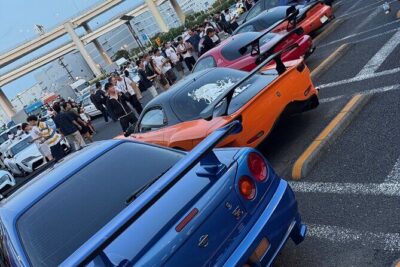 ★ 4.9EVO, WRX, Skyline – JDM Night Run to Daikoku Car MeetFrom $125478 reviews
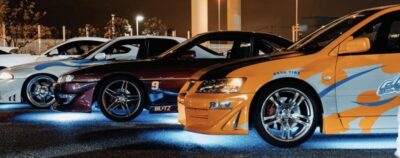 ★ 4.7Tokyo Drift: Daikoku PA Supreme Car Experience 大黒PAFrom $58372 reviews
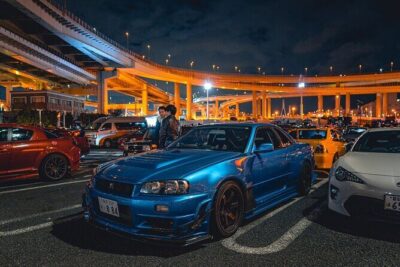 ★ 4.5Daikoku Car Club Temporary MembershipFrom $145275 reviews
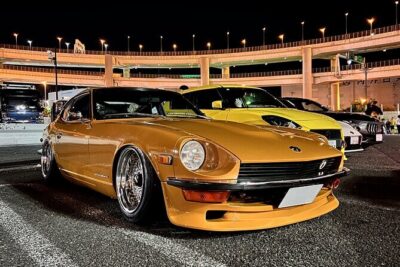 ★ 5.0Daikoku JDM Car Meet & Night Car Culture TourFrom $99232 reviews
Best Price Daikoku Parking Area JDM Car MeetFrom $76192 reviews
★ 5.0Daikoku JDM Car Meet & Night Car Culture TourFrom $99232 reviews
Best Price Daikoku Parking Area JDM Car MeetFrom $76192 reviews
Browse the lists this tour appears in