
Reviewed · CYCLING TOURS
Tokyo Bay Area: Sunset Night View 3h E-bike Guided Bike Tour
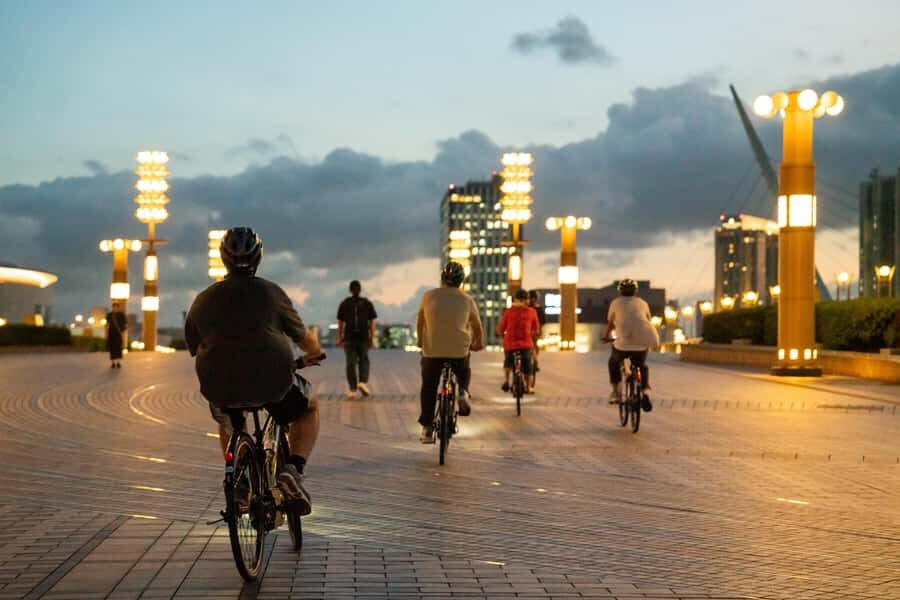
Tokyo at sunset hits different. The Tokyo Bay Area side of the city gives you a wider view than most sightseeing routes, and the e-bike makes it feel effortless getting there. I like the way the tour blends everyday Tokyo life with big landmarks, so you’re not just collecting photos—you’re moving through the city.
Two things I really like: first, the English-speaking guides who keep the ride flowing and share real context at the stops. Names you may hear include Hiro, Kosei, Miki, and FK, and their reviews are consistent about lots of photo-friendly stops and clear explanations.
One thing to think about: sunset depends on timing and weather. The AM tour can’t see sunset/night views, and even on the right tour, rain can wipe out the view or lead to a reschedule.
In This Review
- Key Highlights Worth Planning Around
- Why Tokyo Bay Sunset Looks Different From a Bicycle Seat
- Getting Set Up at Compassbike: Helmet, E-bike, and a Fast Brief
- From Fish Market Neighborhood to Shrines You’ll Actually Stop For
- Crossing Toward Odaiba: Skytree Views, Big Sight Shape, and Gundam at 19.7m
- Bridges, Breeze, and the Build-Up to Night Views
- Snack Stops: Conbini Pickups Plus a Traditional Japanese Bite
- Riding Comfort and Photo Opportunities: What the Best Guides Do
- Cost and Value: What $65 Covers (and What It Doesn’t)
- Who Should Book This 3-Hour E-bike Sunset Tour?
- Should You Book? My Practical Take
- FAQ
- Meeting time and location
- How long is the tour?
- What’s included with the e-bike?
- Are snacks included?
- Do I need to bring drinks?
- Can I see sunset and night views on an AM tour?
- What if the weather is bad?
- Is the tour okay for kids?
- Are there height and weight limits?
- What if I’m late for the start?
- Is alcohol allowed?
Key Highlights Worth Planning Around
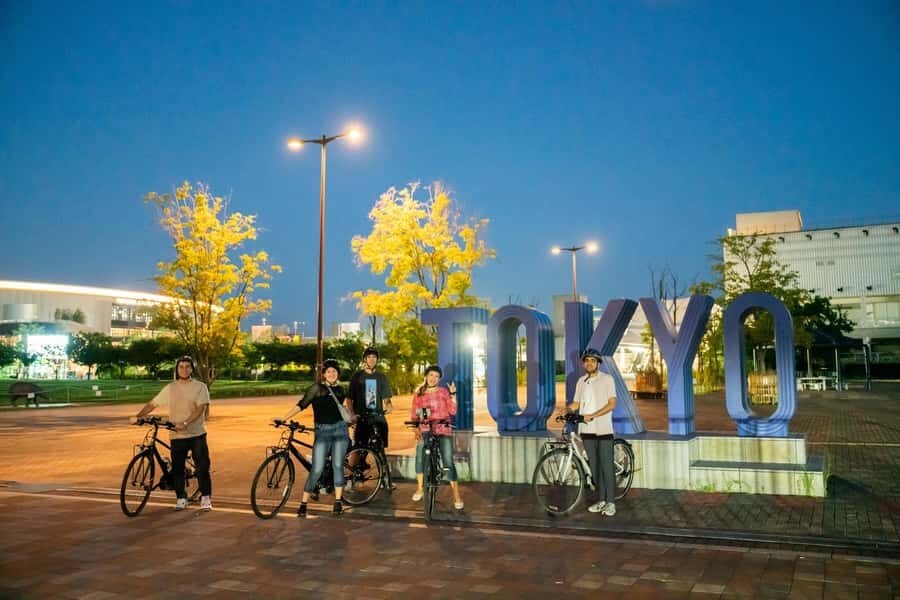
- Sunset and night viewing from the Tokyo Bay side instead of central Tokyo streets
- Easy-to-ride e-bikes that let you cover more ground than walking
- Shrine and temple stops that you’re unlikely to stumble on alone
- Odaiba landmark lineup including Skytree views and a Gundam statue (19.7m)
- Snack breaks, including a traditional Japanese snack and a conbini stop for quick bites
- Photo stops built into the route, not just a straight ride from A to B
More of Tokyo by bike
- Tokyo Guided Small-Group Biking Tour★ 5.0 · 1,250 reviews
- Tokyo Great Cycling Tour★ 5.0 · 811 reviews
- Tokyo Top Highlights 3h Guided E-bike Tour★ 5.0 · 714 reviews
Why Tokyo Bay Sunset Looks Different From a Bicycle Seat
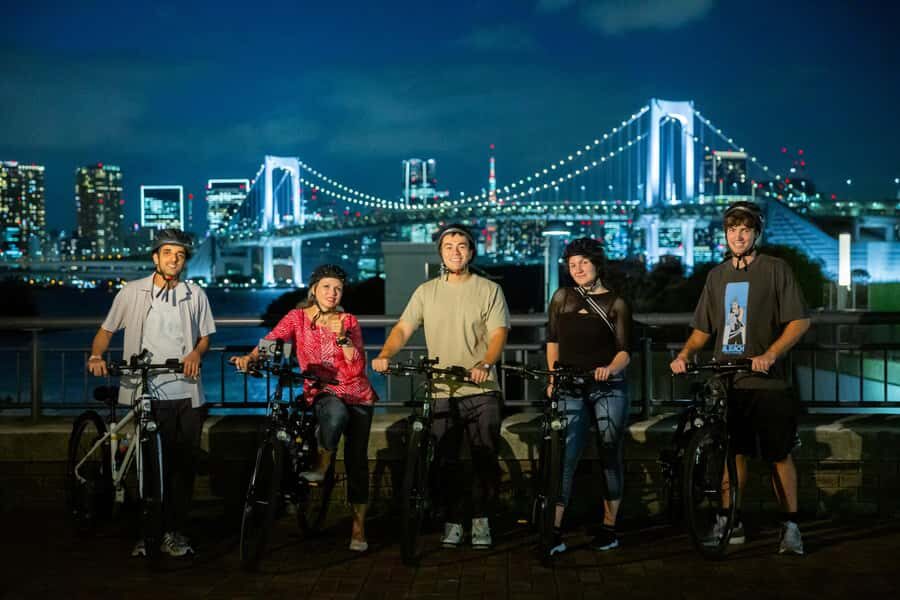
This tour is built around one simple idea: see Tokyo’s change of mood from the water side. Central Tokyo can be bright and busy at night, but the bay area gives you a cleaner sense of distance—like the city is laid out in layers.
I also like that you start on the more local side of Tokyo before you reach the glossy “wow” zones. You’ll begin near the fish market neighborhood, then transition toward the modern development areas. That contrast is what makes the sunset feel earned, not automatic.
And yes, the e-bike matters. Bridges and longer stretches are much easier when the bike assists, so your energy goes into enjoying the views instead of grinding your legs the whole time.
Getting Set Up at Compassbike: Helmet, E-bike, and a Fast Brief
You meet at an e-bike shop called Compassbike, and you should arrive 15 minutes early for briefing. The tour ends back at the meeting point, so you’re not worrying about transfers or where to park later.
Before you roll, you’ll get the basic riding setup: an e-bike, a helmet, and luggage storage (plus a knapsack if you need one). In cooler seasons, gloves are included, which is a small detail that can make a big difference once you’re heading toward evening.
This is also a group tour, so the pace is set for the group. That’s why being on time matters—if you’re late, you can’t join partway through the route.
From Fish Market Neighborhood to Shrines You’ll Actually Stop For
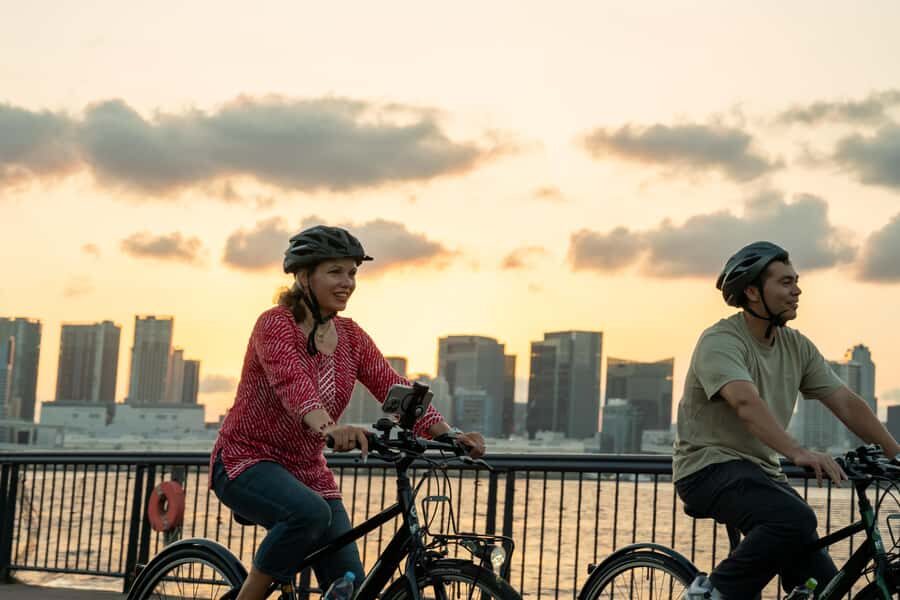
The route starts near a Tokyo fish market neighborhood, and that early segment is where you get the “daily life” Tokyo vibe. Instead of only passing through tourist-only streets, you’re riding through areas where people live, work, and move like it’s any other day.
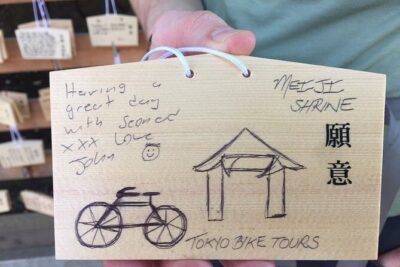
You’ll stop for a shrine and temple visit, and the key point is that these are stops you may not find on your own. Even if you’ve been to Tokyo before, having a guide decide where to stop takes the pressure off. You get a short, meaningful pause instead of a quick photo from the sidewalk.
A guide also helps you connect the dots. The tour is designed so you understand the background and why the place matters, not just what you’re looking at. If you like history that feels usable rather than lecture-style, this part hits that sweet spot.
Crossing Toward Odaiba: Skytree Views, Big Sight Shape, and Gundam at 19.7m
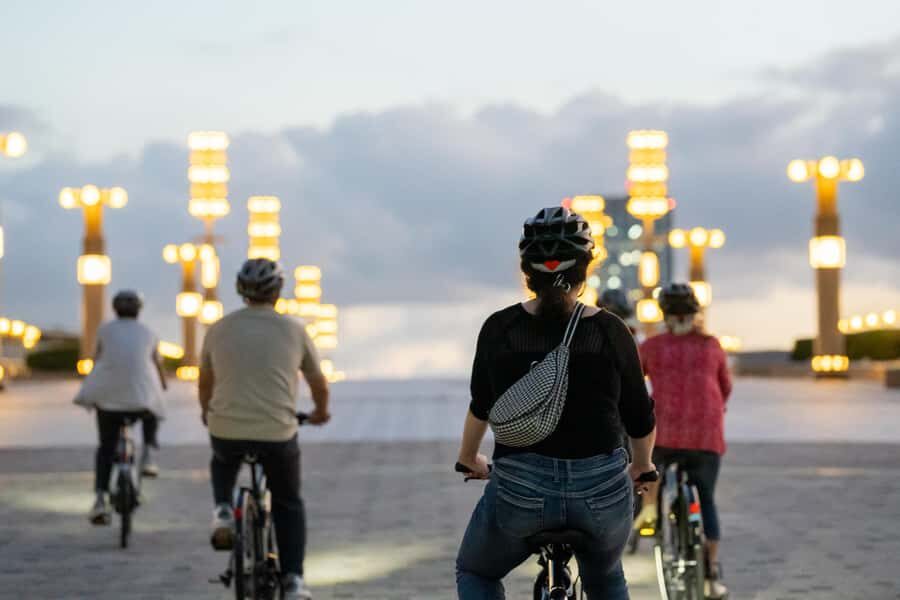
After the local-side stops, you head toward the Tokyo Bay Area, especially the Odaiba development zone. This is the part where Tokyo turns futuristic and photogenic fast.
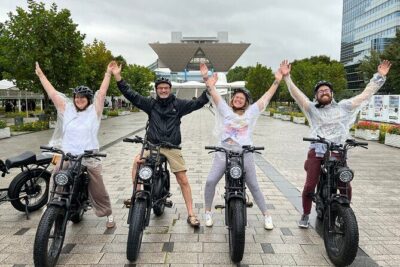
As you ride through the area, you’ll pass iconic landmarks and viewpoints, including Tokyo Skytree (not as a close-up climb, but as a skyline moment you can frame from the bay side). You’ll also see Japan’s biggest exhibition hall in its distinctive shape—often the kind of structure you recognize instantly once you’re looking at it.
One of the most memorable sights is the Gundam statue, listed at 19.7m high. It’s the kind of landmark that turns heads even if you’re not a hardcore anime fan. On an e-bike route, you’re not stuck staring from far away—you can position yourself better for photos as the guide manages the timing and stop points.
Odaiba is built on reclaimed land, and that translates into practical riding: wide, flat stretches and smoother roads. That matters because you want the sunset to be the highlight—not the part where you’re fighting the terrain.
More days made easy by a guide

Bridges, Breeze, and the Build-Up to Night Views
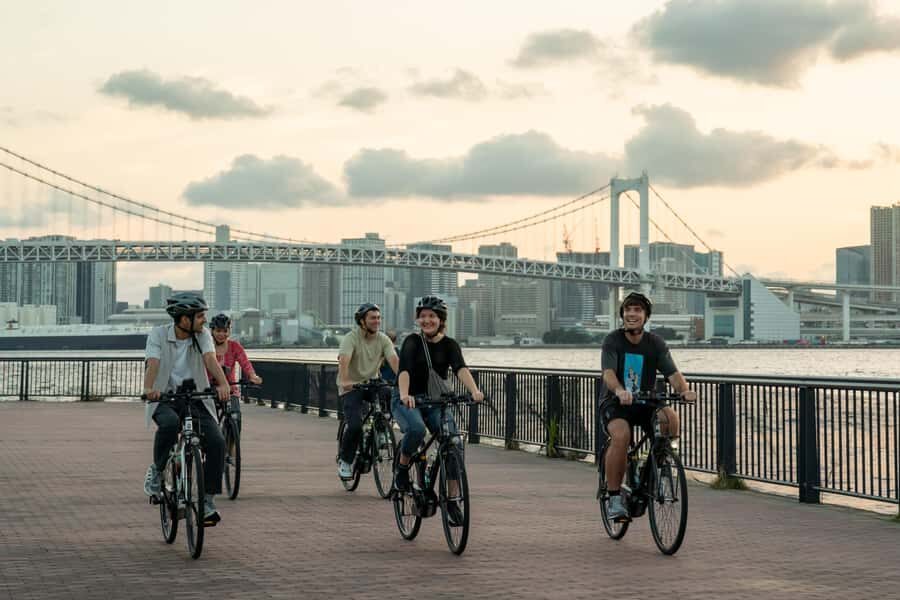
You’ll cycle through several bridges on the way along the bay corridor. Bridges can sound stressful, but the e-bike assist keeps it comfortable. Practically, you’ll feel the breeze more than you feel the effort, which is exactly what you want when your goal is a sunset-to-night progression.
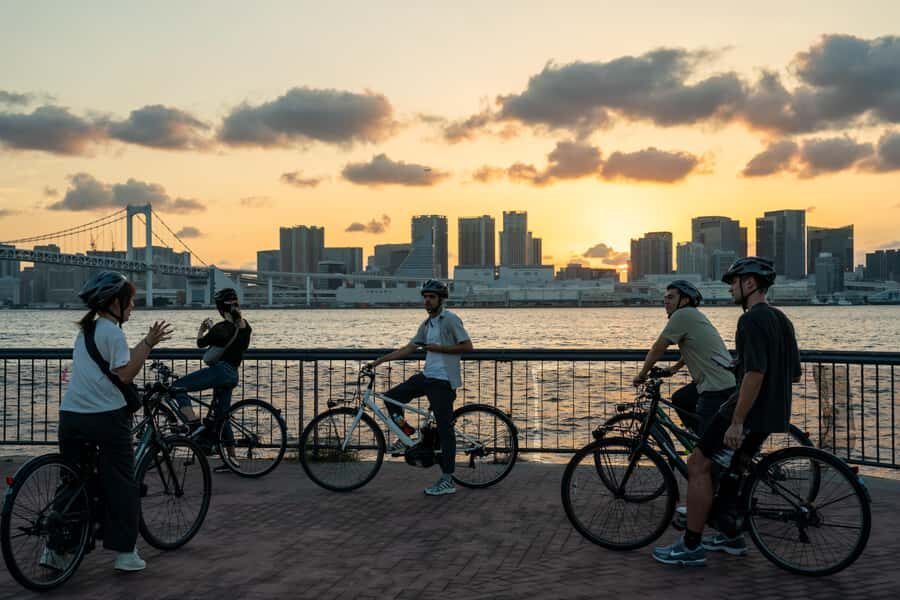
The timing is the payoff. As the excitement of the ride builds, you reach the main scenic viewing area where the sunset and night view wait. This is one of those moments where the city looks different from the “other side,” and the bay perspective gives you a broader stage for lights to come alive.
One caution: weather can change everything. The tour notes that you may not be able to see the sunset depending on conditions. Still, even on a less perfect evening, being on the right side of Tokyo at the right time is usually worth it.
Snack Stops: Conbini Pickups Plus a Traditional Japanese Bite
Food on a short tour should be simple, and this one keeps it that way. You get a traditional Japanese snack included, and there’s also a stop at a conbini (convenience store) where your guide helps you pick quick bites.
I like the conbini angle because it’s practical and local. You’re not stuck at a sit-down restaurant with a long delay, and you can choose something you actually want to eat. Depending on what you’re into, you might discover a snack you’ve never tried before.
Do bring drinks if you want them, since the tour instructions specifically call out bringing drinks. This is especially smart in warmer months or if you’re the type who gets thirsty while riding.
Riding Comfort and Photo Opportunities: What the Best Guides Do

The big advantage of a guided e-bike tour is that you’re not guessing where to stop. The guide handles the route, pacing, and the moments that are actually worth your camera time.
In the reviews, guides like Hiro and Kosei are praised for professionalism and for taking people to the best spots for photos. Miki and FK also get strong mentions for being friendly and cooperative, with guidance that feels clear and detailed.
The tour format also gives you time for those little “look up for a second” moments. On a bicycle route, you naturally slow down at viewpoints, and a good guide times it so you can get shots before the light changes.
One more practical detail: you’re required to finish the course and the e-bikes may not be dropped off anywhere except the predetermined drop-off point. That’s normal for guided tours, but it means you should treat the ride like one planned experience, not a DIY route.
Cost and Value: What $65 Covers (and What It Doesn’t)
At $65 per person, you’re paying for a few things that would cost more if you tried to piece them together: the e-bike rental, the guide, helmet, and snack elements (including the traditional Japanese snack and the conbini stop). For a 3-hour experience that moves you through multiple areas, the price is fairly sensible.
What you’re not getting is a long, sit-down meal. This is more of a “small bites while you ride” style of tour, so if you want a full dinner plan, you’ll likely eat after.
Also, this tour isn’t trying to be the cheapest way to see Tokyo. It’s paying for access to a comfortable riding method, plus someone steering you through the best timing for sunset and night views. If that’s your priority, the value makes sense.
Who Should Book This 3-Hour E-bike Sunset Tour?
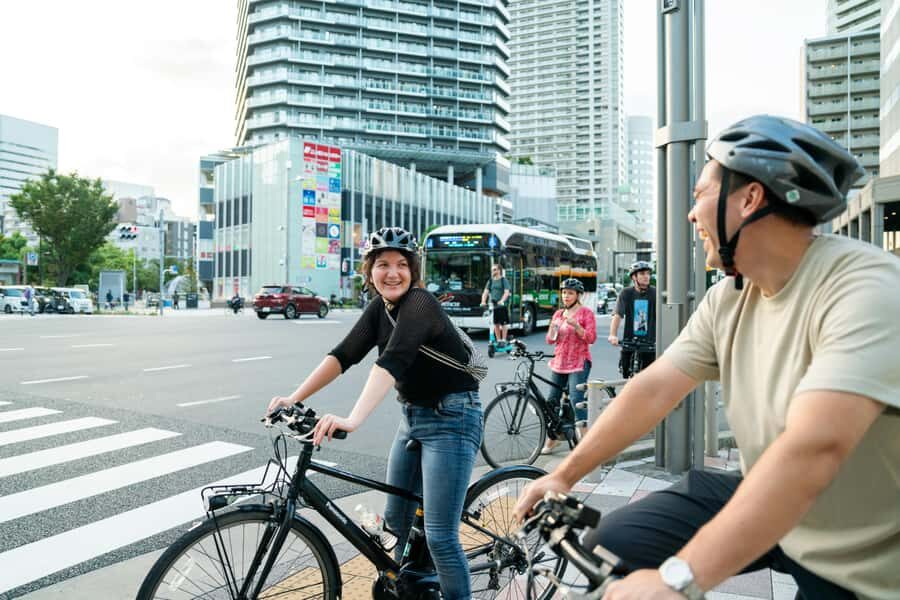
This tour fits best if you want a mix of local Tokyo + major bay landmarks, without spending your whole evening walking. It’s also a good choice if you’re comfortable riding a bicycle but don’t want the workout part to take over.
It’s not for everyone, and the restrictions are clear:
- Children under 13 are not permitted (and the tour also notes not suitable for children under 12)
- Not suitable under 147cm height
- Not suitable over 120kg (264 lbs)
- Not suitable for pregnant women, people with heart problems, or wheelchair users
- Alcohol and drugs are not allowed
If you’re traveling as a couple, solo, or with friends who want a shared plan, it’s a fun way to see Tokyo’s shift from day to night. If you’re worried about weather, you should plan with flexibility, because sunset visibility can depend on conditions.
Should You Book? My Practical Take
I’d book this if you care about two things: getting to the bay-area sunset with less effort and having a guide help you find meaningful stops along the way. The combination of e-bike comfort, local shrine/temple moments, and the Odaiba skyline lineup is a smart use of a short evening.
Skip it if you’re coming mainly for indoor attractions, or if you’re set on an exact sunset regardless of weather. Also, if you’re sensitive to group timing and being on time matters a lot for you, choose a tour that matches your schedule.
If you’re ready for a 3-hour ride that ends with a real night-view payoff, this one is a solid pick.
FAQ
Meeting time and location
You meet at the e-bike shop called Compassbike and should arrive 15 minutes before the tour start time for the briefing. The tour ends back at the same meeting point.
How long is the tour?
The experience runs for about 3 hours.
What’s included with the e-bike?
The tour includes an e-bike rental, a guide, a helmet, and luggage storage. A knapsack is provided if you need it.
Are snacks included?
Yes. You’ll receive a traditional Japanese snack, and you’ll also stop at a conbini for quick snacks chosen with your guide.
Do I need to bring drinks?
Yes. The tour notes that you should bring drinks.
Can I see sunset and night views on an AM tour?
No. The AM tour cannot see sunset/night views.
What if the weather is bad?
If the tour can’t be held due to rain or other reasons, you’ll be notified by email the day before. You can choose a full refund or a reschedule.
Is the tour okay for kids?
Children under 13 are not permitted. The tour also states it’s not suitable for children under 12.
Are there height and weight limits?
Yes. It’s not suitable for participants under 147cm in height and not suitable for participants over 120kg (264 lbs).
What if I’m late for the start?
Because it’s a group tour, if you’re late you can’t join mid-way. If you’re running late, plan to arrive early since the briefing happens 15 minutes before.
Is alcohol allowed?
No. Alcohol and drugs are not allowed on the tour.
Tokyo on Two Wheels
More Tours in Tokyo




More Tour Reviews in Tokyo




Fresh reviews from around Tokyo






Cycling Tours, compared.
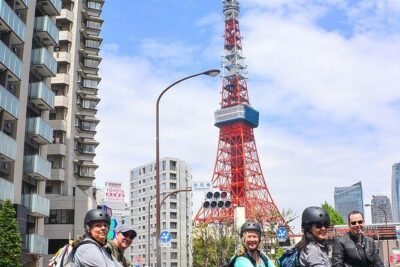 ★ 5.0Tokyo Guided Small-Group Biking TourFrom $1061,250 reviews
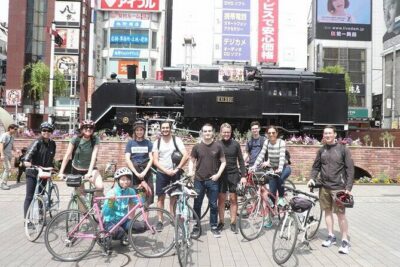 ★ 5.0Tokyo Great Cycling TourFrom $99811 reviews
 ★ 5.0Tokyo Top Highlights 3h Guided E-bike TourFrom $63714 reviews
3-Hour Bike or E-Bike City Highlights TourFrom $45435 reviews
★ 5.0Tokyo Top Highlights 3h Guided E-bike TourFrom $63714 reviews
3-Hour Bike or E-Bike City Highlights TourFrom $45435 reviews
 ★ 5.0Tokyo West-Side Cycling & Food TourFrom $99214 reviews
 ★ 5.03-Hour Bike/E-Bike Tour of the City’s HighlightsFrom $63209 reviews
 ★ 5.0Small Group Cycling Tour in TokyoFrom $66184 reviews
 ★ 5.03-Hour Tokyo Private E-Bike Tour Starting from Your HotelFrom $145117 reviews
Browse the lists this tour appears in