
Reviewed · FOOD & DRINK
Tokyo West-Side Cycling & Food Tour
Tokyo looks different from a bike.
This tour takes you through the west-side neighborhoods most first-timers skip, riding on salvaged mamachari bicycles and stopping for snacks and a local-style lunch. You pedal twisting back streets, glide along the Zenpukuji River, and get little windows into everyday life rather than a checklist of monuments.
I especially like the small-group size (max 8), which keeps things relaxed and lets guide Andy handle questions as you go. I also really enjoy the way the food is built into the day, with included street bites plus a meal, not just a quick taste—so you actually get a feel for how people eat and socialize in places like Nakano, Koenji, and Asagaya.
The one real drawback to plan for: you need competent urban bike skills. The route runs about 12–15 km on narrower, busier streets and uneven surfaces, so if you are not comfortable riding in a city, this may be stressful. Food can also be tricky if you have allergies or strict dietary needs, since you’re eating at typical local spots and Japanese cuisine often includes meat/seafood and dashi.
In This Review
- Key things that make this tour worth it
- West Tokyo is where Tokyo feels human
- The mamachari bike setup: simple, practical, and very Tokyo
- Where you ride: Koenji, Nakano, Asagaya, and the Zenpukuji River
- Street food snacks: why this matters more than you think
- Lunch: a Japanese-style meal, not a special-occasion show
- How hard is it, really? Distance, streets, and pacing
- Guide Andy: local stories that make the neighborhoods click
- Price and value: $99.49 for bikes plus food plus local context
- Practical tips so you enjoy the ride more
- Weather and comfort: rain doesn’t automatically cancel the day
- Should you book this West Tokyo Cycling & Food Tour?
- FAQ
- How long is the Tokyo West-Side Cycling & Food Tour?
- How far will we ride?
- What bike will I ride?
- Are helmets provided?
- Where does the tour start?
- Do I need to be an experienced cyclist?
- What food is included, and can you handle dietary needs?
- What happens if it rains?
- What is the cancellation policy?
Key things that make this tour worth it
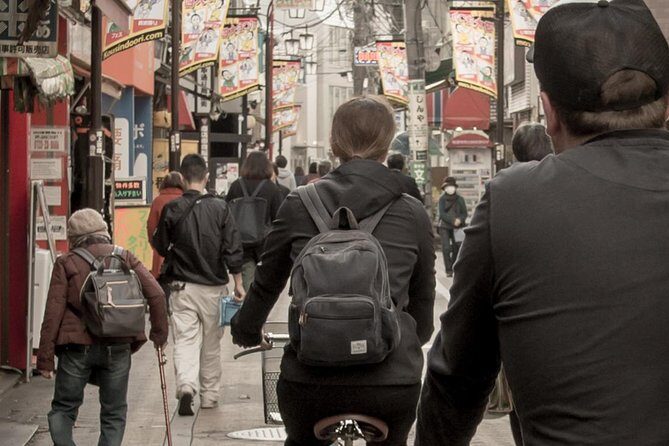
- Mamachari bikes with baskets: Japanese-sized bikes with front baskets that fit a standard backpack.
- West Tokyo neighborhoods: Nakano, Koenji, and Asagaya—areas that feel local rather than postcard Tokyo.
- Street-food sampling plus lunch: Included snacks and a Japanese-style meal, not just one stop.
- Bike parking know-how: You learn how Tokyo handles bicycle parking, including the practical, real-world ways people do it.
- Guide-led street culture: Andy shares everyday observations on work, housing, schooling, religion, and daily life.
Other plates worth crossing Tokyo for
- Tokyo: Shinjuku Food Tour (13 Dishes at 4 Local Eateries)★ 5.0 · 6,603 reviews
- Tokyo Tsukiji Fish Market Food and Culture Walking Tour★ 5.0 · 3,184 reviews
- Tokyo: Shinjuku Food Tour (15 Dishes and 4 Eateries)★ 4.9 · 2,033 reviews
West Tokyo is where Tokyo feels human
If Tokyo is a big stage for you, this tour changes the lighting. Instead of bouncing between major sights, you spend a few hours in the older, lived-in neighborhoods of Koenji, Nakano, and Asagaya—the parts of the city where the streets look like they belong to residents, not busloads.
The route is designed to move you away from the tourist crowds while still keeping the experience easy to follow. You’re not doing a marathon. You’re doing a city bike ride with stops that make sense: snack, learn, ride, snack, lunch, then head back.
One pattern shows up again and again in the feedback: people love that it feels like a guided walk-and-food day, except you get there on two wheels. When the day includes food and conversation, the streets stop being intimidating and start being interesting.
The mamachari bike setup: simple, practical, and very Tokyo
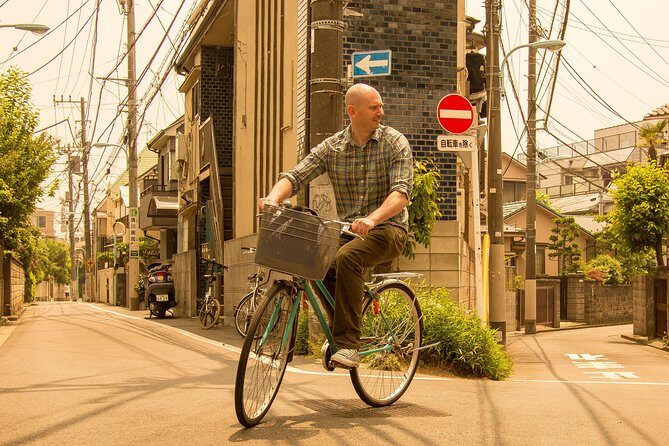
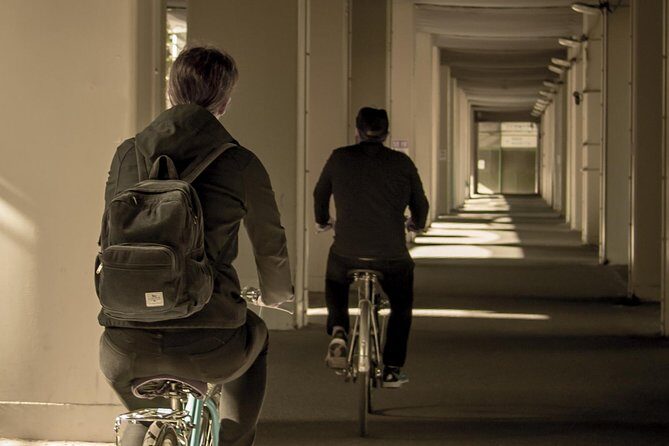
You’ll ride a salvaged mamachari bicycle, the common type of commuter bike you see everywhere in Japan. The bikes are “Japanese-sized,” and they come with a front basket that can hold a standard backpack—handy for phones, water, and whatever snack you manage to buy on the side later.
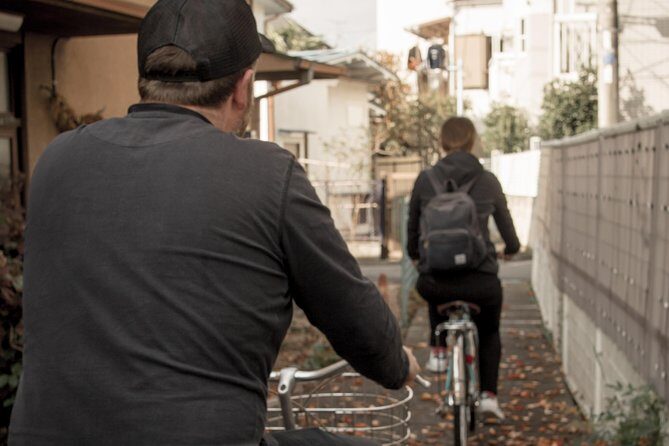
Expect an urban bike feel: narrow lanes, frequent turns, and stops where you’re learning how to fit into traffic and bicycle flow. The bikes aren’t trying to be fancy mountain machines. They’re meant for regular street cycling, and that is exactly the point.
Helmets can be provided on request, and you should plan to wear one if you’re at all unsure. Also note the height guideline: you should be over 140 cm to ride comfortably. If you are under that, your ride comfort will likely suffer even if you can physically climb onto the bike.
A small but useful detail: the tour is designed so most people can participate, but only if you’re truly comfortable riding in a city. This is not a closed track.
Where you ride: Koenji, Nakano, Asagaya, and the Zenpukuji River
The day is set up as an all-in-one cycling and walking neighborhood experience. The cycling portion links the areas, while walking gives you time to see small street details you’d never notice at speed.
Here’s what you can look forward to in terms of scenery and neighborhood texture:
- Koenji area: Think everyday streets, local rhythm, and small stops where the guide can explain what you’re actually seeing.
- Nakano and Asagaya pockets: You’ll spend time in neighborhoods that don’t feel curated. That’s where the culture shows up in small practical ways—signs, storefronts, the way people move through their blocks.
- Zenpukuji River ride: Riverside bike paths bring a break from street intensity. It’s one of the moments that helps the day feel like more than just traffic and turns.
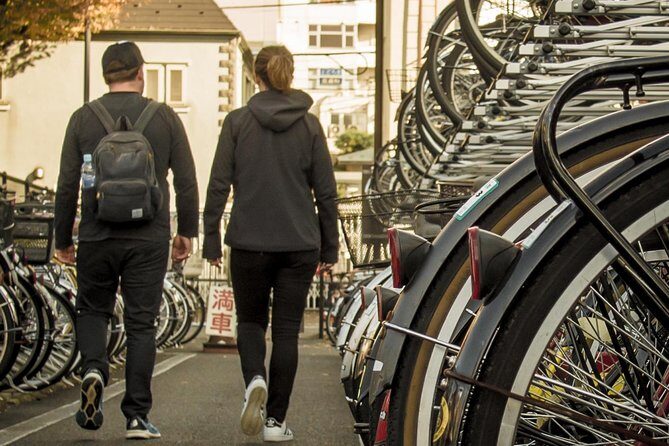
The route also includes a chance to learn the practical side of city living—like bicycle parking. One review highlighted a bike-parking moment as memorable, and that checks out with the tour’s focus on how everyday systems work in Tokyo. You’ll see how bikes are stored and how cyclists handle space and order in tight spots.
Street food snacks: why this matters more than you think
Many Tokyo food tours stop at places that feel like they’re selling to tourists. This one is structured more like a locals’ tasting route: a tailored selection of street food snacks and small bites, timed so you’re never just hungry-you’re-curious.
You’ll also get the social context around eating. In Japan, meals aren’t only about flavor; they’re also about routine, and sometimes seating or counter space can feel like a mini choreography. The tour description even points to the idea of sharing space with busy people—one of those very Tokyo moments that makes the day feel real.
What you can expect from the flavor profile: Japanese cuisine often uses dashi as a base ingredient, and typical local menus may include meat and seafood. The tour does not promise special accommodation for every taste or allergy, so if your dietary needs are strict, you’ll want to plan carefully and communicate clearly in advance.
One review specifically mentioned noodles and snack stops, which fits the general pattern of included tastings. So if you like comforting, satisfying Japanese street-style food, you’ll probably feel like you got your money’s worth in the easiest way possible: you ate a lot, not just sampled.
Worth weighing up alongside this Tokyo pick:


Lunch: a Japanese-style meal, not a special-occasion show
Lunch is included and described as Japanese-style. This matters because the tour explicitly avoids “fine dining” style stops. Instead, you eat in a more typical local setting that matches the goal of showing how residents live.
That also means the lunch is part of the immersion. You’re not waiting for a dramatic curtain call at a high-end restaurant. You’re experiencing how the day-to-day breaks happen: eating, watching the neighborhood, and continuing the conversation while the guide ties what you’re seeing to culture and daily life.
Timing-wise, the lunch is built in so you don’t feel like you’re just chewing between bike sprints. Still, remember the group pace affects the finish time. The tour notes a rough window of about 3.5 to 4 hours, so build your schedule around that buffer rather than expecting a perfect minute-by-minute return.
How hard is it, really? Distance, streets, and pacing
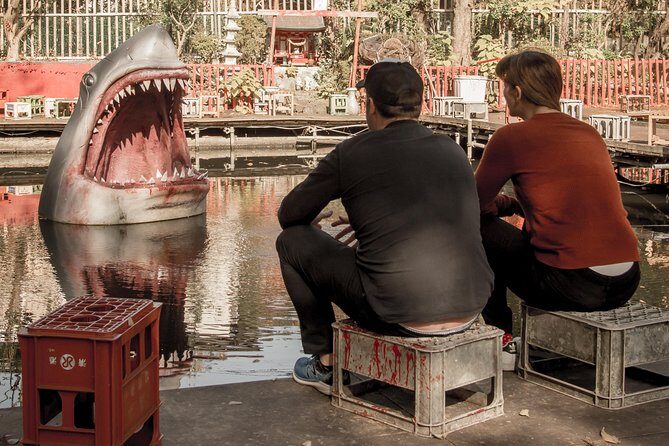
Let’s be honest: the main consideration isn’t the distance on paper—it’s the urban riding environment. You’ll cover about 12–15 km (7.5–9.5 mi) total, and you should be comfortable riding on narrow, potentially crowded streets and uneven surfaces.
That said, several reviews point out that the route often feels manageable and even mainly flat. I’d treat that as a good sign, not a guarantee. Urban conditions can vary depending on the exact streets used that day and the way the group moves.
The tour pacing is designed around stops. You ride, stop for snacks, ride again, then pause for lunch and a walk portion. That pacing is one reason small-group tours like this work: you’re not locked into constant motion.
Also important: because group size is limited to 8 travelers, the guide can keep things organized. You still need to follow instructions and stay aware, but the experience feels controlled rather than chaotic.
If you’re a cautious rider, you’ll probably appreciate how the guide leads. Multiple reviews mention safety and confidence-building, which is what you want from someone steering you through real streets.
Guide Andy: local stories that make the neighborhoods click
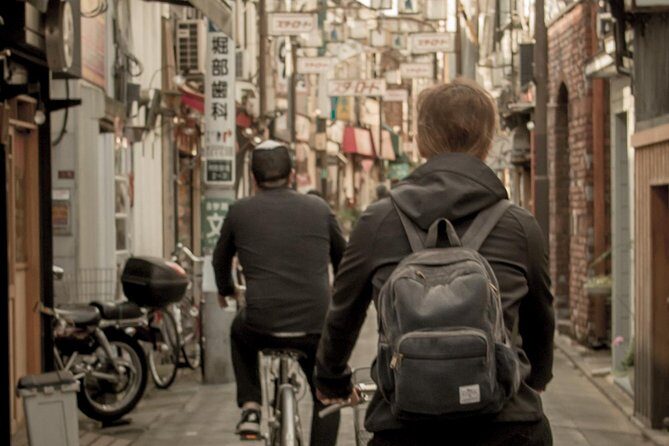
The guide is the difference between seeing a map and understanding a neighborhood. Andy comes through clearly in the reviews: friendly, energetic, and able to answer questions without making you feel rushed.
What I like about this kind of guiding is that it’s not only history facts. Andy connects small street details to everyday life: housing choices, schooling, religion, and the work rhythm that shapes the city’s layout and behavior.
That is why people call this a top Tokyo experience even if they’ve done other tours. It’s not because the route is famous. It’s because the guide gives you language for what you’re looking at.
And the Q&A vibe matters. You’ll likely ask practical questions—how bicycle parking works, why certain areas feel the way they do, what’s normal versus touristy—and the guide can respond in a grounded way because the perspective is local. That kind of back-and-forth makes the day stick in your memory.
Price and value: $99.49 for bikes plus food plus local context
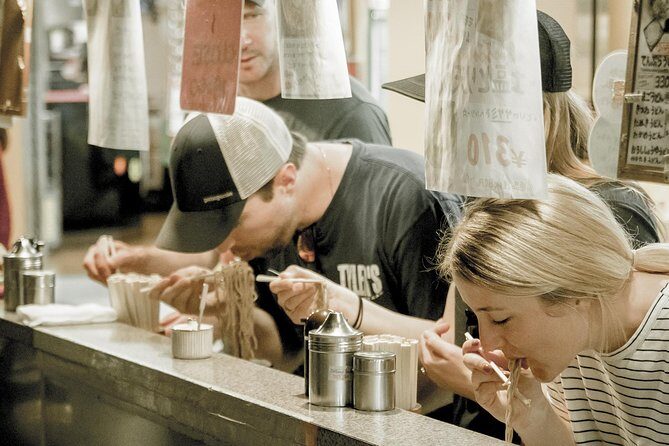
At about $99.49 per person, this tour isn’t “cheap,” but it also isn’t trying to compete with bargain city walks. You’re paying for three things that usually cost extra on separate tickets:
- Guided cycling and route planning through specific west-side neighborhoods
- Included street snacks and an included Japanese-style lunch
- A guide who explains how the city functions in day-to-day terms
When a tour includes food and a proper activity (not just a stroll), the value improves fast—especially in a city like Tokyo, where convenience alone can add up.
A lot of the feedback praises that it feels like strong value for the time. I agree with the logic: a 3.5-hour outing on a bike, with snacks and lunch included, is a full experience—not a quick add-on.
Practical tips so you enjoy the ride more
A bike tour in Tokyo is great when you come prepared. Based on the tour details, here are smart moves:
- Wear shoes you can pedal in comfortably. You’ll be on city surfaces and doing some walking too.
- Bring a small layer. Weather can change quickly, and you’ll be outside for the full outing.
- Think about food and allergies early. The tour warns it can be difficult to cater to specific dietary needs, since the meals happen at typical local eateries. If you have limits, plan around that reality.
- If you want a stress-free day, practice basic bike control before you arrive. Even if you ride at home, urban Tokyo is its own thing—tight turns, traffic flow, and crowds.
Also, keep expectations aligned. The tour is not built around “major sightseeing.” If you want iconic landmarks and big photos every 20 minutes, this may not match your style.
Weather and comfort: rain doesn’t automatically cancel the day
This is described as an all-season, all-weather neighborhood jaunt. If it rains, you’ll get basic ponchos and the tour generally proceeds as planned.
That means you should be comfortable doing outside activity in less-than-perfect conditions. Rain also makes urban cycling slower and more careful, so bring a mindset that the goal is the experience, not perfect weather.
If poor weather forces cancellation, the data says you’ll be offered a different date or a full refund. That’s worth knowing if your schedule is tight.
Should you book this West Tokyo Cycling & Food Tour?
Book it if you want Tokyo that feels lived-in. If your trip is already packed with Shibuya and Shinjuku and you want a different side of the city—quiet streets, real neighborhoods, and food that’s part of the story—this tour makes a strong first impression.
Skip it if you hate bikes, aren’t comfortable riding in crowded city streets, or need very specific dietary accommodations. The tour expects you to ride competently in an urban environment, and food is built around local eateries where customization isn’t guaranteed.
If you’re the type of traveler who likes learning how daily life works—how people move, park bikes, and eat in normal routines—then this is one of the best ways to spend half a day in Tokyo.
FAQ
How long is the Tokyo West-Side Cycling & Food Tour?
It runs about 3 hours 30 minutes, roughly 3.5 to 4 hours in practice depending on the group’s pace, eating speed, and cycling speed.
How far will we ride?
You’ll cycle about 12 to 15 km (7.5 to 9.5 mi), plus some walking as part of the experience.
What bike will I ride?
You ride a salvaged mamachari bicycle. These are Japanese-sized and include a front basket that can hold a standard backpack.
Are helmets provided?
Helmets can be provided for all participants on request.
Where does the tour start?
The tour starts at Kōenji Station, 4-chōme-48-2 Kōenjiminami, Suginami City, Tokyo 166-0003, Japan. The tour ends back at the meeting point.
Do I need to be an experienced cyclist?
You should be competent riding a bicycle in an urban environment through narrow, potentially crowded streets and uneven surfaces.
What food is included, and can you handle dietary needs?
The tour includes street food snacks and a Japanese-style lunch. Japanese cuisine often includes meat and seafood and a common ingredient is dashi, and it can be difficult to cater to personal tastes, dietary requirements, and food allergies because typical local eateries are used.
What happens if it rains?
If it rains, basic ponchos are provided and the cycling tour generally proceeds as planned. If the experience is canceled due to poor weather, you’ll be offered a different date or a full refund.
What is the cancellation policy?
You can cancel for free up to 24 hours before the experience starts for a full refund. If you cancel less than 24 hours before, the amount paid is not refunded. Any changes inside 24 hours of the start time aren’t accepted.
Eat Your Way Round Tokyo

More Tours in Tokyo



More Tour Reviews in Tokyo




Fresh reviews from around Tokyo






Food & Drink, compared.
 ★ 5.0Shinjuku Food Tour (13 Dishes at 4 Local Eateries)From $866,603 reviews
 ★ 5.0Tokyo Tsukiji Fish Market Food and Culture Walking TourFrom $993,184 reviews
 ★ 4.9Shinjuku Food Tour (15 Dishes and 4 Eateries)From $852,033 reviews
 ★ 5.0Tsukiji Fish Market Food and Walking tourFrom $301,724 reviews
 ★ 5.0Eat and Drink Like a Local: Tokyo Ueno Food Tour-Taverns&RamenFrom $95957 reviews
 ★ 5.0Shibuya Food Tour (13 dishes and 4 Eateries)From $77770 reviews
★ 4.7Tsukiji Fish Market Food and Culture Walking TourFrom $96757 reviews
★ 5.0Shibuya Food Tour (13 dishes and 4 Eateries)From $77770 reviews
★ 4.7Tsukiji Fish Market Food and Culture Walking TourFrom $96757 reviews
 ★ 5.0Tsukiji Fish Market: Street Food & Culture Walking TourFrom $33669 reviews
Browse the lists this tour appears in