
Reviewed · CYCLING TOURS
Tokyo Top Highlights 3h Guided E-bike Tour
You can cover a lot of Tokyo fast. This small-group 3–4 hour e-bike tour strings together famous sights and lesser-seen corners, without the sweat of walking or the distance of a bus. You’ll start in Tsukiji, follow one of three circular routes, then roll back to where you began.
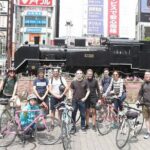
I love the hands-on pace. With a maximum of 6 travelers, you get time to process what you’re seeing, plus regular stop-and-look moments at shrines, gardens, and big landmarks.
Two things I especially like: you get a guided route built around iconic stops (Tokyo Station, Zojo-ji, Tokyo Bay views), and the ride includes an included Japanese snack so you’re not stuck hunting for food mid-tour. One thing to watch: you’re still biking in real Tokyo traffic, so you’ll want to stay alert and follow your guide’s rules at intersections.
In This Review
- Key things to know before you pedal
- A Quick E-bike Intro from Tsukiji
- Three circular routes: City, Bay, and Tokyo Tower
- E-bike setup: helmet, winter gloves, and luggage comfort
- Tokyo City Route: Tokyo Station, garden quiet, and Fukagawa shrines
- Stop 1: Tokyo Station (free admission)
- Stop 2: Ningyo-cho Street (traditional sweets)
- Stop 3: Kiyosumi Teien garden (included admission)
- Stop 4: Tomioka Hachimangu (free admission)
- The rhythm of the City Route
- Tokyo Bay Route at sunset: Sumiyoshi to Odaiba’s big sights
- Stop 5: Sumiyoshi Shrine (free admission)
- Stop 6: Tsukuda Tendai Jizoson (free admission)
- Pass-by moments: Skytree and modern art
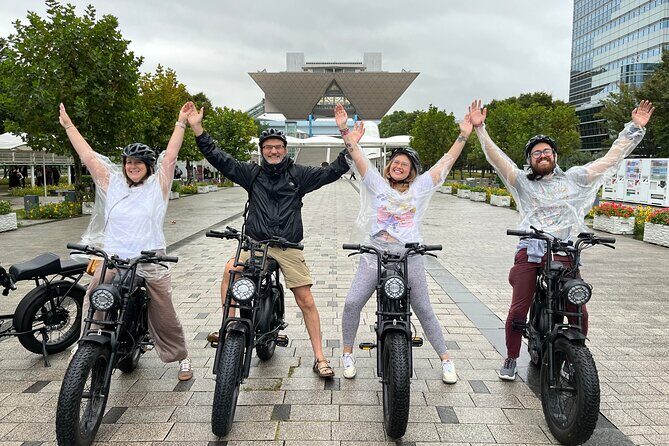
- Stop 9: Tokyo Big Sight (free admission)
- Stop 10: Aqua City Odaiba snack break (30 minutes)
- Stop 11: The Gundam Base Tokyo (free admission)
- Tokyo Tower Route: Zojo-ji, Atago Hill, Parliament, and Hibiya Park
- Stop 12: Zojo-ji Temple (free admission)
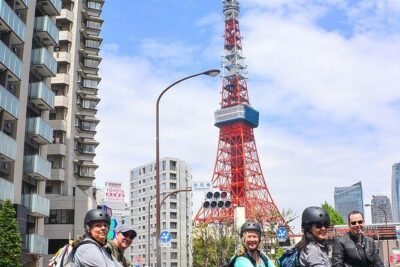
- Pass-by: Tokyo Tower and the skyline feeling
- Stop 13: Atago Shrine with e-bike assistance
- Stop 14: National Diet Building and a snack in Hibiya Park area
- Stop 15: Hibiya Park (free admission)
- Timing tips: when 3 to 4 hours feels long (or just right)
- Small-group pace and the guide’s role on real streets
- Price and value: what $63.67 buys you in Tokyo
- Weather and rain: your plan B should be part of your decision
- Who should book this e-bike tour?
- Should you book Tokyo Top Highlights 3h Guided E-bike Tour?
- FAQ
- How long is the Tokyo Top Highlights e-bike tour?
- Where does the tour start and end?
- What routes are available?
- What’s included with the tour?
- Who can participate?
- What happens if it rains on the tour day?
Key things to know before you pedal

- Three circular routes keep you from worrying about how to get home after the tour ends
- Small group of up to 6 means fewer bottlenecks and a more personal flow
- Included snack break gives you a real reason to pause instead of just riding
- E-bike support reduces strain so you can enjoy more of Tokyo, not just the exercise
- Winter gloves and helmet are part of the kit, and luggage storage is available
- Traffic and road conditions are real; the experience depends on staying with the group
More of Tokyo by bike
- Tokyo Guided Small-Group Biking Tour★ 5.0 · 1,250 reviews
- Tokyo Great Cycling Tour★ 5.0 · 811 reviews
- Tokyo Top Highlights 3h Guided E-bike Tour★ 5.0 · 714 reviews
A Quick E-bike Intro from Tsukiji
Tokyo moves fast. This tour’s trick is letting you move with it, on an e-bike, while your guide handles the route logic and the timing. You’ll meet at 6-chōme-11-5 Tsukiji, Chuo City, and tours loop back to that same spot.
Your meeting window matters. Even if you arrive early, the shop might be closed, but the guide typically shows up about 15 minutes early. Then, plan on a briefing 15 minutes before departure, so you’re ready to ride.
The tour is designed for a moderate fitness level. That usually means you don’t need to be a cyclist, but you should be comfortable riding and handling the bike smoothly for a few hours.
Three circular routes: City, Bay, and Tokyo Tower
Instead of one single track, you choose from three routes. Each one is a loop, so you don’t end the tour thinking, now what.
Here’s how the routes differ in vibe:
- Tokyo City Route focuses on classic Tokyo landmarks plus calmer historic pockets, including a real Japanese garden stop.
- Tokyo Bay Route (Sunset & Night) leans into views and lights, with a modern side of Tokyo and a longer “camera moment” feel.
- Tokyo Tower Route mixes historic shrines with city government landmarks and ends in a large green space.
This matters because Tokyo is huge. A single day can feel like sprinting between areas. These loops aim to give you a coherent Tokyo story instead of random stops.
E-bike setup: helmet, winter gloves, and luggage comfort
You’re not renting a bike and winging it alone. The tour includes an e-bike, helmet, and luggage storage, so you can travel lighter and focus on the ride. In winter, you’ll also get gloves, which is a small detail that makes a big difference once the breeze hits.
There’s also an optional knapsack rental. You can get a knapsack rental for convenience, and if you need to leave luggage, there’s a place in the e-bike shop to store it before or during the tour.
These inclusions help your overall experience because Tokyo days often start with “Where do I put my stuff?” If you don’t have to solve that, you can actually enjoy the street scenes and stop for photos without playing luggage Tetris.
Tokyo City Route: Tokyo Station, garden quiet, and Fukagawa shrines
If you want a first taste of Tokyo with a mix of big and small, this is the most balanced route. It’s built around neighborhood variety: a major transit icon, traditional sweets, a less-touristy garden, and two Shinto shrine stops.
More days made easy by a guide

Stop 1: Tokyo Station (free admission)
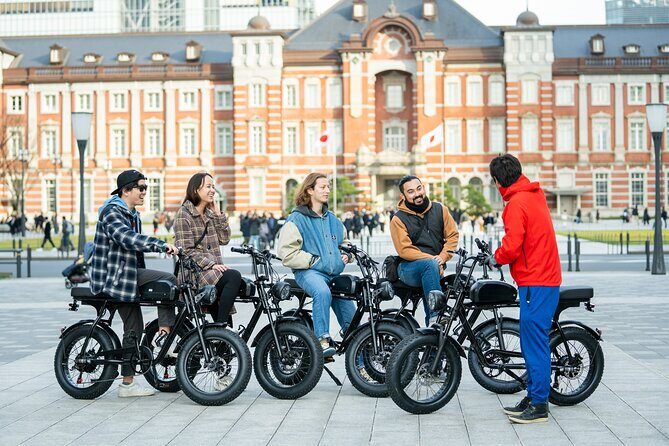
You start with Tokyo Station, built in 1914. The stop is mostly about noticing the architecture—its western-influenced style blends into modern Tokyo. It’s a good opener because it tells you this city is both old-meets-new and intensely functional.
Stop 2: Ningyo-cho Street (traditional sweets)
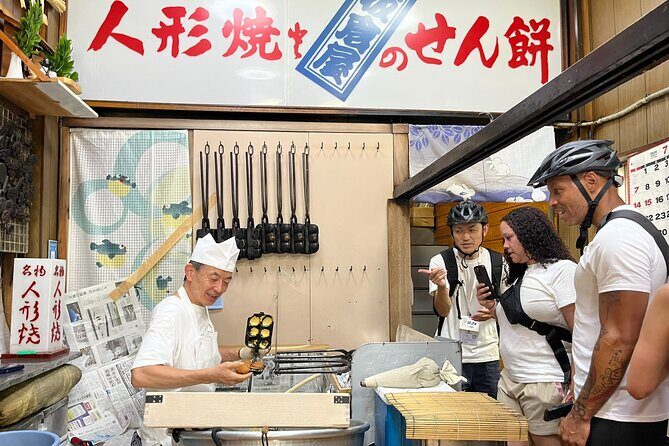
Next comes Ningyo-cho, often nicknamed doll town. The tour notes that the classic dolls aren’t really there anymore, so the focus shifts to traditional sweets instead. It’s a subtle but smart approach: you still get a neighborhood feel even when the exact old-school detail has changed.
Stop 3: Kiyosumi Teien garden (included admission)
Then you hit Kiyosumi Teien, a Japanese garden that’s described as less known to typical tourists. This is the slow-down stop. You’ll want to take your time here, because it gives you contrast after city streets.
One caution: gardens can turn into “stand and rush” if your group is too far ahead. Since the tour is small, you’ll likely be able to linger, but still keep an eye on when the guide calls everyone back.
Stop 4: Tomioka Hachimangu (free admission)
Tomioka Hachimangu Shrine brings you into the older Fukagawa area and its Shinto roots. The tour highlights that it’s historically important for sumo. That’s an easy way to connect what you’re seeing to a Japanese tradition that still shapes culture today.
The rhythm of the City Route
Between stops, you’ll be riding through streets—so your real “workout” is mostly balance and attention. The upside is you’ll experience Tokyo at human speed, not the faster blur of public transit.
If you’re worried about being on a bike around traffic, this route can still work because the pauses are frequent and the itinerary is built for momentum without sprinting.
Tokyo Bay Route at sunset: Sumiyoshi to Odaiba’s big sights
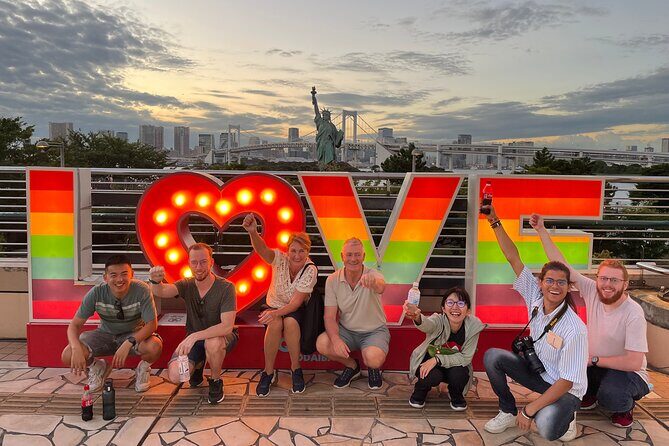
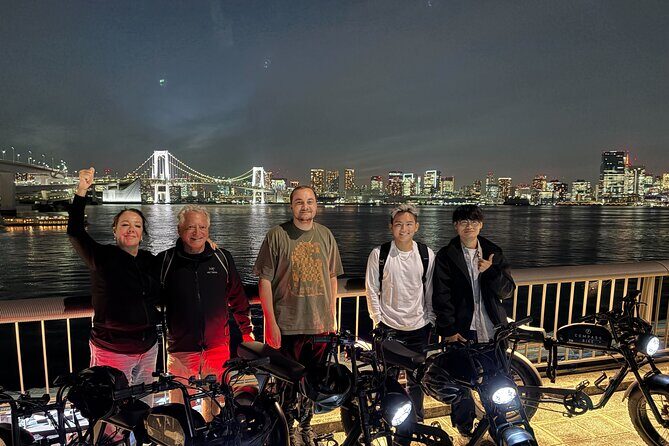
This is the route I’d pick if you want photo-friendly Tokyo and a night-ish mood, even if you start earlier. The tour description says it covers Rainbow Bridge and the Gundam Statue, plus shrine and sunset views. The listed stops lean into sea-area energy and modern Tokyo.
Stop 5: Sumiyoshi Shrine (free admission)
You begin with Sumiyoshi Shrine, framed as a local-side stop where you see how people live around Tokyo. That “lived-in” feel can be the antidote to only chasing landmarks.
Stop 6: Tsukuda Tendai Jizoson (free admission)
Next is Tsukuda Tendai Jizoson, described as hidden and hard to find without a guide. These are the moments where a guided bike tour earns its keep: you don’t just see famous places, you find the ones that don’t come with a neon sign.
Pass-by moments: Skytree and modern art
The tour includes quick pass-by moments such as Tokyo Skytree and teamLab Planets TOKYO. The stops are short, so this isn’t “spend hours” sightseeing. Think of it as a fast visual sweep while you’re still moving through the area.
Stop 9: Tokyo Big Sight (free admission)
Tokyo Big Sight is the next listed stop, and it’s easy to photograph because of its unique building design. The quick timing here makes sense: your goal is variety in limited time, not museum-level depth.
Stop 10: Aqua City Odaiba snack break (30 minutes)
Then you reach Aqua City Odaiba for a break and an included Japanese convenience snack picked by the local guide. A 30-minute break is exactly what you want on a night ride: enough time to reset, but not so long you lose the group.
Stop 11: The Gundam Base Tokyo (free admission)
Finally, you get the Gundam Base Tokyo stop. The tour notes the Gundam statue as 19.7 meters high and calls out the size and detail. If you like pop culture landmarks, this is one of the more fun “wow, that’s big” moments.
Tokyo Tower Route: Zojo-ji, Atago Hill, Parliament, and Hibiya Park
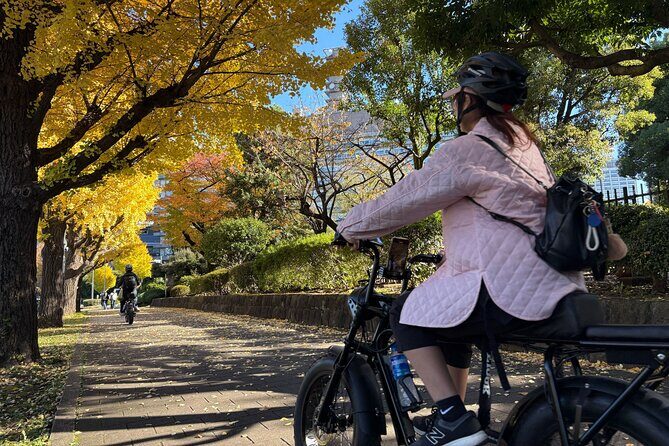
This route feels like a tour of contrasts: shrine history near major civic buildings, plus a climb that’s made doable by the e-bike.
Stop 12: Zojo-ji Temple (free admission)
You start at Zojo-ji Temple, linked with powerful Shogun family blessings. The stop is longer than some of the quick pass-bys, so you can take in the feel of a temple complex rather than just snapping a picture and rolling on.
Pass-by: Tokyo Tower and the skyline feeling
You’ll ride past Tokyo Tower, described as a 333-meter-tall landmark. Even if you’ve seen Tokyo Tower in photos, seeing it in person helps your brain map where you are in the city.
Stop 13: Atago Shrine with e-bike assistance
Atago Shrine comes next, and the tour calls out that it involves biking up a hilly load. With an e-bike, the climb is manageable even if you normally avoid steep streets. Still, you should expect a bit of effort from you, not just the bike doing everything.
That matters because e-bikes help, but they don’t remove the need to ride carefully on inclines and keep your line.
Stop 14: National Diet Building and a snack in Hibiya Park area
The National Diet Building stop is noted as built in 1936, with attention to its efficient design. Then, on the way, you grab a traditional snack to enjoy at Hibiya Park.
Stop 15: Hibiya Park (free admission)
Hibiya Park is the last stop. The tour notes 150 types of trees and 350 types of flowers, and you park the bikes there to enjoy your snack. If you’ve been riding through dense city streets, this end point is a nice decompression.
Also, there’s a pass-by of Imperial Palace and its pond where ducks swim around. It’s a quick moment, but it’s a classic Tokyo scene.
Timing tips: when 3 to 4 hours feels long (or just right)
The duration is listed as about 3 to 4 hours. In practice, that usually means you’ll spend a meaningful chunk riding, plus shorter time blocks for stops and photo moments.
Two things affect how it feels:
- Traffic and intersections, especially on city streets
- How long you linger at garden or park stops
The tour also notes that end time may be delayed about 30 minutes due to traffic conditions. So if you have dinner reservations right after, it’s smart to plan a buffer.
Small-group pace and the guide’s role on real streets
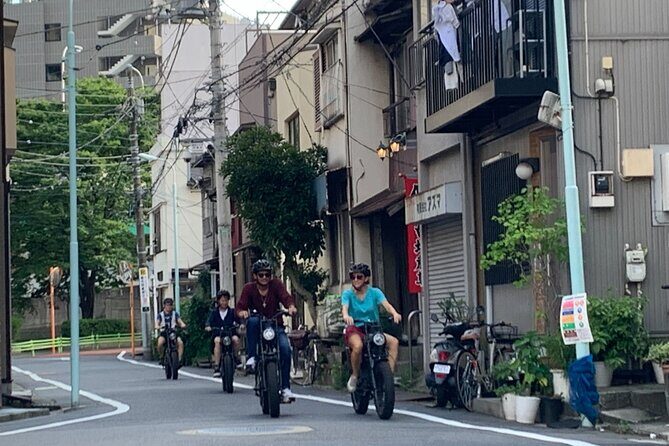
This tour runs for a small group, up to 6 travelers. The best part of that is that the guide can manage spacing and pacing without turning the ride into a full-on parade.
Names like Hiro, Shinobu, Miky, Takuro, and FK show up in the guide stories people share, and the common thread is safety and clear explanations at stops. A guide who takes time to check that you’re comfortable on the bike makes the difference between a fun ride and a stressful one.
One caution from the safety side: Tokyo intersections are unforgiving. Even if your group is moving in a pack, follow the rules the guide sets, watch your signals, and don’t let speed replace attention. One past experience described a guide moving too fast and issues at traffic signals, so it’s worth stating clearly: you’re responsible for staying alert and not following anyone through a red light.
Price and value: what $63.67 buys you in Tokyo
At $63.67 per person, you’re paying for three things at once:
- A guided route (so you’re not figuring it out on your own)
- An e-bike with safety gear (helmet, and winter gloves when needed)
- Built-in stops and an included Japanese snack
That’s not just convenience. It’s time value in a city where getting from point A to point B can eat your day. An e-bike tour lets you see multiple districts in one session, including places like Tokyo Station, Zojo-ji, and the Hibiya Park finish, without feeling stuck.
Also, the tour includes luggage storage and an optional free knapsack rental. Those perks reduce friction, and friction is often what makes day plans fall apart.
Weather and rain: your plan B should be part of your decision
This experience requires good weather. If rain or other issues make riding unsafe, the provider notifies you by email the day before and offers options like changing the itinerary, switching to a rental tour, or switching to a different special tour using train instead of e-bike, with a refund if needed.
So if your Tokyo schedule is tight and you can’t be flexible at all, you might want a plan that allows you to swap days.
Who should book this e-bike tour?
I’d point you toward this tour if you want:
- A guided first look at Tokyo with a mix of major landmarks and traditional areas
- A ride that doesn’t demand that you train for hills
- A small-group experience that doesn’t feel like a cattle-car bus tour
You should think twice if:
- You strongly dislike biking near traffic
- Your schedule leaves zero room for a 30-minute delay
- You need vegetarian options or have food allergy requirements, since the tour notes it can’t accommodate allergies or vegetarianism
This is also a solid pick for people who are new to Tokyo and want structure. You’ll leave with a map in your head, not just photos on your phone.
Should you book Tokyo Top Highlights 3h Guided E-bike Tour?
Yes, if you want the fastest path to seeing multiple Tokyo personalities in one go. The biggest reason to book is the format: e-bike + guide + loop routes plus real stops where you can slow down.
Book it if you’re excited by combinations like Tokyo Station to a quiet garden, or Tokyo Tower area shrines to Hibiya Park, or Tokyo Bay sunsets into Odaiba landmarks. Pick the route that matches your mood: calm-and-classic, scenic-modern-at-night, or history-and-civic-city mix.
Skip it if you’re uncomfortable riding in traffic, need special diets, or can’t adjust for weather changes. And bring a simple mindset: follow the guide, ride smoothly, and treat each stop as a short story, not a checklist.
FAQ
How long is the Tokyo Top Highlights e-bike tour?
The tour lasts about 3 to 4 hours.
Where does the tour start and end?
You meet at 6-chōme-11-5 Tsukiji, Chuo City, Tokyo 104-0045, Japan, and the tour ends back at the same meeting point.
What routes are available?
There are three route options: the Tokyo City Route, the Tokyo Bay Route (Sunset & Night), and the Tokyo Tower Route.
What’s included with the tour?
The tour includes an e-bike and helmet. In winter, gloves are included, and there is luggage storage. You also get an included Japanese snack along the ride, plus an optional knapsack rental for convenience.
Who can participate?
The tour requires moderate physical fitness. Participants under 147 cm are not allowed, and ages 12 and younger are not permitted. It also isn’t suitable for participants over 120 kg.
What happens if it rains on the tour day?
The tour needs good weather. If it’s canceled due to rain or safety concerns, you’ll be notified by email the day before with options such as changing the itinerary, switching to a rental tour, switching to a train-based special tour, or receiving a refund.
Tokyo on Two Wheels

More Tours in Tokyo




More Tour Reviews in Tokyo




Fresh reviews from around Tokyo






Cycling Tours, compared.
 ★ 5.0Tokyo Guided Small-Group Biking TourFrom $1061,250 reviews
 ★ 5.0Tokyo Great Cycling TourFrom $99811 reviews
3-Hour Bike or E-Bike City Highlights TourFrom $45435 reviews
★ 5.0Tokyo Great Cycling TourFrom $99811 reviews
3-Hour Bike or E-Bike City Highlights TourFrom $45435 reviews
 ★ 5.0Tokyo West-Side Cycling & Food TourFrom $99214 reviews
 ★ 5.03-Hour Bike/E-Bike Tour of the City’s HighlightsFrom $63209 reviews
 ★ 5.0Small Group Cycling Tour in TokyoFrom $66184 reviews
 ★ 5.0Tokyo downtown bicycle tour Tokyo Backstreets Bike TourFrom $65117 reviews
 ★ 5.03-Hour Tokyo Private E-Bike Tour Starting from Your HotelFrom $145117 reviews
Browse the lists this tour appears in