
Reviewed · GUIDED
Tokyo 4hr Private Tour with Government-Licensed Guide
Some cities reward planning. Tokyo rewards good guidance.
This private half-day experience is built for speed without stress: you pick 2–3 sites from a ready-made menu, and a licensed local guide helps you connect the dots so you don’t waste hours figuring out trains, entrances, and side streets. I especially like the flexibility and the way the guide experience often turns into real-world know-how, like helping with train routing and even Suica-type logistics.
The other thing I like: in a city that can feel overwhelming, this tour keeps you moving with purpose. You get a practical route through big hitters like Senso-ji, Shibuya Crossing, and a calmer nature break such as a major garden—without trying to do everything at once. One drawback to keep in mind: it’s a walking tour, so you’ll cover real ground and you may face stairs/crowds at places like Shibuya unless your guide actively plans around your comfort.
In This Review
- Key points that make this tour click
- A government-licensed guide makes Tokyo feel simple
- How the 2–3 stop menu fits a 4-hour clock
- Asakusa and Senso-ji: old Tokyo in walking distance
- Shibuya Crossing and Harajuku energy (without losing your bearings)
- Imperial Palace grounds: what you can see in practice
- Gardens for a breather: Shinjuku Gyoen and the classic Edo-era feel
- Tsukiji outer food energy and Akihabara’s tech pull
- Tokyo Tower, Odaiba, and sky views you can plan around
- Shitamachi mood: Nezu and Shibamata for an older Tokyo feel
- Walking, stairs, and transit: your practical checklist
- Price value at $109.43 per person for 4 hours
- Should you book this Tokyo highlights private tour?
- FAQ
- What does the tour price include?
- Is this a walking tour?
- Can I choose which Tokyo sights to see?
- Is access to the inside of the Imperial Palace included?
- Are tickets included for every stop?
- Is this tour private or shared?
- Is pickup available by car?
- Can the guide help with transit navigation?
Key points that make this tour click
- Government-licensed, English-speaking guide focused on getting you from A to B without confusion
- Pick 2–3 stops from a landmark menu, so you can match your interests instead of forcing a fixed route
- Walking + public transit navigation means the “how to get around” part is part of the value
- Big Tokyo contrasts in one half-day: temples, shopping districts, gardens, and skyline viewpoints
- Entrance rules are clear: Imperial Palace interior is not included, and some garden/museum access may be extra
More days made easy by a guide
- Tokyo 6hr Private Tour with Government-Licensed Guide★ 5.0 · 3,902 reviews
- Tokyo: Shinjuku Local Bar and Izakaya Guided Walking Tour★ 4.9 · 1,794 reviews
- Tokyo: Private City Highlights Tour with Local Guide★ 4.8 · 1,433 reviews
A government-licensed guide makes Tokyo feel simple
Tokyo’s reputation for being efficient is true. It’s also true that it’s a lot. Between transfers, station layouts, and figuring out which exit actually gets you to the right street, your time can vanish fast.
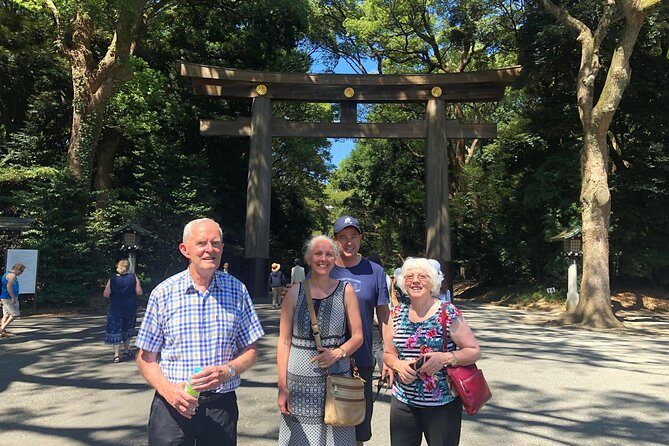
That’s where this tour earns its keep: you’re not just buying sightseeing time. You’re buying navigation time with a licensed local English guide. Many guides in the program are praised for being calm and punctual, and for giving step-by-step help that makes the city easier to manage on your own afterward.
I also like that you’re not stuck with a big group pace. The tour is private—just your party—so the guide can slow down, reroute, or change the plan if crowds, weather, or mobility needs demand it. One highlight from the guide feedback is how people described getting support to avoid long stairs when needed, which matters in Tokyo.
How the 2–3 stop menu fits a 4-hour clock
The tour is roughly 4 hours, and the core structure is simple: you choose 2–3 sites from a larger list of options. That’s a smart way to do Tokyo highlights because it forces realism. Even the best “top sights” list can become a blur if you try to hit too many locations.
Practically, you’re choosing between three kinds of stops:
- Iconic sights (temples/shrines, famous crossings, major parks)
- Neighborhood vibes (Asakusa’s old town feel, Harajuku fashion streets, Akihabara electronics)
- Scenic breaks (large gardens, viewpoint areas like Tokyo Tower/Odaiba)
You’ll also notice that some places are marked as Free while others show Admission ticket not included. That’s your cue to budget for entries like certain gardens, museums, or the tower deck options depending on your final choice.
Asakusa and Senso-ji: old Tokyo in walking distance
If you want one stop that feels like Tokyo’s past and present touching at the same time, choose Asakusa and Senso-ji. This area sits in what locals call shitamachi—the “old downtown” Tokyo where you still sense older rhythms.
At Senso-ji, you get:
- A major temple experience that’s easy to understand even if you’re new to Japanese culture
- A lively approach corridor where shops, snacks, and the temple atmosphere naturally pull you forward
- A chance to learn what you’re seeing—because the guide can explain the customs and symbolism around the visit
One very useful detail to expect: guides are often praised for finding good viewing spots in the surrounding Senso-ji area, not just dropping you at the main gate and rushing off.
Consideration: this is usually crowded. Plan to enjoy the chaos rather than fight it. If you want calmer moments, ask your guide to time parts of the walk around peak foot traffic.
Shibuya Crossing and Harajuku energy (without losing your bearings)
Shibuya Crossing is famous for a reason: it’s one of those places where you instantly understand why Tokyo is Tokyo. Add the Hachiko story and you’re not just watching a spectacle—you’re getting context for a small piece of cultural memory.
What makes this stop work in a half-day tour is that the guide can:
- Get you to a good angle to see the crossing effectively
- Explain what’s happening with the station layout and pedestrian flow
- Help you avoid wasting time wandering in circles
Then, if you add a Harajuku option like Takeshita Street, you get teenage fashion, quick-access shopping lanes, and a more youth-driven street culture feel—great for photos, people-watching, and browsing.
Consideration: Shibuya is intense. If your feet tire easily, tell your guide early. Some guides are specifically praised for adjusting routes for older walkers and for keeping the pace manageable.
More private options with your own guide


Imperial Palace grounds: what you can see in practice
The tour information is clear: this tour does not include access to the inside of the Imperial Palace. So set your expectations accordingly. You’re touring the grounds and the nearby viewing areas, not touring the inner buildings.
That said, your guide may choose a palace-related garden area as part of the experience. In guide feedback, people talked about seeing places like the Imperial Palace East Garden as part of the Imperial Palace stop—still consistent with the idea that the interior is not included.
Consideration: Even when entry is “free,” the palace area is large and can feel like a long walk. If you’re combining it with another sight that includes crowds, you might want the palace stop earlier in the route so you don’t arrive exhausted.
Gardens for a breather: Shinjuku Gyoen and the classic Edo-era feel
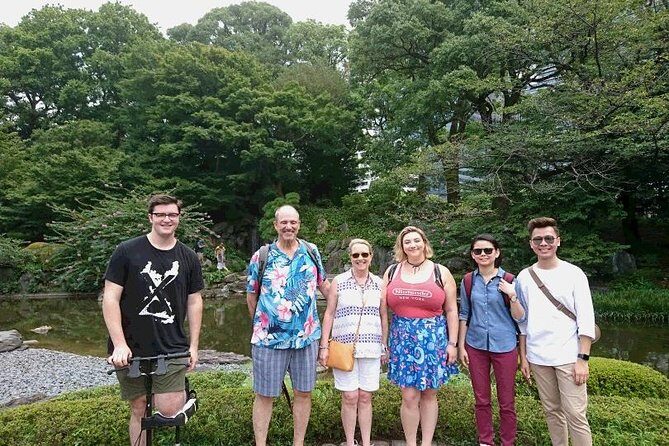
Tokyo’s best trick is offering nature inside a mega-city. If you choose garden options, you’re buying yourself a reset from traffic, noise, and nonstop footwork.
From the available menu, strong picks include:
- Shinjuku Gyoen National Garden (big, popular, and scenic; admission may not be included)
- Koishikawa Korakuen Garden (one of Tokyo’s older gardens; admission may not be included)
- Hama Rikyu Gardens (by Tokyo Bay with tide-influenced ponds; admission may not be included)
- Rikugien Garden (often compared as a top garden experience; admission may not be included)
- Yoyogi Park (free, big green break near Harajuku)
Why these gardens matter on a 4-hour tour: they give you variety in scenery and mood. You’ll also often find the guide uses the setting to explain seasonal design ideas and local cultural references. In feedback, people mentioned matcha in a teahouse while taking in lake views during a garden-focused day—exactly the kind of “small experience, big memory” payoff that a city like Tokyo does well.
Consideration: If you pick too many paid-entry garden stops, your total out-of-pocket cost rises. Mix one “paid garden” with a “free temple or neighborhood” stop for best value.
Tsukiji outer food energy and Akihabara’s tech pull
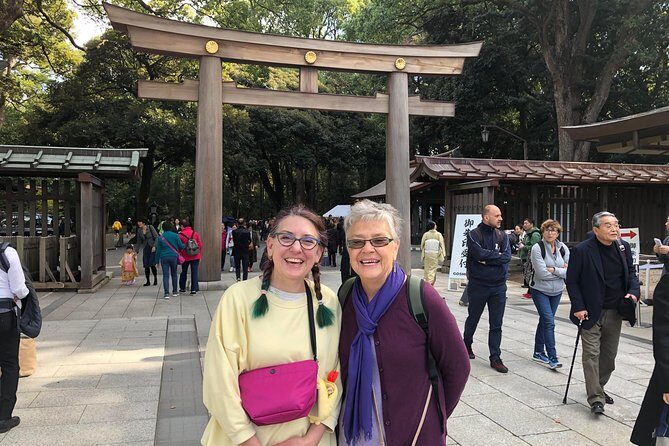
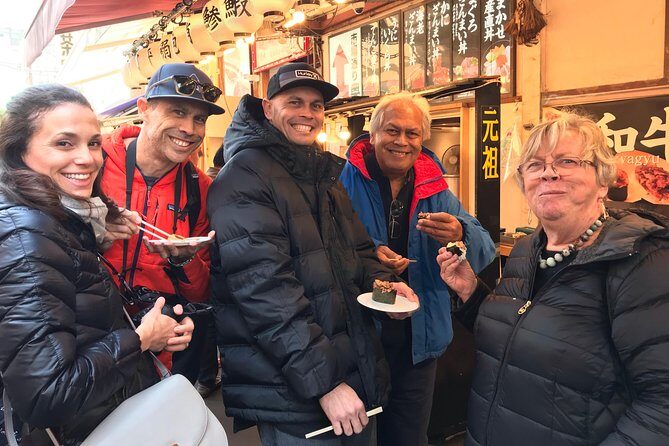
If food is part of your Tokyo checklist, consider Tsukiji. The best fit for this tour is Tsukiji’s market area—famous for being packed with snackable options and simple, high-quality bites.
This works well on a half-day because:
- You can sample without committing to a full sit-down restaurant
- The guide can steer you toward places that match what you’re comfortable eating
- You get a real local-food atmosphere rather than a generic tourist lunch
Next door in the “modern Tokyo” lane is Akihabara, the electronics hub. It’s a different vibe than temples or gardens—more neon, more shops, and a lot of browsing energy if you like games, gadgets, or anime-adjacent shopping.
Consideration: If you’re sensitive to crowds, decide whether you want Tsukiji and Akihabara on the same day. Doing both can make your “energy” meter drop, especially if another stop is also busy.
Tokyo Tower, Odaiba, and sky views you can plan around
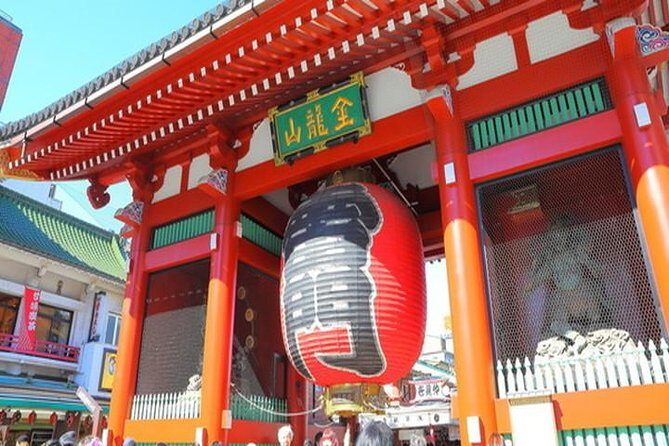
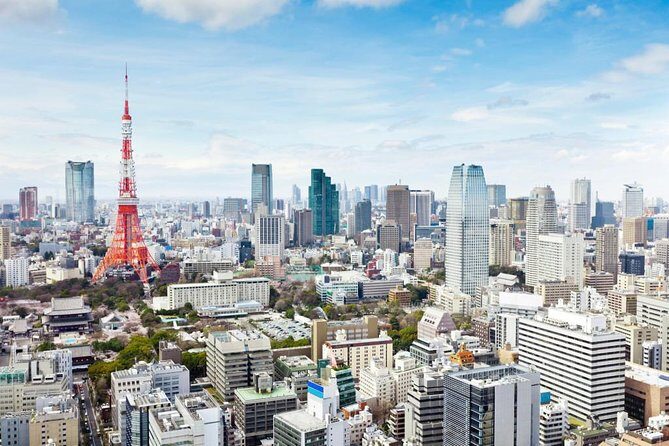
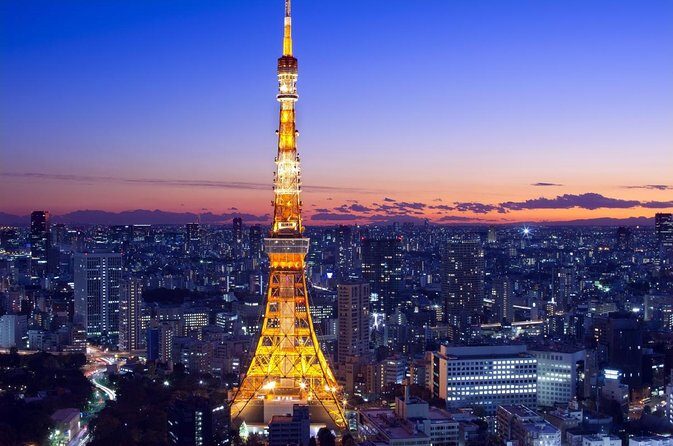
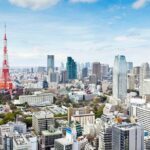
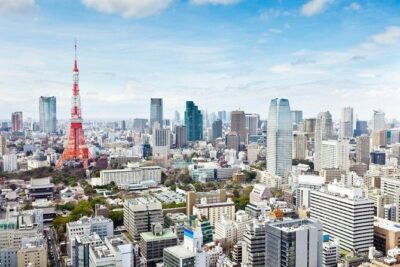
For skyline lovers, the menu includes Tokyo Tower. The important detail: only up to the main deck is included, and the top deck isn’t. That’s good news for value because you get a classic photo-and-view experience without paying for the most expensive vertical upgrade.
Also consider Odaiba, a waterfront shopping and entertainment district on a man-made island. If you want wide views and a more open-feeling walking area (compared with tight station corridors), Odaiba is a logical choice after a heavier neighborhood stop.
Consideration: Tower and bay areas can be affected by weather and visibility. If your day looks hazy, ask your guide what order makes the most sense so you don’t waste your best photo time.
Shitamachi mood: Nezu and Shibamata for an older Tokyo feel
Not all Tokyo highlights need to be headline-famous. If you’re curious about older neighborhoods, the menu includes:
- Nezu / Yanaka area vibe: old-city charm with lots of streets that feel like a slower era
- Shibamata: a neighborhood on Tokyo’s eastern side with an old-school feel and character
These stops are where a local guide can add real value. Instead of just pointing at buildings, a strong guide helps you notice:
- What survived through major events (and what that means)
- Small shrines and memorial spots tucked into quiet streets
- The everyday texture of the neighborhood, not just its “attraction status”
Consideration: These areas are best when you can slow down a bit. If your group is in rush mode, you may not get the full payoff.
Walking, stairs, and transit: your practical checklist
This is a walking tour, and pickup is on foot in a designated area. It’s near public transportation, but you shouldn’t count on a car.
So, do this to keep it smooth:
- Wear comfortable shoes you can walk in for multiple hours
- Bring water, because you’ll be moving through busy districts
- If stairs are an issue, tell your guide early. People in the group feedback specifically mentioned route planning to reduce stair time
- Save some energy for Shibuya-type stops; they’re where you’ll likely feel the crowds most
One of the most repeated strengths is that guides help you understand how to ride Tokyo’s transit system. People described learning how to navigate trains without panic, plus practical tips like where to reload cards and how to handle next-leg routing.
Consideration: Communication quality depends on the guide. One unhappy experience described difficulty understanding the guide’s English. If this is a concern for you—especially if you need very clear directions—ask for a strong-English-speaking guide when possible, or plan to rely on landmarks and visual cues in addition to audio.
Price value at $109.43 per person for 4 hours
At $109.43 per person for about 4 hours, you’re paying for three things:
1) A private guide (so you don’t blend into someone else’s schedule)
2) Real help with navigation and decision-making
3) Time efficiency, especially when you’d otherwise spend it researching and troubleshooting routes
If you compare this to piecing together Tokyo on your own, the value comes from not having to:
- guess which exits work
- fight station complexity alone
- rearrange your day when crowds spike
- wonder what matters at each stop
Where the value can slip is if you choose multiple paid-entry items and add the cost on top. To maximize value, mix your selections: pair at least one free highlight with one garden or paid attraction.
Should you book this Tokyo highlights private tour?
Book it if you want a smart, low-stress intro to Tokyo and you care about how to get around, not just what to photograph. This tour is also a strong fit for first-timers, couples, and small groups who want an efficient half-day and the option to tailor stops.
Skip it or rethink your plan if:
- You dislike walking and crowds (Tokyo’s major hubs will still be major hubs)
- You want the inside of the Imperial Palace interior (this isn’t included)
- You’re expecting a fixed, full-day-style itinerary with lots of paid attractions (this tour’s power is choosing 2–3 sites well)
If you book, pick one big iconic stop and one calm break (garden or park). That combo usually makes the 4-hour clock feel like a win instead of a sprint.
FAQ
What does the tour price include?
The tour includes a licensed local English-speaking guide and a customizable plan of 2–3 sites chosen from the menu. Entrance costs are not fully included across the board, since some stops list admission as not included.
Is this a walking tour?
Yes. It’s a walking tour, and pickup is on foot in a designated area. It’s near public transportation, but you shouldn’t expect a private vehicle.
Can I choose which Tokyo sights to see?
Yes. You customize the itinerary by selecting 2–3 sites from the provided list of potential stops.
Is access to the inside of the Imperial Palace included?
No. The tour explicitly does not include access to the inside of the Imperial Palace.
Are tickets included for every stop?
Not for every stop. Some attractions are marked as free, while others note that admission is not included, so you may need to pay for certain gardens, museums, or tower options depending on your choices.
Is this tour private or shared?
It’s private. Only your group participates, and you can’t combine multiple tour groups.
Is pickup available by car?
No. Pickup is on foot within a designated meet area, and the tour is designed around walking and public transportation.
Can the guide help with transit navigation?
Yes. The tour is designed to help you navigate Tokyo using public transportation, and guides are frequently praised for helping with train/subway routing and practical transit advice.
Easier with a Guide

More Tours in Tokyo




More Tour Reviews in Tokyo




Fresh reviews from around Tokyo






Guided, compared.
 ★ 5.0Tokyo 6hr Private Tour with Government-Licensed GuideFrom $1553,902 reviews
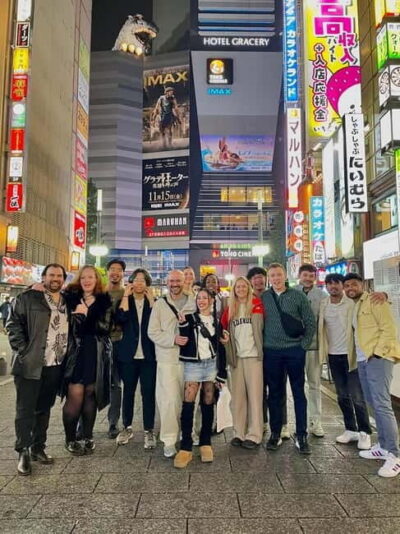 ★ 4.9Shinjuku Local Bar and Izakaya Guided Walking TourFrom $341,794 reviews
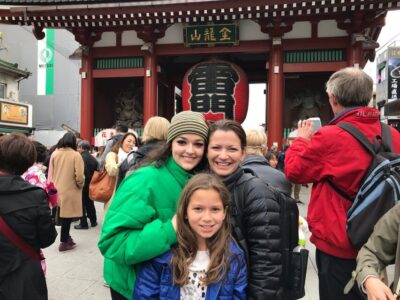 ★ 4.8Private City Highlights Tour with Local GuideFrom $1061,433 reviews
 ★ 4.9Tsukiji Fish Market Guided Walking TourFrom $221,397 reviews
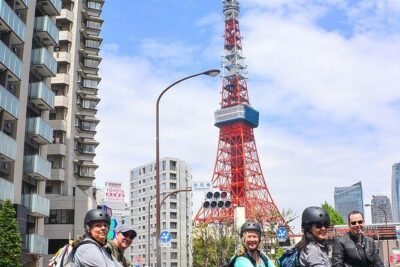 ★ 5.0Tokyo Guided Small-Group Biking TourFrom $1061,250 reviews
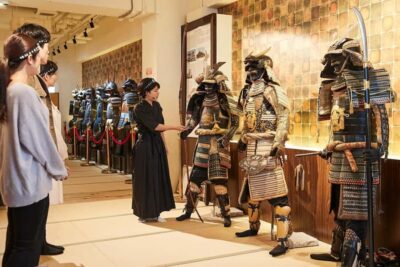 ★ 4.6Samurai Ninja Museum Guided tour and ExperienceFrom $271,010 reviews
 ★ 5.0Tsukiji Fish Market Guided Tour and Sushi Making with Pro ChefFrom $104775 reviews
 ★ 5.0Tokyo Top Highlights 3h Guided E-bike TourFrom $63714 reviews