
Reviewed · SAMURAI & NINJA EXPERIENCES
Tokyo Samurai Experience
Tokyo’s samurai vibe hits fast.
This 4-hour small-group outing blends Kagurazaka street-walking with a hands-on samurai training session plus traditional food. You start near Iidabashi, stroll where samurai-era life is reflected in the neighborhood, then get kitted out in kimono and learn the movements behind classic combat styles—without needing any background.
I particularly like that you get a structured route through multiple parts of Kagurazaka, not just one photo stop. I also like the practical food plan, including a vegetarian lunch option and the chance to pick one traditional food or sweet. The one main catch: the lunch includes vegetarian choices, but vegan and gluten-free options are not available, so plan accordingly.
In This Review
- Key points before you go
- Tokyo Samurai Experience, at a glance: what makes it special
- Starting at Aoyama Flower Market near Iidabashi Station
- Kagurazaka’s samurai streets: what you’ll see and how you’ll walk
- Samurai Theater Tokyo: kimono rental and katana basics (plus that short performance feeling)
- Lunch in Kagurazaka: traditional food, one choice, and the vegetarian rule
- The route, the time, and why the pacing feels fair
- Price and value: why $166.04 can make sense here
- Who this tour fits best (and who should consider another plan)
- Should you book Tokyo Samurai Experience?
- FAQ
- How long is the Tokyo Samurai Experience?
- Where do you meet for the tour?
- What’s included in the price?
- Is there a vegetarian lunch option?
- How big is the group?
- Do I get a ticket in advance?
Key points before you go
- Small group (max 7): easier pace, less crowding during the kimono and training parts
- Kimono rental + 1 hour instruction: you’re not just watching history talk—your body learns it
- Kagurazaka walk split into two chunks: morning street sights, then lunch, then more walking
- Aoyama Flower Market start: a colorful, local-feeling beginning near Iidabashi Station
- Lunch includes a sweet or food choice: you get a built-in snack moment without hunting
- Vegetarian is covered, vegan/gluten-free aren’t: you’ll want to check your needs early
More blades, bows and dojo hours
- Tokyo: Samurai Ninja Museum Guided tour and Experience★ 4.6 · 1,010 reviews
- Tokyo: Samurai Sword & Archery Class from Samurai Descendant★ 5.0 · 603 reviews
- Best Samurai Experience in Tokyo★ 5.0 · 458 reviews
Tokyo Samurai Experience, at a glance: what makes it special
This tour works because it strings together three different kinds of Tokyo culture in a tight timeline. You get the calm, curious side of neighborhood walking first. Then you switch gears into a performance-style training session where you learn what samurai fighting movements looked like in practice. Finally, you slow down again for a proper meal.
For $166.04, you’re really paying for the bundled experience: guide-led time, kimono rental, and about an hour of guided samurai basics, plus lunch and a small food/sweet choice. If you’ve ever looked at Tokyo activities and thought, sure, but where’s the value, this is the kind of booking that bundles the expensive parts into one plan.
One more smart touch: you’re led by a MagicalTrip certified guide, so the commentary is built into the walk rather than tacked on after. You don’t need a guidebook open while you’re out; the stories are part of the experience.
Starting at Aoyama Flower Market near Iidabashi Station
You meet at the Aoyama Flower Market area, in/near the JR Iidabashi Station area (West Exit side). The exact meeting point is identified right inside the station complex, and the flower market view is described as being on your right as you exit the West Exit.
Why this matters: starting at a lively local spot helps you shake off the “only-exploring-markers” feeling that can happen on rushed tours. Flowers are also a quick cultural cue—Tokyo has these pockets where daily life is visible even while you’re in the middle of a big city.
Also, this start location is practical. You’re near public transportation, so you’re not forced into a long pre-walk from a distant hotel. If you’re coming from elsewhere in Tokyo, you can route yourself around the Iidabashi area without stress.
How to be ready: arrive a little early and locate the West Exit flow. When you’re meeting at a station interior, even 5 minutes can save you from wandering the wrong corridor.
Kagurazaka’s samurai streets: what you’ll see and how you’ll walk
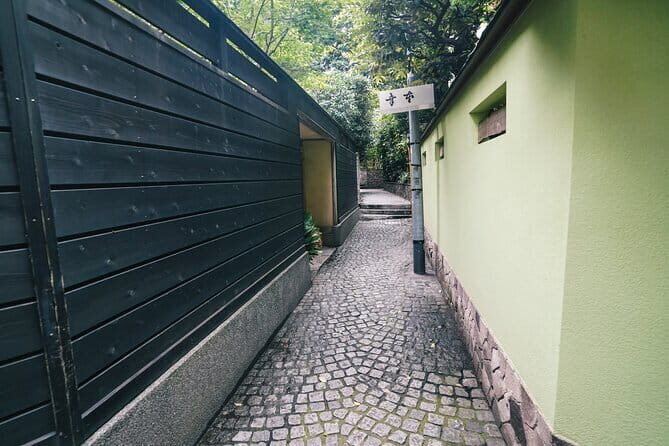
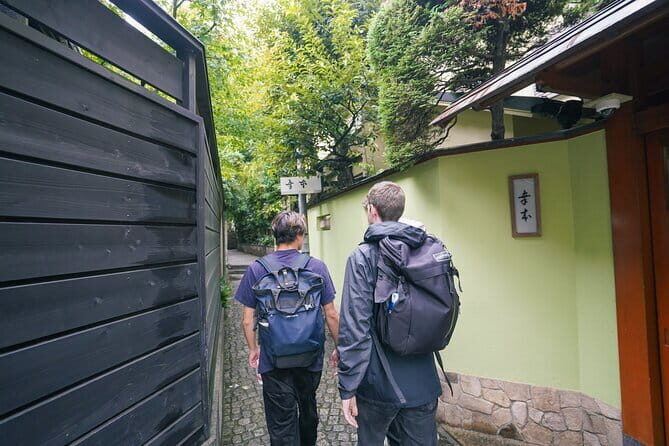
Kagurazaka is where the tour’s theme becomes real. You’ll spend time exploring on foot with your guide, moving through a neighborhood that’s tied to samurai-era life. The route is designed around small segments, so you’re not stuck in one long, undirected walk.
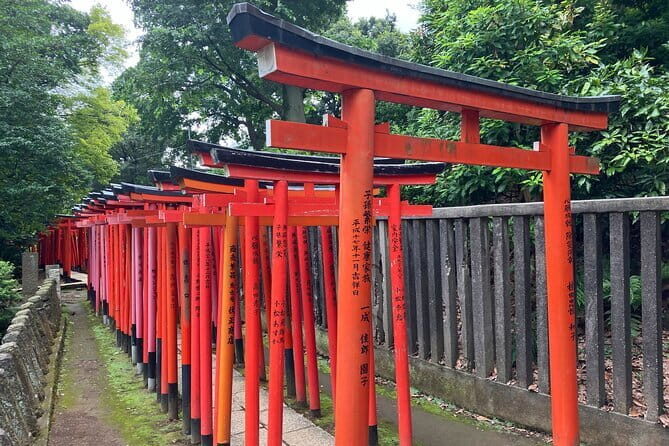
During the first Kagurazaka segment, the focus is on getting your bearings and learning what to look for as you pass temples and shrines. You’re guided to notice details that most visitors skip—things that help explain why certain streets, buildings, and sacred spaces matter. This is the part where the tour’s storytelling does its best work. The guide’s job isn’t just to tell facts; it’s to give you a mental map.
After the initial walking and the transition into the samurai training, you return for another walk segment after lunch. That second walk is like a review session, but more enjoyable than it sounds. You’ll revisit Kagurazaka with food already in you, so you can focus on the slower stuff: the shrines, the quiet corners, and the way the neighborhood feels at street level rather than through a postcard lens.
Possible drawback to consider: this is still a walking tour. The time segments are short (you’re not doing an all-day hike), but you will be on your feet. If you have knee or stamina issues, you’ll want to plan to move carefully and pace yourself through narrow sidewalks.
Samurai Theater Tokyo: kimono rental and katana basics (plus that short performance feeling)

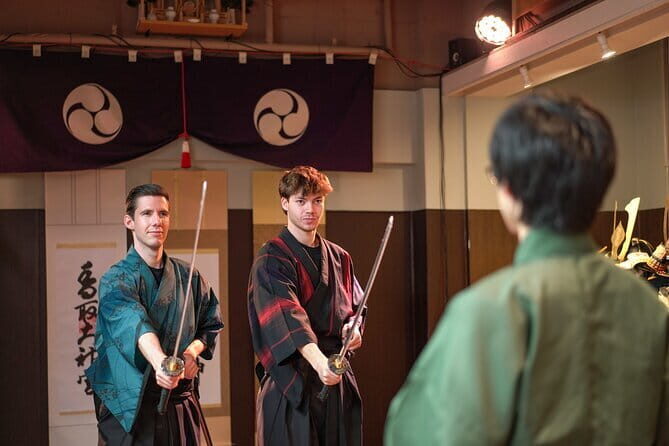
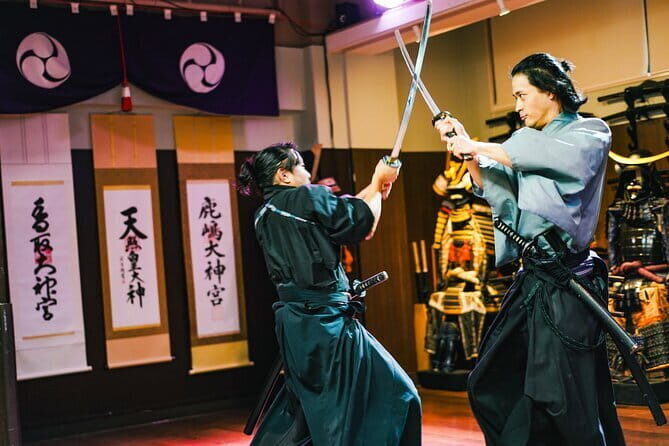
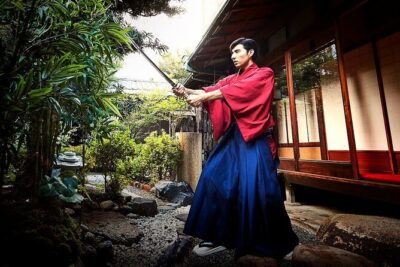
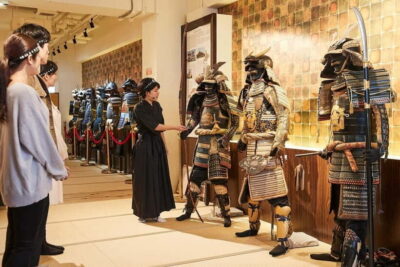
This is the centerpiece. At Samurai Theater Tokyo, you get kimono rental and a one-hour samurai experience & training session led by professional instructors. Instead of a lecture, you learn the basics of samurai fighting movements—how the body moves, how positions work, and what the sequence feels like.
The kimono part is more than costume. It changes your movement and your awareness of posture. Even if you’ve never worn one before, you’ll quickly understand why people say kimono teach you manners of movement: your steps, your balance, and your comfort all become part of the training.
And yes, this experience goes beyond waving a sword for photos. You learn basics and movements, and you practice in a structured way that leads toward a routine-like moment. The overall vibe is playful but still disciplined. You’ll come out feeling like you did something physical and memorable, not like you just watched history from the sidelines.
What to expect in practice
- You’ll follow instructor guidance on the fundamental fighting motions.
- You’ll do your practice with the tools and basics provided for the session (commonly discussed as katana-focused in this kind of experience).
- There’s a clear flow: instruction, movement practice, and a more performative wrap-up feeling.
A practical tip: wear clothing that layers well. Kimono can feel warm depending on the season, and you’ll want to be able to adjust your inner outfit without making it messy. Also, be ready for a short moment where you’re focused on technique rather than taking photos.





Lunch in Kagurazaka: traditional food, one choice, and the vegetarian rule

Lunch happens in Kagurazaka at a traditional Japanese restaurant. The style is described as cozy and wooden in feel, and the meal is part of the tour flow—not something you have to figure out mid-day.
Here’s what’s important for your diet planning:
- Vegetarian lunch option is available.
- Vegan and gluten-free options are not available.
That last line matters. If you’re vegan or gluten-free, don’t assume you can substitute. You’ll want to eat with the vegetarian option in mind, or plan separate food if your needs are stricter. Since the tour includes one traditional food or sweet you can choose during the experience, you’ll also want to consider how your dietary needs apply to that choice.
The tour’s lunch structure is also a value play. In Tokyo, a guided meal can become expensive fast when it’s not bundled. Here, lunch is included in the tour price, and the timing gives you a breather before the final Kagurazaka walking segment.
What I like about the lunch pacing: you’re not waiting around. You’re doing street walking, then you sit down, then you continue. It keeps the day from feeling like a series of stop-start errands.
The route, the time, and why the pacing feels fair

The experience is listed as about 4 hours total, and it’s built from timed segments:
- Aoyama Flower Market start (short)
- First Kagurazaka walk (short)
- Samurai Theater Tokyo (about 1 hour)
- Lunch in Kagurazaka (about 1 hour 40 minutes total listed)
- Final Kagurazaka walk (short)
The pacing is the point. You get enough time for each part to feel complete. The walking sections aren’t so long that you’ll get numb. The training section isn’t so short that it feels like a gimmick.
Group size also helps. With a maximum of 7 travelers, you’re less likely to be stuck behind tall people during walking and easier to manage during kimono setup and instruction. Smaller groups usually mean more human-scale guidance, like getting your questions answered while you’re figuring out what to do with your stance and timing.
One thing to mentally prepare: you’ll switch modes a few times—walking to training to eating back to walking. That’s fun if you go with the flow. If you prefer ultra-relaxed sightseeing with no active components, this might feel like a bit more “activity per hour” than you want.
Price and value: why $166.04 can make sense here
Let’s talk value without sugarcoating it. $166.04 isn’t cheap for a half-day activity in Tokyo. The question is what you get for it.
You get:
- A certified guide and organized route
- Kimono rental
- 1 hour of samurai basics instruction with professional instructors
- Traditional lunch, with a vegetarian option
- One traditional food or sweet choice included
- Mobile ticket convenience
In other words, you’re not just paying for a guide to point out buildings. You’re paying for the parts that cost money on their own: costume rental, paid instruction time, and a meal in a set schedule.
Where the price can feel less satisfying: if you’re not interested in the physical training and only want scenic walking. Kagurazaka plus a meal might still be worth it, but the “samurai basics” is the heart of this tour.
Where it feels like a smart buy: if you want a single booking that gives you both culture from the street and a hands-on performance component, without having to plan and connect multiple separate activities on your own.
Who this tour fits best (and who should consider another plan)
This works especially well if:
- You like experiences that combine seeing and doing.
- You want a guided walk in Kagurazaka that helps you notice details instead of just collecting photos.
- You’re comfortable with short walking segments and a one-hour training session.
- You eat vegetarian (since vegetarian lunch is included).
You might want to skip or choose something else if:
- You need vegan or gluten-free options. The data is explicit that those aren’t available on this lunch.
- You strongly prefer quiet sightseeing with zero physical practice.
Should you book Tokyo Samurai Experience?
I’d book it if your ideal Tokyo half-day looks like this: meet near a transit hub, walk a neighborhood with real character, wear kimono, learn basic samurai movements with instructors, then eat a proper meal and finish with another gentle walk.
I’d hesitate if your dietary requirements go beyond vegetarian. Since vegan and gluten-free aren’t available, that’s the biggest “stop sign” for decision-making.
If you’re flexible on movement and excited by hands-on training, this is one of those rare tours where the theme isn’t just marketing. The format gives you multiple ways to connect with samurai culture—through streets, through costume and posture, and through your own practice with the basics.
FAQ
How long is the Tokyo Samurai Experience?
It’s approximately 4 hours.
Where do you meet for the tour?
You meet at the Aoyama Flower Market area by the JR Iidabashi Station, near the West Exit (you can see it on your right after exiting).
What’s included in the price?
Included are the Samurai Experience & Kimono Rental (about 1 hour), a traditional Japanese lunch with a vegetarian option, one traditional food or sweet you can choose, and a MagicalTrip certified guide.
Is there a vegetarian lunch option?
Yes. Vegetarian lunch options are available. Vegan and gluten-free options are not available.
How big is the group?
The maximum group size is 7 travelers.
Do I get a ticket in advance?
Yes, this experience uses a mobile ticket.
More Tour Reviews in Tokyo



The Way of the Sword, Continued


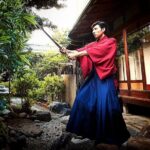
Fresh reviews from around Tokyo






Samurai & Ninja Experiences, compared.
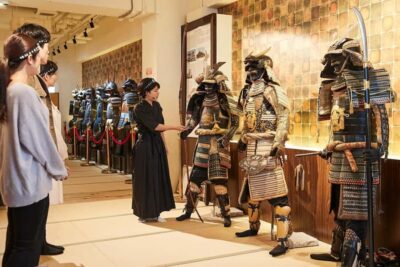 ★ 4.6Samurai Ninja Museum Guided tour and ExperienceFrom $271,010 reviews
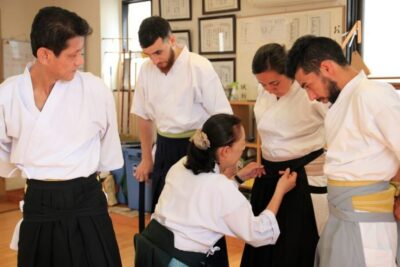 ★ 5.0Samurai Sword & Archery Class from Samurai DescendantFrom $193603 reviews
 ★ 5.0Best Samurai Experience in TokyoFrom $65458 reviews
 ★ 5.0Ninja Experience (Family Friendly) at Samurai Ninja Museum TOKYOFrom $47441 reviews
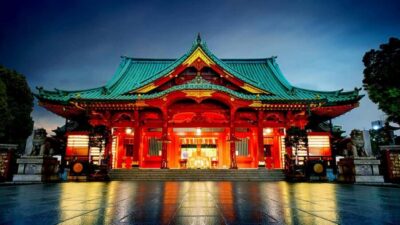 ★ 4.6Samurai Entertainment Night Show in Kanda ShrineFrom $41417 reviews
 ★ 5.0Tokyo Sword Experience – includes Museum Ticket/Ninja ExperienceFrom $84314 reviews
 ★ 4.8Samurai Ninja Museum Asakusa: Samurai Sword Lesson & TourFrom $63306 reviews
 ★ 5.0Samurai Sword Experience (Family Friendly)at SAMURAI MUSEUM TOKYOFrom $65168 reviews
Browse the lists this tour appears in