
Reviewed · CYCLING TOURS
Tokyo Great Cycling Tour
Two wheels beat Tokyo traffic.
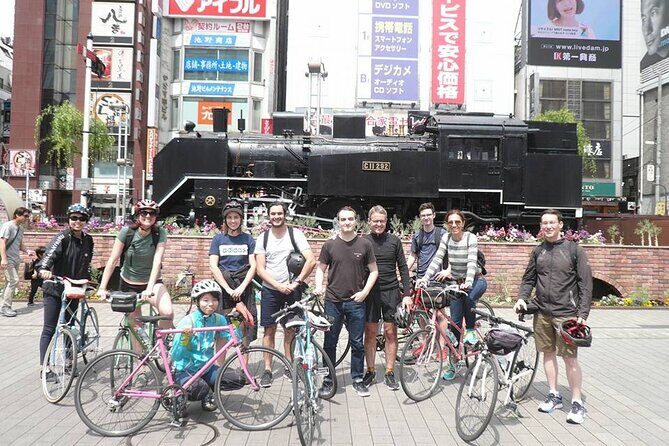
What I like most is how the ride turns into real seeing, not just transit. You’re in a small group (max 12), and you move through parts of the city that buses often can’t reach, so the day feels like it has momentum and personality.
I also really like the way the tour stitches together Tokyo’s contrasts: seafood-and-market energy at Tsukiji, old-school temple atmosphere at Zojō-ji, and then big cultural stops like Meiji Jingu and the Imperial Palace area. The one drawback to plan for is that it’s built for moderate physical fitness and it depends on good weather, so hot or rainy days can change the feel of the day.
In This Review
- Key Things to Know Before You Go
- Why Tokyo Works So Well on a Bike
- Meeting Up and the 6-Hour Rhythm (Start 9:00 am)
- Tsukiji Jogai Market: Local Life Beyond the Inner Market Hype
- Zojō-ji Temple: Old Buddhism Meets Tokyo Tower
- The Ride Through High-Rise Districts and a Cemetery in Style
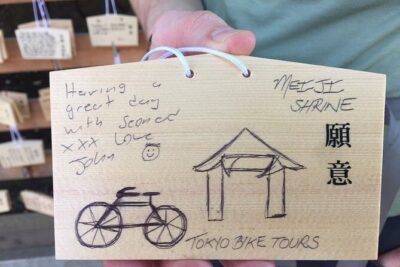
- Meiji Jingu Shrine: A Popular Shinto Pause in the Middle of the City
- Imperial Palace Area: Where the Emperor and Empress Live
- Guides Matter: Caring, Safety, and Real Navigation (Toshi, Naoko, Nick)
- What You’re Really Paying For: $99.49 Value That Adds Up
- Weather, Comfort, and What to Pack (Without Guessing Too Much)
- Who This Tour Is Best For (and Who Might Want Another Plan)
- Should You Book the Tokyo Great Cycling Tour?
- FAQ
- How long is the Tokyo Great Cycling Tour?
- What price is it?
- Where does the tour start, and when?
- What stops do you visit during the tour?
- How big is the group?
- Are the admission tickets free?
- Is the tour suitable for everyone physically?
- What happens if the weather is bad?
- What is the cancellation window?
- How soon do I get confirmation after booking?
Key Things to Know Before You Go
- Small group, max 12 for a more personal pace and better guide attention
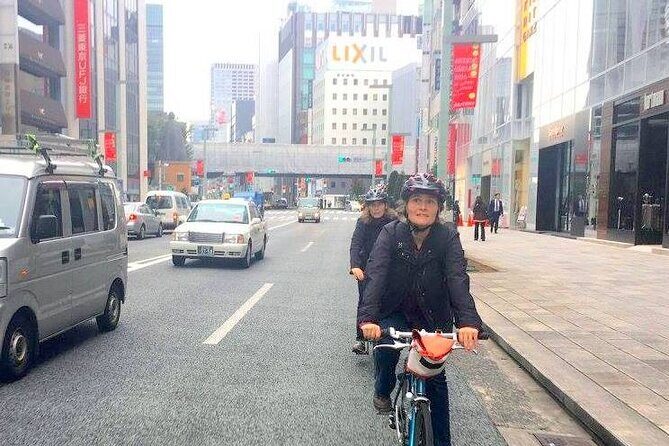
- Bikes reach places buses can’t, so your route feels more “local”
- Major landmarks plus neighborhood flavor, from Tsukiji to shrines and the palace area
- Culture built into the ride, not just quick photo stops
- Weather matters, and the plan may adjust if conditions run rough
More of Tokyo by bike
- Tokyo Guided Small-Group Biking Tour★ 5.0 · 1,250 reviews
- Tokyo Great Cycling Tour★ 5.0 · 811 reviews
- Tokyo Top Highlights 3h Guided E-bike Tour★ 5.0 · 714 reviews
Why Tokyo Works So Well on a Bike
Tokyo is a city of layers, and walking can make you feel like you’re just doing transfers. On a bike tour, you get to travel fast enough to cover real ground, but slow enough to actually notice what’s around you: storefront details, temple gates, the way neighborhoods tighten and open as you ride.
I also like the simple logic of two wheels in a place like this. When traffic and distance fight you, a bike lets you keep your schedule intact. And when streets are narrower or tucked in odd corners, bicycles can often slip into spots larger vehicles can’t manage.
Meeting Up and the 6-Hour Rhythm (Start 9:00 am)
This is a 6-hour experience that starts at 9:00 am and ends back at the meeting point. You should expect a steady rhythm: ride, brief stops, then ride again. The stop times are mostly short—around 15 minutes or 20 minutes—so you get just enough time to soak in the vibe without dragging the whole day down.
The starting location is Tokyo Great Tours at 1-chōme-3-2 Shinkawa, Chuo City, Tokyo 104-0033. The tour is also described as near public transportation, which matters if you’re arriving from a different part of Tokyo and don’t want to fight your way through one more transit puzzle.
You’ll get a mobile ticket, which is convenient. Still, I suggest taking a moment before you go to make sure your phone battery is solid. Nothing kills a good morning like a dead screen when you’re at the wrong corner.
Tsukiji Jogai Market: Local Life Beyond the Inner Market Hype
Tsukiji Jogai Market is a strong first stop because it sets the tone fast. Even though the Inner Market moved to Toyosu, this area still has that in-the-morning buzz, with local shoppers and tourists mixing in the streets.
What I like here is the contrast. You’re starting the day in a place that feels lived-in, not staged. In a few minutes, you can usually get a sense of what “food Tokyo” looks like when it’s part of daily routine—not just a sightseeing bullet point.
The practical side: it’s a short stop (about 15 minutes), so treat it like a quick orientation. Look around, notice the energy, and then keep moving. This is not the kind of stop where you want to shop for an hour and lose the rest of your route.
Zojō-ji Temple: Old Buddhism Meets Tokyo Tower
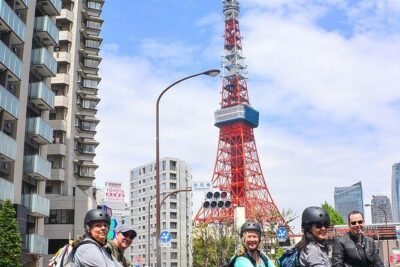
Zojō-ji is where Tokyo starts showing off its juxtapositions. It’s an old Buddhist temple, and the best part is the contrast—traditional temple buildings with the modern dominance of Tokyo Tower in the background.
That kind of view is exactly why I prefer cycling to walking. You get to approach in a way that feels natural, and you can take in the temple without losing your place in the neighborhood. Plus, you’re not just staring at one landmark; you’re seeing how it sits inside a functioning city.
This stop is also around 15 minutes, and it’s long enough to slow down. If you’re the type who likes to read the room—watch how people behave at shrines and temples—you’ll appreciate the brief pause without feeling rushed.




The Ride Through High-Rise Districts and a Cemetery in Style
Between the big cultural hits, you pass through more of Tokyo’s everyday texture. One stretch features high-story, expensive-looking apartment, shopping, and office buildings. Another moment includes a cemetery set right in the middle of fashionable areas.
I like this part because it changes the mental rhythm. After the temple, it’s easy to think you’ll only see “tourist Tokyo.” But these short observations help you understand the city as it really is: dense, layered, and full of unexpected contrasts.
There aren’t extra details here like a famous name to memorize, so let your eyes do the work. Pay attention to how the streets feel, how people move, and where the city suddenly shifts mood. This is the kind of knowledge that sticks because it’s based on what you actually passed.
Meiji Jingu Shrine: A Popular Shinto Pause in the Middle of the City
Meiji Jingu is the tour’s big shrine stop, and it’s described as Tokyo’s most popular Shinto shrine. That word “popular” matters—not because it’s crowded (it might be at peak times), but because it tells you the site is built for people to come in a steady stream, not just for occasional visitors.
This stop runs about 20 minutes and is a good time to slow your pace. Shrines aren’t just picture backdrops. Even in a short visit, you can feel the shift: sound changes, movement changes, and the space makes you behave a little differently.
Also, since you’re arriving by bike, you get a sense of how the shrine sits within the city’s broader flow. It’s not only a destination. It’s part of Tokyo’s geography and routine.
Imperial Palace Area: Where the Emperor and Empress Live
The Imperial Palace area is another quick, meaningful stop. You’re told it’s where the Emperor and Empress live, and that alone gives the area a different weight than typical sightseeing.
This segment is about 15 minutes, which means your best strategy is simple: keep an eye out for the formal atmosphere and treat it like a cultural waypoint. Don’t expect a long guided deep explanation inside the palace grounds because your time is limited. Instead, focus on the transition you feel as the city moves from bustling energy into more solemn, ceremonial space.
I also like that the tour ends strong with a place that’s central to how Japan frames public life. It gives the day an anchor, and it helps the earlier shrine and temple stops make more sense as part of one theme: tradition and place.
Guides Matter: Caring, Safety, and Real Navigation (Toshi, Naoko, Nick)
The guides are a big reason this tour earns a near-perfect score. I’m specifically glad you’ll likely see a hands-on, caring approach. One highlight from past groups was that guides like Toshi, Naoko, and Nick took very good care of riders in terms of safety and general welfare.
That matters more than it sounds. A bike tour lives or dies on smooth guidance—staying together, knowing where to position your bike, and making sure everyone stays comfortable. If your bike is running properly, it also helps you focus on the city rather than the mechanics.
There’s also a nice bit of flexibility in the guide style. In hot weather, one group had their picnic changed to a lunch at an izakaya. That’s a practical example of what you want from a guide: respond to conditions so the day doesn’t fall apart.
One more detail I’d pay attention to: the tour is referenced with route options (like Route B). That means you should expect the exact streets and flow could vary by day, but the overall sequence of major cultural stops stays the focus.
What You’re Really Paying For: $99.49 Value That Adds Up
At $99.49 per person for around 6 hours, the price isn’t “cheap,” but it also isn’t trying to be. You’re paying for structure, bike access, and the ability to connect multiple major sites without wasting half your day figuring out transit.
Here’s how I think about value on a day like this:
- Time savings: You cover a lot more than you could on foot in the same block of hours.
- Better access: Bikes can reach places buses can’t. That’s route quality, not just transportation.
- Guided context: You’re not only seeing temples and shrines—you’re getting cultural learning while you pedal.
Small-group travel is the other big value lever. With a maximum of 12 travelers, it’s easier to ask questions and stay comfortable. Big tours can feel like you’re watching scenery from behind a line. This one is built more for people.
Weather, Comfort, and What to Pack (Without Guessing Too Much)
This experience is stated as requiring good weather. If conditions are poor, the tour can be canceled and you’ll be offered a different date or a full refund. That’s fair. Bike tours in rain can become more stressful than scenic.
The “hot weather” note from past groups is also a useful clue. On a very hot day, plans can shift from a picnic to an izakaya lunch. You should plan for some level of heat management during the ride, even if the exact menu isn’t guaranteed every day.
For clothing, I’d keep it simple and practical: wear breathable layers, consider something light for sun, and bring what you need to stay comfortable for a several-hour outdoor window. The tour does require moderate physical fitness, so think about whether you’re comfortable riding for long stretches.
Who This Tour Is Best For (and Who Might Want Another Plan)
This tour fits best if you:
- Can handle a moderate fitness level and you’re comfortable riding a bike for about 6 hours
- Want to see major sights plus city neighborhoods without spending your day in transit
- Prefer a small-group experience with guide interaction and safety focus
If you’re traveling with kids or someone who can’t ride reliably, you might find the cycling format limiting. The tour assumes you can pedal and keep up with a small group pace.
If you’re the type who likes photography but also likes meaning, you’ll probably enjoy the mix of market energy, temple contrast, shrine calm, and the ceremonial Imperial Palace area. It’s a route designed to keep your brain engaged, not just your camera roll full.
Should You Book the Tokyo Great Cycling Tour?
I’d book it if you want a day that feels efficient but not rushed. The combination of small group size, access to places bikes can reach, and a route that hits Tsukiji, Zojō-ji, Meiji Jingu, and the Imperial Palace area makes it a strong value for first-timers.
Skip it or think twice if you’re dealing with mobility constraints or you know you won’t handle outdoor heat well. And since the tour depends on good weather, have a backup mindset for your schedule.
For most people who can ride, this tour is a smart way to get Tokyo in one day: a blend of practical movement and real cultural stops, guided by people like Toshi, Naoko, and Nick who focus on keeping you safe and comfortable.
FAQ
How long is the Tokyo Great Cycling Tour?
It runs for about 6 hours.
What price is it?
The price is $99.49 per person.
Where does the tour start, and when?
It starts at Tokyo Great Tours, located at 1-chōme-3-2 Shinkawa, Chuo City, Tokyo 104-0033, Japan. The start time is 9:00 am.
What stops do you visit during the tour?
You’ll visit Tsukiji Jogai Market, Zojō-ji Temple, Meiji Jingu Shrine, and the Imperial Palace area, with additional ride segments through other neighborhoods along the way.
How big is the group?
The tour has a maximum of 12 travelers.
Are the admission tickets free?
The tour information lists admission as free at the listed stops.
Is the tour suitable for everyone physically?
The tour is recommended for travelers with a moderate physical fitness level.
What happens if the weather is bad?
This experience requires good weather. If it’s canceled due to poor weather, you’ll be offered a different date or a full refund.
What is the cancellation window?
You can cancel up to 24 hours in advance for a full refund.
How soon do I get confirmation after booking?
Confirmation is received within 48 hours of booking, subject to availability.
Tokyo on Two Wheels

More Tours in Tokyo

More Tour Reviews in Tokyo



Fresh reviews from around Tokyo






Cycling Tours, compared.
 ★ 5.0Tokyo Guided Small-Group Biking TourFrom $1061,250 reviews
 ★ 5.0Tokyo Top Highlights 3h Guided E-bike TourFrom $63714 reviews
3-Hour Bike or E-Bike City Highlights TourFrom $45435 reviews
★ 5.0Tokyo Top Highlights 3h Guided E-bike TourFrom $63714 reviews
3-Hour Bike or E-Bike City Highlights TourFrom $45435 reviews
 ★ 5.0Tokyo West-Side Cycling & Food TourFrom $99214 reviews
 ★ 5.03-Hour Bike/E-Bike Tour of the City’s HighlightsFrom $63209 reviews
 ★ 5.0Small Group Cycling Tour in TokyoFrom $66184 reviews
 ★ 5.03-Hour Tokyo Private E-Bike Tour Starting from Your HotelFrom $145117 reviews
 ★ 5.0Tokyo downtown bicycle tour Tokyo Backstreets Bike TourFrom $65117 reviews
Browse the lists this tour appears in