
Reviewed · SHIBUYA TOURS
Tokyo: Akihabara, Shibuya, Karaoke & City Lights Night Tour
Tokyo at night hits different. This guided route strings together four of the city’s most photo-friendly zones, then wraps it up with karaoke in Shinjuku. I like that it’s not just “see and leave” sightseeing; you get structured stops plus time to wander on your own in Akihabara.
Two standout parts I’d put on your must-do list are Ueno Park cherry blossoms at dusk and the Shinjuku karaoke finish. The guides can be Spanish-English bilingual, and names like Ethan, Erik, Hiro, Pastor, and Oliver show up in the guide mix, with a relaxed pace and clear explanations.
One thing to consider: this is a night-walking style tour, so you’ll want comfortable shoes and you should know it’s not suitable for wheelchair users.
In This Review
- Key Points You’ll Care About
- Meeting at Ueno Station: Seven Eleven, Exit C7, and a Sign
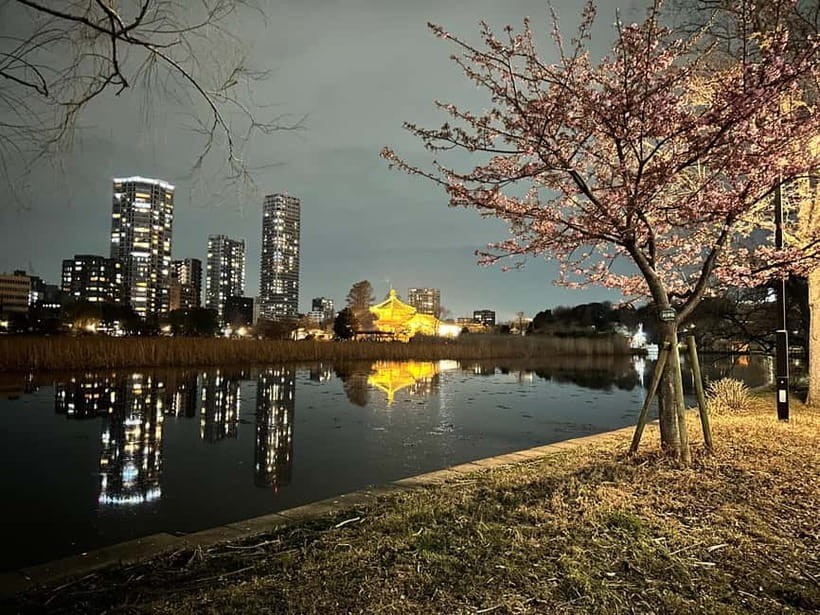
- Ueno Park at Dusk: Cherry Blossoms and an Easy Start
- The Train to Akihabara: Watching Tokyo Light Up
- Akihabara Free Time: Electronics, Anime, and Smart Wandering
- Shibuya Crossing Photos: The One Crowd Shot You’ll Remember
- Shinjuku and Kabukichō Night Walk: Lights, Streets, and a Fun Sense of Place
- Karaoke in Shinjuku: The Included Entrance Fee Turns the Night Into a Win
- Guides, Pace, and the English/Spanish Advantage
- Value Check: Why $79 Can Actually Make Sense
- What to Bring and How to Prepare for a Night Tour
- Who This Tour Fits Best (and Who Should Rethink It)
- Should You Book This Tokyo Night Tour?
- FAQ
- Is this Tokyo night tour offered in English and Spanish?
- What does the $79 per person price include?
- Where do I meet the guide in Ueno?
- Are snacks and drinks included?
- What should I bring?
- Can I cancel and get a refund?
Key Points You’ll Care About
- Ueno Park cherry blossoms with a calm, scenic dusk stroll before the city turns fully neon
- Akihabara free time to browse electronics, anime, and video game shops at your own pace
- Shibuya Crossing photo moment where you can actually capture the crowd
- Shinjuku Kabukichō night walk through the area known for entertainment streets and lights
- Karaoke in Shinjuku with the entrance fee included, turning the night into a fun break
- Bilingual English/Spanish guidance plus train tickets for the transfers between main stops
More to do within sight of the Crossing
- Official Street Go-Kart in Shibuya★ 5.0 · 3,435 reviews
- Tokyo: Street Kart Experience in Shibuya★ 4.9 · 1,484 reviews
- Shibuya Meltdown Nightlife Tour: All-You-Can-Drink Bar Hopping★ 5.0 · 1,058 reviews
Meeting at Ueno Station: Seven Eleven, Exit C7, and a Sign
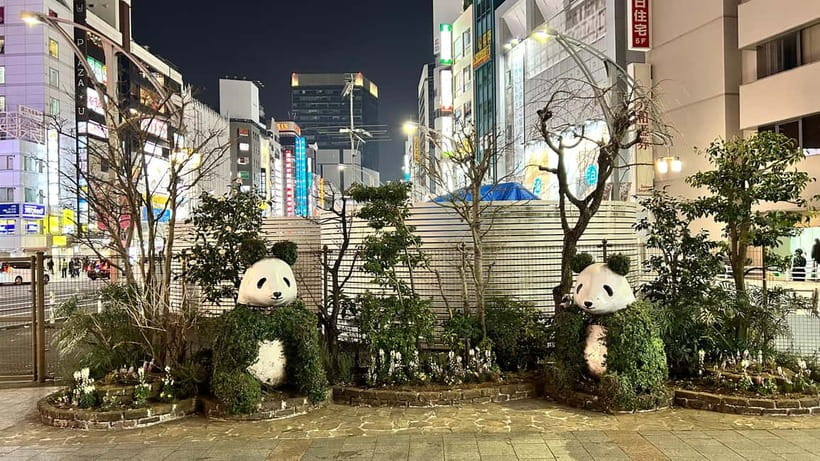
You’ll start at Ueno Station, with the meeting point being a Seven Eleven next to the pandas. Take Exit C7 at Ueno Station, and look for your Amigo Tours guide holding a sign. Arrive at least 10 minutes early so you can check in smoothly and not feel rushed when you’re hopping on trains in the dark.
This is the kind of beginning that matters more than it sounds. Tokyo station exits can be confusing even when you’re used to them, and night tours move at a steady rhythm. Showing up early means you’ll start relaxed, not sprinting through underpasses with your camera dying at 2%.
Also, because the guide is bilingual (English and Spanish), you can expect explanations to land without the awkward guessing game. Bring a charged smartphone for maps, translations, and crowd-photo moments.
Ueno Park at Dusk: Cherry Blossoms and an Easy Start
Before Tokyo’s biggest nightlife clusters hit full volume, this tour starts with Ueno Park. At dusk, the park’s pathways feel like a breather: you’re walking, looking at cherry blossoms, and getting a sense of the area’s importance in the city’s cultural footprint. Even if cherry blossom season isn’t perfect for timing, the point is the mood—calm, open space, and a scenic warm-up.
What I like about this setup is the pacing. You’re not thrown straight into the loudest neon streets. Instead, you get a structured start with something beautiful and photogenic, and you build your “Tokyo night legs” before the tour turns more chaotic.
Practical tip: wear shoes you don’t mind walking in for a few hours. Ueno Park is pleasant, but you’ll still be moving along paths. If you want photos, keep your camera ready and your phone brightness low so you don’t lose night vision while taking shots.
The Train to Akihabara: Watching Tokyo Light Up
After Ueno, you’ll take a comfortable train ride to Akihabara. Since train tickets are included for the transfers between the main stops, you won’t have to calculate routes or add extra costs mid-tour. The train window experience is one of those “quiet value” moments: you see the city change texture as it turns more commercial and more electric.
This transfer also works psychologically. You’ve had a slower introduction in Ueno, and now you get a transition into the high-signal world of Akihabara. That means when you arrive, it doesn’t feel like you were dropped into a random maze—you’re already warmed up to the vibe.
One more good thing: guided tours usually keep the group from getting scattered. At night, that’s huge. You can focus on where you are, not on where everyone is.
Akihabara Free Time: Electronics, Anime, and Smart Wandering
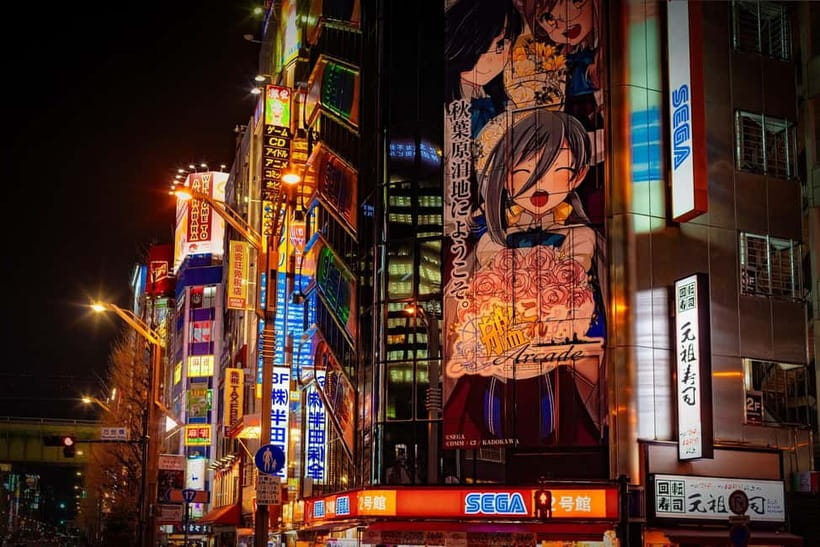
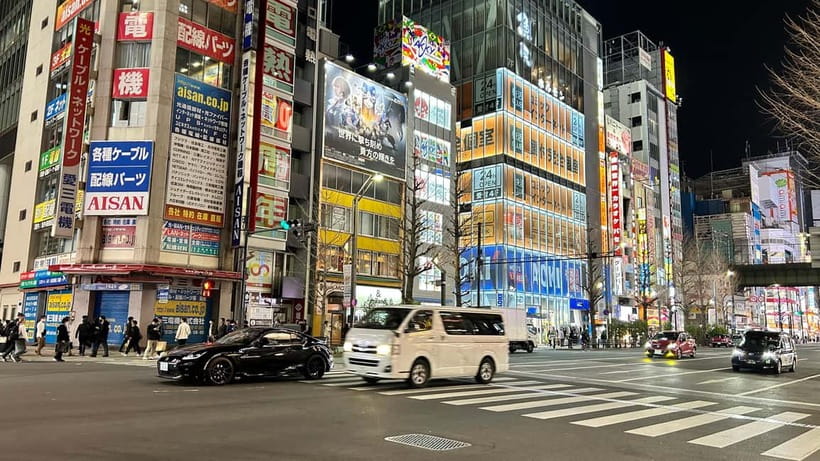
Once you arrive in Akihabara, you’ll get a brief orientation—what the district is known for, and why it became a hub for electronics, anime, and video games. Then you get free time to explore at your own pace. That mix is the sweet spot: you learn enough to enjoy the details, but you’re not locked into a scripted route.
This is where your interests decide the experience. If you love gadgets, you can browse electronics shops. If anime and pop culture are your thing, you’ll find stores and themed spaces that match the neighborhood’s reputation. If you’re hunting souvenirs, this is often where you can spot memorabilia that feels specific to Tokyo rather than generic “tourist Tokyo.”
The value here is time and choice. A “quick stop” just makes Akihabara feel like crowds and storefronts. Free time lets you slow down and decide what’s worth your money and camera shots. If you want a strategy, set a simple goal before you go in—like comparing prices on small items or picking one “one big souvenir” instead of buying random stuff.
Deeper into Electric Town


Shibuya Crossing Photos: The One Crowd Shot You’ll Remember
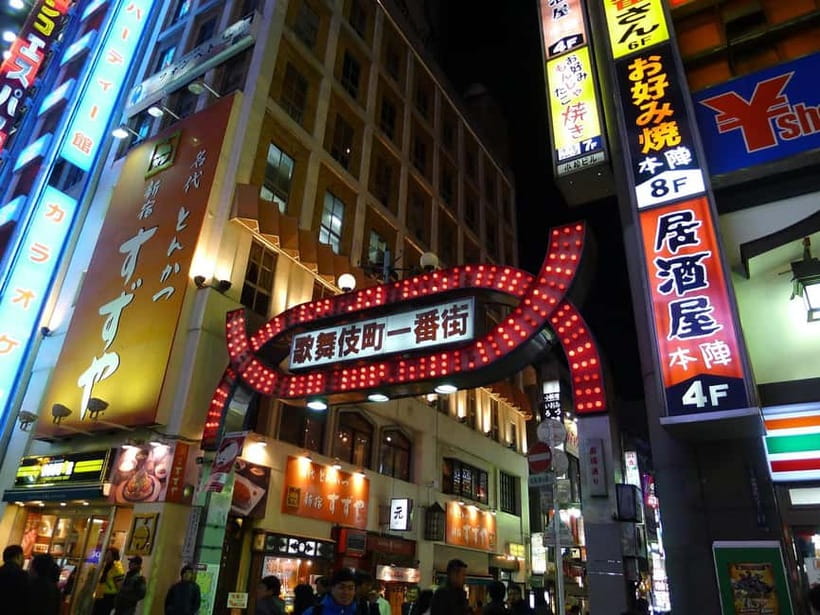
Then comes Shibuya, and with it the famous Shibuya Crossing. You’ll arrive in time to see the crowd crossing at once, and yes, it’s exactly the kind of scene that looks like a movie set—except it’s real, all around you, moving in waves.
This stop is built for photography, and the tour gives you time to stop, look, and take pictures. The trick is not just having a camera—it’s knowing where to stand and when to press the shutter. You’ll want to watch how people flow, then shoot when the crowd density looks right rather than firing constantly and ending up with blurry shots.
Also, think about your phone settings. Night photos can turn into noise quickly. If you have the option, tap-to-focus on a bright landmark and keep your hands steady. If you’re using a small tripod, follow local rules and don’t block others.
You’ll feel the tempo shift again here: Akihabara is busy in a niche, pop-culture way, and Shibuya is busy in a “everyone is here” way.
Shinjuku and Kabukichō Night Walk: Lights, Streets, and a Fun Sense of Place
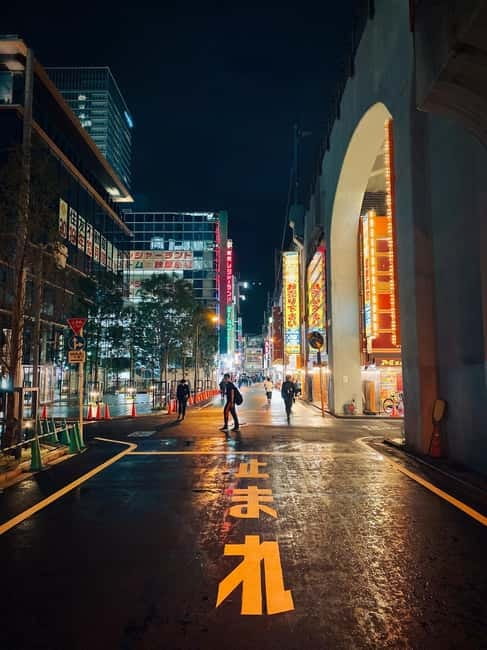
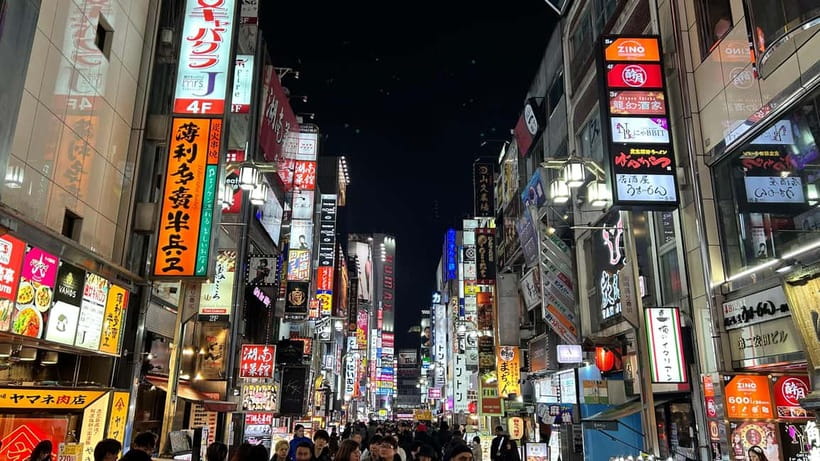
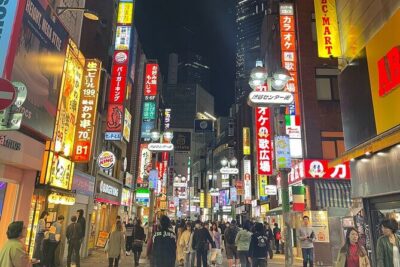
The final leg brings you to Shinjuku, specifically Kabukichō, one of Tokyo’s best-known entertainment districts. Here, the atmosphere is all about energy and neon streets—bright signs, lively blocks, and that Tokyo night pulse that’s hard to describe until you’re standing in it.
You’ll do a walking tour through Kabukichō, which helps because this area is best experienced on foot. If you try to do it alone without context, you can end up wandering toward dead ends or tourist traps. With a guide, you get the sense of where you are in the city’s nightlife map, and you can spot the character of the streets more easily.
One detail I really appreciate from the way this tour is structured: the night doesn’t just keep getting louder. It sets you up for karaoke after the walk, so the route has a natural “energy peak,” rather than endless sightseeing.
If you’re sensitive to crowds, this is still manageable because you’re with the group and moving in an organized way. Just expect it to be lively.
Karaoke in Shinjuku: The Included Entrance Fee Turns the Night Into a Win
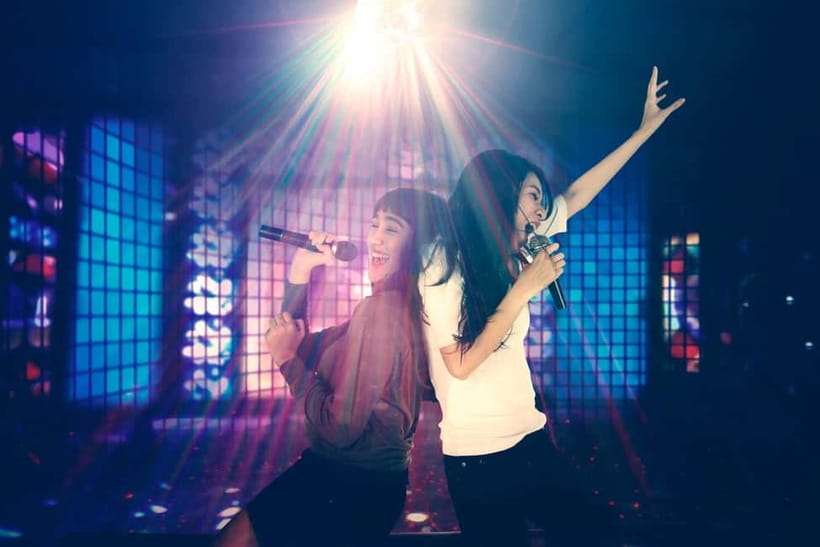
Karaoke is the payoff moment, and the entrance fee is included. This isn’t just a random add-on—it’s a cultural activity that’s easy to enjoy even if your Japanese is basic. The best part is that karaoke is a social reset. After walking through neon streets and taking photos at crossings, it’s a chance to laugh, sing, and be silly with a room full of people.
Some karaoke experiences can come with a room setup that feels more like a lounge than a bare booth—lights, comfortable seating, and plenty of songs to choose from have been noted in the tour feedback. Your group picks songs, you get the mic time, and suddenly the night stops being about logistics and starts being about fun.
If you want the smoothest karaoke experience, think ahead about your song list. Pick a mix: one song you know super well and one that’s popular enough for the room. If you’re nervous, start with something familiar and work your way out of the comfort zone. The group vibe tends to loosen up fast once the first song starts.
Guides, Pace, and the English/Spanish Advantage
A lot of night tours fail because they rush. This one is structured to avoid that problem. Guides take time with explanations and keep things moving without turning Tokyo into a sprint. Names like Ethan, Erik, Hiro, Pastor, and Oliver show up in guide feedback, and the consistent theme is helpful, friendly guidance rather than scripted monotone.
The bilingual format matters more than you might think. When explanations are available in both English and Spanish, it’s easier to ask questions, understand the “why” behind each neighborhood, and not miss key details while you’re navigating. That makes the whole night feel less like you’re just following someone and more like you’re getting the story behind what you’re seeing.
Also, since train transfers are included, you avoid a common frustration: losing time at ticket machines or arguing about which station entrance to use. The guide handles the flow, so you can stay in “photo and explore” mode.
Value Check: Why $79 Can Actually Make Sense
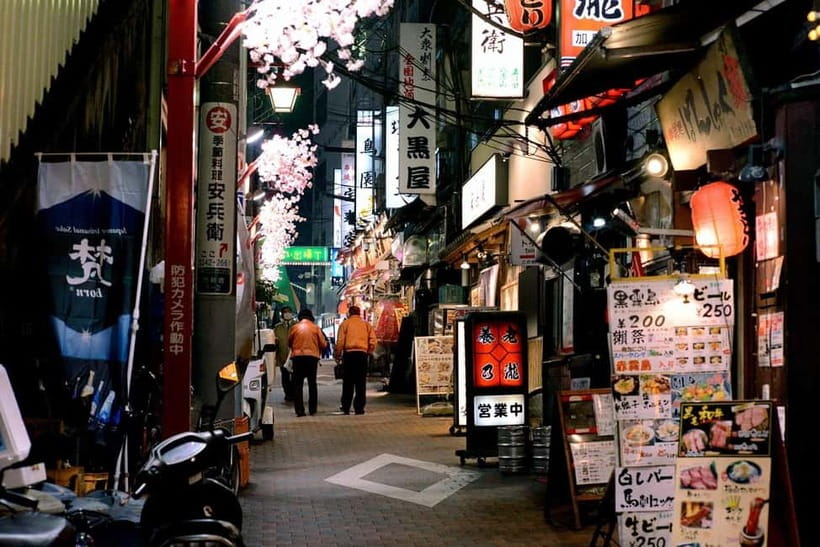
At $79 per person, you’re paying for more than a walk tour. You’re getting a bilingual guide, train tickets for transfers between stops, and the karaoke entrance fee. That combination is the real value equation.
If you were to do this on your own, you’d likely pay for:
- trains between Ueno, Akihabara, Shibuya, and Shinjuku,
- a guide or a lot of phone-based navigation work,
- and karaoke entry on top of everything else.
The tour also offers snacks and drinks if you choose the option that includes them. If you don’t select that, food and drinks aren’t included, so plan to buy your meals separately. For many people, that’s a good thing. You can choose the exact kind of dinner you want—budget, quick, or a sit-down meal—without being forced into someone else’s schedule.
My practical advice: treat this as a “night program” where you budget for meals separately, but you save money and time on the core pieces—transfers, guidance, and karaoke.
What to Bring and How to Prepare for a Night Tour
You don’t need fancy gear, but you do need the basics to keep the night easy.
- Comfortable shoes for walking
- Camera if you like skyline and neon photos
- Charged smartphone for directions, translations, and taking shots
If you’re thinking about photography, pack light. Night photos are about steadiness and timing, not about carrying a whole kit you’ll regret later. If you’re going to karaoke, wear something comfortable enough to sing in for a while.
One more prep move: decide what “success” looks like before you meet. Is it the best Shibuya Crossing shot? A great Akihabara souvenir find? Finishing the night singing a song you love? When you’re clear on what you want, you won’t waste time second-guessing.
Who This Tour Fits Best (and Who Should Rethink It)
This tour is a great match if you want a guided night route through Tokyo’s most iconic entertainment zones, with enough structure to keep you from getting lost and enough flexibility to enjoy Akihabara on your own.
You’ll likely love it if:
- you want photos in major places like Shibuya,
- you like shopping windows and niche culture in Akihabara,
- you enjoy karaoke and want it built into the itinerary,
- you prefer a guide to handle trains between areas.
You might rethink it if:
- you need step-free or wheelchair-friendly routing (the tour is not suitable for wheelchair users),
- you don’t like walking at night,
- you want a slower, sit-down-only style evening.
Should You Book This Tokyo Night Tour?
Book it if you want the best “Tokyo night highlights” package in one evening, without spending mental energy on route planning. The combination of Ueno Park cherry blossoms, Akihabara free time, Shibuya Crossing photo time, and karaoke in Shinjuku is a strong mix of calm-to-chaos-to-fun.
Skip it if you want a quieter night, or if mobility needs make walking difficult. Also, if you dislike crowds, keep your expectations grounded—Shibuya Crossing and Kabukichō are popular by design.
If you’re looking for value, this tour earns it by bundling the bilingual guide, train transfers, and karaoke fee into the $79 price. That’s the kind of convenience that turns a good evening into a smooth one.
FAQ
Is this Tokyo night tour offered in English and Spanish?
Yes. The tour provides a bilingual guide in Spanish and English.
What does the $79 per person price include?
It includes the bilingual guide (Spanish and English), train tickets for transfers between the main points, and the karaoke entrance fee. Snacks and drinks are included only if you choose the option that includes them.
Where do I meet the guide in Ueno?
Meet the guide at the Seven Eleven next to the pandas. Take Exit C7 at Ueno Station, and look for the guide holding a sign for Amigo Tours.
Are snacks and drinks included?
Snacks and drinks are included only if you select the option that includes them. If you don’t choose that option, food and drinks are not included.
What should I bring?
Bring comfortable shoes, a camera, and a charged smartphone.
Can I cancel and get a refund?
Yes. You can cancel up to 24 hours in advance for a full refund.
More Tour Reviews in Tokyo






Further into Akihabara

Still in Shibuya? Keep Going



Fresh reviews from around Tokyo






Shibuya Tours, compared.
 ★ 5.0Official Street Go-Kart in ShibuyaFrom $763,435 reviews
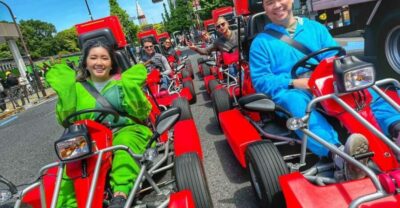 ★ 4.9Street Kart Experience in ShibuyaFrom $741,484 reviews
 ★ 5.0Shibuya Meltdown Nightlife Tour: All-You-Can-Drink Bar HoppingFrom $1061,058 reviews
 ★ 5.0Shibuya Official Street Go-Kart in Shibuya AnnexFrom $69972 reviews
 ★ 5.0Shibuya Food Tour (13 dishes and 4 Eateries)From $77770 reviews
 ★ 5.0Best of Shibuya Food TourFrom $217612 reviews
 ★ 4.8Shibuya Highlights Walking TourFrom $19601 reviews
 ★ 4.7Premium Go-Kart Tour with Tower & Shibuya CrossingFrom $116528 reviews
Browse the lists this tour appears in