
Reviewed · SUMO SHOWS
Tokyo: Sumo Morning Practice Tour at Sumida City
Sumo training hits different when you’re close enough to feel the air. This tour takes you into a sumo stable in Sumida City for a morning practice you can actually watch, not just vaguely admire on TV. I love the up-close action and how the guide explains the rules and rituals so it clicks. I also love the chance to ask the stable master questions after the training, when people usually relax and open up a bit. One possible drawback: you have to sit on the floor for about 1.5 hours, no chairs, so it can feel tough if you can’t do cross-legged or low-kneel comfortably.
The best part is the tone. This isn’t entertainment. You’re there for discipline, tradition, and training, and the silence rules matter. Guides have been especially strong in recent groups too, with names like Tadashi, Kiyomi, Yoko, Oku, and Yuriko showing up in praise for clear explanations and an orderly flow.
Logistics are simple, but early is early. You’ll meet at 7:15AM near Tokyo Skytree (Oshiage area), then walk about 15–20 minutes to the stable, with a 5-minute segment toward Tokyo Skytree Town along the way. If you don’t like mornings or you’re not set up for a quiet, floor-based experience, it may not be your best Tokyo activity.
In This Review
- Key takeaways before you go
- Tokyo sumo morning practice: what you’re really signing up for
- Meeting at Oshiage (Skytree area) and the 15–20 minute walk to the stable
- The “secret stop” briefing: rules and rituals before you sit on the floor
- Inside the stable: shoes off, silence on, and no chairs
- Watching the training up close: what you’ll see and how long it lasts
- After practice: the stable master Q&A and the photo moment
- Guide quality in real terms: names you’ll hear and what good guiding looks like
- Price and value: is $116 for 2 hours a fair deal?
- Who should book this sumo morning tour (and who should skip it)
- Small logistics that can make or break your morning
- Should you book this Tokyo Sumo Morning Practice Tour?
- FAQ
- What time do I need to meet for the Sumo Morning Practice Tour?
- How long is the tour?
- Is food or drinks included?
- Can I take photos during the practice?
- Are sunglasses or hats allowed inside the stable?
- When are morning practice tours not held?
Key takeaways before you go
- You’re watching practice from very near the ring, so the size and speed land fast.
- No chairs means real floor time, about 1.5 hours, so comfort matters.
- Guide-led context comes first, so the rituals and rules make sense while you watch.
- Q&A with the stable master is a major payoff after the workout.
- Photos are allowed without flash, but you cannot upload them to social media.
- Training doesn’t run in March, July, and November, because Grand Sumo tournaments are outside Tokyo those months.
More chances to sit ringside
- Tokyo: Sumo Show and Dining Experience★ 4.8 · 2,742 reviews
- the SUMO show★ 5.0 · 1,960 reviews
- Tokyo Shinjuku Sumo Show & Experience with Photo★ 5.0 · 1,750 reviews
Tokyo sumo morning practice: what you’re really signing up for
This is a chance to see sumo as work. Not a show. Not a staged experience. You’ll watch wrestlers practice up close in a stable setting where focus is the entire point.
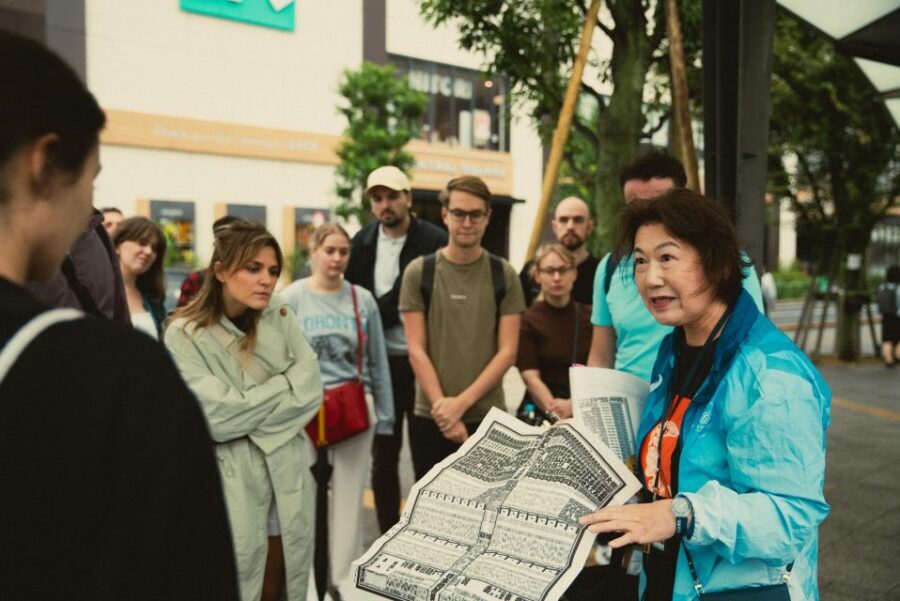
You’re also not going in cold. The tour format builds context before you settle in. You get an English-speaking guide who explains history, rules, and rituals, which helps you read what’s happening instead of just watching bodies collide. A lot of people come thinking they’ll just enjoy the spectacle, then leave understanding why the rituals look the way they do and how the routines shape discipline.
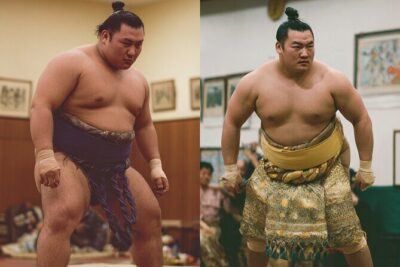
And then there’s the closeness. People talk about size and strength for a reason. Even when you know sumo wrestlers are big, you don’t get the scale until you’re standing and sitting near them while they move, reset, and repeat drills.
Meeting at Oshiage (Skytree area) and the 15–20 minute walk to the stable
Your morning starts in the Oshiage area, at Tokyo Metro Oshiage (Skytree Mae) Station on the Toei-Asakusa Line. The meeting point is Station A1 Exit (ground floor), and you meet at 7:15AM so you’re ready when the tour starts at 7:30AM.
From there, you’ll walk roughly 15–20 minutes to reach the stable. There’s also a short move toward Tokyo Skytree Town (about 5 minutes) as you get your bearings. It’s not a long hike, but it is early, and you may be moving before you’re fully awake.
Practical tip: you’re also walking on a morning when surfaces can be damp. The tour suggests bringing a towel so you can wipe your feet if rain makes the route wet. That small prep can save you from an uncomfortable shoes-off situation later.
The “secret stop” briefing: rules and rituals before you sit on the floor
Before you see the practice, you’ll get about 1.5 hours of guided time during the walk period, including a pause at a “secret stop.” This is where the guide work pays off.
Expect you’ll learn:
- the history behind sumo and why it’s treated as more than sport
- basic rules and how to recognize what matters during training
- rituals that frame the wrestlers’ mindset and routines
This part is valuable because it makes the stable feel like a living place rather than a random warehouse. When you understand what you’re watching, you stop guessing and start noticing. A common theme in positive feedback is that the guide keeps the group moving and explains expectations clearly, so you’re not left wondering where to stand, what to do, or why the silence matters.
Inside the stable: shoes off, silence on, and no chairs
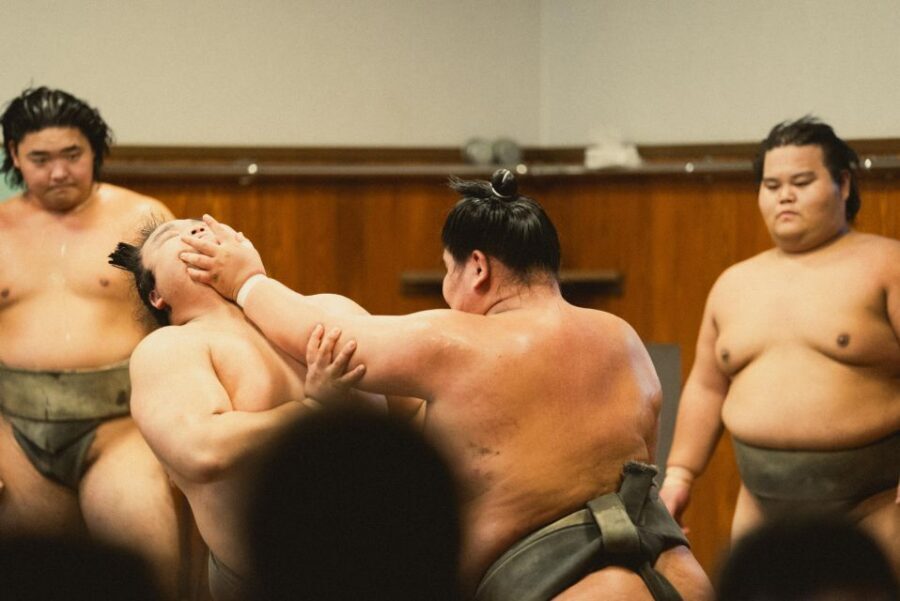
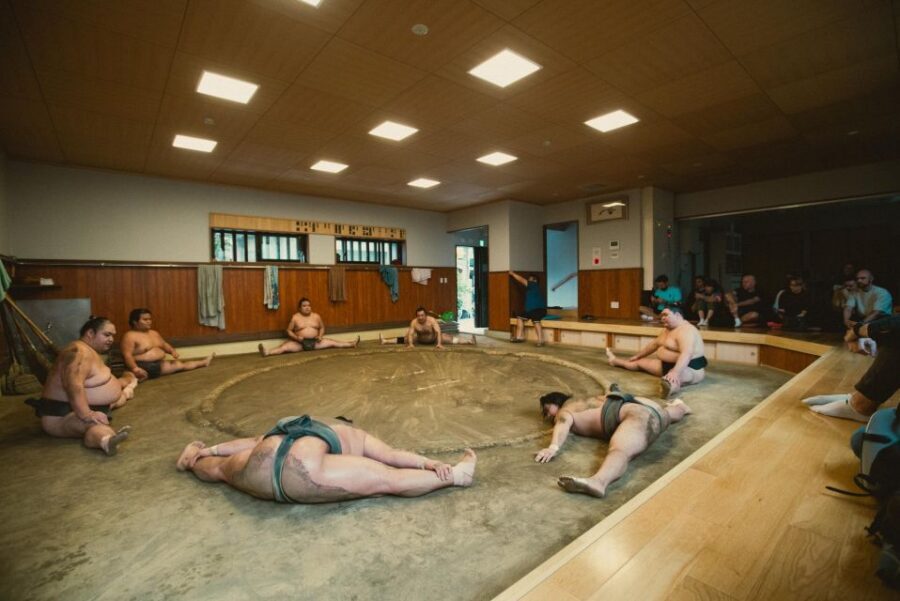
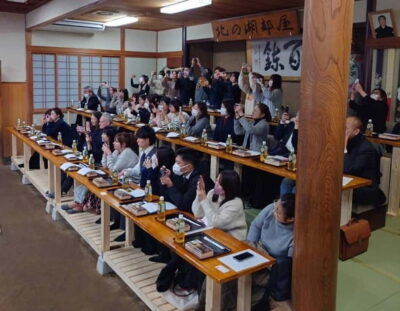
Once you arrive at the stable, you shift into stable-mode quickly. You’ll be on the floor, and the tour is explicit about no chairs. You’ll need to sit cross-legged or in the low position for about 1.5 hours during the practice.
That’s the key thing to plan for. If kneeling or sitting on the ground isn’t realistic for you, the provider recommends you skip this tour. Some people manage fine. Others find it uncomfortable as time passes. Either way, it’s better to decide upfront than to “tough it out” and ruin the day.
Also plan for a very specific kind of etiquette:
- You must watch silently and respectfully during the practice.
- You cannot use the toilet during the practice, so the tour strongly suggests going beforehand.
- No flash photography.
- No sunglasses, hats, food, baby strollers, or large luggage.
There’s also a quiet rule about entering. If you arrive late, do not walk in on your own. You wait outside for your guide so you don’t disturb the wrestlers’ concentration. Don’t ring doorbells either.
Bigger sweeps: other Tokyo city tours


Watching the training up close: what you’ll see and how long it lasts
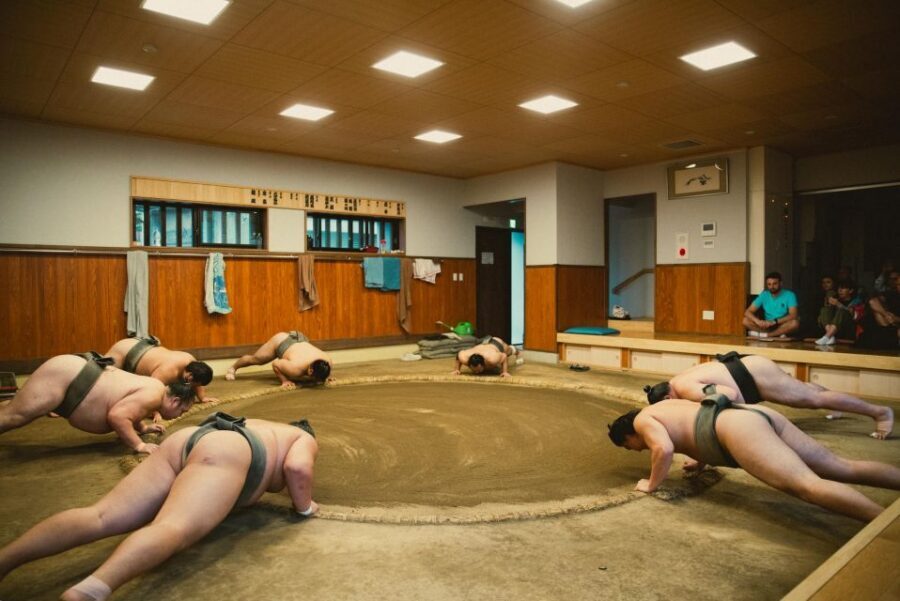
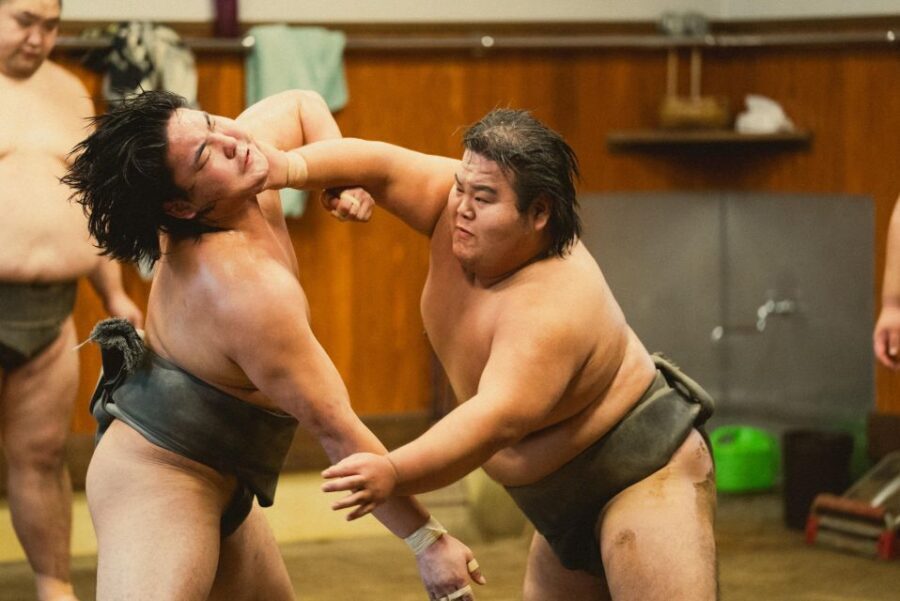
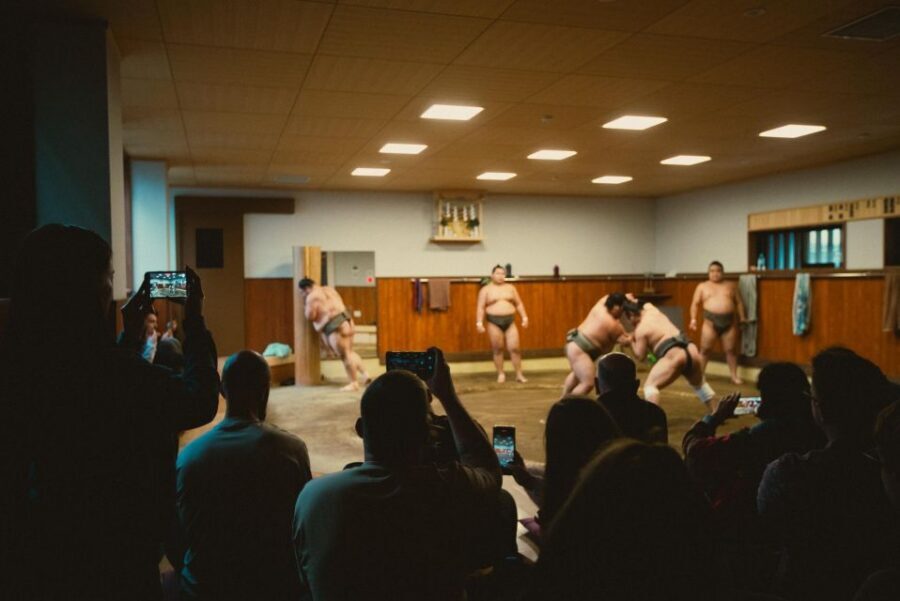
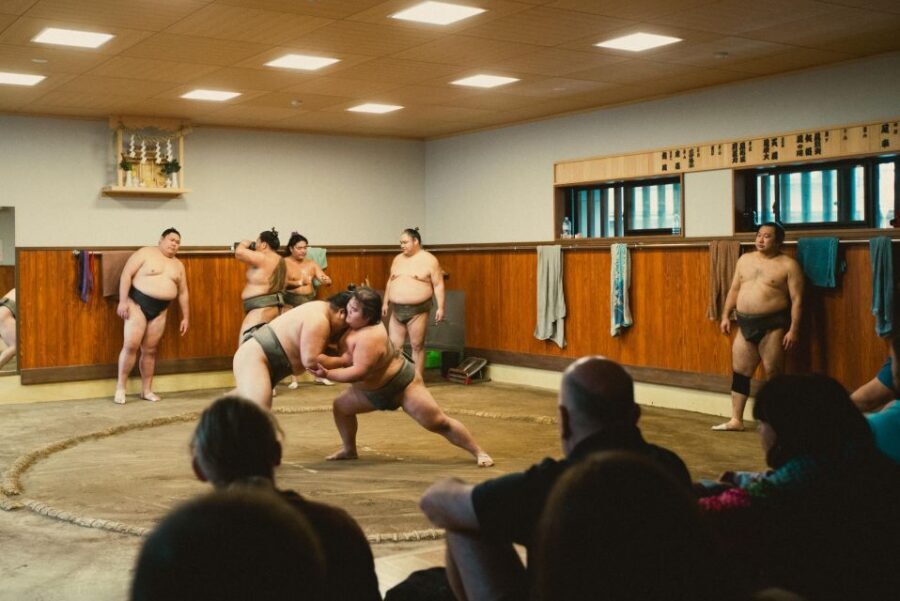
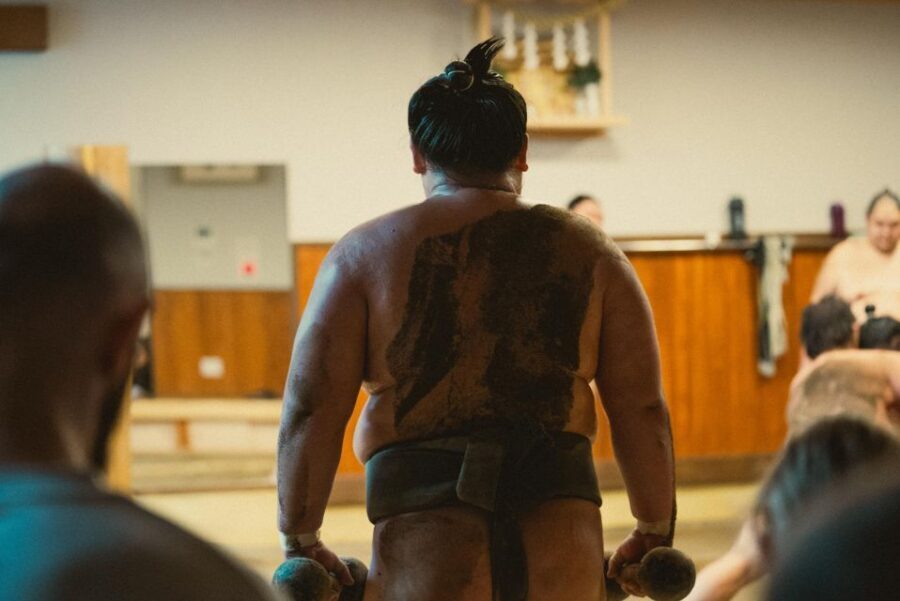
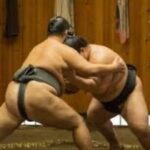
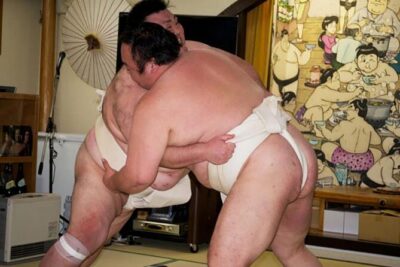
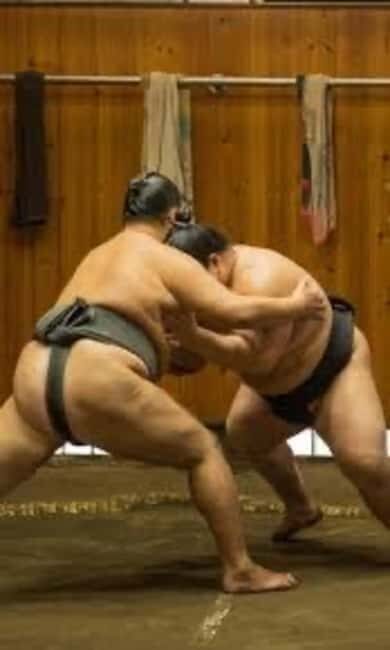
The heart of the tour is the morning practice. You’ll watch wrestlers train in close proximity, with the feeling that the ring is right in front of you.
From the information you’re given and the way the tour is described, you can expect:
- a set of wrestlers (a group of about seven is mentioned in feedback)
- intense practice sessions that include one-on-one fights
- a close, sit-and-watch setup where you can actually see form, balance, and control
You should also know that the day’s exact “feel” can vary. One review noted the training period can feel lighter on certain dates, and another mentioned the group doing earlier runs to catch the correct start time. The tour is still organized, but sumo calendars affect what’s happening outside tournament-free windows. And the tour doesn’t run in March, July, and November because of Grand Sumo tournaments outside Tokyo.
A tip for your viewing: your view may change during the practice depending on seating rotation and group flow. Some groups mention seat swaps so everyone gets a fair look, while others note that group seating can vary day to day. Go in expecting you’ll move slightly and adapt, because that’s part of how a stable visit works.
After practice: the stable master Q&A and the photo moment
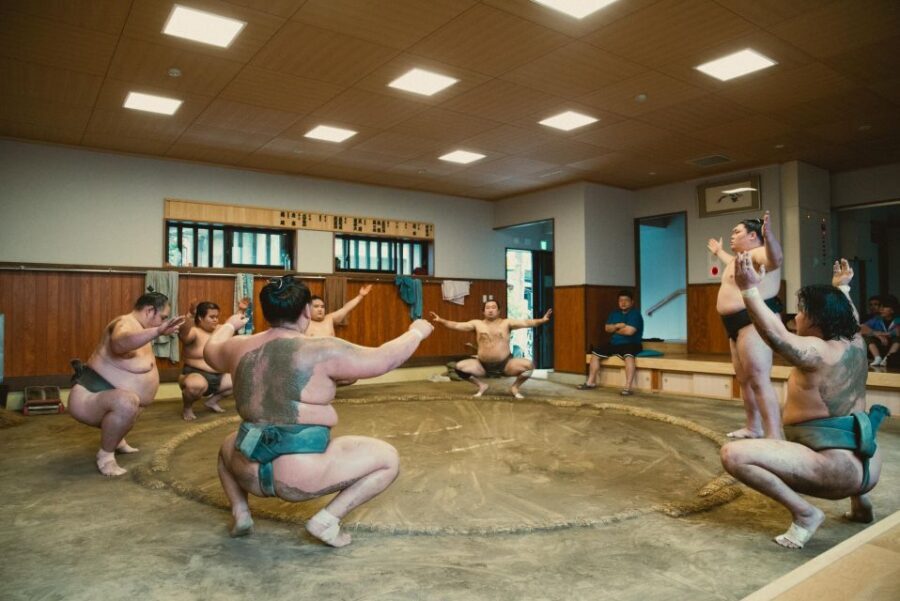
The session doesn’t end when the training stops. This is one of the most praised parts of the tour.
After the practice, you typically get:
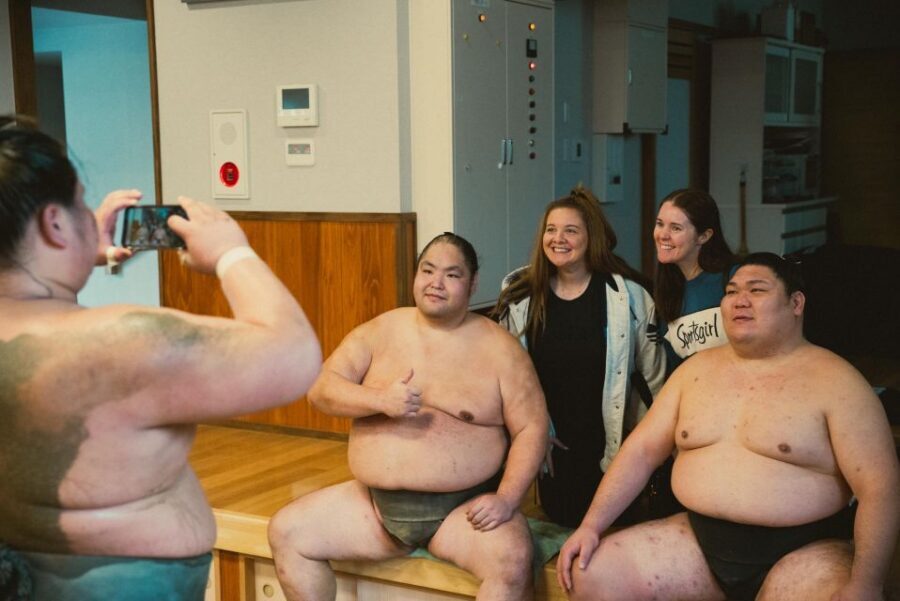
- time for questions with the stable master
- an opportunity to take photos and videos without flash
- a photo moment that can include the wrestlers (some groups describe a souvenir photo)
This Q&A time is where the tour becomes more than watching. The stable master can explain what training looks like from the inside, how routines fit into daily life, and how the world of sumo functions beyond the ring. Many people point out that the manager answers questions generously and that the conversation feels calm rather than rushed.
One practical note: the tour says you cannot upload photos/videos to any social media platform. That’s worth knowing before you get excited about posting in real time. You’ll want to save your sharing for later.
Guide quality in real terms: names you’ll hear and what good guiding looks like
This tour lives or dies on the guide. The biggest positive pattern in feedback is not just friendliness—it’s clarity and structure.
You’ll see names like Tadashi and Kiyomi credited for going above and beyond, answering questions with patience, and keeping things organized. Others include Yoko, Oku, Yuriko, and Juki, often praised for explaining what to expect and handling the quiet rules smoothly.
What good guiding actually looks like here:
- setting expectations before you enter the stable
- helping you understand rituals so you can watch with intent
- managing group timing so you don’t miss key moments
- making the Q&A feel welcoming rather than awkward
If you’re booking for the experience, not just the photos, guide quality should matter to you. The people who enjoy this most tend to cite that “this made it make sense” feeling.
Price and value: is $116 for 2 hours a fair deal?
At $116 per person for about 2 hours, this isn’t a cheap Tokyo add-on. But you’re paying for access and context in one package.
Here’s what you’re getting that’s hard to DIY:
- entrance to the sumo stable (the tour includes this)
- an expert English-speaking guide
- reserved time that builds background, then brings you into the practice space
- a Q&A opportunity with the stable master after practice
What you’re not getting:
- hotel pickup/drop-off
- food or drinks
So the value comes down to this question: do you want the insider angle, the rules/routines explanation, and the chance to ask questions? If yes, the price starts to look more reasonable, because you’re not just buying a ticket—you’re buying structure and access.
If you only want to take a few photos and skim the surface, there are cheaper ways to see sumo culture in Tokyo. But for a close, respectful morning practice experience, this tour can feel like a focused use of a limited trip schedule.
Who should book this sumo morning tour (and who should skip it)
I think this tour is a strong fit if you:
- like culture and want to understand the rules behind what you see
- can commit to quiet viewing and respectful behavior
- are okay sitting on the floor for roughly 1.5 hours
- want a guided experience in English, with a Q&A at the end
- enjoy early starts when they lead to something unique
You should skip (or be extra careful) if you:
- have mobility issues and cannot do floor seating
- can’t sit cross-legged or in a kneeling position for that length of time
- need a kid-friendly environment with lots of movement (there’s a minimum age of 6, and noisy children may be asked to leave)
- rely on sunglasses, hats, or larger bags (these aren’t allowed)
Also note: the tour explicitly mentions it’s not suitable for children under 5. If you’re traveling with younger kids, you’ll need a different plan.
Small logistics that can make or break your morning
A few details matter more than you’d think:
- Restroom first. You cannot go during the practice, so use the restroom before joining.
- Dress for shoes-off. The tour suggests bringing a towel for wet conditions, and you’ll be removing footwear.
- Pack lightly. Luggage or large bags aren’t allowed.
- Turn flash off. No flash photography, and any phone use should follow the no-flash rule.
- Don’t plan a toilet stop as a mid-tour rescue. This is a fixed-flow stable visit.
If you’re late: message the tour provider. Don’t enter the stable on your own. Wait outside until your guide meets you.
Should you book this Tokyo Sumo Morning Practice Tour?
Book it if you want a close, respectful look at sumo training with real context, not just a quick photo stop. I especially recommend it if you care about the rituals and rules and you’re excited by the Q&A with the stable master. The combination of near-ring viewing and structured explanation is what makes this feel worth doing in a short Tokyo visit.
Skip it if you can’t handle floor seating, need frequent bathroom breaks, or you’re hoping for a casual, flexible sightseeing style. The early start and the quiet expectations are real, and this tour is built around them.
If you’re traveling during months when it runs (and not March, July, or November), this can be one of the more memorable mornings you’ll have in Tokyo.
FAQ
What time do I need to meet for the Sumo Morning Practice Tour?
You meet at 7:15AM at Tokyo Metro Oshiage (Skytree Mae) Station, Toei-Asakusa Line Oshiage Station A1 Exit (ground floor). The tour starts at 7:30AM.
How long is the tour?
The tour duration is 2 hours.
Is food or drinks included?
No. Food or drinks are not included.
Can I take photos during the practice?
Yes, you can take photos and videos without flash or shutter sounds. However, you cannot upload them on any social media platform.
Are sunglasses or hats allowed inside the stable?
No. Sunglasses and hats are not allowed.
When are morning practice tours not held?
Morning practice and tours will not be held in March, July, and November because Grand Sumo tournaments take place outside of Tokyo.
More Tours in Tokyo





More Tour Reviews in Tokyo




More Mornings with the Wrestlers
Fresh reviews from around Tokyo






Sumo Shows, compared.
 ★ 4.8Sumo Show Experience with Chicken Hot Pot and a PhotoFrom $1036,678 reviews
 ★ 4.8Sumo Show and Dining ExperienceFrom $792,742 reviews
 ★ 5.0the SUMO showFrom $891,960 reviews
 ★ 5.0Tokyo Shinjuku Sumo Show & Experience with PhotoFrom $791,750 reviews
 ★ 4.8Sumo Show and Experience in ShinjukuFrom $691,001 reviews
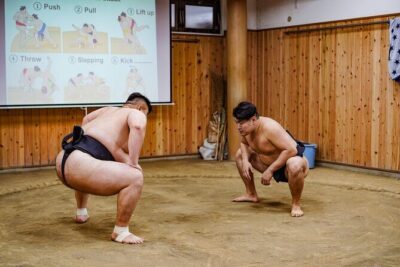 ★ 5.0Authentic Sumo Experience in Tokyo: Enter the SanctuaryFrom $171603 reviews
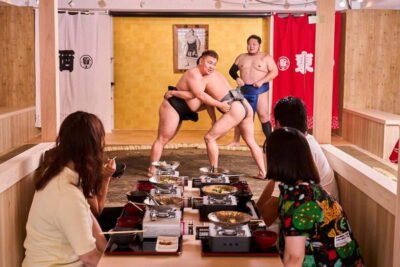 ★ 4.8Tokyo Sumo Experience: Chanko & Mochi with a Former ProFrom $103567 reviews
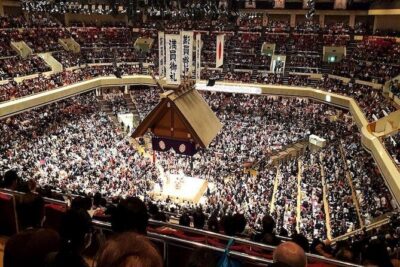 ★ 5.0Ultimate Sumo Tournament: Tokyo, Osaka, Nagoya, FukuokaFrom $184468 reviews
Browse the lists this tour appears in