
Reviewed · TOKYO
Hop-On Hop-Off Tokyo Bus by Skyhop Bus
Tokyo is big. This bus helps.
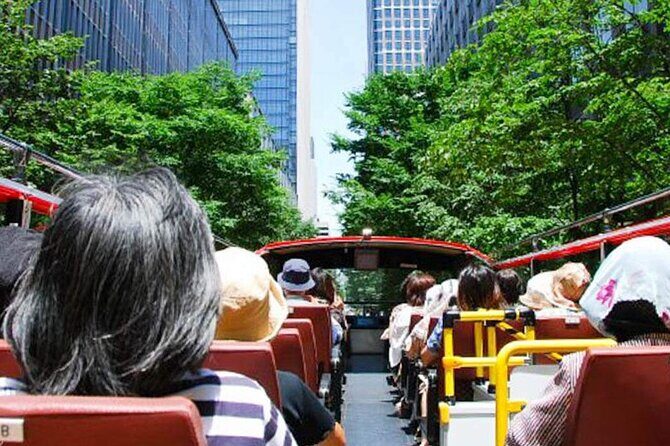
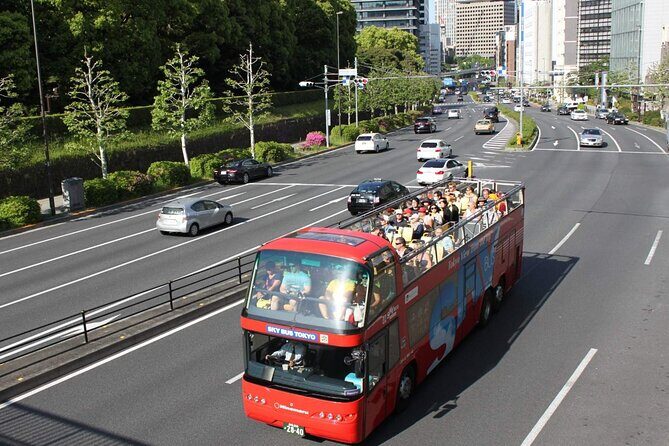
You get a hop-on hop-off experience from an open-top double-decker, so you’re not stuck underground all day. It’s a practical way to see Tokyo’s headline sights—from temple-and-market streets around Asakusa to modern skyline scenes in Shinjuku—and still keep control of your schedule.
I like that you’re not locked into one long ride. The ticket is valid across the routes in the allowed time window, and there’s WiFi on board, plus a poncho/raincoat when rainy season hits. One drawback to keep in mind: the experience can feel a bit uneven if you hit bus delays, gaps between buses, or weak narration support—so plan your day with some wiggle room.
In This Review
- Key things I’d watch before you board
- Open-top double-decker freedom: why this works in Tokyo
- The routes that actually cover Tokyo: Tower, Asakusa–Ueno, and Shinjuku–Shibuya
- Tokyo Tower and the west-side sights
- Asakusa and Ueno, plus the tech and shopping lane
- Shinjuku green space and the Shibuya side
- Stop-by-stop: what each area is good for (and what to plan for)
- Tokyo Tower
- Zojo-ji Temple (near Tokyo Prince Hotel / Shiba area)
- Fuji Television Network
- Tokyo Teleport Station
- Ginza (Ginza Capital Hotel Akane stop)
- Kodemmacho Station
- Ryogoku and Edo-Tokyo Museum
- Tokyo Skytree Station
- Asakusa neighborhoods (Hanakawado and Kotobukichō stops)
- Ueno Station
- Ueno-Matsuzakaya Department Store stop
- Akihabara (Suehirocho)
- Shin-Nihombashi Station
- Shinjuku Gyoen National Garden
- JR Shinjuku Station Southeast Exit Plaza and Shinjuku Station West
- Shibuya City Hall Hatsudai Branch
- Audio, WiFi, and rain gear: the small stuff that changes your day
- Price and value: is $48.99 a good deal for you?
- Getting your time right: how to avoid long waits and rough edges
- Who this is best for (and who should pick something else)
- My take: should you book the Hop-On Hop-Off Tokyo Bus by Skyhop Bus?
- FAQ
- How much does the Hop-On Hop-Off Tokyo Bus cost?
- How long is the bus experience?
- Can I use the ticket on multiple routes?
- Is it a 1-day or 2-day tour?
- What’s included with the ticket?
- Where do I exchange or redeem a voucher?
- What happens if the tour is canceled due to weather?
Key things I’d watch before you board
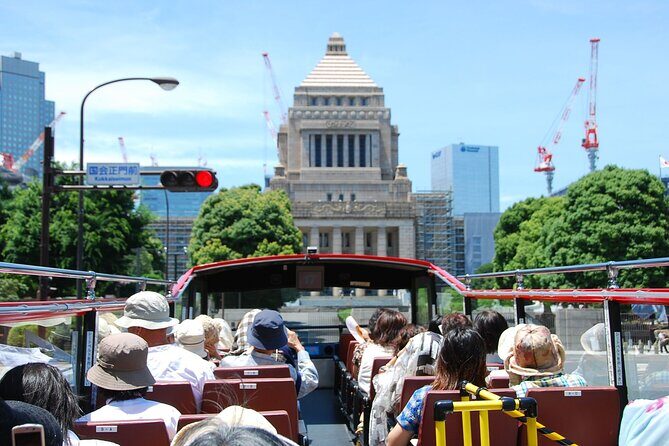
- Open-top views: great for photos and first-time orientation without hunting for the right train
- Route variety: Tokyo Tower area, Asakusa–Ueno–Akihabara, and the Shinjuku/Shibuya side
- Hop-on flexibility: stop for temples, museums, gardens, or shopping, then re-board when you’re ready
- WiFi + rain gear: built-in comfort for a day outdoors
- Narration and timing can vary: if audio isn’t clear, you may need to ask for the right setup
Before you commit, see how this one stacks up against a few Tokyo favourites:
- Mt Fuji and Hakone 1-Day Bus Tour Return by Bullet Train★ 5.0 · 26,383 reviews
- 1-Day Tokyo Bus Tour★ 5.0 · 14,250 reviews
- Tokyo: teamLab Planets TOKYO Digital Art Museum Entry Ticket★ 4.6 · 9,779 reviews
Open-top double-decker freedom: why this works in Tokyo
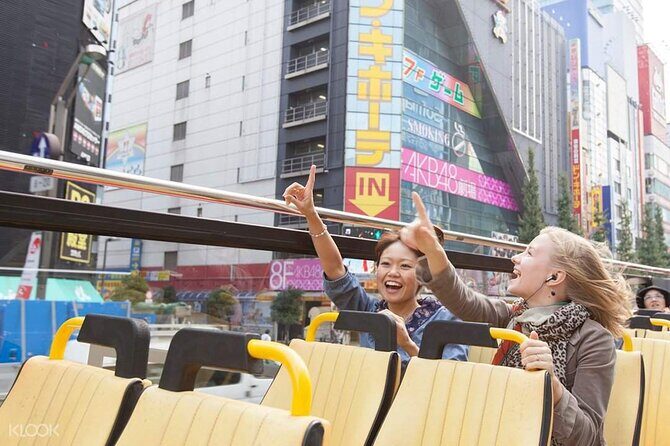
Tokyo rewards patience. You walk a lot, you switch trains, and you constantly ask yourself if you’re going the right way. This bus cuts through that. You ride above the traffic (and sometimes above the clouds of your own confusion), then drop into the areas you actually want to explore.
The big win is the format: hop off whenever something catches your eye—then hop back on later to keep moving. That’s especially helpful in Tokyo because different neighborhoods feel like different cities. Asakusa has old-street energy. Ueno feels like a museum-and-park zone. Shinjuku is all rush and vertical lights. With this setup, you can experience each “Tokyo mood” without turning your day into one nonstop transit puzzle.
And yes, the open-top matters. On a clear day, the skyline looks like it’s been designed for postcards. Even when it’s not perfect weather, you still get a better “city map in motion” than you do from inside a subway car.
The routes that actually cover Tokyo: Tower, Asakusa–Ueno, and Shinjuku–Shibuya
This isn’t just one line circling one theme. You can use routes that connect several major zones:
Tokyo Tower and the west-side sights
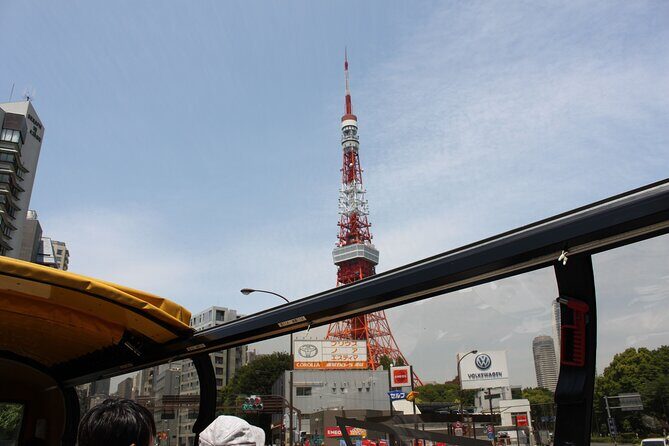
You’ll see the classic Tokyo Tower area (it appears as a main stop) and nearby viewpoints. There’s also a stop near Zojo-ji Temple, plus stops tied to media and waterfront access—like Fuji Television Network and Tokyo Teleport Station, which is your cue that the service also links toward the Odaiba side of Tokyo.
In other words: you’re getting both iconic landmarks and “modern Tokyo” scenery rather than only traditional sightseeing.
Asakusa and Ueno, plus the tech and shopping lane
Another strong corridor links Asakusa and Ueno with major nearby hubs:
- Stops around Asakusa neighborhoods
- Ueno Station and a stop at Ueno-Matsuzakaya (useful if shopping is your afternoon plan)
- Akihabara (Suehirocho area) for electronics, anime, and quick browsing
If you like to bounce between “culture” and “what’s new,” this route does it neatly.





Shinjuku green space and the Shibuya side
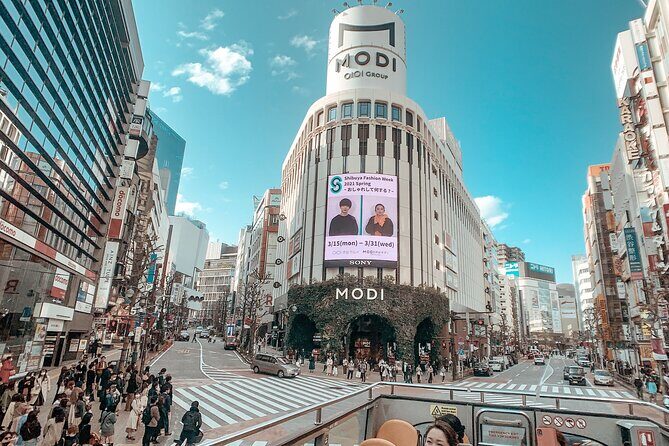
On the Shinjuku side, you’ll have stops for Shinjuku Gyoen National Garden and multiple Shinjuku station areas (southeast and west). There’s also a stop linked with Shibuya’s city hall area (Hatsudai Branch).
This route choice is great if you want one day to feel like Tokyo’s energy center—then still have a calm, planted break at a garden.
Stop-by-stop: what each area is good for (and what to plan for)
Below is how I’d think about each stop cluster once you’re actually on the bus. I’m focusing on the “why this stop matters,” not just the name.
Tokyo Tower
This is one of those stops you’ll see even if you don’t get off—because the skyline around it is a whole scene. If you want to walk the nearby streets and soak in the landmark from street level, this is the place to hop off and take your time.
Practical note: re-boarding is the point. If you hop off for a long stretch, don’t forget you still want a plan for the next section of your day.
Zojo-ji Temple (near Tokyo Prince Hotel / Shiba area)
Pair this with Tokyo Tower for a quick contrast: modern landmark energy on one side, temple grounds on the other. This is a good stop for people who want at least one “real Tokyo history” moment without turning it into a full-day temple quest.
Fuji Television Network
This stop is for modern-city Tokyo fans. It’s also useful as a “connector” toward other districts. Even if you don’t do anything elaborate here, it helps orient you to how Tokyo mixes media, transit, and architecture.
Tokyo Teleport Station
This is your clue for the waterfront/Odaiba direction. If you want views tied to Tokyo’s newer development areas, this stop can be your jump-off.
Ginza (Ginza Capital Hotel Akane stop)
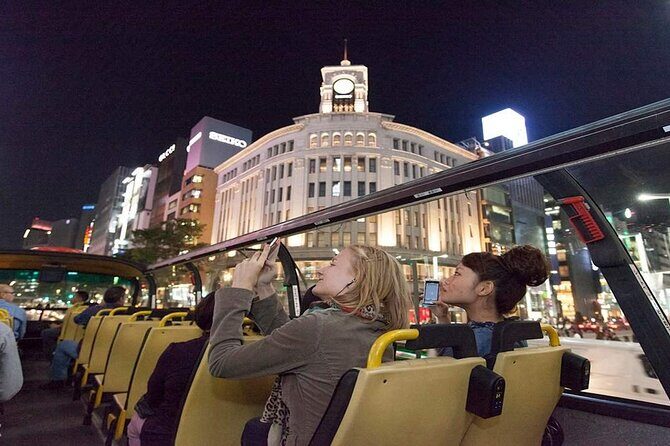
Ginza is all about shopping and polished city vibes. This stop can be a time-saver if you want that area without stitching together multiple train rides.
If your budget leans strict, Ginza is still worth a wander. Think browsing and window-shopping—then move on before costs add up.
Kodemmacho Station
This is an “easy access” stop for the tech/shopping zone. It’s the kind of stop that makes it simpler to pop over to nearby shopping streets without trying to navigate station exits perfectly.
Ryogoku and Edo-Tokyo Museum
Ryogoku is a strong pick if you want the Tokyo that remembers older chapters. The Edo-Tokyo Museum stop is especially useful because museums are where you can slow down and understand what you’re seeing in other neighborhoods.
If you’re short on time, you might not want to do a full museum visit. But even a partial plan can make the rest of the day feel more meaningful.
Tokyo Skytree Station
Skytree is the “future” counterpoint to older Tokyo. Even if you don’t go all the way up, the area is worth exploring for views and for the general energy of a major city icon.
Asakusa neighborhoods (Hanakawado and Kotobukichō stops)
These stops put you in the Asakusa zone—where the streets feel more traditional and your day starts to look like Tokyo in movies and photos. This is where you’ll do the slower strolling: snacks, souvenir browsing, and temple-area wandering.
One thing to plan for: you may need a bit of walking from the bus drop-off to reach your exact spot. The service is helpful, but drop-offs can be limited.
Ueno Station
Ueno is a classic choice for first-time visitors because it’s both practical and interesting. This stop works well if you’re splitting your day between museums and city strolling.
Ueno-Matsuzakaya Department Store stop
If you like shopping but also want your day to stay efficient, this is a handy anchor. You can combine browsing with short breaks from heat, cold, or rain.
Akihabara (Suehirocho)
If you’re even a little curious about electronics, anime culture, or just the quirky side of Tokyo shopping, this stop makes it easy to get there. Akihabara is also a good place to let yourself wander without worrying too much about missing one “must-see”—there’s always something to look at.
Shin-Nihombashi Station
This is more of a transit-and-access stop. It can help you shift between zones and re-orient without backtracking.
Shinjuku Gyoen National Garden
This stop is your “exhale” moment. Gardens are the best way to balance Tokyo’s concrete intensity. Even if you’re not a serious plant person, a garden break resets your energy for the rest of the day.
JR Shinjuku Station Southeast Exit Plaza and Shinjuku Station West
These stops are about access. Shinjuku Station is huge, and having more than one stop location can reduce the time you spend walking just to get to the neighborhood you want.
Shibuya City Hall Hatsudai Branch
This helps connect you to the Shibuya side of Tokyo. Shibuya is famous for energy and people-watching, and this stop can put you in position to spend time in that area.
Audio, WiFi, and rain gear: the small stuff that changes your day
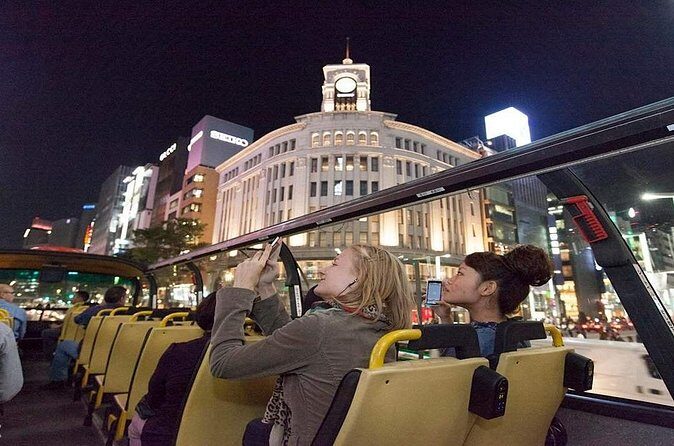
The tour includes WiFi on board, which is genuinely useful for re-checking maps, planning your next hop, or just keeping your phone charged with less stress. It also helps if you want to look up opening times before you step off.
Rain gear is also included during rainy season: a poncho/raincoat. Tokyo weather can change quickly, so having this already in the plan is a real convenience.
Now, about narration: some riders report that audio can be unclear or missing unless you have the right setup (for example, needing earbuds). My practical advice is simple: bring your own small earbuds just in case you’re not getting clean sound. And if the narration seems off, ask staff for help right away rather than waiting.
Price and value: is $48.99 a good deal for you?
At $48.99 per person, this bus sits in the “pay for convenience” category. The value is strongest when you actually use the hop-on flexibility and cover multiple zones across your day.
Here’s how I’d judge it:
- If you’re new to Tokyo and want to see a lot without complex planning, the price can feel reasonable fast.
- If you plan to do only one short ride and never hop off, you might feel like you paid for views you could’ve gotten from a simpler plan.
- If you plan to use the ticket for 1 or 2 consecutive days, the math improves because you’re not paying again to re-start.
The duration on the route is listed at about 1 hour 57 minutes (approx.), but the real value isn’t that single loop time. It’s the fact that you can split your sightseeing into chunks and still get back to the bus when you’re ready.
Bottom line: if you’re the type who likes an efficient first draft of a city, this is the kind of day that can be worth the ticket.
Getting your time right: how to avoid long waits and rough edges
This is where things can vary. Some people run into bus delays and gaps, and some report staff support that wasn’t as smooth as it should be. I can’t promise your day will be perfect, so I treat this like any city sightseeing plan: build margin.
Two habits help a lot:
- Don’t schedule “must be there at exactly X time” plans back-to-back with long hops.
- When you exchange or redeem your ticket, do it as soon as you’re ready so you’re not scrambling later.
If you’re using a voucher, you’ll exchange it at the Skybus Ticket Center (1st floor of the Marunouchi Mitsubishi Building) or at other Sky Hop Bus stops. Then you redeem the voucher for the actual bus ticket with staff or the driver at the stops along the route. Use the ticket for two consecutive days starting from your first day of use.
That may sound like admin work, but it’s exactly how you protect yourself against boarding hiccups.
Who this is best for (and who should pick something else)
This bus is a strong match if:
- you want an easy way to see Tokyo’s major landmarks without over-planning
- you like a flexible schedule (hop off, explore, then re-board)
- you’re traveling as a pair or group who can agree on “big sights first”
It’s also a good choice for people who want their first day to feel like orientation. Getting from Tower-area Tokyo to Asakusa/Ueno and then to Shinjuku/Shibuya gives you a structure you can build on later with trains and local walks.
You might want another plan if:
- you hate waiting and prefer precise timing
- you want a guaranteed, high-quality narration experience at every stop
- you’re mostly staying inside one small neighborhood and don’t need cross-city movement
My take: should you book the Hop-On Hop-Off Tokyo Bus by Skyhop Bus?
I think this is worth booking if you treat it as a convenient framework for a first pass at Tokyo. The route coverage is smart: Tokyo Tower for the classic view, Asakusa/Ueno/Akihabara for the culture-and-quirk mix, and Shinjuku/Shibuya for the city-energy payoff. Add WiFi and included rain gear, and you’ve got a comfortable base layer for a full sightseeing day.
Just don’t assume the day will run like a metronome. Plan with breathing room. Bring earbuds in your bag. And if you’re relying on audio narration, be ready to ask staff for help if it isn’t coming through clearly.
If you’re willing to travel flexibly—and you want to maximize landmarks without building a complex itinerary—this bus can be a fun, efficient way to see Tokyo.
FAQ
How much does the Hop-On Hop-Off Tokyo Bus cost?
The price is $48.99 per person.
How long is the bus experience?
The duration is listed at about 1 hour 57 minutes (approx.).
Can I use the ticket on multiple routes?
Yes. The ticket can be used on all routes within the valid time.
Is it a 1-day or 2-day tour?
It’s offered as a 1 or 2-day unlimited hop-on hop-off tour. The ticket can be used for two consecutive days from the first day of use to the last bus of the next day.
What’s included with the ticket?
Included items are WiFi on board, the hop-on hop-off validity on all routes within the valid time, the 1 or 2-day unlimited option, and a poncho/raincoat during rainy season.
Where do I exchange or redeem a voucher?
You can exchange your ticket at the Marunouchi ticket counter (Skybus Ticket Center on the 1st floor of Marunouchi Mitsubishi Building) or at any Sky Hop Bus stop. You’ll show your voucher to staff, who will guide you. You can redeem your voucher for a ticket from the bus driver or staff at bus stops along the route.
What happens if the tour is canceled due to weather?
This experience requires good weather. If it’s canceled due to poor weather, you’ll be offered a different date or a full refund.
More Tour Reviews in Tokyo



Fresh reviews from around Tokyo






Tokyo, compared.
 ★ 5.0Mt Fuji and Hakone 1-Day Bus Tour Return by Bullet TrainFrom $16326,383 reviews
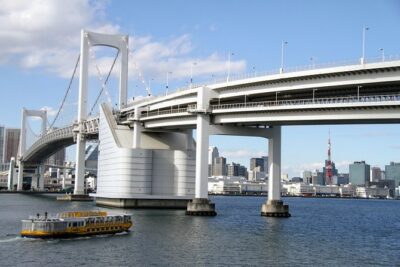 ★ 5.01-Day Tokyo Bus TourFrom $12914,250 reviews
 ★ 4.6teamLab Planets TOKYO Digital Art Museum Entry TicketFrom $259,779 reviews
 ★ 4.0Mt Fuji & Hakone Cruise, Drum Show Bullet Train 1 Day from TokyoFrom $1497,413 reviews
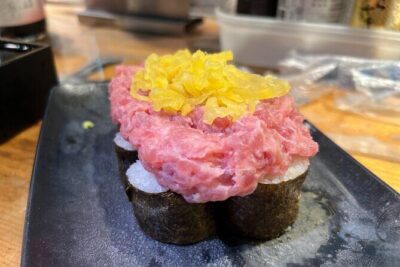 ★ 5.0Shinjuku Food Tour (13 Dishes at 4 Local Eateries)From $866,603 reviews
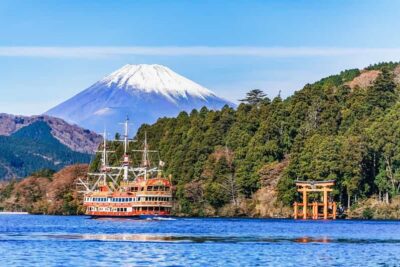 ★ 4.4Tokyo Mt Fuji 5th St & Hakone Cruise Bus Tour w/Bullet TrainFrom $1545,024 reviews
 ★ 5.0Flagship 2-Hours Official Street Go-Kart Tour – Tokyo Bay ShopFrom $644,974 reviews
 ★ 4.5From Tokyo: Mount Fuji Full-Day Sightseeing TripFrom $684,970 reviews