
Reviewed · TSUKIJI FISH MARKET TOURS
Tsukiji Fish Market: Street Food & Culture Walking Tour
Tsukiji tastes like real Tokyo. This small-group tour strings together the street-food energy of Tsukiji Jogai Market, a real fish-cutting show, and quick cultural context as you walk the area with a local guide. You get explanations that make the food feel less random and more like a working system.
I especially like the hands-on moment watching a chef fillet a whole fish using traditional techniques, and I also love how the guide steers you toward good street-food choices instead of wandering hungry. One possible drawback: the market gets busy, and the pacing can include some stopping and waiting—so you’ll want to stay close to your group when crowds thicken.
Good news for logistics. The tour is designed for small-group attention (max 30) and is wheelchair and stroller accessible, with guides such as George and Tomo showing up in recent feedback for clear English and market know-how.
In This Review
- Key Points You’ll Feel Immediately
- Tsukiji Still Feels Like a Working Neighborhood
- Price and Value: What $33.16 Buys You Here
- Starting at Tsukiji Hongwanji: Your Orientation Point
- Tsukiji Jogai Market Street Food: The Best Way to Begin Hungry
- The Fish-Cutting Show: Technique You Can Actually See
- Inside Tsukiji Fish Market: Working Atmosphere, Not Just Photos
- Tsukiji Hongwanji Temple: A Quick Culture Thread
- Small Group Size, Real Guide Attention, and English That Helps
- Timing, Crowds, and Comfort Tips for a Better Day
- Accessibility: Better Than the Usual Market Chaos
- Who This Tour Is Best For (and Who Might Skip It)
- Should You Book This Tsukiji Street Food and Culture Tour?
- FAQ
- How long is the Tsukiji Fish Market: Street Food & Culture Walking Tour?
- What’s included in the tour?
- What’s not included?
- Where does the tour start and end?
- Is the tour near public transportation?
- How big is the group?
- Is it wheelchair and stroller accessible?
Key Points You’ll Feel Immediately
- Traditional fish-cutting show with a chef and a hands-on look at technique
- Street-food focus at Tsukiji Jogai Market so you’re not guessing what to try
- A real market walk with professional trading atmosphere (not just a photo stop)
- Fast cultural add-on at Tsukiji Hongwanji Temple with Buddhist history context
- Tour runs about 2 hours and keeps the group size manageable (max 30)
Still hungry? More Tsukiji breakfasts and market walks
- Tokyo Tsukiji Fish Market Food and Culture Walking Tour★ 5.0 · 3,184 reviews
- Tokyo: Tsukiji Fish Market Food and Walking tour★ 5.0 · 1,724 reviews
- Tokyo: Tsukiji Fish Market Guided Walking Tour★ 4.9 · 1,397 reviews
Tsukiji Still Feels Like a Working Neighborhood
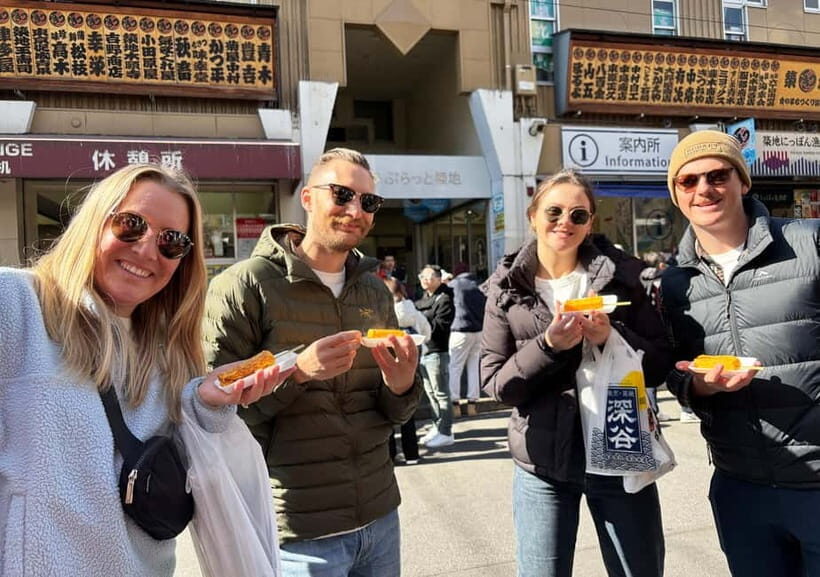
Tsukiji isn’t a theme park. Even when tourists swarm in, the area has that working-market feel: people moving with purpose, vendors doing their jobs, and food that shows up because it’s needed. The best part of taking a guided walk here is that you don’t just see the space—you understand the flow.
What I like about this particular tour format is that it connects food to craft. You start with street-food culture, then you watch the fish-cutting process, then you return to the market atmosphere with a better sense of why the seafood work matters. That order makes the details stick.
Also, the tour is built to keep you moving through the main highlights in about two hours. That’s a sweet spot if you want a big hit of Tsukiji without losing half a day.
Price and Value: What $33.16 Buys You Here
At about $33.16 per person for a roughly two-hour experience, the value comes from two things: guided structure and one paid-style feature (the fish-cutting show). Street food and market walks can be cheap if you DIY, but you’ll still be solving problems—what to order, where to go first, and how to make sense of what you’re seeing while you’re standing amid noise and crowd pressure.
This tour’s deal is that you get someone guiding you through the right places in the right sequence. And because the show is part of the experience flow, you’re not scrambling to coordinate the most in-demand moment on your own.
Now, a realistic note: the price doesn’t cover all meals beyond what’s built into the experience. The tour data lists meals as not included, yet the fish-cutting segment includes a fresh seafood bowl afterward. Translation: you’ll likely get something substantial during the tour, but if you want extra tasting beyond that, you should expect to pay separately.
Starting at Tsukiji Hongwanji: Your Orientation Point
You’ll begin at 築地本願寺本堂3-chōme-15-1 Tsukiji, right at Tsukiji’s main temple area. Starting here works because you get an immediate sense of place—religion and food culture are tied together in Japan more often than people expect. Before you hit the densest market areas, you’re mentally set up for what you’re about to see.
The meeting point also makes it easier to regroup. The tour ends back at the same spot, which matters in a place where it’s easy to drift off when you’re tempted by every snack on display.
Tsukiji Jogai Market Street Food: The Best Way to Begin Hungry
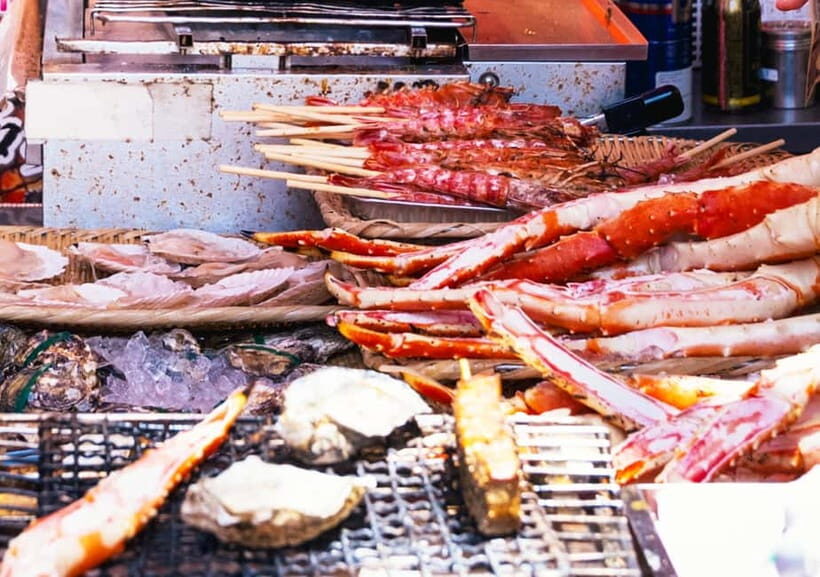
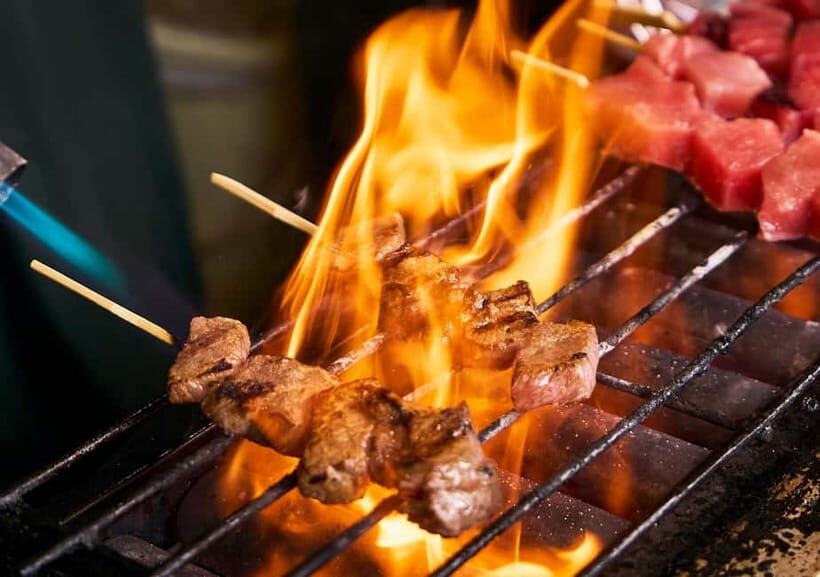
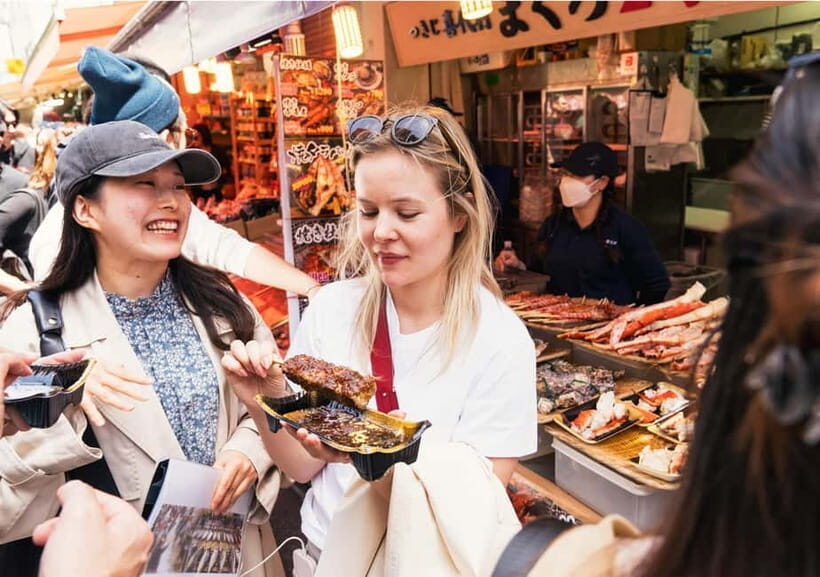
Your first market stop is Tsukiji Jogai Market, where the focus is street food and Japanese food culture. This is the part where a guide earns their fee. In Tsukiji, it’s not always obvious what’s worth your yen and what’s best for first-timers. A local guide helps you sample the right things without wasting time second-guessing.
Expect a 45-minute stretch built for tasting and learning. The pacing here is important: you’re getting your bearings while the market is freshest in your mind. If you’ve ever tried to DIY a market day and ended up eating random snacks just to keep energy up, this structure helps you avoid that.
A practical caution: street-level market areas can get tight. Even with a small-group approach, you’ll want comfy shoes and a phone ready, but don’t rely on constant scrolling to keep up—you’ll likely move faster than your body wants to.
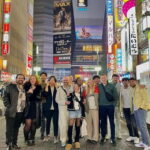
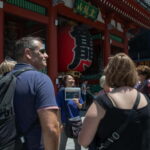
Tokyo at walking pace, a few more ways
The Fish-Cutting Show: Technique You Can Actually See
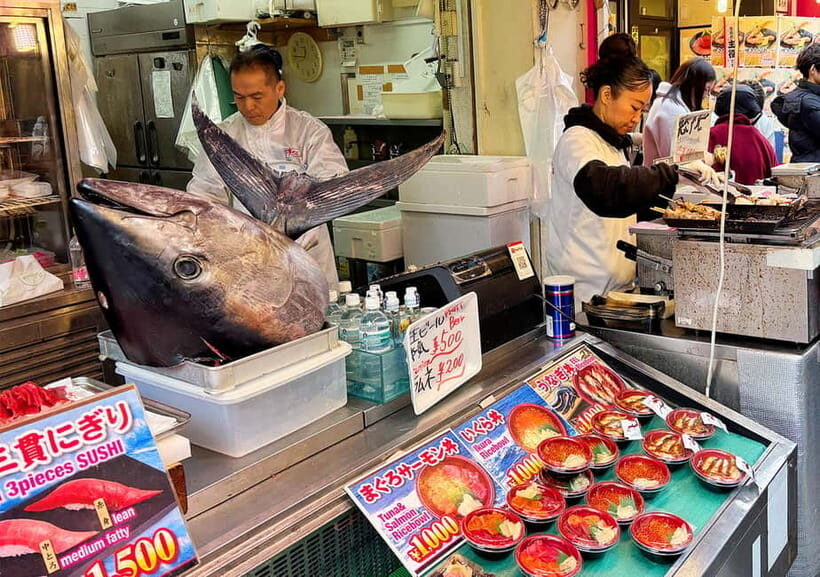
Then comes the centerpiece for many people: an exclusive fish-cutting show with a skilled chef filleting a whole fish using traditional techniques. This is the moment that turns Tsukiji from a food stop into a craft lesson.
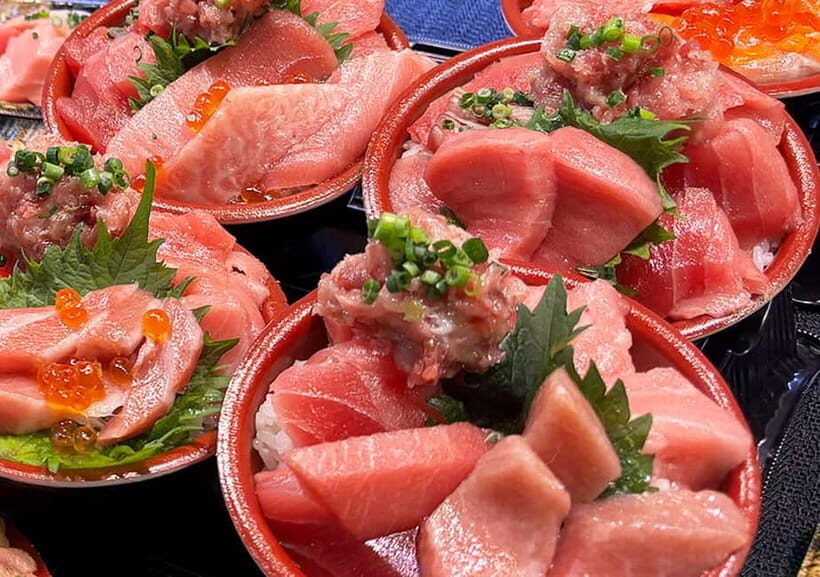
It’s also timed well. The show is about 30 minutes, and right after, you enjoy a fresh seafood bowl. That “watch the work, then taste the result” rhythm helps you understand what you’re eating. You’re not just buying seafood—you’re seeing the transformation.
Two things I think you should pay attention to during the show:
- How precise the cuts are. The technique is fast, but it’s not random.
- The sense of respect for the ingredient. The process shows that quality starts before the plate.
If you care about food beyond flavor—if you want the how and why—this segment is the best reason to book instead of walking solo.
Inside Tsukiji Fish Market: Working Atmosphere, Not Just Photos
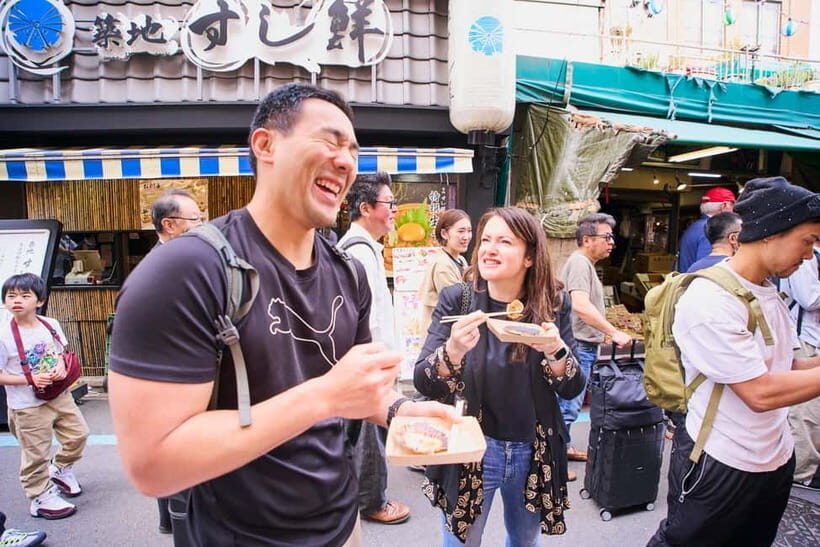
After the show, the tour moves into Tsukiji Fish Market, where you experience the authentic atmosphere of a market where professional traders operate. This part lasts about 30 minutes, and it’s less about tasting and more about seeing how the place functions.
The value here is context. When you’ve watched a fillet happen, you start to notice different things: what people are focused on, how fish is handled, and why the market’s speed matters. Even if you don’t speak Japanese, a market still communicates through motion and routine.
This stop is also where the day can feel busiest. That’s normal here. If you’re sensitive to crowds, have ear protection or just be mentally ready to keep moving and keep your place in line.
Tsukiji Hongwanji Temple: A Quick Culture Thread
The last stop is Tsukiji Hongwanji Temple, with about 15 minutes guided by a local who explains its charm and some history tied to Buddhism. The temple visit is short, so don’t expect a long cultural program.
Still, it can be a useful reset. The market is sensory overload—sound, smells, motion—so the temple stop gives your brain a calmer setting to process what you just learned about food culture and tradition. It also ties the day into something bigger than just seafood.
One drawback to be honest about: some people may feel this temple segment is less valuable than the market parts. If you’re mainly here for food and fish craft, you’ll probably rate the show and market walk higher. If you like cultural framing, you’ll likely appreciate this extra thread.
Small Group Size, Real Guide Attention, and English That Helps
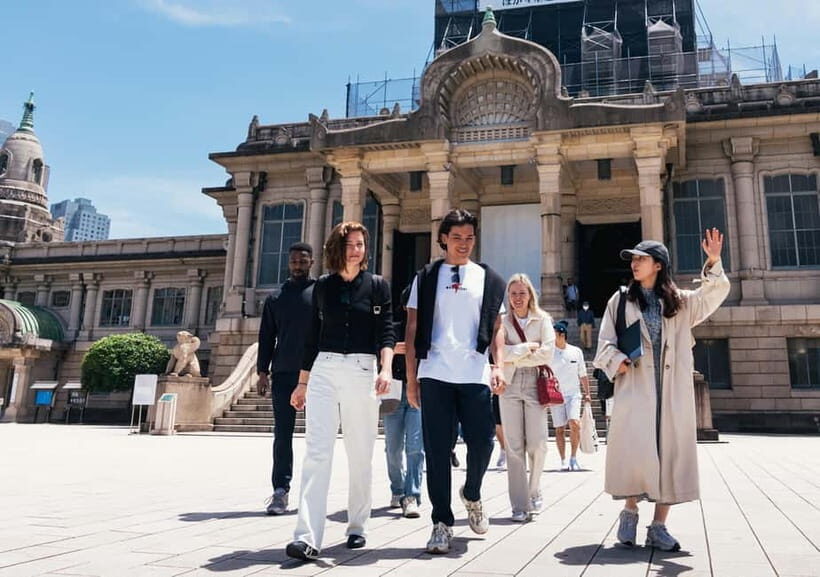
This tour caps at 30 travelers, and the format notes that the guide can spend more focused time with you in a small-group setting. That matters in a place like Tsukiji, where crowds can swallow you if the group gets separated.
In recent feedback, guides such as George and Tomo show up with praise for taking people to the best food spots and explaining things clearly. That’s exactly what you want here: not just where to eat, but what to notice when you see fish work up close.
A small caution: crowded areas can make it harder for a guide to manage every moment. Some people have reported getting left behind or finding it hard to hear in very busy spots. My advice is simple—stay within arm’s reach when the group compresses, and don’t wait to catch up while you read every sign or photo everything.
Timing, Crowds, and Comfort Tips for a Better Day
This is a good tour for first-timers, but it’s still a market day in a major city. You’ll be on your feet, walking, and sometimes pausing where the flow is slow. Plan for that.
A few practical tips that will make your tour smoother:
- Wear shoes you trust for tight sidewalks and fast turns.
- If you’re heat-sensitive, plan for sun exposure and take breaks only when the guide does.
- Keep your phone charged and your bag closed—market airflow is great, but bags get bumped.
- If you get easily overwhelmed, focus on the “sequence” (street food → show → market walk → temple) rather than trying to process everything at once.
Also, the tour requires good weather. That means if rain or bad conditions hit, you may be offered a different date or a refund.
Accessibility: Better Than the Usual Market Chaos
This experience is listed as wheelchair and stroller accessible, which is a big deal at Tsukiji. Many market areas are uneven or crowded, so having a guide who’s prepared for accessibility needs makes the experience more realistic for more people.
If you’re pushing a stroller or using a wheelchair, still assume you’ll encounter tight passages. The difference is that the tour is designed with access in mind, rather than treating mobility needs as an afterthought.
Who This Tour Is Best For (and Who Might Skip It)
You’ll probably love this if:
- You want street food plus a market-craft story, not just random snacking.
- You’re short on time but want the best Tsukiji highlights within about two hours.
- You value a guide who helps you choose what to eat and what to pay attention to.
You might think twice if:
- You hate crowds and you’re not good at staying close in a group.
- You mainly want food tasting and don’t care about the quick temple context.
- You’re the type who prefers to wander freely and set your own tempo.
For DIY walkers, Tsukiji can be done without a guide—but you’ll be doing more guessing, and you may miss the structure that makes the fish-cutting moment and market walk land better.
Should You Book This Tsukiji Street Food and Culture Tour?
If your goal is street food with guidance, plus the chance to see a traditional fish-cutting show, then yes, I think it’s a solid book. At around $33.16, you’re paying for someone to manage the sequence and interpret what you’re seeing while you’re in the middle of the action.
If you’re crowd-averse or you absolutely need a slow, heavily explained experience at every stop, you might find the pacing a little hectic at peak times. Your best bet is to go in with the right mindset: this is an active, market-first tour where staying close and moving with the group is part of the deal.
FAQ
How long is the Tsukiji Fish Market: Street Food & Culture Walking Tour?
It’s about 2 hours.
What’s included in the tour?
You get insights into Japanese cooking and ingredients, plus a guided tour of the Tsukiji Fish Market. The fish-cutting show includes a fresh seafood bowl afterward.
What’s not included?
Meals are listed as not included. The tour does mention a seafood bowl after the fish-cutting show, but extra food beyond that would be on your own.
Where does the tour start and end?
It starts at 築地本願寺本堂3-chōme-15-1 Tsukiji, Chuo City, Tokyo 104-0045, Japan, and ends back at the same meeting point.
Is the tour near public transportation?
Yes, it’s near public transportation.
How big is the group?
The tour has a maximum of 30 travelers.
Is it wheelchair and stroller accessible?
Yes, the tour is wheelchair and stroller accessible.
More Tours in Tokyo




More Tour Reviews in Tokyo




Back to the Market: More Tsukiji Tours



Fresh reviews from around Tokyo






Tsukiji Fish Market Tours, compared.
 ★ 5.0Tokyo Tsukiji Fish Market Food and Culture Walking TourFrom $993,184 reviews
 ★ 5.0Tsukiji Fish Market Food and Walking tourFrom $301,724 reviews
 ★ 4.9Tsukiji Fish Market Guided Walking TourFrom $221,397 reviews
 ★ 5.0Tokyo Sushi Making Class in Tsukiji with Professional ChefFrom $491,177 reviews
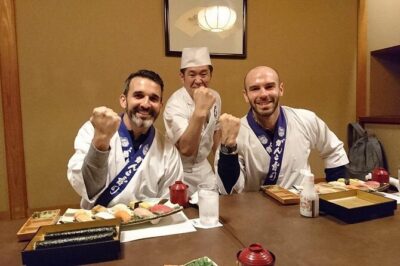 ★ 5.0Tsukiji Fish Market Guided Tour and Sushi Making with Pro ChefFrom $104775 reviews
★ 4.7Tsukiji Fish Market Food and Culture Walking TourFrom $96757 reviews
★ 5.0Tsukiji Fish Market Guided Tour and Sushi Making with Pro ChefFrom $104775 reviews
★ 4.7Tsukiji Fish Market Food and Culture Walking TourFrom $96757 reviews
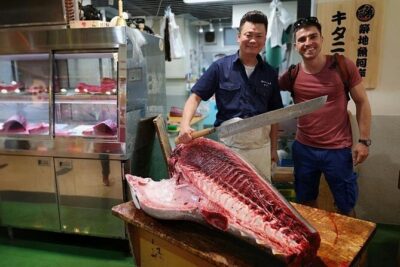 ★ 5.0Tsukiji Fish Market Small-Group Food Walking TourFrom $87621 reviews
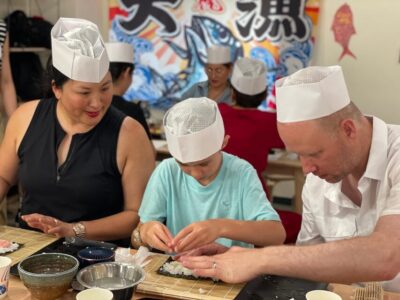 ★ 4.9Tsukiji Fish Market Sushi Making Class with Pro ChefFrom $63506 reviews
Browse the lists this tour appears in