
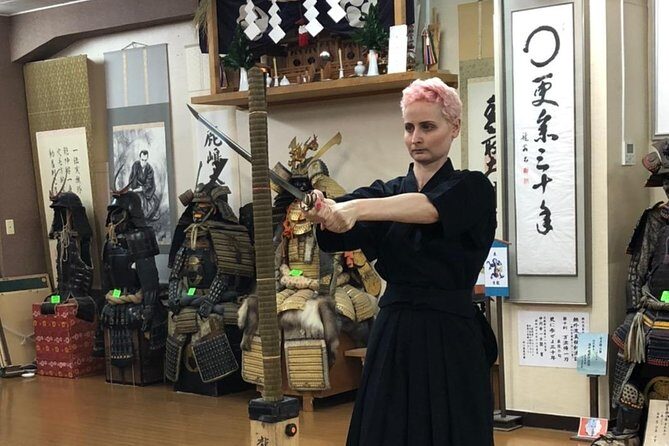
Reviewed · SAMURAI & NINJA EXPERIENCES
Embrace the Samurai Way: Iaido Swordsmanship Experience in Tokyo
Steel, silence, and samurai discipline in Tokyo. This is an Iaido session built for the real fundamentals, with real-sword tatami cutting under close supervision and private, level-matched instruction. You’ll also learn the samurai way side of things, not just sword tricks. One caution: this activity isn’t suitable for people with heart conditions, pregnant travelers, or anyone needing wheelchair accessibility.
You meet at Starbucks Coffee – Kudanshita Japan (Chiyoda City, Kudankita, building 1F) and you should arrive about 10 minutes early. Then you get set up with a traditional Iaido jacket and an English-speaking attendant for translation support, including the kind of small nuance questions that can make or break learning. In past sessions, the tone has been driven by names like Masa and Masahiro-san, who also cover the story and meaning behind how you handle the blade.
In This Review
- Key Highlights Worth Your Time
- Entering The Dojo: Where Your Tokyo Iaido Lesson Starts
- What You Learn In 90 Minutes: Fundamentals With Samurai Way Meaning
- Dressing Like You Mean It: Iaido Jacket, Proper Handling, No Guesswork
- Real Sword Practice and Tatami Cutting: The Moment You Earn
- The Participation Certificate and Storytelling You’ll Actually Remember
- Price, Timing, and How This Fits Your Tokyo Day
- Who Should Book This (And Who Should Skip)
- Should You Book This Iaido Experience in Tokyo?
- FAQ
- How long is the Iaido swordsmanship experience?
- Is this a private lesson or a group class?
- What’s included in the price?
- Do you practice with a real sword?
- Where do I meet the instructor?
- What should I wear?
- Is the experience suitable for everyone?
- Is transportation included?
- What happens if it’s canceled due to weather or timing?
Key Highlights Worth Your Time
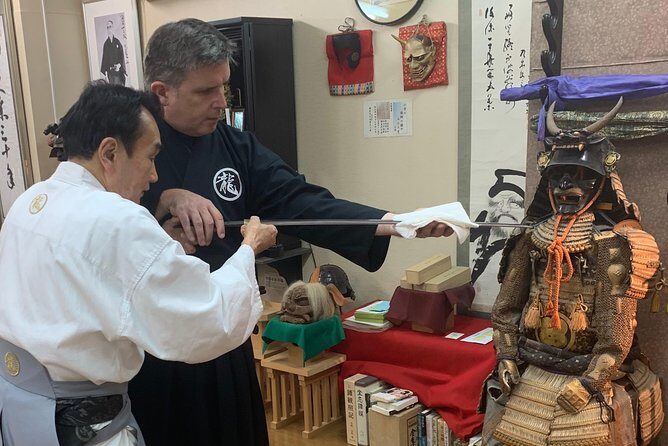
- Private Iaido lesson tailored to your level, not a one-size class
- Traditional Iaido jacket provided for the practice
- Practice first, then real-sword cutting with targets like tatami
- English support from an English-speaking attendant for clear coaching
- Participation certification to take home
- Tokyo-friendly meetup at Starbucks Kudanshita near public transportation
More blades, bows and dojo hours
- Tokyo: Samurai Ninja Museum Guided tour and Experience★ 4.6 · 1,010 reviews
- Tokyo: Samurai Sword & Archery Class from Samurai Descendant★ 5.0 · 603 reviews
- Best Samurai Experience in Tokyo★ 5.0 · 458 reviews
Entering The Dojo: Where Your Tokyo Iaido Lesson Starts
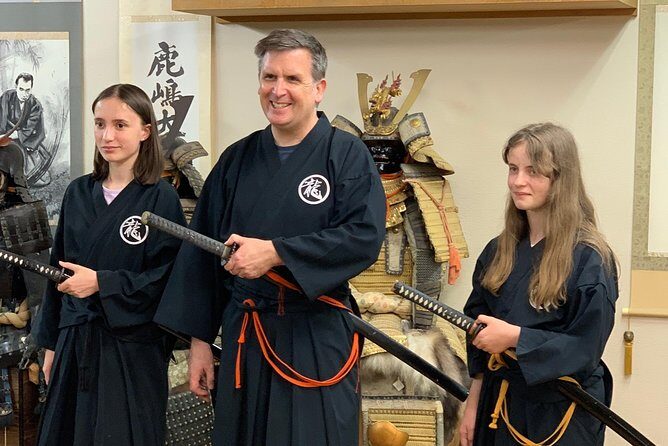
Your experience kicks off at the Starbucks Coffee – Kudanshita Japan meeting point in the Chiyoda area. It’s an easy landmark, and it helps that the venue is near public transportation. Arrive around 10 minutes early so you can check in, get oriented, and not feel rushed when the training begins.
Once you’re at the dojo, the pacing is practical. You’ll be guided into what to do first, how to stand, and how to treat the sword as something serious. The session is private, meaning it’s only your group. That matters in Iaido, because small corrections can make the difference between performing a clean move and just doing something that looks right.
You’ll also be able to rely on an English-speaking attendant. That’s not just for translation of words. It’s for translation of intent—what the instructor is trying to fix, and what you should focus on during the next repetition.
What You Learn In 90 Minutes: Fundamentals With Samurai Way Meaning
This is a fundamentals-focused Iaido lesson. You practice basic movements and techniques, with instruction that’s adapted to your level. You’re not being thrown into the deep end with complicated sequences. Instead, you build a foundation: how to move correctly, how to respond to coaching, and how to keep the discipline behind the form.
The samurai way part is built into the teaching. You’ll get an explanation of the concept of Iaido in English, plus a discussion of samurai philosophy during the session. That’s a key difference from many short sword experiences in Japan that focus only on show-and-tell.
From the way the instructors teach, you also get context that feels oddly specific for a one-and-a-half-hour class. One of the standout themes is how sword handling connects to proper respect, including topics like the licensing for blades. Even if you don’t memorize every detail, you leave with a sense that this is more than a sport or a stunt.
The session also includes theoretical backgrounds, so you’re not just repeating motions. You’re building understanding alongside muscle memory.
Dressing Like You Mean It: Iaido Jacket, Proper Handling, No Guesswork
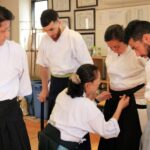
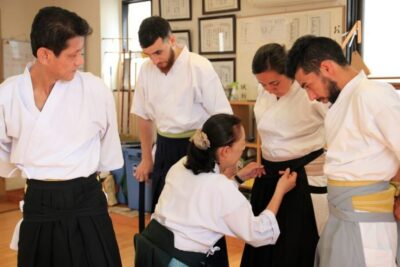
You’ll don a traditional Iaido uniform, including an Iaido jacket (included). Comfortable clothing is required, since your body needs to move freely. Think practical layers you can sweat in a bit, not stiff or bulky clothes.
What I like here is that the uniform is part of the learning. It’s not just costume dressing. In an experience like this, wearing the right practice clothing helps you settle into the form and makes the whole session feel more like training than entertainment.
Then comes sword handling. The instruction emphasizes the proper way to handle the sword like a real samurai. That means grip, control, and awareness—how you move with the blade and how you keep everything intentional. You’ll get coaching during the practice, so you’re not just copying a stranger’s movements.
Language support matters again. When you can ask a clarifying question in plain English, you learn faster. Past participants have also noted how translation support helped them understand the nuances of what they were doing, especially during the more technical parts.
Real Sword Practice and Tatami Cutting: The Moment You Earn
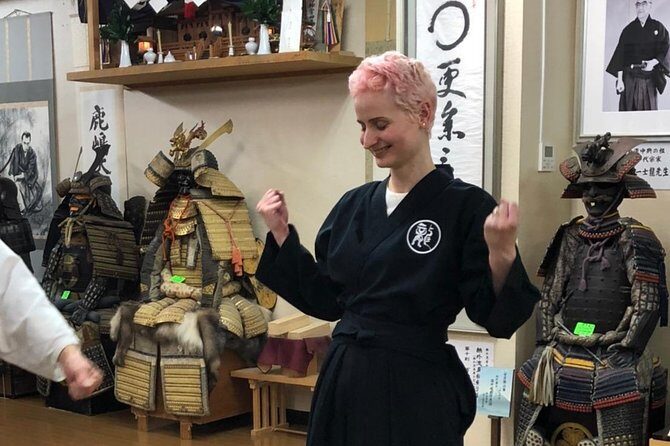
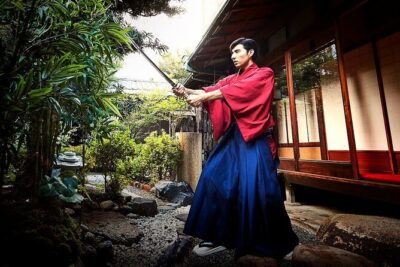
The best part is the transition from basics into real practice. You’ll practice basic movements and techniques, and then you cut targets under supervision. In other words, you don’t just watch a demo and clap.
A common format described in the experience is that you start with practice tools—then later move to real steel. You also get the chance to do tatami cutting, which is exactly the kind of goal you can feel proud of because it’s concrete. You know when you did it right, and the instructor knows what to correct.
Safety here is about supervision and instruction, not about vague promises. The lesson is paced so you get guidance before you do the more intense part. You should take the supervision seriously, follow the checks the instructor asks for, and don’t rush ahead just because you’re excited.
If you’re worried about performance anxiety, it helps to know this is private. You’re not competing with a large group. Instead, you get personalized coaching while you learn how to control the timing and the movement.





The Participation Certificate and Storytelling You’ll Actually Remember
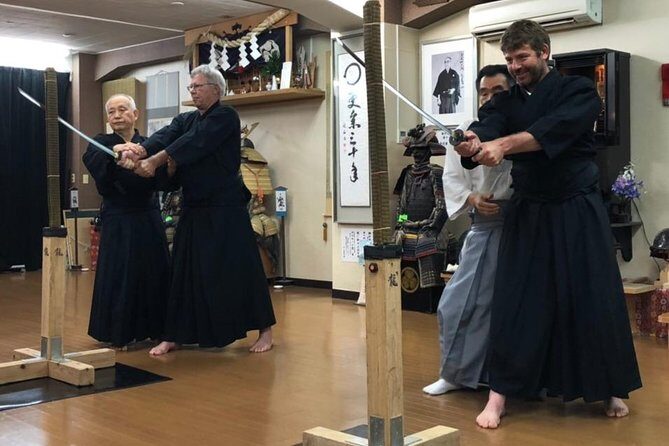
You receive a certification of participation at the end. It’s a small paper keepsake, but it does something useful: it marks the fact that this was training, not a passing stop.
Just as important is the way the instructor explains the meaning behind what you do. The session isn’t just technique. You’ll hear stories about the history of samurai and how ideas connect to practice. One review mentioned the dojo master’s storytelling and even the discussion around blade licensing—details that don’t feel random. They point back to the idea that Iaido is tied to discipline.
The overall feel is that you’re guided through the experience like a student, not treated like a customer watching a performance. That’s why people tend to rate this highly: you get a master’s attention, and you leave with real hands-on experience.
And yes, having an attendant who can translate quickly helps a lot. When you understand why a correction matters, you can fix it on the spot.
Price, Timing, and How This Fits Your Tokyo Day
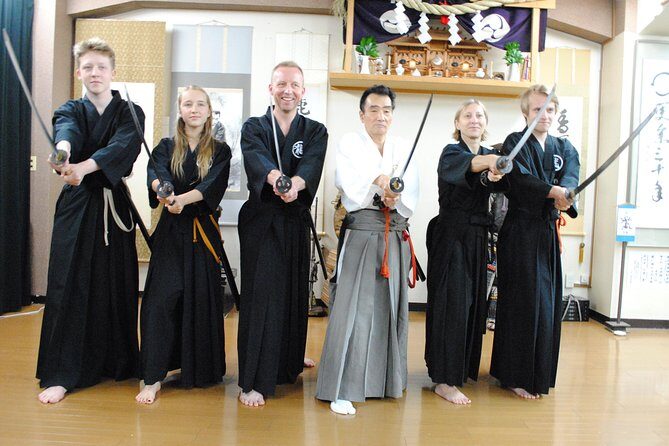
The price is $154.37 per person for about 1 hour 30 minutes. That sounds specific, and it is. Here’s the value angle: you’re paying for private instruction, a traditional practice jacket, English support, and the chance to do supervised cutting practice with real swords.
For Tokyo, that’s a fair trade when you look at what’s included. Many experiences charge more for shorter lessons with less hands-on practice. Here, the time is focused, and the learning is structured around getting you through fundamentals and into actual cutting.
Booking tends to happen earlier than you might expect, with an average booking window of 58 days. That suggests limited availability, which is common for specialized training-style experiences. If you’re traveling in a busy season, book sooner rather than later.
Logistically, the meetup is simple—Starbucks Kudanshita—and the tour ends back at the meeting point. Private transportation isn’t included, so plan to get there on your own using public transit.
One more practical note: the activity requires good weather. If conditions are poor and the session is canceled, you’ll be offered a different date or a full refund.
Who Should Book This (And Who Should Skip)
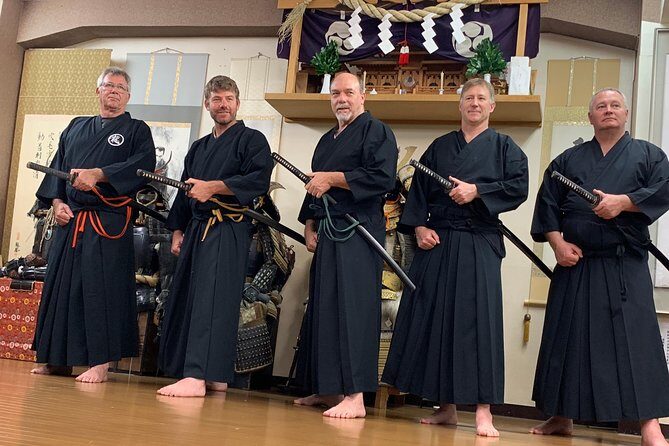
This is a great fit if you want more than tourist-level sword photos. You should book it if you care about discipline, technique, and learning the why behind the motions. You’ll likely enjoy it most if you’re open to coaching and you don’t mind taking the session seriously.
It’s also a strong choice for people who want English support during training. The English-speaking attendant can help you grasp both practical instructions and the conceptual side of samurai philosophy.
You should skip it if you have a heart condition, if you are pregnant, or if you need wheelchair accessibility. The activity’s physical demands aren’t meant for those situations.
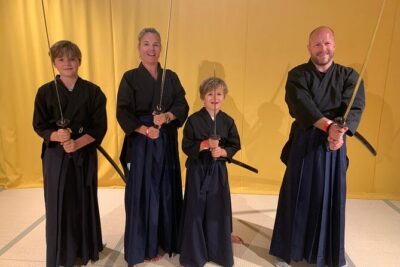
If you’re traveling with family, it can work well because the class is private for your group and you get personalized instruction. Just remember: everyone needs to wear comfortable clothing and follow the dojo rules during training.
Should You Book This Iaido Experience in Tokyo?
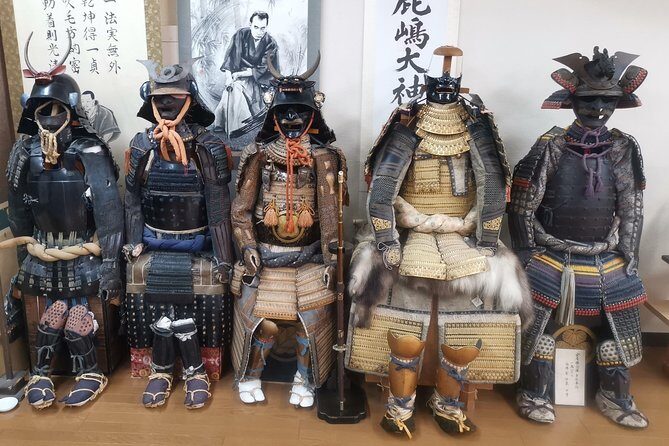
If you want a hands-on Iaido lesson where you practice with guidance and do supervised cutting with real swords, I think it’s worth booking. The price covers the key ingredients: private instruction, proper practice clothing, English support, and a clear end goal with tatami cutting.
I’d only hesitate if you need full accessibility accommodations, or if you’re not comfortable with a physical training activity that has health restrictions. Also, because weather can affect it, build in flexibility.
If your Tokyo trip has room for one experience that feels like actual training—serious, structured, and personal—this is a smart pick.
FAQ
How long is the Iaido swordsmanship experience?
It runs for about 1 hour 30 minutes.
Is this a private lesson or a group class?
It’s a private tour/activity, so only your group participates.
What’s included in the price?
You get an Iaido jacket (and included practice items) and an English-speaking attendant for support.
Do you practice with a real sword?
Yes. The experience includes real sword practice where you cut targets under supervision.
Where do I meet the instructor?
You meet at Starbucks Coffee – Kudanshita Japan, in Chiyoda City, Kudankita (building 1F). The activity ends back at the meeting point.
What should I wear?
Wear comfortable clothing. You’ll also don the traditional Iaido jacket during the session.
Is the experience suitable for everyone?
No. It isn’t suitable for people with heart conditions, pregnant travelers, or anyone who needs wheelchair accessibility.
Is transportation included?
No. Private transportation is not included.
What happens if it’s canceled due to weather or timing?
The experience requires good weather. If it’s canceled due to poor weather, you’ll be offered a different date or a full refund. Cancellation is free up to 24 hours in advance for a full refund.
More Tour Reviews in Tokyo



The Way of the Sword, Continued



Fresh reviews from around Tokyo






Samurai & Ninja Experiences, compared.
 ★ 4.6Samurai Ninja Museum Guided tour and ExperienceFrom $271,010 reviews
 ★ 5.0Samurai Sword & Archery Class from Samurai DescendantFrom $193603 reviews
 ★ 5.0Best Samurai Experience in TokyoFrom $65458 reviews
 ★ 5.0Ninja Experience (Family Friendly) at Samurai Ninja Museum TOKYOFrom $47441 reviews
 ★ 4.6Samurai Entertainment Night Show in Kanda ShrineFrom $41417 reviews
 ★ 5.0Tokyo Sword Experience – includes Museum Ticket/Ninja ExperienceFrom $84314 reviews
 ★ 4.8Samurai Ninja Museum Asakusa: Samurai Sword Lesson & TourFrom $63306 reviews
 ★ 5.0Samurai Sword Experience (Family Friendly)at SAMURAI MUSEUM TOKYOFrom $65168 reviews
Browse the lists this tour appears in